
Gear article
1010music Nanobox Lemondrop
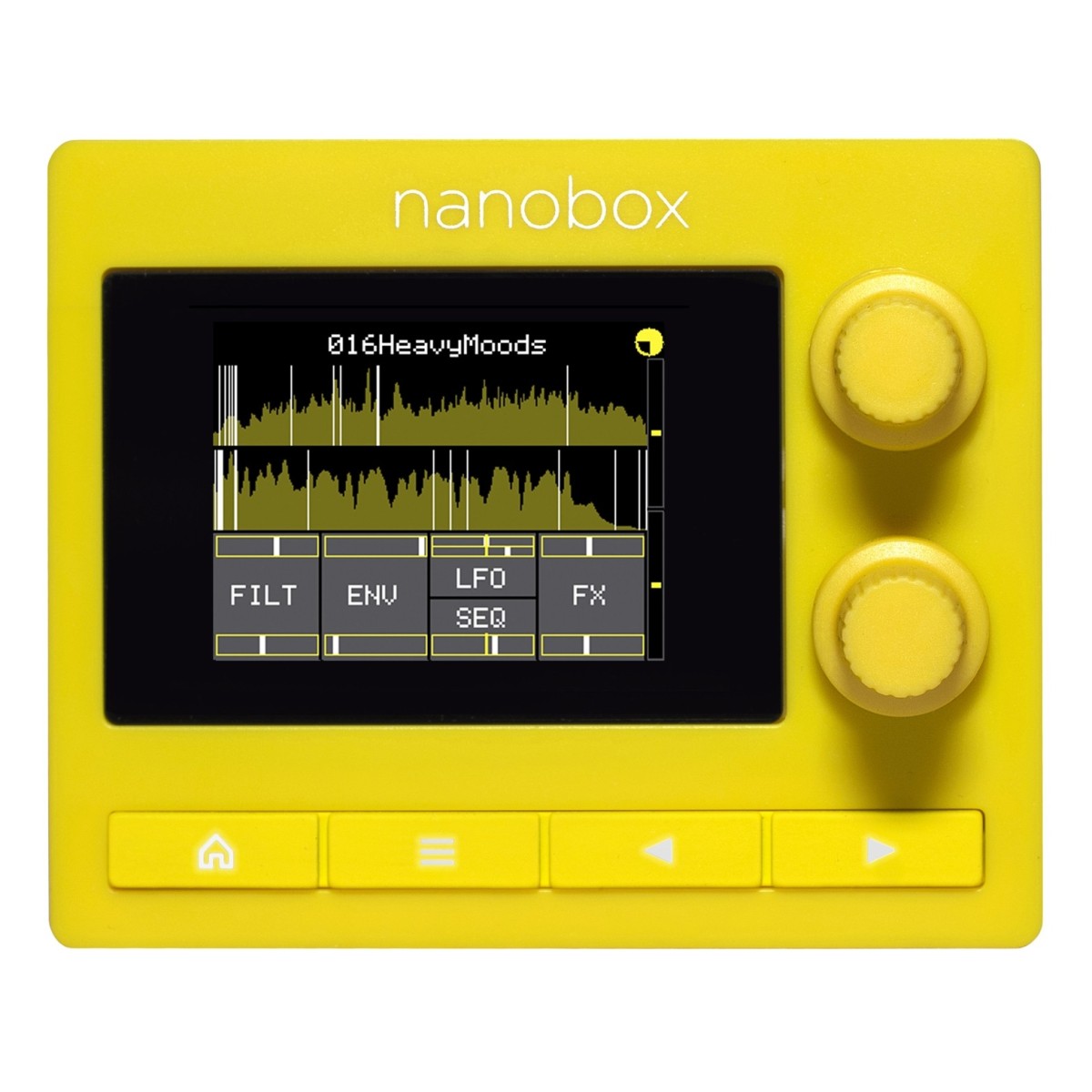
The 1010music nanobox lemondrop is a compact, four-voice polyphonic granular synthesizer designed for portable sound design and performance. It features dual granular engines combined with a traditional oscillator and a touch-responsive interface for manipulating textures in real time.
Overview and Synthesis Architecture
The nanobox lemondrop is a specialised granular synthesizer housed in a palm-sized chassis. Its architecture is built around two independent granular engines which work in tandem with a third traditional oscillator. This hybrid approach allows the device to generate complex, shifting soundscapes while maintaining a solid tonal foundation.
The device supports four-voice polyphony, allowing for chordal textures that are often difficult to achieve in smaller granular modules. Users can manipulate sound through a variety of onboard tools, including two filters, two envelopes, two LFOs, and a modulation sequencer. This comprehensive signal path ensures that the granular textures can be shaped with the same precision as a standard subtractive synthesizer.
Interface and Control
Central to the lemondrop experience is a 2-inch colour touchscreen. This interface provides immediate visual feedback and serves as a primary performance controller. The X/Y pad functionality on the screen allows users to morph multiple parameters simultaneously with a single finger, facilitating expressive live performances.
Physical control is handled via two rotary encoders and four buttons, providing a tactile complement to the touchscreen. The combination of these controls allows for deep menu diving when necessary, while keeping essential performance parameters like grain size, density, and pitch within easy reach.
Sound Character and Connectivity
The lemondrop is known for a wide sonic palette ranging from evolving ambient pads to sharp, glitchy rhythmic patterns. By breaking audio down into tiny 'grains' and rearranging them, it creates textures that are fluid and organic.
For connectivity, the unit includes MIDI In and Out, Clock In, and Line In/Out, typically via 3.5mm TRS jacks. It is powered via USB-C, making it suitable for mobile setups. Users can load their own WAV files using a micro-SD card, allowing for the creation of completely custom sound libraries beyond the hundreds of included professional presets.
Target Audience and Application
This instrument is primarily aimed at sound explorers, electronic music producers, and live performers who require deep synthesis capabilities without the bulk of traditional hardware. Its small footprint makes it an ideal companion for mobile rigs or space-constrained studio desks.
While it excels at ambient and experimental music, its ability to process external audio and use standard oscillators makes it versatile enough for more conventional electronic genres. It is particularly useful for those who wish to incorporate granular synthesis into their workflow without investing in a full modular system.
Market Context
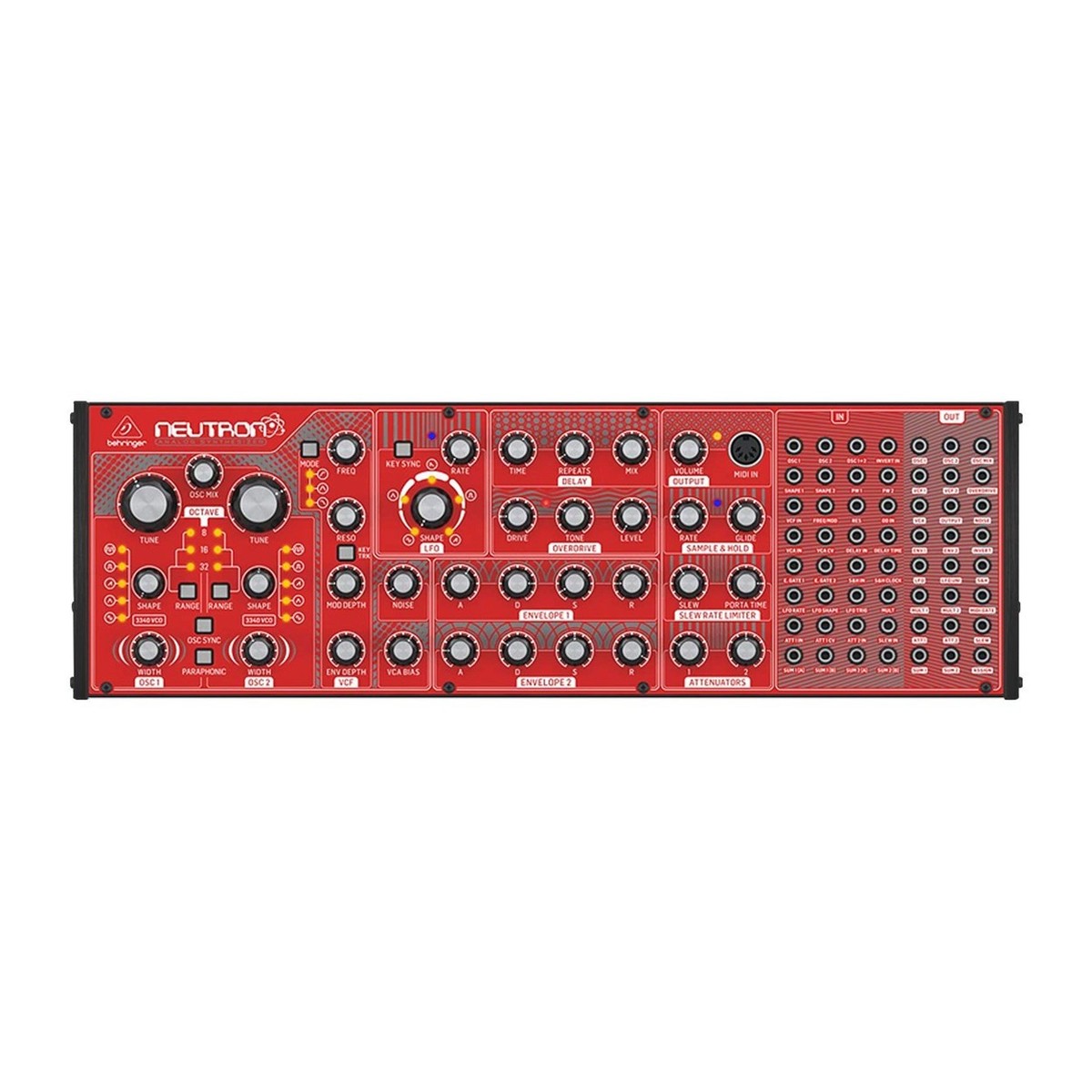
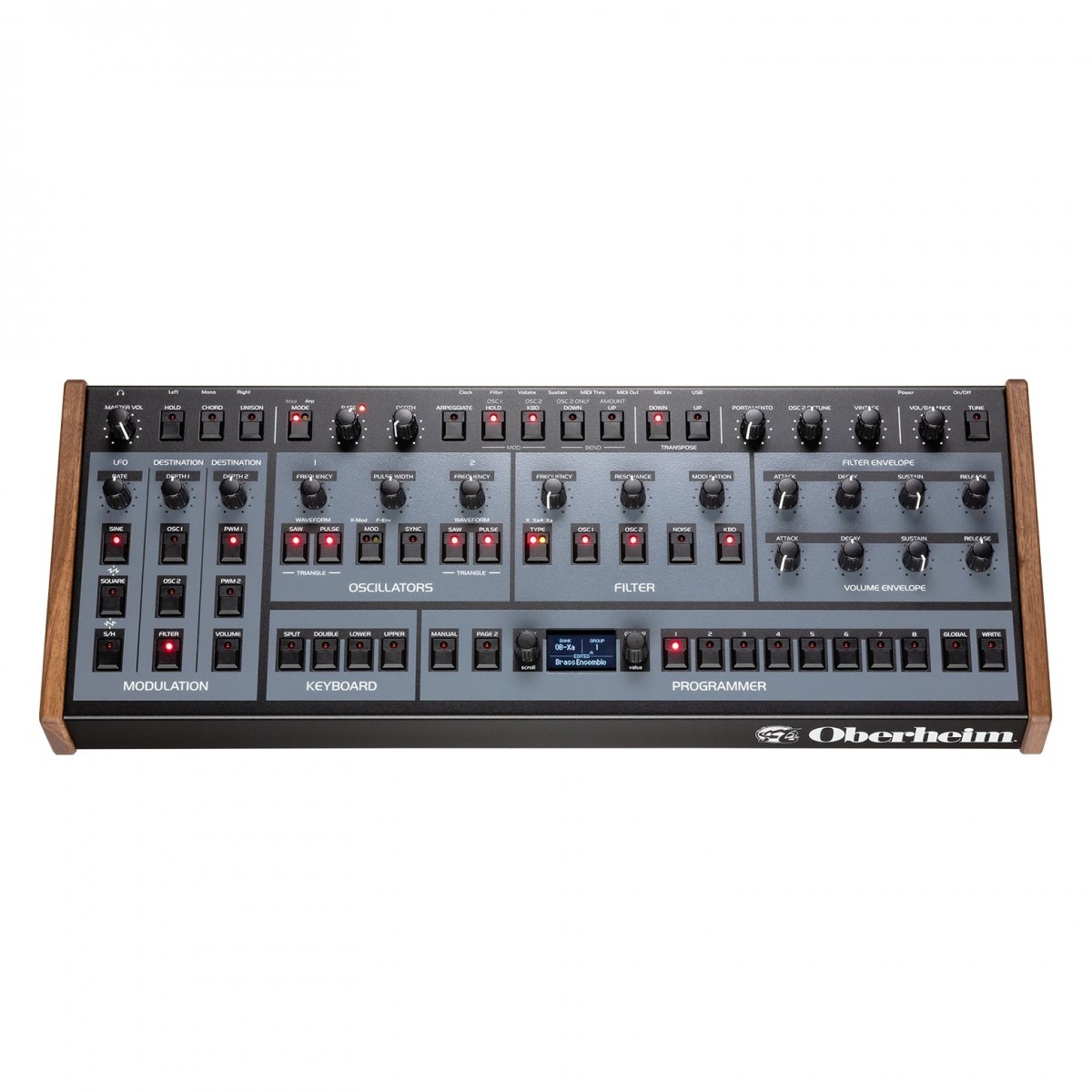
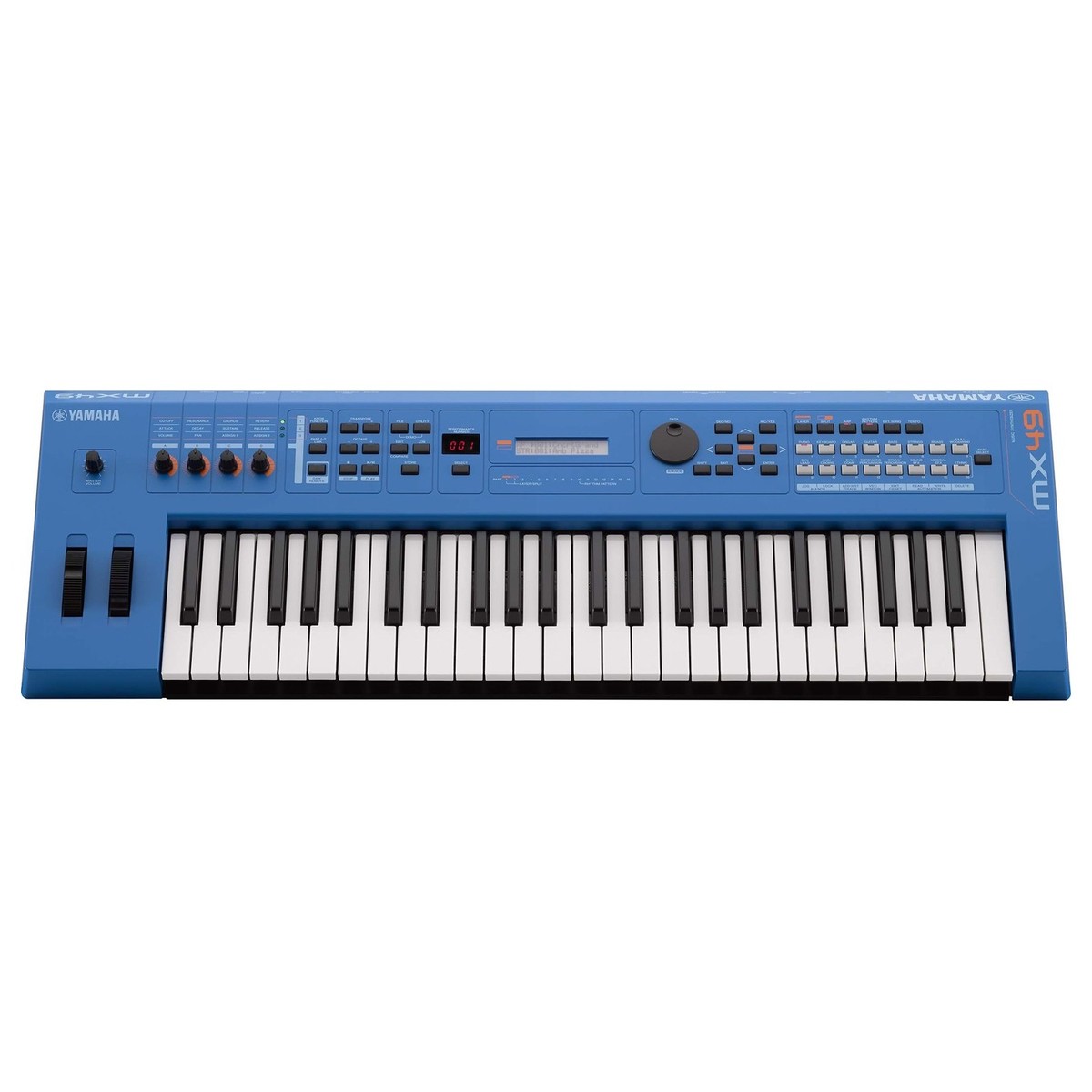
The lemondrop occupies a unique niche in the synthesizer market. Compared to full-sized units like the Oberheim OB-X8 or the Yamaha MX49 II, it focuses on a specific, portable synthesis method. While devices like the Roland TR-08 or Behringer Neutron offer rhythmic or semi-modular workflows, the lemondrop provides a digital, screen-focused experience that prioritises granular manipulation over analog modelling or sequencing.
Related gear
- £374.00 ($475)
Roland
Roland Boutique TR-08 Rhythm Composer Drum Machine
 £281.50 ($358)
Behringer
Behringer Neutron Semi-Modular Synthesizer
 £3,699.99 ($4,699)
Oberheim
Oberheim OB-X8 Analog Synthesizer Desktop Module
 £527.01 ($669)
Yamaha
Yamaha MX49 II Music Production Synthesizer Blue
 £125.00 ($159)
Electro Harmonix
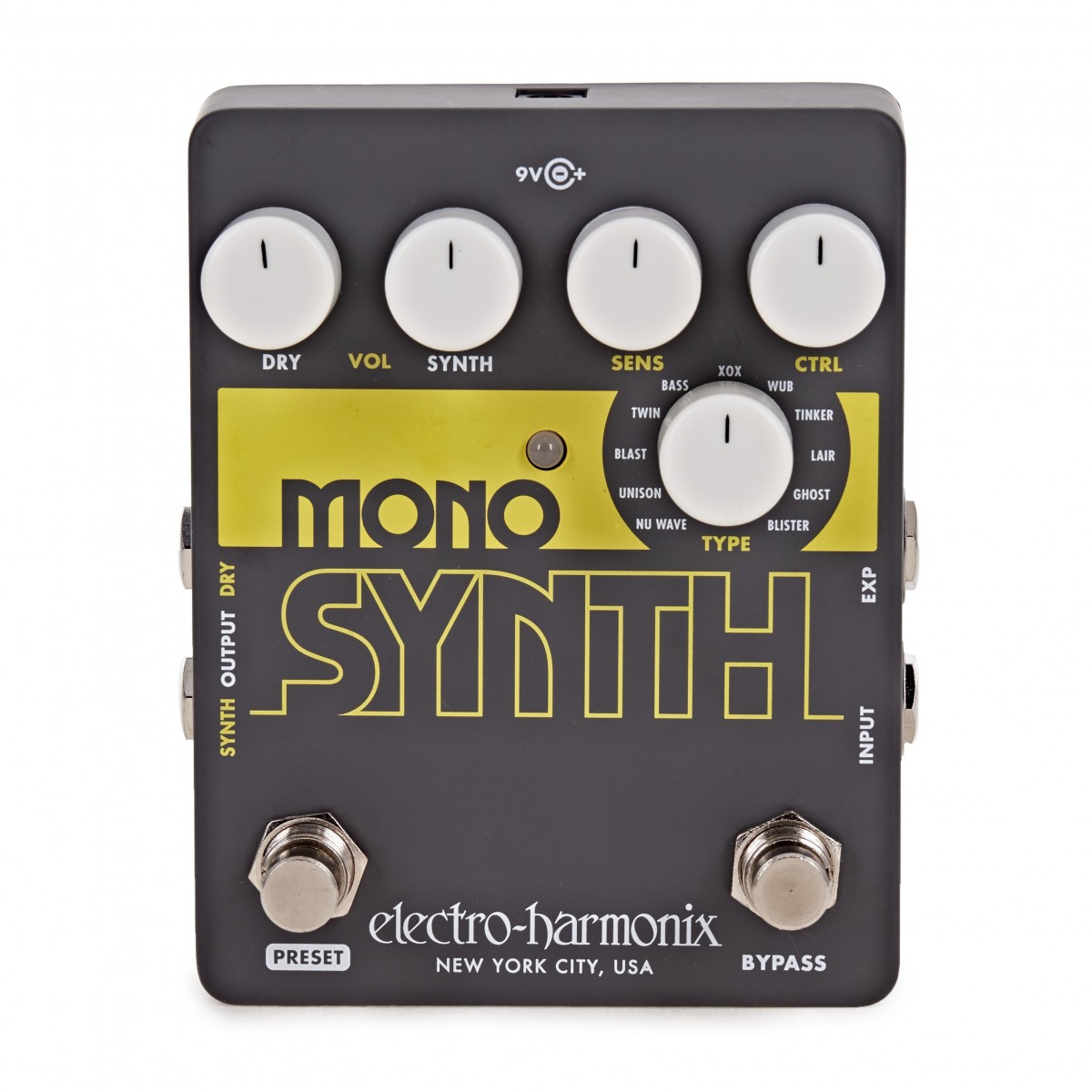
Electro Harmonix Mono Synth Guitar Synthesizer
 £2,247.69 ($2,855)
Viscount Organs
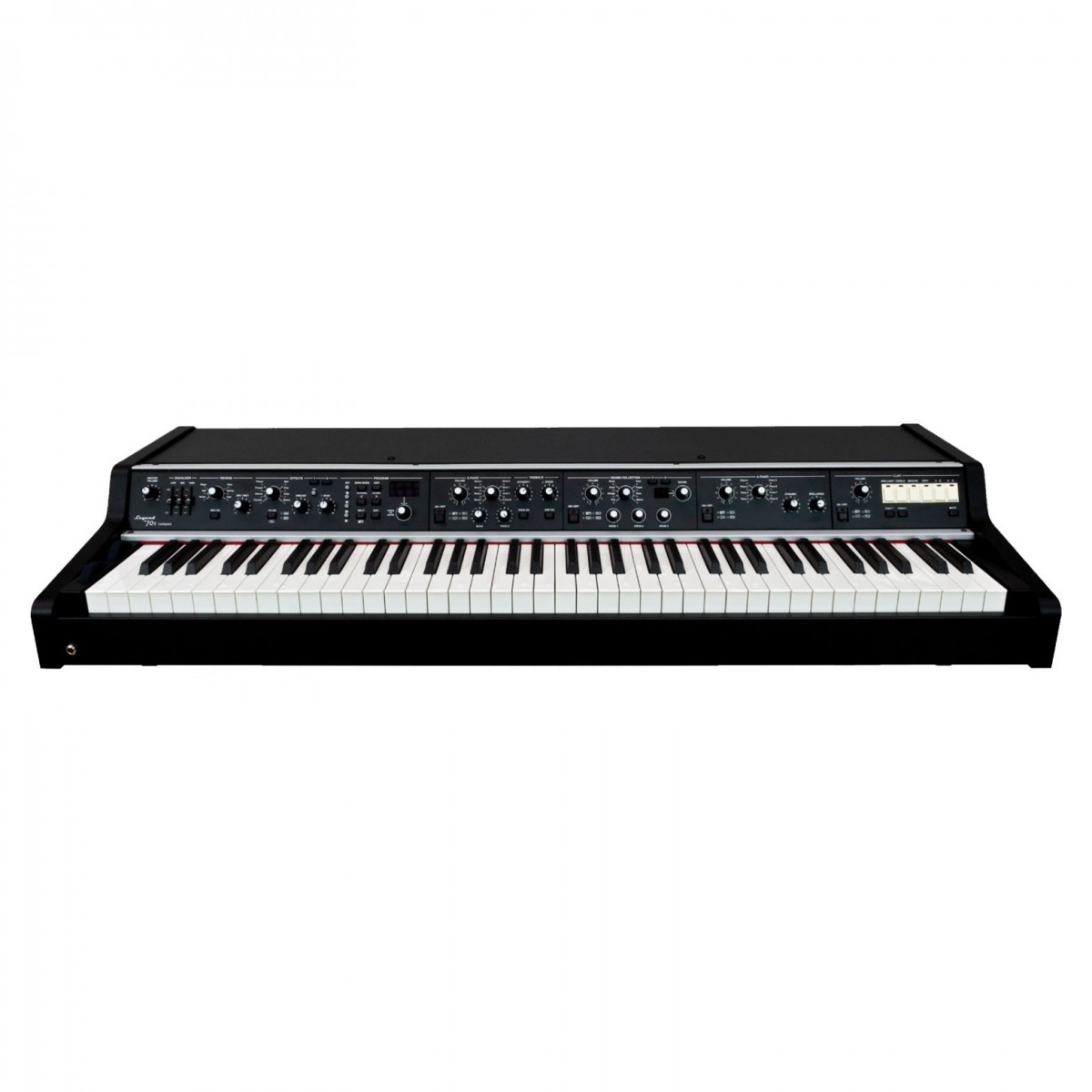
Viscount Legend 70s Compact EX Modular Stage Piano
 £645.81 ($820)
Yamaha
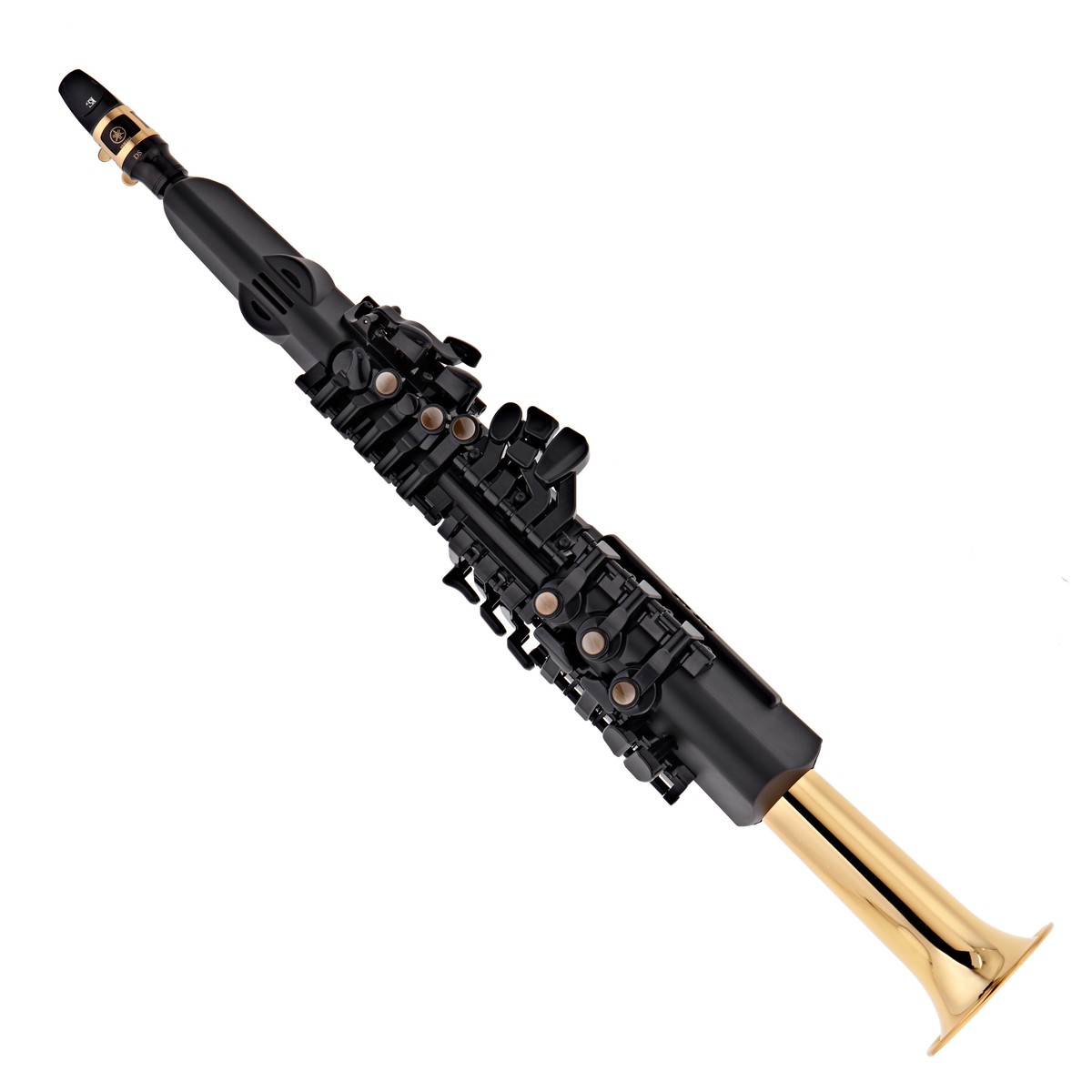
Yamaha YDS 150 Digital Wind Synthesizer
 £499.99 ($635)
Gear4Music
modul Modular Complete Studio System Black
Frequently asked questions
- What is the primary synthesis method of the lemondrop?
- The lemondrop uses granular synthesis, which involves breaking audio samples into very small pieces called grains and overlapping or modulating them. It also includes a traditional oscillator for additional sound layering.
- How many voices of polyphony does it support?
- The device features four-voice polyphony, allowing users to play chords or layer multiple granular textures simultaneously.
- Can I use my own samples with the lemondrop?
- Yes, you can import your own WAV files via a micro-SD card to create custom granular patches and unique sound libraries.
- How is the device powered?
- The nanobox lemondrop is powered via a USB-C connection, making it compatible with modern power adapters and portable power banks.
- Does it have a touchscreen?
- Yes, it features a 2-inch colour touchscreen that supports X/Y control for instant sound morphing and parameter adjustment.
- What kind of effects and modulation are included?
- It includes two filters, two envelopes, two LFOs, and a modulation sequencer to shape the sound in real time.
- Is the lemondrop suitable for live performance?
- Absolutely. Its compact size, X/Y touchscreen control, and preset browsing capabilities are designed for immediate use in live environments.
- How many granular engines does it have?
- It features two independent granular engines that can be used to process audio simultaneously for complex textures.
- Does it come with factory presets?
- Yes, it includes hundreds of professionally crafted presets that demonstrate its range from ambient textures to rhythmic glitches.
- What are the dimensions of the unit?
- The lemondrop is part of the nanobox series, designed to be ultra-portable and small enough to fit in a pocket or a crowded mobile rig.
- Can I process external audio through the granular engines?
- Yes, the device features a Line In that allows you to feed external audio signals into the granular engines for real-time processing.
- How does it compare to a modular system like the Gear4Music modul?
- While the modul system is a complete studio environment, the lemondrop is a dedicated, self-contained digital instrument focused specifically on portable granular synthesis.