
Gear article
Alesis Elevate 4 Studio Monitors
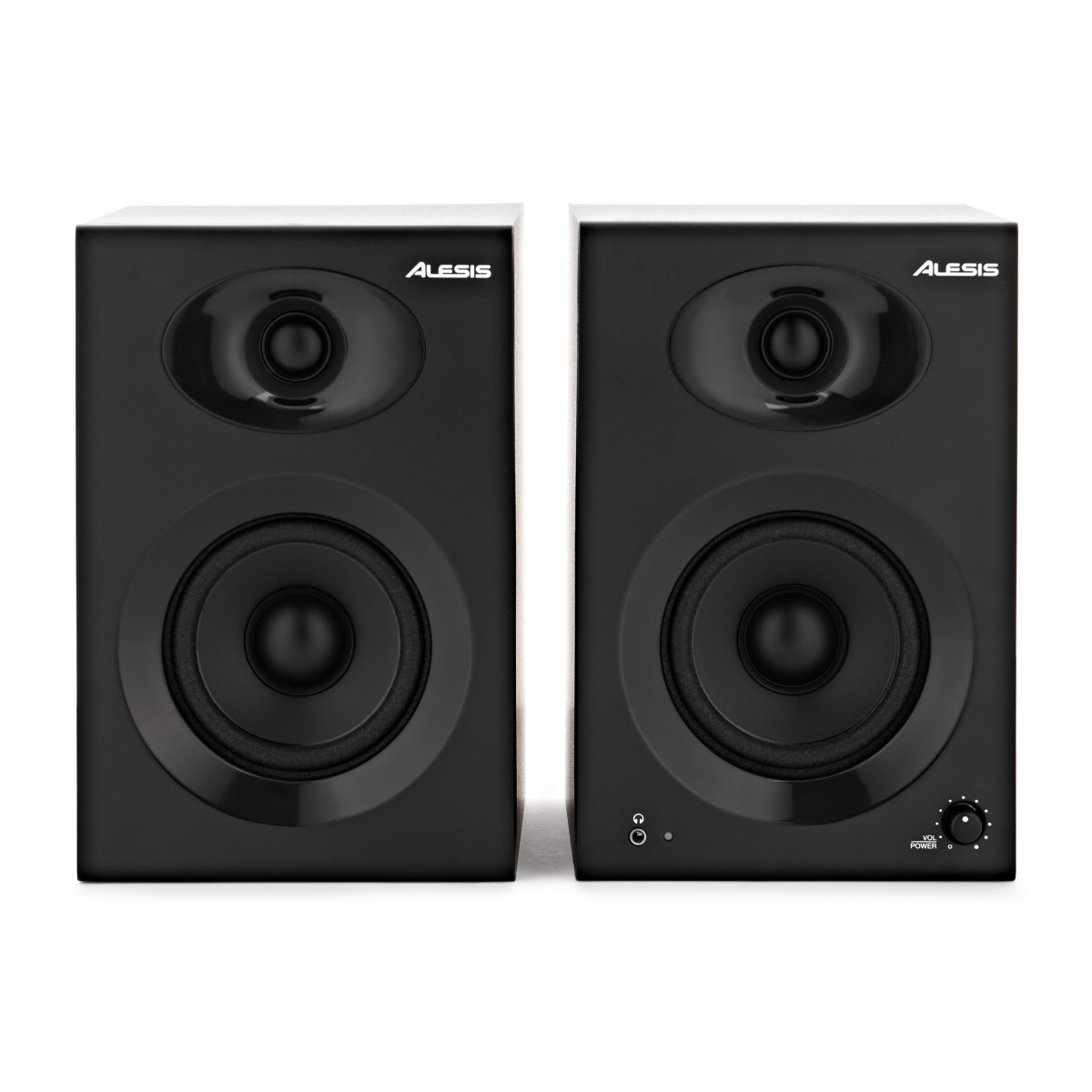
The Alesis Elevate 4 is a pair of compact, active two-way studio monitors designed for home recording, music production, and multimedia applications. Utilising a 4-inch woofer and 1-inch silk dome tweeter, the system provides 50 watts of total RMS power through a master-slave configuration.
Overview and Design
The Alesis Elevate 4 studio monitors are engineered to provide accurate sound reproduction in a desktop-friendly form factor. Unlike individual bi-amped monitors, the Elevate 4 system is sold as a matched pair consisting of one active unit and one passive unit. The active monitor houses a custom-designed 2-channel Class AB amplifier that delivers 25 watts of power to each speaker, for a combined total system output of 50 watts RMS.
The physical construction features a high-density cabinet designed to minimise resonance. Each unit contains a 4-inch low-frequency driver and a 1-inch silk dome tweeter. A key design element is the custom elliptical waveguide, which is intended to control sound dispersion and ensure a wide sweet spot for the listener.
Technical Specifications
The Elevate 4 monitors utilise a Class AB amplification circuit. This traditional amplifier design is chosen for its balance of efficiency and low distortion compared to budget Class D alternatives.
- Low-Frequency Driver: 4-inch woofer for mid-range and bass reproduction.
- High-Frequency Driver: 1-inch silk dome tweeter for clear highs.
- Waveguide: Elliptical design to optimise audio fidelity and imaging.
- Power: 50 Watts RMS total (25 Watts per channel).
- Connectivity: Standard inputs for integration with audio interfaces, mixers, or mobile devices.
Target Audience and Applications
Because of their price point and compact size, the Elevate 4s are primarily aimed at home studio enthusiasts, hobbyist music producers, and content creators. They are well-suited for:
- Home Recording: Monitoring demos and bedroom productions.
- Multimedia Work: Video editing and podcasting where accurate stereo imaging is required.
- Gaming and Entertainment: Higher fidelity alternative to standard computer speakers.
While they lack the extreme precision of high-end reference monitors, they are significantly more accurate than consumer-grade desktop speakers, making them a viable entry point for those learning audio engineering.
Market Comparison
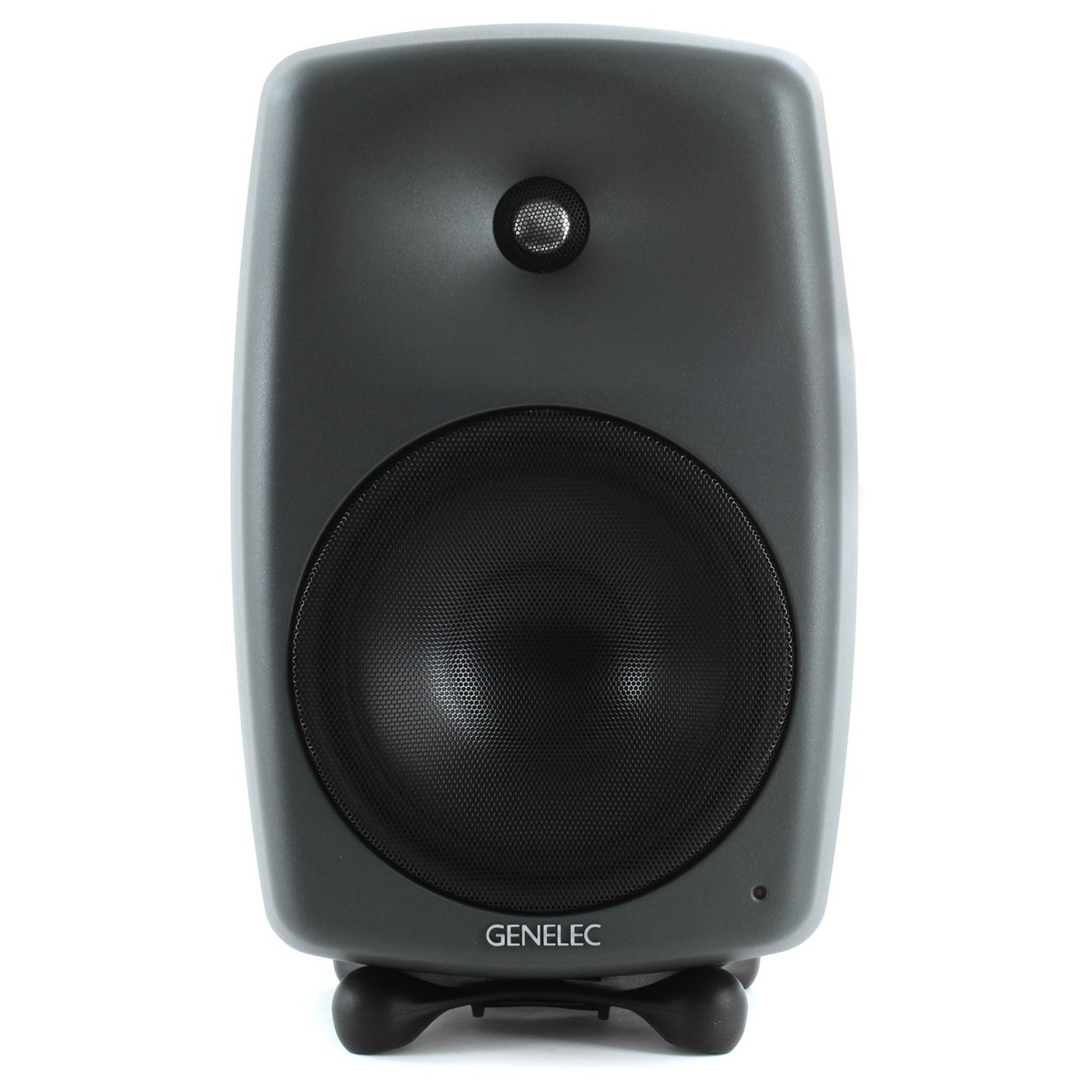
When compared to high-end industry standards like the Genelec 8050B or Neumann KH 120-II, the Alesis Elevate 4 is a budget-oriented solution. Professional monitors from brands like Genelec and Neumann typically feature individual bi-amplification and advanced DSP corrections, which are not present in the Elevate 4.
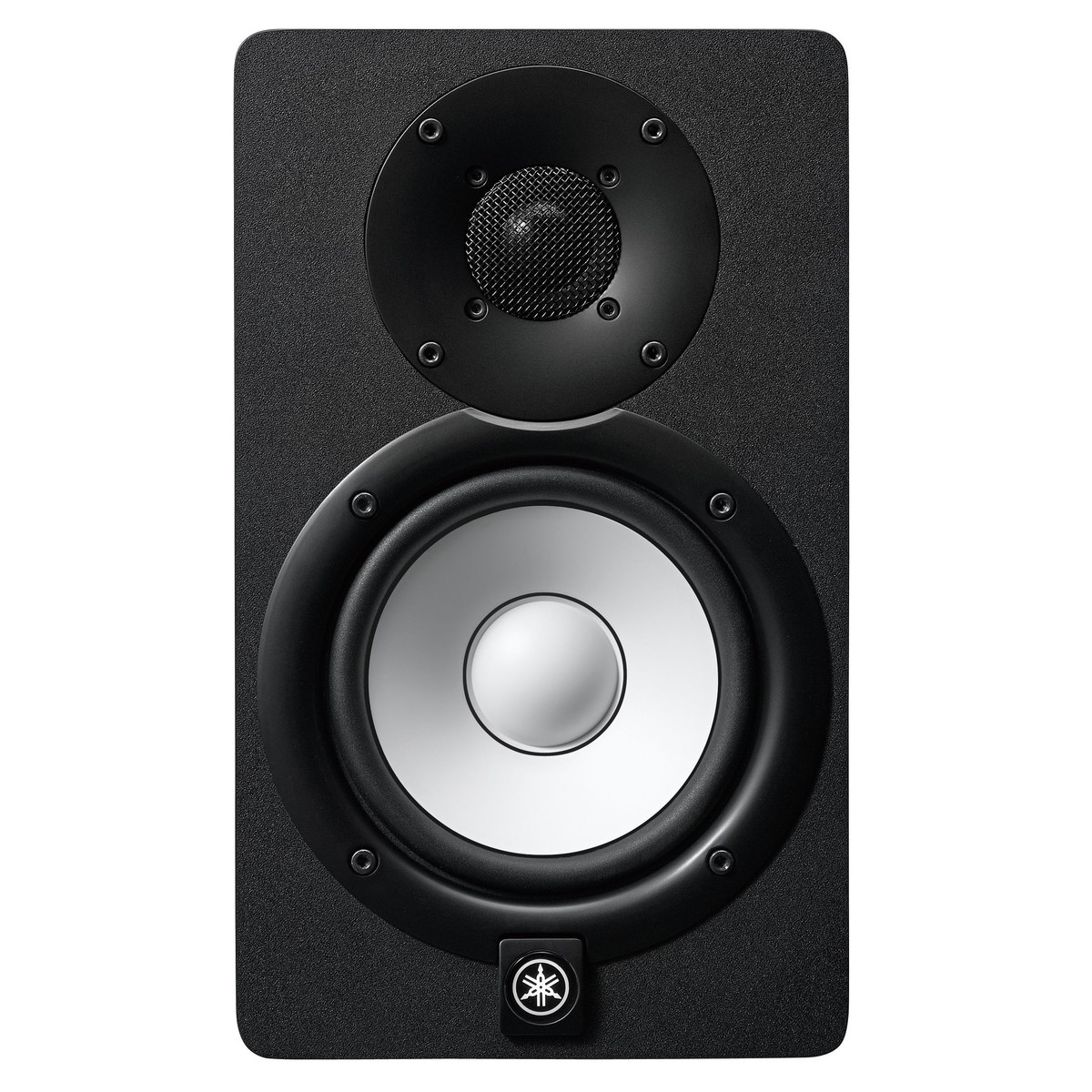
In its own category, it competes with models such as the Behringer 1C-BK or the M-Audio Forty Eighty series. Compared to the Yamaha HS5, the Elevate 4 offers a smaller woofer and a different amplification architecture, positioning it as a more affordable, space-saving option for those who do not require the larger footprint of 5-inch or 8-inch drivers found in the Focal Shape 65 or larger M-Audio units.
Related gear
- £1,404.00 ($1,783)
Genelec
Genelec 8050B Bi-Amped Studio Monitor Dark Grey (Single)
 £151.50 ($192)
Yamaha
Yamaha HS5 Active Studio Monitor
 £1,739.00 ($2,209)
Neumann
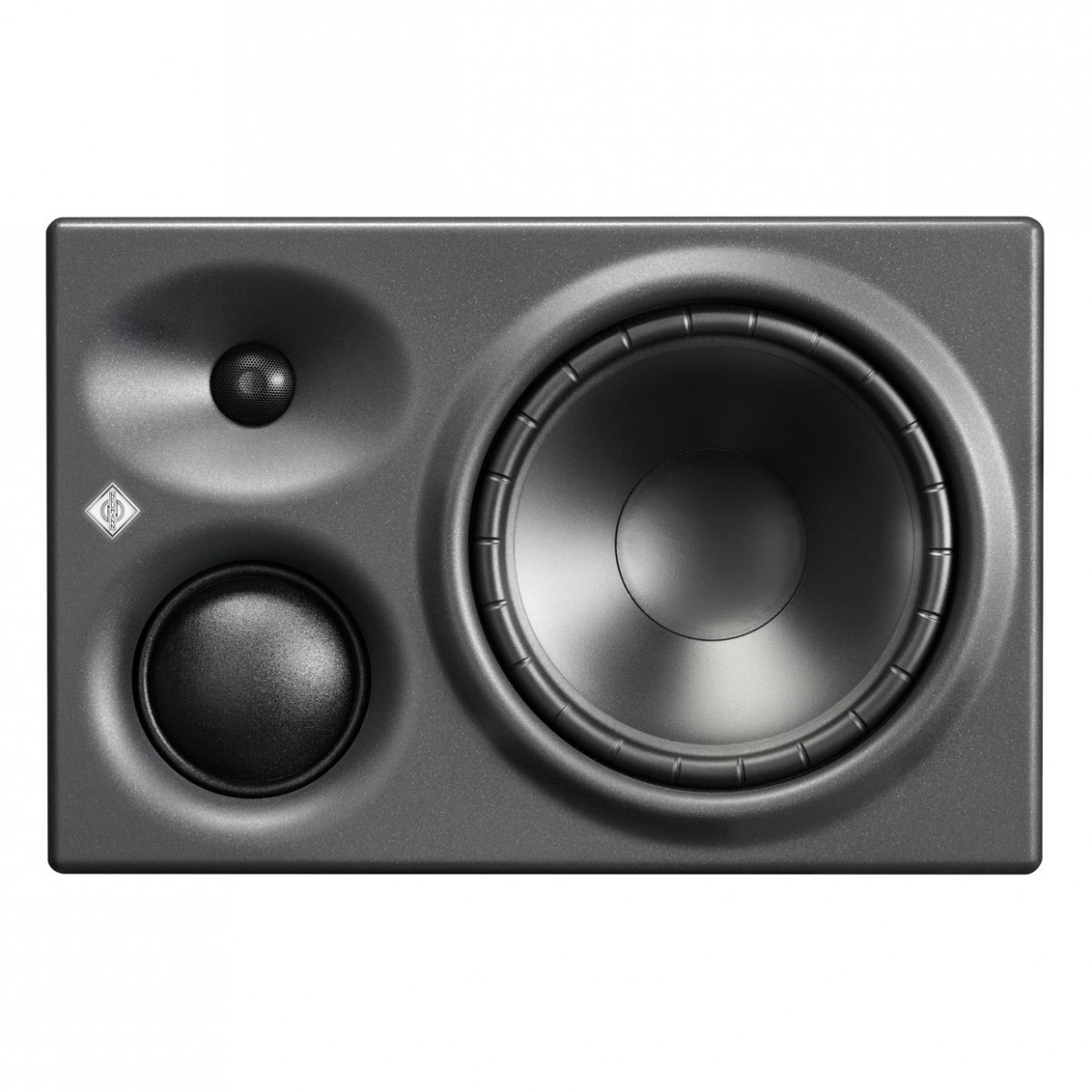
Neumann KH310A Active Three Way Nearfield Studio Monitor Left
 £175.50 ($223)
M-Audio
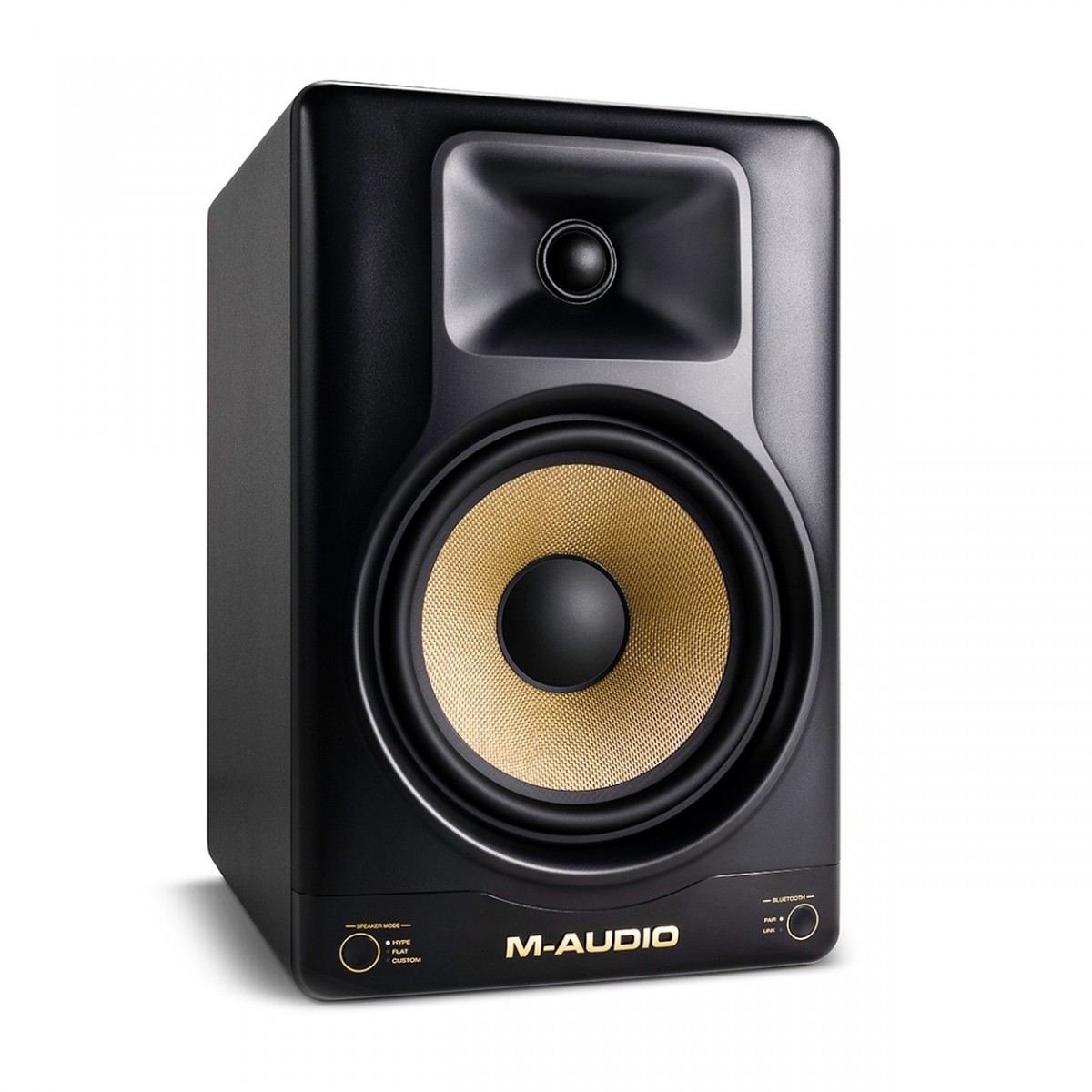
M-Audio Forty Eighty Active Studio Monitor with DSP
 £89.00 ($113)
Behringer
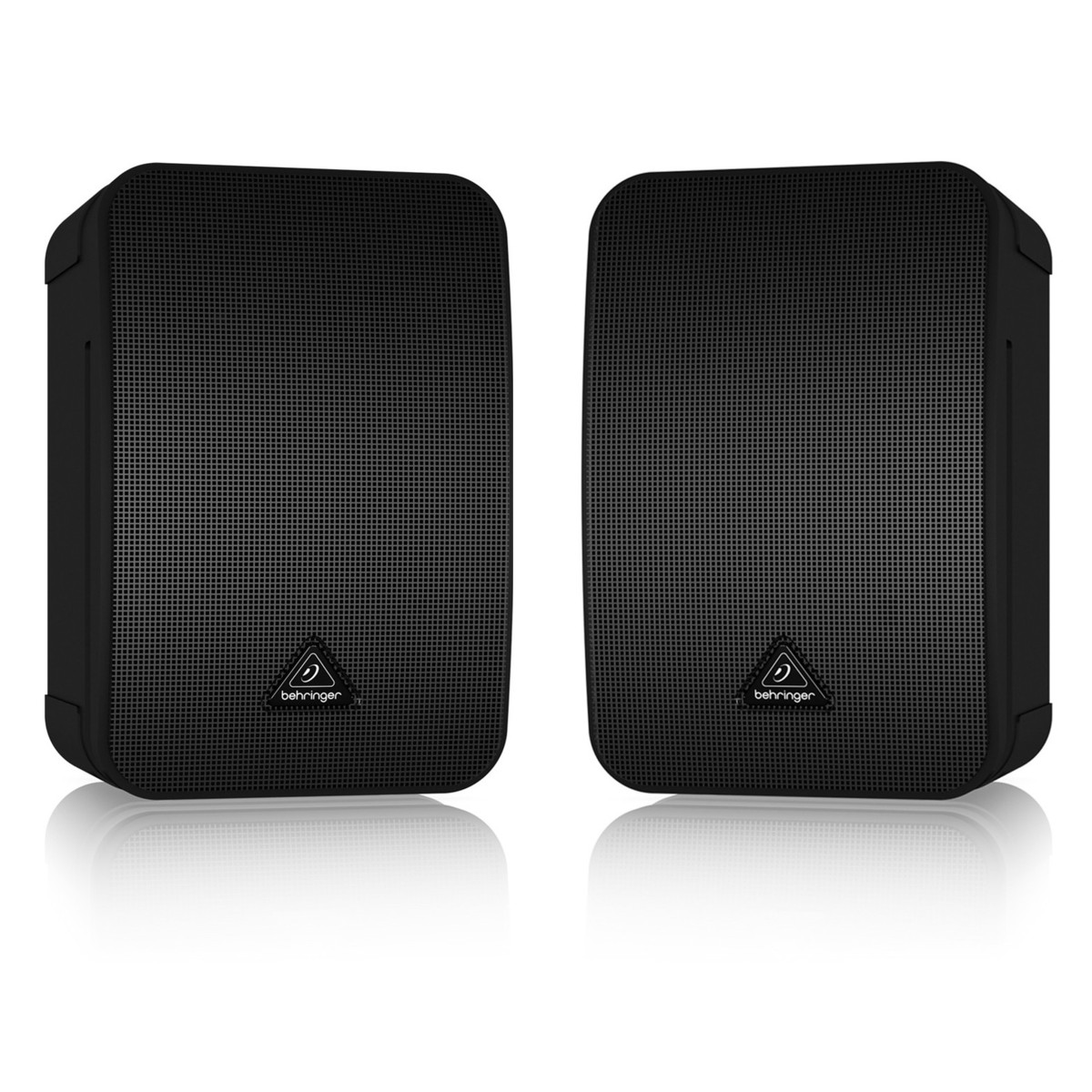
Behringer 1C-BK Studio Monitors Black
 £230.50 ($293)
Genelec
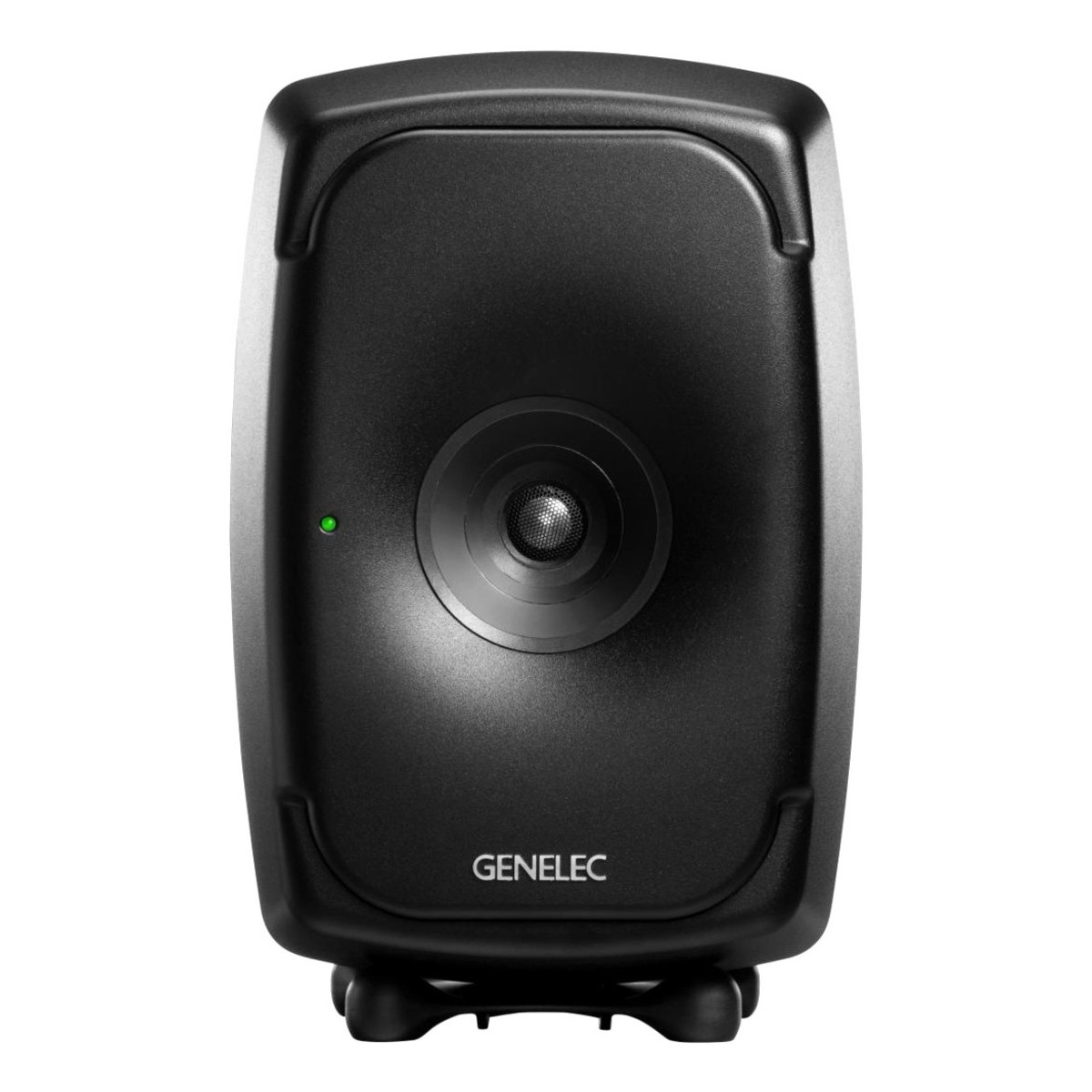
Genelec 8341AMM Professional Studio Monitor Black
 £685.76 ($871)
Neumann
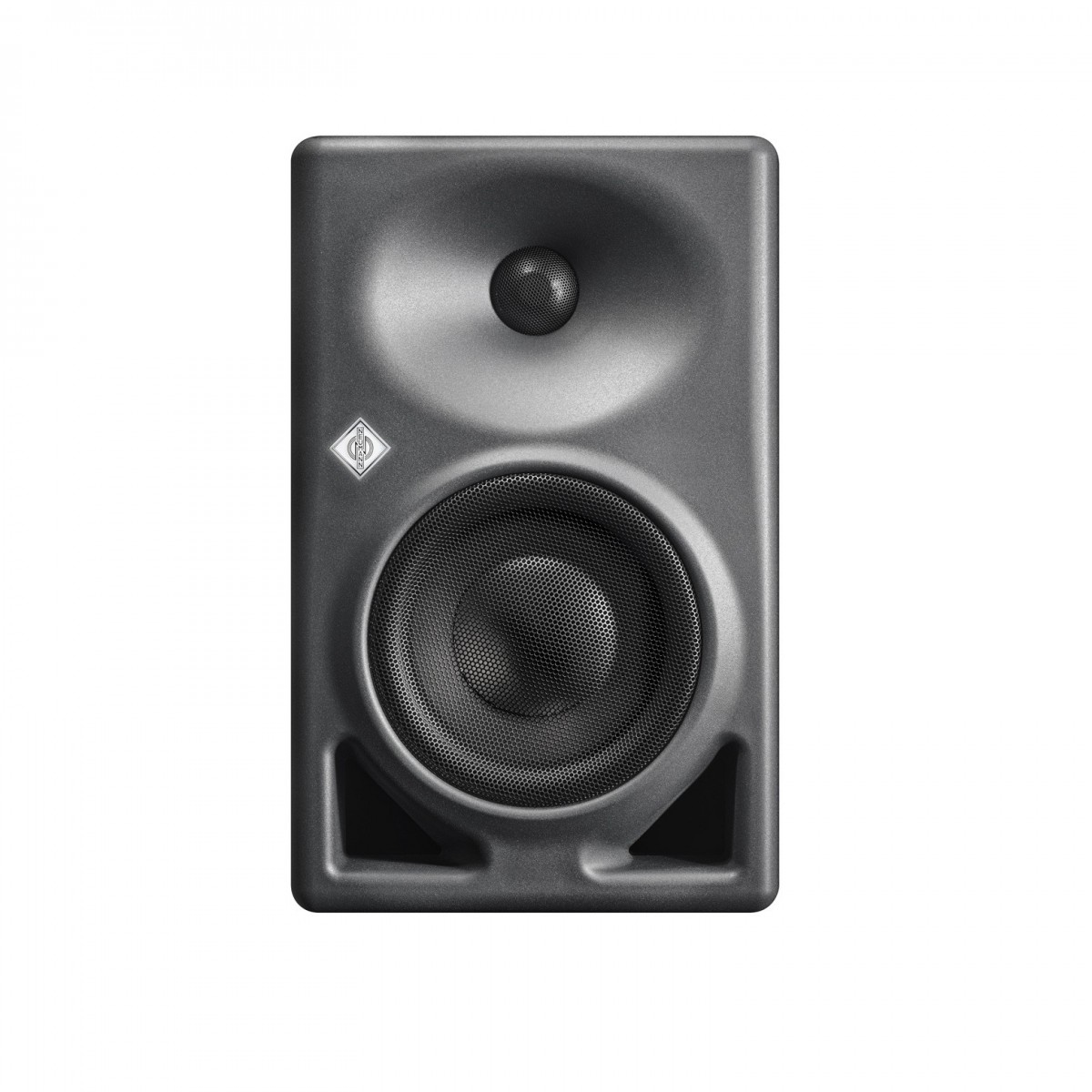
Neumann KH 120-II Active Studio Monitor Black
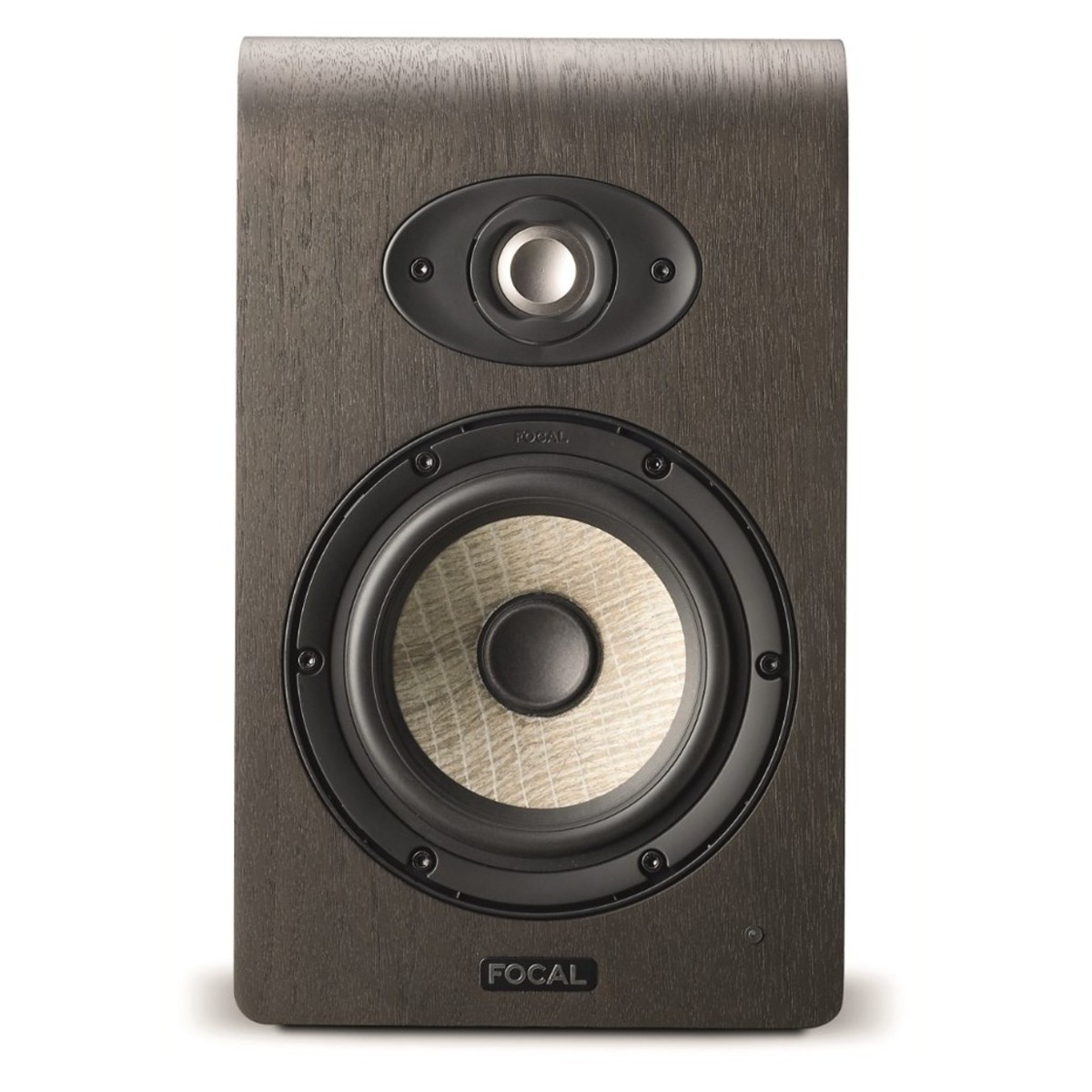 £548.00 ($696)
Focal Professional
Focal Shape 65 Studio Monitor (Single)
Frequently asked questions
- What is included in the Alesis Elevate 4 box?
- The Elevate 4 is sold as a pair, including one active master monitor and one passive slave monitor, along with the necessary interconnect cables and power lead.
- What is the total power output of the Alesis Elevate 4?
- The system delivers a total of 50 watts RMS. This is split into 25 watts per channel through a Class AB amplifier.
- What size are the drivers in the Elevate 4?
- Each monitor features a 4-inch low-frequency driver (woofer) and a 1-inch silk dome tweeter for high-frequency reproduction.
- What type of amplifier does the Elevate 4 use?
- It uses a custom-designed 2-channel Class AB amplifier. Class AB is known for providing a professional balance between signal purity and power efficiency.
- Does each speaker need to be plugged into a power outlet?
- No, only one monitor houses the amplifier and requires a power connection. The second monitor is passive and receives power and signal via an interconnect cable from the master unit.
- What is the purpose of the elliptical waveguide?
- The custom elliptical waveguide is designed to reduce diffraction and provide a wider 'sweet spot,' ensuring more consistent frequency response even if the listener moves slightly off-axis.
- Are these monitors suitable for professional mixing?
- They are ideal for home studios, podcasting, and multimedia work. While they offer high accuracy for their price, professional high-end mixing may require more expensive monitors with flatter frequency responses like Neumann or Genelec.
- Can I use the Elevate 4 for video editing?
- Yes, their accurate sound reproduction and clear stereo imaging make them excellent for multimedia tasks such as video editing and audio-for-film work.
- How does the Elevate 4 compare to the Yamaha HS5?
- The Yamaha HS5 features a larger 5-inch woofer and is a bi-amped individual monitor, whereas the Elevate 4 is a smaller, more affordable 4-inch system powered by a single shared amplifier.
- What material is the tweeter made of?
- The Elevate 4 uses 1-inch silk dome tweeters, which are chosen for their smooth and natural high-frequency response compared to harsher metal domes.
- Are the cabinets made of wood or plastic?
- The cabinets are constructed from a high-density wood material which helps to suppress unwanted resonances that can occur in plastic-housed computer speakers.
- What is the price range for the Alesis Elevate 4?
- The typical price point for a new pair of Alesis Elevate 4 monitors is approximately £99, making them a highly accessible option for entry-level music production.