
Gear article
Allen & Heath QU-6D Digital Mixer with Dante
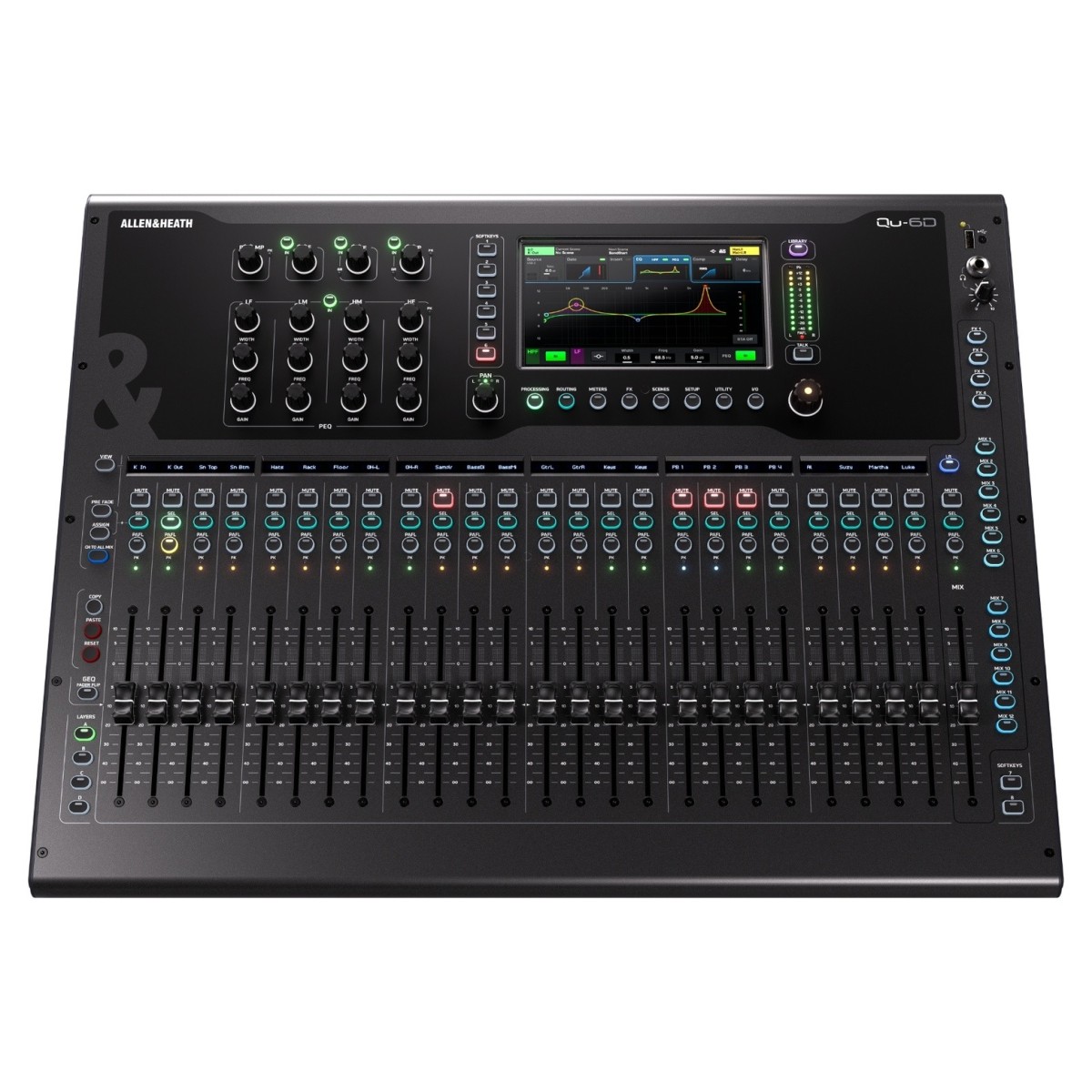
The Allen & Heath QU-6D is a professional compact digital mixer featuring a 96kHz FPGA core and integrated 16x16 Dante connectivity. Designed for live sound, fixed installations, and hybrid AV environments, it provides 32 input channels and ultra-low latency processing.
Overview
The Allen & Heath QU-6D Digital Mixer with Dante represents a sophisticated evolution in compact digital mixing technology. Built upon a high-resolution 96kHz FPGA core, the console is engineered for audio professionals who require a balance of hands-on physical control and modern networked connectivity. Its architecture supports 32 input channels, providing significant processing power for live shows, broadcast, and complex AV systems while maintaining a manageable footprint.
Connectivity and Networking
A defining feature of the QU-6D is its built-in 16x16 Dante interface, which facilitates seamless integration into existing digital ecosystems. This makes the mixer particularly suitable for distributed sound systems and broadcast environments where audio needs to be shared across a network. Additionally, the unit includes an SLink port, which enables connection to both 48kHz and 96kHz I/O expanders, ensuring the hardware remains compatible with a wide range of external stage boxes and audio interfaces.
Audio Processing and FX
The mixer utilises its proprietary FPGA core to deliver what the manufacturer describes as pristine sound quality with ultra-low latency. The processing suite includes six dedicated FX engines, allowing for complex internal routing and high-quality effects without the need for outboard gear. For routing flexibility, the device offers 12 mix outputs, a 4-channel matrix, and a comprehensive selection of stereo and digital outputs to accommodate various monitoring and recording requirements.
User Interface
Operational control is centred around a 7-inch capacitive touchscreen, designed to provide intuitive and streamlined navigation through the mixer's settings and channel strips. This interface allows for quick adjustments during high-pressure live environments, providing visual feedback and tactile response. The layout is intended to bridge the gap between traditional analogue workflows and the depth of digital programming.
Target Audience and Application
The QU-6D is primarily targeted at sound engineers managing fixed installations, hybrid AV systems, and live performances. Its compact nature makes it an attractive option for venues with limited space that do not want to sacrifice professional-grade features or networking capabilities. It is equally efficient in studio-to-stage hybrid setups where Dante-enabled devices are common components of the signal chain.
Comparison with Alternatives
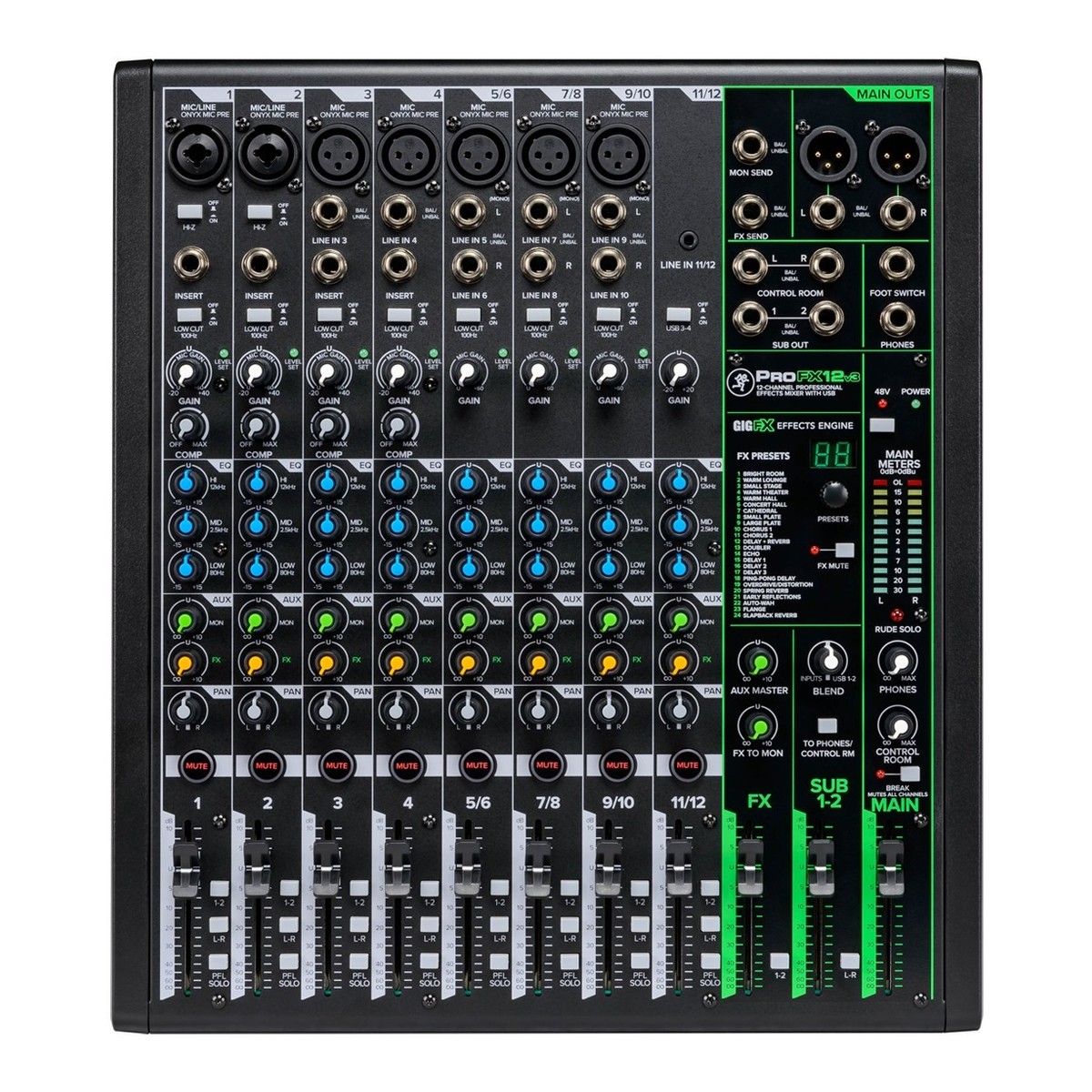
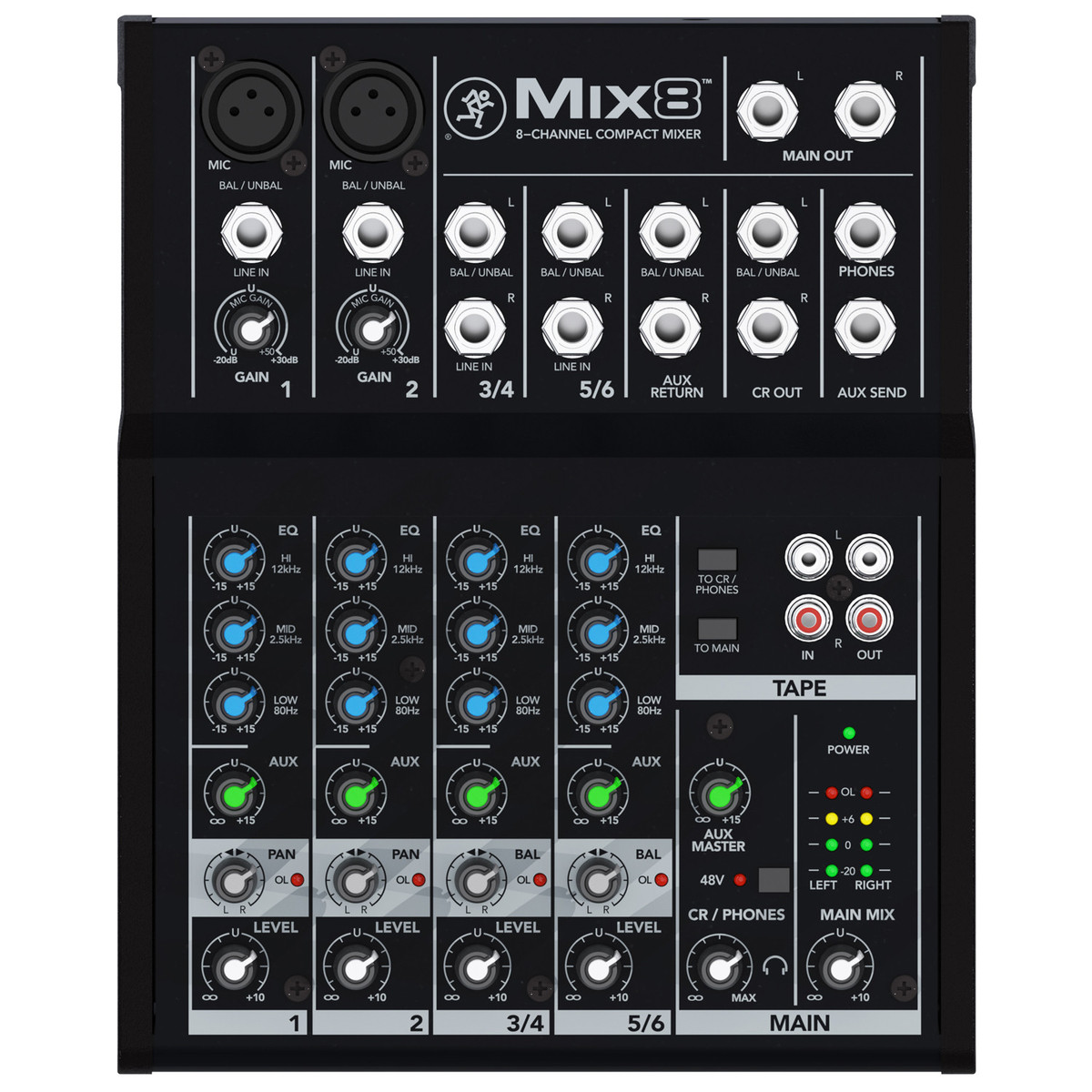
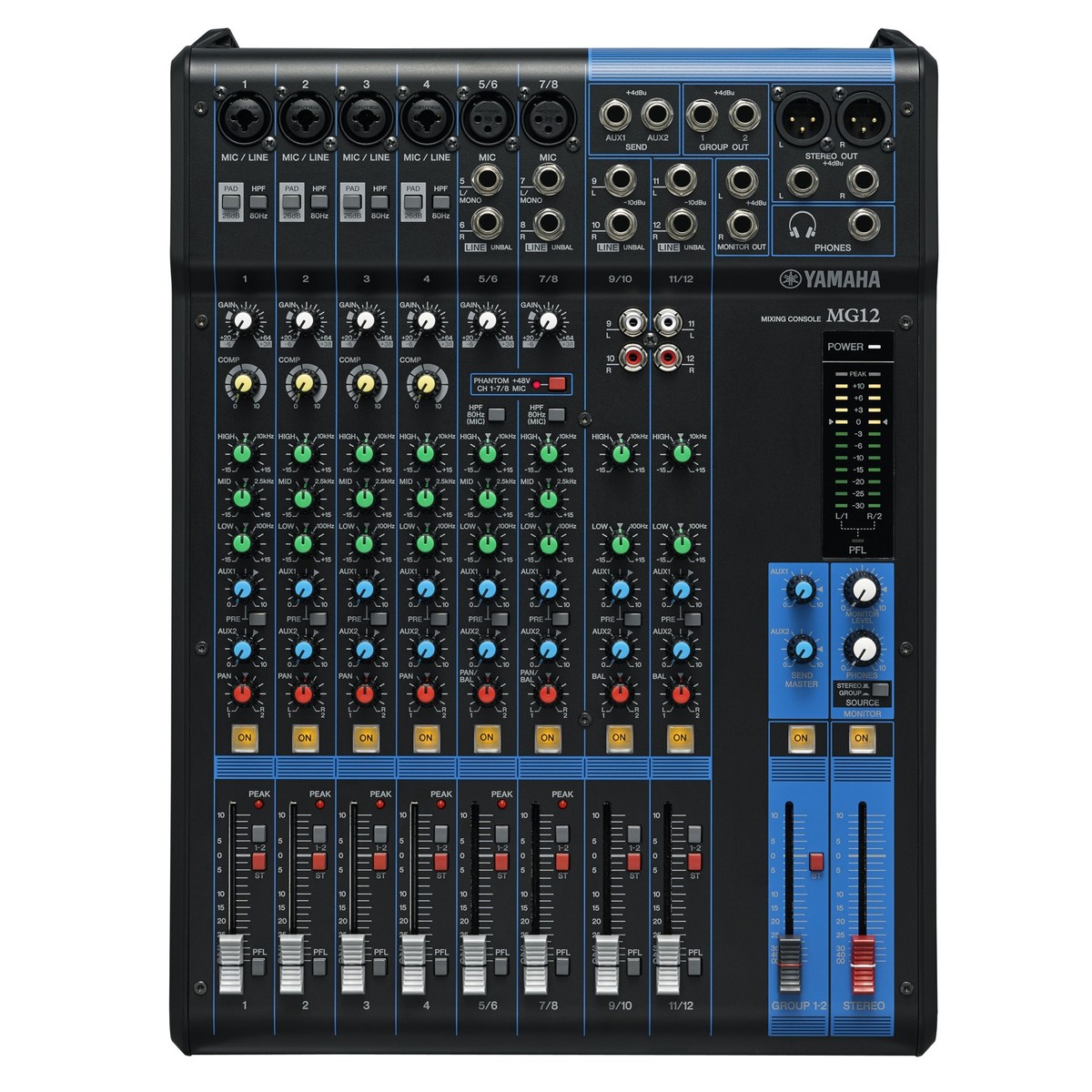
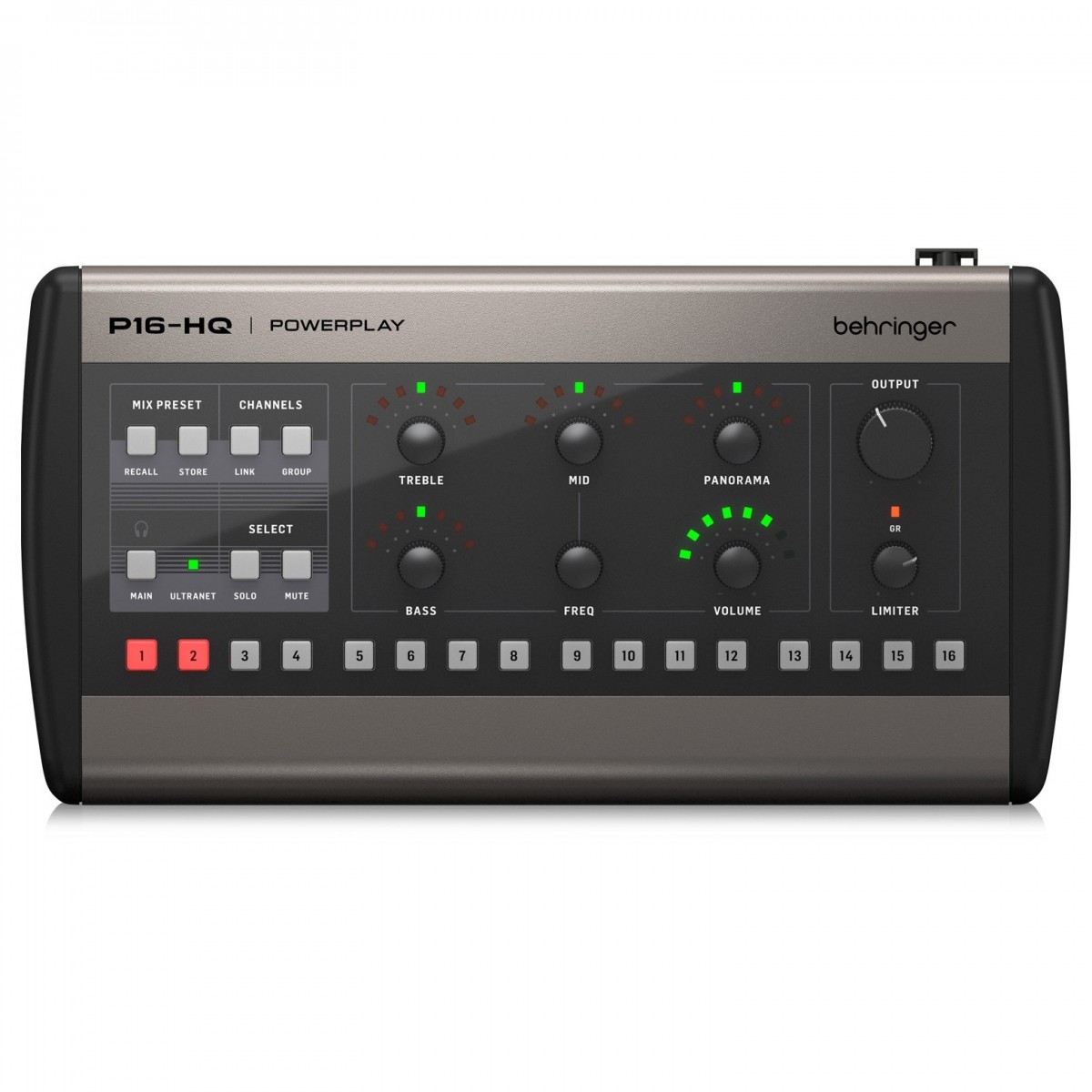
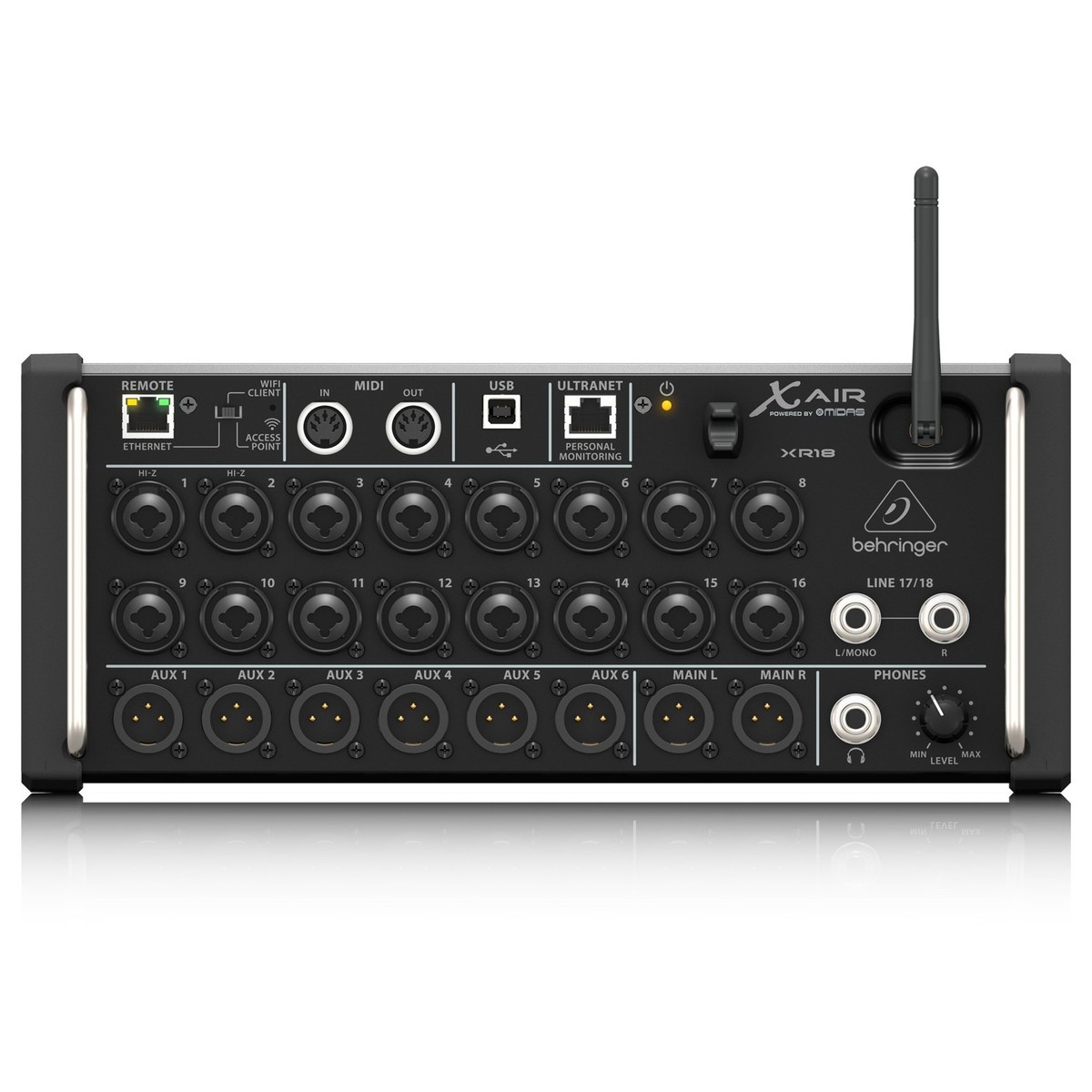
When compared to alternatives like the Behringer X AIR XR18 or the PreSonus StudioLive SE16, the QU-6D distinguishes itself with its 96kHz internal processing and integrated Dante support. While smaller analog mixers like the Yamaha MG12 or Mackie ProFX12v3 offer simpler workflows at lower price points, they lack the networking capacity and internal FX routing of the QU-6D. For users requiring personal monitoring, it functions in a different tier than units like the Behringer P16-HQ, acting as the central hub rather than a peripheral device.
Related gear
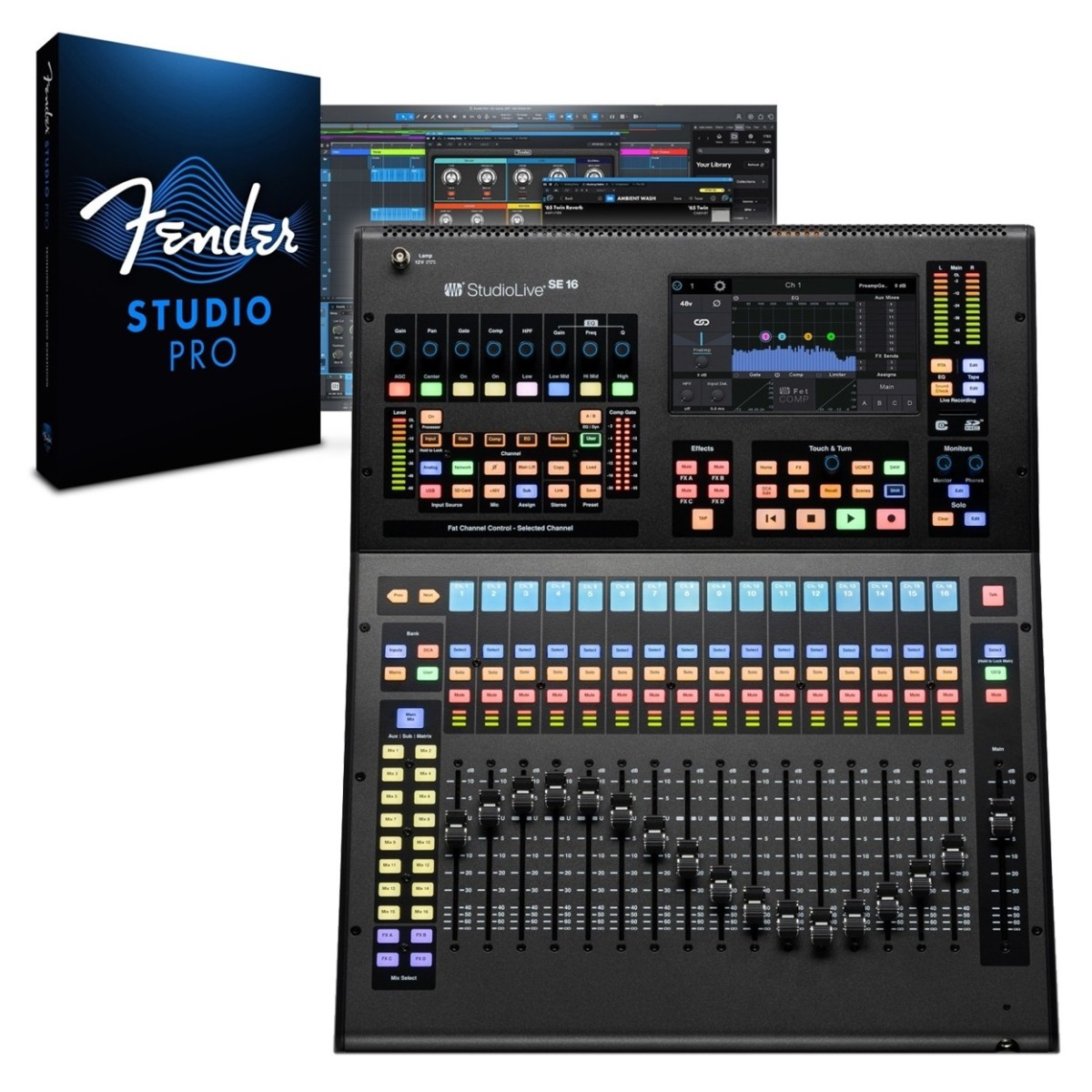 £1,499.99 ($1,905)
PreSonus
PreSonus StudioLive SE16 Digital Mixer
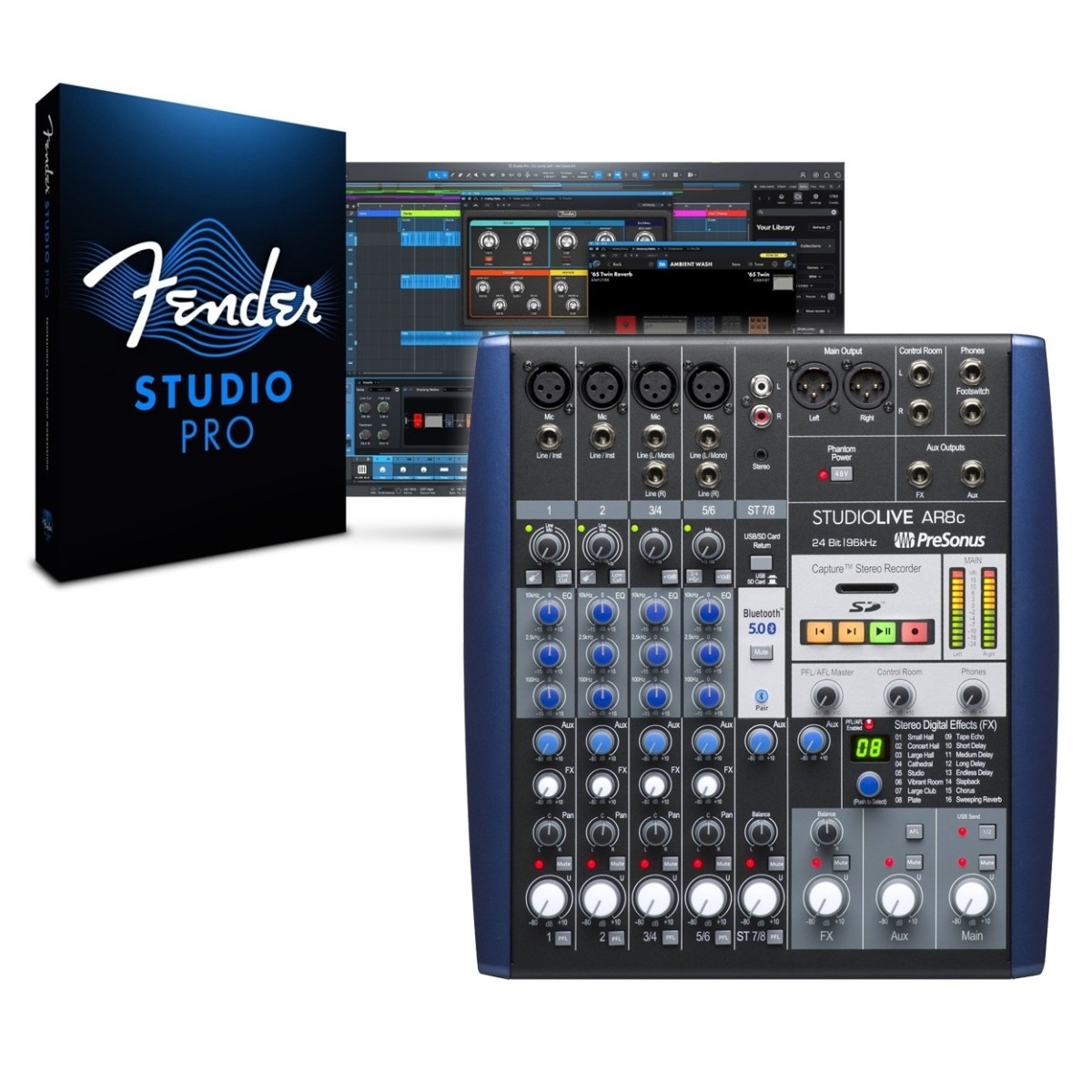 £339.00 ($431)
PreSonus
PreSonus StudioLive AR8c USB-C Mixer
 £85.00 ($108)
Mackie
Mackie Mix8 Compact Mixer
 £298.00 ($378)
Yamaha
Yamaha MG12 Analog Mixer
 £701.76 ($891)
Behringer
Behringer P16-HQ 16-Channel Personal Monitoring Mixer
 £344.34 ($437)
Behringer
Behringer X AIR XR18 Digital Mixer
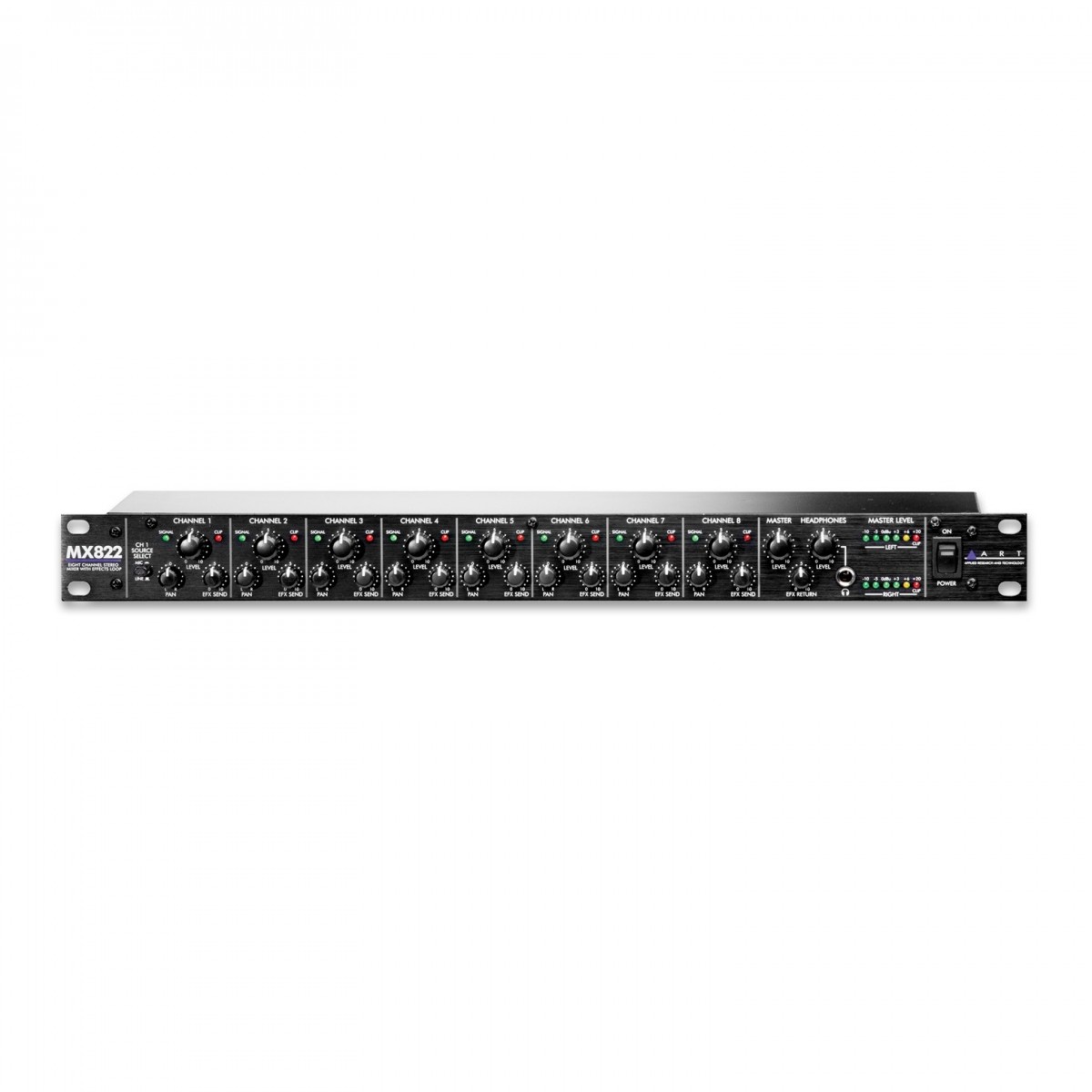 £239.00 ($304)
ART
ART MX822 1U Eight Channel Stereo Rackmount Mixer
- £347.00 ($441)
Mackie
Mackie ProFX12v3 12-Channel Analog Mixer with USB
Frequently asked questions
- What is the primary processing core of the Allen & Heath QU-6D?
- The mixer is powered by a 96kHz FPGA core, which provides high-resolution audio processing and ultra-low latency.
- How many input channels does the QU-6D support?
- The console supports a total of 32 input channels for audio processing.
- What kind of network connectivity is built into this model?
- It features a built-in 16x16 Dante interface, allowing it to connect directly with other Dante-enabled devices on a network.
- What is the purpose of the SLink port?
- The SLink port is used to connect the mixer to external I/O expanders, supporting both 48kHz and 96kHz hardware.
- How many mix outputs are available on the QU-6D?
- The mixer provides 12 mix outputs along with a 4-channel matrix for flexible routing.
- Does the mixer include a touchscreen interface?
- Yes, it features a 7-inch capacitive touchscreen that provides visual control over the mixer's functions.
- How many internal FX engines are available?
- There are six dedicated FX engines included for powerful internal audio processing.
- Is the QU-6D suitable for fixed installations?
- Yes, its compact footprint and integrated Dante networking make it an ideal choice for fixed installations and hybrid AV systems.
- Can the QU-6D be used for broadcast applications?
- Yes, the 16x16 Dante interface and high-resolution processing make it well-suited for distributed sound and broadcast setups.
- What is the typical price range for this mixer?
- The mixer is typically listed at a price point of approximately GBP 2320.
- Does this mixer support external stage boxes?
- Yes, via the SLink port, users can connect various Allen & Heath I/O expanders to increase physical connectivity.
- How does the QU-6D compare to analog mixers like the Yamaha MG12?
- The QU-6D offers significantly more advanced features, including digital channel management, internal FX, and Dante networking, which are absent in standard analog mixers.