Category guide
Arranger Keyboards
Arranger keyboards are electronic instruments designed to provide real-time accompaniment and orchestration based on chords played by the user. They function as comprehensive workstations for solo performance, song composition, and live entertainment by integrating high-quality internal sounds with automated rhythmic and melodic backing styles.
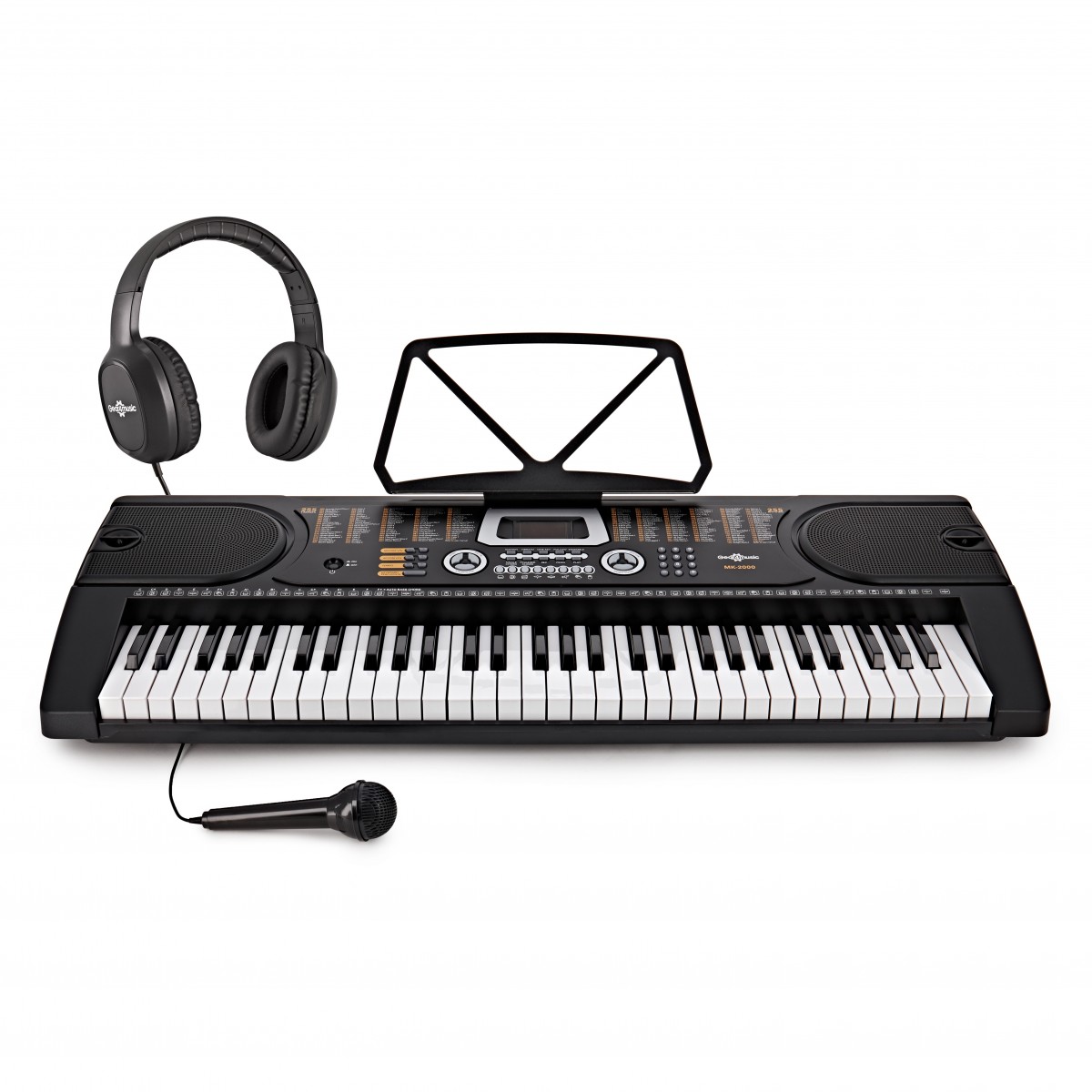
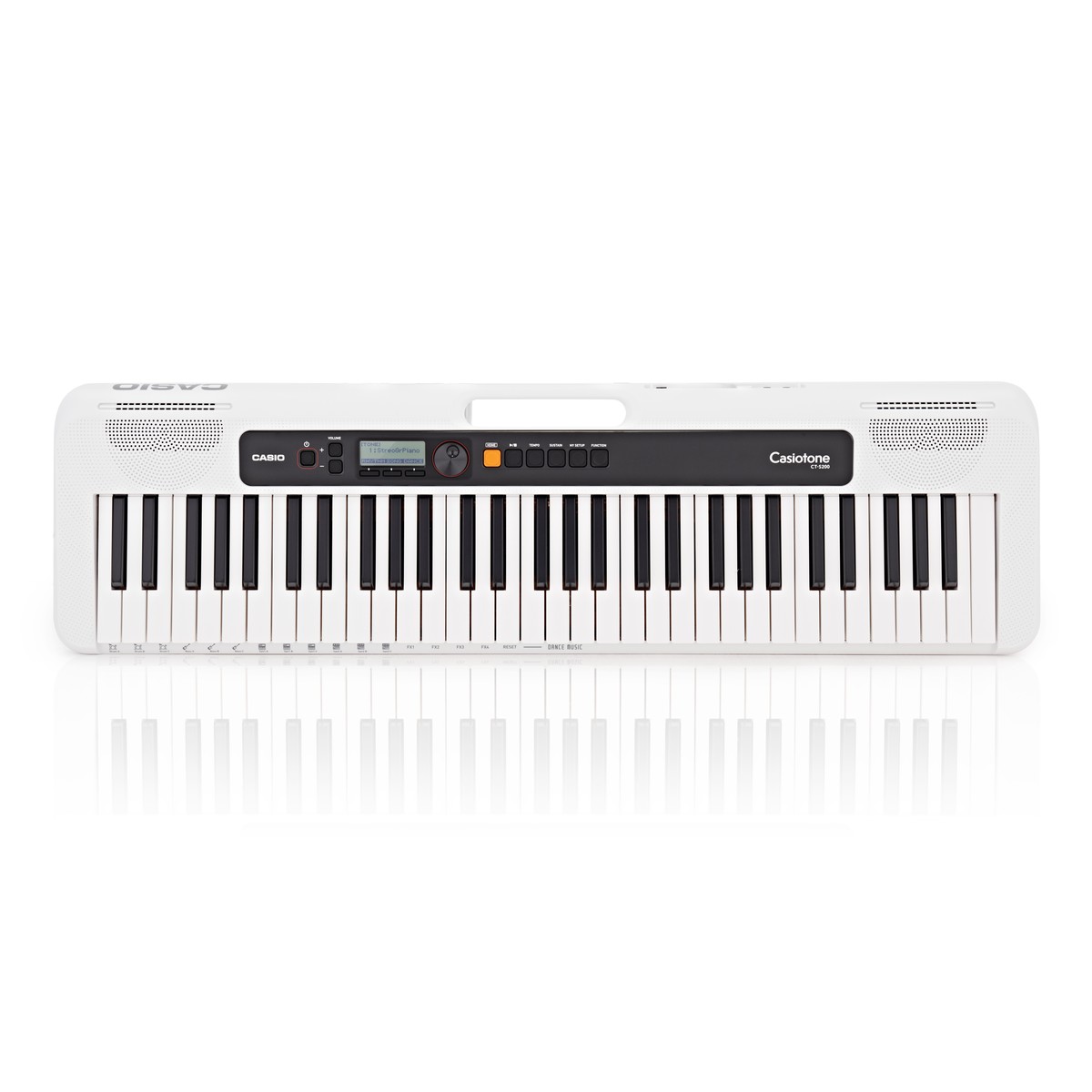
Casio CT S200 Portable Keyboard White
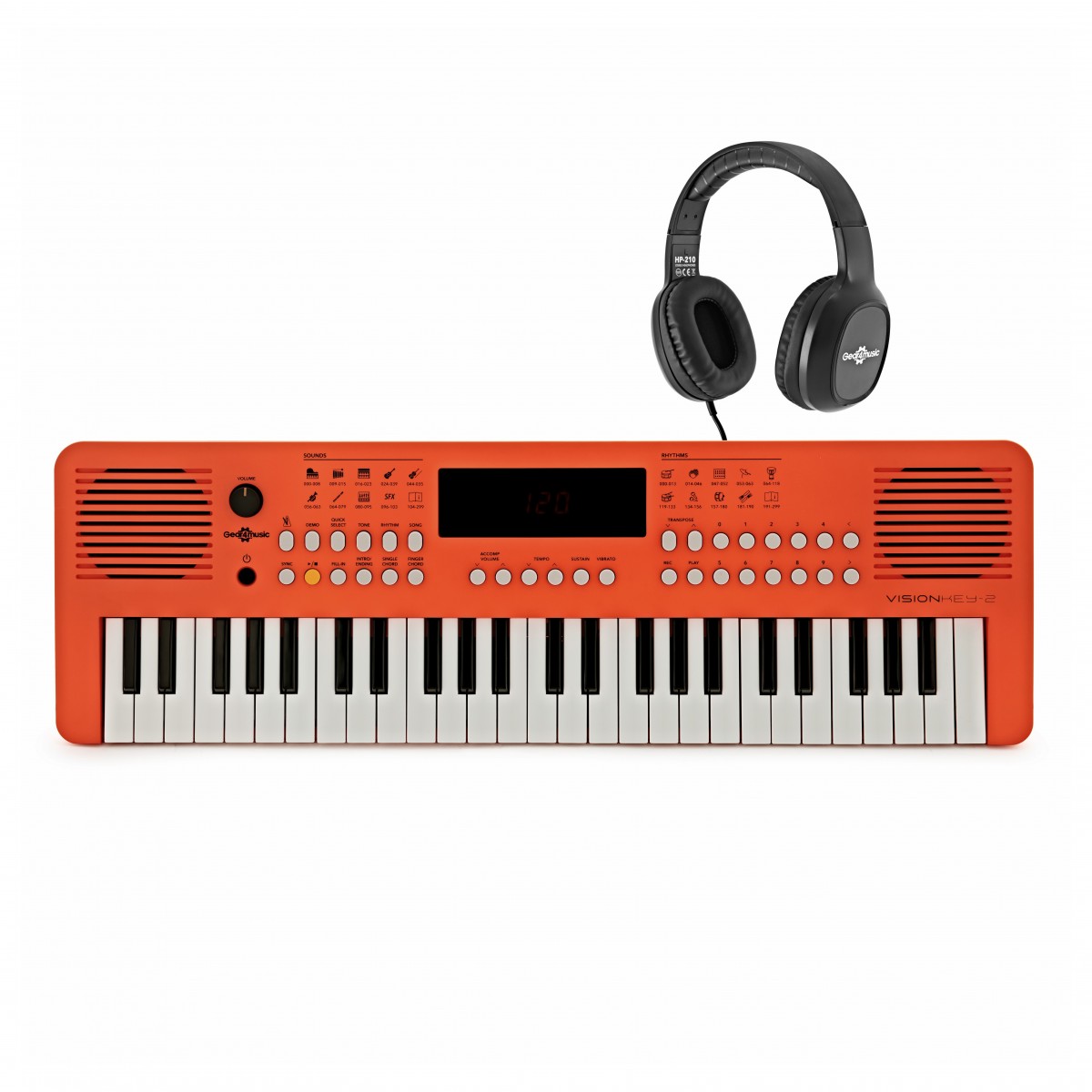
VISIONKEY-2 49 Key Portable Keyboard Orange Headphones Pack
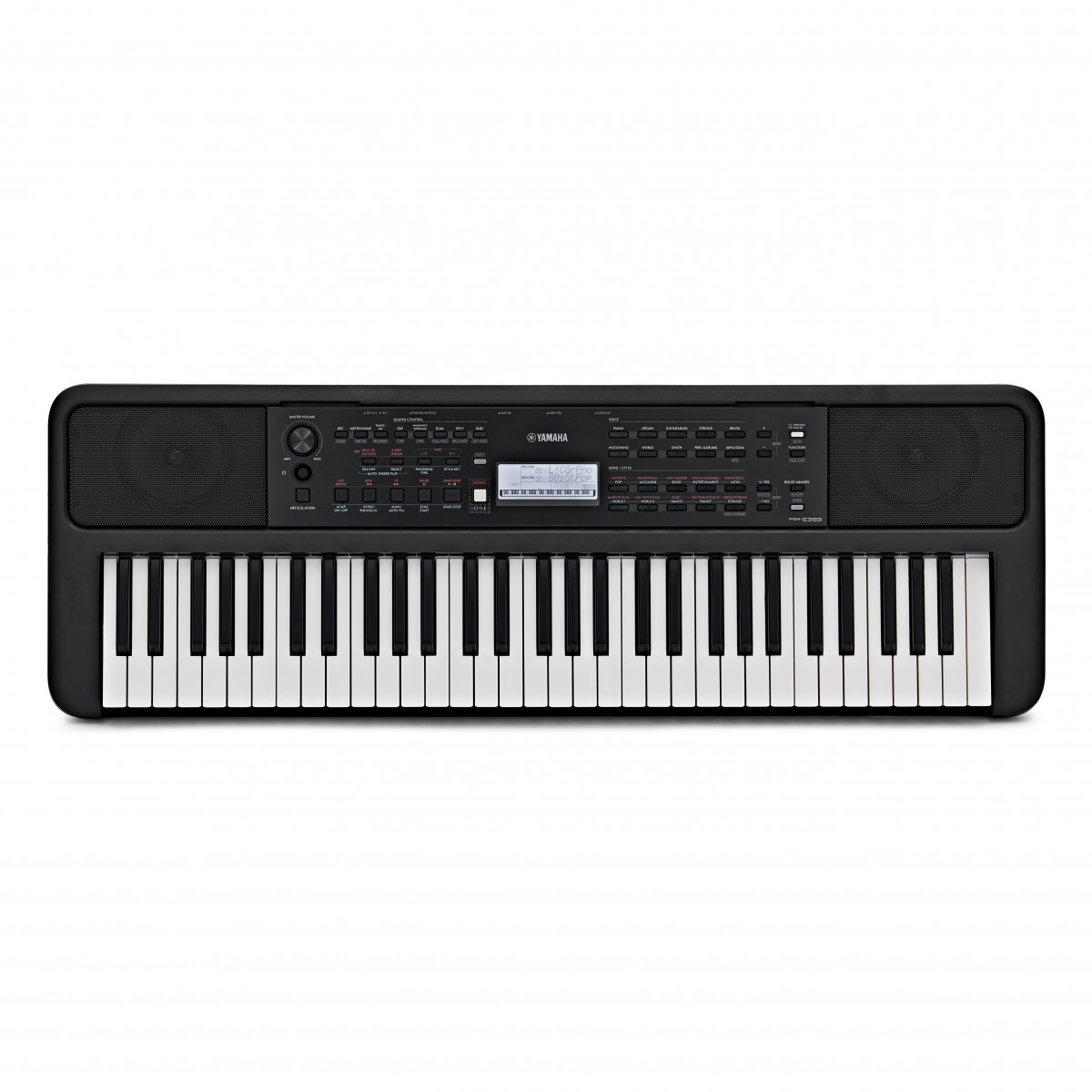
Yamaha PSR E383 Portable Keyboard Black
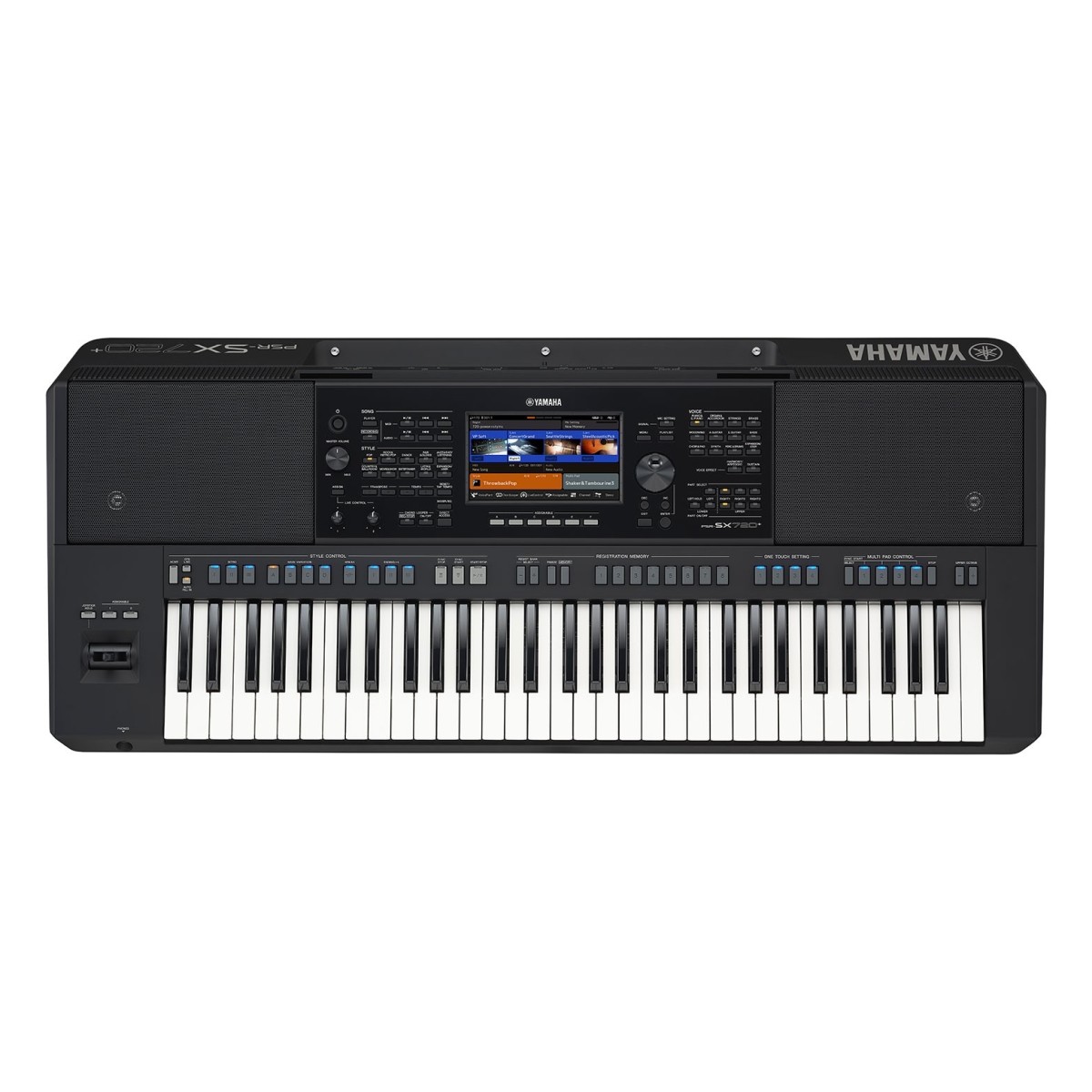
Yamaha PSR SX720+ Digital Arranger Keyboard
Overview
Arranger keyboards differ from standard synthesizers or digital pianos by the inclusion of an 'auto-accompaniment' engine. This system allows a single player to emulate the sound of a full band or orchestra. When the player triggers a chord with their left hand, the keyboard generates a rhythm, bassline, and harmonic parts that follow the harmony in real-time. These instruments are highly versatile, serving as educational tools for beginners and sophisticated performance rigs for professional entertainers.
Core Functionality and Logic
The primary component of an arranger is its library of 'Styles' or 'Rhythms'. Each style contains MIDI-based data for various instruments. Modern units, such as the Yamaha PSR SX720+, offer high-fidelity sampling to ensure acoustic realism.
Key features typically include: * Intro/Ending Buttons: Pre-programmed sequences to start or finish a song. * Variations: Different levels of complexity within a single style (e.g., Verse vs. Chorus). * Fill-ins: Brief rhythmic flourishes to transition between sections. * One-Touch Settings: Recallable presets that automatically select the best solo voices for a chosen style.
Key Specifications for Comparison
When evaluating arranger keyboards, buyers typically compare the following technical specifications:
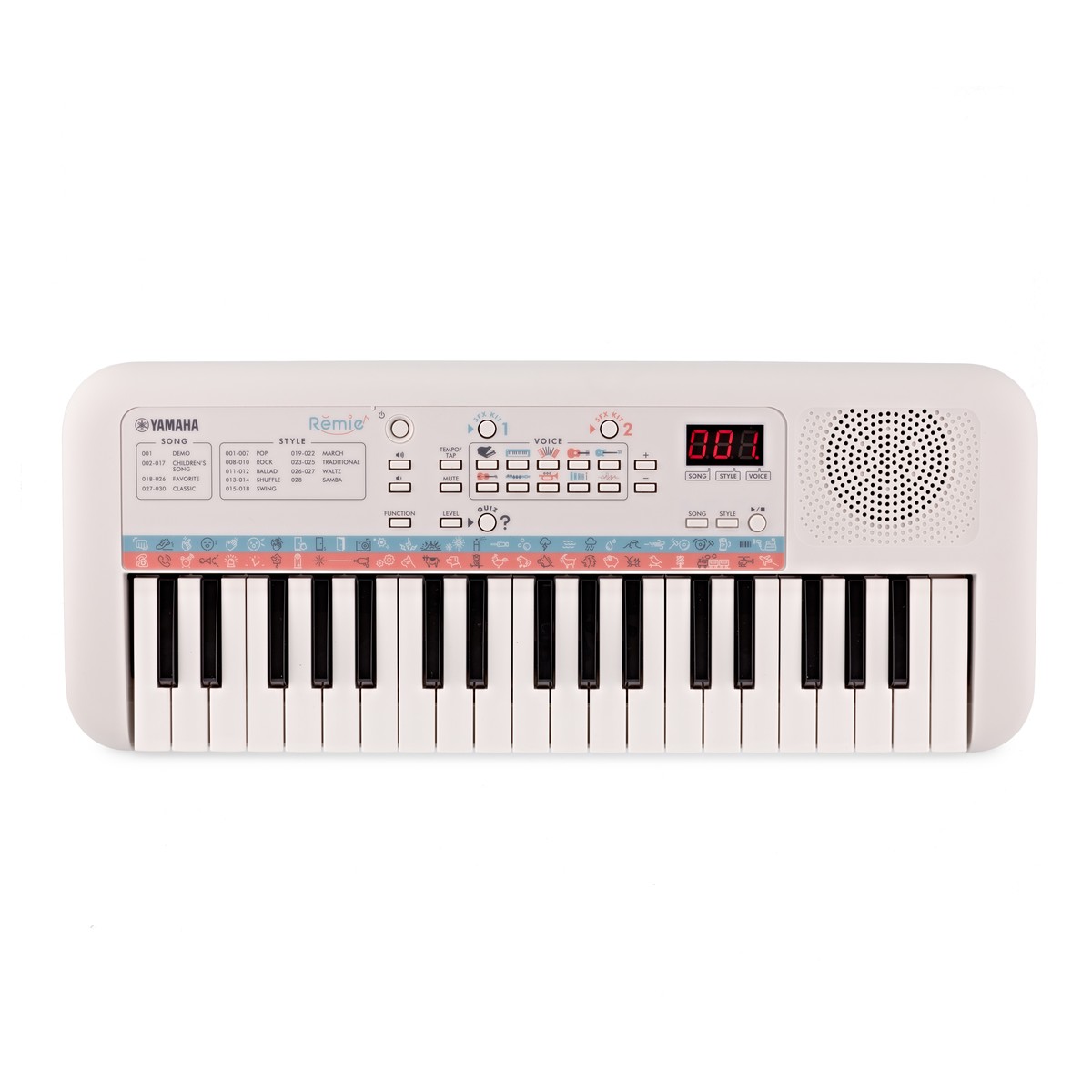
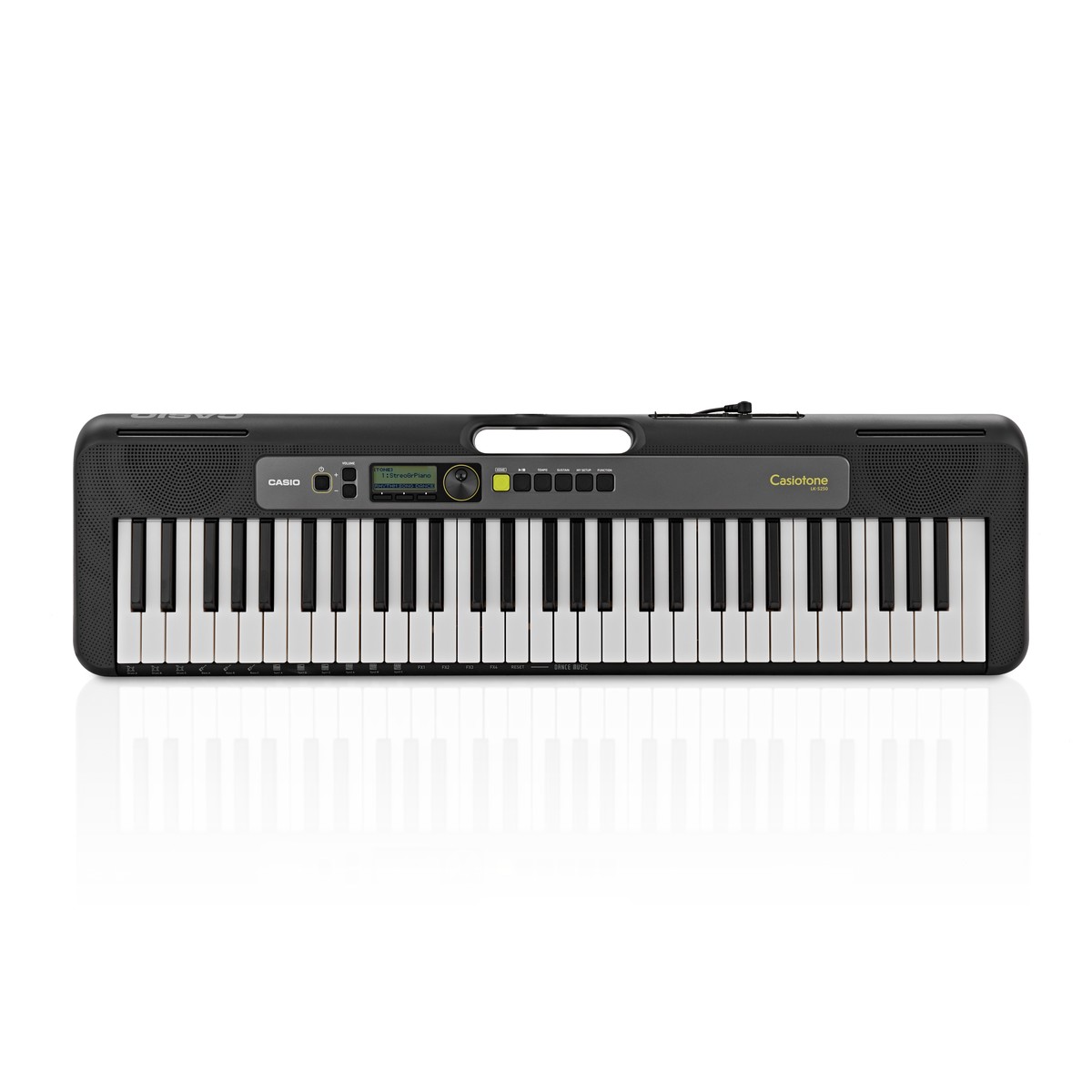
- Key Count and Type: Options range from 37-key mini keyboards like the Yamaha PSS E30 for children, to 61 or 76 full-size keys. Some models, such as the Casio LK S250, feature lighting systems to assist learning.
- Polyphony: The number of notes the keyboard can produce simultaneously. Higher polyphony prevents notes from dropping out during complex arrangements.
- Sound Engine and Expansion: Professional models like the Roland E-A7 allow for user expansion and sampling, whereas entry-level models have fixed sound sets.
- Connectivity: Standard features include headphone outputs and USB-MIDI, while higher-end models may include XLR microphone inputs or balanced line outputs.
Sub-types and Categories
The market is generally divided into three tiers:
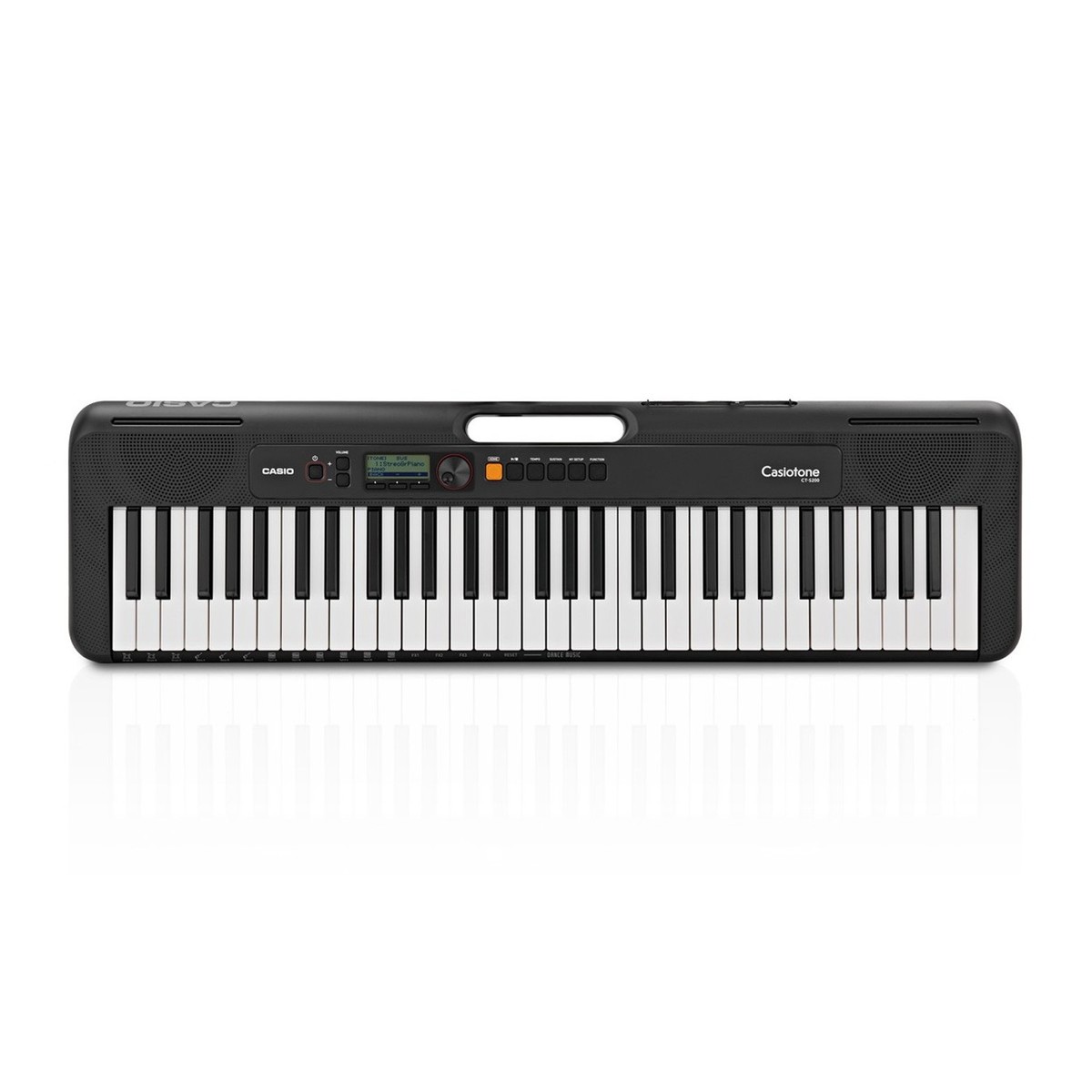
1. Educational/Entry-level: Focus on portability and simple operation, such as the Casio CT S200. These are often battery-powered and lightweight. 2. Intermediate/Portable: Instruments like the Yamaha PSR E383 offer more advanced lesson functions and a wider variety of voices for enthusiast players. 3. Professional Arranger Workstations: High-spec units with advanced sound editing, touchscreen interfaces, and significant internal storage for live performance use.
Selection Criteria
Choosing an arranger keyboard depends largely on the intended use case. Beginners should prioritise ease of use and integrated learning features. Performers should look for 'expandability' and the ability to load new sounds or styles. Portability is also a factor; many models are designed for mobile use and come in varying colours, such as the VisionKey-2 in orange or the Casio CT S200 in black and white.
Related gear
- £106.00 ($135)
Casio
Casio CT S200 Portable Keyboard White
- £44.99 ($57)
Gear4Music
VISIONKEY-2 49 Key Portable Keyboard Orange Headphones Pack
- £159.00 ($202)
Yamaha
Yamaha PSR E383 Portable Keyboard Black
- £1,159.00 ($1,472)
Yamaha
Yamaha PSR SX720+ Digital Arranger Keyboard
 £120.50 ($153)
Casio
Casio CT S200 Portable Keyboard Black
 £57.50 ($73)
Yamaha
Yamaha PSS E30 Portable Keyboard
 £193.25 ($245)
Casio
Casio LK S250 Portable Keyboard
Frequently asked questions
- What is the difference between a synthesizer and an arranger?
- A synthesizer focuses on sound design and manipulation, while an arranger focuses on providing automated backing styles and a full-band experience for a solo performer.
- Can beginners use arranger keyboards?
- Yes, many models like the Casio LK S250 are designed specifically for beginners, featuring light-up keys and built-in lessons to help new players learn songs.
- What is 'Styles' in the context of an arranger?
- Styles are pre-programmed rhythmic and melodic patterns in various genres (like Jazz, Pop, or Rock) that follow the chords you play in real-time.
- Are arranger keyboards portable?
- Most arranger keyboards are highly portable, with lightweight chassis and the ability to run on battery power, such as the Casio CT S200 series.
- What price should I expect to pay for a professional model?
- Higher-end professional models, such as the Yamaha PSR SX720+, typically reach the upper end of the price spectrum, around GBP 1,495.
- Do these keyboards come with built-in speakers?
- Yes, most portability-focused arrangers include integrated speakers, though professional models can also be connected to external PA systems or headphones.
- Can I record my own songs on an arranger?
- Most mid-to-high-range arrangers include a MIDI or audio sequencer that allows you to record multiple tracks and save them to internal memory or a USB stick.
- What is polyphony and why does it matter?
- Polyphony is the maximum number of notes a keyboard can play at once. It is crucial for arrangers because the backing band uses many notes simultaneously alongside your performance.
- What are 'One-Touch Settings'?
- One-Touch Settings (OTS) are presets that automatically configure the best instrument sounds to match a specific rhythm or style you have selected.
- Can I add new sounds to an arranger keyboard?
- Some 'expandable' models, like the Roland E-A7, allow users to import their own samples or download additional sound packs to customise the instrument.
- Are there smaller versions for children?
- Yes, compact models like the Yamaha PSS E30 feature smaller keys designed for younger players while maintaining basic arranger functions.
- Do arranger keyboards support MIDI?
- Yes, almost all modern arranger keyboards feature USB-to-Host or traditional 5-pin MIDI ports to connect to computers and digital audio workstations.