
Gear article
ART P16 XLR Balanced Patch Bay
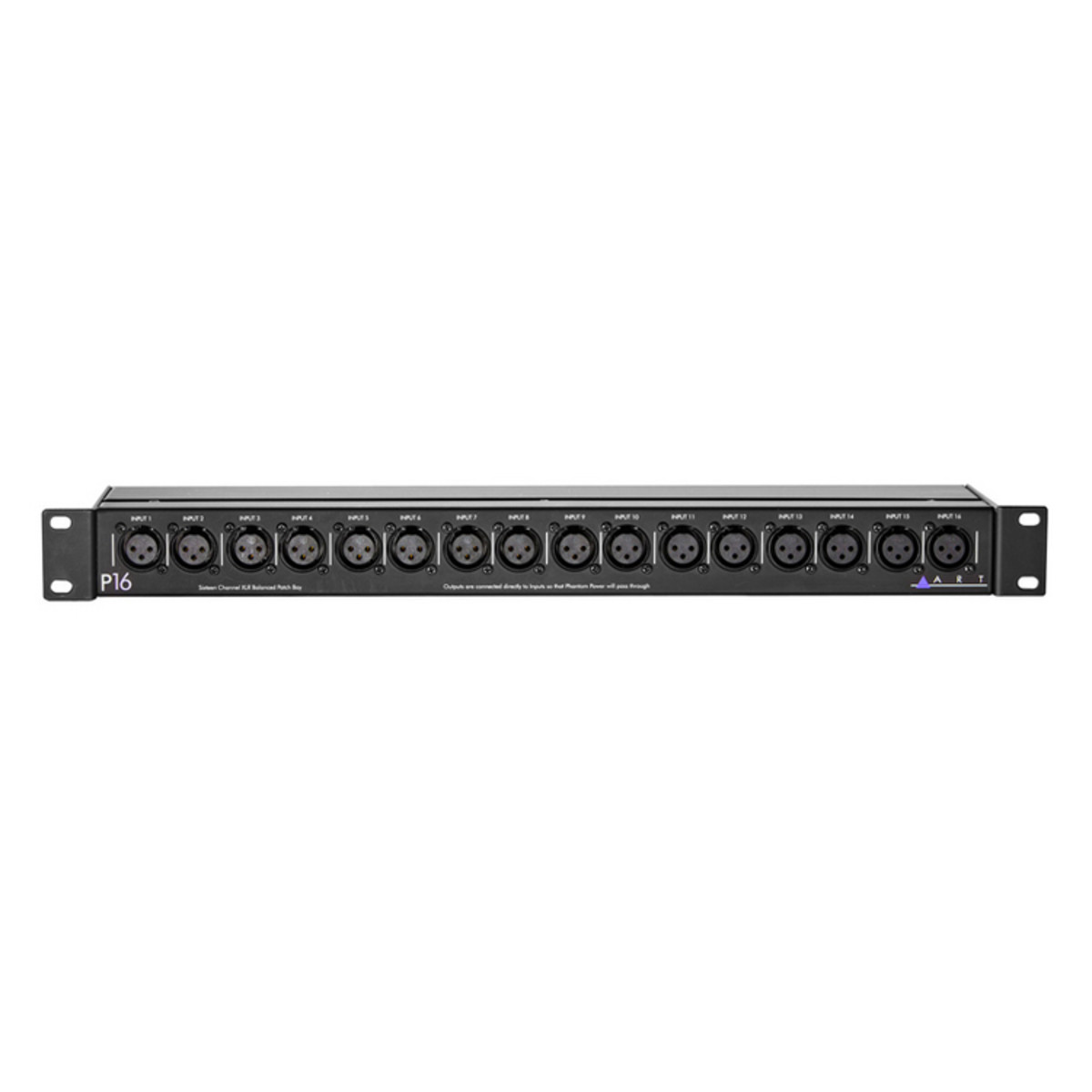
The ART P16 is a 1U rack-mountable 16-channel balanced XLR patch bay designed to centralise and organise microphone and line-level connections. It utilizes high-quality internal PCB wiring and a passive signal path to ensure signal integrity across all sixteen direct-through channels.
Overview
The ART P16 XLR Balanced Patch Bay serves as a central hub for audio signal routing in studio and live sound environments. It provides users with 16 individual channels of balanced XLR connectivity, allowing for the consolidation of inputs and outputs that would otherwise be difficult to access at the rear of rack-mounted equipment. By bringing all connections to a front-facing panel, it streamlines the workflow for engineers and prevents wear on the internal ports of expensive audio interfaces and preamplifiers.
Build and Design
Constructed with a rugged steel chassis, the P16 is built for durability in both fixed installations and mobile flight cases. The device employs top-grade XLR connectors to ensure secure physical and electrical contact. Internally, the unit features PCB (Printed Circuit Board) wiring rather than point-to-point hand wiring, which ensures consistency across all channels and reduces potential interference or signal degradation.
Technical Implementation
As a passive interface, the ART P16 does not require an external power source. It functions as a direct signal path (through-put), meaning the electrical signal passed from the rear input to the front output (or vice versa) remains unchanged. This design choice is critical for maintaining the integrity of balanced audio signals, preventing the introduction of noise, hum, or coloration to the sound.
Applications
The ART P16 is primarily used for:
- Studio Management: Neatly organising microphone inputs from a live room to an audio interface.
- Live Sound: Providing an accessible patch point for wireless microphone receivers or rack-mounted processing gear.
- Equipment Protection: Acting as a 'sacrificial' connection point to prevent frequent plugging and unplugging from wearing out the ports on high-end hardware.
Comparison to Alternatives
While many patch bays use 1/4-inch TRS (Tip-Ring-Sleeve) jacks for space efficiency, the P16 is specifically designed for XLR-based workflows. Traditional TRS patch bays often require additional adapters like the Neutrik NA2MP or specialized cables to interface with standard microphones. The P16 eliminates the need for these converters by maintaining XLR continuity throughout. Compared to modular plastic alternatives, the P16's steel construction and PCB design offer greater mechanical reliability.
Related gear
- £5.99 ($8)
Studiospares
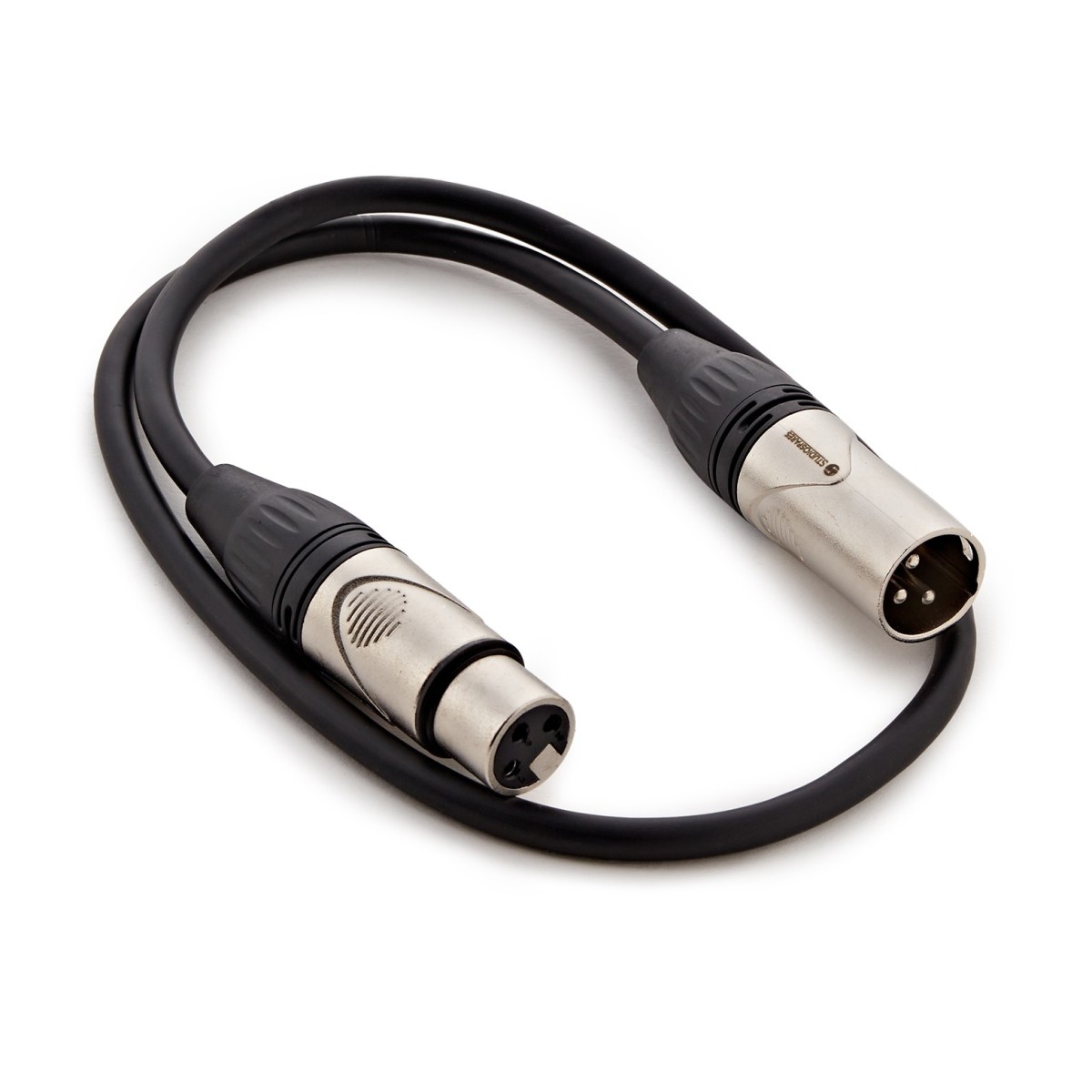
Studiospares Standard XLR (M) - XLR (F) Cable 60cm
 £17.57 ($22)
Ernie Ball
Ernie Ball P06049 10ft Straight-Angle Instrument Cable White
 £32.00 ($41)
LD Systems
LD Systems WS100BNC10 BNC to BNC Antenna Cable 10m
 £4.99 ($6)
Gear4Music
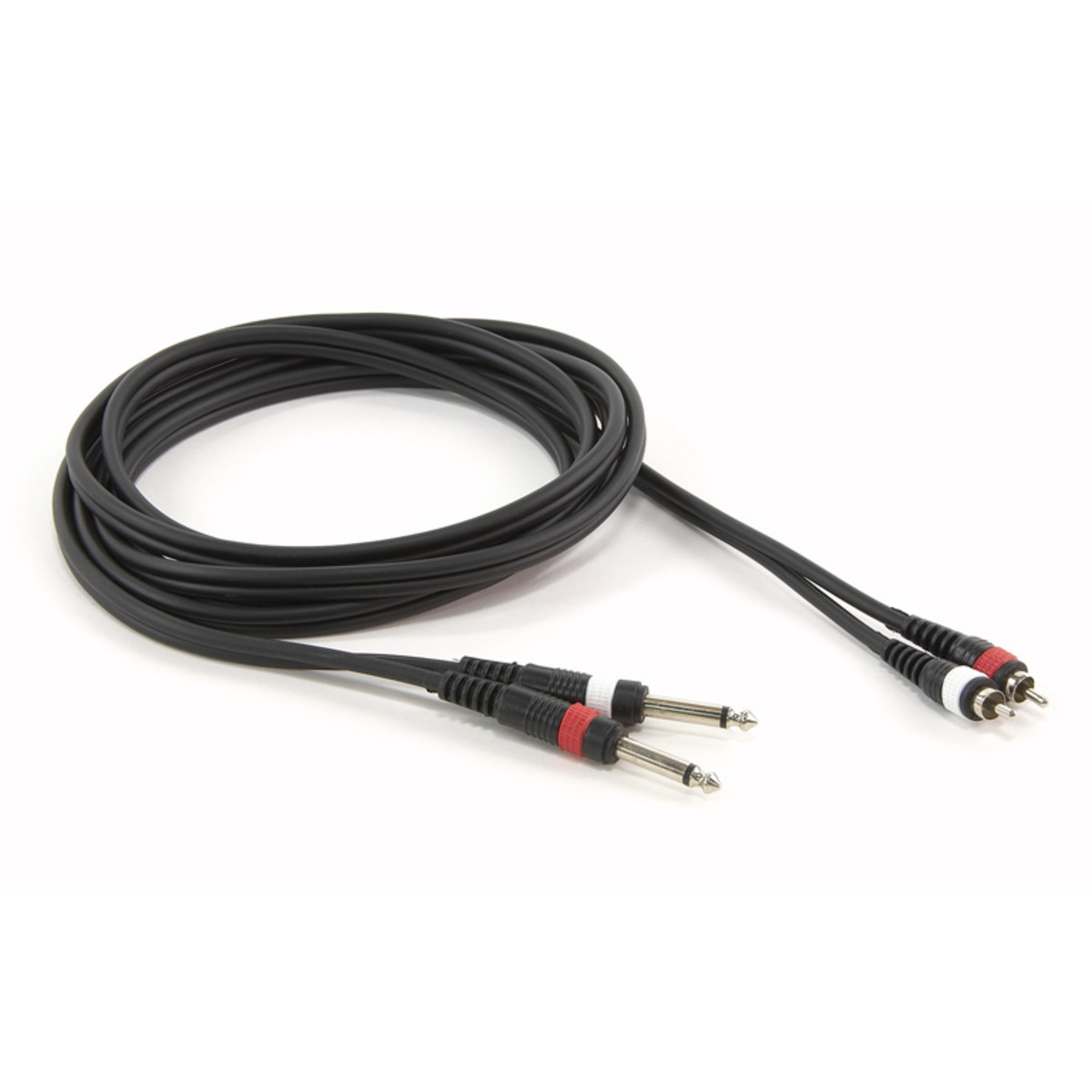
Essentials Dual Jack to RCA Phono Cable 3m
 £10.50 ($13)
Neutrik
Neutrik NC3FRX Right-Angled 3-Pole Female XLR Connector
 £56.00 ($71)
Adam Hall
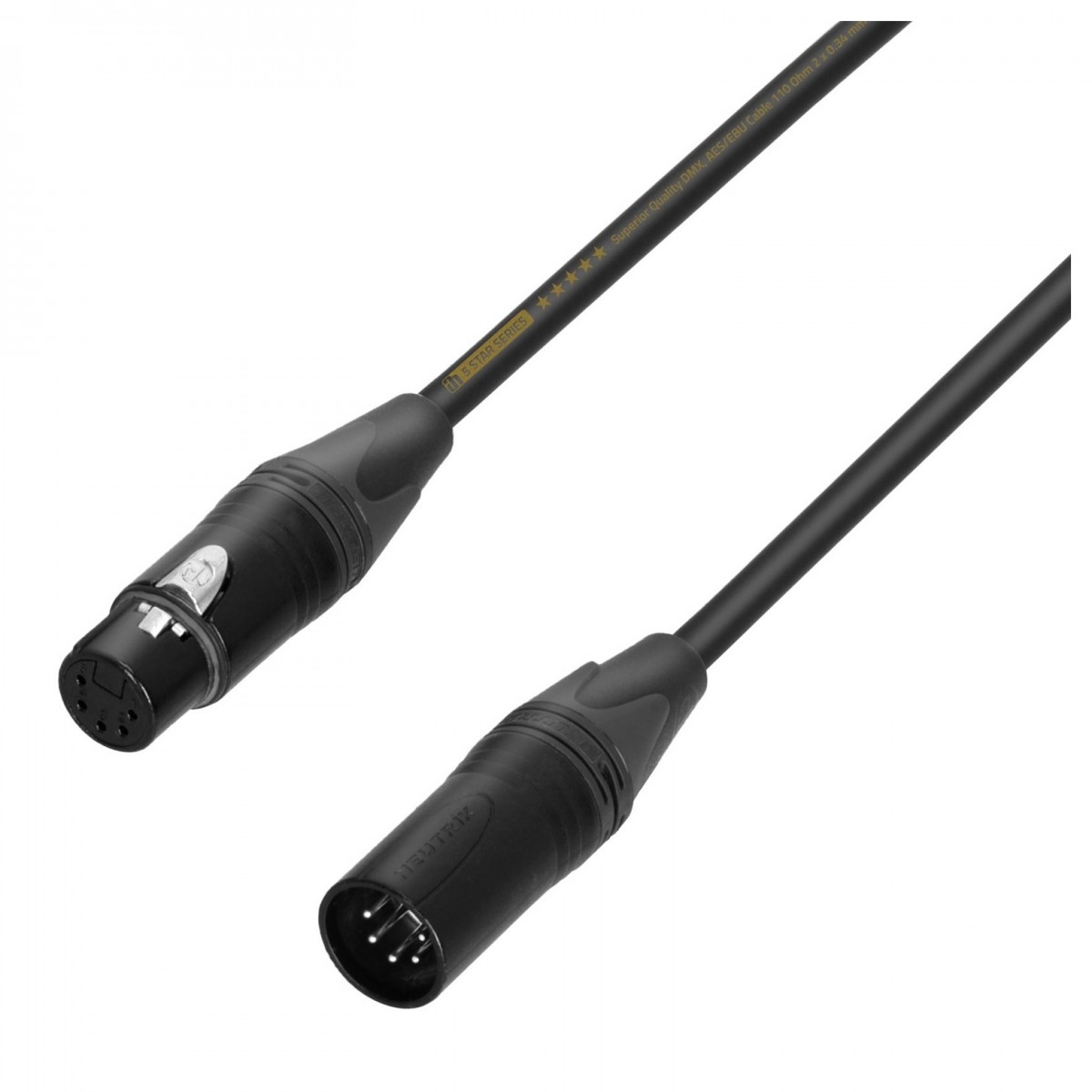
Adam Hall 5 STAR Neutrik DMX 5-Pin Lighting Cable 20m
 £4.99 ($6)
Studiospares
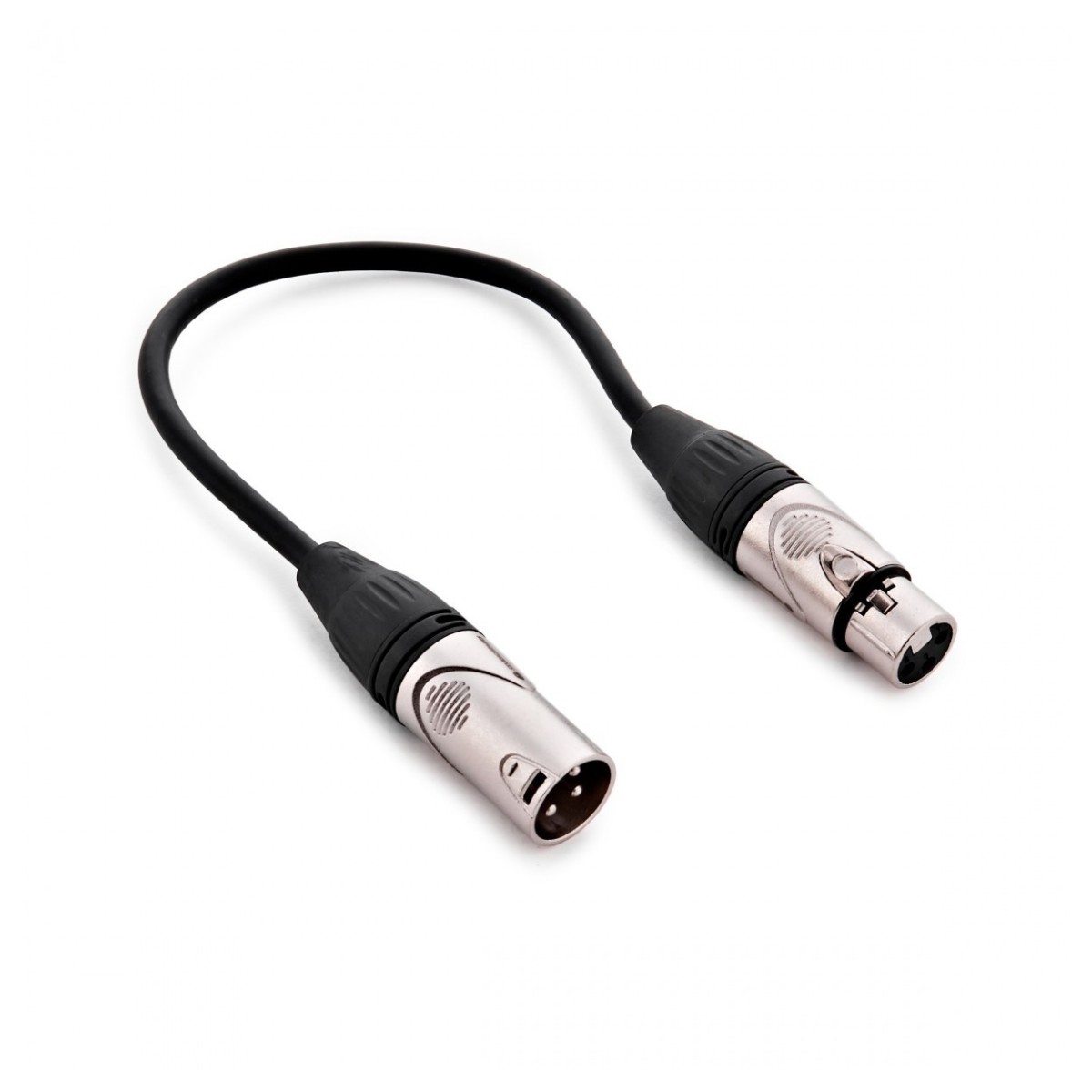
Studiospares Standard XLR (M) - XLR (F) Patch Cable 30cm
Frequently asked questions
- Does the ART P16 require a power supply?
- No, the ART P16 is a passive device. It functions as a series of direct physical connections and does not require electricity to operate.
- Can I use phantom power through this patch bay?
- Yes, because it uses balanced XLR connections and high-quality internal wiring, phantom power (+48V) can pass through the unit safely to reach condenser microphones.
- What is the chassis made of?
- The ART P16 features a robust steel chassis. This provides durability for professional rack-mounted environments and helps shield the internal components.
- How many channels does it provide?
- The unit provides 16 independent channels of balanced audio through-put.
- Is the internal wiring hand-soldered or PCB-based?
- The ART P16 utilizes internal PCB (Printed Circuit Board) wiring. This ensures consistent signal transfer and structural reliability across all 16 channels.
- What size rack space does it occupy?
- It is a standard 19-inch rackmount unit that occupies 1U of vertical rack space.
- Are the connectors on the front and back both XLR?
- Yes, both the front and rear panels feature high-quality XLR connectors. Typically, female connectors are on one side and male on the other to facilitate standard signal flow.
- Will using this patch bay degrade my audio quality?
- No, the P16 is designed as a direct transparent interface. Its passive nature ensures that the integrity of your audio signals remains intact without adding noise or coloration.
- Can I use it for line-level signals as well as microphones?
- Yes, it is suitable for any balanced audio signal, including microphone-level and line-level signals from mixers, interfaces, or outboard processors.
- Can I mount the unit backwards in a rack?
- Yes, depending on your cable management needs, the unit can be mounted with either the male or female connectors facing forward.
- What is the benefit of an XLR patch bay over a TRS one?
- An XLR patch bay like the P16 allows for direct connection of microphone cables without needing XLR-to-TRS adapters or specialized patch cables like those from Studiospares.
- Is this unit suitable for mobile touring kits?
- Yes, the steel construction and secure XLR mounting make it highly suitable for mobile racks and flight cases where vibration and frequent transport occur.