
Gear article
ASM Hydrasynth Desktop
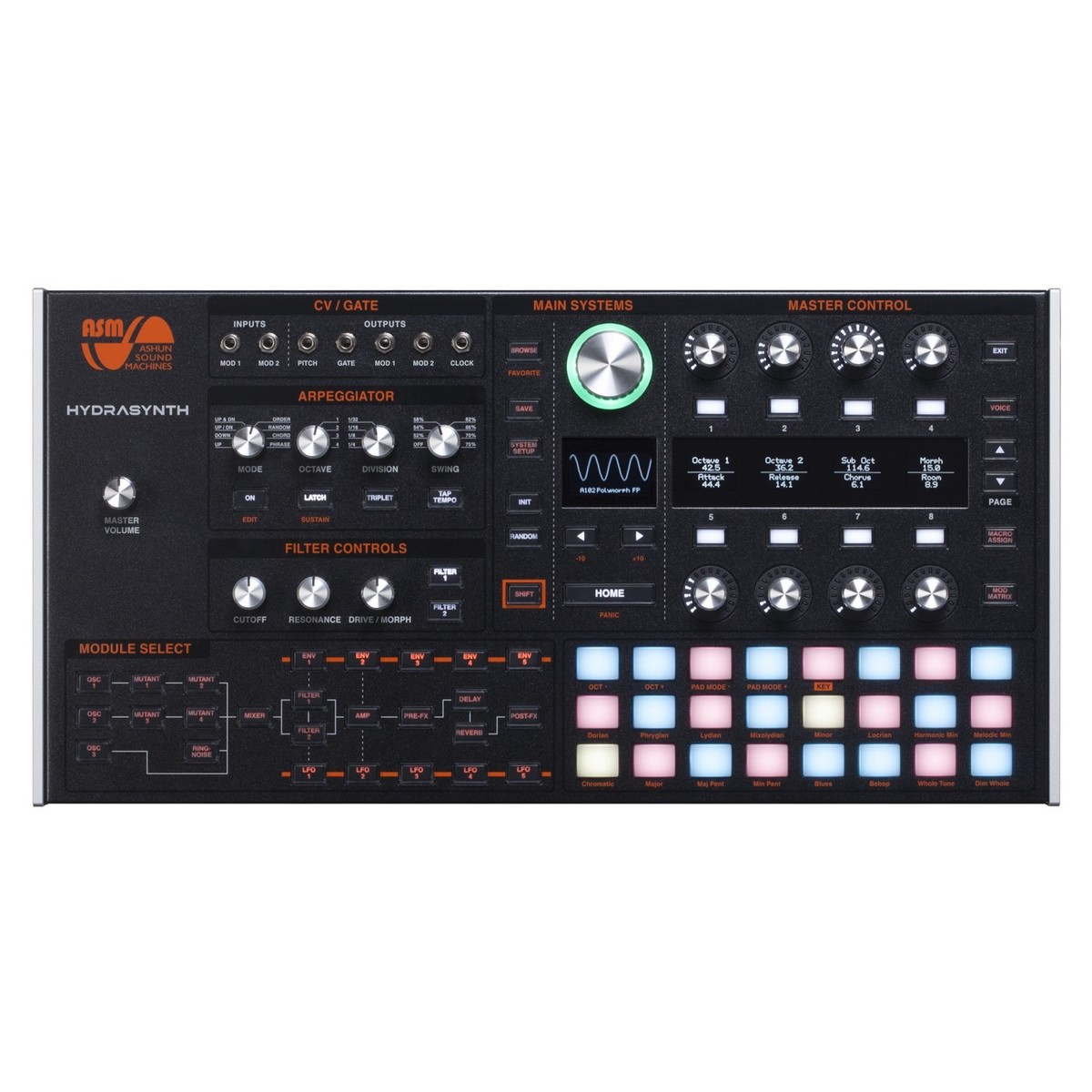
The Ashun Sound Machines (ASM) Hydrasynth Desktop is a digital wave morphing synthesizer featuring a powerful sound engine designed for sound designers. It utilises three oscillators and unique 'Mutators' to provide extensive modulation and tone-sculpting capabilities within a compact desktop form factor.
Overview
The ASM Hydrasynth Desktop is a versatile digital synthesizer that prioritises sound design flexibility through its deep modulation engine. It is distinguished by its 'Wave Morphing' capabilities, which allow users to blend and transition between various waveforms across its three oscillators. The unit is designed with an ergonomic layout intended to simplify complex sound design tasks, making it a viable tool for both studio production and live performance.
Sound Engine and Mutators
At the core of the Hydrasynth are three oscillators and a set of proprietary 'Mutators'. These Mutators allow for advanced modulation techniques, offering both classic and contemporary ways to manipulate sound. The signal path includes two distinct filters and a comprehensive suite of premium-grade effects, which can be applied both pre- and post-processing to refine the final output. The factory library includes 256 patches developed by professional sound designers.
Modulation and Control
The synthesizer is equipped with five DAHDSR envelopes (Delay, Attack, Hold, Decay, Sustain, Release) and five LFOs, providing a high degree of movement and evolution in the sound. Control is facilitated through 24 polyphonic pressure-sensitive pads. These pads act as the primary interface for playing and triggering sounds, supporting multiple pad layouts to suit different musical scales and performance styles.
Target Audience and Application
Due to its extensive modulation matrix and wave-morphing architecture, the Hydrasynth Desktop is positioned as an ideal choice for sound designers and synthesists who require deep customisation. Its desktop format makes it suitable for space-conscious studios, while the pressure-sensitive pads provide a tactile alternative to traditional keyboard controllers.
Market Context
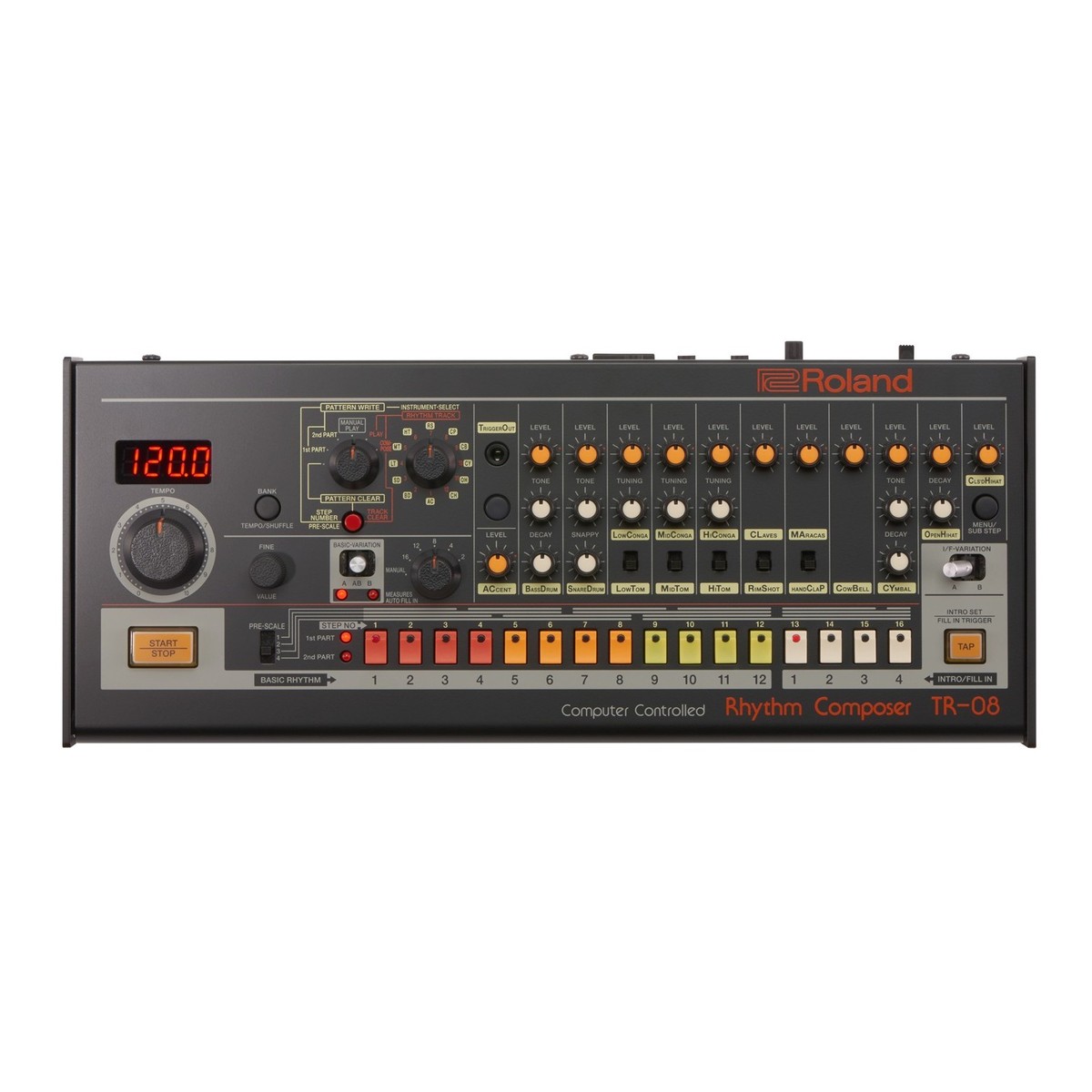
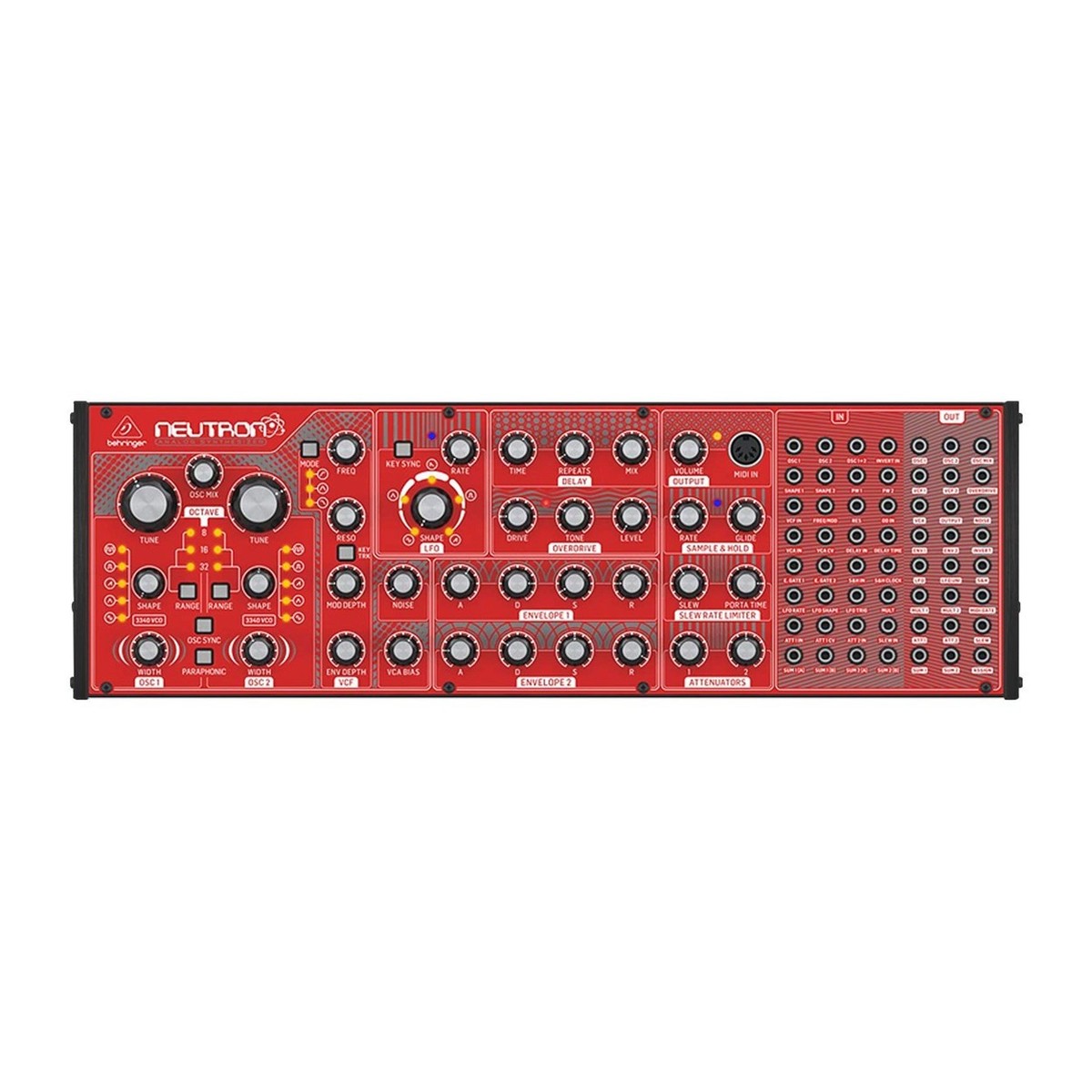
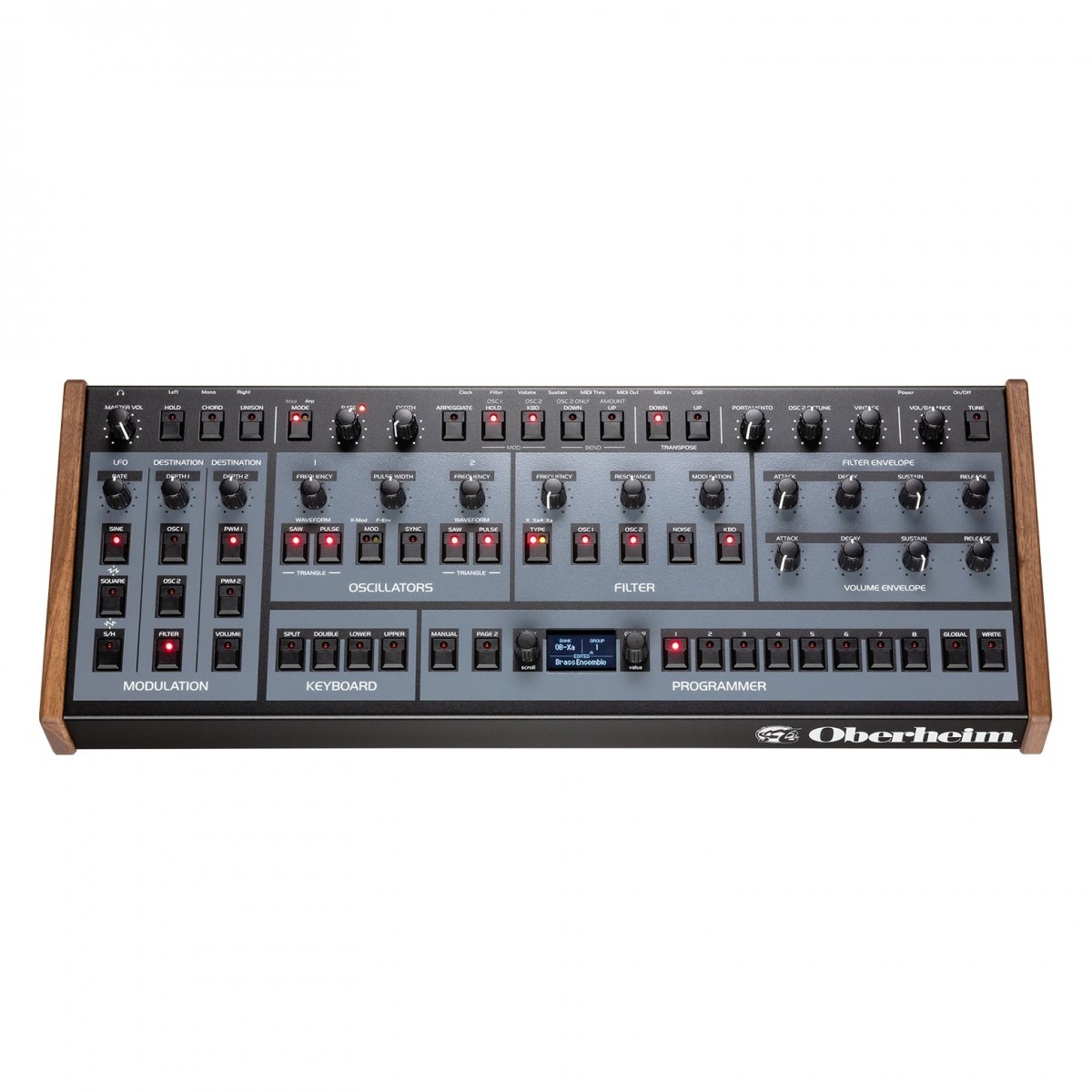
Within the current synthesizer market, the Hydrasynth Desktop competes with various digital and analog modules. While the Oberheim OB-X8 offers classic analog character and the Behringer Neutron provides semi-modular flexibility, the Hydrasynth distinguishes itself through its specific focus on digital wave morphing and polyphonic aftertouch via pads. It offers a more complex synthesis engine than entry-level units like the Roland Boutique TR-08 or Yamaha MX49 II, focusing instead on deep sound sculpting.
Related gear
- £374.00 ($475)
Roland
Roland Boutique TR-08 Rhythm Composer Drum Machine
 £281.50 ($358)
Behringer
Behringer Neutron Semi-Modular Synthesizer
 £3,699.99 ($4,699)
Oberheim
Oberheim OB-X8 Analog Synthesizer Desktop Module
 £527.01 ($669)
Yamaha
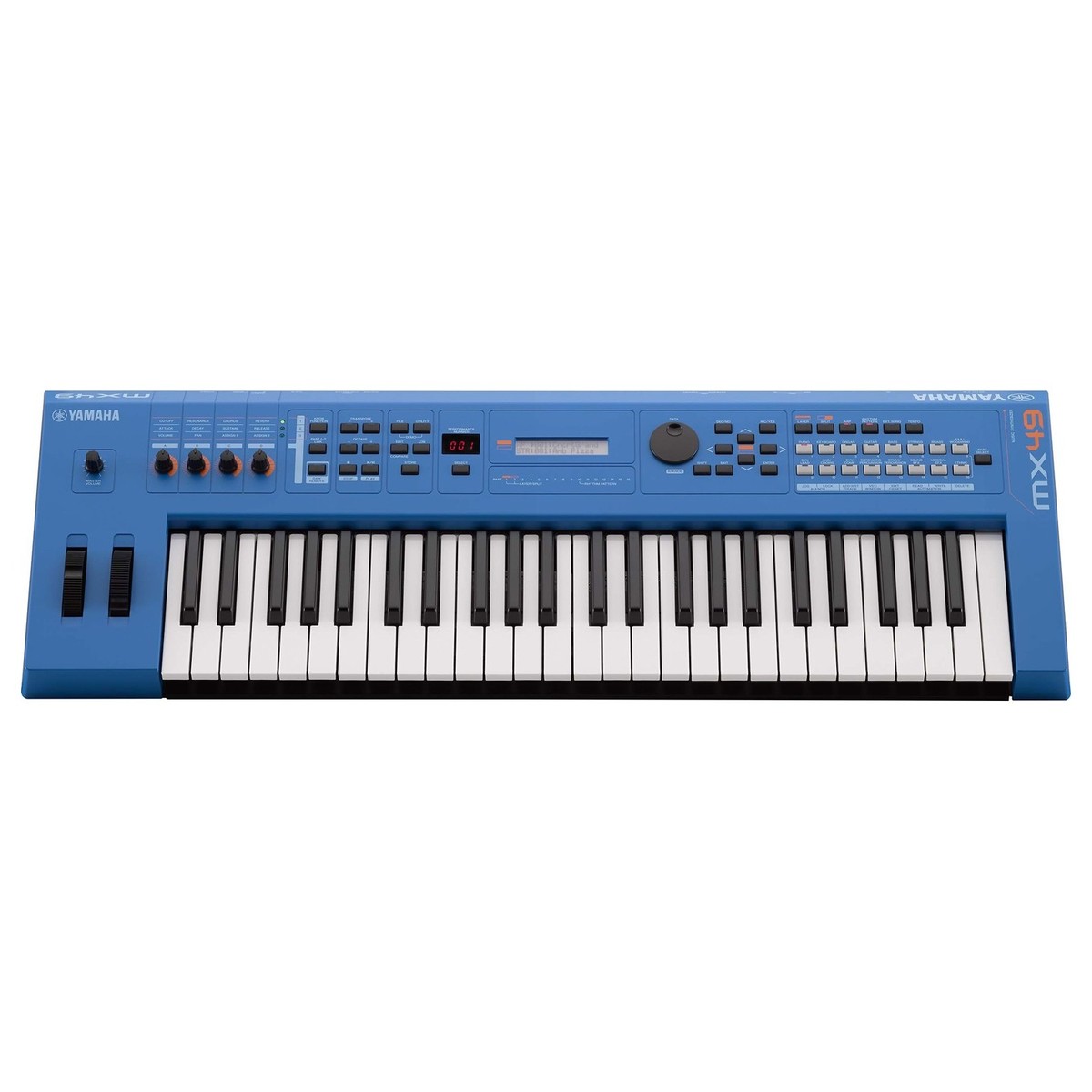
Yamaha MX49 II Music Production Synthesizer Blue
 £125.00 ($159)
Electro Harmonix
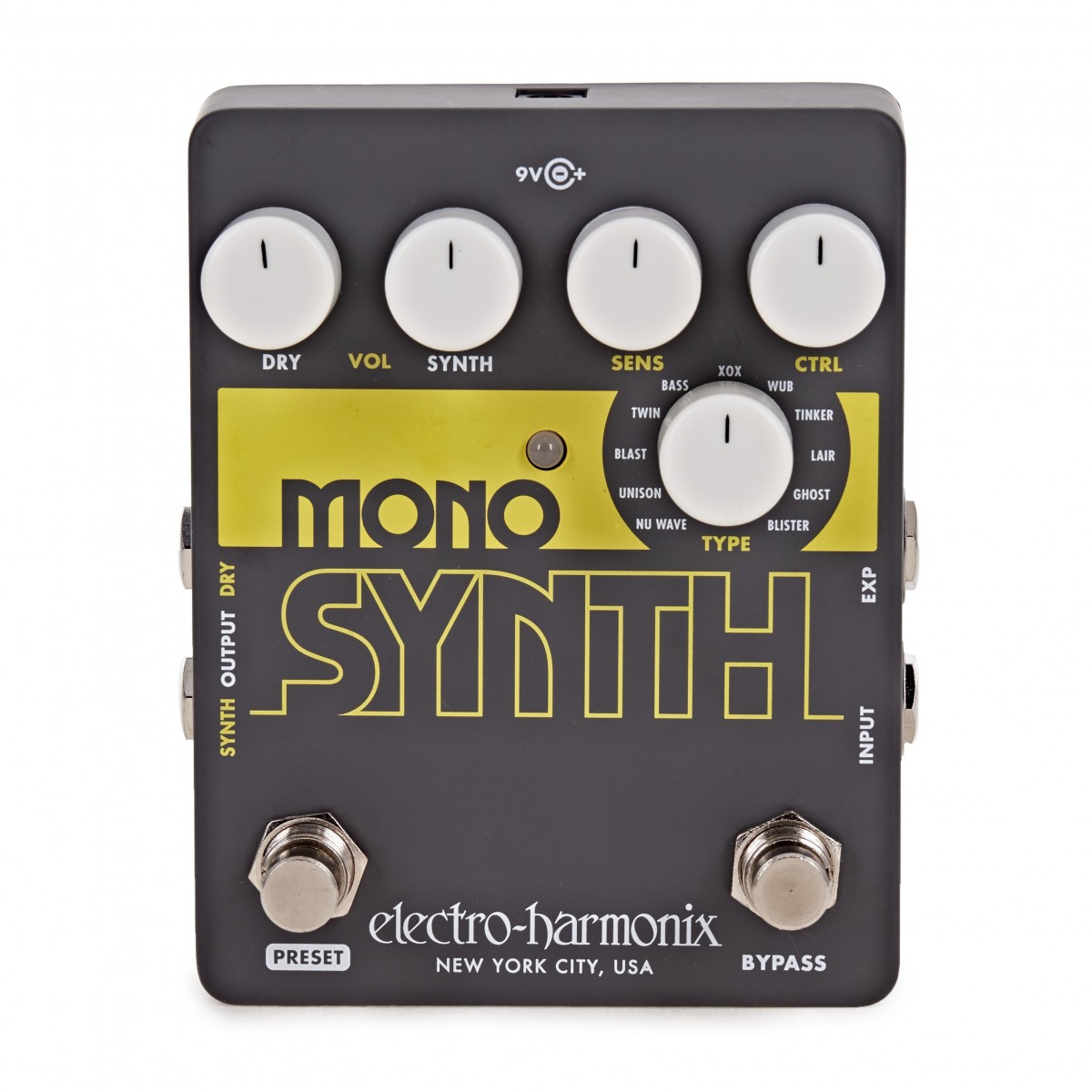
Electro Harmonix Mono Synth Guitar Synthesizer
 £2,247.69 ($2,855)
Viscount Organs
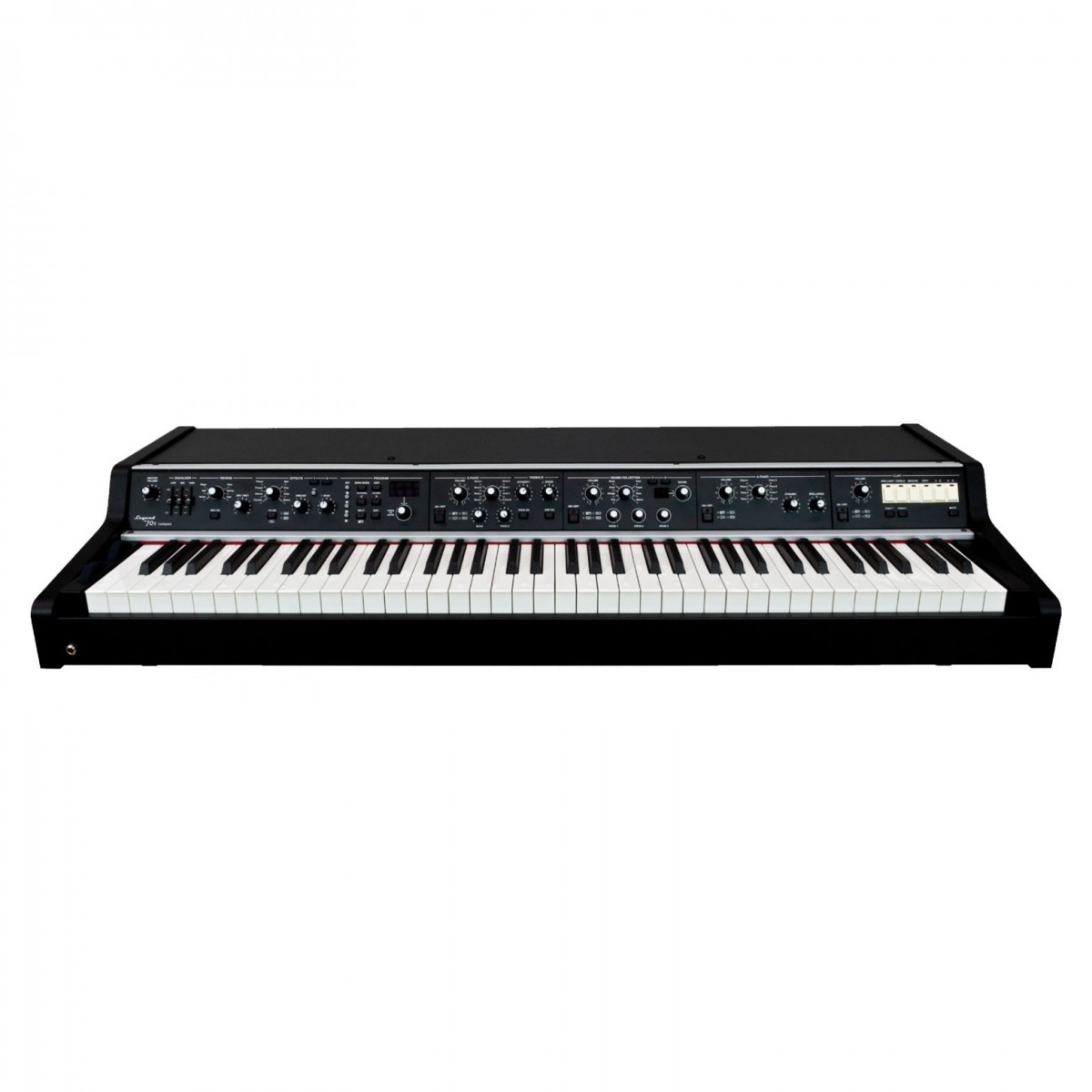
Viscount Legend 70s Compact EX Modular Stage Piano
 £645.81 ($820)
Yamaha
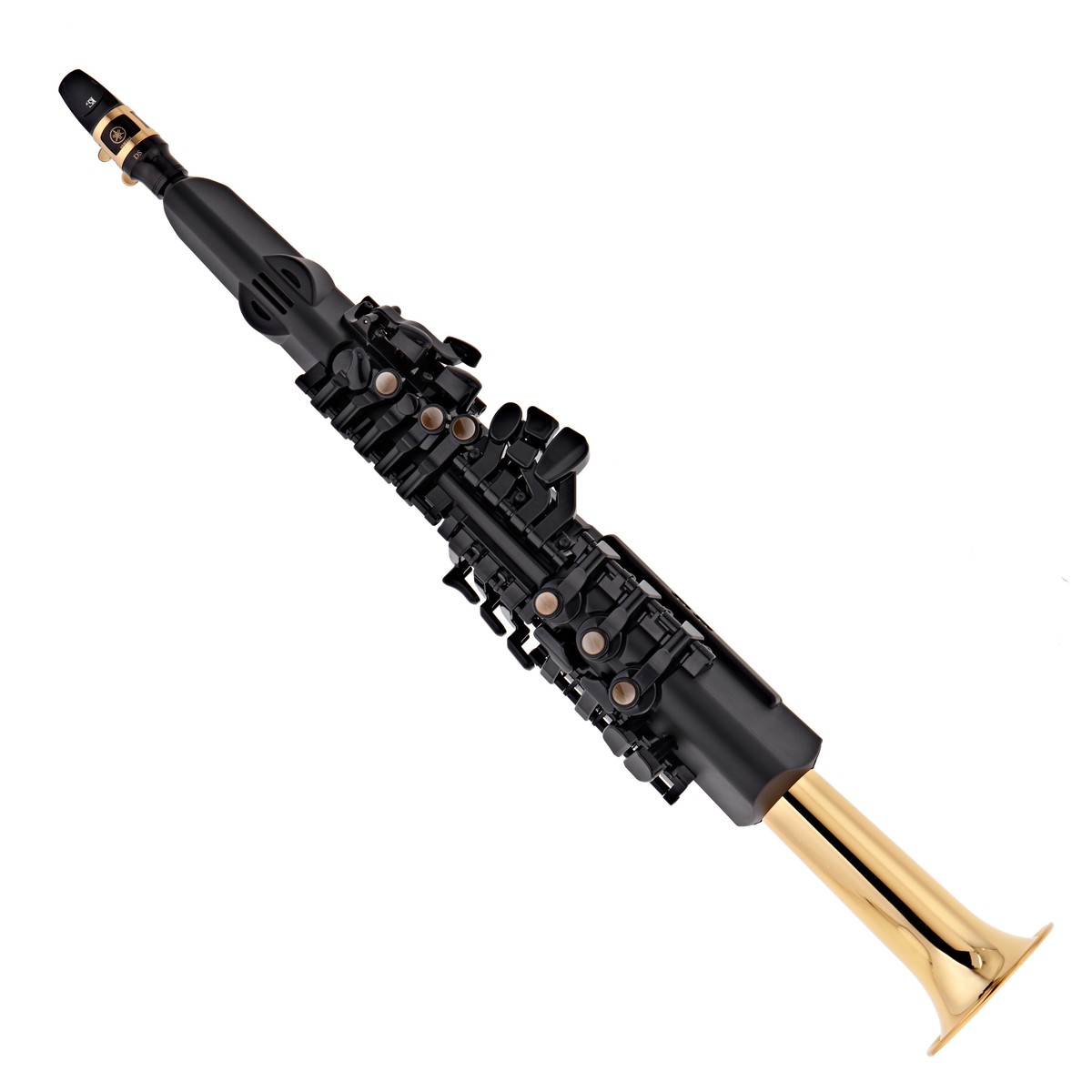
Yamaha YDS 150 Digital Wind Synthesizer
 £499.99 ($635)
Gear4Music
modul Modular Complete Studio System Black
Frequently asked questions
- What is the primary synthesis method of the Hydrasynth Desktop?
- The Hydrasynth Desktop uses a digital wave morphing engine. It features three oscillators that allow for complex transitions between waveforms to create evolving textures.
- How many pads does the unit have and are they velocity sensitive?
- The unit features 24 pads. These are polyphonic pressure-sensitive pads, allowing for expressive control over individual notes through aftertouch.
- What modulation sources are available?
- The synth provides five DAHDSR envelopes and five low-frequency oscillators (LFOs). These can be routed to various parameters for complex modulation.
- What are 'Mutators' in the context of this synth?
- Mutators are specialized components in the sound engine used to modulate and transform the oscillators. They provide both traditional and modern methods for sculpting tones.
- How many factory patches are included?
- The Hydrasynth Desktop comes with 256 factory patches. These were created by a global team of professional patch designers.
- Does the Hydrasynth Desktop have built-in effects?
- Yes, it includes premium-grade effects. These are categorised into pre-effects and post-effects to give the user full control over the final sound.
- Can the pad layouts be changed?
- Yes, the 24 pads support multiple pad layouts. This allows performers to configure the interface to suit different musical scales or preferences.
- How many filters does the Hydrasynth have?
- The signal path includes two filters. These can be used in series or parallel to further shape the frequency content of the oscillators.
- What is the typical price range for this model?
- The typical price for the ASM Hydrasynth Desktop is approximately £749. Prices may vary slightly depending on the retailer and current promotions.
- Is the Hydrasynth Desktop suitable for beginners?
- While it features an ergonomic design to make sound design easier, it is primarily marketed as a tool for sound designers due to its deep modulation capabilities. It offers significant power that may have a learning curve for novices.
- How does it compare to a semi-modular synth like the Behringer Neutron?
- Unlike the semi-modular and analog Neutron, the Hydrasynth is a fully digital wave-morphing synth with patch memory and polyphony. It offers a different workflow focused on digital precision and complex internal routing.
- What makes the envelopes on the Hydrasynth unique?
- The envelopes use a DAHDSR format, which adds 'Delay' and 'Hold' stages to the standard ADSR. This provides more rhythmic and structural control over how a sound evolves over time.