
Gear article
Aston Microphones Origin
The Aston Microphones Origin is a high-performance large-diaphragm cardioid condenser microphone designed for both studio and stage applications. It features a 1-inch gold-evaporated capsule and is noted for its distinctive wave-form spring head and rugged chassis design.
See live pricesOverview
The Aston Origin is a cardioid condenser microphone that serves as the flagship model for the British brand, Aston Microphones. Designed as an all-rounder, it utilizes a 1-inch gold-evaporated capsule paired with high-end transformerless circuitry. The microphone is engineered to be a versatile 'workhorse', capable of handling a wide variety of sound sources ranging from delicate acoustic instruments to high-SPL guitar cabinets.
Design and Key Features
The Origin is distinguished by its unique aesthetic and structural features. It includes a signature wave-form spring head, which provides shock protection for the capsule and acts as a built-in pop filter. The chassis is constructed from tumbled stainless steel, offering a rugged finish that resists scratches and damage.
Functional features include: * Wave-form Mesh: Protects the internal capsule and provides off-axis rejection. * Internal Pop Filter: Uses a stainless steel mesh knit to reduce plosives. * Direct Mounting: The microphone features a built-in stand mount, though it can be used with external shock mounts if preferred. * Pad and Filter: Integrated switches allow for attenuation and low-end roll-off.
Sound Character
The sonic profile of the Origin is designed to provide a 'record-ready' sound. It features a unique frequency response that includes a gradual low-frequency lift, which adds depth and body to the source. The high-end response is tuned to provide a 'sheen' that enhances clarity without introducing harsh or brittle artifacts. Because the overall EQ curve remains relatively flat, the microphone is highly responsive to external equalisation during the mixing process.
Applications
Due to its versatile nature, the Origin excels in multiple recording scenarios. It is frequently employed for: * Vocals: Capturing choirs or solo performances with natural air. * Instruments: Recording acoustic strings, drums, and percussion. * Amplifiers: Handling the high sound pressure levels of cranked guitar cabinets. * Live Sound: Its durable construction makes it suitable for on-stage use where standard studio condensers might be too fragile.
Comparative Analysis
Within its price bracket, the Aston Origin competes with established models such as the Shure SM7B and various entry-level offerings from Neumann. While the Shure SM7B is a dynamic microphone requiring significant gain, the Origin provides the higher sensitivity and detail typical of a condenser. Compared to premium options like the Neumann TLM 102 or TLM 103, the Origin offers a distinct British-engineered alternative at a more accessible price point of approximately £199.
Related gear
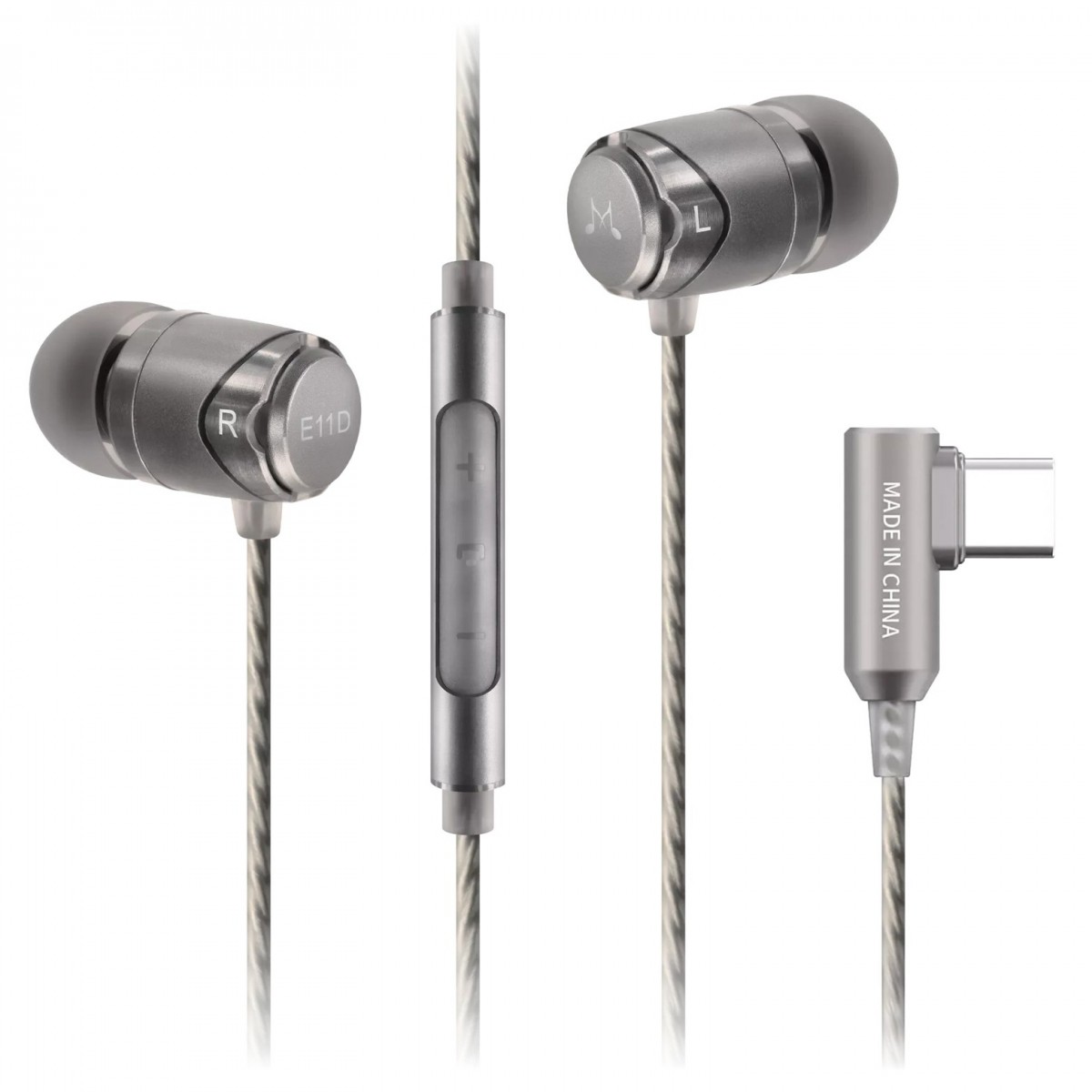 £39.98 ($51)
SoundMagic
SoundMAGIC E11D In Ear Isolating USB-C Earphones with Mic Silver
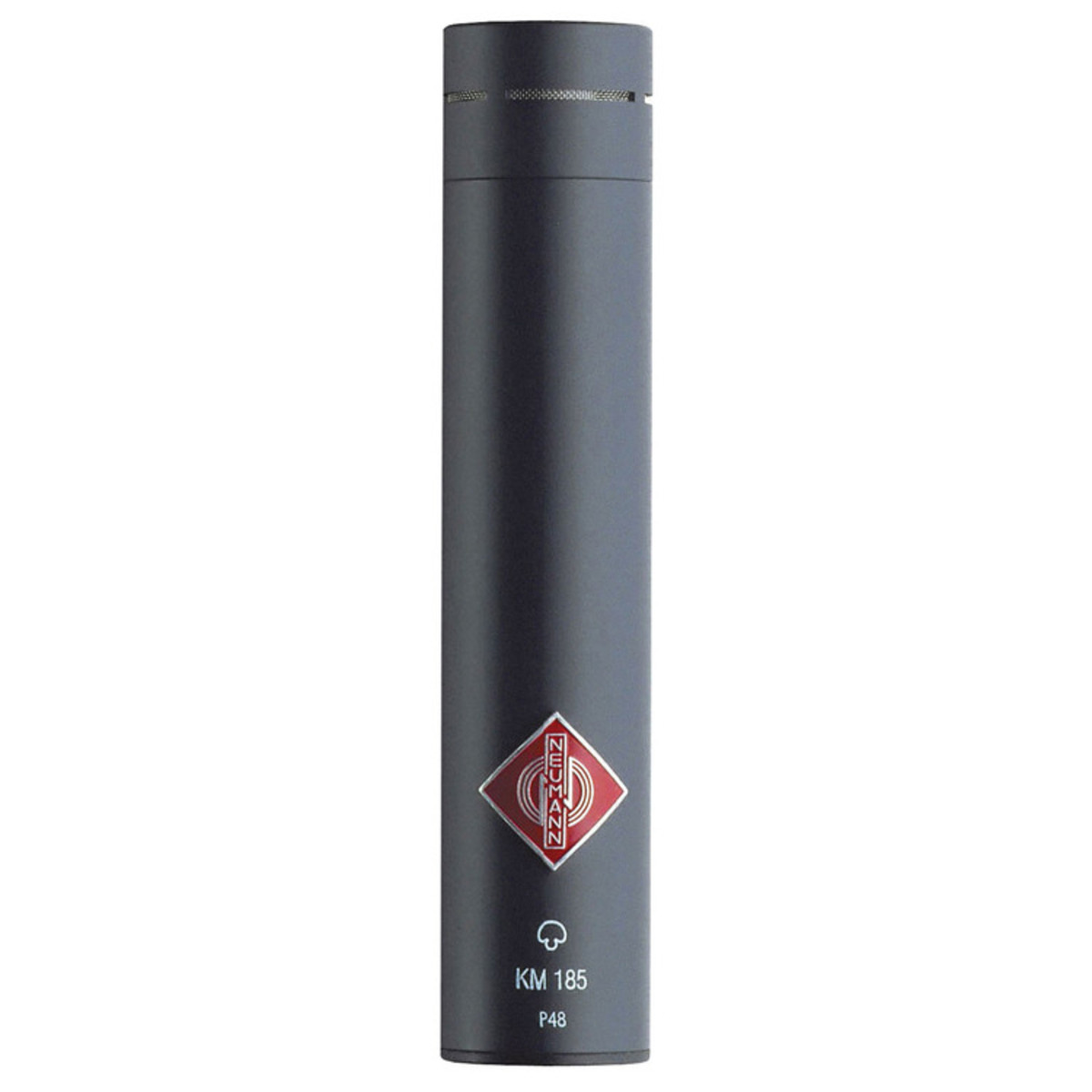 £709.28 ($901)
Neumann
Neumann KM 185 MT Super-Cardioid Compact Condenser Mic Black
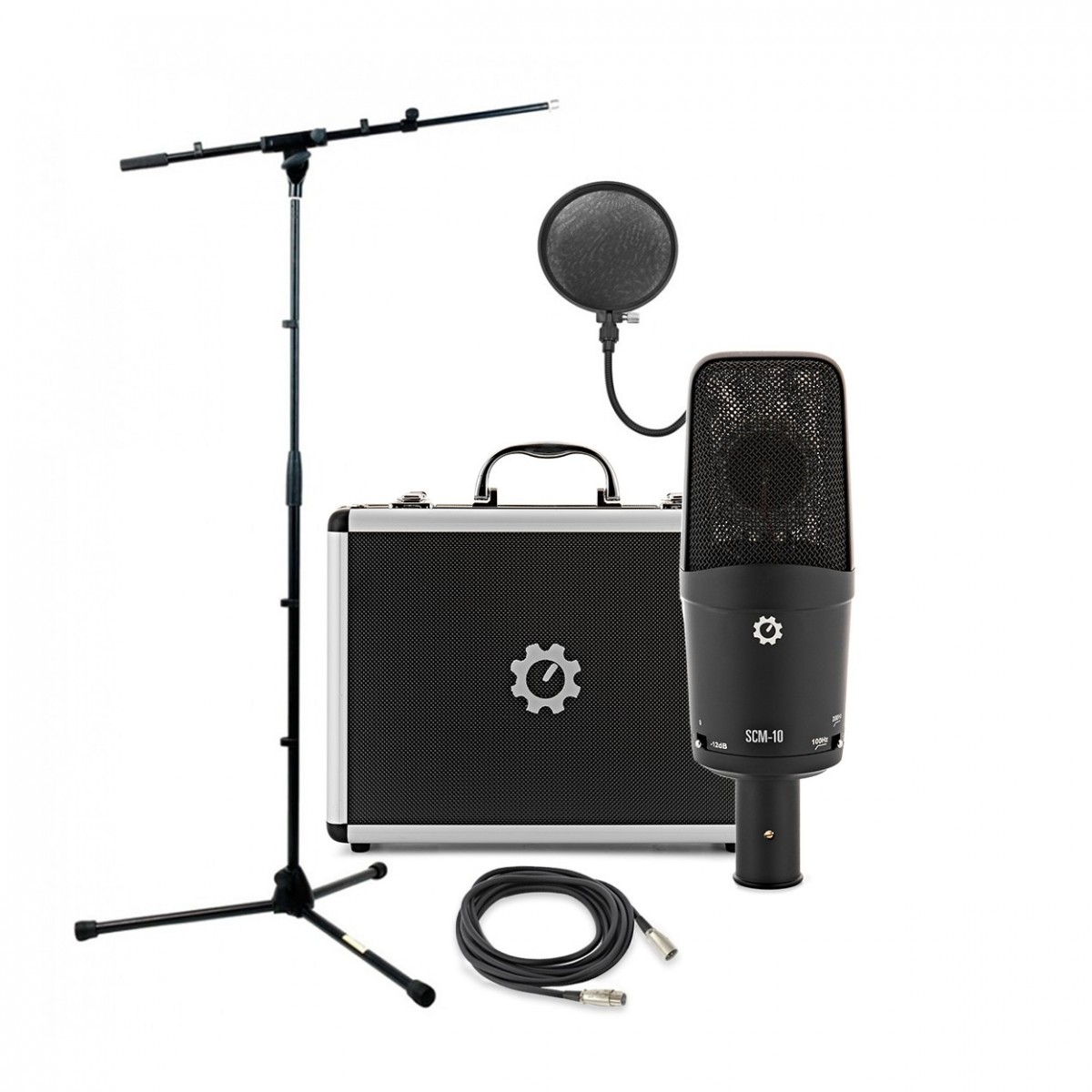 £139.99 ($178)
G4M
G4M Studio Condenser Microphone Home Recording Pack
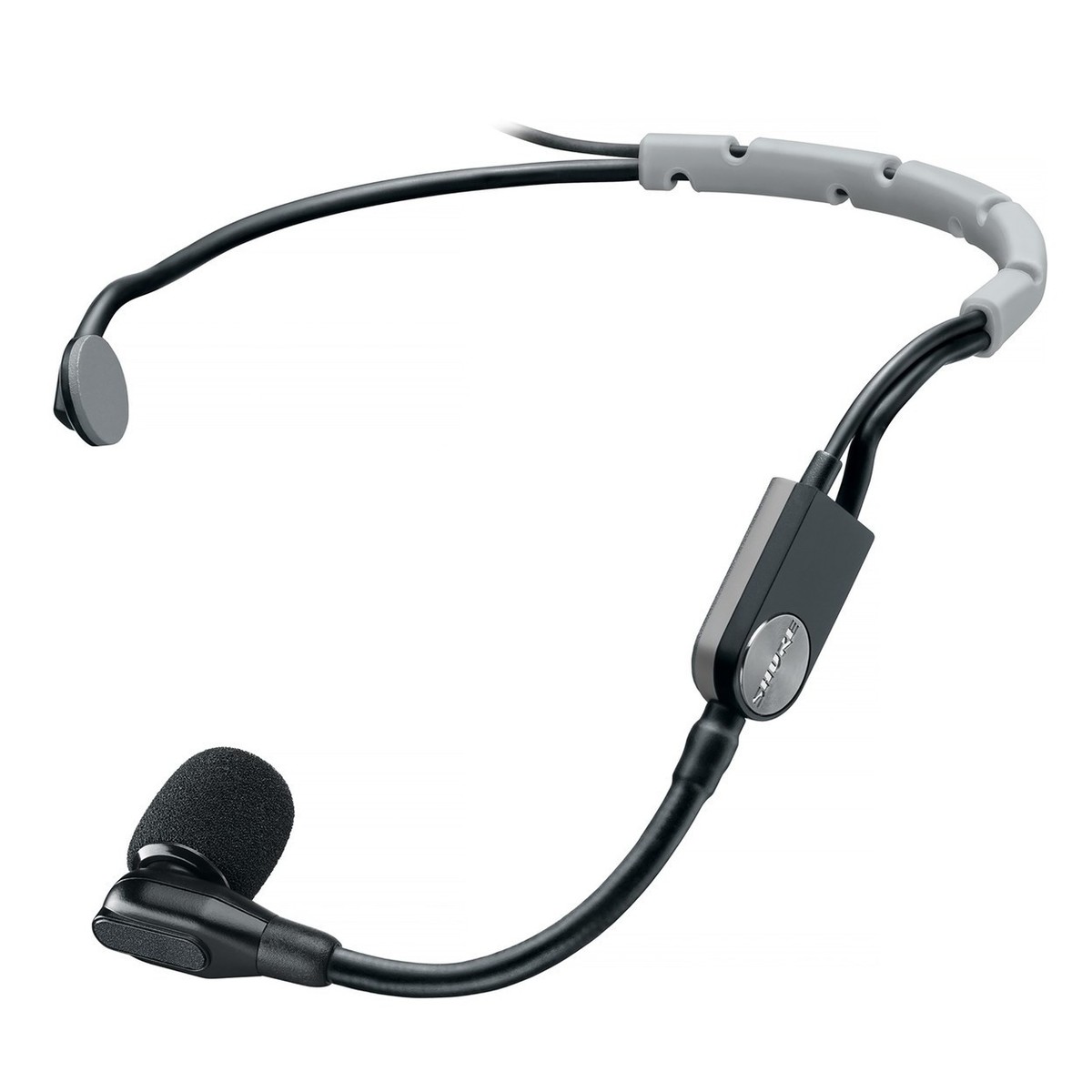 £258.50 ($328)
Shure
Shure SM35-XLR Cardioid Condenser Headset Microphone
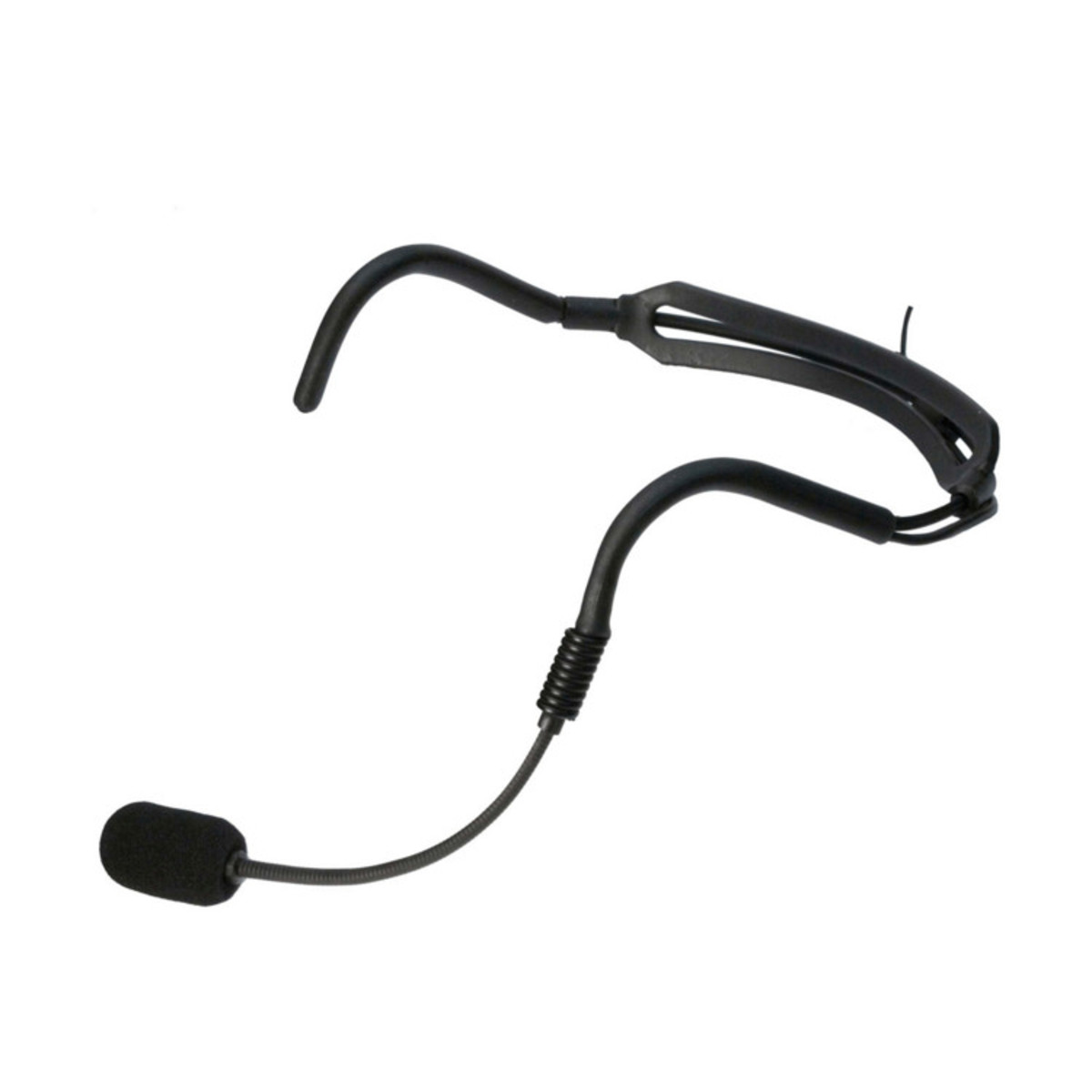 £201.19 ($256)
Audix
Audix HT2 Super Cardioid Headset Condenser Mic With 3 Pin Mini XLR
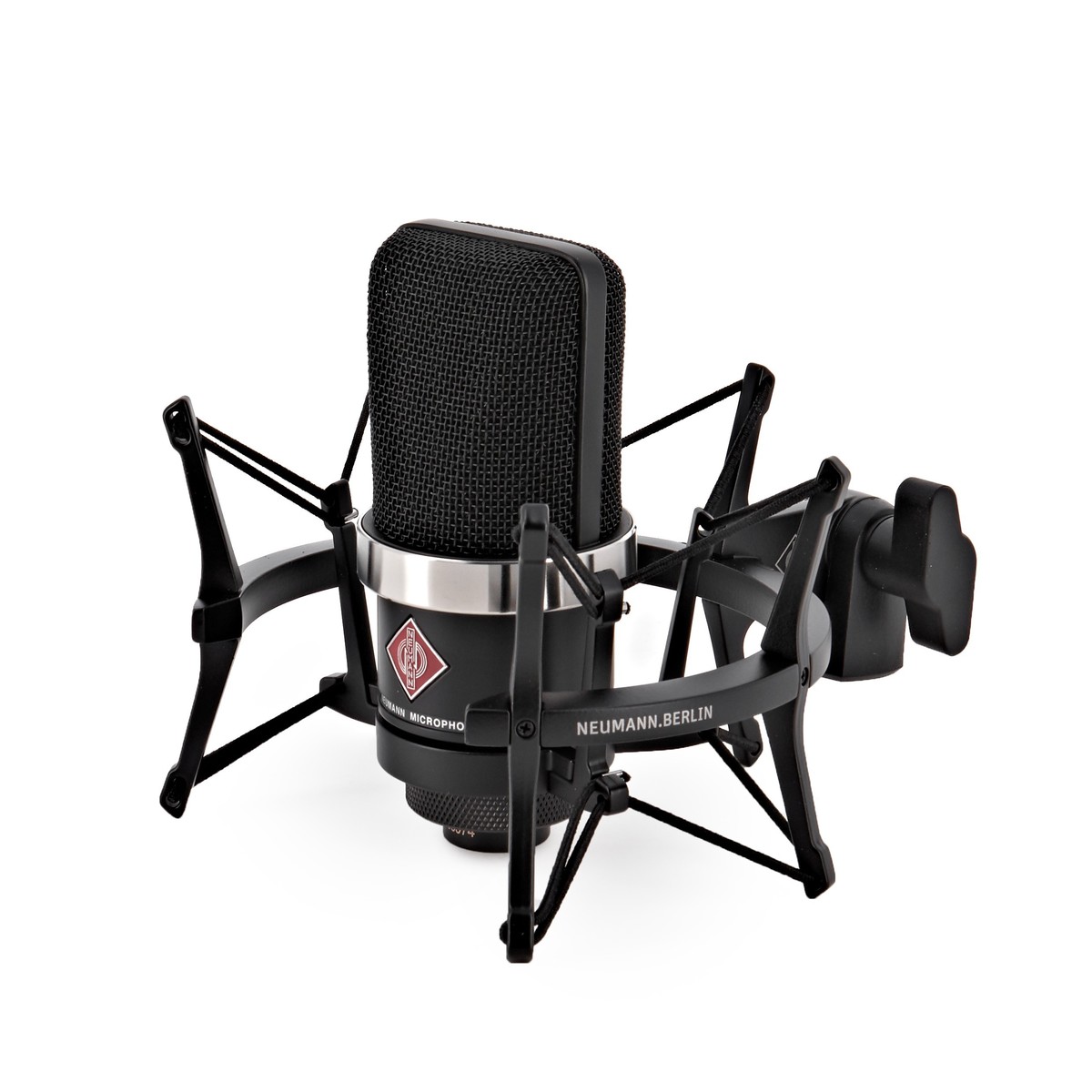 £655.91 ($833)
Neumann
Neumann TLM 102 Microphone Studio Set Black
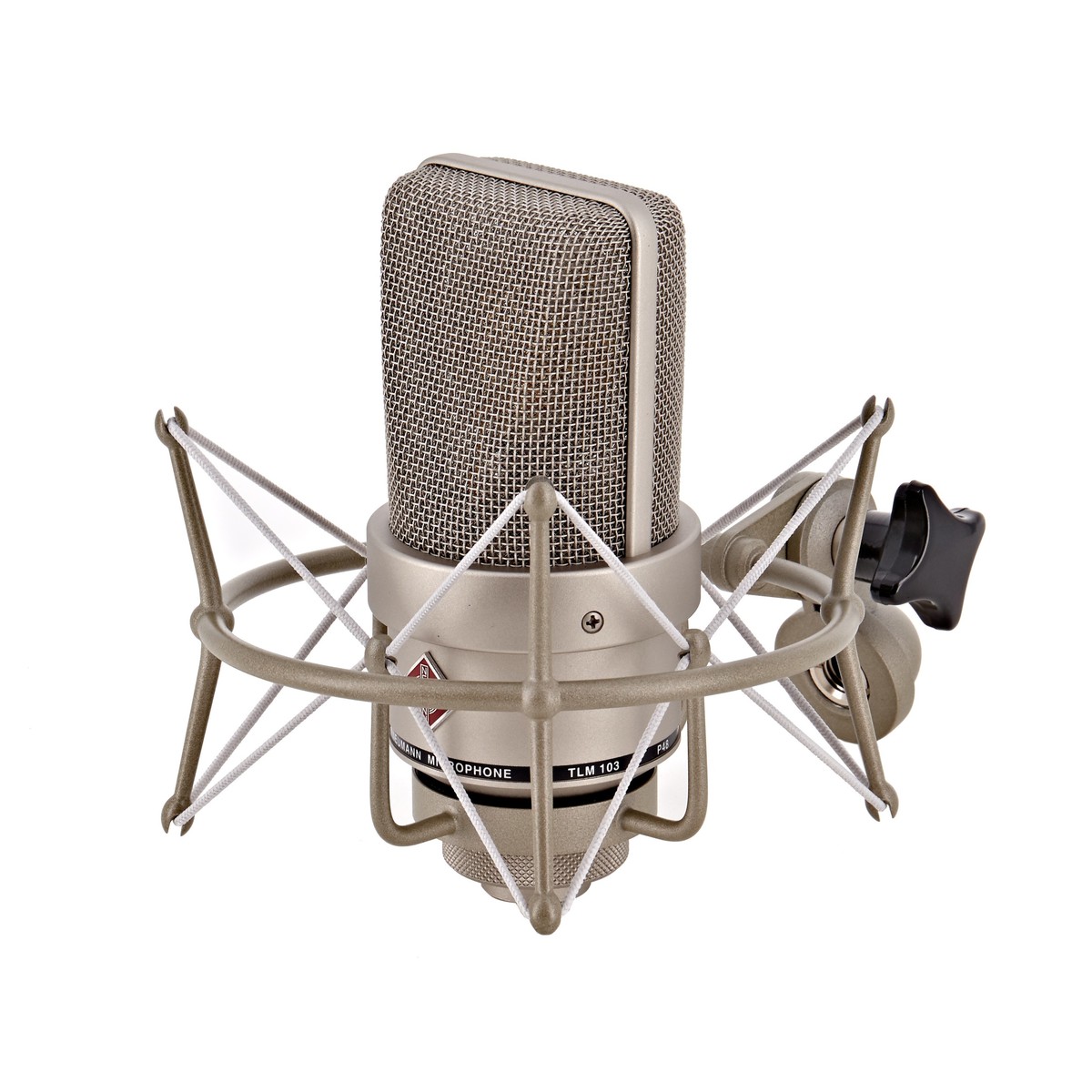 £1,110.08 ($1,410)
Neumann
Neumann TLM 103 Studio Set Microphone Nickel
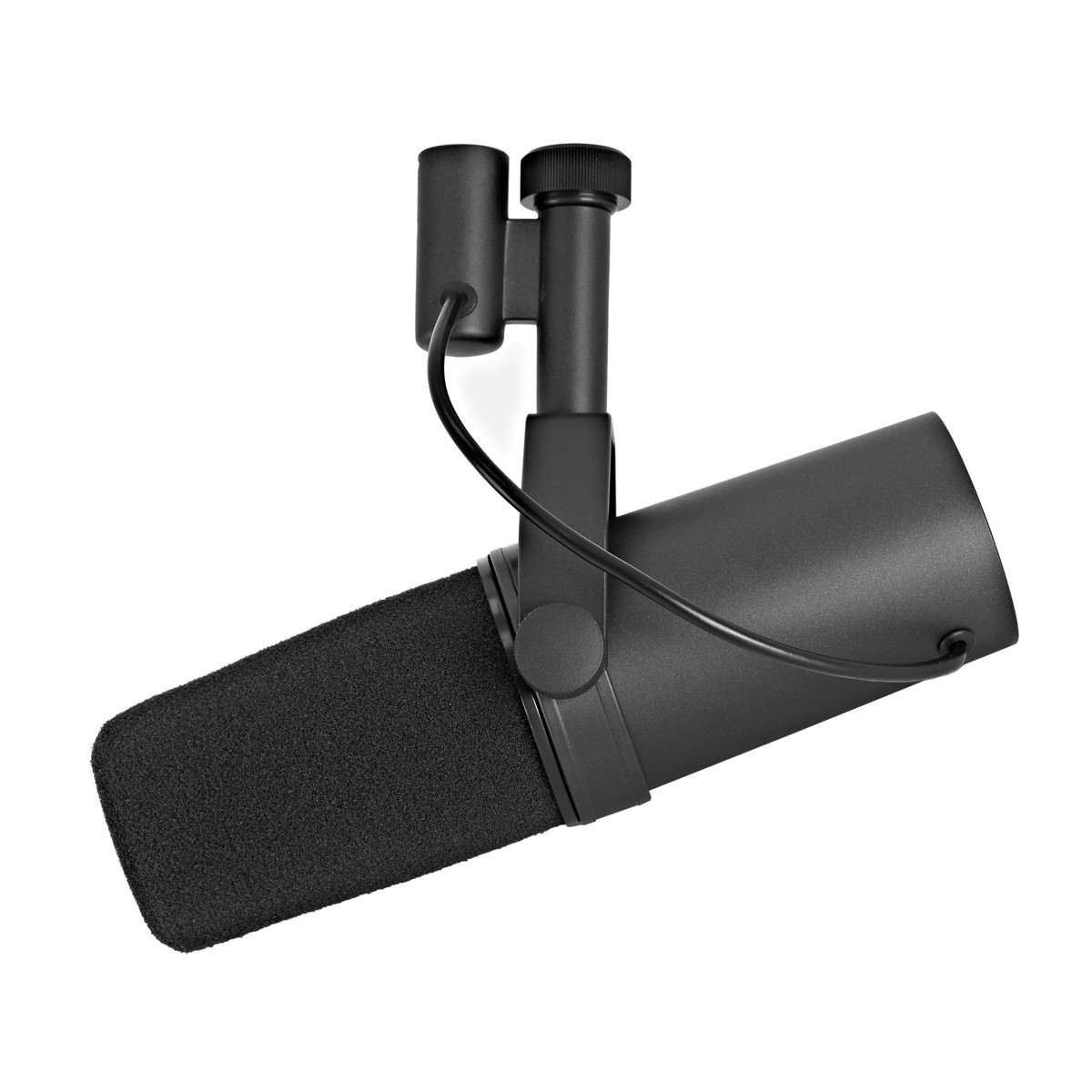 £381.50 ($485)
Shure
Shure SM7B Dynamic Studio Microphone
Frequently asked questions
- What type of microphone is the Aston Origin?
- The Aston Origin is a large-diaphragm cardioid condenser microphone. It requires 48V phantom power to operate and features a 1-inch gold-evaporated capsule.
- Does the Aston Origin require a pop filter?
- The microphone features a built-in stainless steel mesh knit pop filter designed to reduce plosives. While it is effective for many applications, some users may still prefer an external filter for close-mic vocal recording.
- What is the typical price of the Aston Origin?
- The Aston Origin typically retails for approximately £199. This positions it as a high-value option for home and professional studios alike.
- What polar patterns does the Origin support?
- The Origin features a fixed cardioid polar pattern. This means it is most sensitive to sound coming from the front and rejects sound from the rear, making it ideal for isolated recording.
- Can the Aston Origin be used on loud sources like guitar amps?
- Yes, the manufacturer specifies that the Origin is designed to excel on cranked cabinets. Its build and capsule design allow it to handle high-pressure sound sources without distortion.
- Is a shock mount required for the Aston Origin?
- The Origin has a built-in stand mount at the base, allowing it to be attached directly to a microphone stand. However, it can also be used with a universal shock mount if further vibration isolation is needed.
- What is unique about the head of the microphone?
- It features a wave-form spring head. This design acts as a shock absorber to protect the capsule from impacts and helps with acoustic shielding.
- How does the Origin handle low frequencies?
- The microphone is designed with a gradual low-frequency lift. This provides additional depth and body to the recording, which is particularly useful for thin sound sources.
- Is the high-end response of the Origin harsh?
- No, the high-end is designed to provide a 'sheen' that sounds record-ready. The manufacturer specifically engineered the capsule to avoid harsh or brittle characteristics.
- Where is Aston Microphones based?
- Aston Microphones is a British brand. The Origin was developed and engineered in the UK, emphasizing high-quality manufacturing and unique design elements.
- What kind of finish does the Origin have?
- The microphone has a tumbled stainless steel chassis. This finish is highly durable and designed to maintain its appearance even after heavy use in studio or live environments.
- Does the Origin work well with EQ?
- Yes, because the microphone has a relatively flat nature in its EQ curve despite its subtle lifts, it responds very well to further processing and equalization in post-production.