
Gear article
Audeze LCD-i3 Semi-Open-Back In-Ear Headphones
The Audeze LCD-i3 is a premium semi-open-back in-ear monitor that utilises planar magnetic technology to deliver high-resolution audio. Positioned as an evolutionary step within the iSINE series, it incorporates high-end design elements from the flagship LCD-i4 to reduce resonance and enhance clarity.
See live pricesOverview and Design
The Audeze LCD-i3 represents a significant development in the manufacturer's range of planar magnetic in-ear monitors. It bridges the gap between the entry-level iSINE models and the flagship LCD-i4. The device is characterised by its distinctive magnesium housing and grille design, which is borrowed directly from the LCD-i4. This construction is specifically engineered to reduce unwanted mechanical resonances that can colour the sound, leading to a more precise audio reproduction.
Unlike traditional dynamic driver earphones, the LCD-i3 uses a large planar diaphragm, necessitating a semi-open-back architecture. This allows for a wider soundstage and more natural air movement, though it offers less isolation than fully closed designs.
Connectivity and Versatility
A primary feature of the LCD-i3 is its versatile connectivity suite, designed to support a wide range of listening environments. The package typically includes:
- 3.5mm Analog Cable: For traditional high-fidelity connection to dedicated amplifiers and digital audio players.
- Lightning Cable (CIPHER): A dedicated cable for iOS devices that includes an integrated DAC and DSP to optimise the planar driver performance.
- Bluetooth: A wireless module that allows for audiophile-grade listening without physical tethering to a source device.
This multi-connection approach ensures that the headphones remain compatible with modern mobile devices while still serving the needs of stationary hi-fi enthusiasts.
Sound Character
The LCD-i3 is noted for its superior resolution compared to its iSINE counterparts. By adopting the magnesium internals of the higher-tier LCD-i4, the i3 achieves a cleaner transient response and greater detail retrieval across the frequency spectrum. The semi-open design contributes to a sense of space and 'out-of-head' imaging that is rare for in-ear monitors. Because it uses planar magnetic drivers, the bass response is typically linear and fast, providing a foundation that does not bleed into the midrange frequencies.
Comparison with Alternatives
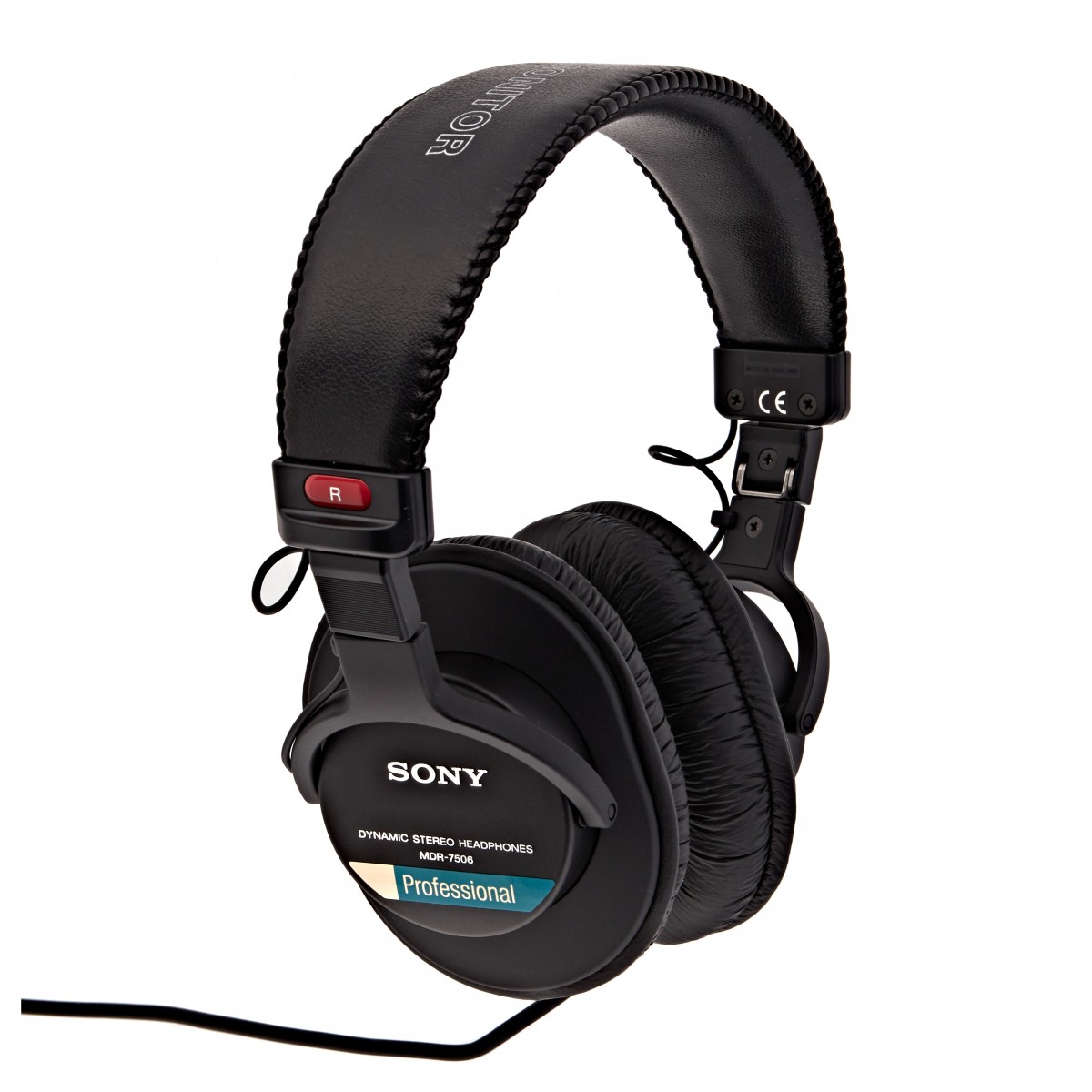
In the broader landscape of high-end monitoring, the LCD-i3 occupies a unique niche. Compared to traditional studio monitors like the Sennheiser HD 25 or Sony MDR-7506, the LCD-i3 offers a vastly different soundstage and transducer technology, prioritising open-air fidelity over isolation.
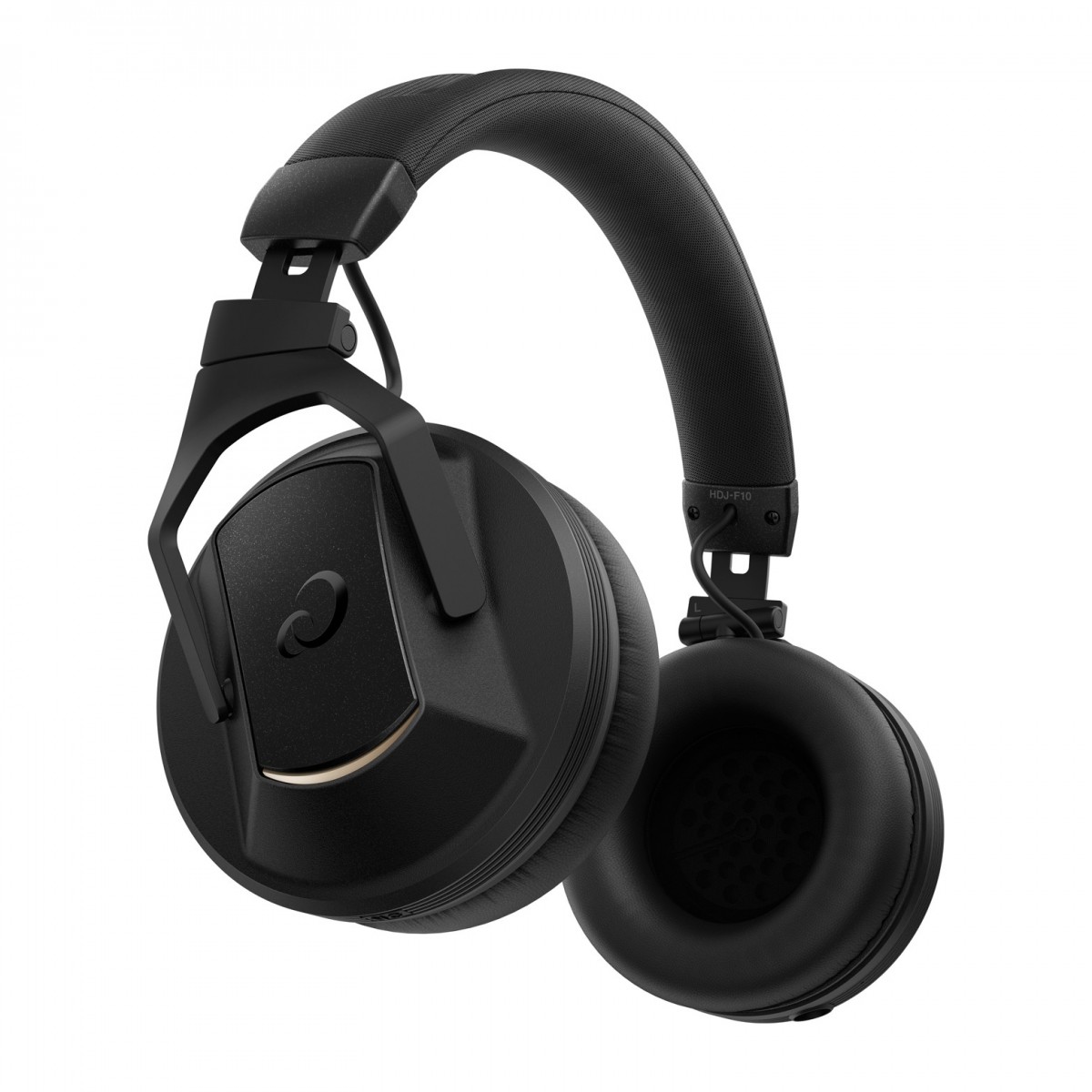
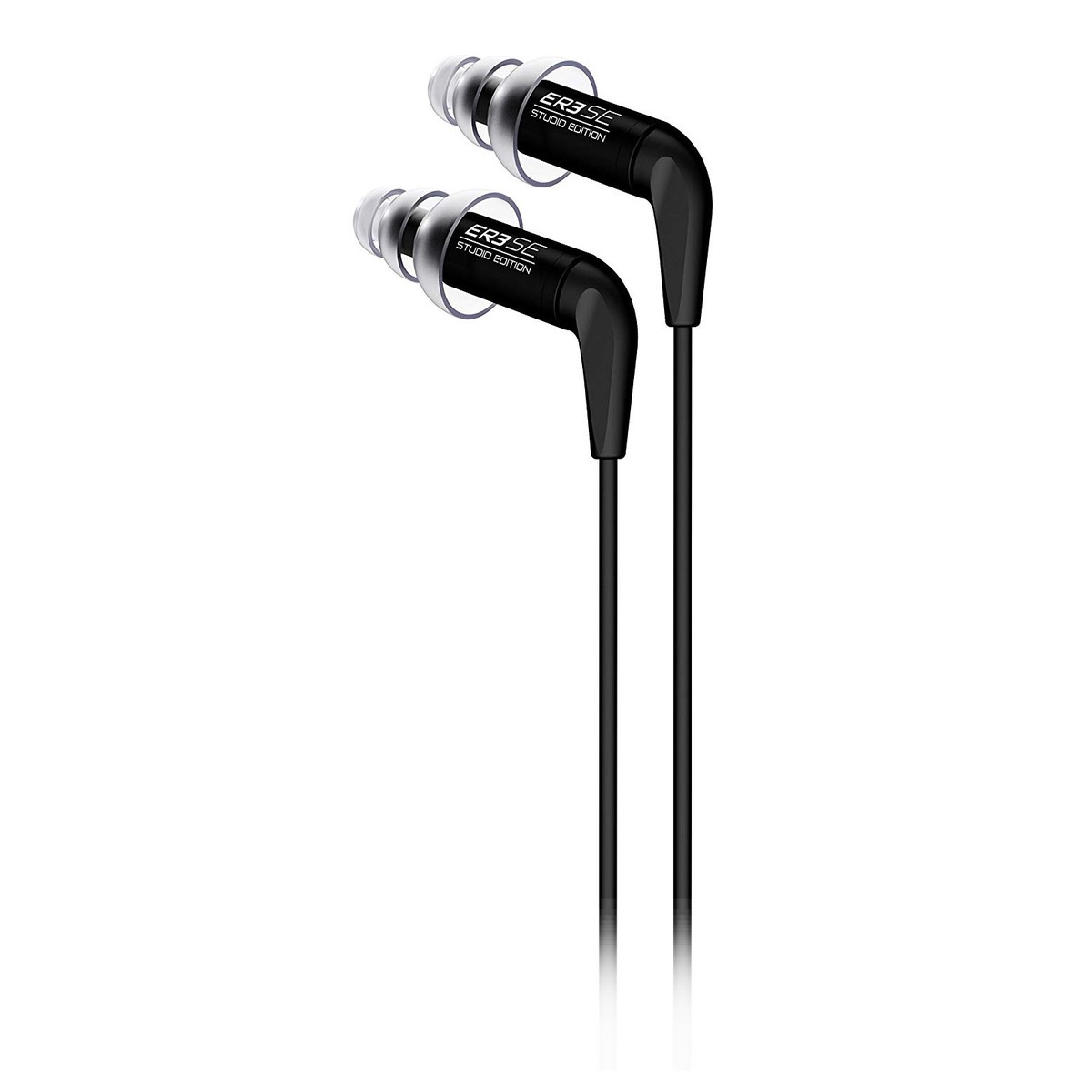
When measured against other in-ear solutions like the Etymotic ER2-SE, which focuses on extreme isolation and a clinical studio reference sound, the LCD-i3 provides a more expansive and 'hi-fi' experience. While wireless DJ headphones like the AlphaTheta HDJ-F10 prioritise low-latency and ruggedness for performance, the LCD-i3 is firmly aimed at critical listening and high-resolution enjoyment.
Related gear
 £452.00 ($574)
AlphaTheta
AlphaTheta HDJ-F10 Wireless DJ Headphones
 £19.00 ($24)
Oqan
Oqan QHP-20BK RETROFUTURE Dynamic Headphones
 £14.99 ($19)
SubZero
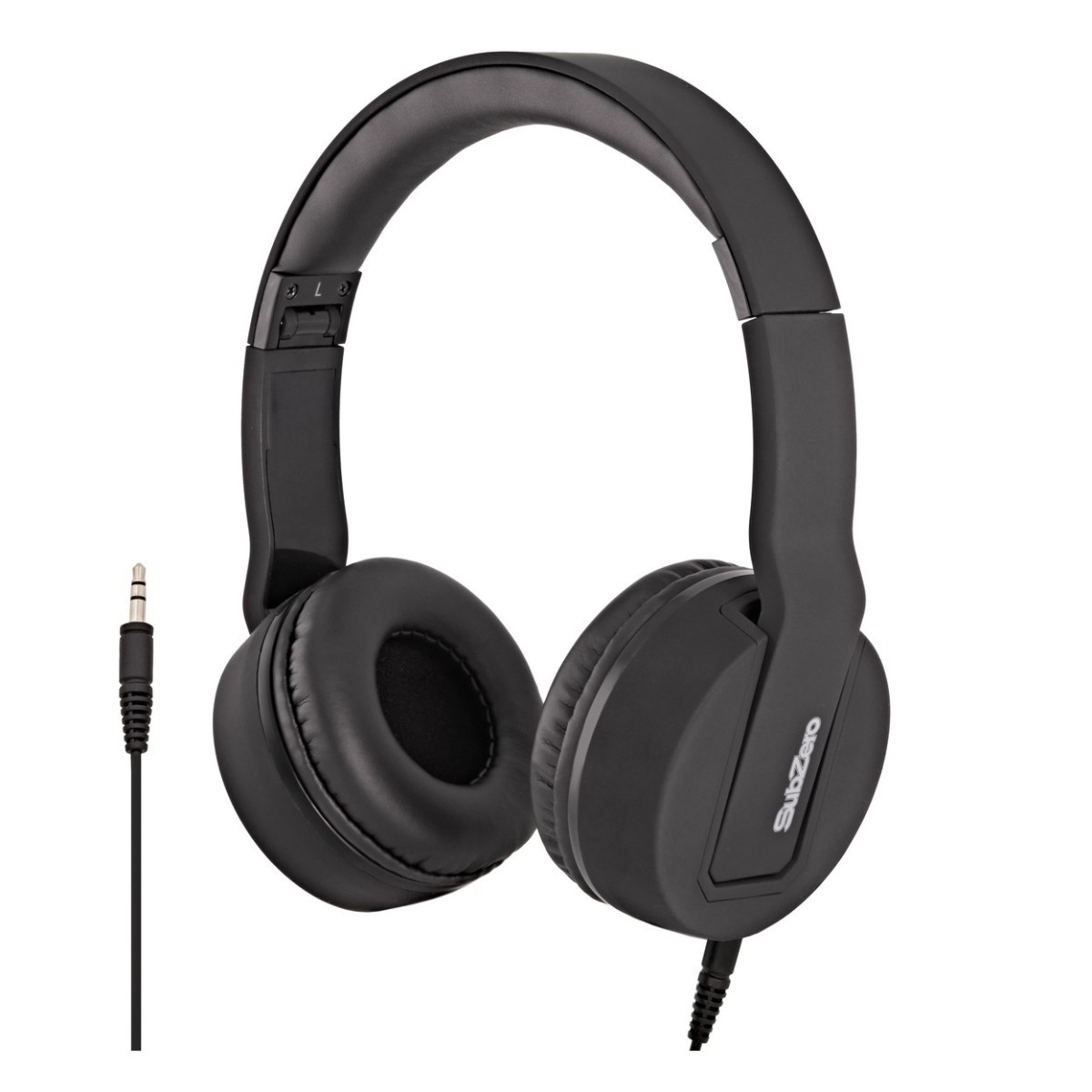
SubZero SZ-H100 Stereo Headphones
 £169.00 ($215)
Etymotic
Etymotic ER2-SE Earphones (Studio Edition)
 £39.00 ($50)
LD Systems
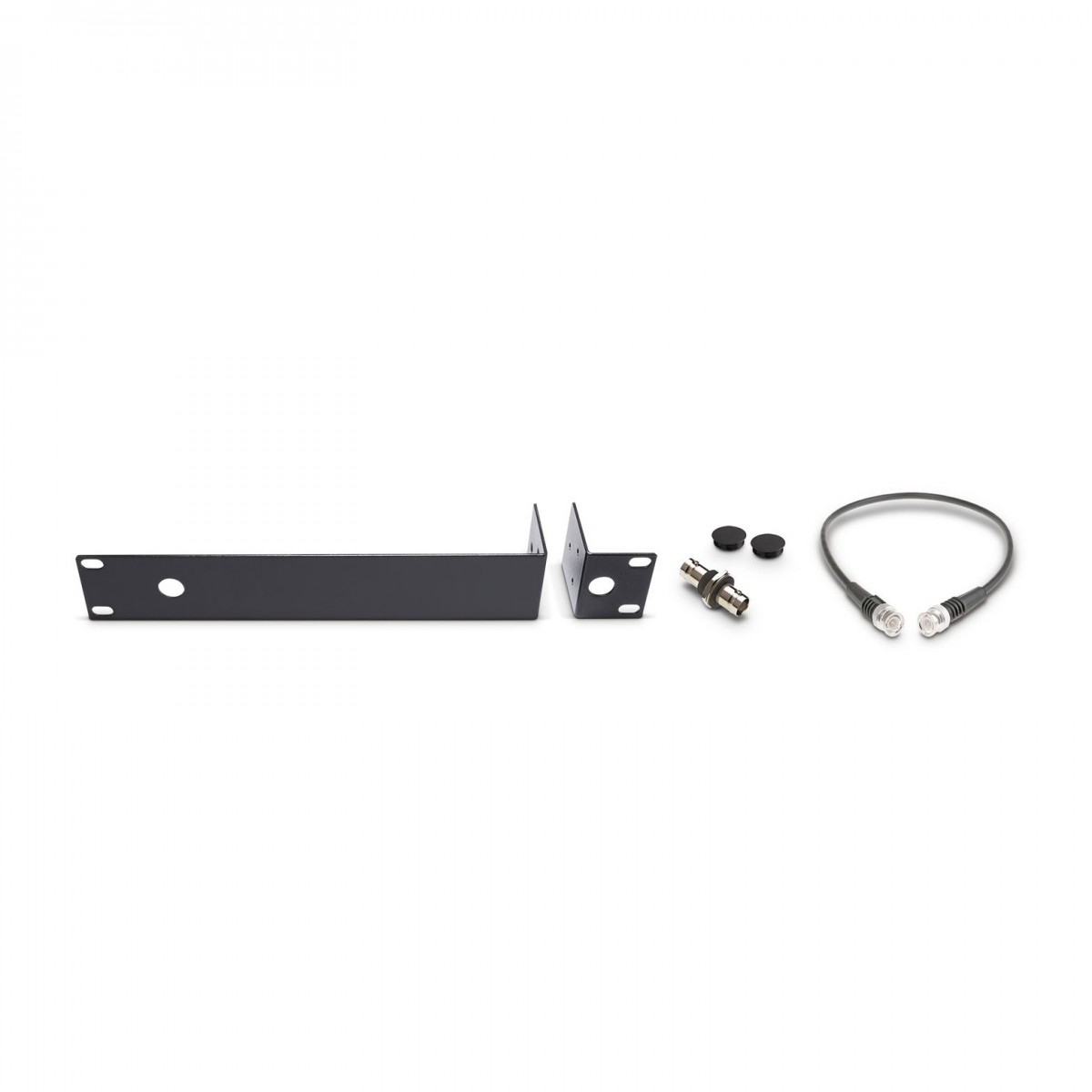
LD Systems UIEMRK Rack Mount Kit for U500/U300 IEM Receiver
 £75.00 ($95)
Viscount Organs
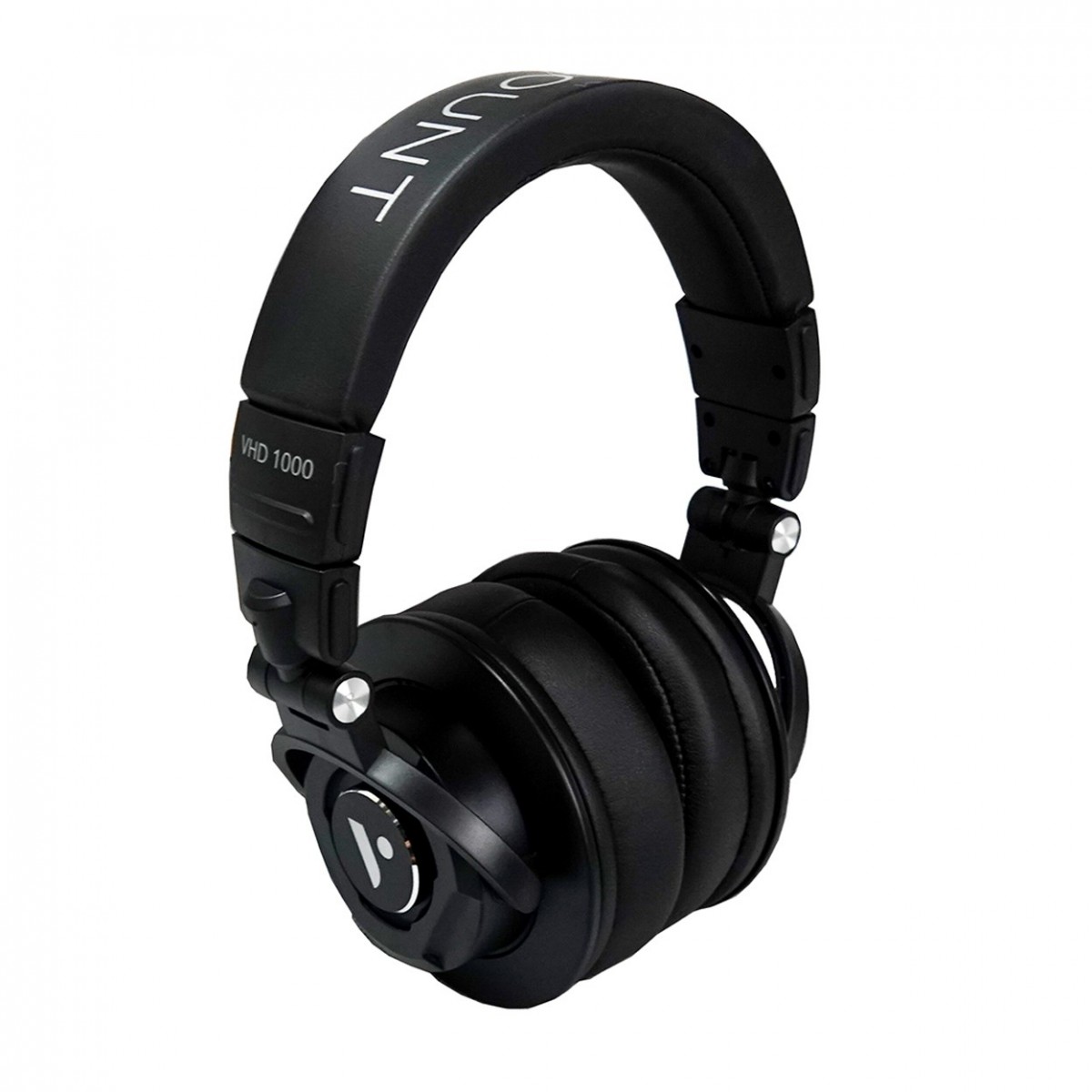
Viscount VHD-1000 Headphones
 £117.00 ($149)
Sennheiser
Sennheiser HD 25 Headphones
 £99.00 ($126)
Sony
Sony MDR-7506/1 Professional Stereo Headphones
Frequently asked questions
- What driver technology does the Audeze LCD-i3 use?
- The LCD-i3 uses planar magnetic transducers. This technology employs a thin, large diaphragm with a printed circuit, suspended between magnetic fields to produce sound with lower distortion and faster response times than traditional dynamic drivers.
- Is the LCD-i3 an open or closed headphone?
- The LCD-i3 is a semi-open-back design. This means the external grille allows air and sound to move through the housing, resulting in a more natural soundstage at the cost of less noise isolation from the environment.
- What materials are used in the construction of the LCD-i3?
- The LCD-i3 features a magnesium housing and grille. This material is chosen for its high strength-to-weight ratio and its ability to damp unwanted resonances, a design element shared with the higher-end LCD-i4.
- Can I use the LCD-i3 with an iPhone?
- Yes, the LCD-i3 includes a Lightning connectivity option. This allows for a direct digital connection to iOS devices, utilizing an onboard DAC and DSP for optimised sound quality.
- Does the LCD-i3 support wireless use?
- Yes, the product comes with Bluetooth connectivity included. This allows users to enjoy high-resolution audio wirelessly from any compatible smartphone, tablet, or computer.
- How does the LCD-i3 compare to the iSINE series?
- The LCD-i3 is considered an evolution of the iSINE series. It uses the magnesium housing and grille design from the flagship LCD-i4 to provide better resolution and reduced resonance compared to the standard iSINE models.
- What is included in the box with the LCD-i3?
- The package includes the earphones, a Bluetooth module, a Lightning cable, and a standard 3.5mm analog cable. This ensures the user can connect to almost any playback device immediately.
- Is the LCD-i3 suitable for professional studio monitoring?
- While it offers high resolution, its semi-open design and specific sonic character are generally geared toward audiophile listening. For high-isolation studio tasks, models like the Sony MDR-7506 or Sennheiser HD 25 are more traditional choices.
- Does the LCD-i3 leak sound to people nearby?
- Yes, due to its semi-open-back design, some sound will leak out of the grilles. It is not recommended for use in very quiet environments where others might be disturbed, such as libraries or quiet offices.
- What is the typical price for the Audeze LCD-i3?
- The typical price for the Audeze LCD-i3 is approximately £899. This places it in the high-end, premium category of in-ear monitors.
- Does the magnesium housing affect the sound quality?
- Yes, the magnesium housing is designed to be extremely rigid. This rigidity helps to eliminate internal vibrations and resonances that can interfere with the clarity of the audio signal.
- How does the LCD-i3 handle bass compared to traditional earphones?
- Thanks to its large planar magnetic drivers, the LCD-i3 typically delivers bass that is very fast and tight. It lacks the 'boominess' often found in dynamic drivers, providing a more accurate and textured low-end response.