Category guide
Audio Interfaces
An audio interface is a hardware device that expands and improves the sonic capabilities of a computer, allowing for the connection of professional microphones, instruments, and other signals. It converts analogue signals into digital data and vice versa, serving as the central hub for modern project and professional recording studios.
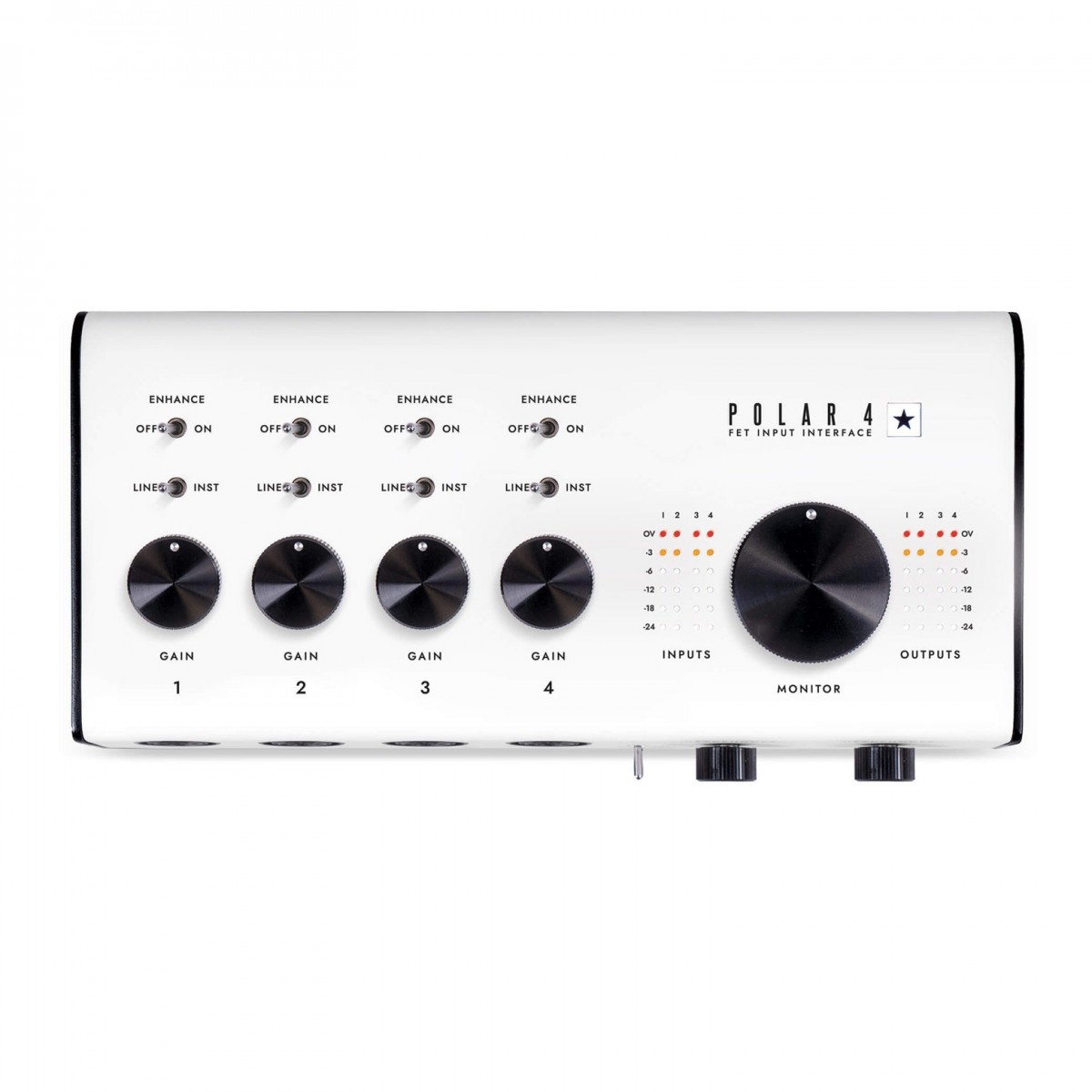
Blackstar Polar 4 Audio Interface
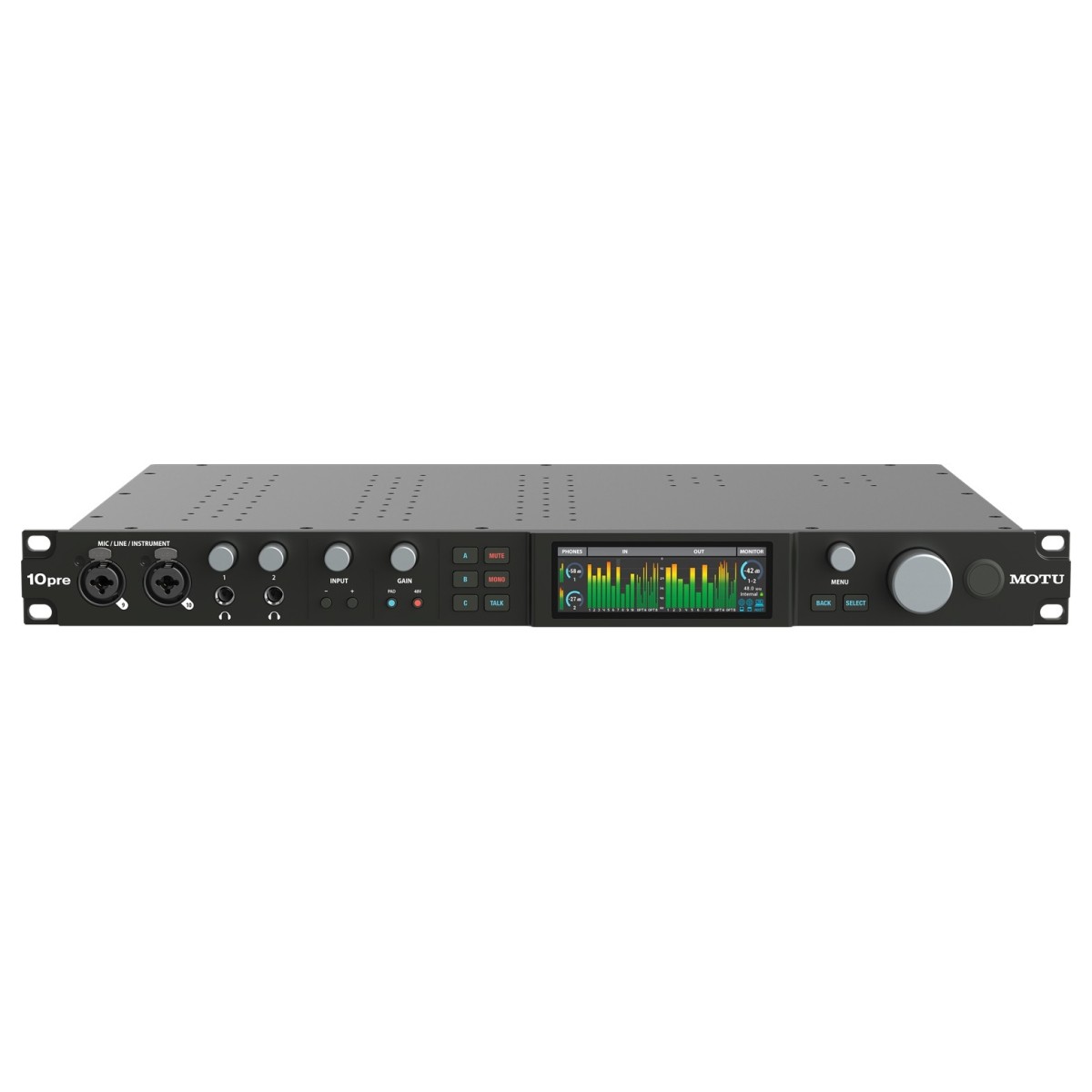
MOTU 10Pre USB/Thunderbolt Audio Interface
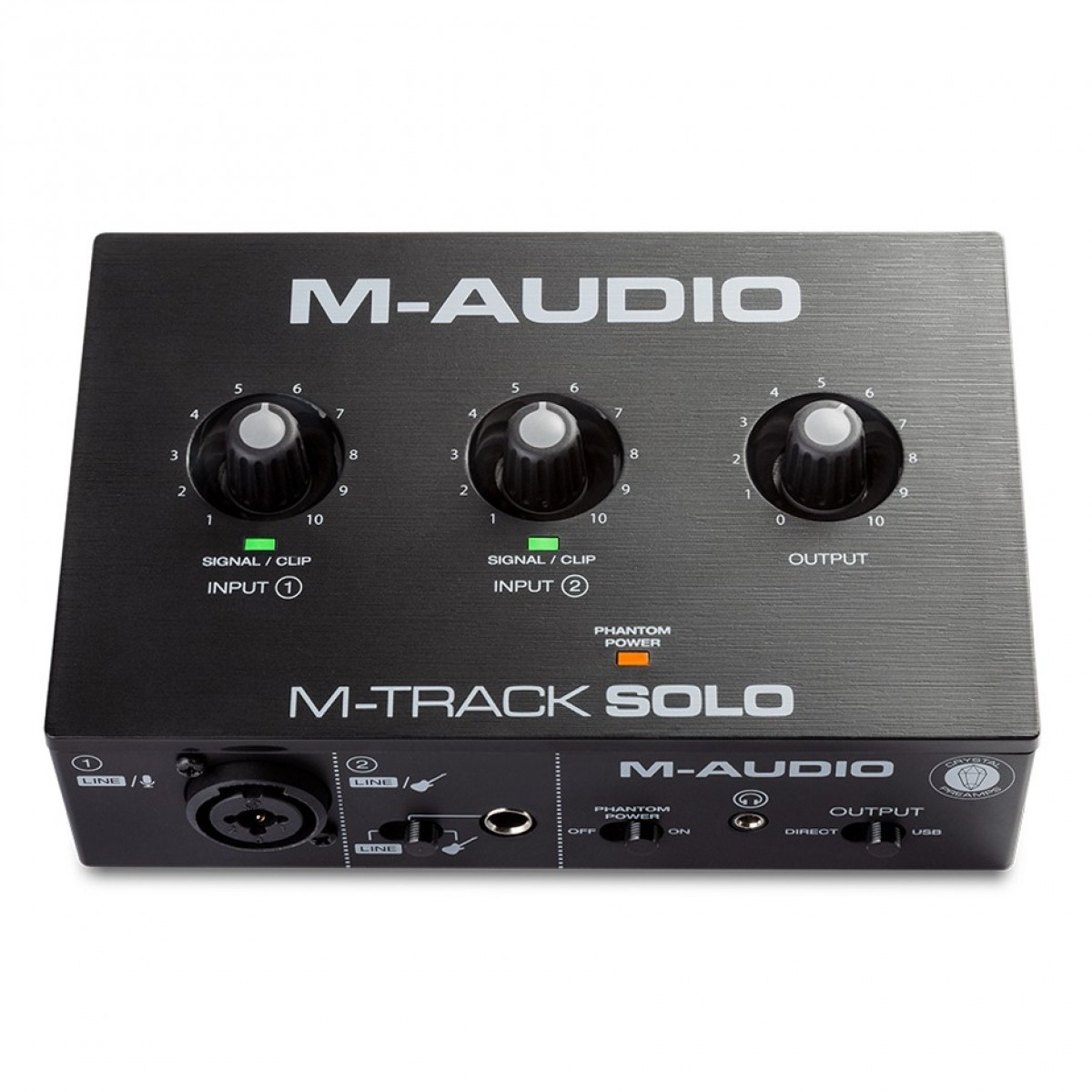
M-Audio M-Track Solo 2 Channel USB Interface
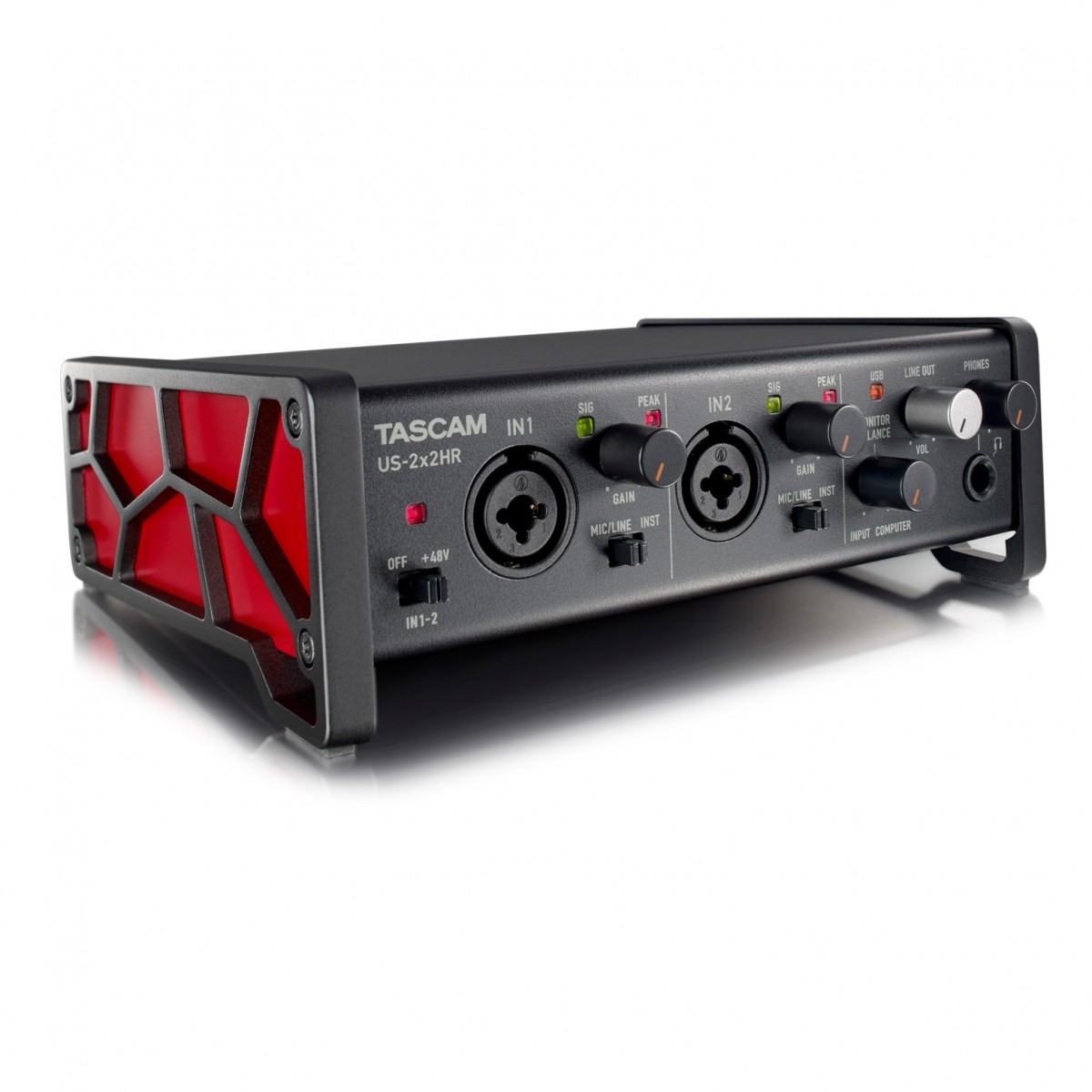
Tascam US-2x2HR USB Audio Interface
Overview
Audio interfaces are essential tools for digital audio production. While most computers feature a basic internal sound card, these are typically insufficient for high-fidelity recording due to high latency, electromagnetic interference, and a lack of professional input types such as XLR. An external audio interface bypasses these limitations by providing dedicated hardware for high-quality analogue-to-digital and digital-to-analogue conversion.
Prices for these units vary significantly based on the number of inputs, preamplifier quality, and conversion accuracy, ranging from entry-level units like the M-Audio M-Track Solo at approximately £40 to high-end professional systems reaching £1,499.
How the Gear Works
The primary function of an interface is transduction and conversion. For an input signal, such as a vocal captured by a microphone, the interface amplifies the low-level electrical signal using a preamplifier. It then uses an Analogue-to-Digital Converter (ADC) to transform the continuous voltage into binary data that software (a Digital Audio Workstation, or DAW) can process.
For output, the process is reversed. The Digital-to-Analogue Converter (DAC) takes the processed audio from the computer and converts it into an electrical signal that can be sent to studio monitors or headphones. This external processing reduces the 'latency'—the delay between making a sound and hearing it through the software.

Key Specifications
When comparing interfaces, several specifications are critical to performance:
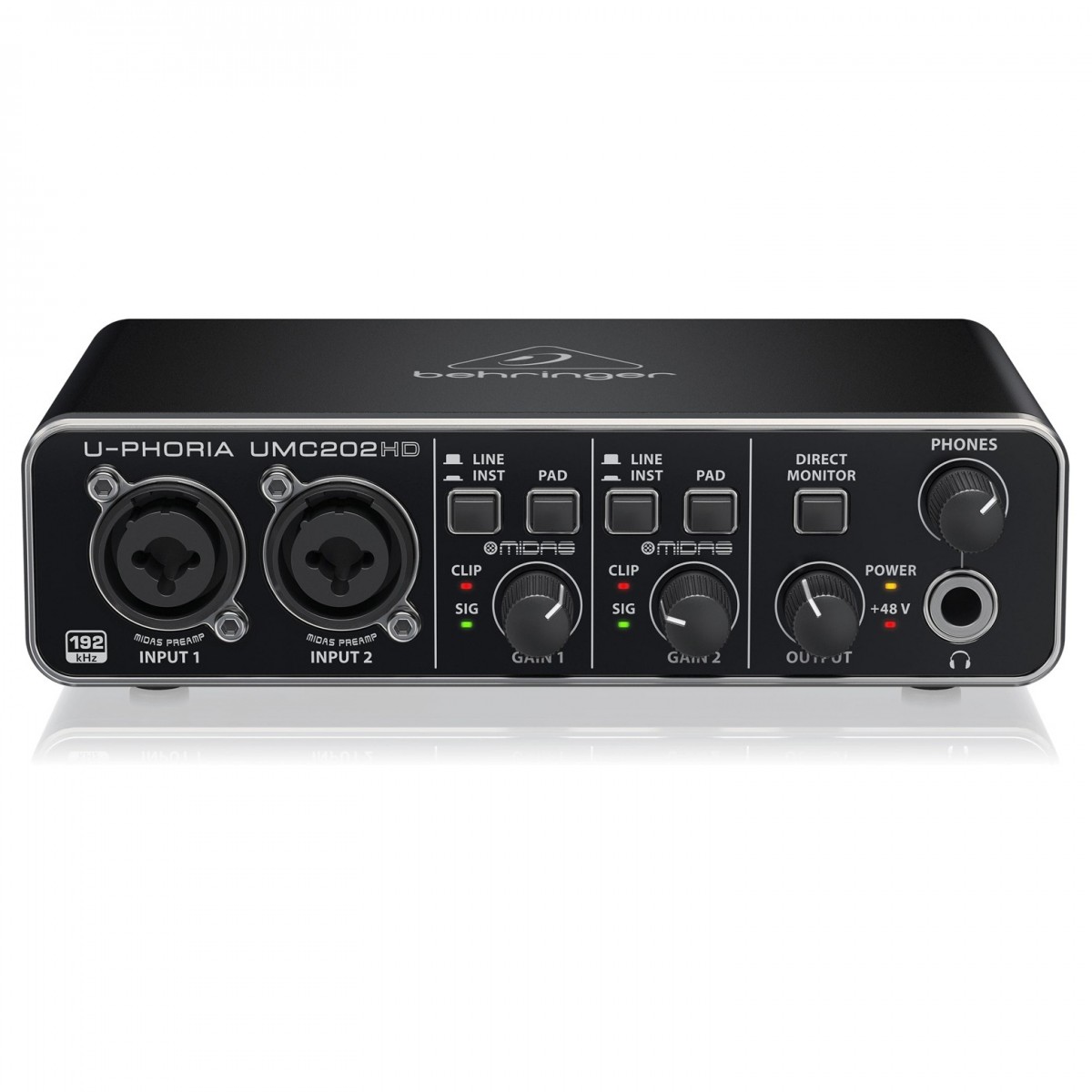
- Sample Rate and Bit Depth: These determine the resolution of the audio. Standard professional units, such as the Behringer U-PHORIA UMC202HD, support high-definition audio rates.
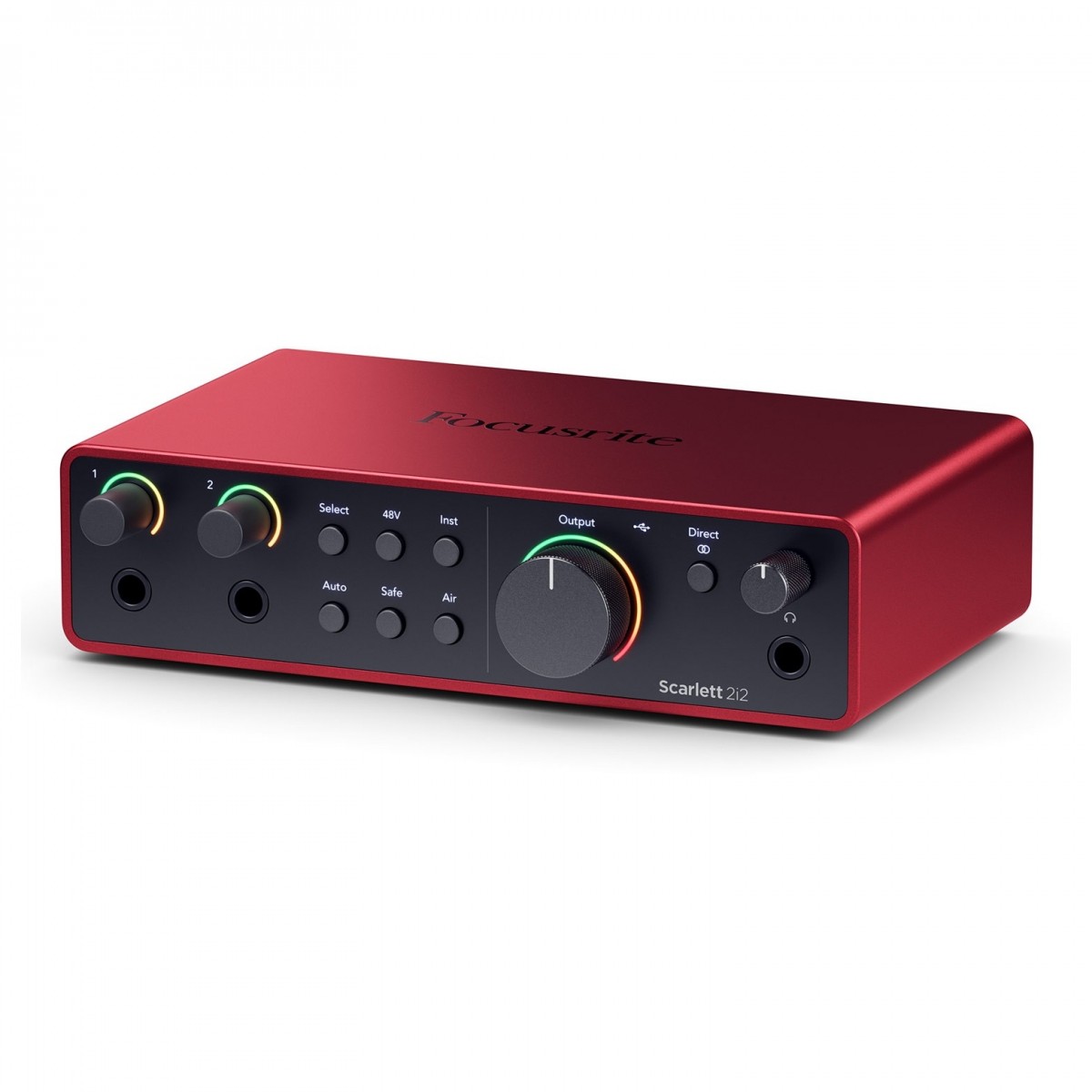
- I/O Count: This refers to the number of Inputs and Outputs. A simple unit like the Focusrite Scarlett 2i2 offers two of each, while expanded units like the MOTU 10Pre offer significantly more.
- Phantom Power (48V): Required for condenser microphones. Most modern interfaces include this as a standard feature.
- Connection Type: Most modern units use USB-C or Thunderbolt to ensure high data transfer speeds.
Notable Models
Market options range from compact solo units to multi-channel rackmount systems. Popular examples include:
- Focusrite Scarlett 2i2 (4th Gen): A widely used interface known for its preamplifier quality and ease of use.
- Blackstar Polar 4: Designed with specific features for instrument recording.
- Tascam US-2x2HR: Noted for its rugged build and high-resolution fidelity.
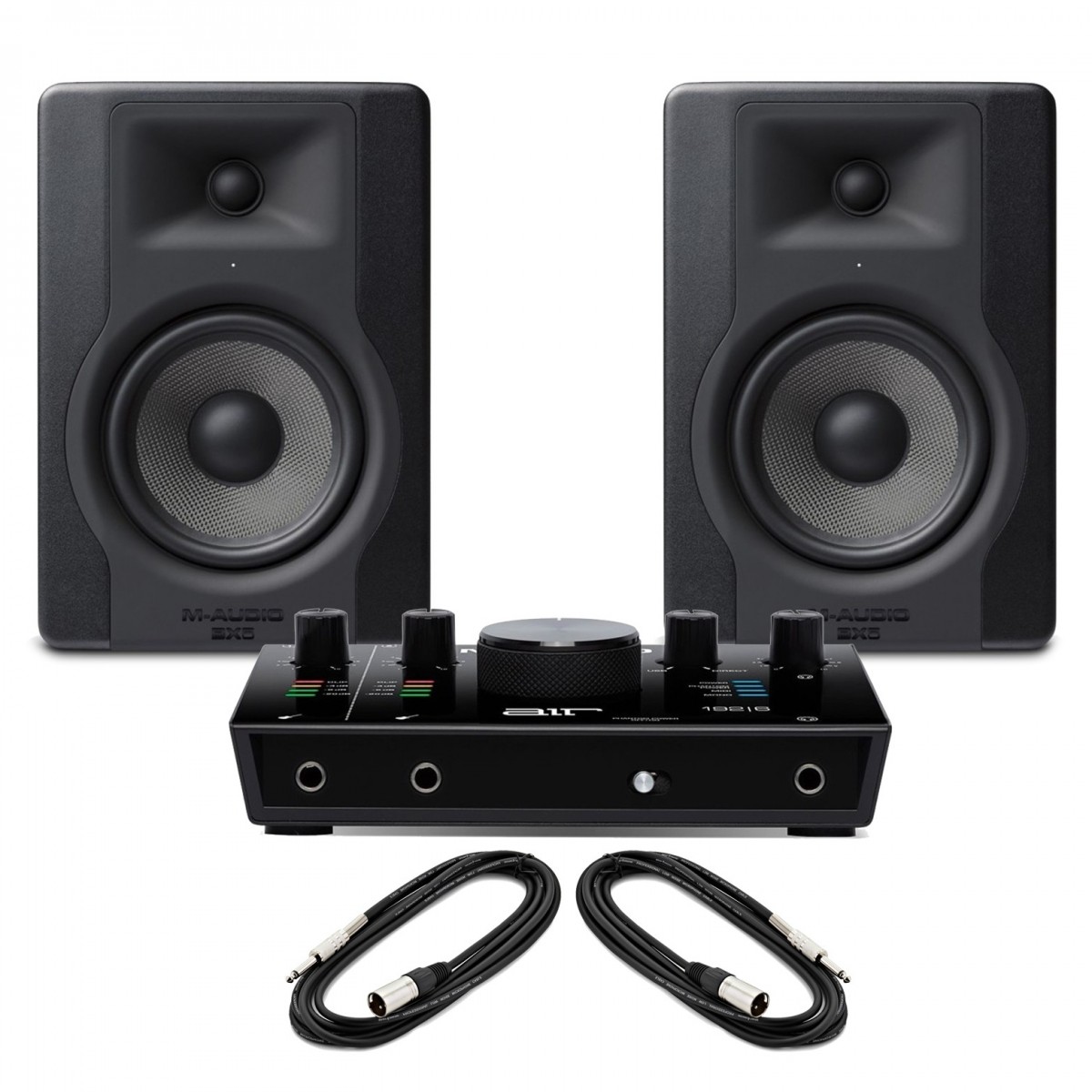
- M-Audio AIR 192 6: Often bundled with studio monitors, such as the BX5-D3, to provide a complete monitoring and recording solution.
Choosing an Interface
The choice of interface depends primarily on the intended application. Singer-songwriters may only require a two-channel unit like the Trumix TM-10. However, those recording full drum kits or multiple instruments simultaneously will require a unit with a higher input count, such as the MOTU 10Pre. Users should also consider the physical controls on the unit, such as gain knobs and direct monitoring switches, which allow the user to hear their input without software delay.
Artists who play it
Related gear
- £319.00 ($405)
Blackstar
Blackstar Polar 4 Audio Interface
- £1,499.00 ($1,904)
Motu
MOTU 10Pre USB/Thunderbolt Audio Interface
- £40.80 ($52)
M-Audio
M-Audio M-Track Solo 2 Channel USB Interface
- £134.00 ($170)
Tascam
Tascam US-2x2HR USB Audio Interface
 £54.70 ($69)
Behringer
Behringer U-PHORIA UMC202HD USB Audio Interface
 £299.00 ($380)
M-Audio
M-Audio AIR 192 6 Audio Interface and BX5-D3 Monitor Bundle
- £300.00 ($381)
Focusrite
Focusrite Scarlett 2i2 4th Gen Audio Interface
Frequently asked questions
- What is an audio interface used for?
- It is used to connect professional microphones and instruments to a computer for recording and to provide high-quality audio output for monitoring.
- Why do I need an interface if my computer has a headphone jack?
- Internal sound cards lack the necessary XLR inputs for professional mics and often produce latency and hiss that an external interface avoids.
- What is 48V Phantom Power?
- It is a DC voltage sent through a microphone cable to power condenser microphones. Most interfaces, like the Scarlett 2i2, feature a button to toggle this.
- What does a '2x2' interface mean?
- It indicates the unit has two inputs and two outputs. This is the standard configuration for units like the Tascam US-2x2HR.
- Can I record a guitar directly into an audio interface?
- Yes, provided the interface has a 'Hi-Z' or instrument-level input. Models like the Blackstar Polar 4 are specifically designed for this purpose.
- What is latency in recording?
- Latency is the short delay between the audio signal entering the device and being played back by the computer. High-quality interfaces minimize this.
- Is USB or Thunderbolt better for an interface?
- Thunderbolt generally offers higher data speeds and lower latency, though modern USB interfaces are more than sufficient for most home studio needs.
- Do I need a separate preamp if I have an interface?
- Generally no, as most interfaces include built-in preamps. However, some professionals use external preamps for specific tonal characteristics.
- What is 'Direct Monitoring'?
- This feature allows you to hear the input signal before it is processed by the computer, eliminating delay during recording.
- How much should I spend on my first interface?
- Entry-level units like the M-Audio M-Track Solo start around £40 and are excellent for beginners, while mid-range units fall between £150 and £300.
- Can I use an audio interface with an iPad?
- Many modern class-compliant USB interfaces will work with mobile devices, though they may require an external power source or adapter.
- Which artist is associated with these devices?
- Stine Bramsen is a notable professional artist known to utilize audio interface technology in her work.