Gear article
Audix Fireball Dynamic Cardioid Microphone
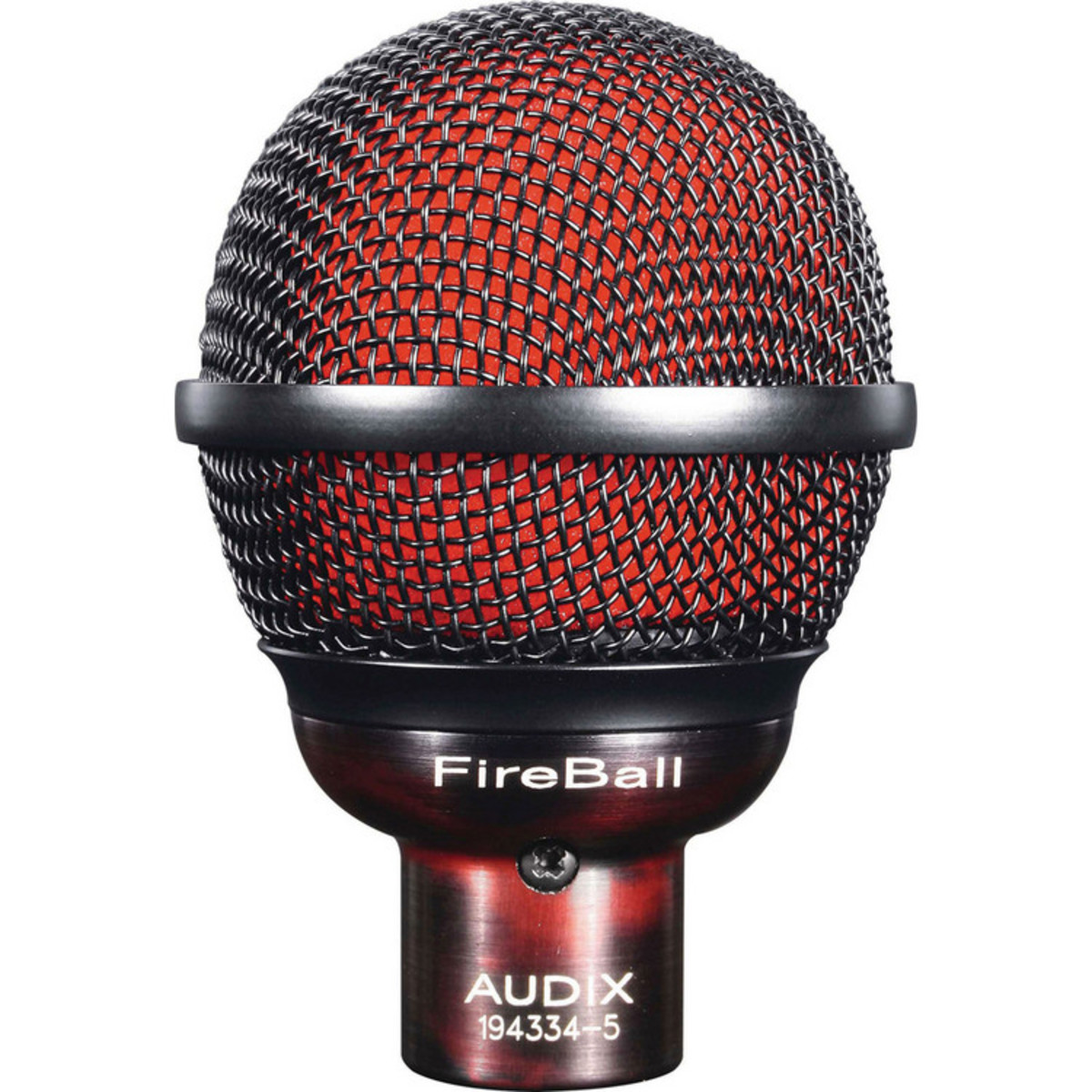
The Audix Fireball is a compact, dynamic cardioid microphone designed for high-SPL applications such as harmonica, beatboxing, and brass instruments. It features a unique ultra-small form factor that allows for easy handheld manipulation while maintaining a smooth and accurate frequency response.
Background and Design
The Audix Fireball is engineered by the American manufacturer Audix to address the specific needs of performers who require a microphone that is both physically unobtrusive and capable of handling high sound pressure levels (SPL). Its most striking feature is its ultra-small and lightweight chassis, which is designed to be cupped in the hand or mounted in tight spaces without the bulk of traditional vocal microphones.
While many microphones in its category are designed for general vocal use, the Fireball's physical profile is tailored toward specialised performance styles. The compact nature of the device ensures that performers, particularly those playing harmonica or beatboxing, are not hindered by heavy equipment, allowing for greater freedom of movement on stage.
Technical Specifications and Operation
At its core, the Fireball utilizes a dynamic microphone element that provides a smooth and accurate sound reproduction. The cardioid polar pattern is central to its operation, focusing on the sound source directly in front of the capsule while rejecting unwanted ambient noise from the sides and rear. This is particularly beneficial in loud live environments where feedback and bleed from other instruments can be problematic.
The microphone is designed for 'plug and play' utility, functioning effectively across a uniform frequency response. This consistency ensures that the character of the instrument or voice remains transparent, whether used in a studio setting or for high-volume live reinforcement.
Sound Character
The sound signature of the Audix Fireball is characterised by precision and accuracy. Unlike some microphones that add significant coloration to the signal, the Fireball aims for a flat, uniform response that captures the natural timbre of the source. Even when subjected to the high volumes typical of brass instruments or close-mic beatboxing, the dynamic element maintains its clarity without distorting, providing a reliable signal for engineers to work with.
Applications and Versatility
The Fireball is highly versatile, suited to a range of sound sources beyond its common association with harmonicas. Key applications include:
- Harmonica: Its small size allows players to cup the microphone easily to achieve specific acoustic effects.
- Beatboxing: The cardioid pattern and high SPL handling make it ideal for the percussive nature of vocal percussion.
- Drums and Percussion: Its small footprint allows it to be placed in tight configurations on a drum kit.
- Brass and Woodwinds: The microphone accurately captures the sharp transients of horns without clipping.
Market Comparison
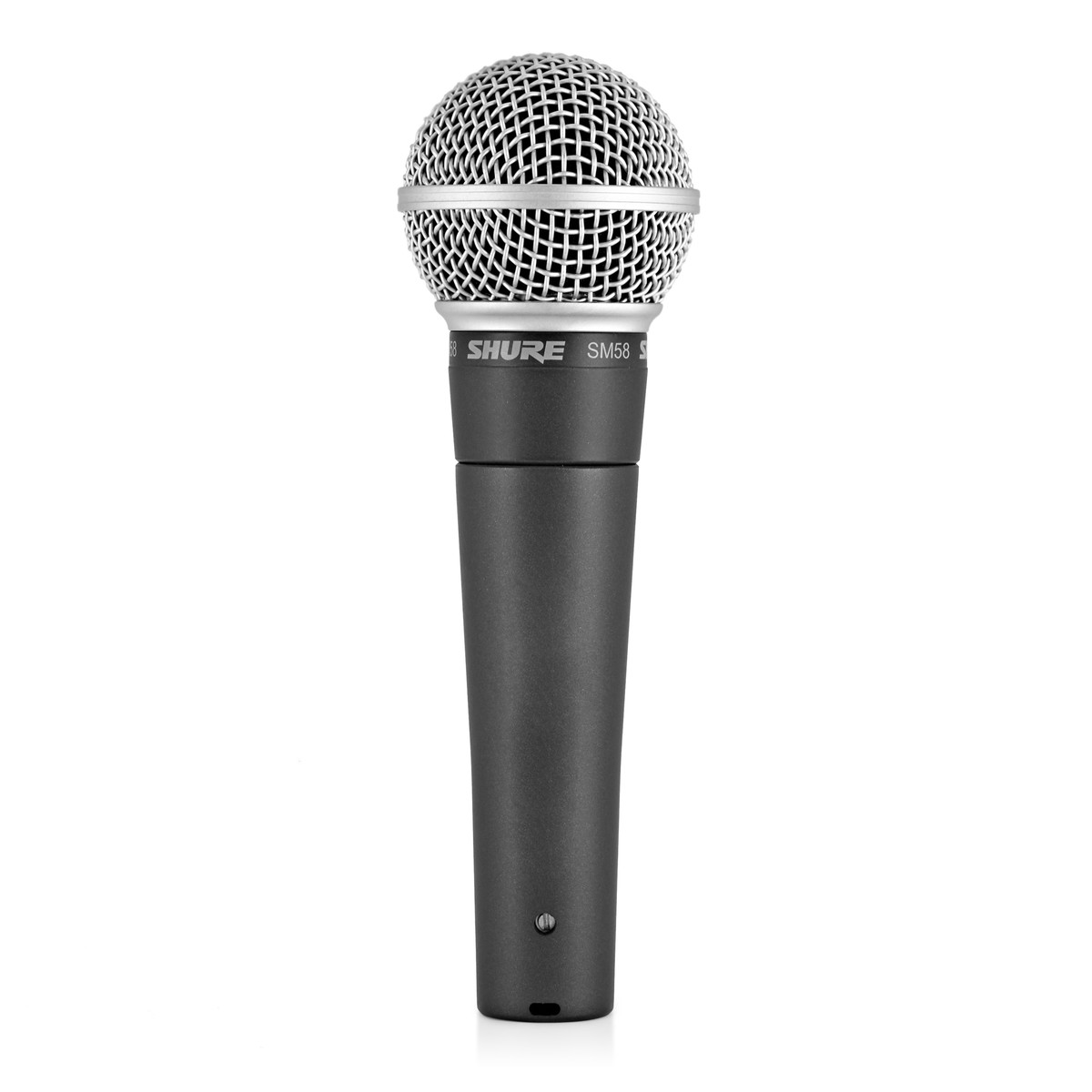
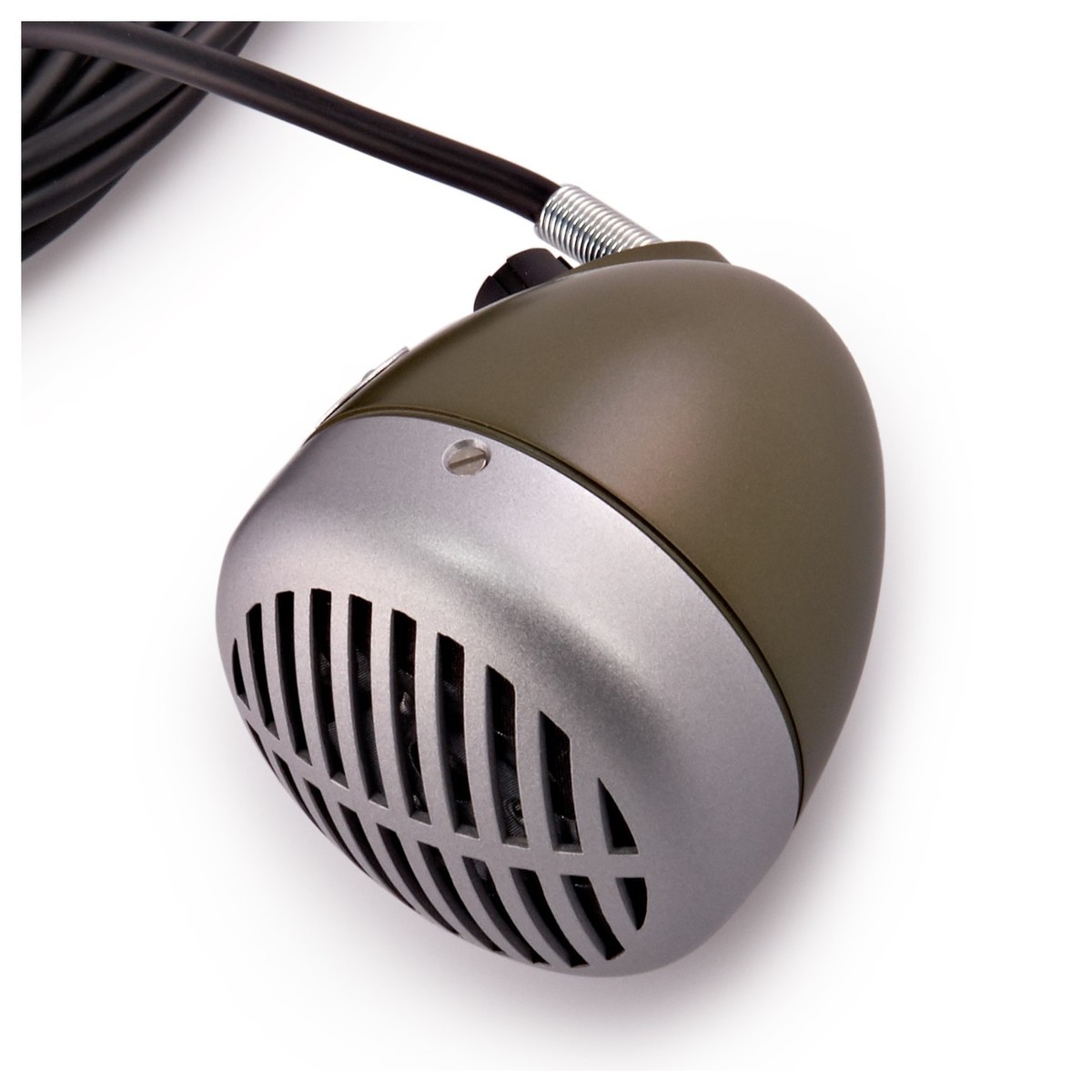
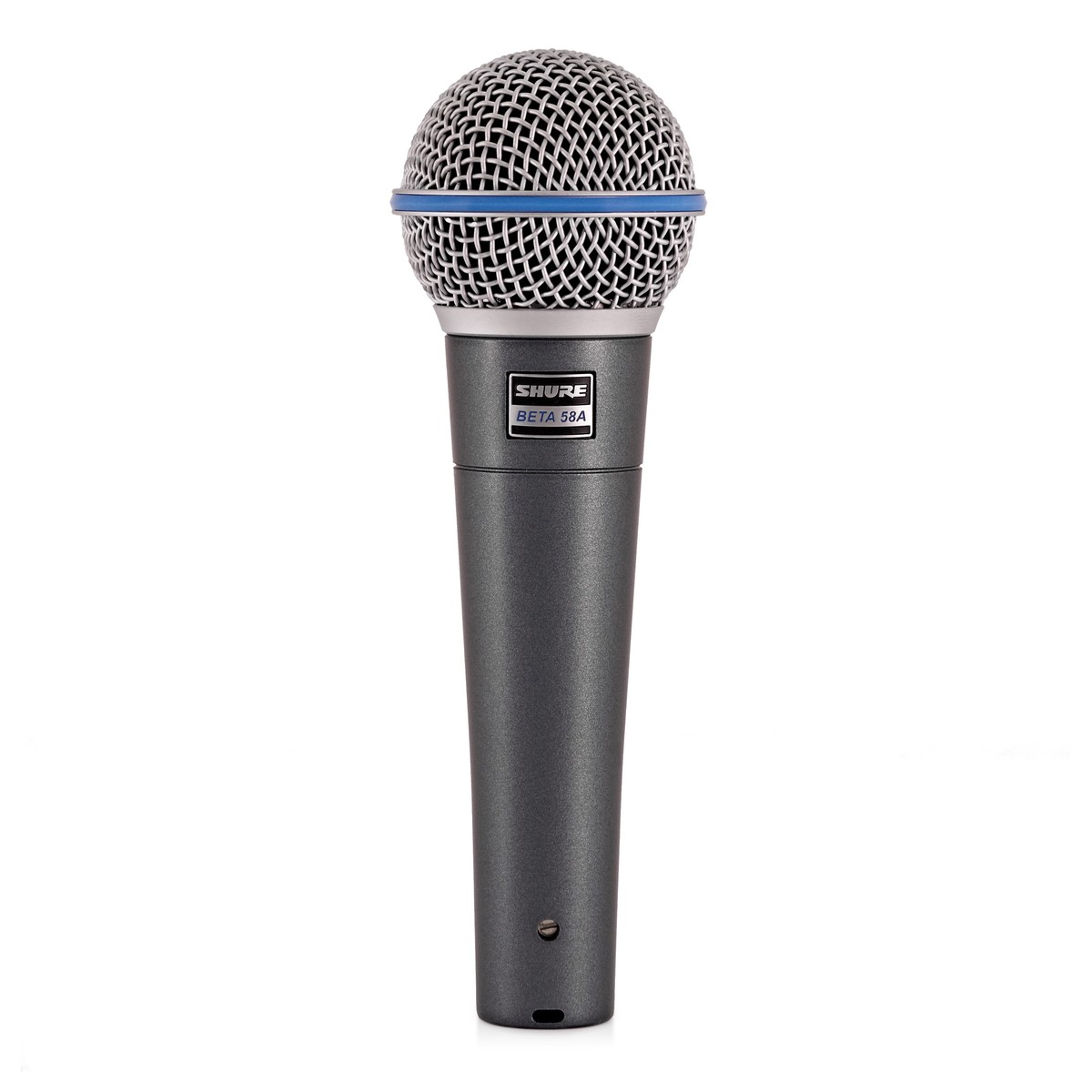
When compared to industry standards like the Shure SM58 or Beta 58A, the Fireball offers a much smaller form factor, which is preferable for specific handheld techniques. Unlike the Shure 520DX 'Green Bullet', which is a dedicated harmonica mic with a distinct lo-fi 'crunch' character, the Fireball provides a more modern, clean, and accurate representation of the sound. While studio-standard dynamics like the Sennheiser MD 441-U or Electro-Voice RE20 offer high fidelity, they are significantly larger and less suited for mobile handheld stage use than the Audix Fireball.
Related gear
 £563.00 ($715)
Electro-Voice
Electro-Voice RE20 Dynamic Cardioid Microphone
 £148.75 ($189)
Sennheiser
Sennheiser e935 Dynamic Vocal Microphone
 £142.25 ($181)
Shure
Shure 520DX Green Bullet Harmonica Microphone
 £161.50 ($205)
Shure
Shure Beta 58A Dynamic Microphone
- £259.00 ($329)
Shure
Shure SM58 Dynamic Cardioid Vocal Microphone
 £149.00 ($189)
Sennheiser
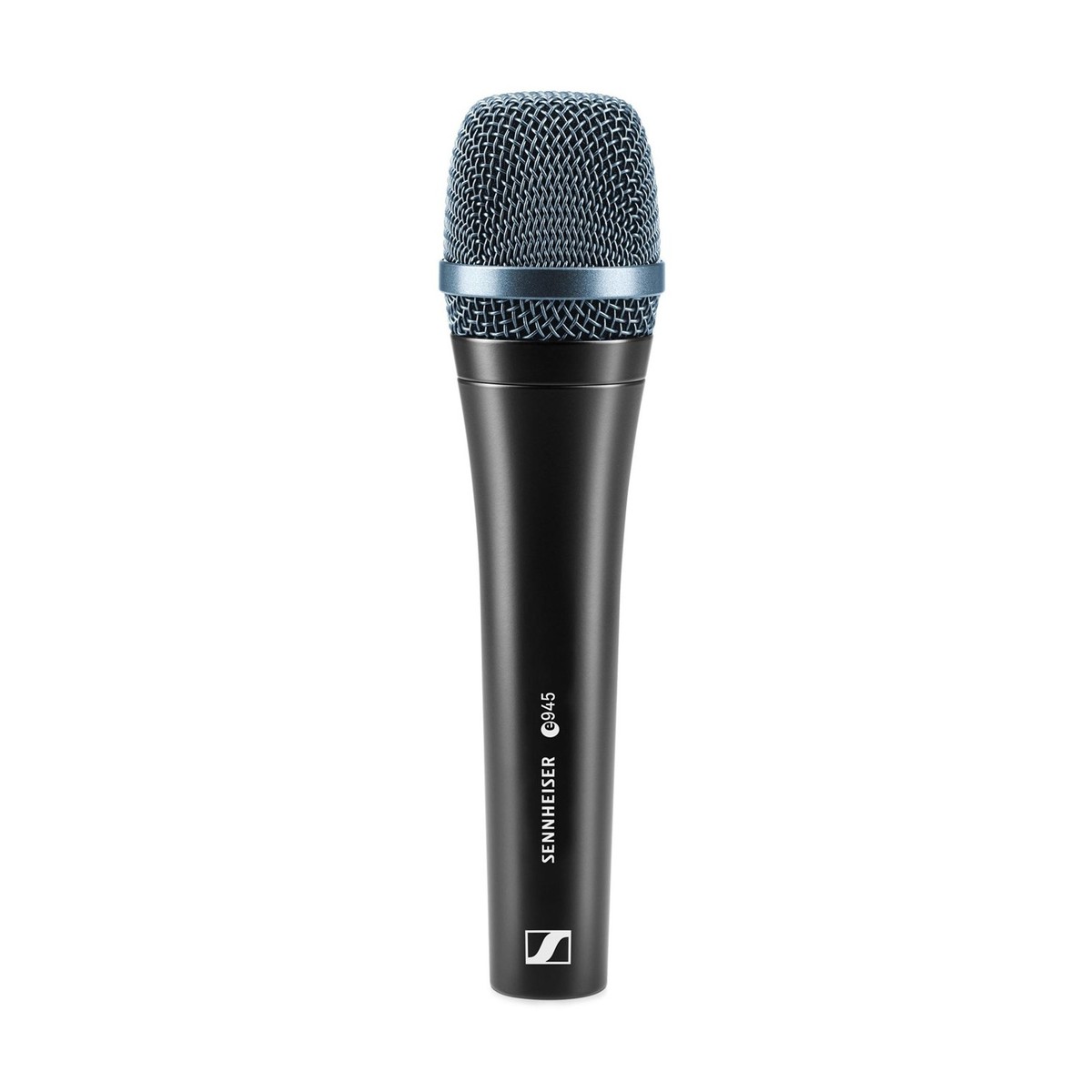
Sennheiser e945 Dynamic Vocal Microphone
 £103.50 ($131)
Shure
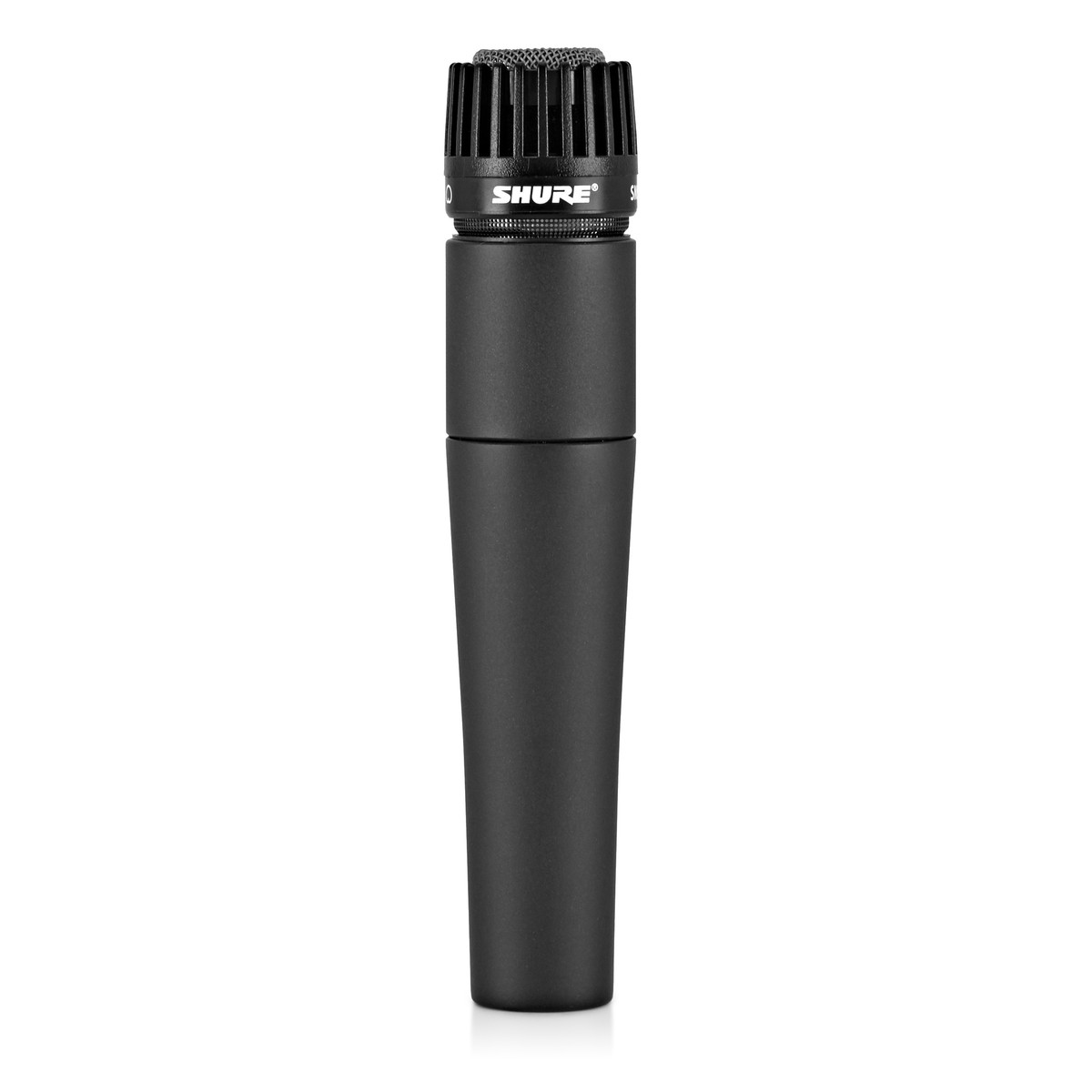
Shure SM57 Dynamic Instrument Microphone
 £1,080.00 ($1,372)
Sennheiser
Sennheiser MD 441-U Dynamic Supercardioid Microphone
Frequently asked questions
- What is the primary benefit of the Fireball's small size?
- The ultra-small design makes it exceptionally easy to hold and cup in the hand during performances. This is especially useful for harmonica players and beatboxers who need to manipulate the microphone to change their sound.
- Is the Audix Fireball suitable for studio recording?
- Yes, while designed for live use, its accurate dynamic element and uniform frequency response make it a reliable choice for studio sessions. It is particularly effective for recording loud sources like snare drums or brass.
- How does the cardioid polar pattern help on stage?
- The cardioid pattern focuses on the sound coming from the front of the mic while rejecting noise from the back. This helps prevent feedback and ensures that loud stage monitors or other instruments do not bleed into the signal.
- Can I use the Audix Fireball for vocals?
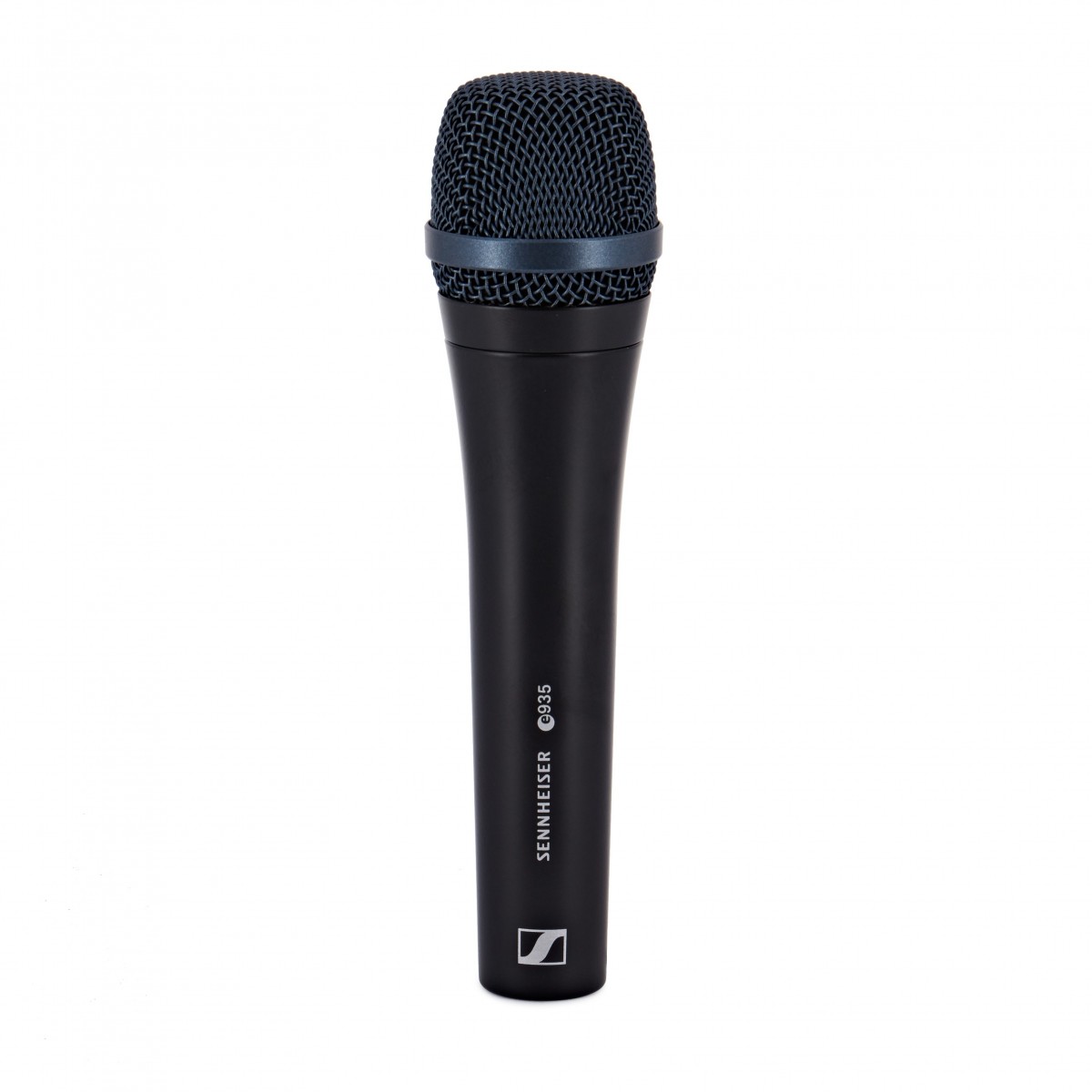
- While it can be used for vocals, it is specifically optimised for close-range instruments and beatboxing. For standard singing, users might compare it to dedicated vocal mics like the Sennheiser e935 or e945.
- Does the microphone require phantom power?
- No, the Audix Fireball is a dynamic microphone. It does not require phantom power to operate, making it compatible with a wide range of mixers and audio interfaces.
- What accessories are included with the Fireball?
- The microphone typically ships with necessary accessories to get to work straight out of the box. These include a microphone clip and a carrying pouch to protect the unit during transport.
- How does it handle loud sound sources?
- The Fireball is built to handle high sound pressure levels (SPL). Its dynamic element allows for accurate sound capture even when placed directly in front of loud sources like trumpets or drums without distorting.
- How does the Fireball compare to the Shure 520DX Green Bullet?
- The Shure 520DX is known for a vintage, distorted 'bullet' sound preferred by blues harmonica players. The Fireball, conversely, offers a cleaner, more accurate, and modern sound reproduction.
- Is it durable enough for touring?
- Yes, Audix builds the Fireball with professional live use in mind. Its rugged design and dynamic capsule are intended to withstand the rigours of regular stage performances.
- Can it be used for recording guitar cabinets?
- Yes, its ability to handle high volumes and its uniform frequency response make it a viable alternative to microphones like the Shure SM57 for miking up guitar amplifiers.
- What instruments is this microphone best suited for?
- It is highly recommended for harmonica, beatboxing, brass, and percussion. Its size and response make it a versatile tool for any high-SPL instrument where space is limited.
- What is the typical price for an Audix Fireball?
- The microphone typically retails in the range of £163. This price usually includes the microphone and its standard kit of accessories.