
Gear article
Audix OM3 Dynamic Vocal Microphone
The Audix OM3 is a professional dynamic vocal microphone designed for high-performance live sound and studio recording. It features a hypercardioid polar pattern for superior isolation and is engineered to handle high sound pressure levels without distortion.
See live pricesOverview
The Audix OM3 is a versatile dynamic microphone primarily designed for lead and backing vocals in live environments. Positioned as a professional-grade tool, it is built to provide a wide frequency response that captures detail at both the high and low ends of the spectrum. Its construction is robust, making it suitable for the rigours of touring while maintaining the clarity required for studio applications.
Technical Features and Operation
Central to the OM3's performance is its hypercardioid polar pattern. This tight pickup pattern is essential for off-axis rejection, ensuring that ambient stage noise and feedback are minimised. The microphone is capable of handling very high Sound Pressure Levels (SPL), allowing it to capture loud sources without signal distortion.
The OM3 allows for natural low-end sculpting through proximity effect. Users can adjust the bass response by varying the distance between the source and the capsule. A slight bass proximity allows for a warmer sound when the microphone is held close, while the dynamic capsule maintains clarity across the mid-range.
Sonic Character
The 'Wide Response' designation of the OM3 refers to its ability to produce pronounced lows and crisp highs. Unlike microphones with a flat response, the OM3 features a tailored mid-range. This specific voicing is designed to help vocals 'cut through' a dense musical mix, providing presence and articulation without requiring excessive external equalisation.
Market Comparison
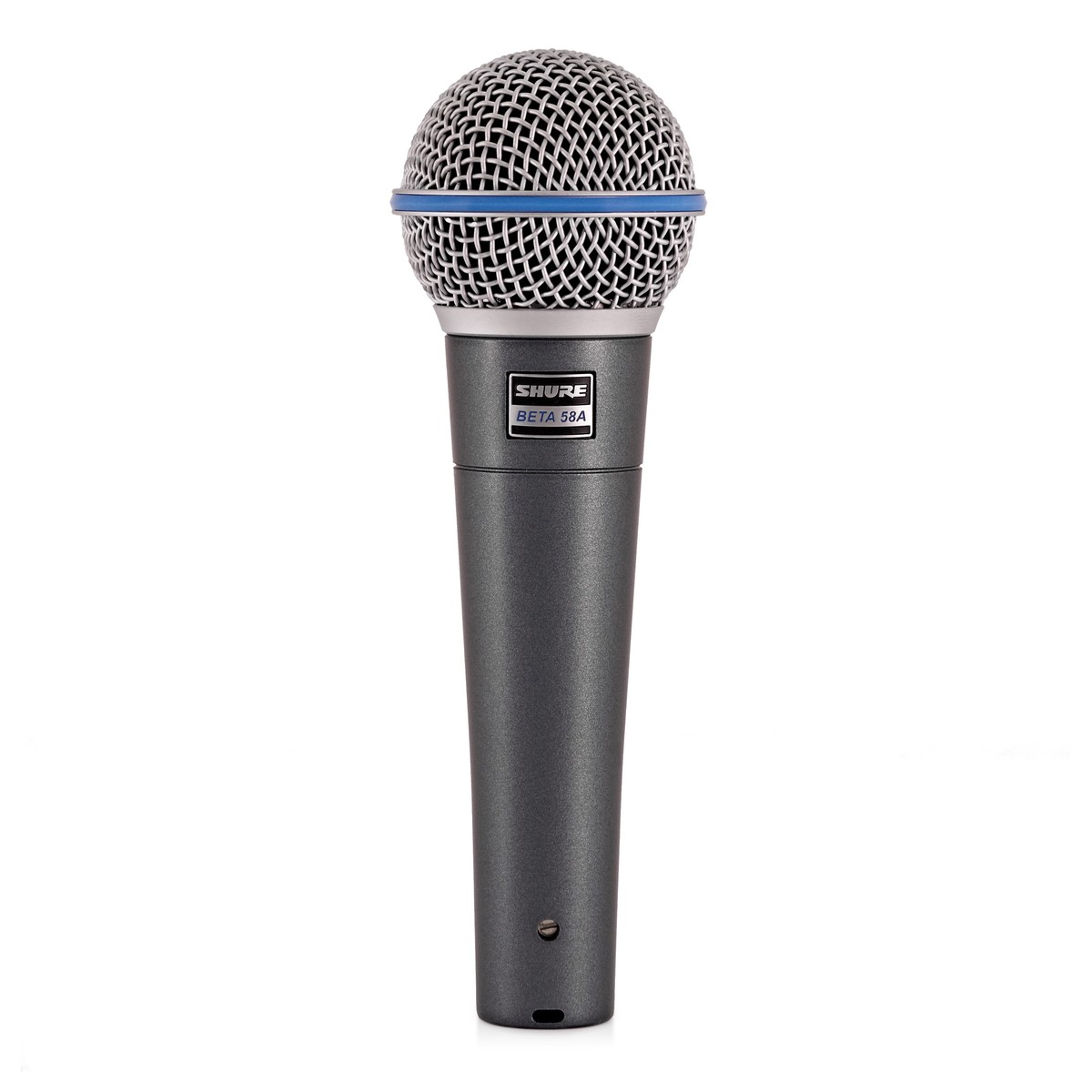
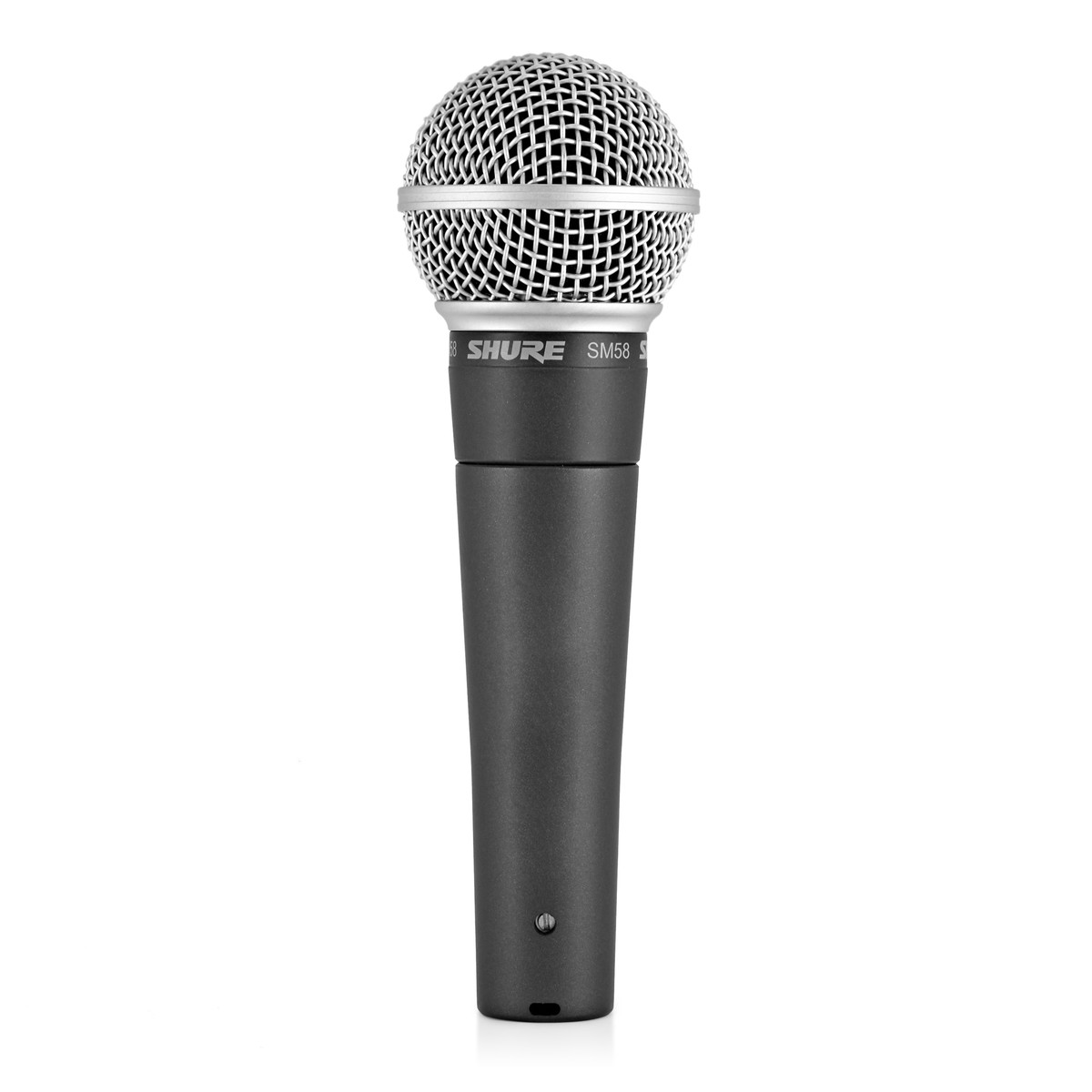
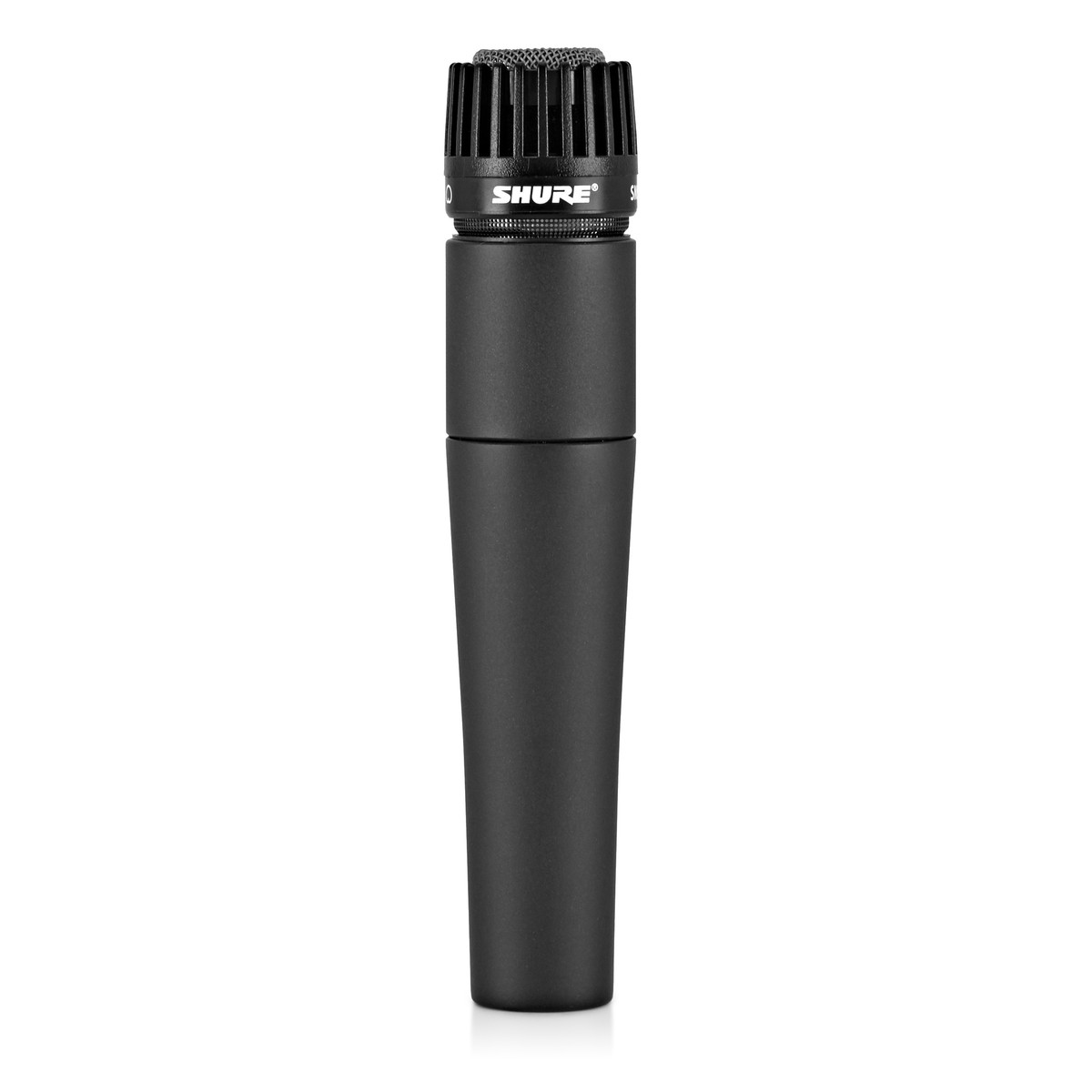
The Audix OM3 competes in the professional dynamic microphone market, often compared to the Shure SM58 and Beta 58A. While the SM58 is known for its cardioid pattern and standard frequency response, the OM3 offers a tighter hypercardioid pattern for better isolation. It also provides a wider frequency range than many standard utility microphones like the Shure SM57.
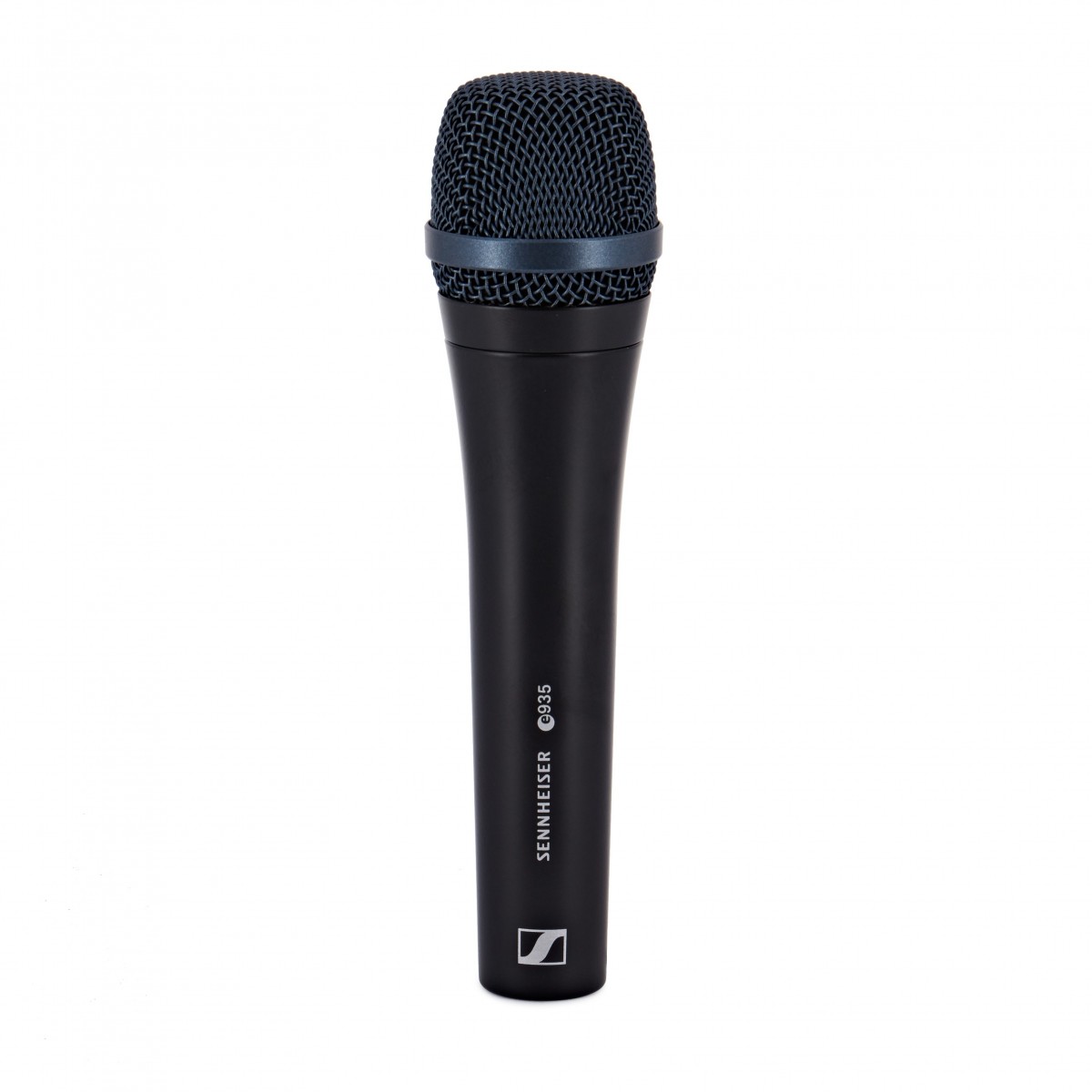
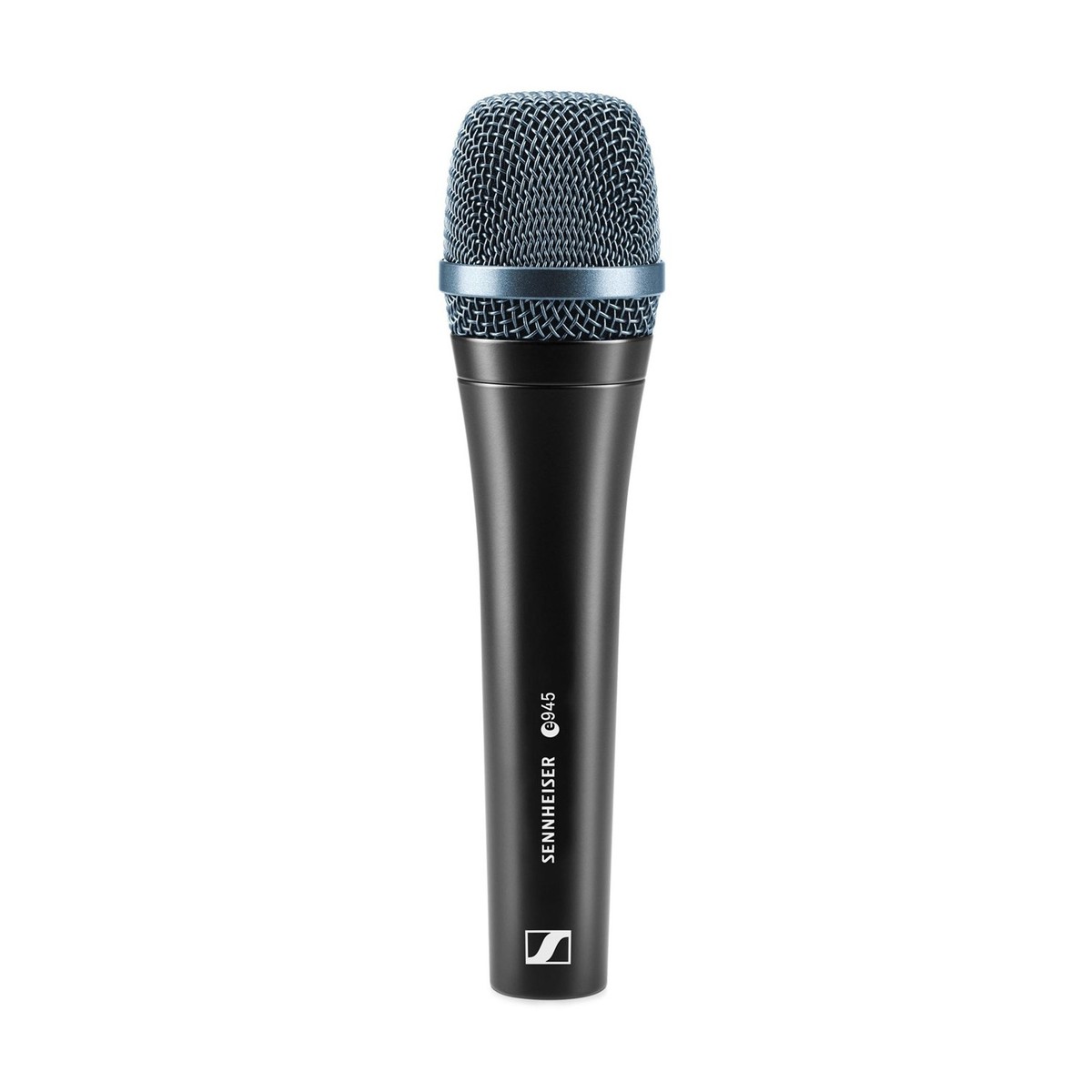
In terms of higher-end alternatives, the Sennheiser e945 and e935 offer similar vocal-centric voicing, though the OM3 is specifically noted for its balance of high SPL handling and detailed low-end response at its price point.
Related gear
 £563.00 ($715)
Electro-Voice
Electro-Voice RE20 Dynamic Cardioid Microphone
 £148.75 ($189)
Sennheiser
Sennheiser e935 Dynamic Vocal Microphone
 £142.25 ($181)
Shure
Shure 520DX Green Bullet Harmonica Microphone
 £161.50 ($205)
Shure
Shure Beta 58A Dynamic Microphone
 £259.00 ($329)
Shure
Shure SM58 Dynamic Cardioid Vocal Microphone
 £149.00 ($189)
Sennheiser
Sennheiser e945 Dynamic Vocal Microphone
 £103.50 ($131)
Shure
Shure SM57 Dynamic Instrument Microphone
 £1,080.00 ($1,372)
Sennheiser
Sennheiser MD 441-U Dynamic Supercardioid Microphone
Frequently asked questions
- What is the primary polar pattern of the Audix OM3?
- The Audix OM3 features a hypercardioid polar pattern. This design is highly directional, picking up sound primarily from the front while rejecting noise from the sides and rear to prevent feedback.
- Is the Audix OM3 suitable for loud stage environments?
- Yes, it is designed specifically for high SPL (Sound Pressure Level) handling. This means it can capture loud vocals or instruments without distorting, even in high-volume stage settings.
- How does the OM3 handle bass response?
- The OM3 utilises a slight bass proximity effect. This allows the performer to sculpt the low-end response naturally by moving closer to or further away from the microphone capsule.
- Can the Audix OM3 be used for instruments?
- While marketed as a vocal microphone, its wide frequency response and high SPL handling make it suitable for capturing the character of various instruments.
- What kind of mid-range does the OM3 have?
- It features a tailored mid-range designed to help the audio cut through a mix. This voicing ensures that vocals remain distinct even when performing with a full band.
- How does the OM3 compare to the Shure SM58?
- The OM3 offers a hypercardioid pattern for better isolation compared to the SM58's cardioid pattern. It also focuses on a wider frequency response with more pronounced highs and lows.
- What is the typical price of an Audix OM3 in the UK?
- The Audix OM3 is typically priced at approximately £109. This places it in the competitive mid-range of professional dynamic microphones.
- Does the OM3 require phantom power?
- No, the Audix OM3 is a dynamic microphone. Dynamic microphones do not require external power sources like phantom power to operate.
- How effective is the OM3 at preventing feedback?
- It is highly effective due to its hypercardioid pattern and total isolation design. These features ensure that ambient noise and stage monitors are less likely to trigger feedback loops.
- Is the OM3 useful for studio recording?
- Yes, though designed for the stage, its ability to capture fine details at both ends of the frequency range makes it a pro-grade choice for studio capture as well.
- What does 'Wide Response' mean for this microphone?
- It indicates that the microphone captures a broad frequency spectrum. Specifically, it provides pronounced low frequencies and crisp high frequencies for a detailed sound.
- How does the OM3 compare to the Sennheiser e945?
- Both are hypercardioid dynamic microphones intended for vocals. The OM3 is often chosen for its specific tailored mid-range and its ability to sculpt low-end via proximity.