
Gear article
Behringer BA 19A Condenser Boundary Microphone
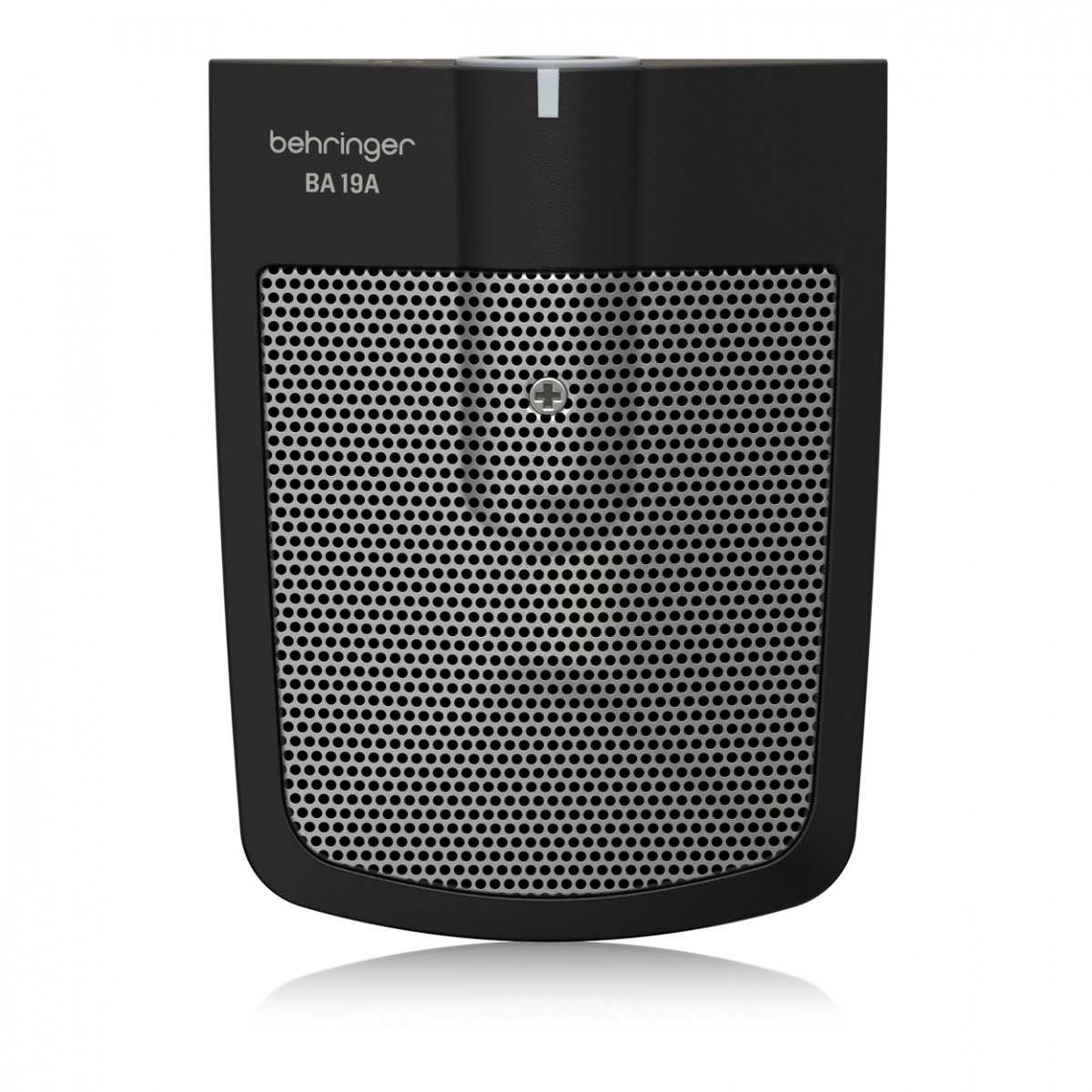
The Behringer BA 19A is a professional condenser boundary microphone designed specifically for capturing low-frequency acoustic instruments, such as kick drums and pianos. It features a half-cardioid polar pattern and integrated preamplification to deliver punchy, detailed audio without the need for external mounting hardware.
Background and Design
The Behringer BA 19A is engineered as a dedicated solution for recording instruments that produce significant low-end energy. As a boundary microphone, it is designed to be placed against a flat surface, such as the inside of a kick drum or the lid of a grand piano. This design avoids the phase interference issues often associated with placing standard microphones near reflective surfaces.
Constructed with a robust housing, the BA 19A is built to withstand the high sound pressure levels (SPL) and physical rigours of both studio and live touring environments. It simplifies the recording chain by incorporating a built-in preamplifier, removing the need for external signal boosting equipment before hitting the mixing console or interface.
Technical Features
The microphone utilizes a condenser element that provides a broader frequency response (50Hz to 18kHz) compared to typical dynamic kick drum microphones. Key technical attributes include:
- Half-cardioid Polar Pattern: Specifically designed to pick up sound from the hemisphere above the microphone while rejecting unwanted noise and feedback from the rear.
- Switchable Filters: Users can engage specific frequency filters to sculpt the audio profile, allowing for a choice between a flat response or a tailored sound with enhanced presence and low-end punch.
- Integrated Preamp: Ensures signal integrity and provides a high-quality output level ready for standard XLR inputs.
Sonic Character
The BA 19A is characterised by its ability to capture 'punchy' mids and 'deep' lows. Because it uses a condenser capsule rather than a dynamic one, it tends to capture more high-frequency detail and faster transients, which translates to a clearer 'click' in kick drum recordings. The tailored frequency response is optimized to handle high-energy bass frequencies without becoming muddy, providing a professional clarity that sits well in a dense mix.
Market Positioning and Comparisons
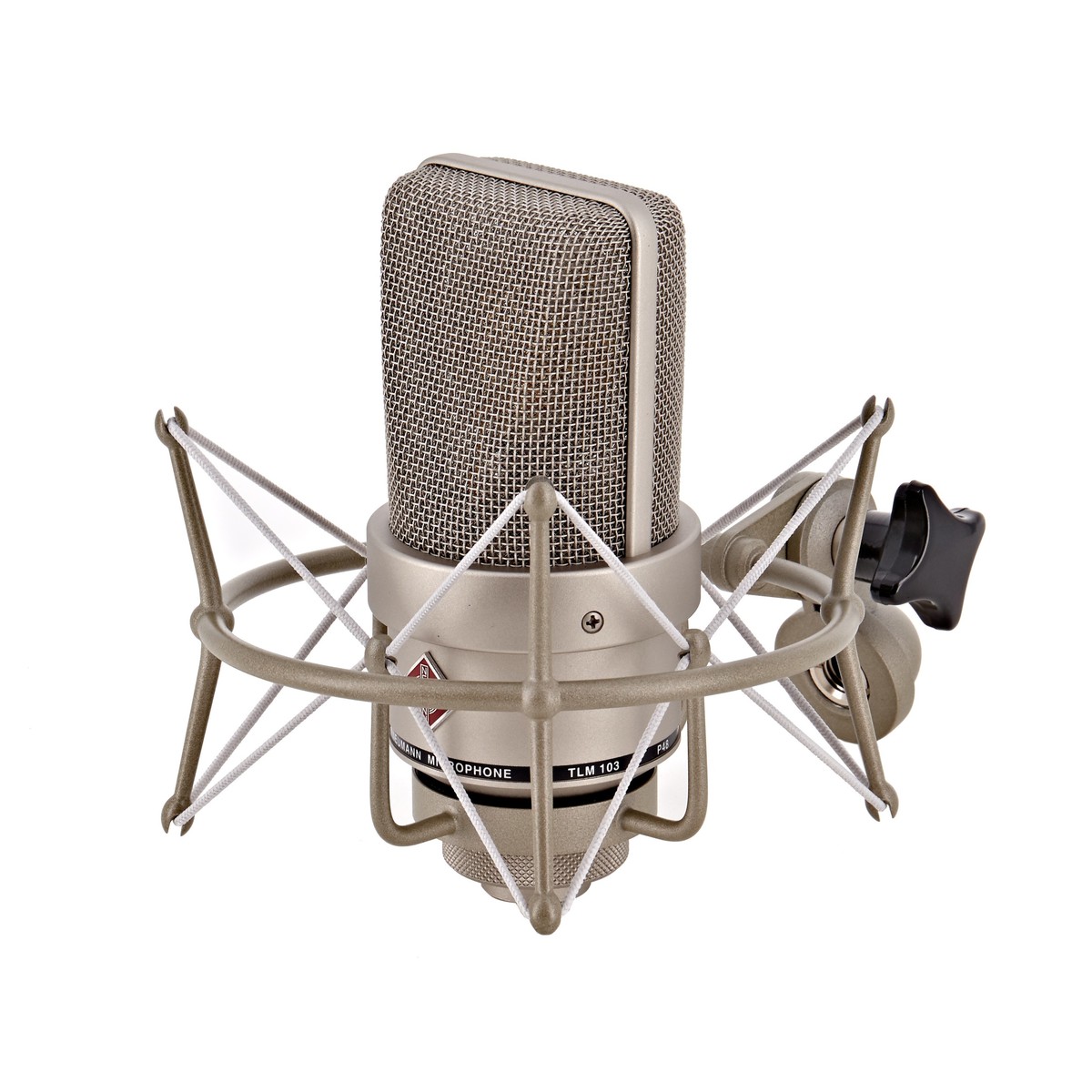
Positioned at a highly accessible price point of approximately £49, the BA 19A competes with entry-level and mid-range boundary microphones. While high-end studio staples like the Neumann TLM 102 or TLM 103 offer superior general-purpose vocal and instrument recording, they are not suited for placement inside a kick drum. Similarly, the Shure SM7B is a legendary dynamic mic for broadcasting and vocals but lacks the boundary-effect benefits of the BA 19A for acoustic instrument floor-placement.
For users seeking a dedicated percussion or piano microphone on a budget, the BA 19A provides a specialized alternative to general-purpose condensers like the G4M Studio Condenser or headset-style condensers like the Shure SM35-XLR.
Related gear
 £39.98 ($51)
SoundMagic
SoundMAGIC E11D In Ear Isolating USB-C Earphones with Mic Silver
 £709.28 ($901)
Neumann
Neumann KM 185 MT Super-Cardioid Compact Condenser Mic Black
 £129.99 ($165)
G4M
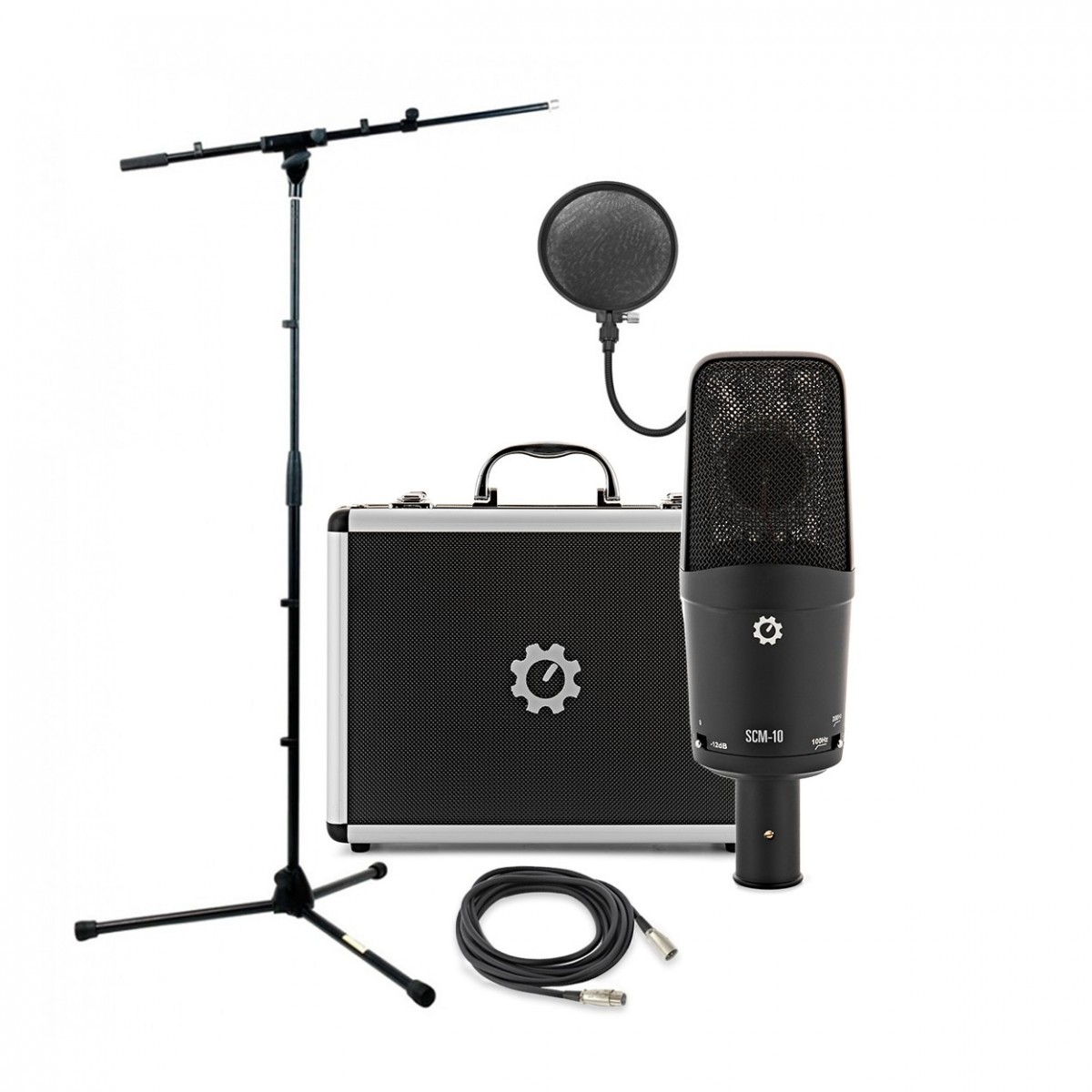
G4M Studio Condenser Microphone Home Recording Pack
 £245.00 ($311)
Shure
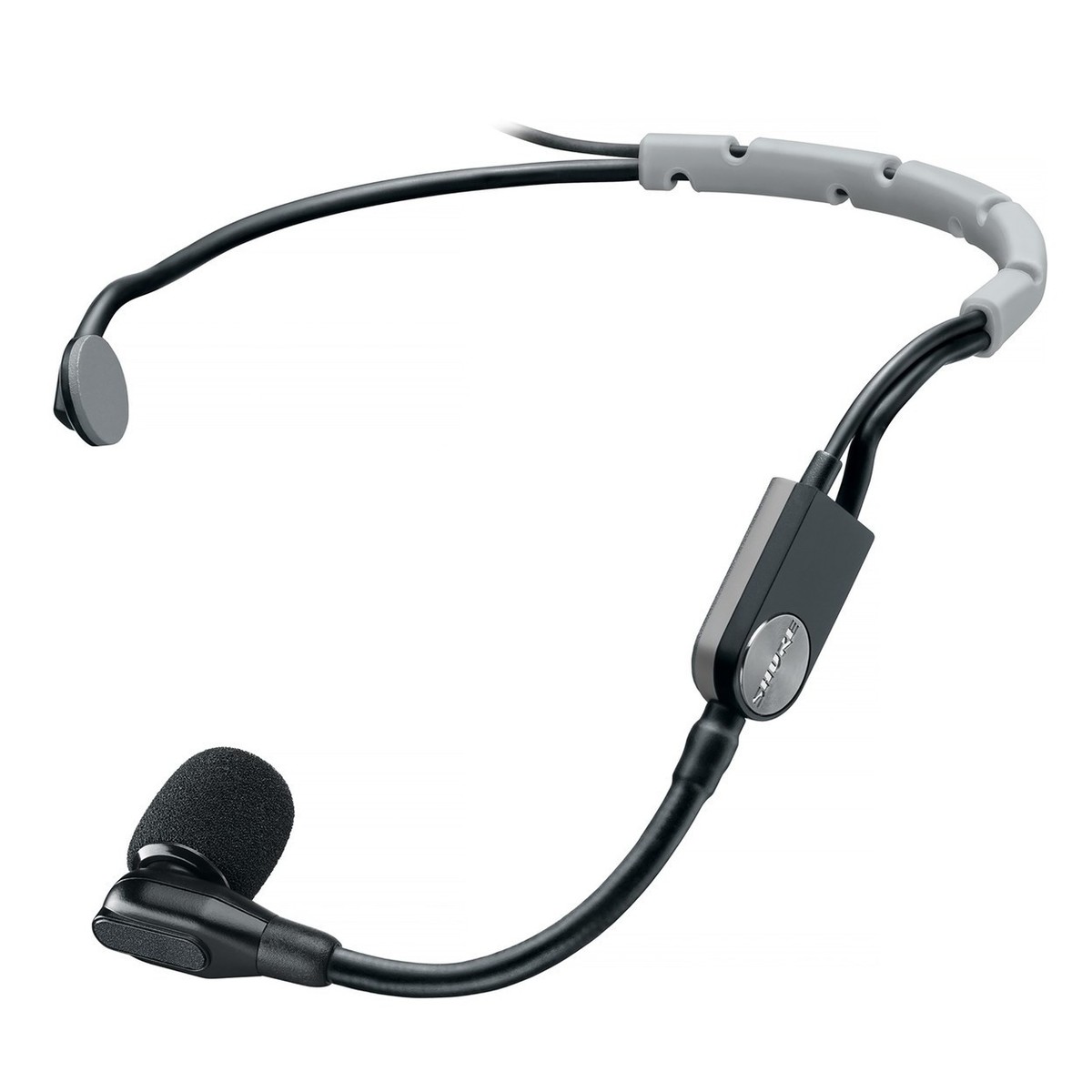
Shure SM35-XLR Cardioid Condenser Headset Microphone
 £201.19 ($256)
Audix
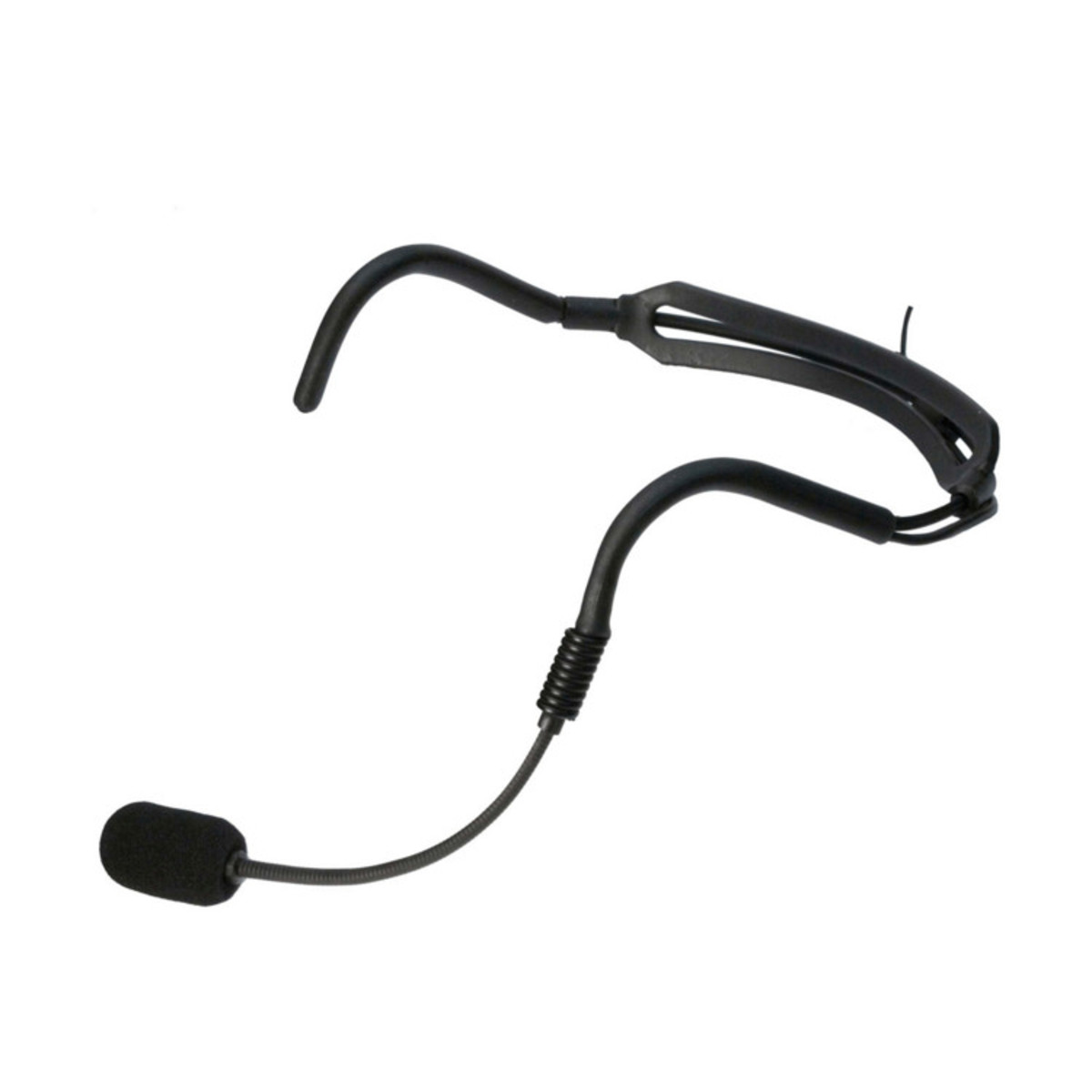
Audix HT2 Super Cardioid Headset Condenser Mic With 3 Pin Mini XLR
 £629.42 ($799)
Neumann
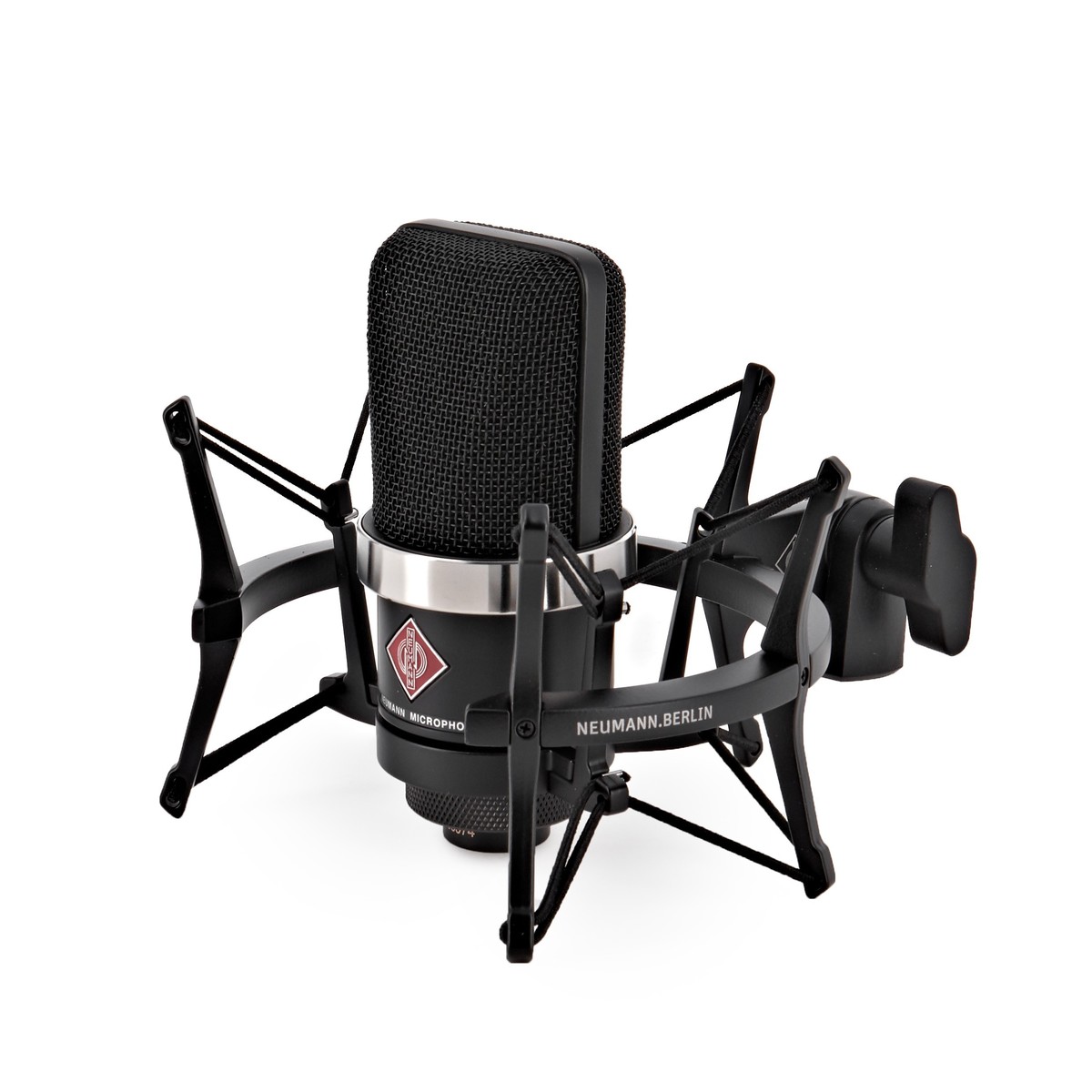
Neumann TLM 102 Microphone Studio Set Black
- £1,110.08 ($1,410)
Neumann
Neumann TLM 103 Studio Set Microphone Nickel
 £349.00 ($443)
Shure
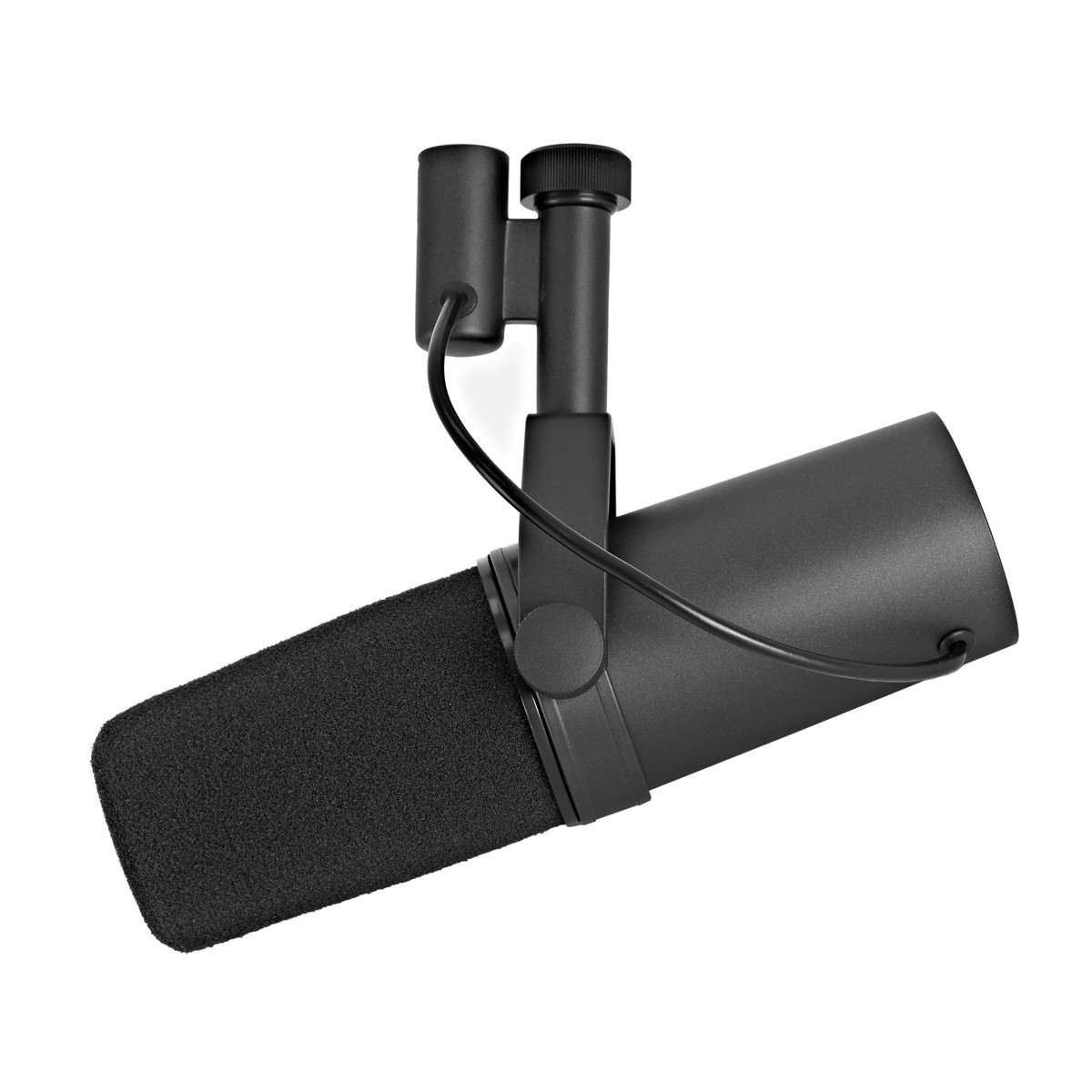
Shure SM7B Dynamic Studio Microphone
Frequently asked questions
- What is the primary use for the Behringer BA 19A?
- It is primarily designed for recording kick drums and pianos, though it is suitable for any acoustic instrument that benefits from a boundary-style placement and low-frequency capture.
- Does the BA 19A require phantom power?
- Yes, as a condenser microphone with a built-in preamplifier, it requires +48V phantom power from a mixing desk or audio interface to operate.
- What is the frequency range of this microphone?
- The BA 19A captures sound across a frequency spectrum of 50Hz to 18kHz, which covers the full range of most bass-heavy instruments.
- What does the 'half-cardioid' polar pattern do?
- The half-cardioid pattern picks up sound in a hemispherical shape above the flat surface where the mic is placed, effectively rejecting noise coming from behind the microphone.
- Can I adjust the sound profile on the microphone itself?
- Yes, the BA 19A features switchable filters that allow you to sculpt the audio by selecting different frequency responses to suit your specific instrument.
- Is a microphone stand required for the BA 19A?
- No external mounting or stands are required; the microphone is designed to be placed directly on a flat surface or inside a drum shell.
- How does this compare to a dynamic kick drum mic?
- Unlike dynamic mics, this condenser mic offers a wider frequency response and better sensitivity to high-frequency nuances, providing a more detailed sound.
- Is the construction durable enough for touring?
- Yes, the microphone features a robust and reliable construction designed to withstand the physical demands of live performances and travel.
- Can the BA 19A be used for vocals?
- While technically possible, it is not recommended. It is specifically tailored for bass-heavy instruments and intended for boundary placement, not handheld or stand-mounted vocal use.
- Does it come with a separate power supply?
- No, it does not require an external power supply as it runs off standard phantom power provided through the XLR cable.
- What kind of cable does the BA 19A use?
- It uses a standard 3-pin XLR connection, which is compatible with most professional audio equipment and interfaces.
- Why would I choose a boundary mic over a standard condenser?
- A boundary mic like the BA 19A eliminates phase cancellation from floor reflections and allows for discrete placement inside instruments where a stand-mounted mic might not fit.