
Gear article
Behringer BM-11 Low Pass Filter Pedal
The Behringer BM-11 is an analog low-pass filter pedal designed for guitarists, keyboardists, and electronic musicians. It features switchable 2-pole and 4-pole modes, envelope-responsive controls, and integrated USB/MIDI connectivity for modern studio and live integration.
See live pricesOverview and Design
The Behringer BM-11 is a versatile low-pass filter housed in a compact, rugged enclosure suitable for both pedalboard and desktop use. It is engineered to provide creative control over frequency content, allowing users to sculpt their signal through vintage-inspired analog circuitry. The device is designed to bridge the gap between traditional stompboxes and electronic music studio tools, offering a hands-on interface for real-time sound manipulation.
Operational Modes and Features
A core feature of the BM-11 is its switchable filter slope, offering both 2-pole and 4-pole modes. The 2-pole setting provides a shallower 12dB/octave slope for subtle tonal shaping, while the 4-pole setting offers a steeper 24dB/octave slope for aggressive, resonant filtering.
The pedal includes an envelope control section, which allows the filter's cutoff frequency to react dynamically to the player's picking intensity or input volume. Additionally, a dedicated Drive control enables users to push the input gain, adding harmonic warmth and saturation to the filtered signal.
Connectivity and Integration
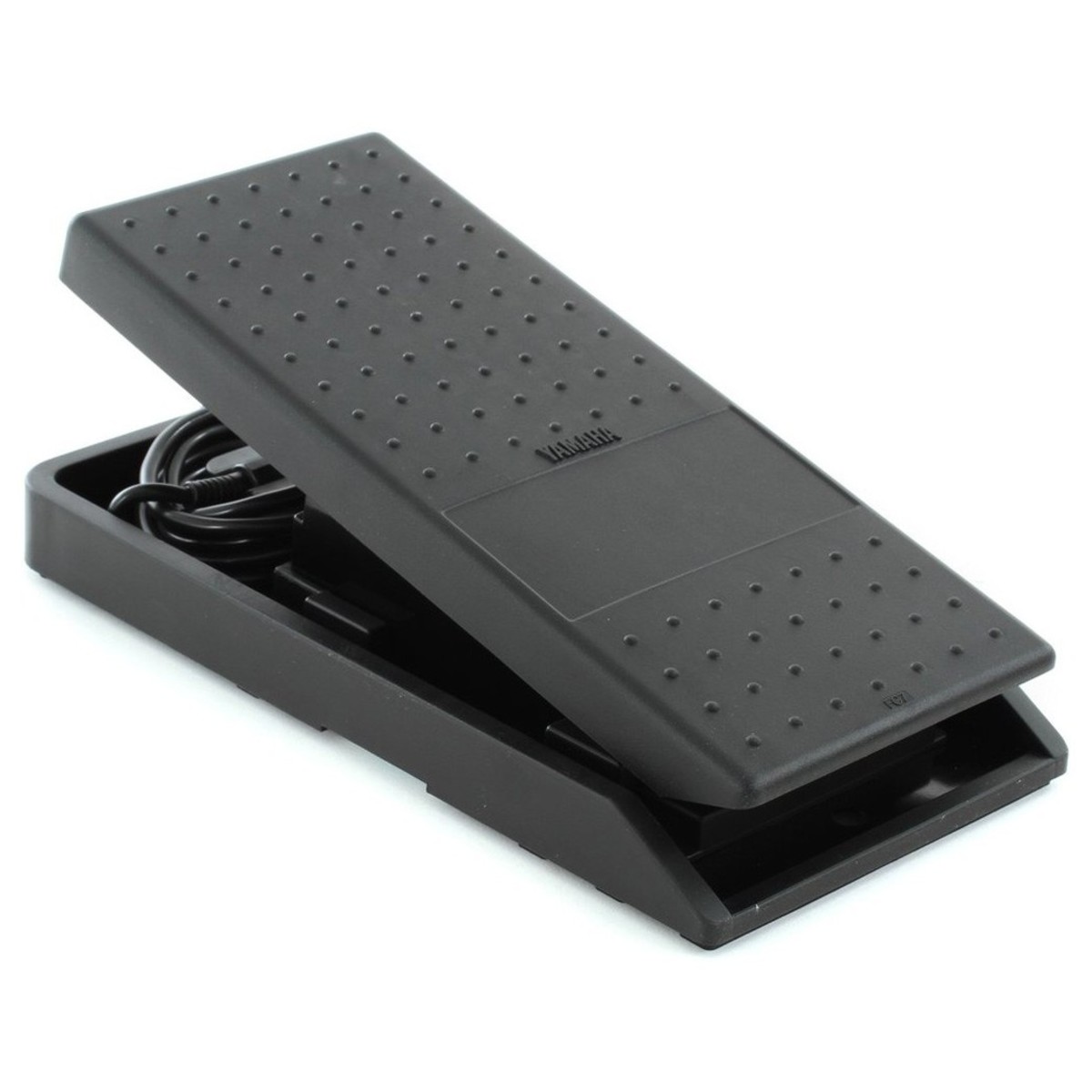
Distinct from many traditional filter pedals, the BM-11 includes USB and MIDI connectivity, facilitating integration with digital audio workstations and external controllers. It also features a dedicated expression pedal input, which allows for manual foot-controlled sweeps similar to a wah-wah pedal. This makes it compatible with external hardware such as the Yamaha FC7 Expression Pedal for real-time performance modulation.
Sound Character and Application
The BM-11 is characterized by a smooth, musical analog tone. By adjusting the resonance and drive, users can achieve sounds ranging from deep, dub-like pulses to bright, aggressive leads. While it serves guitarists looking for alternatives to standard wah or auto-wah effects, its broad frequency response and MIDI capabilities also make it a powerful tool for synthesists and producers working with line-level signals.
Market Comparison
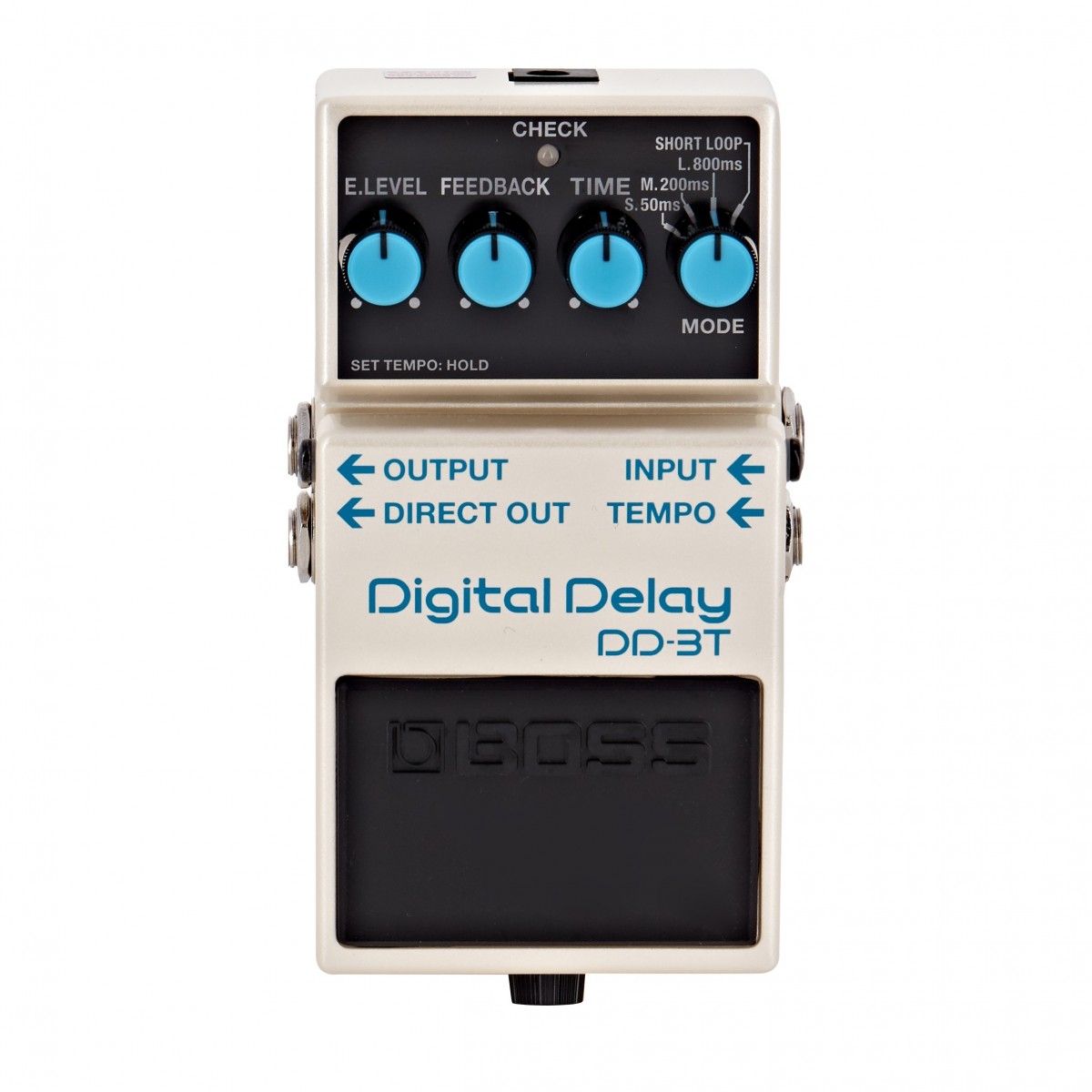
Positioned at a competitive price point of approximately £99, the BM-11 offers features typically found in more expensive boutique or desktop filters. While standard pedals like the Boss DD-3T or Fender Hammertone Flanger focus on time-based effects, the BM-11 focuses strictly on subtractive synthesis-style filtering. Compared to the Digitech Whammy Ricochet or standard wah pedals like the Dunlop Mick Ronson Cry Baby, the BM-11 provides more precise control over the harmonic structure of the sound via its envelope and resonance parameters.
Related gear
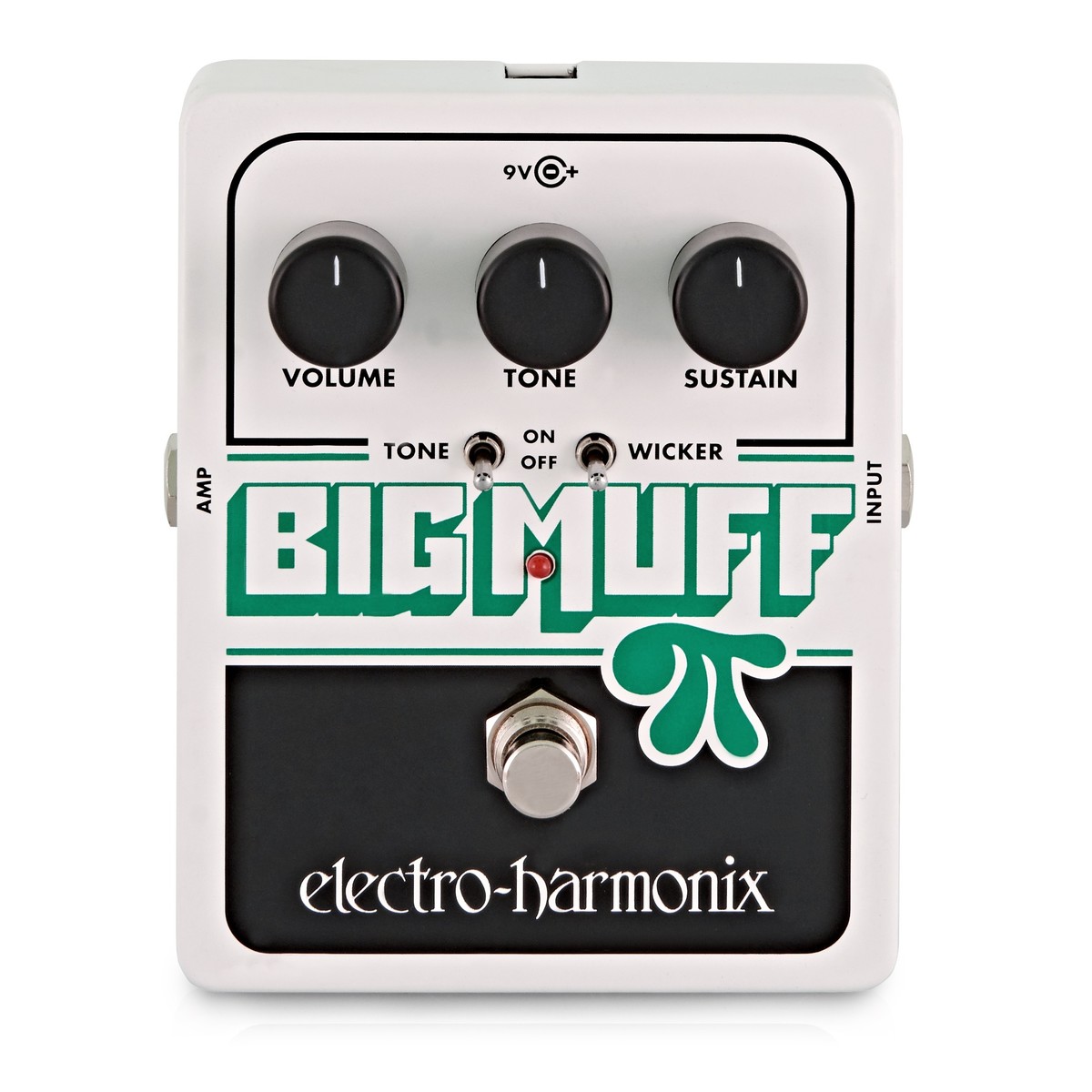 £97.00 ($123)
Electro Harmonix
Electro Harmonix Big Muff Distortion Sustainer w/ Tone Wicker
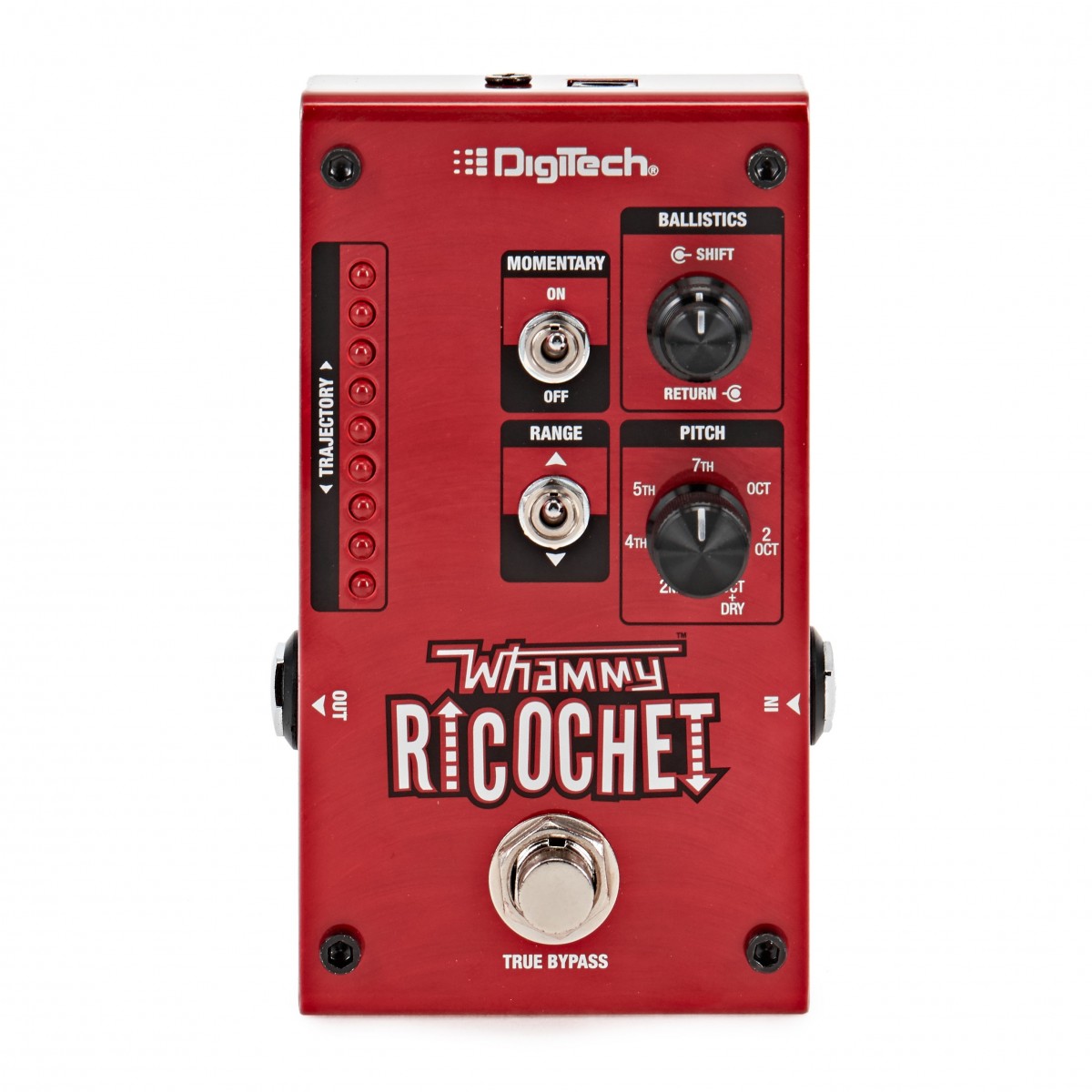 £129.00 ($164)
Digitech
Digitech Whammy Ricochet Guitar Effects Pedal
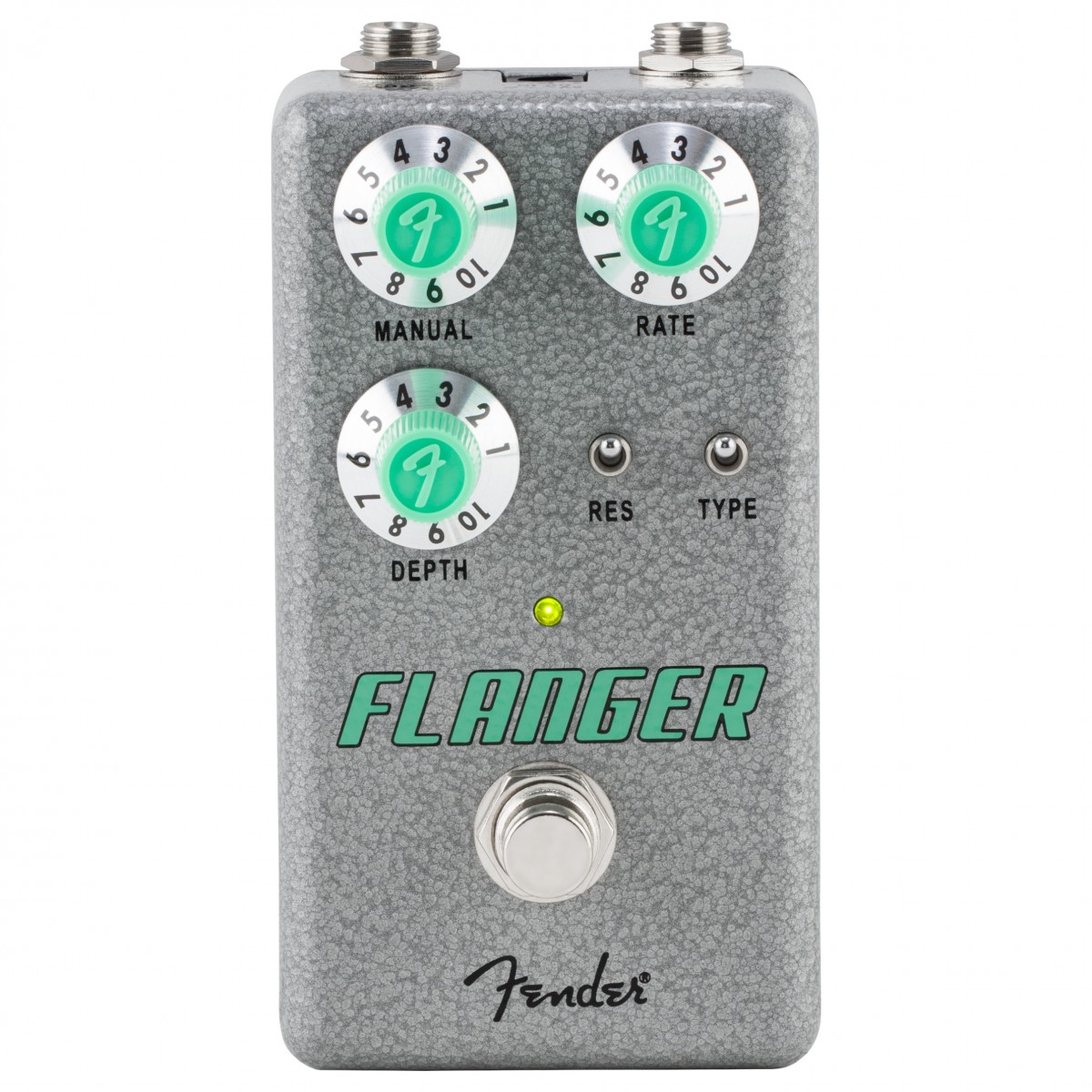 £85.00 ($108)
Fender
Fender Hammertone Flanger Pedal
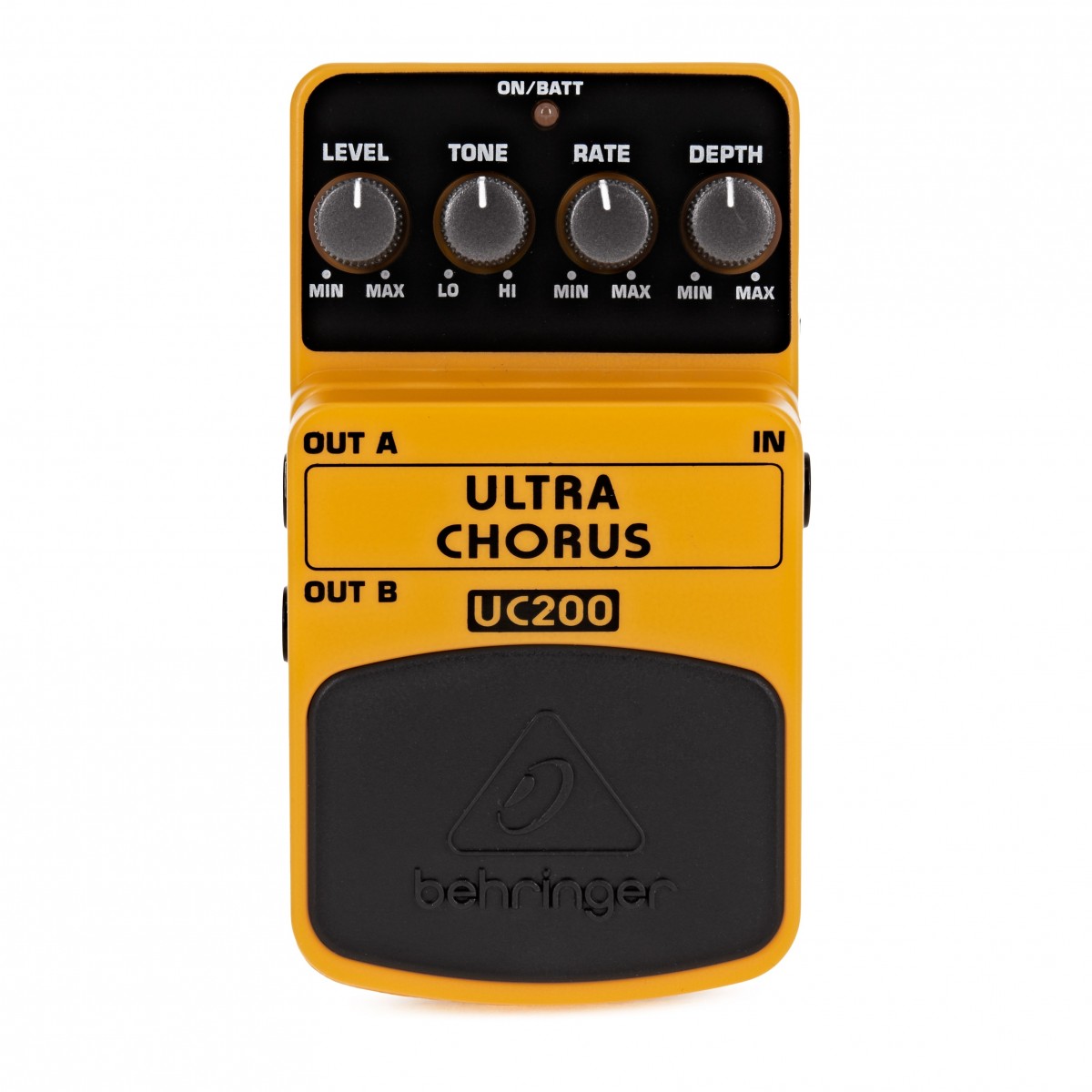 £19.90 ($25)
Behringer
Behringer UC200 Ultra Chorus Pedal
 £259.00 ($329)
Dunlop
Dunlop Mick Ronson Cry Baby Wah
 £77.00 ($98)
Yamaha
Yamaha FC7 Expression Pedal
 £175.00 ($222)
Boss
Boss DD-3T Digital Delay Pedal
 £99.10 ($126)
Boss
Boss NS-2 Noise Suppressor Guitar Pedal
Frequently asked questions
- What is the primary function of the Behringer BM-11?
- The BM-11 is a low-pass filter pedal that removes high-frequency content from an audio signal based on a user-defined cutoff point. It allows for creative tonal shaping through manual controls or dynamic envelope response.
- What is the difference between the 2-pole and 4-pole modes?
- The 2-pole mode has a 12dB per octave slope for a gentler, more natural filter effect. The 4-pole mode uses a 24dB per octave slope, resulting in a much sharper cut and more dramatic resonant peaks.
- Does the BM-11 have a drive control?
- Yes, it includes a dedicated Drive control. This allows the user to increase the input gain, which adds harmonic warmth and saturation to the signal before it hits the filter stage.
- Can I control the filter with my foot?
- Yes, the pedal features a dedicated expression pedal input. By connecting a compatible pedal like the Yamaha FC7, you can manually sweep the filter frequency during a performance.
- Is the BM-11 an analog or digital effect?
- The BM-11 uses a vintage-inspired analog filter circuit. This design choice is intended to provide smooth, musical transitions and warm tonal characteristics that are often preferred over digital emulations.
- What kind of musicians is this pedal designed for?
- It is designed for guitarists, keyboardists, and electronic musicians. Its versatile connectivity and control set make it useful for live pedalboards, desktop synth rigs, and studio production.
- Does it support MIDI connectivity?
- Yes, the BM-11 includes MIDI and USB connectivity. This allows for integration with modern studio setups and control via external MIDI hardware or software.
- How does the envelope control work?
- The envelope control makes the filter responsive to the dynamics of your playing. The harder you strike a note or chord, the more the filter opens or closes, creating expressive 'auto-wah' style effects.
- What is the typical price for the Behringer BM-11?
- The pedal typically retails for approximately £99. This makes it an affordable option for musicians looking for high-quality analog filtering without the cost of boutique hardware.
- Is the housing durable for touring?
- Yes, the BM-11 is built with a rugged housing designed for both desktop use and the rigours of a live pedalboard. It is intended to withstand regular transport and foot-switch operation.
- Can the BM-11 be used with bass guitars?
- Yes, low-pass filters are highly effective on bass guitars for creating deep, synth-like tones. The 4-pole mode and drive control are particularly useful for enhancing bass frequencies.
- Does it require a specific power supply?
- While specific power requirements should be checked in the manual, it typically follows standard pedal power conventions. Its compact design is compatible with most universal pedalboard power supplies.