Gear article
Behringer BMX Drum Machine
The Behringer BMX is a hybrid digital-analog drum machine and sampler designed for hardware-based rhythm production. It features an 8 and 12-bit sampling sound engine with variable sample rates and multiple DACs, tailored for genres such as electronic, hip-hop, and experimental music.
See live pricesBackground and Design
The Behringer BMX was developed to cater to producers and performers who prefer tactile, hardware-centric workflows. It draws inspiration from classic sampling drum machines, focusing on the gritty, character-driven sonics of early digital hardware. By utilising multiple Digital-to-Analogue Converters (DACs) and variable sample rates, the machine provides a distinct alternative to clean, high-resolution modern digital workstations.
Sound Engine and Sampling
At the core of the BMX is an 8 and 12-bit sampling engine. This architecture is designed to deliver a 'punchy' sound profile. The unit includes a built-in line input, allowing users to record and store custom samples directly onto the device. This capability enables the blending of user-generated sounds with the machine's internal factory voices, offering significant flexibility for sound design.
Sequencing and Performance
The BMX features a 64-step sequencer equipped with modern performance tools. Key features include:
- Polymeter: Allows tracks to run at different lengths for complex polyrhythmic patterns.
- Step Repeat and Probability: Adds variation and non-linear movement to sequences.
- Real-time Triggering: Facilitates live performance and spontaneous pattern manipulation.
- Sound Shaping: Includes integrated analog filters and a dedicated FX bus for hands-on processing.
Integration and Comparison
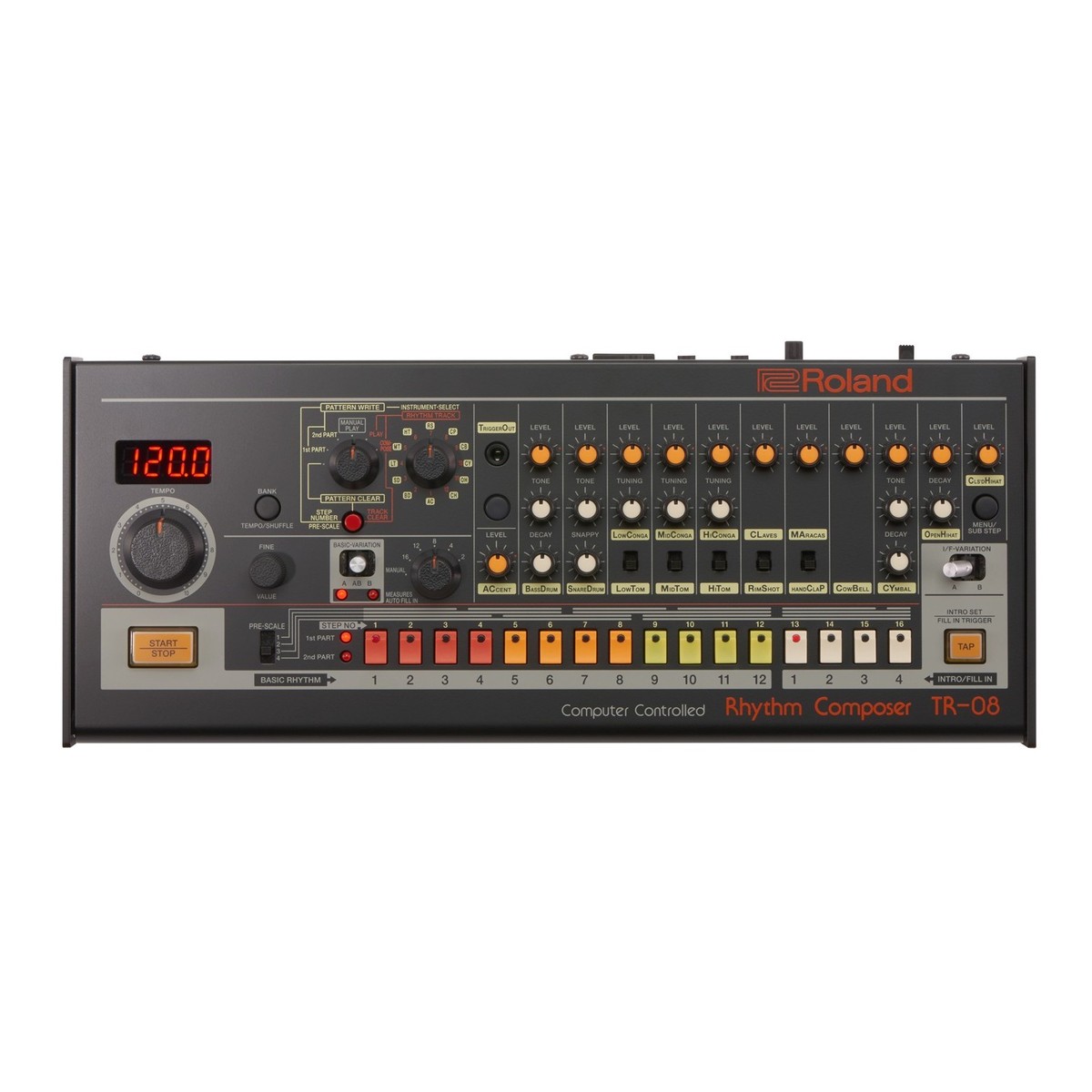
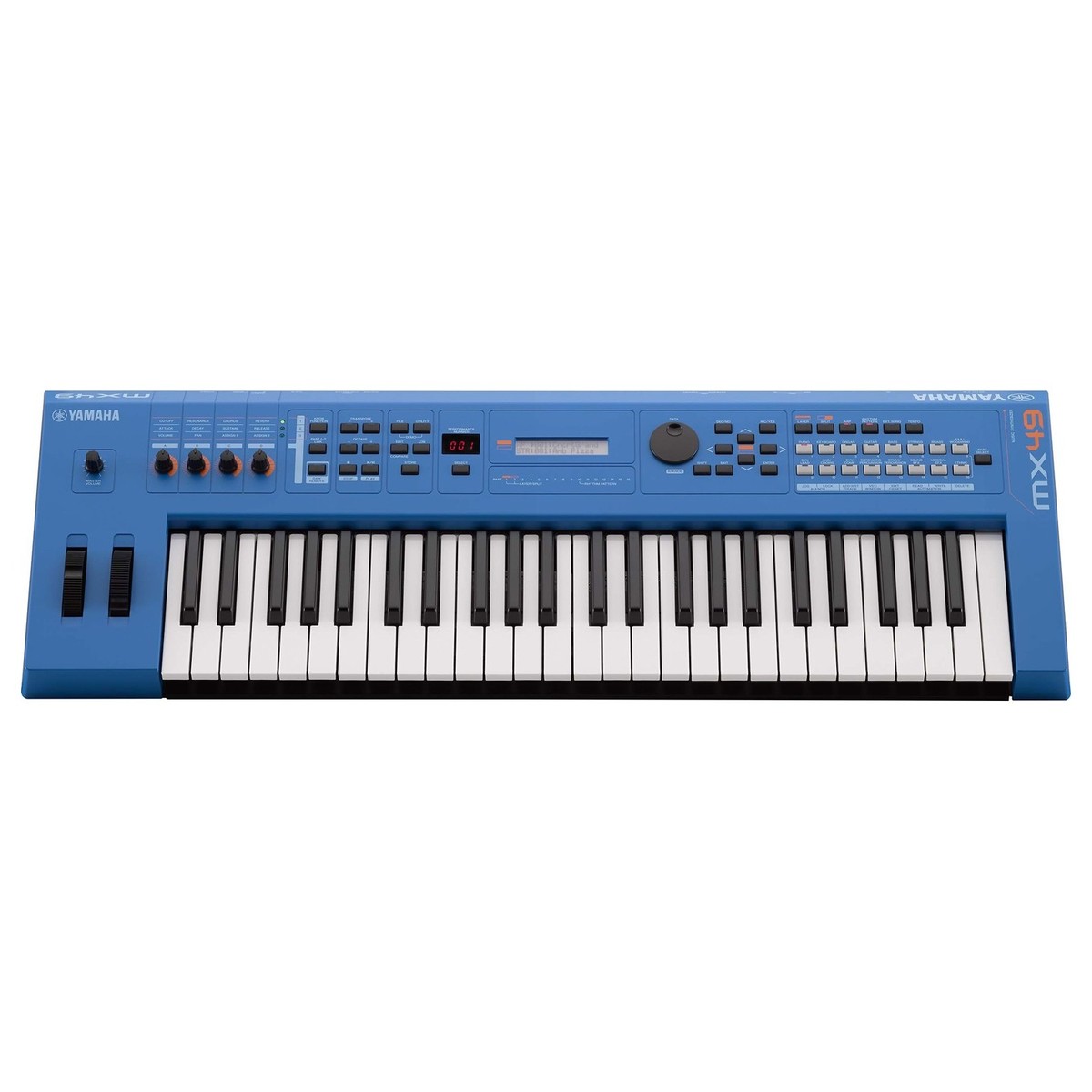
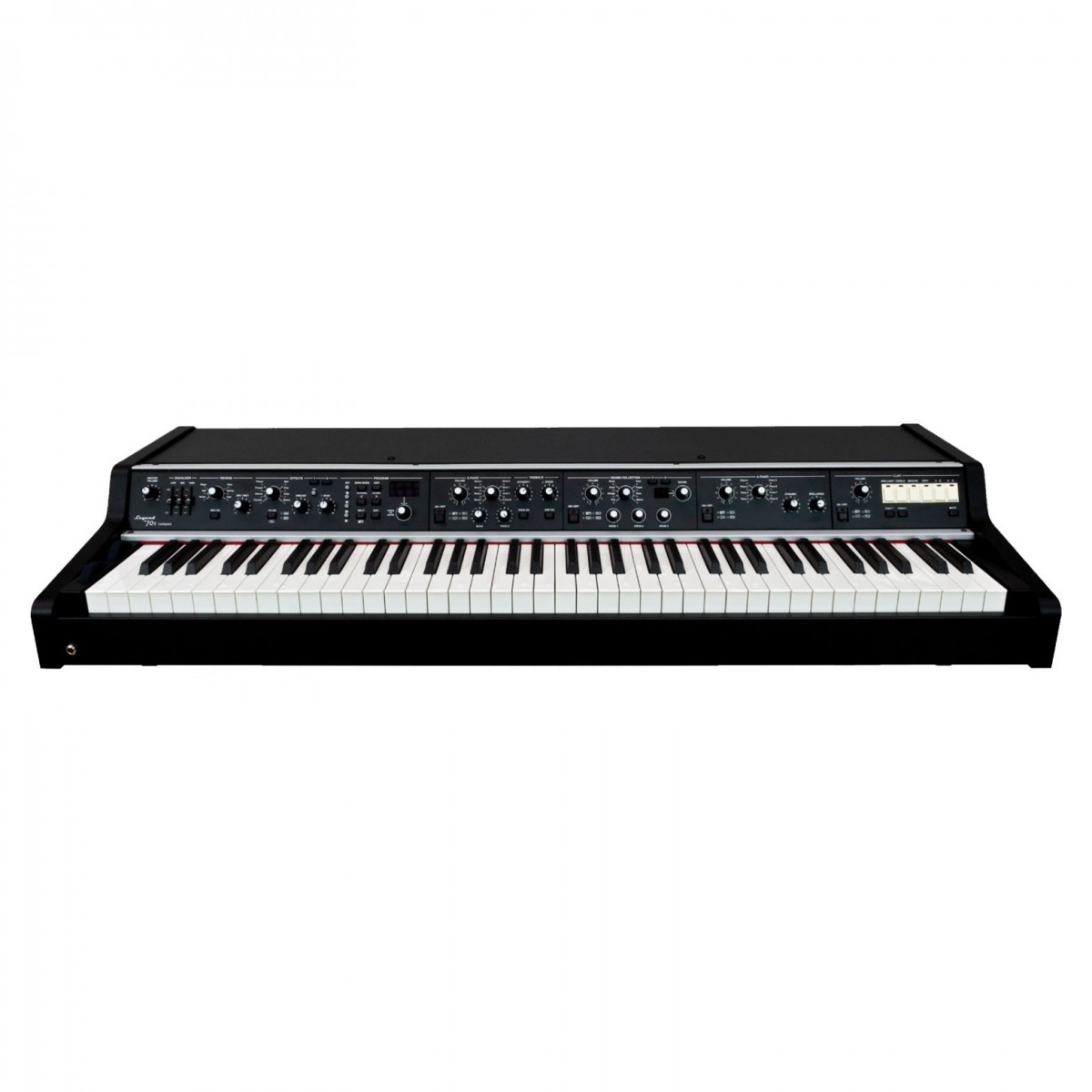
For studio and live environments, the BMX offers comprehensive connectivity including MIDI, USB, and multiple synchronisation options. In the market, it competes with units like the Roland Boutique TR-08, though it differentiates itself through its sampling engine and vintage bit-depth character. While products like the Yamaha MX49 or Viscount Legend 70s focus on melodic and stage piano applications, the BMX is specialized for percussive sound design and rhythmic sequencing.
Related gear
 £368.00 ($467)
Roland
Roland Boutique TR-08 Rhythm Composer Drum Machine
 £239.00 ($304)
Behringer
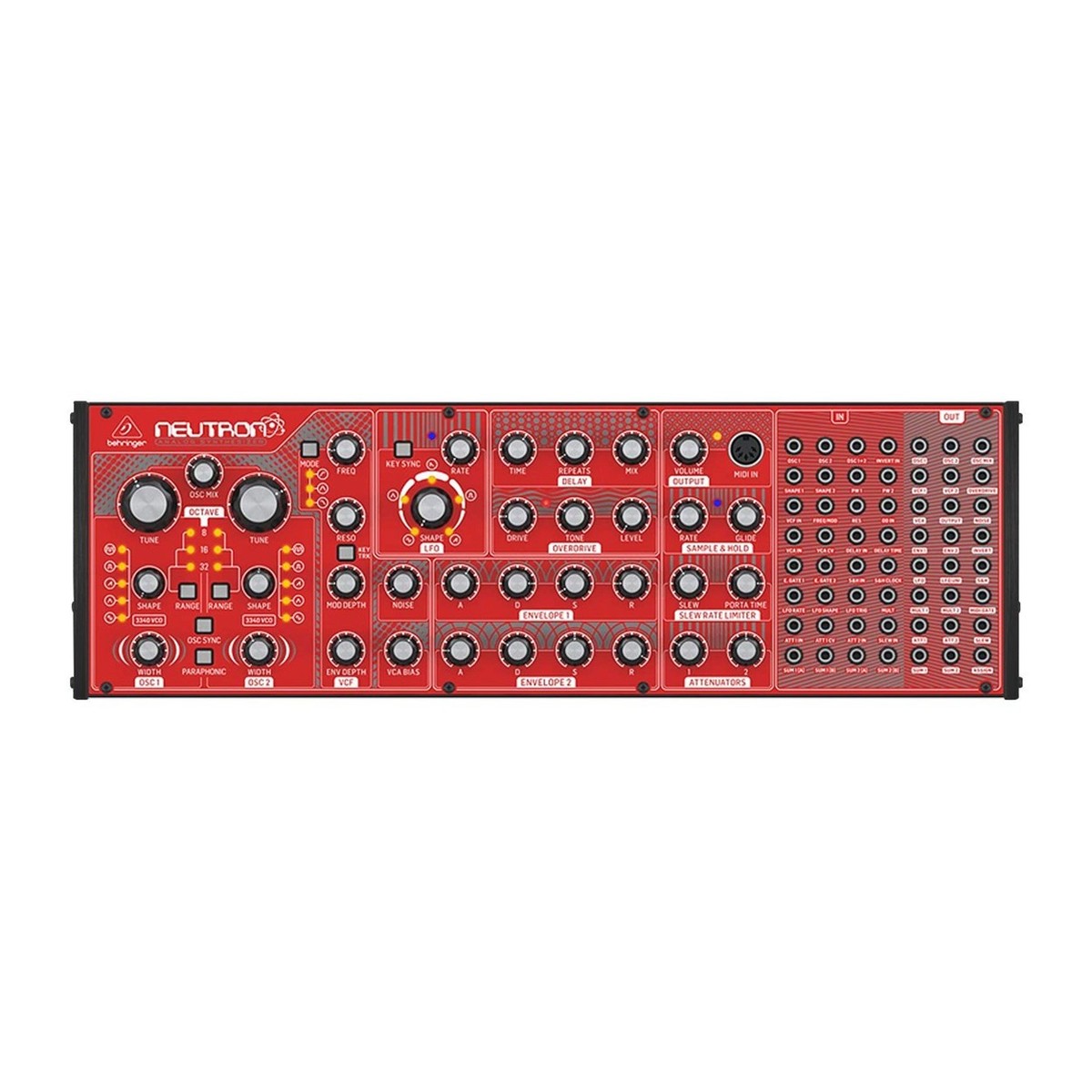
Behringer Neutron Semi-Modular Synthesizer
 £3,599.00 ($4,571)
Oberheim
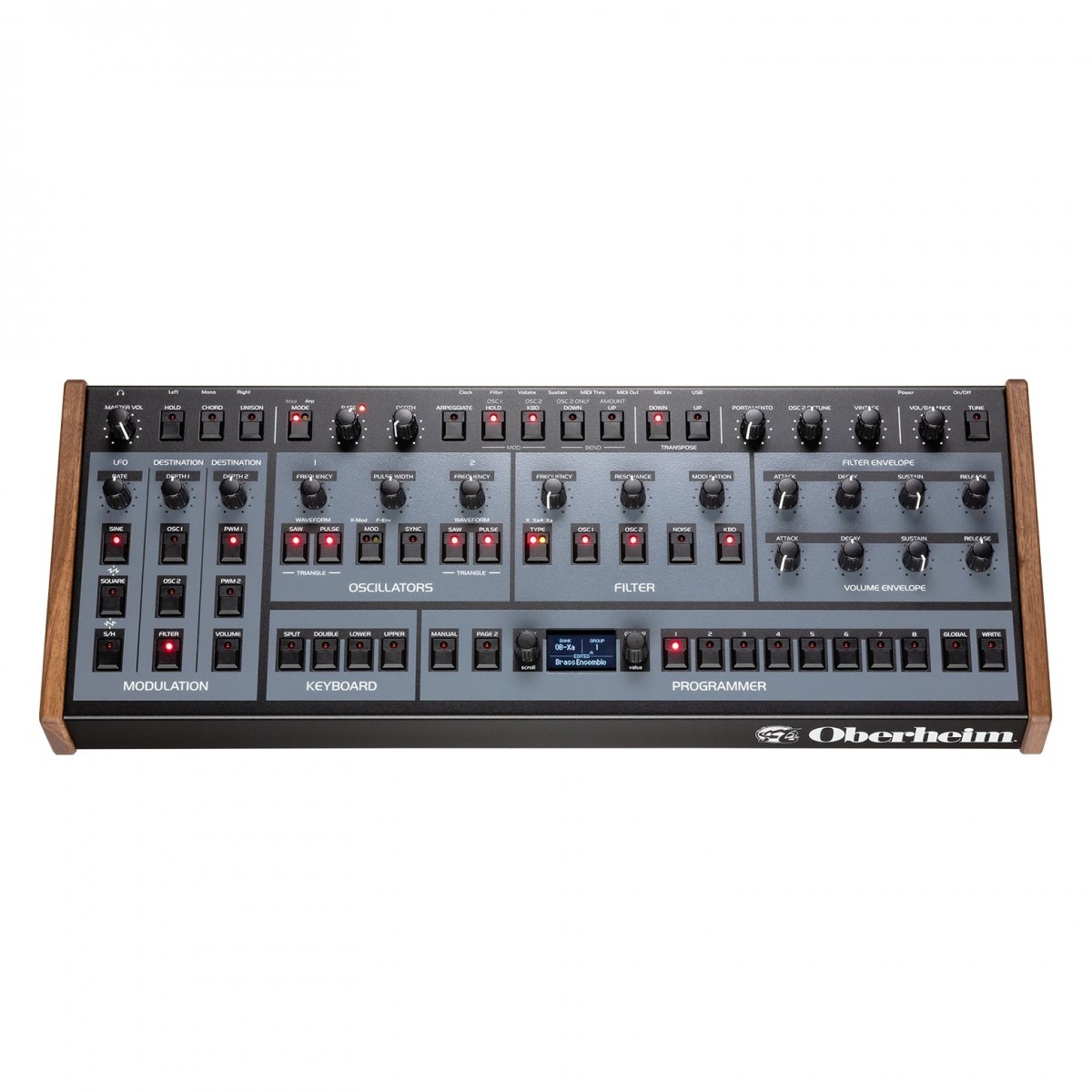
Oberheim OB-X8 Analog Synthesizer Desktop Module
 £454.00 ($577)
Yamaha
Yamaha MX49 II Music Production Synthesizer Blue
 £113.00 ($144)
Electro Harmonix
Electro Harmonix Mono Synth Guitar Synthesizer
 £2,248.64 ($2,856)
Viscount Organs
Viscount Legend 70s Compact EX Modular Stage Piano
 £637.97 ($810)
Yamaha
Yamaha YDS 150 Digital Wind Synthesizer
 £499.99 ($635)
Gear4Music
modul Modular Complete Studio System Black
Frequently asked questions
- What is the bit depth of the Behringer BMX sound engine?
- The Behringer BMX utilizes a hybrid 8-bit and 12-bit sampling sound engine. This configuration is intended to provide a punchy, character-driven sound reminiscent of vintage digital drum machines.
- Can I record my own samples into the BMX?
- Yes, the device features a built-in line input specifically for recording and storing custom samples. These can be used alongside the unit's internal voices for personalized rhythm tracks.
- How many steps does the BMX sequencer support?
- The internal sequencer supports up to 64 steps. It also includes advanced features like polymeter, step repeat, and probability for building complex patterns.
- Does the Behringer BMX have analog components?
- Yes, while the sampling engine is digital, the BMX includes analog filters for sound shaping. These filters provide hands-on control over the frequency content of the drums.
- What genres is the BMX best suited for?
- The machine is designed primarily for electronic, hip-hop, and experimental music styles. Its gritty, 12-bit character is particularly well-suited for these rhythm-heavy genres.
- What are the connectivity options for studio integration?
- The BMX includes MIDI and USB ports for connecting to computers and other hardware. It also offers multiple sync options to ensure it stays in time with external gear.
- Does the BMX support polyrhythms?
- Yes, the sequencer supports polymeter functionality. This allows different tracks to have different step lengths, enabling the creation of complex polyrhythmic structures.
- Is there an internal effects processor?
- The BMX features an integrated FX bus. This allows users to apply various effects to their drum sounds for further manipulation and sound design.
- How does the BMX handle sample rates?
- The engine uses multiple DACs with variable sample rates. This design choice is fundamental to the 'character-driven' sound of the unit, moving away from standard fixed-rate digital playback.
- Can the BMX be played live in real-time?
- Yes, the sequencer supports real-time triggering. This allows performers to manipulate and build patterns on the fly during a live set.
- What is the typical price for the Behringer BMX?
- The typical price for the Behringer BMX is approximately £349. This positions it as a mid-range hardware drum machine option.
- How does the BMX compare to the Roland Boutique TR-08?
- While the TR-08 focuses on emulating the classic TR-808 analog circuit, the BMX focuses on an 8/12-bit sampling workflow with user sample support. Both are compact hardware drum machines but offer different sound generation methods.