Gear article
Behringer DR600 Digital Reverb
The Behringer DR600 Digital Reverb is a budget-friendly guitar effects pedal designed to provide studio-grade reverberation for both live performance and recording. It features multiple reverb modes and stereo outputs to create expansive soundscapes at an accessible price point.
See live pricesOverview
The Behringer DR600 Digital Reverb is a digital signal processing unit intended to simulate the acoustic characteristics of various environments. It is positioned as a high-value alternative to more expensive boutique pedals, offering 24-bit high-resolution stereo reverb. The unit is housed in a compact chassis and is compatible with standard 9V power supplies or battery operation.
Functionality and Key Features
The DR600 provides a suite of customisation controls, including Level, Tone, and Time knobs, alongside a mode selector. The mode selector allows users to choose between various reverb types, such as Spring, Plate, Hall, Gate, Room, and Modulate.
A distinguishing feature for a pedal in this price bracket is the inclusion of stereo outputs. This enables the user to send the signal to two separate amplifiers or recording channels, creating a wider, more immersive stereo image. The unit also features a true bypass system, designed to preserve the original signal integrity when the effect is disengaged.
Sonic Character
The sound of the DR600 is characterised by its versatility. By adjusting the 'Time' and 'Tone' controls, users can move from subtle, dark room reflections to bright, expansive hall sounds. The 'Gate' setting provides the specific truncated decay popular in 1980s drum and guitar production, while the 'Spring' setting attempts to replicate the mechanical bounce of traditional amplifier reverb tanks.
Market Context and Comparison
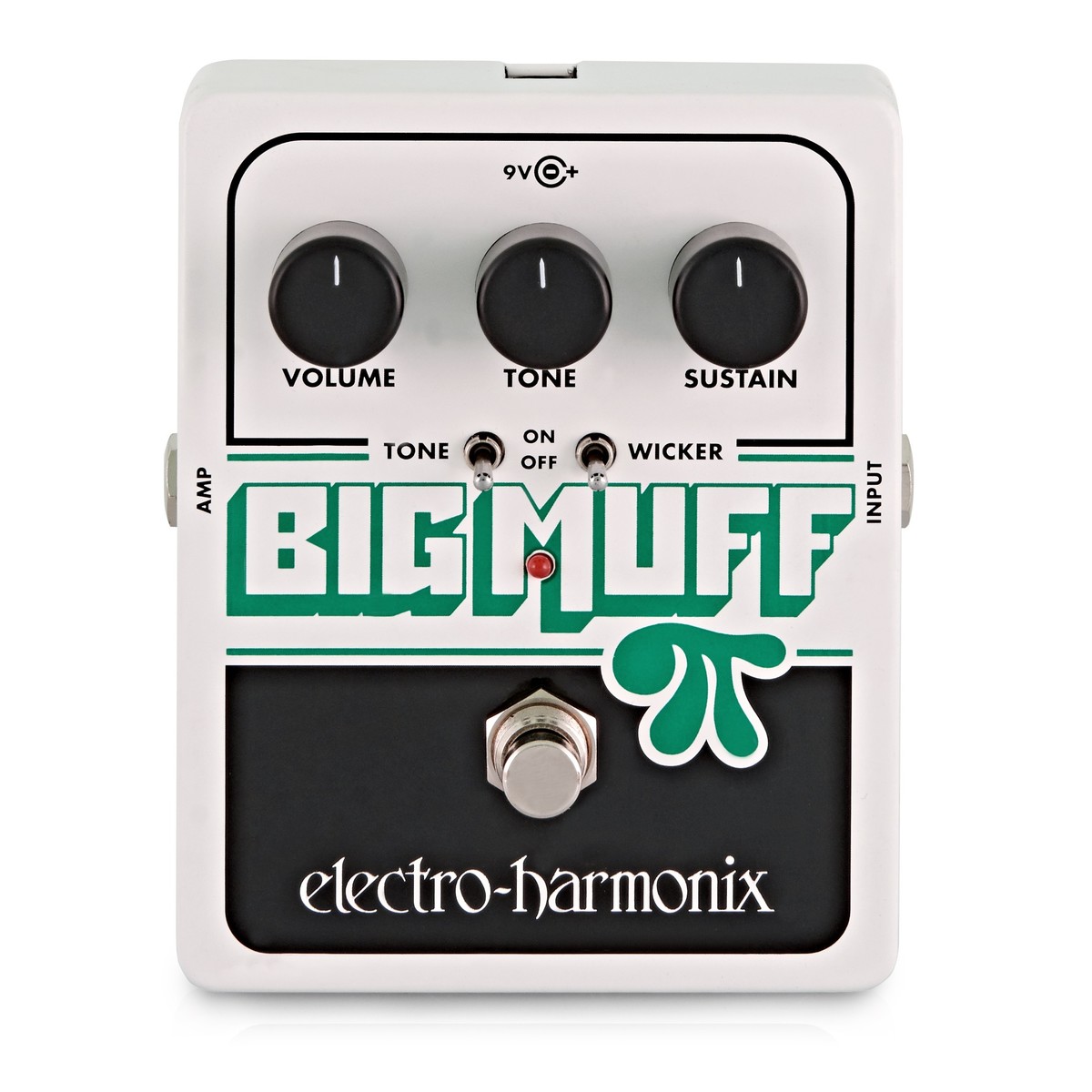
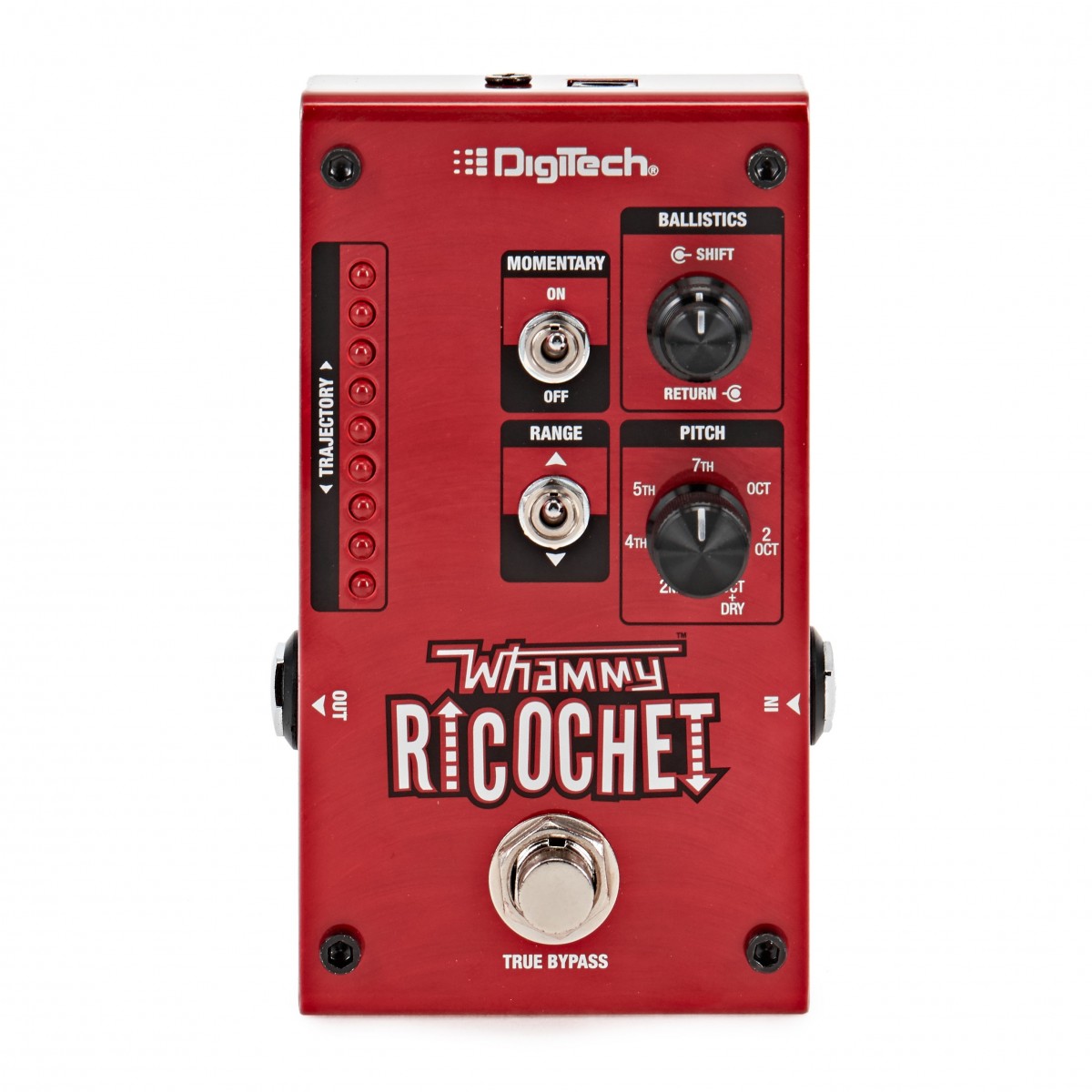
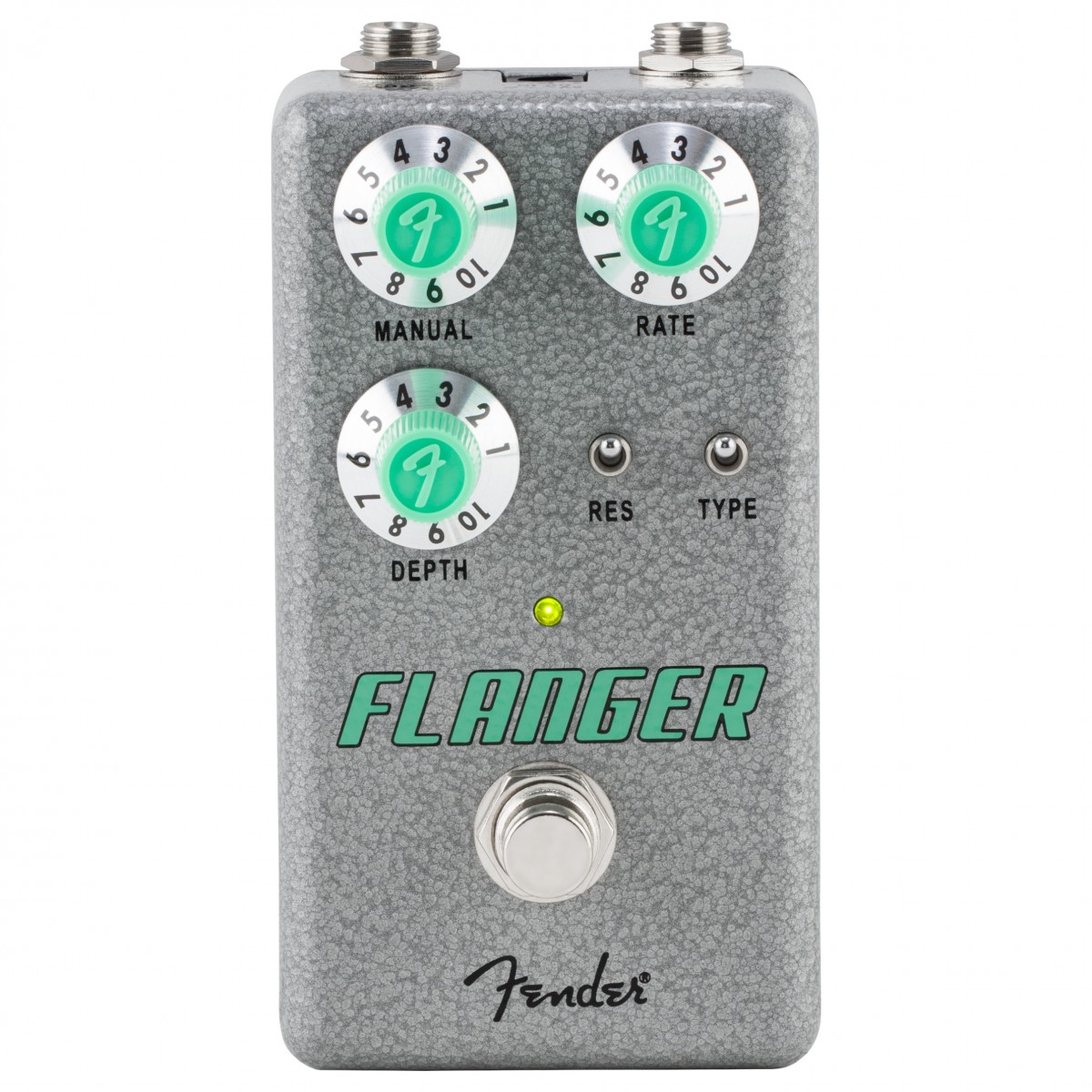
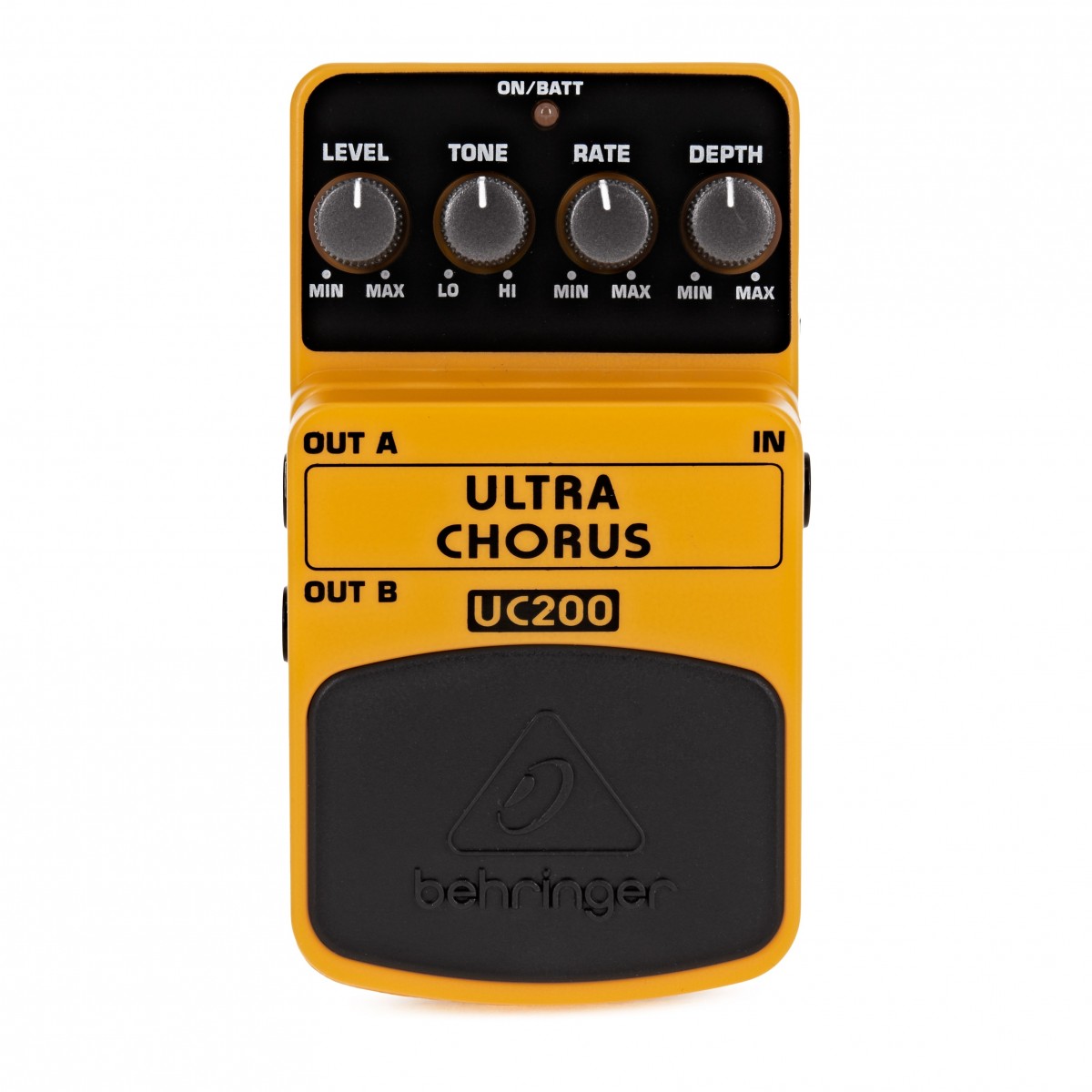
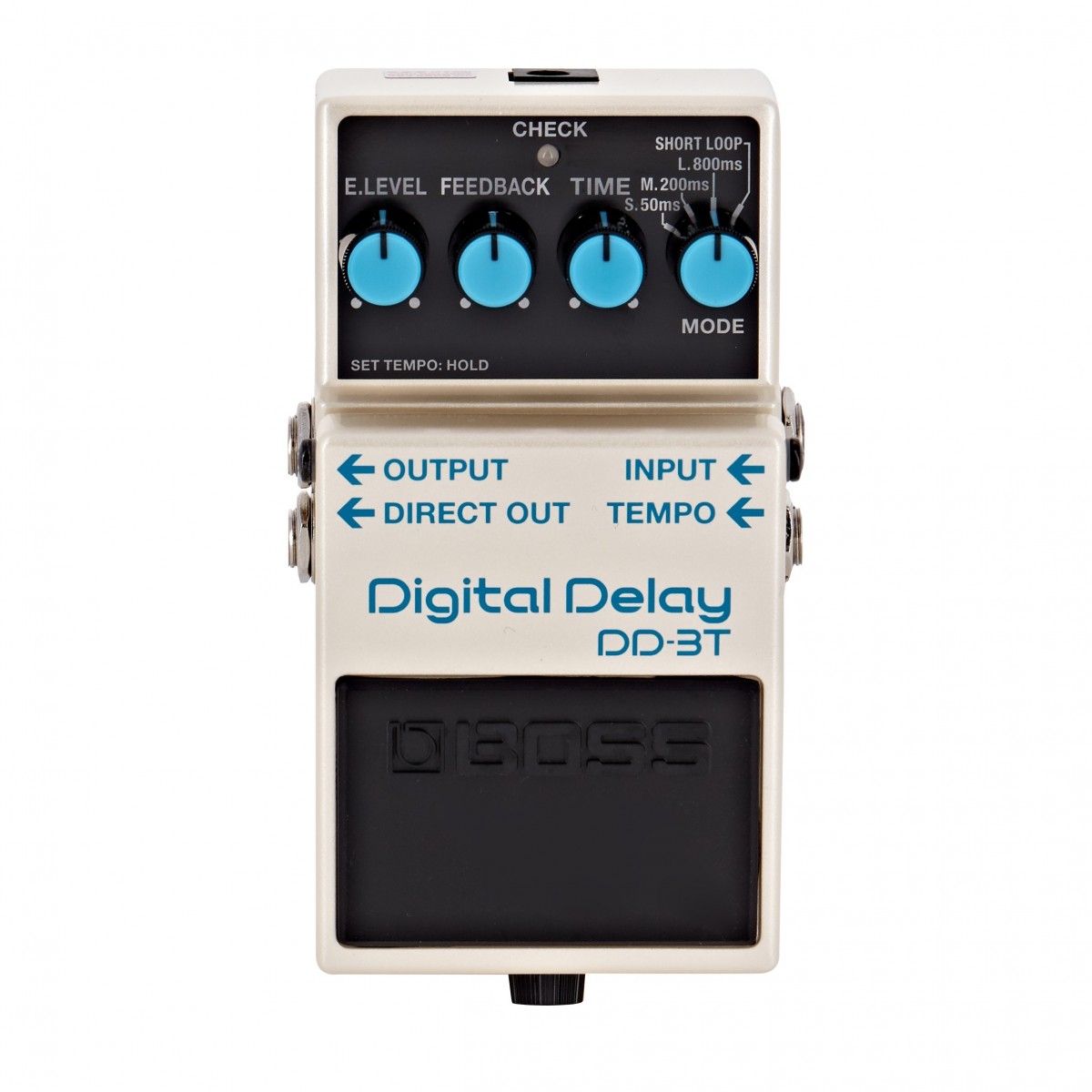
The DR600 is often compared to other digital pedals like the Boss DD-3T Digital Delay or the Behringer UC200 Ultra Chorus in terms of utility. While it lacks the extreme pitch-shifting capabilities of the Digitech Whammy Ricochet or the saturated grit of the Electro Harmonix Big Muff, it serves as a foundational spatial effect. At a retail price of approximately £27, it sits at the entry-level of the market, making it significantly more affordable than the Fender Hammertone Flanger or specialised noise gates like the Boss NS-2.
Related gear
 £97.00 ($123)
Electro Harmonix
Electro Harmonix Big Muff Distortion Sustainer w/ Tone Wicker
 £129.00 ($164)
Digitech
Digitech Whammy Ricochet Guitar Effects Pedal
 £85.00 ($108)
Fender
Fender Hammertone Flanger Pedal
 £19.90 ($25)
Behringer
Behringer UC200 Ultra Chorus Pedal
 £259.00 ($329)
Dunlop
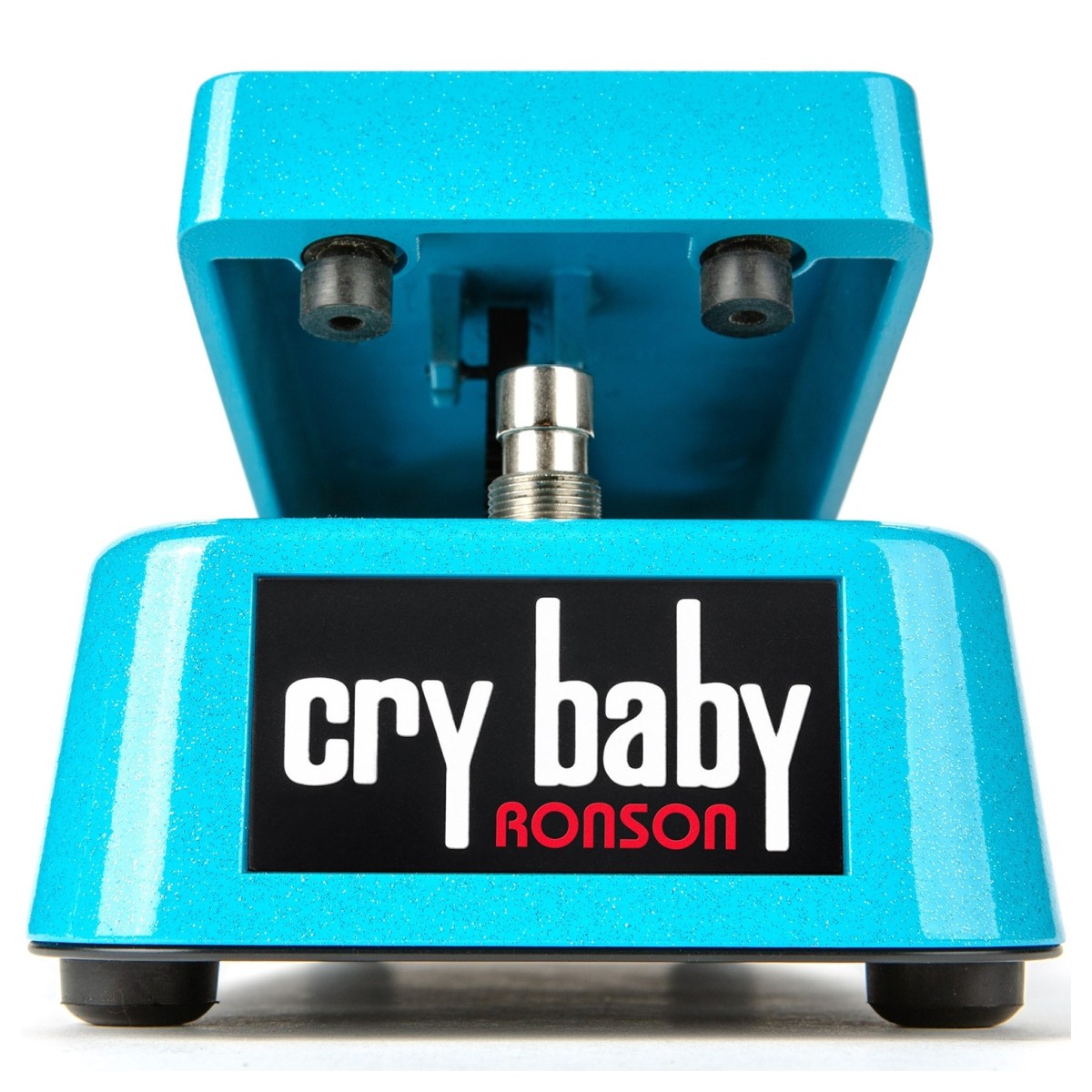
Dunlop Mick Ronson Cry Baby Wah
 £77.00 ($98)
Yamaha
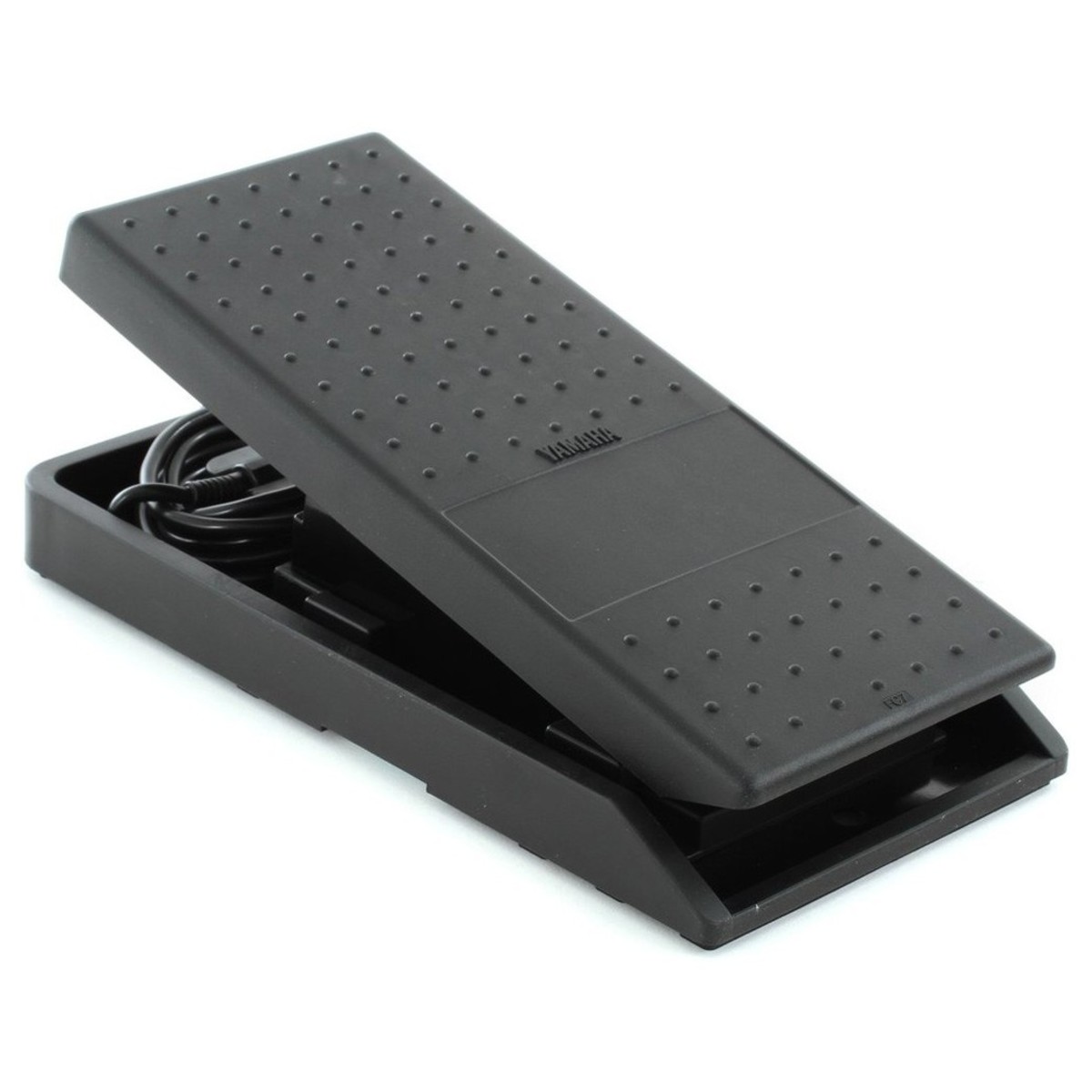
Yamaha FC7 Expression Pedal
 £175.00 ($222)
Boss
Boss DD-3T Digital Delay Pedal
 £99.10 ($126)
Boss
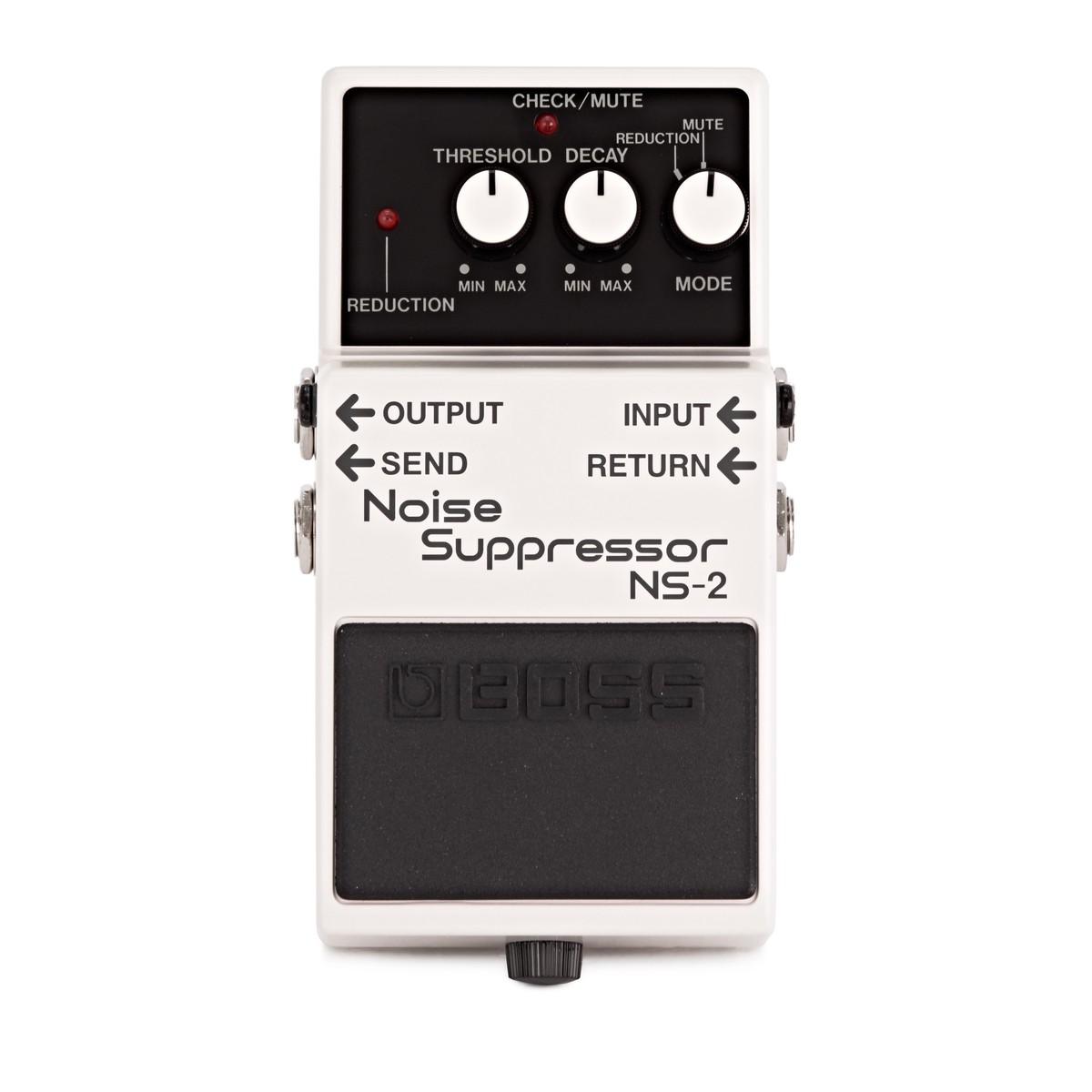
Boss NS-2 Noise Suppressor Guitar Pedal
Frequently asked questions
- What is the primary function of the Behringer DR600?
- The DR600 is a digital reverb pedal designed to add spatial depth to a guitar signal by simulating various acoustic environments. It offers multiple modes ranging from small rooms to large halls.
- Does the Behringer DR600 support stereo sound?
- Yes, the pedal features stereo outputs. This allows for the creation of a wide soundscape when used with two amplifiers or a dual-channel recording interface.
- What reverb modes are included in the DR600?
- The pedal includes six distinct modes: Spring, Plate, Hall, Gate, Room, and Modulate. These modes are selected via a dedicated rotary dial on the pedal interface.
- Does this pedal feature true bypass?
- Yes, the manufacturer specifies that the DR600 includes a true bypass system. This ensures that the guitar's signal remains clean and unaffected when the pedal is switched off.
- What are the primary controls on the DR600?
- The pedal features four main controls: Level, Tone, Time, and Mode. The Level knob adjusts the volume of the effect, while Tone and Time adjust the brightness and duration of the reverb tail respectively.
- Is the DR600 suitable for studio recording?
- Yes, the manufacturer describes it as suitable for both stage and recording applications. Its 24-bit resolution provides the clarity required for studio use.
- How much does the Behringer DR600 typically cost?
- The typical price range for this unit is approximately GBP 27. This makes it a highly accessible option for beginners and budget-conscious musicians.
- Can the DR600 be used with other pedals?
- Yes, it can be integrated into a signal chain with other units such as the Dunlop Mick Ronson Cry Baby Wah or the Boss NS-2 Noise Suppressor. It is typically placed at the end of the signal chain.
- What power source does the DR600 require?
- The pedal can be powered by a standard 9V battery or a DC power supply. Like most digital pedals, a power supply is recommended for consistent performance during long sessions.
- How does the DR600 compare to the Behringer UC200?
- While both are Behringer pedals, the DR600 is a reverb effect used for spatial depth, whereas the UC200 is an Ultra Chorus pedal used for modulation. They serve different roles in a pedalboard setup.
- What is the 'Gate' reverb mode used for?
- The Gate mode cuts off the reverb tail abruptly after a set period. This is often used to achieve the signature punchy drum or guitar sounds characteristic of 1980s music.
- Who is the Behringer DR600 best suited for?
- It is ideally suited for musicians who need a variety of reverb sounds on a limited budget. It is a practical choice for home hobbyists, students, and gigging musicians who require a simple, effective spatial effect.