
Gear article
Behringer FUZZ BENDER Vintage Fuzz Pedal
The Behringer FUZZ BENDER is an all-analog guitar effects pedal designed to replicate the psychedelic rock tones of the 1960s. It features vintage-style transistors and a unique custom bias mod switch to provide two distinct modes of saturation and output.
See live pricesOverview and History
The Behringer FUZZ BENDER is part of Behringer’s range of effects pedals designed to provide classic, vintage-inspired sounds at an accessible price point. Historically, fuzz pedals were the first type of transistor-based distortion available to guitarists, defining the sound of 1960s garage rock and psychedelic music. The FUZZ BENDER specifically aims to capture this era of guitar history by utilizing an all-analog signal path driven by vintage-style transistors, housed in a durable, retro-style chassis.
Key Features and Circuitry
The pedal is built around a vintage-style transistor circuit, which provides the warm, gritty harmonic distortion characteristic of early fuzz units. A primary feature is the 'custom bias mod' switch. This allows the user to toggle between two distinct internal bias settings. One setting provides classic, compressed saturation, while the second mode offers enhanced output volume and a more pronounced midrange punch. To maintain signal integrity when the effect is not in use, the pedal utilizes a true bypass switching mechanism.
Sound and Character
The FUZZ BENDER is characterized by its gritty and responsive tone. Because it is analog, the pedal reacts dynamically to the guitar's volume control and the player's attack. The sound ranges from thick, sustaining fuzz to more aggressive, biting textures. The addition of the bias mod allows for more versatility than standard vintage replicas, moving from traditional 1960s 'creamy' fuzz to a modern, punchier sound that can cut through a dense band mix.
Target Audience
This pedal is primarily suited for guitarists performing genres such as psychedelic rock, garage rock, and blues-rock. Its simple controls and vintage voicing make it an entry point for those looking to experiment with fuzz for the first time, while the custom bias mod provides enough flexibility for experienced players who require different fuzz textures for live performances.
Comparison to Alternatives
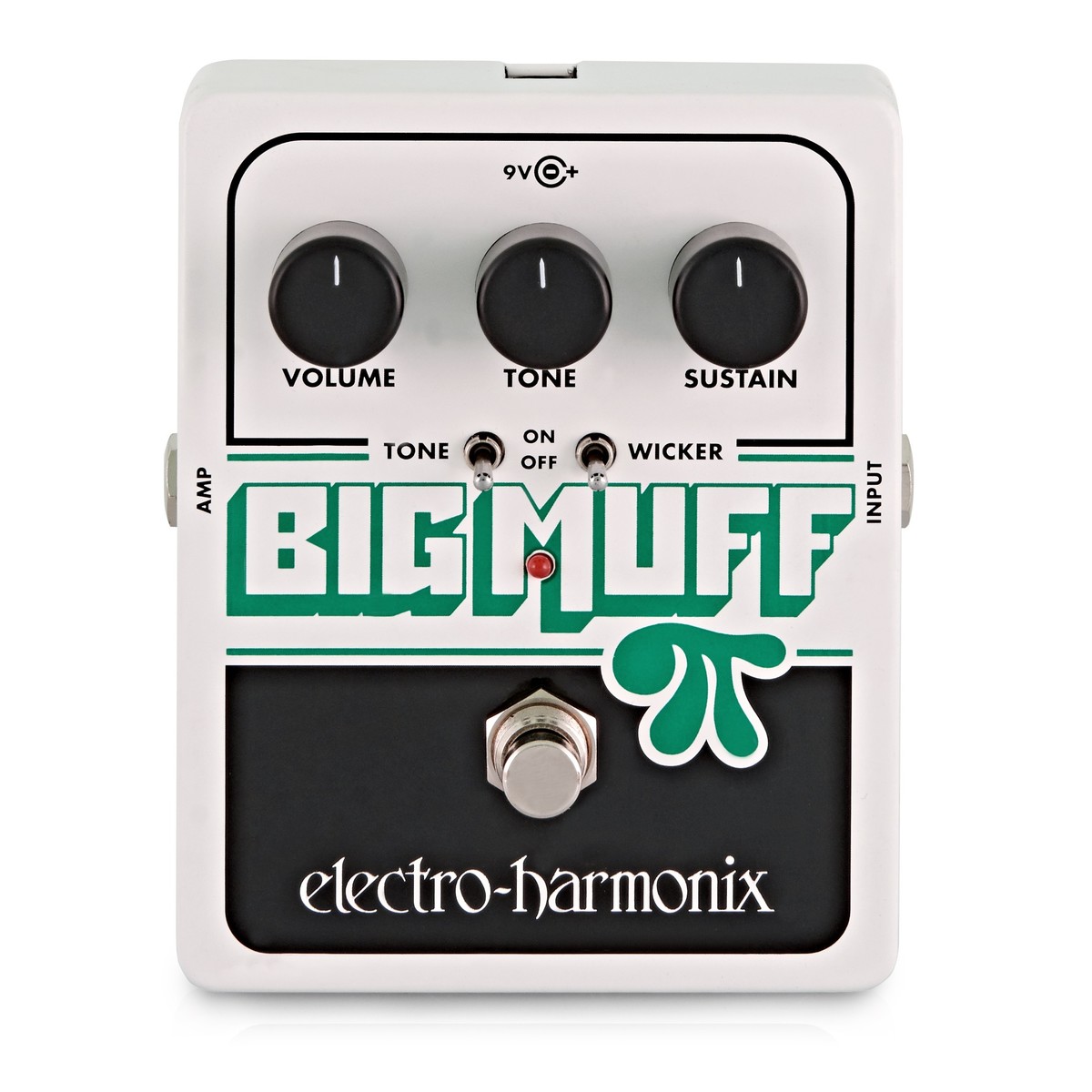
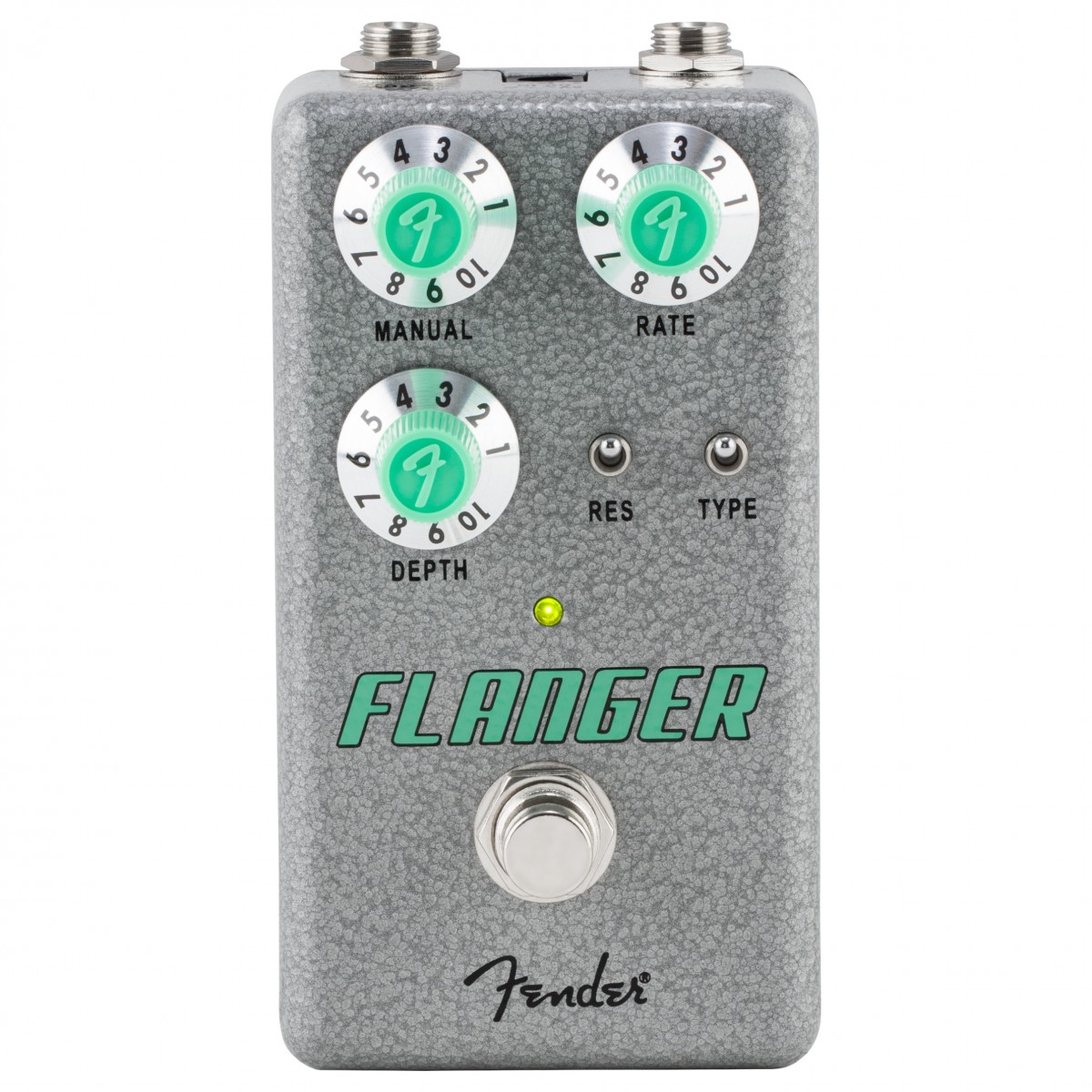
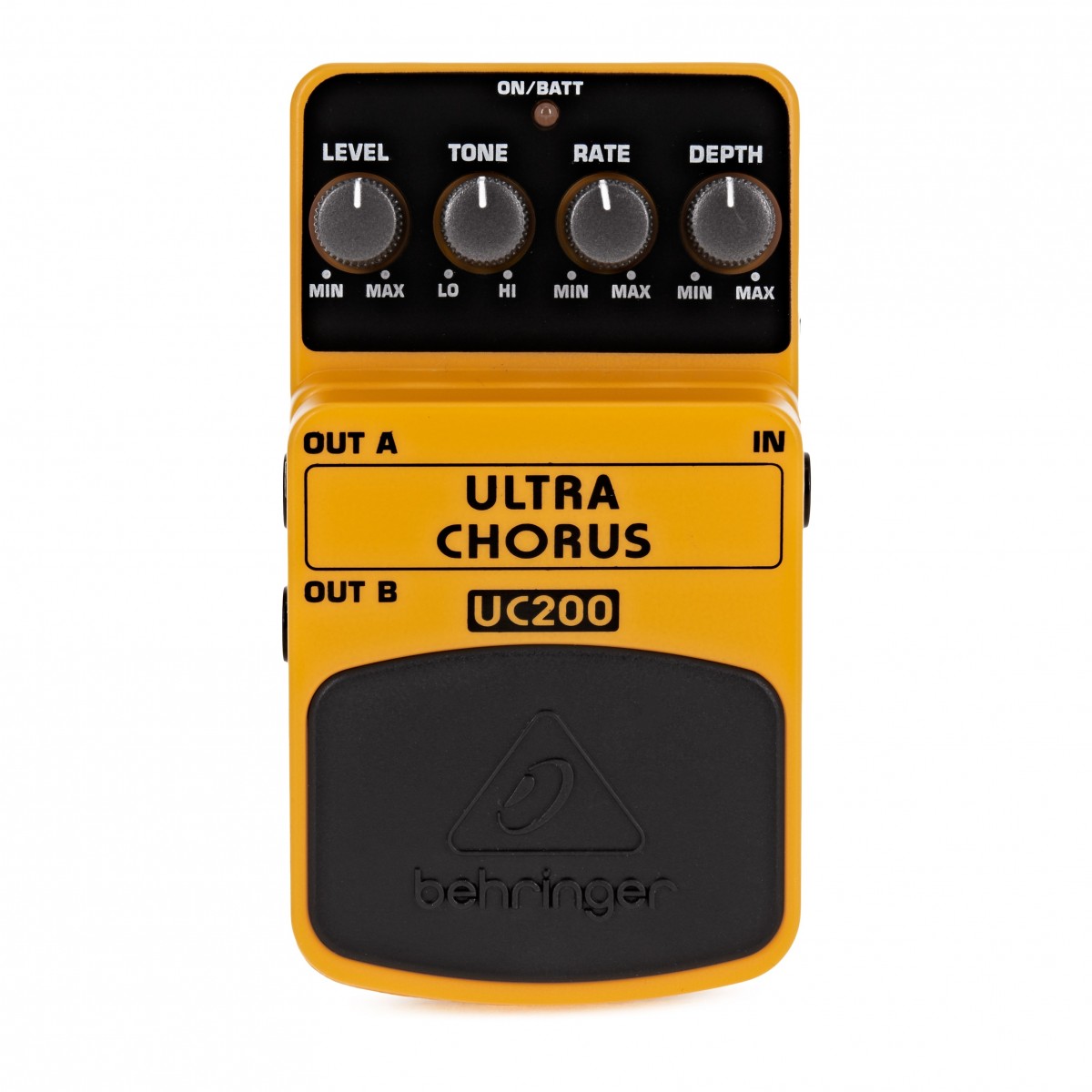
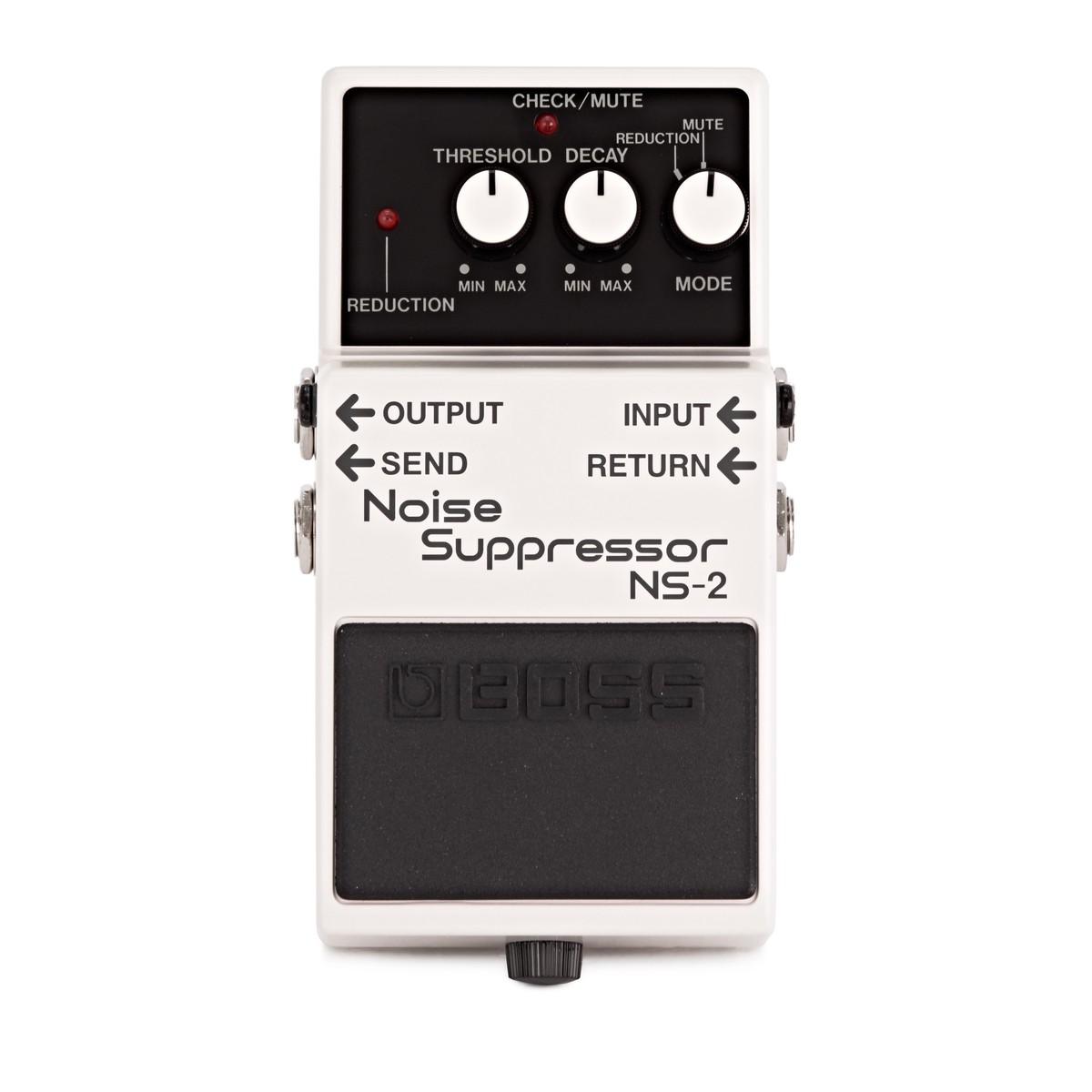
When compared to other distortion and modulation tools, the FUZZ BENDER offers a more extreme harmonic saturation than pedals like the Behringer UC200 Ultra Chorus or the Fender Hammertone Flanger. Unlike the Electro-Harmonix Big Muff with Tone Wicker, which focuses on massive sustain and scooped mids, the FUZZ BENDER emphasizes the raw, transistor-driven grit of the 1960s. For players concerned with noise levels often associated with high-gain fuzz, it is frequently paired with utility pedals such as the Boss NS-2 Noise Suppressor.
Related gear
 £97.00 ($123)
Electro Harmonix
Electro Harmonix Big Muff Distortion Sustainer w/ Tone Wicker
 £129.00 ($164)
Digitech
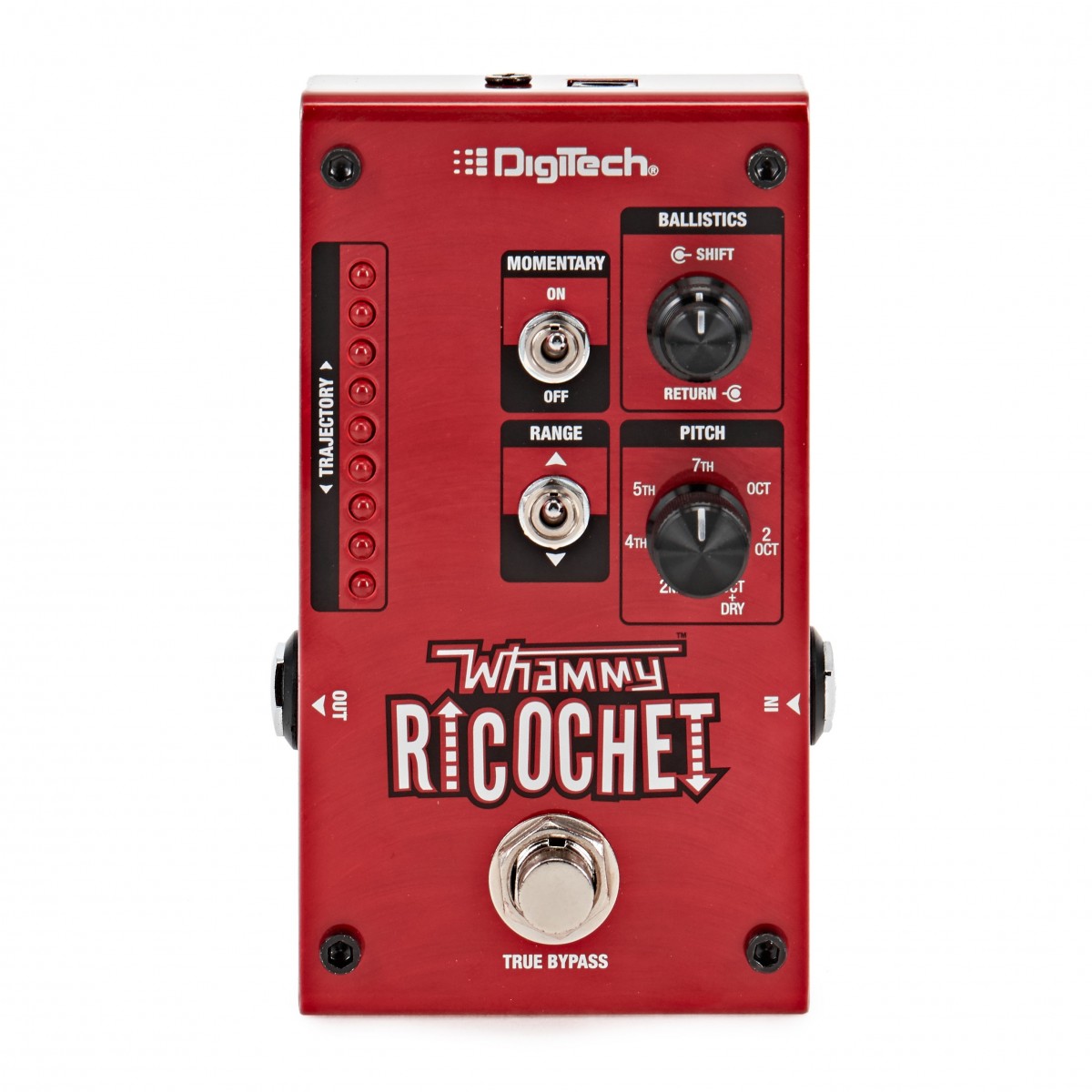
Digitech Whammy Ricochet Guitar Effects Pedal
 £85.00 ($108)
Fender
Fender Hammertone Flanger Pedal
 £19.90 ($25)
Behringer
Behringer UC200 Ultra Chorus Pedal
 £259.00 ($329)
Dunlop
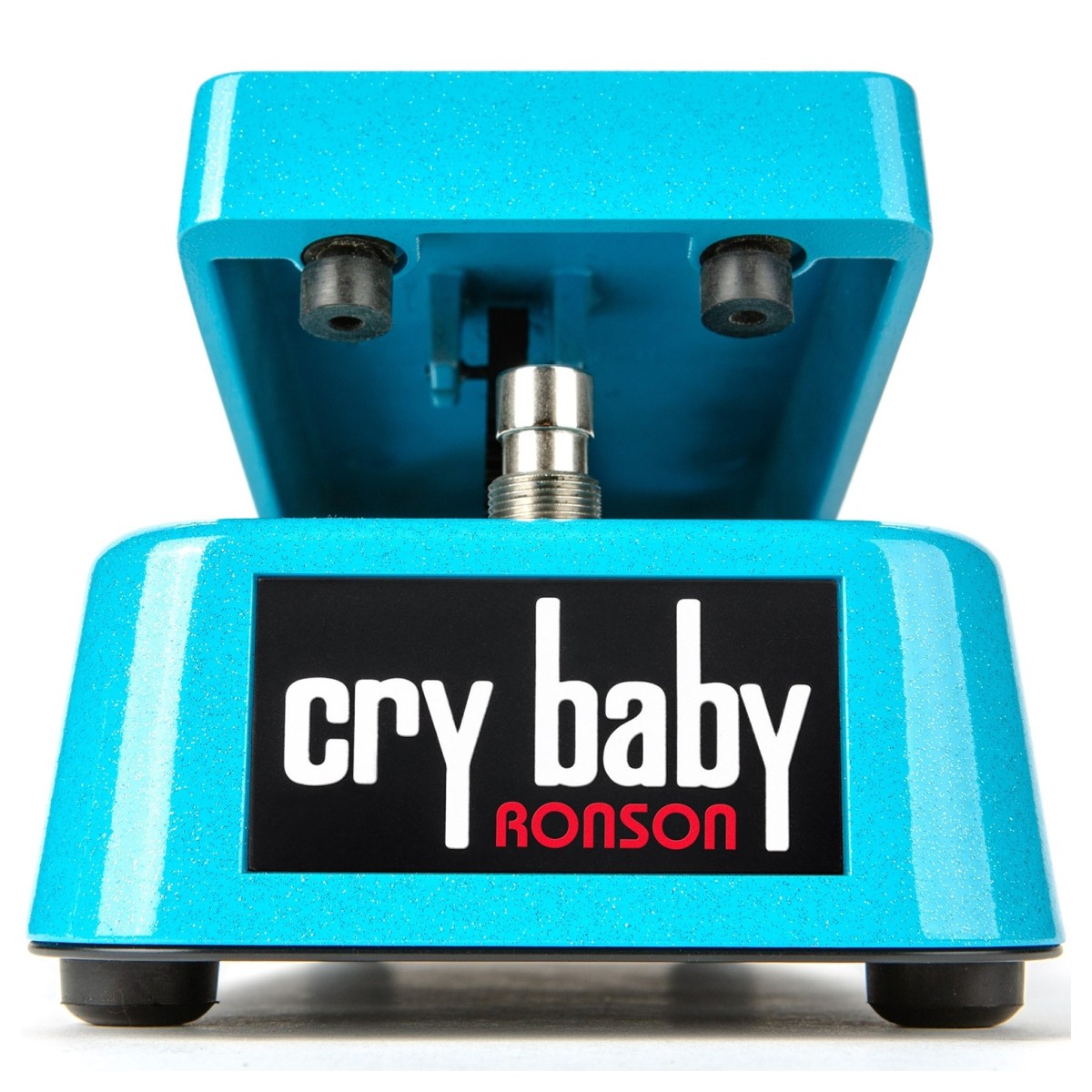
Dunlop Mick Ronson Cry Baby Wah
 £77.00 ($98)
Yamaha
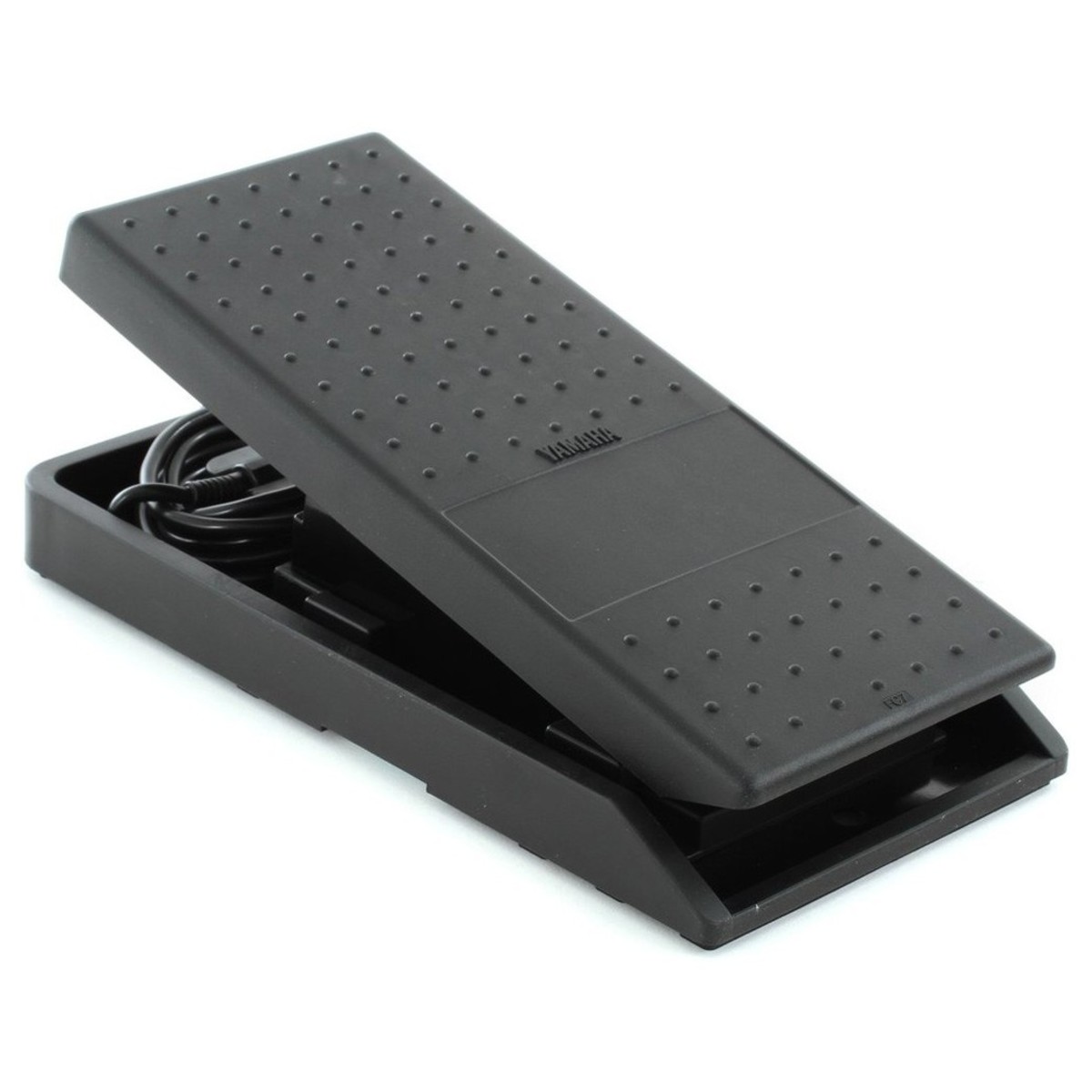
Yamaha FC7 Expression Pedal
 £175.00 ($222)
Boss
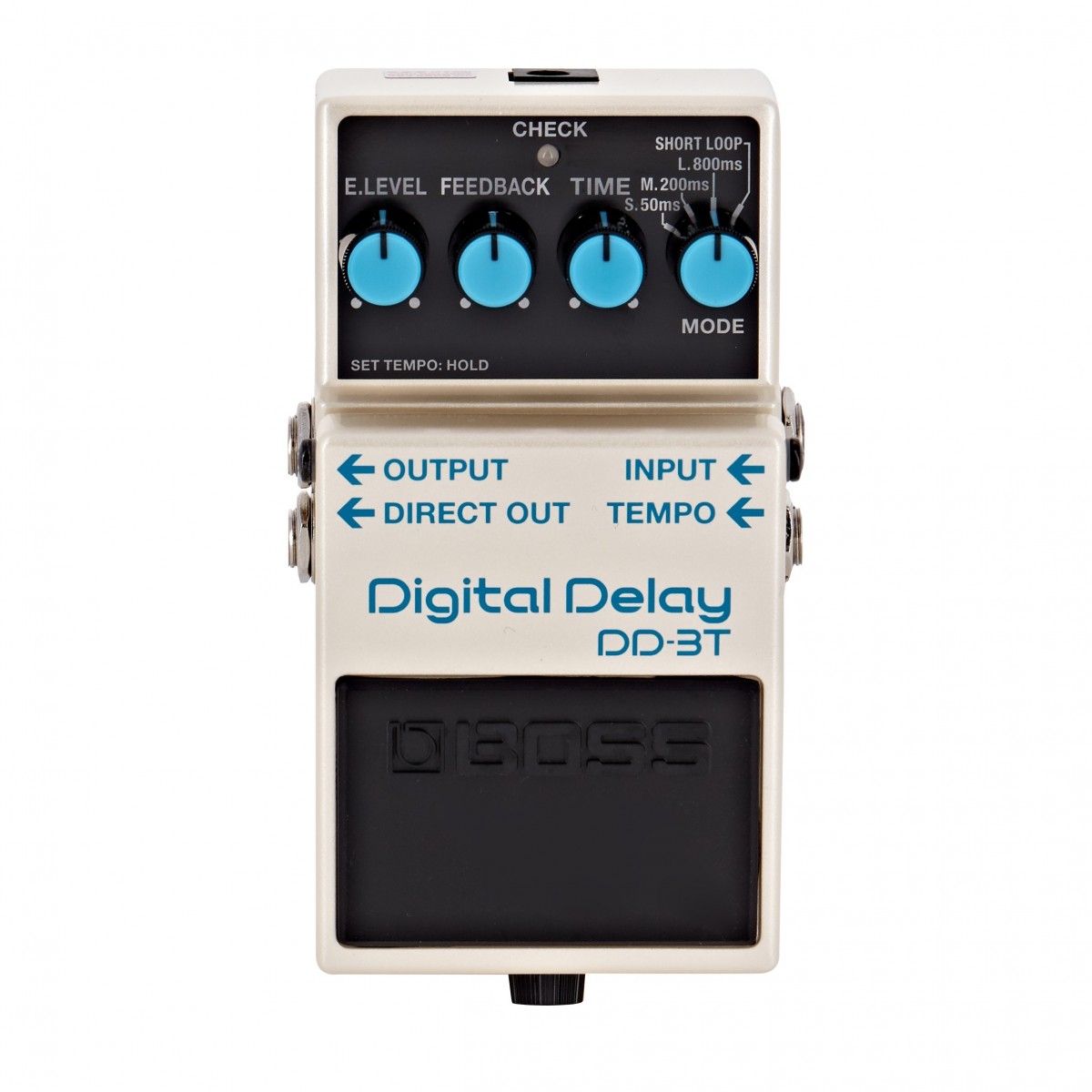
Boss DD-3T Digital Delay Pedal
 £99.10 ($126)
Boss
Boss NS-2 Noise Suppressor Guitar Pedal
Frequently asked questions
- What is the primary function of the Behringer FUZZ BENDER?
- It is a guitar effect pedal designed to create 'fuzz' distortion, specifically emulating the psychedelic rock tones of the 1960s using analog transistors.
- Does the pedal use digital or analog technology?
- The FUZZ BENDER uses an all-analog circuit. This ensures a warm, gritty sound that is traditional for vintage-style fuzz effects.
- What does the custom bias mod switch do?
- It allows the player to choose between two fuzz modes. One mode offers classic saturation, while the other provides enhanced output and increased midrange punch.
- Is the pedal True Bypass?
- Yes, it features true bypass switching. This ensures that your guitar's original tone remains unaffected when the pedal is turned off.
- How can the FUZZ BENDER be powered?
- The pedal can be powered using a standard 9V battery or a compatible DC power adapter. This provides flexibility for both home use and gigging.
- What kind of housing does the pedal have?
- It is built in a durable, retro-style housing. The design is intended to be gig-ready and withstand the rigours of live performance.
- What genres of music is this pedal best for?
- It is ideal for 1960s psychedelic rock, garage rock, and blues. Its vintage voicing is specifically tuned for these classic styles.
- How much does the Behringer FUZZ BENDER typically cost?
- The pedal is typically priced around £45. This makes it a very affordable option for guitarists seeking vintage fuzz tones.
- Can I use it with other pedals like a delay or chorus?
- Yes, it can be integrated into a signal chain with pedals like the Boss DD-3T Digital Delay or Behringer UC200 Ultra Chorus. Fuzz pedals are generally placed early in the signal chain.
- Does it produce a lot of noise?
- Like most high-gain fuzz pedals, it can produce some floor noise. Players often use a Boss NS-2 Noise Suppressor to manage this in high-gain setups.
- What makes the transistors in this pedal special?
- The pedal uses vintage-style transistors. These are selected to produce the specific 'warm' and 'gritty' harmonic distortion found in historical 1960s circuits.
- How does it compare to the EHX Big Muff?
- While both are fuzz pedals, the FUZZ BENDER focuses on 1960s transistor-style grit and bias manipulation. The Big Muff typically offers a smoother, more sustained 'wall of sound' character.