
Gear article
Behringer HPS5000 Headphones
The Behringer HPS5000 is a pair of closed-back hi-fi headphones designed for versatile applications, including studio monitoring, mixing, and general music listening. They are defined by their use of high-efficiency cobalt capsules and an ultra-wide frequency response aimed at providing high-definition bass and transparent highs at an entry-level price point.
See live pricesBackground and Design
The Behringer HPS5000 headphones represent the brand's entry into the high-performance, budget-conscious audio monitoring market. Designed to be a multi-purpose tool, these headphones are built to accommodate the needs of home studio enthusiasts, bassists requiring direct monitoring, and casual listeners alike.
The physical design features oval-shaped ear cups intended to provide a better fit around the ears compared to standard circular designs. The headband is designed for comfort during extended sessions, reflecting its intended use as a monitoring tool for recording and mixing.
Technical Features
At the core of the HPS5000 are high-efficiency cobalt capsules. Cobalt is frequently chosen in transducer design for its ability to provide strong magnetic flux, which aids in producing a high-definition bass response and maintaining clarity in 'super-transient' high frequencies.
The headphones boast an ultra-wide frequency response, ensuring that the full spectrum of audio—from deep sub-bass to delicate treble harmonics—is audible. This wide range is a key requirement for mixing tasks where accuracy across the frequency spectrum is essential.
Sound Character
The HPS5000 is engineered for high-resolution performance. The sound signature is characterised by a emphasis on high-definition bass, making it particularly suitable for monitoring bass lines or electronic music production.
In addition to the low-end focus, the cobalt capsules are tuned to deliver sharp, fast-reacting high-frequency transients. This ensures that percussive elements and sharp attacks in a recording are preserved without sounding muffled or overly compressed.
Market Comparison
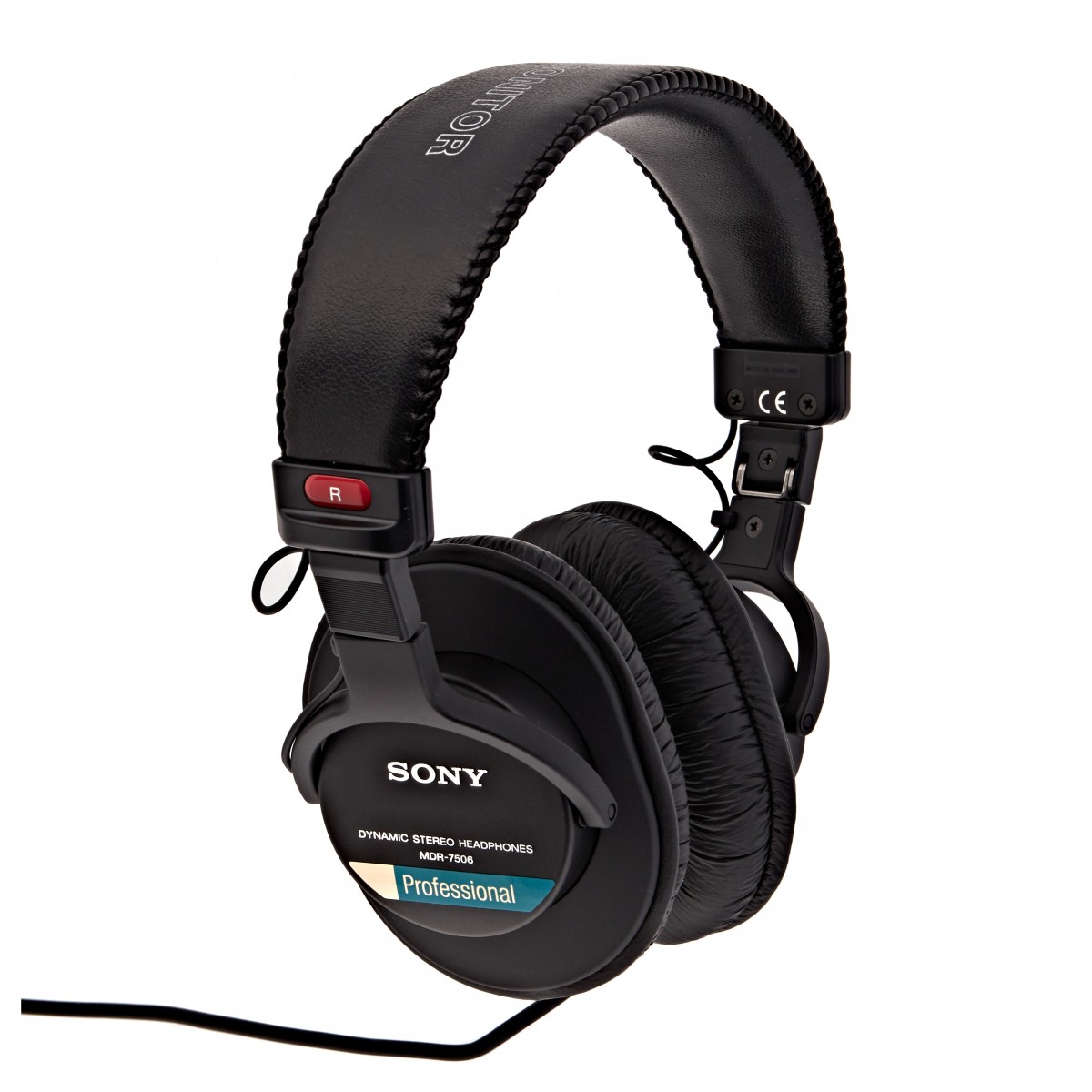
Within the professional audio market, the HPS5000 competes by offering a feature set typically found in more expensive models like the Sony MDR-7506 or the Sennheiser HD 25. While those models are industry standards for professional broadcasting and DJing, the HPS5000 targets the ultra-budget sector, often priced alongside models like the SubZero SZ-H100 or the Oqan QHP-20BK Retrofuture.
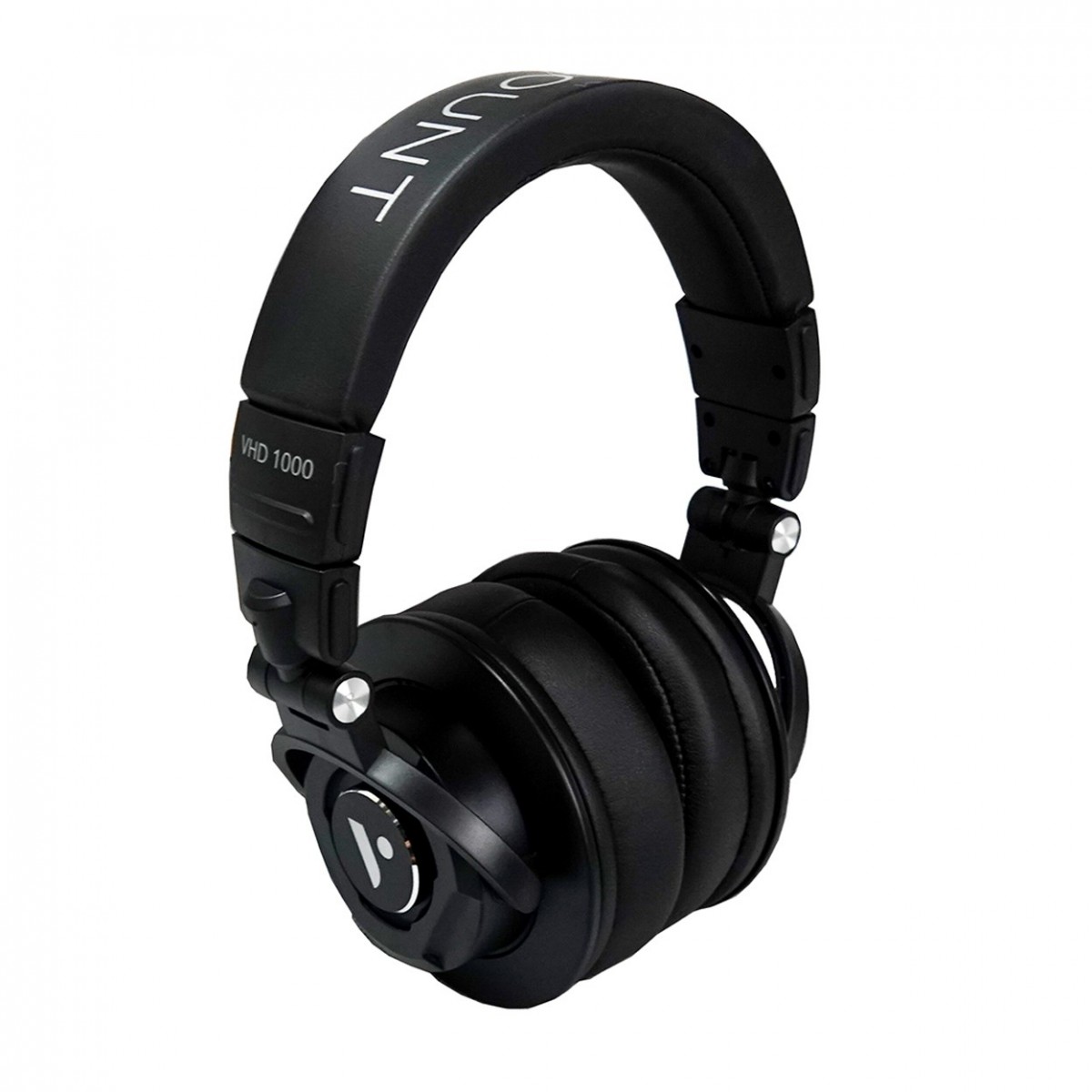
Compared to high-end monitoring solutions such as the Etymotic ER2-SE or the Viscount VHD-1000, the HPS5000 provides a more accessible entry point for those beginning their journey in audio production or those requiring a reliable secondary monitoring pair.
Related gear
 £452.00 ($574)
AlphaTheta
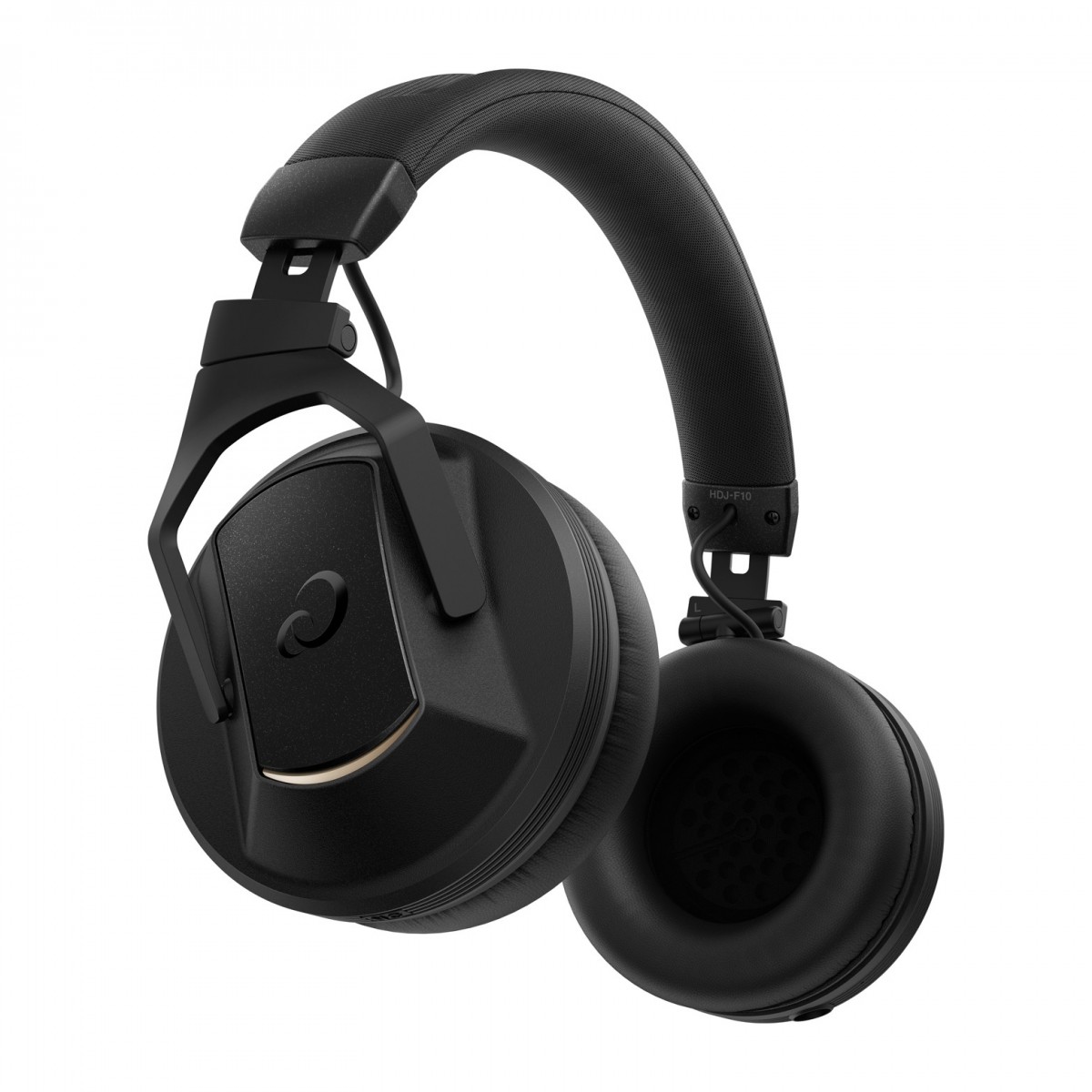
AlphaTheta HDJ-F10 Wireless DJ Headphones
 £19.00 ($24)
Oqan
Oqan QHP-20BK RETROFUTURE Dynamic Headphones
 £14.99 ($19)
SubZero
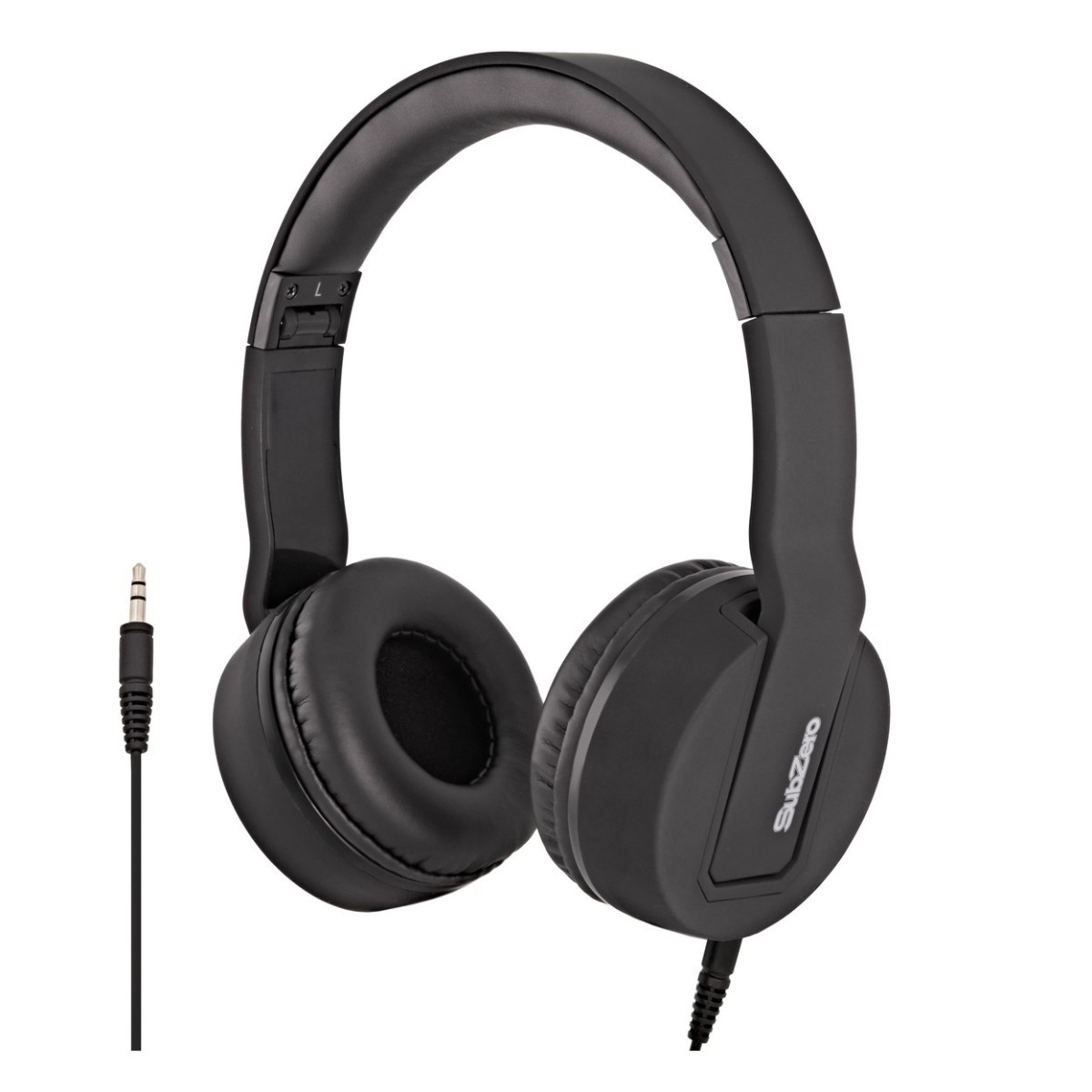
SubZero SZ-H100 Stereo Headphones
 £169.00 ($215)
Etymotic
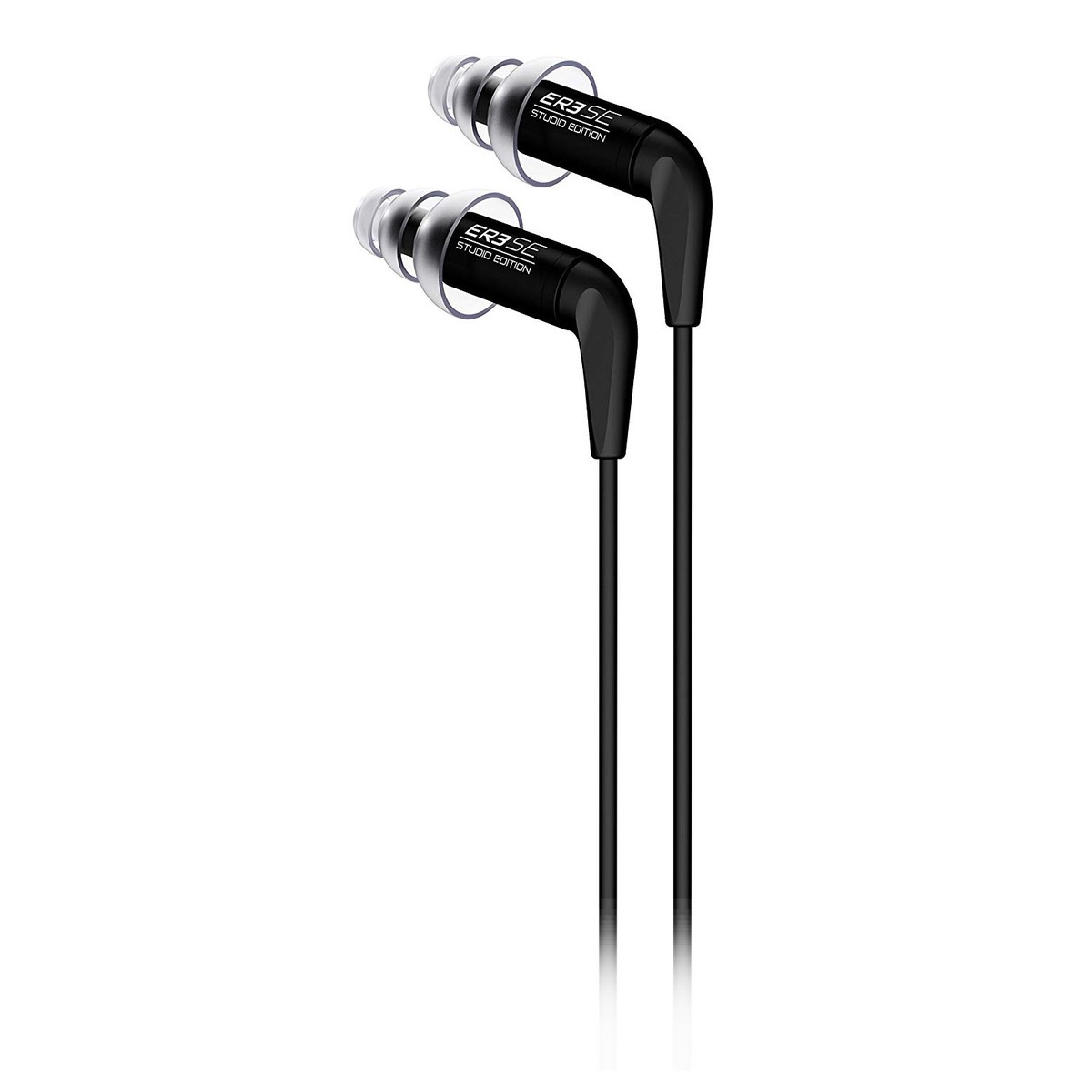
Etymotic ER2-SE Earphones (Studio Edition)
 £39.00 ($50)
LD Systems
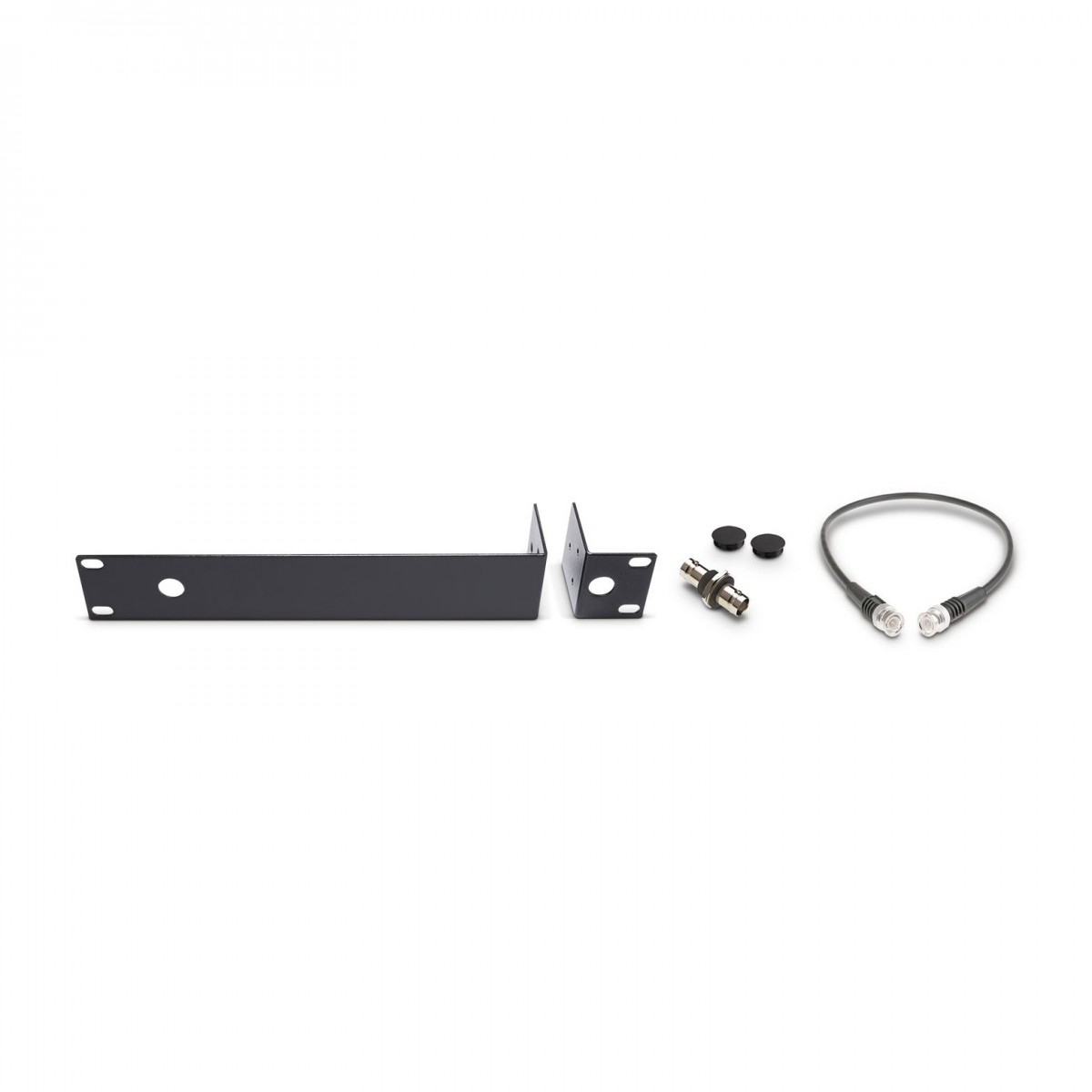
LD Systems UIEMRK Rack Mount Kit for U500/U300 IEM Receiver
 £75.00 ($95)
Viscount Organs
Viscount VHD-1000 Headphones
 £117.00 ($149)
Sennheiser
Sennheiser HD 25 Headphones
 £99.00 ($126)
Sony
Sony MDR-7506/1 Professional Stereo Headphones
Frequently asked questions
- What is the primary use case for the Behringer HPS5000?
- The HPS5000 is designed as a versatile headphone for mixing recordings, monitoring bass lines, or general music enjoyment. Its wide frequency response makes it suitable for both professional-style monitoring and casual listening.
- What type of capsules do these headphones use?
- These headphones utilise high-efficiency cobalt capsules. This material choice is intended to improve sensitivity and provide high-definition audio across the frequency range.
- Are the ear cups circular or oval?
- The Behringer HPS5000 features optimised oval-shaped ear cups. This shape is designed to provide a more ergonomic fit for the wearer compared to traditional round ear cups.
- What is the typical price for the HPS5000 in the UK?
- The typical price range for these headphones is approximately GBP 10. This makes them one of the most affordable monitoring options available on the market.
- Do these headphones provide good bass response?
- Yes, they are specifically described as delivering a high-definition bass response. The cobalt capsules are optimised to ensure that low frequencies are reproduced clearly.
- How does the frequency response compare to standard headphones?
- The HPS5000 features an ultra-wide frequency response. This allows for a more detailed representation of super-transient highs and deep lows that standard consumer headphones might miss.
- Are these headphones comfortable for long sessions?
- Behringer has designed these headphones with a comfortable headband and optimised ear cups. These features are intended to allow for extended periods of use during mixing or monitoring.
- Can I use the HPS5000 for professional studio mixing?
- While they are marketed for mixing recordings, their ultra-affordable price point makes them more common in home studios or as a secondary reference. They offer high-resolution performance suited for a range of recording applications.
- How do they compare to the Sony MDR-7506?
- The Sony MDR-7506 is a higher-priced industry standard for professional audio. The Behringer HPS5000 provides a similar form factor and intent but at a significantly lower price point for budget-conscious users.
- What does 'super-transient highs' mean in this context?
- This refers to the headphones' ability to accurately reproduce fast, sharp sounds like drum hits or string plucks. The cobalt capsules are designed to react quickly to these audio signals.
- Is the cable detachable on the HPS5000?
- Based on standard manufacturer specifications for this model, the cable is typically fixed. This is common for headphones in this specific budget price range.
- Are these suitable for bass guitar monitoring?
- Yes, the manufacturer specifically highlights monitoring a bass line as a primary application. The high-definition bass response helps the player hear the nuances of their instrument.