
Gear article
Behringer NR300 Noise Reduction Pedal
The Behringer NR300 is a dedicated noise reduction effects pedal designed to eliminate unwanted hum and background noise from a guitar signal chain. It is particularly effective at managing the interference commonly associated with single-coil pickups, providing two distinct modes for signal restoration and suppression.
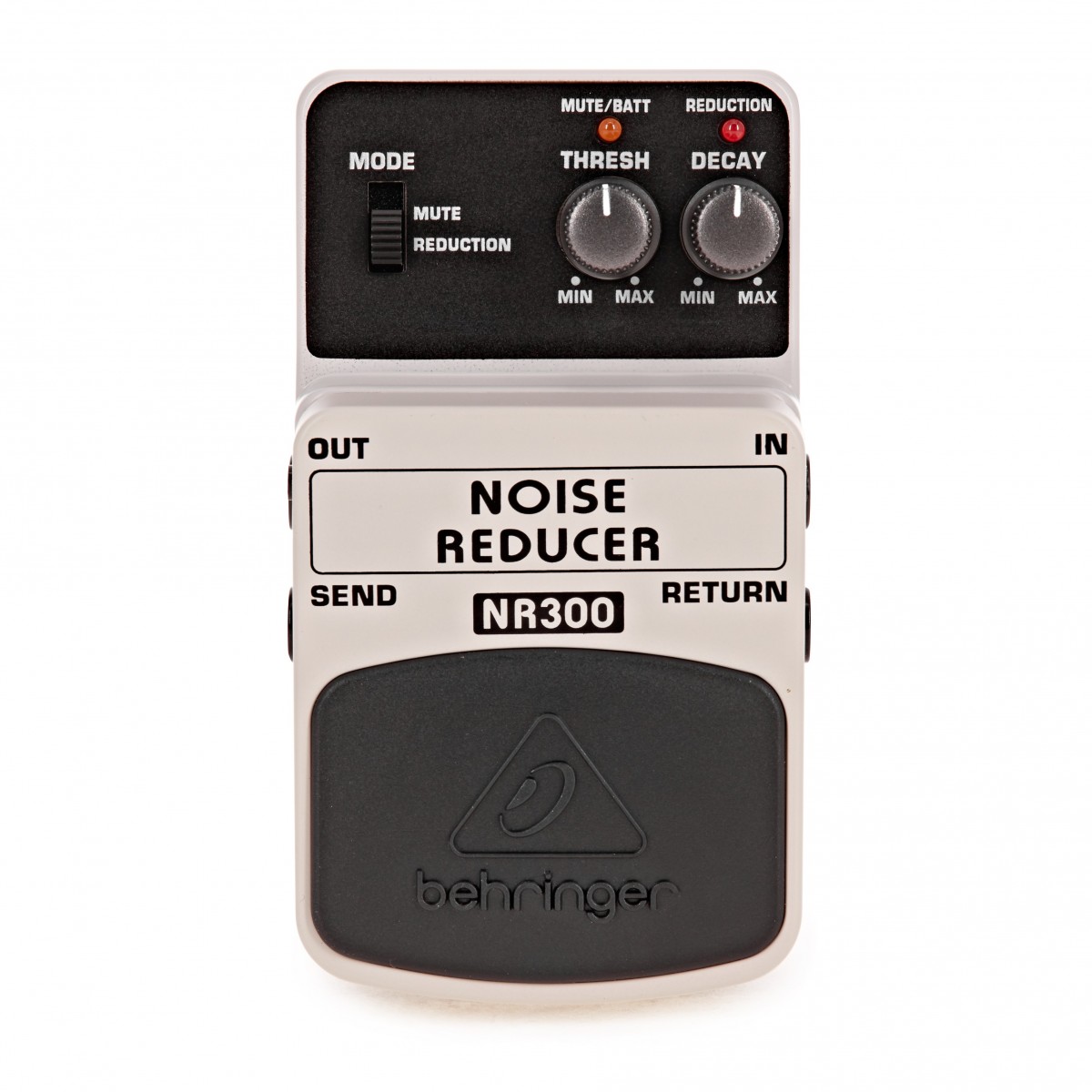
Overview
The Behringer NR300 Noise Reduction Pedal serves as a utility tool for guitarists and bassists looking to clean up their signal path. It is primarily marketed as a cost-effective solution for removing 'pesky hum' and unwanted electronic interference without compromising the original integrity of the instrument's tone. The pedal is housed in a standard Behringer chassis and is designed for both studio use and live performances where electronic noise can be problematic.
Key Features and Operation
The NR300 operates using a dedicated combination of Threshold and Decay controls.
- Threshold: This knob determines the level at which the pedal begins to act on the signal. By setting the threshold, the user can define the point where the noise gate closes to silence the background hum.
- Decay: This control dictates how quickly the sound fades out once the signal drops below the threshold. A longer decay ensures that sustained notes are not abruptly cut off, maintaining a more natural performance feel.
The pedal features a dual-mode switch (Reduction and Mute). In Reduction mode, the pedal acts as a traditional noise gate; in Mute mode, the pedal acts as a kill-switch, completely silencing the output when engaged.
Sound Character
The primary sound characteristic of the NR300 is transparency. Its goal is to provide absolute clarity for 'crisp clean notes' by isolating the musical signal from unwanted background artifacts. It is specifically tailored to address the 60-cycle hum and buzzing more synonymous with single-coil pickups, though it is also effective in high-gain signal chains where pedal hiss is prevalent.
Market Position and Alternatives
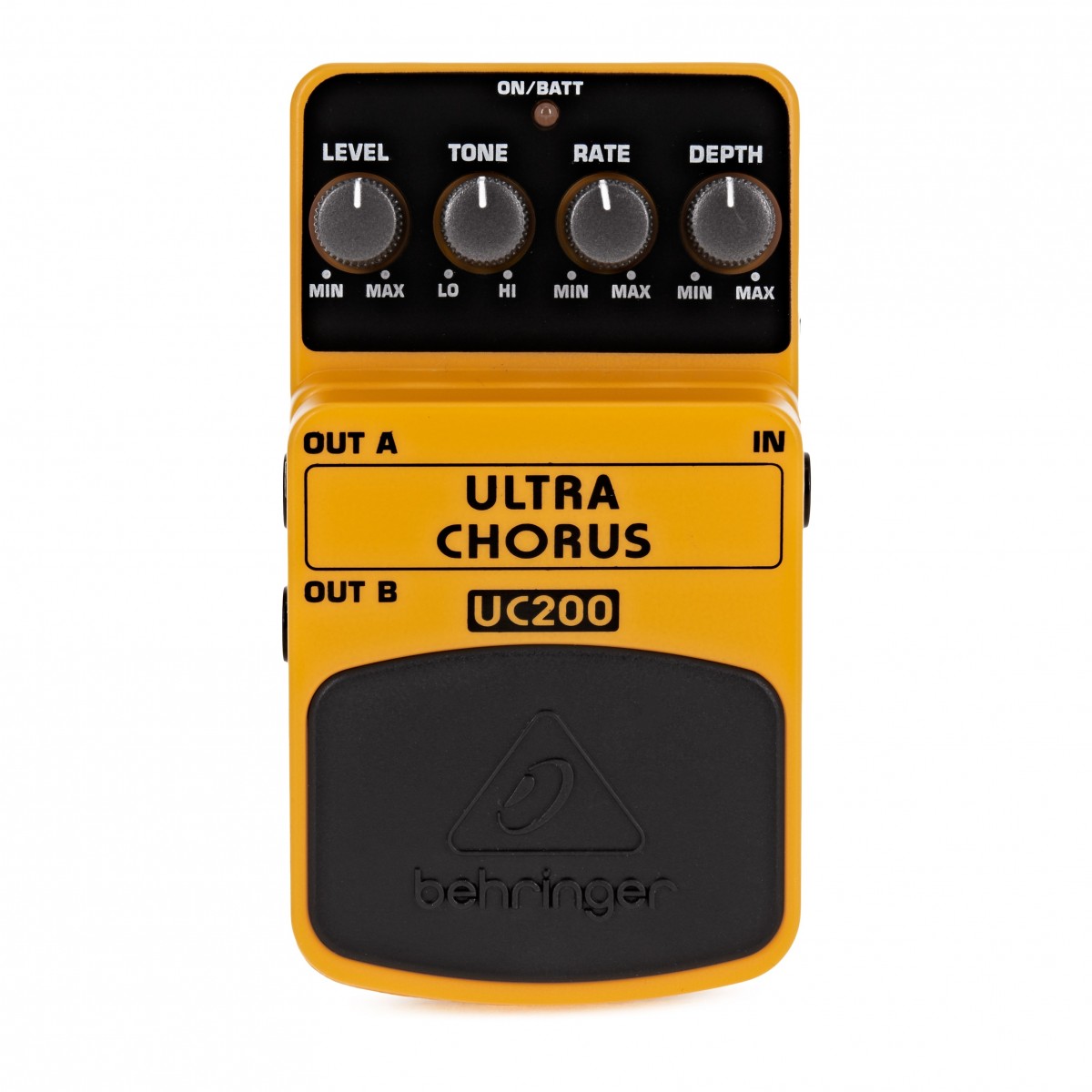
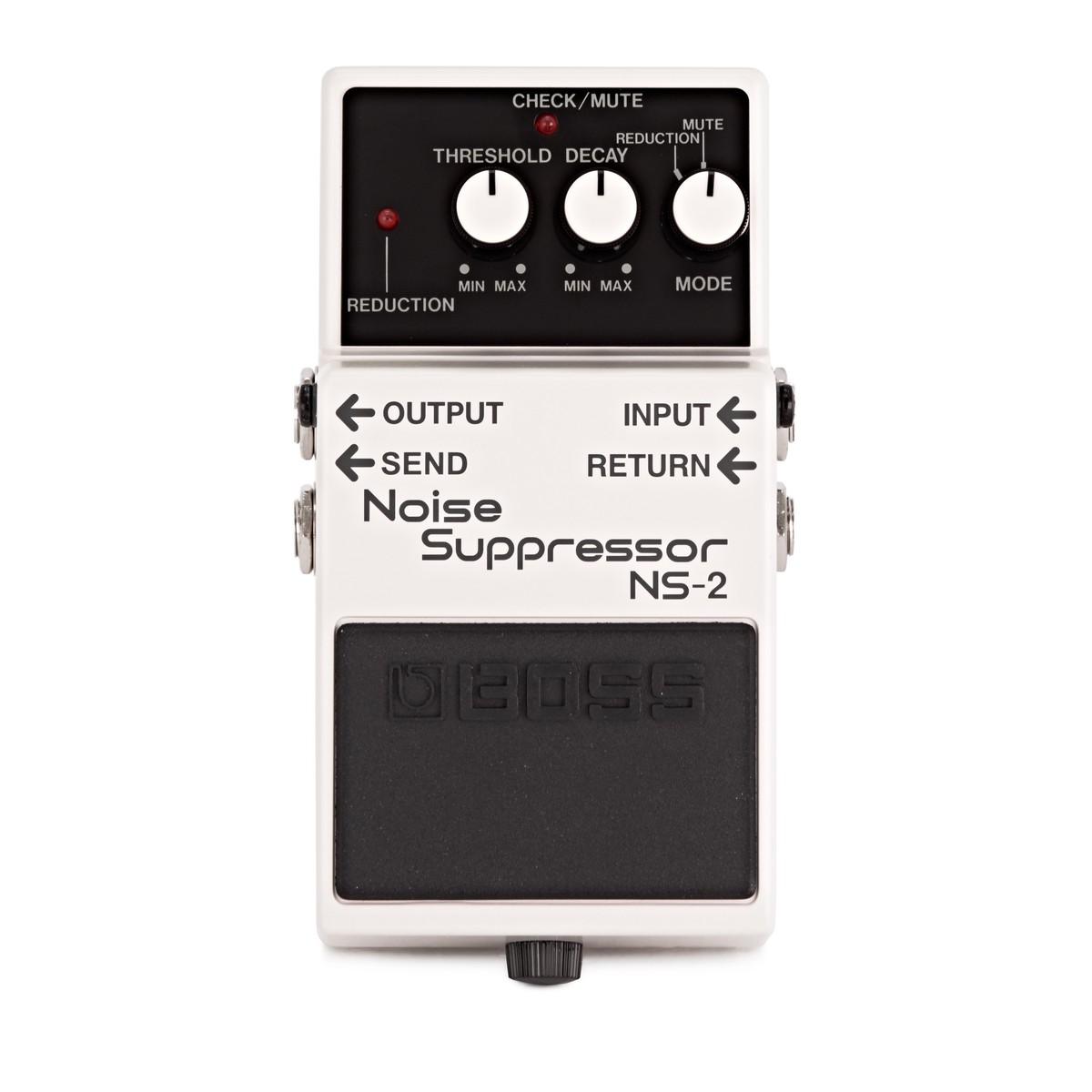
Occupying the budget-friendly segment of the market at approximately £23, the NR300 is often compared to more expensive industry standards. Its most direct functional counterpart is the Boss NS-2 Noise Suppressor, which utilizes a similar detection circuit and loop structure. While the NS-2 is built in a metal enclosure, the NR300 offers the same control layout and noise reduction capabilities at a significantly lower price point. Other utility pedals in this broad ecosystem include the Behringer UC200 Ultra Chorus and the Fender Hammertone Flanger, though these serve creative rather than corrective purposes.
Related gear
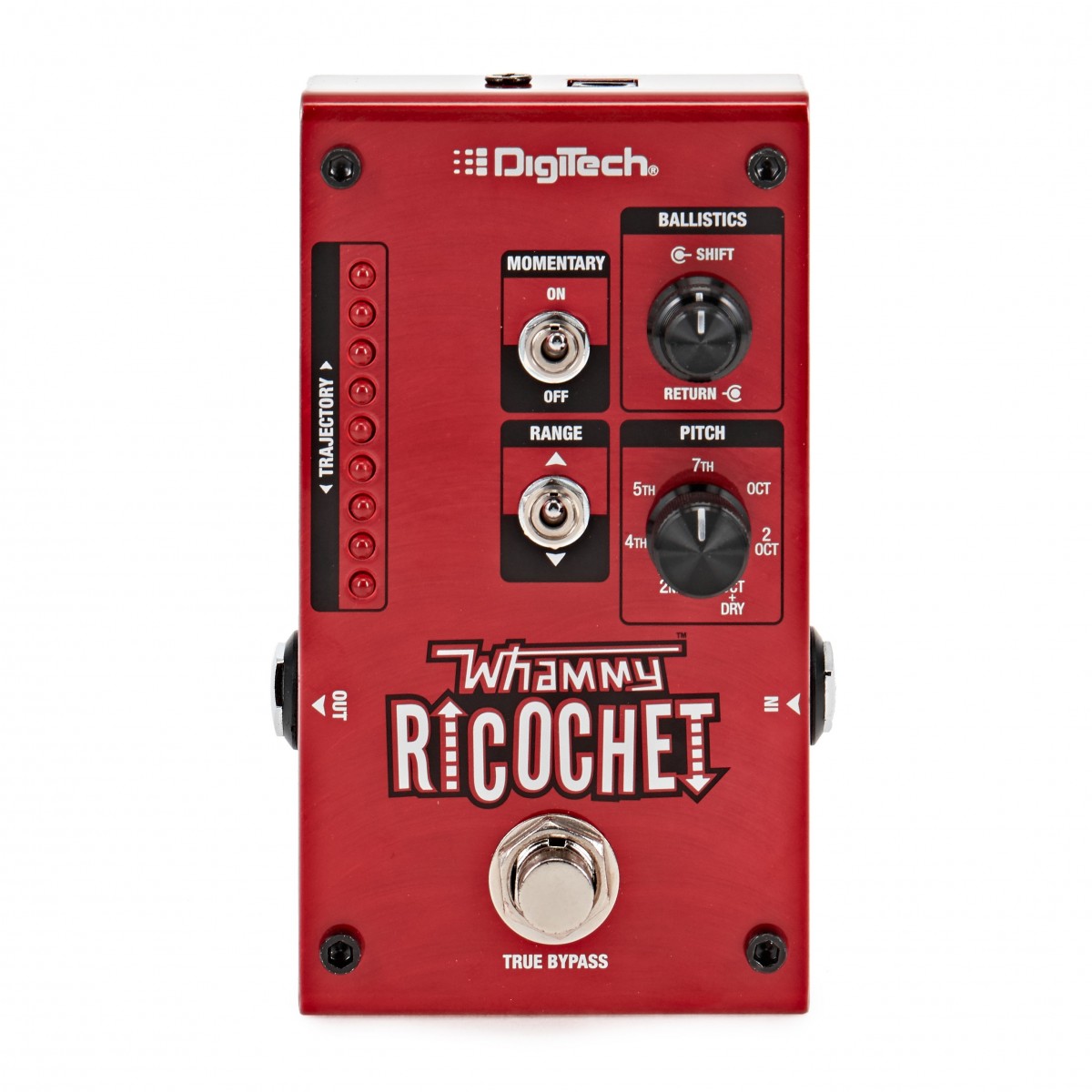 £119.00 ($151)
Digitech
Digitech Whammy Ricochet Guitar Effects Pedal
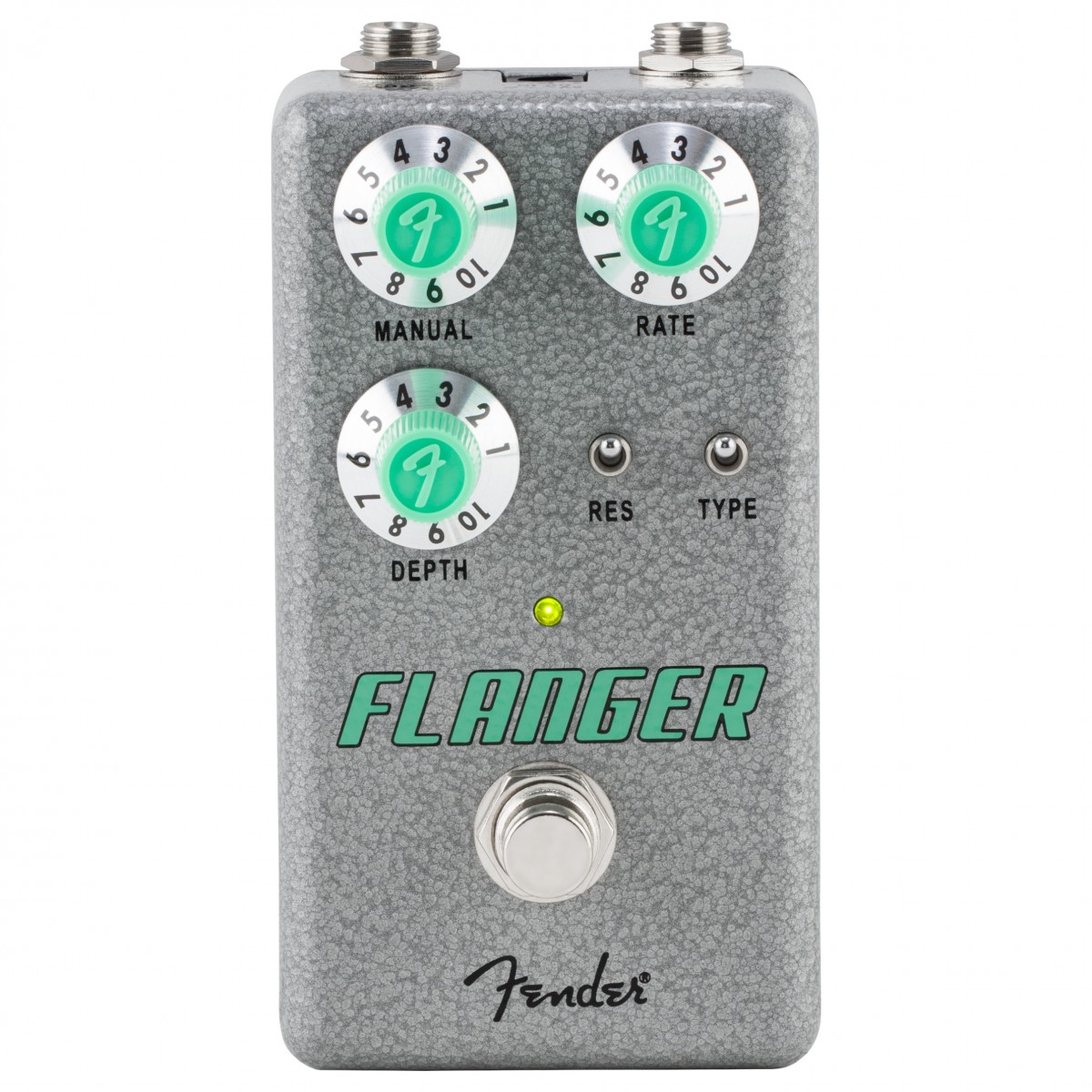 £85.00 ($108)
Fender
Fender Hammertone Flanger Pedal
 £23.00 ($29)
Behringer
Behringer UC200 Ultra Chorus Pedal
 £259.00 ($329)
Dunlop
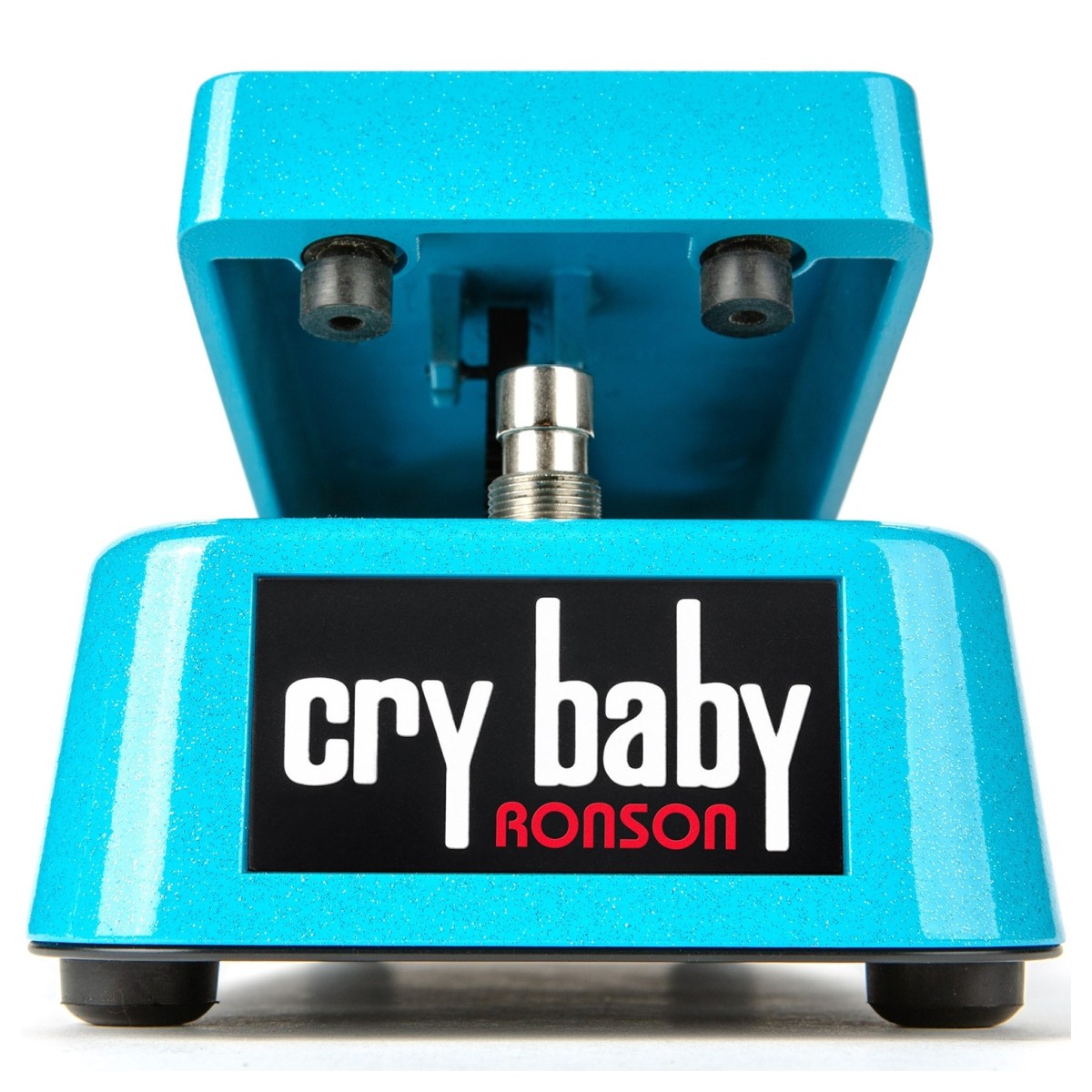
Dunlop Mick Ronson Cry Baby Wah
 £109.00 ($138)
Fender
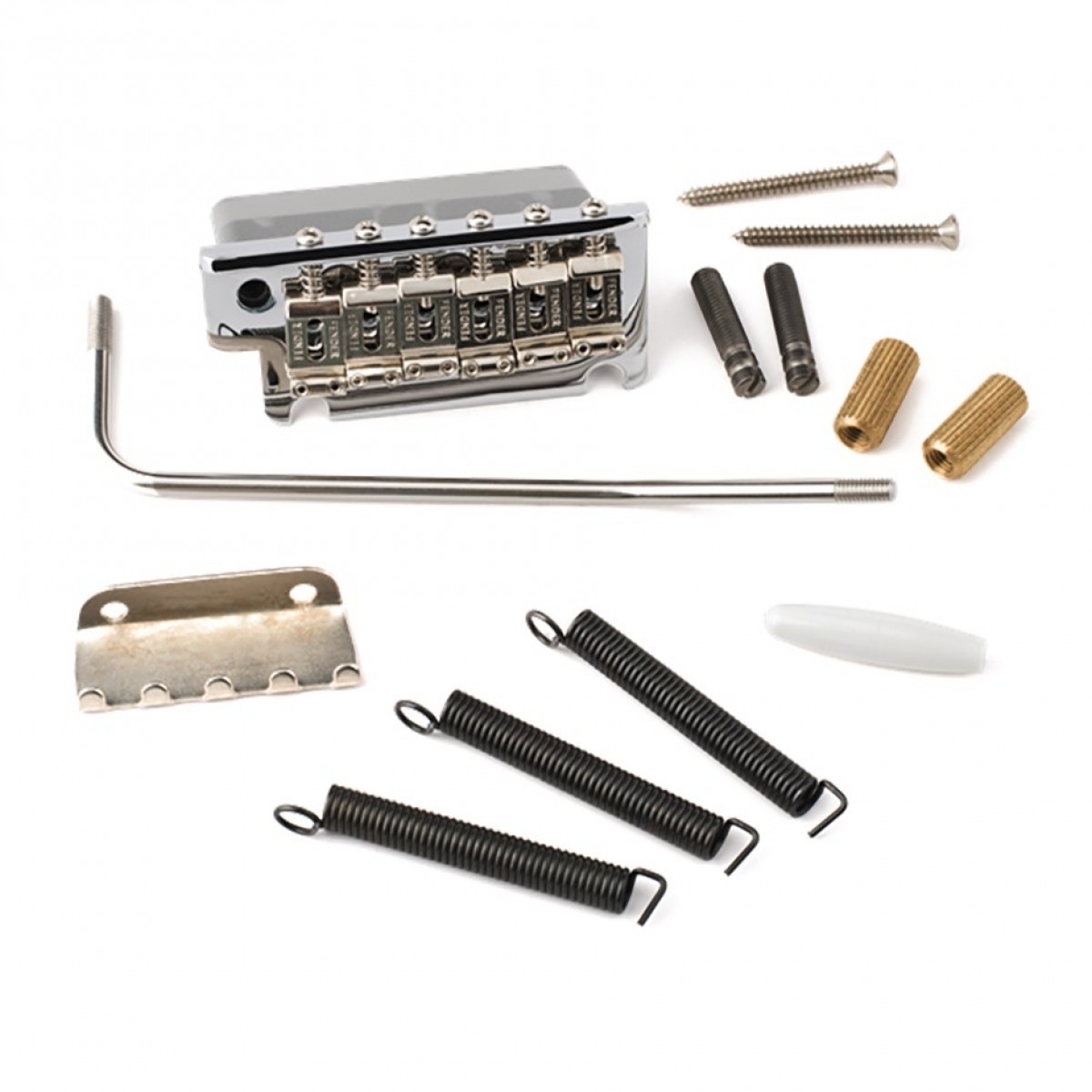
Fender American Standard Stratocaster Tremolo Bridge Assembly Chrome
- £78.60 ($100)
Yamaha
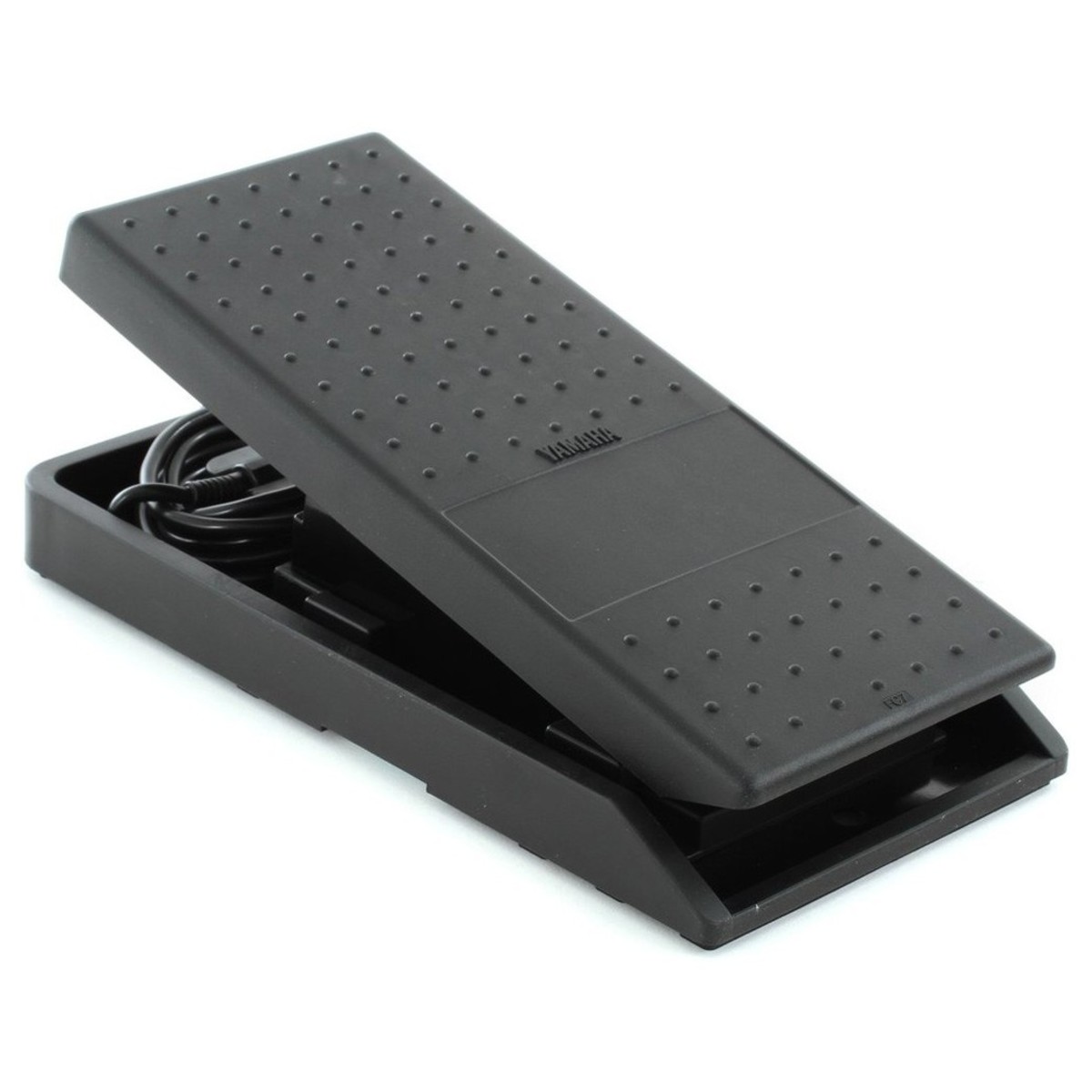
Yamaha FC7 Expression Pedal
 £175.00 ($222)
Boss
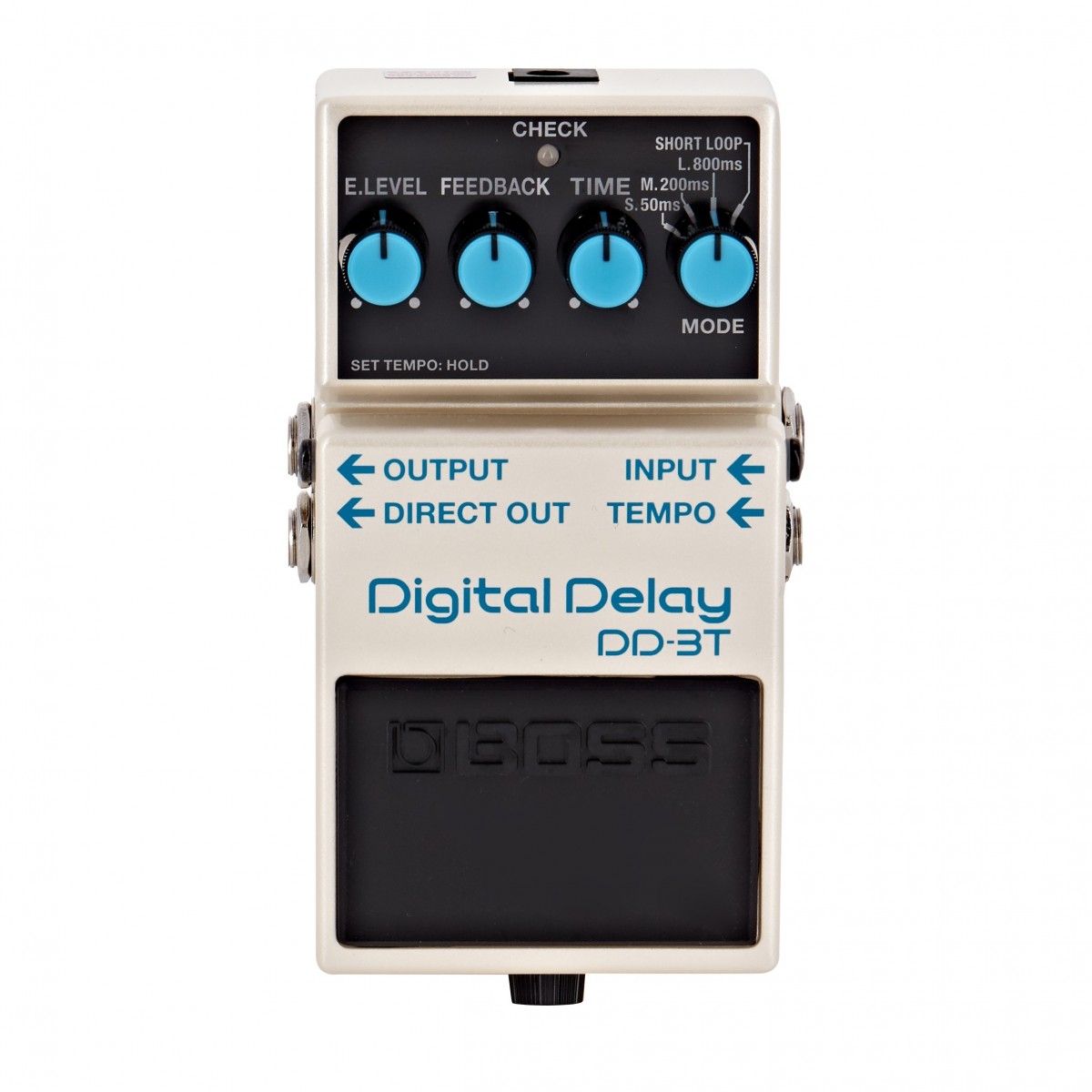
Boss DD-3T Digital Delay Pedal
 £99.10 ($126)
Boss
Boss NS-2 Noise Suppressor Guitar Pedal
Frequently asked questions
- What is the primary purpose of the Behringer NR300?
- The primary purpose is to remove unwanted background noise, such as hum and hiss, from a guitar or bass signal. It helps maintain clarity by silencing the signal when the musician is not playing.
- How does the Threshold control work?
- The Threshold control sets the volume level at which the noise gate activates. Turning it up allows the pedal to filter out louder background noises, ensuring only the intended performance passes through.
- What does the Decay control do on this pedal?
- The Decay control adjusts how fast the noise reduction kicks in after you stop playing. This allows for a more natural fade-out of sustained notes rather than an instant, choppy cut-off.
- Can the NR300 be used as a kill-switch?
- Yes, by setting the pedal to 'Mute' mode, it functions as a master kill-switch. This allows the user to completely silence the signal chain instantly using the footswitch.
- Is the NR300 effective for single-coil pickups?
- Yes, it is specifically designed to address the hum often synonymous with single-coil pickups found on guitars like the Fender Stratocaster. It isolates the clear notes from the underlying electronic interference.
- How much does the Behringer NR300 typically cost?
- The pedal generally retails for approximately £23 in the UK market. This makes it one of the most affordable noise reduction options available to guitarists.
- Does this pedal require a battery or external power?
- The NR300 can be powered by a standard 9V battery or a regulated 9V DC power supply. This versatility allows it to fit into most existing pedalboard setups.
- How does the NR300 compare to the Boss NS-2?
- The NR300 is a functional alternative to the Boss NS-2, sharing a similar control layout and noise-sensing technology. The main difference lies in the enclosure material and the significantly lower price of the Behringer unit.
- Where should the NR300 be placed in a pedalboard chain?
- It is most effective when placed after noisy pedals like overdrives and distortions but before time-based effects like the Behringer UC200 or Boss DD-3T. This prevents the gate from cutting off delay trails or reverb decays.
- What is 'Reduction' mode?
- Reduction mode is the standard operating state where the pedal actively suppresses noise while allowing the guitar signal to pass through. It only engages when the input signal drops below the user-defined threshold.
- Does the NR300 affect the tone of the guitar?
- The pedal is designed to be transparent and protect the original sound of the instrument. When dialed in correctly, it should remove background noise without altering the frequency response of the clean notes.
- Is the NR300 suitable for high-gain metal players?
- Yes, it is highly useful for high-gain setups where distortion pedals and loud amplifiers create significant hiss. It helps provide tight stops and starts in rhythm playing by cutting off feedback and noise instantly.