
Gear article
Behringer OCTAVIA OCTAVE FUZZ
The Behringer OCTAVIA OCTAVE FUZZ is an analog guitar effects pedal designed to replicate the vintage 1960s octave-up fuzz sound. It utilises silicone transistors to produce an aggressive, harmonically rich tone that responds dynamically to a player's touch and instrument choice.
See live pricesOverview
The Behringer OCTAVIA OCTAVE FUZZ is a modern recreation of the classic octave-up fuzz effect that defined the sound of psychedelic rock in the late 1960s. The pedal is specifically engineered to provide guitarists with access to these vintage textures at an accessible price point. Its design focuses on simplicity and durability, featuring a robust housing that maintains a classic aesthetic while ensuring reliability for both stage and studio use.
Circuitry and Functionality
At the heart of the OCTAVIA are silicone transistors, which provide the high-gain, bold clipping necessary for the octave-up effect. Unlike digital pitch shifters, this analog circuit generates the octave through frequency doubling, resulting in a unique harmonic interplay. The unit is designed to be highly responsive to the guitar's volume pot and the player's picking dynamics. It also features true bypass switching, which ensures that the dry signal remains unaffected and pristine when the effect is disengaged.
Sound Character
The sonic signature of the OCTAVIA is aggressive and vintage-voiced. By combining a heavy fuzz with a secondary note an octave higher than the original pitch, it creates a 'fluty' or 'metallic' lead tone, particularly when played above the 12th fret. The pedal works seamlessly with various pickup types, though it is famously sensitive to neck pickup configurations, which often yield the strongest octave clarity.
Power and Connectivity
The pedal offers flexible power options to suit different player needs. It can be powered by a standard 9 V alkaline battery for portable use or via the Behringer PSU-SB DC power supply for permanent pedalboard installations. The input and output jacks are positioned on the sides of the housing, following standard effects pedal conventions.
Comparison to Alternatives
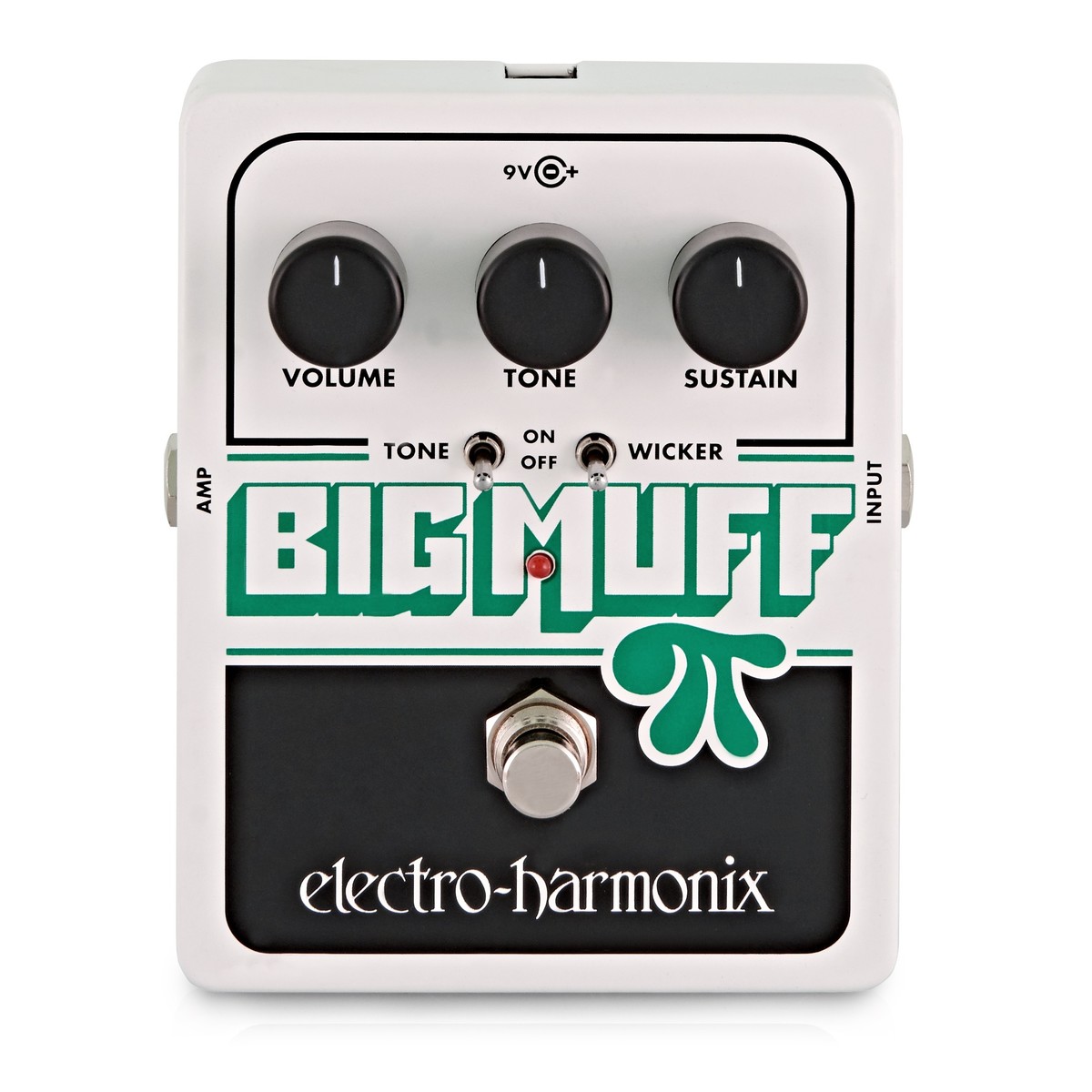
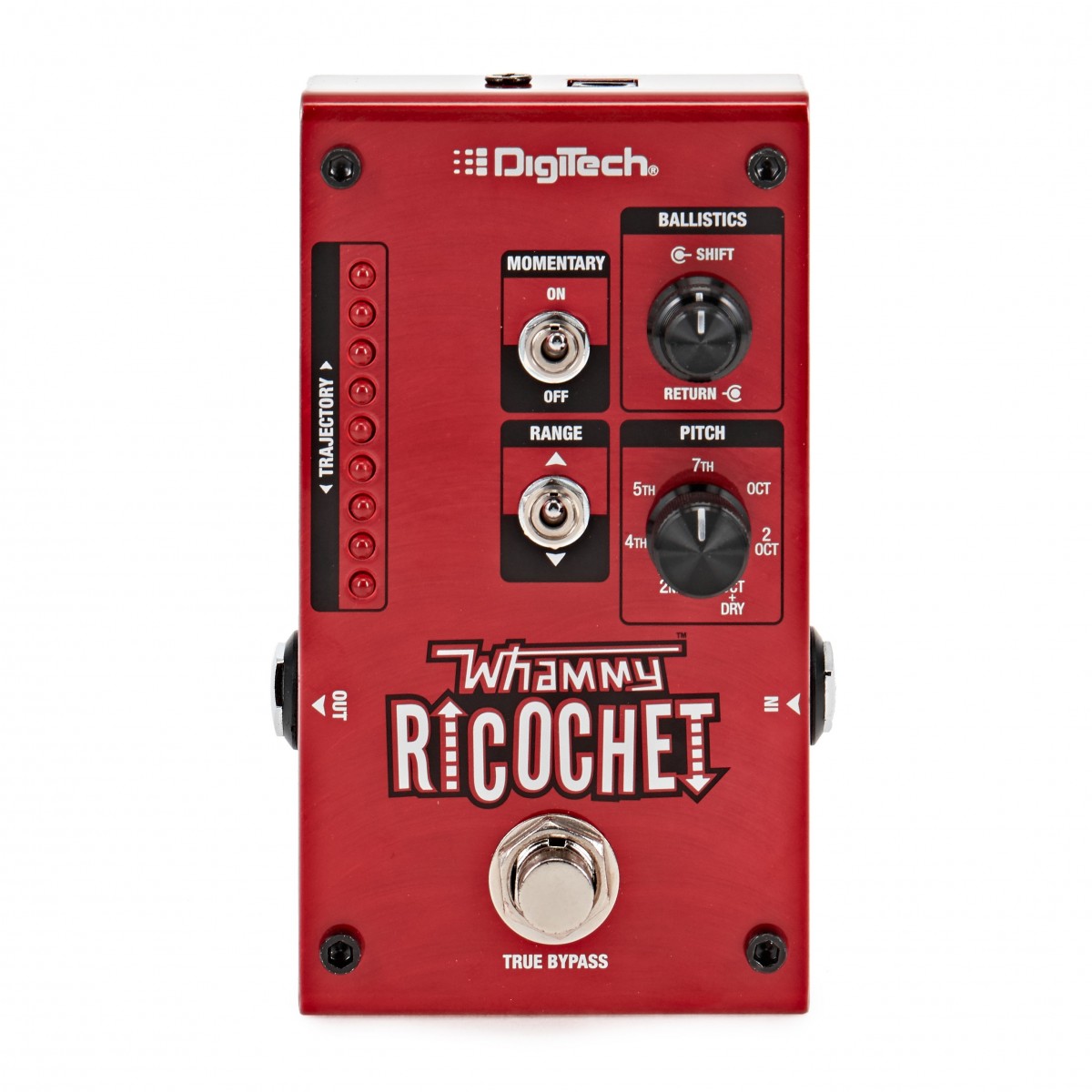
Compared to other effects, such as the Electro-Harmonix Big Muff which focuses on thick sustain, the OCTAVIA is thinner and more harmonically complex due to its octave generation. While digital options like the DigiTech Whammy Ricochet offer precise pitch shifting across multiple intervals, the OCTAVIA provides a more raw, analog grit that is inseparable from the fuzz itself. It occupies a niche similar to the Dunlop Mick Ronson Cry Baby Wah in that it is designed for expressive, vintage-inflected lead playing.
Related gear
 £97.00 ($123)
Electro Harmonix
Electro Harmonix Big Muff Distortion Sustainer w/ Tone Wicker
 £129.00 ($164)
Digitech
Digitech Whammy Ricochet Guitar Effects Pedal
 £85.00 ($108)
Fender
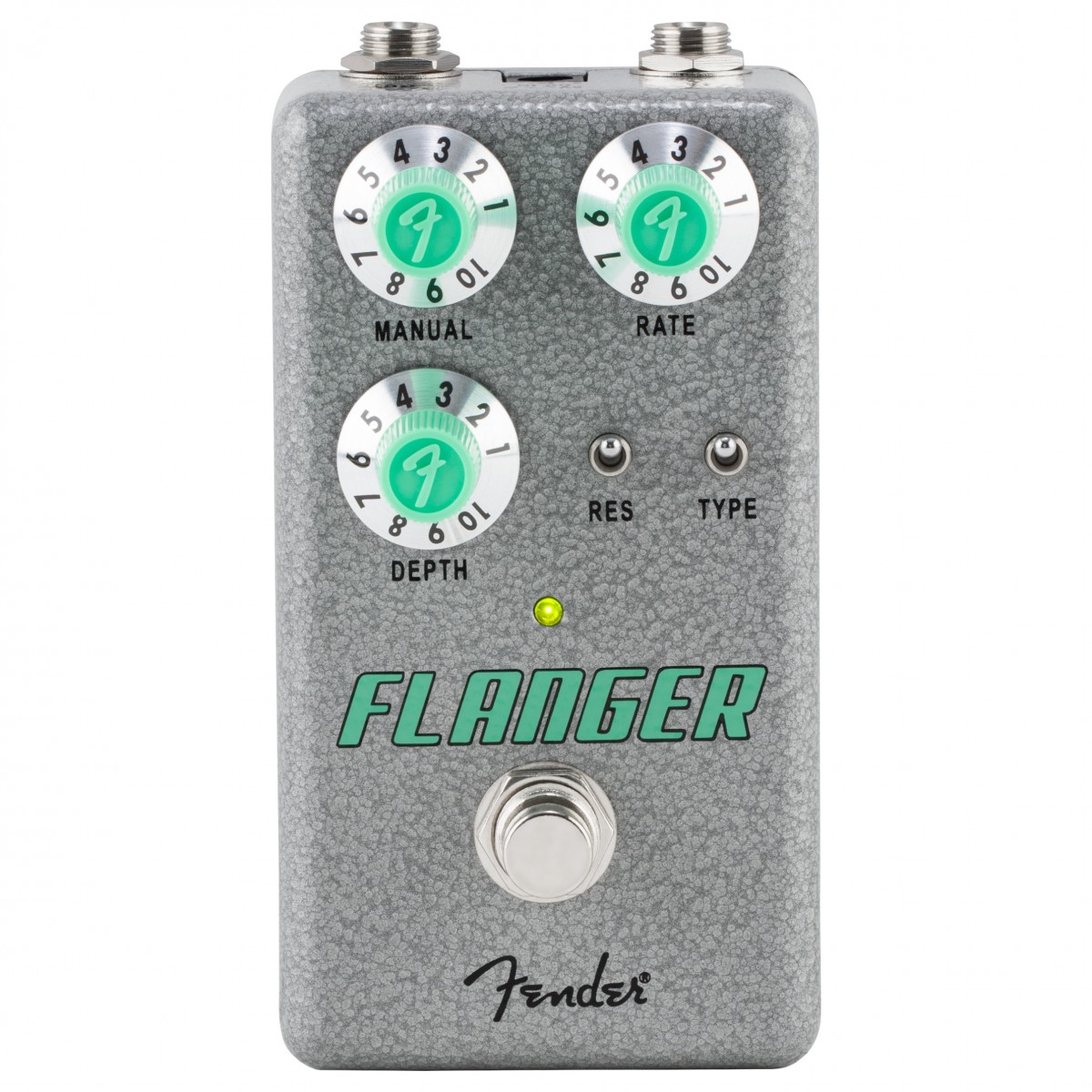
Fender Hammertone Flanger Pedal
 £19.90 ($25)
Behringer
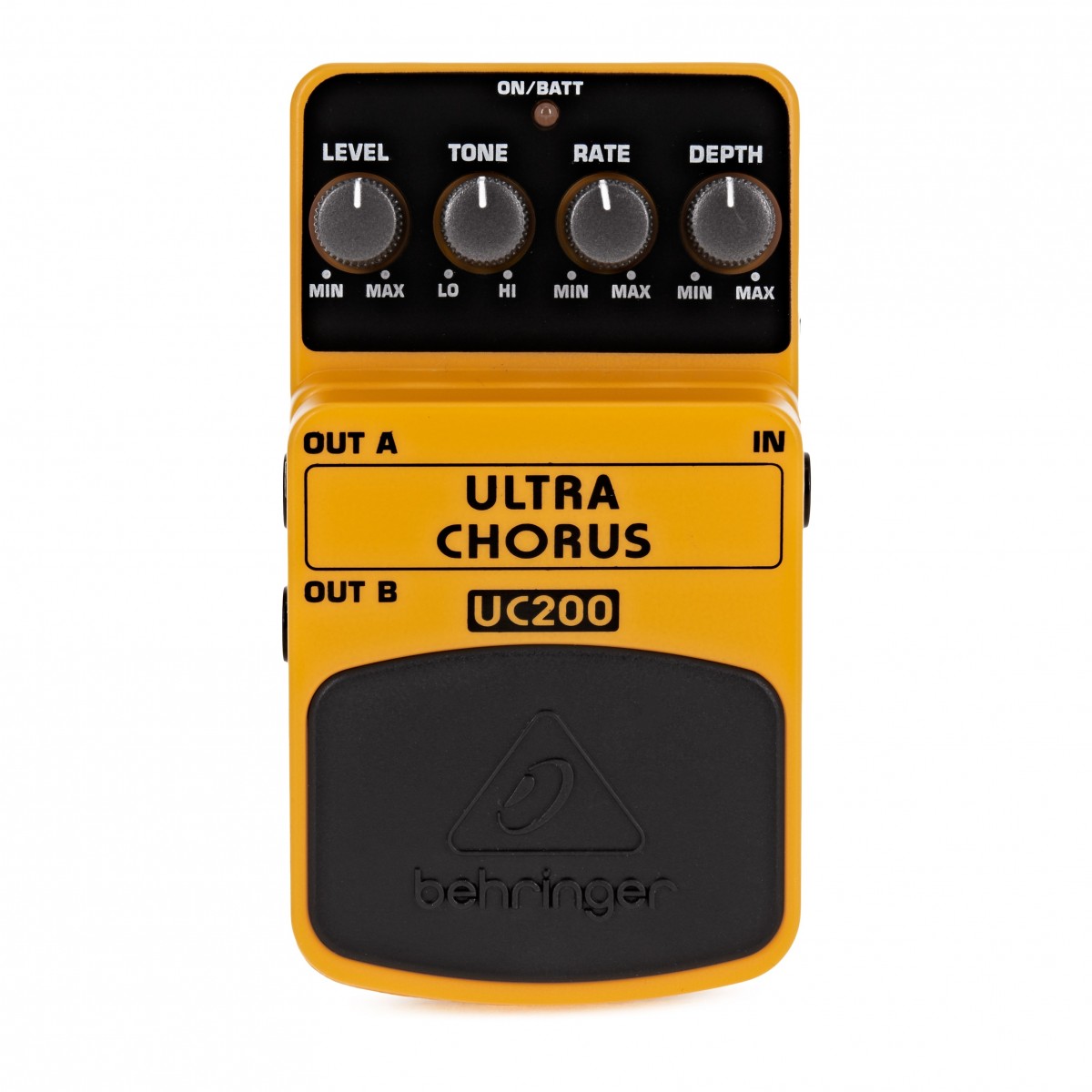
Behringer UC200 Ultra Chorus Pedal
 £259.00 ($329)
Dunlop
Dunlop Mick Ronson Cry Baby Wah
 £77.00 ($98)
Yamaha
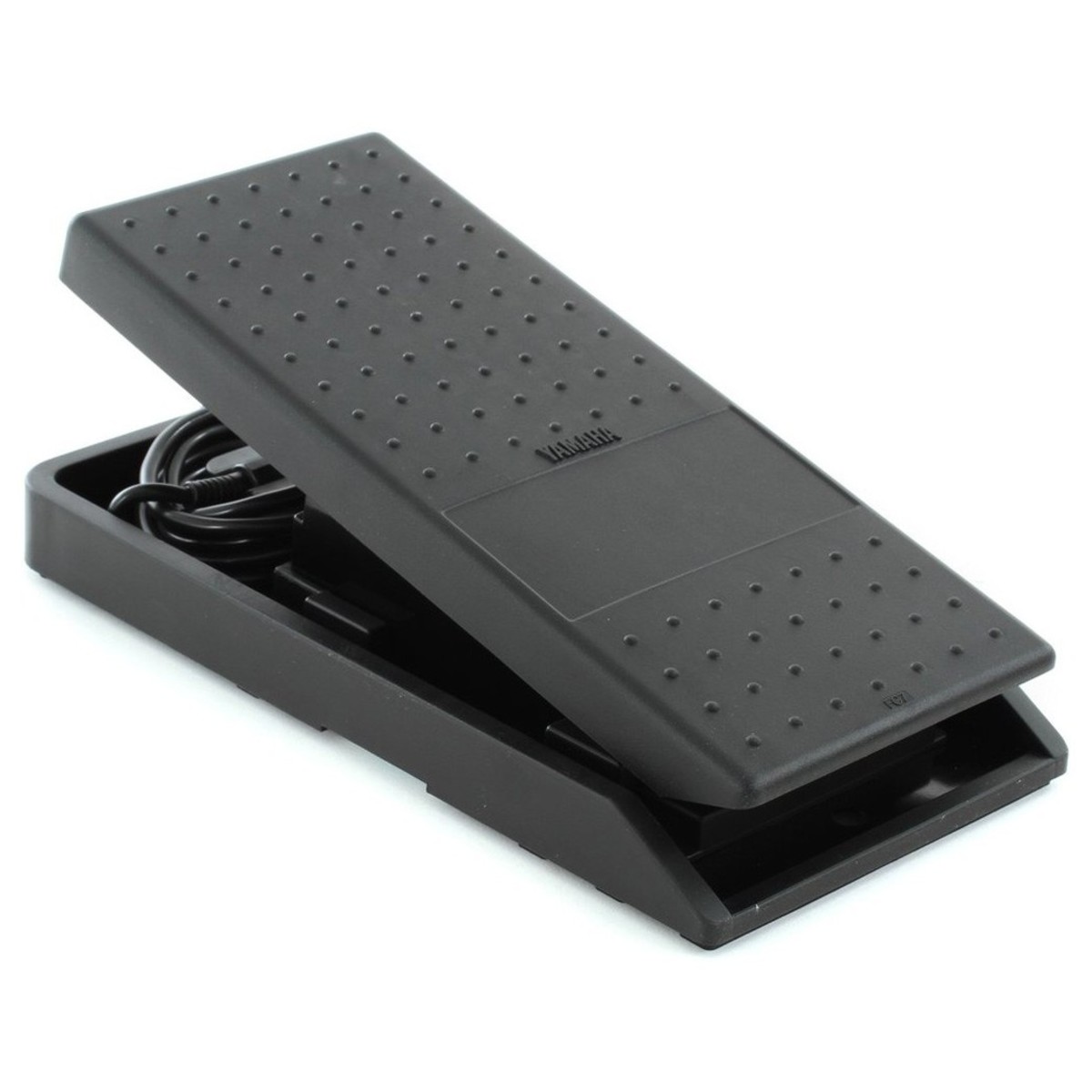
Yamaha FC7 Expression Pedal
 £175.00 ($222)
Boss
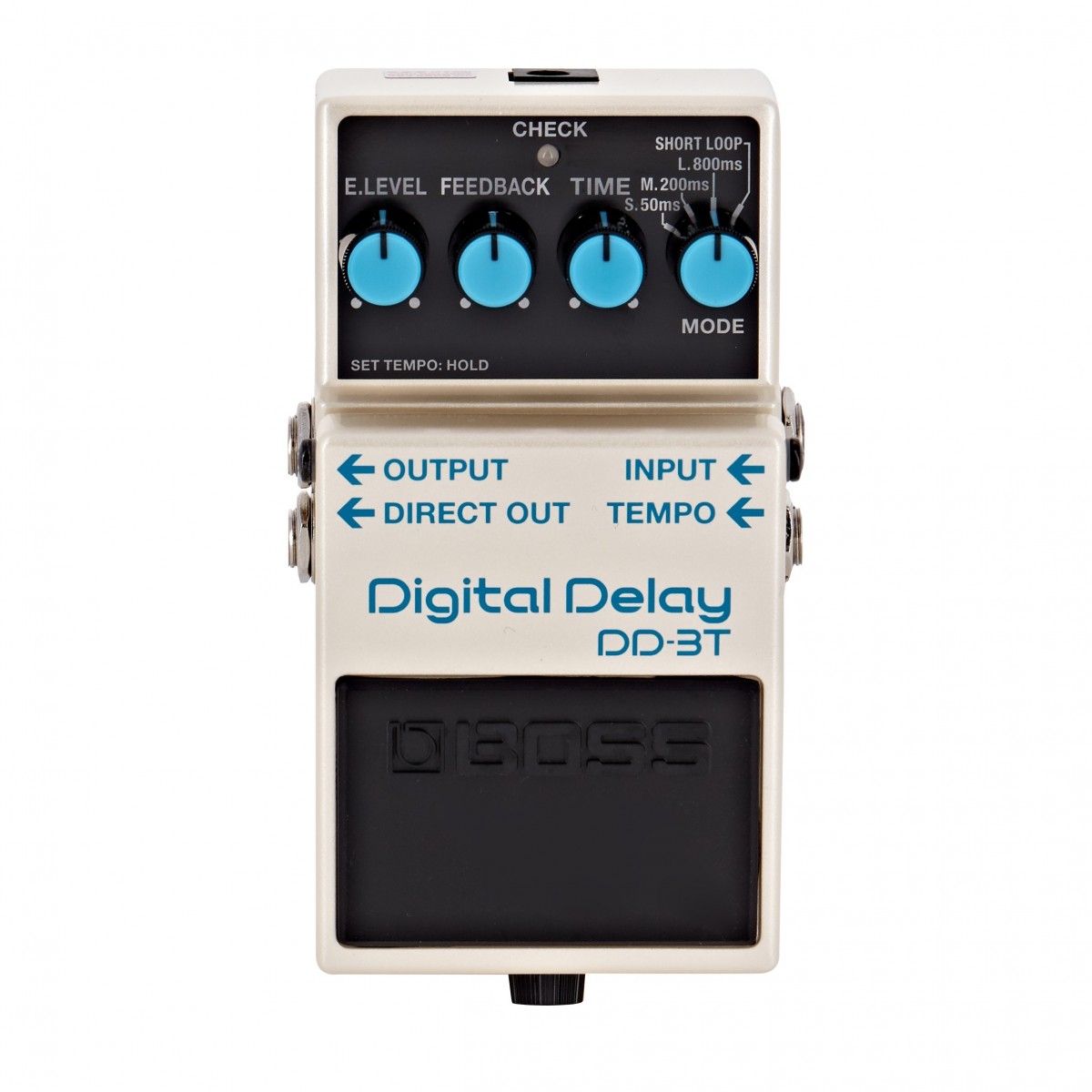
Boss DD-3T Digital Delay Pedal
 £99.10 ($126)
Boss
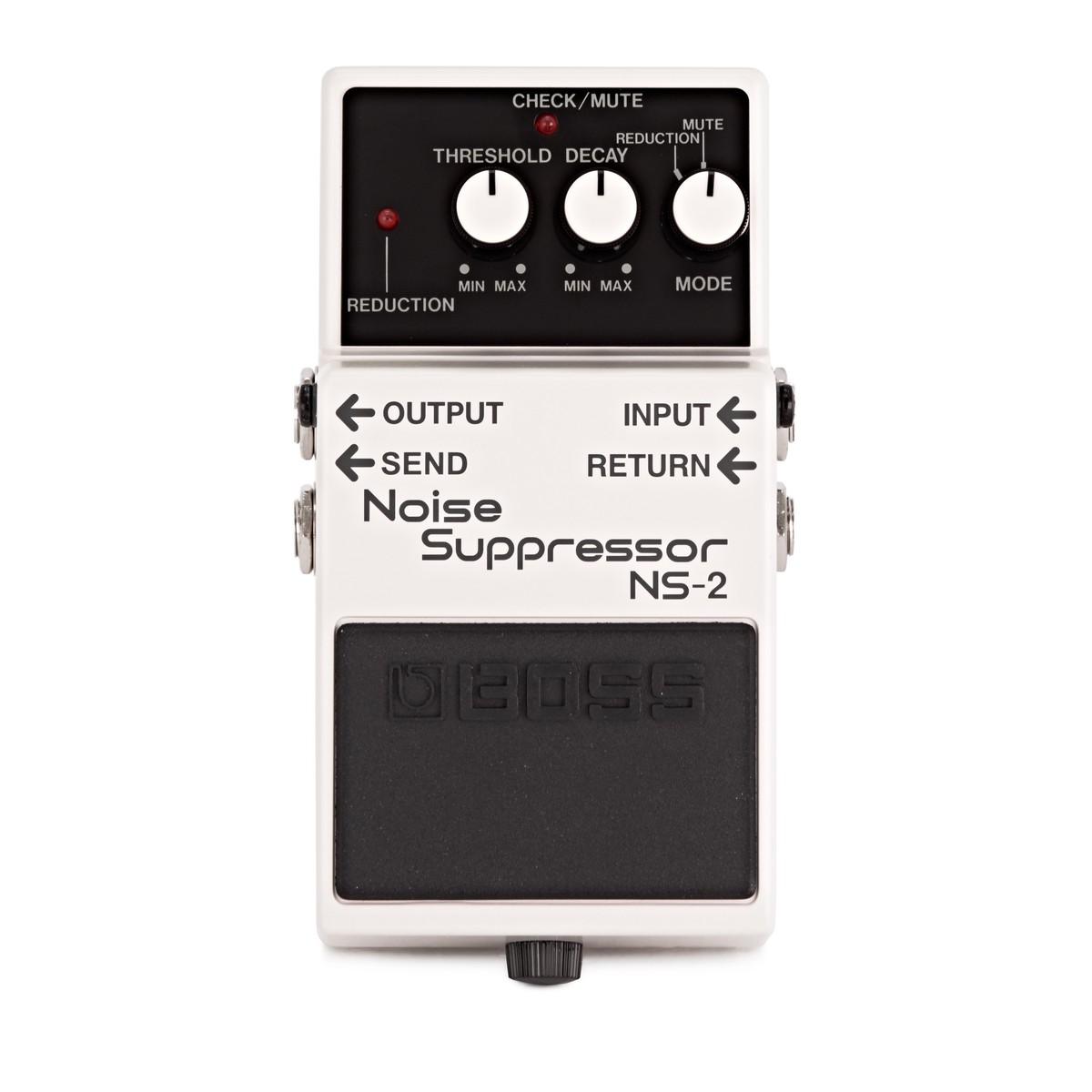
Boss NS-2 Noise Suppressor Guitar Pedal
Frequently asked questions
- What type of transistors does the Behringer OCTAVIA use?
- The pedal uses silicone transistors. These are selected to deliver an aggressive, bold analog fuzz sound characteristic of 1960s effects.
- Is the Behringer OCTAVIA digital or analog?
- The OCTAVIA is a truly analog pedal. It does not use digital processing to create its fuzz or octave effects, ensuring a vintage response.
- Does this pedal feature true bypass?
- Yes, it features true bypass circuitry. This means your guitar signal passes through the pedal completely untouched when the effect is turned off.
- What is the typical price for this pedal?
- The Behringer OCTAVIA is typically priced at approximately GBP 44. This makes it an affordable option for guitarists seeking vintage tones.
- How can I power the Behringer OCTAVIA?
- It can be powered by a standard 9 V battery. Alternatively, it can be used with the Behringer PSU-SB DC power supply, which is sold separately.
- What kind of housing does the pedal have?
- The pedal is housed in a robust casing designed for long-term reliability. It features a classic retro aesthetic that matches its vintage sound profile.
- Which artists influenced the sound of this pedal?
- The pedal is designed for those seeking 'Hendrix-inspired' sounds. It aims to replicate the iconic 60s octave-up fuzz tones used by psychedelic rock pioneers.
- Does it work well with different guitar pickups?
- Yes, the manufacturer states it works seamlessly with different pickups. It is designed to respond dynamically to the specific signal of your instrument.
- How does this differ from a standard fuzz like a Big Muff?
- Unlike a standard fuzz, the OCTAVIA adds a distinct octave-up harmonic to the signal. While a Big Muff provides thick sustain, the OCTAVIA is more aggressive and harmonically 'chiming'.
- Can the OCTAVIA be used for modern music styles?
- While it is rooted in 60s tones, its bold and aggressive character allows for the creation of unique, modern styles. Its dynamic response makes it versatile for experimental genres.
- Is a power supply included in the box?
- No, a power supply is not included. Users must purchase the Behringer PSU-SB DC supply separately or use a 9 V battery.
- Where in the signal chain should I place this pedal?
- Like most vintage-style fuzzes, it generally performs best at the beginning of the signal chain. This allows it to interact directly with the guitar's pickups for the best octave tracking.