
Gear article
Behringer P2 Personal In-Ear Monitor Amplifier
The Behringer P2 is an ultra-compact personal in-ear monitor (IEM) amplifier designed for live performance and studio monitoring. It features a locking XLR/TRS combo input, a high-power output suitable for loud environments, and a switchable stereo/mono internal configuration.
See live pricesOverview
The Behringer P2 is a portable headphone amplifier specifically engineered for musicians who require a wired in-ear monitoring solution. Its primary function is to take a line-level signal from a mixing console and boost it to a level suitable for driving headphones or earphones. The device is housed in a rugged, compact chassis designed to be worn on a belt, allowing performers to move freely while maintaining control over their personal monitoring volume.
Key Features and Design
The P2 is defined by its simple yet functional design. The bottom of the unit houses a locking XLR/TRS combo-jack, which ensures that cables remain securely connected even during high-energy stage performances. Inside the battery compartment, a stereo/mono switch allows users to adapt the device to their input source without needing external adapters.
Key physical features include: * Volume Control: A top-mounted rotary knob for tactile level adjustment. * Belt Clip: A sturdy clip for hands-free operation. * Current Limit: An integrated safety circuit designed to protect the user's hearing and the connected headphones from signal peaks. * Power Indicators: LED feedback for battery status monitoring.
Performance and Sound Character
Despite its small footprint, the P2 is designed with a high-power output stage. This makes it capable of driving headphones to levels loud enough for drummers or other musicians working in high-decibel environments. The audio reproduction is intended to be transparent, ensuring that the character of the monitoring mix remains intact. When paired with high-quality earphones like the Etymotic ER2-SE or studio headphones such as the Sony MDR-7506, the P2 provides a clean and reliable signal path.
Suitability and Use Cases
The Behringer P2 is particularly suited for performers who do not require the mobility of a wireless system or those seeking a budget-friendly, reliable backup. It is frequently used by drummers and keyboardists who remain stationary during sets. Its ability to handle both stereo and mono signals makes it versatile for different console outputs. For touring professionals, the 12-hour battery life from standard AAA cells offers a convenient power solution that is easy to maintain on the road.
Comparison to Alternatives
Compared to wireless IEM systems, the P2 offers a significantly lower price point (typically around £24) and avoids the potential for radio frequency interference. While it lacks the mobility of wireless receivers, it provides a more stable connection via its locking jack. In comparison to larger desktop headphone amps, the P2's ultra-compact form factor and battery-powered design make it uniquely portable for stage use. It is often used alongside accessories like the LD Systems UIEMRK for organized rack setups, or paired with industry-standard headphones such as the Sennheiser HD 25 for professional-grade monitoring.
Related gear
 £452.00 ($574)
AlphaTheta
AlphaTheta HDJ-F10 Wireless DJ Headphones
 £19.00 ($24)
Oqan
Oqan QHP-20BK RETROFUTURE Dynamic Headphones
 £14.99 ($19)
SubZero
SubZero SZ-H100 Stereo Headphones
 £169.00 ($215)
Etymotic
Etymotic ER2-SE Earphones (Studio Edition)
 £39.00 ($50)
LD Systems
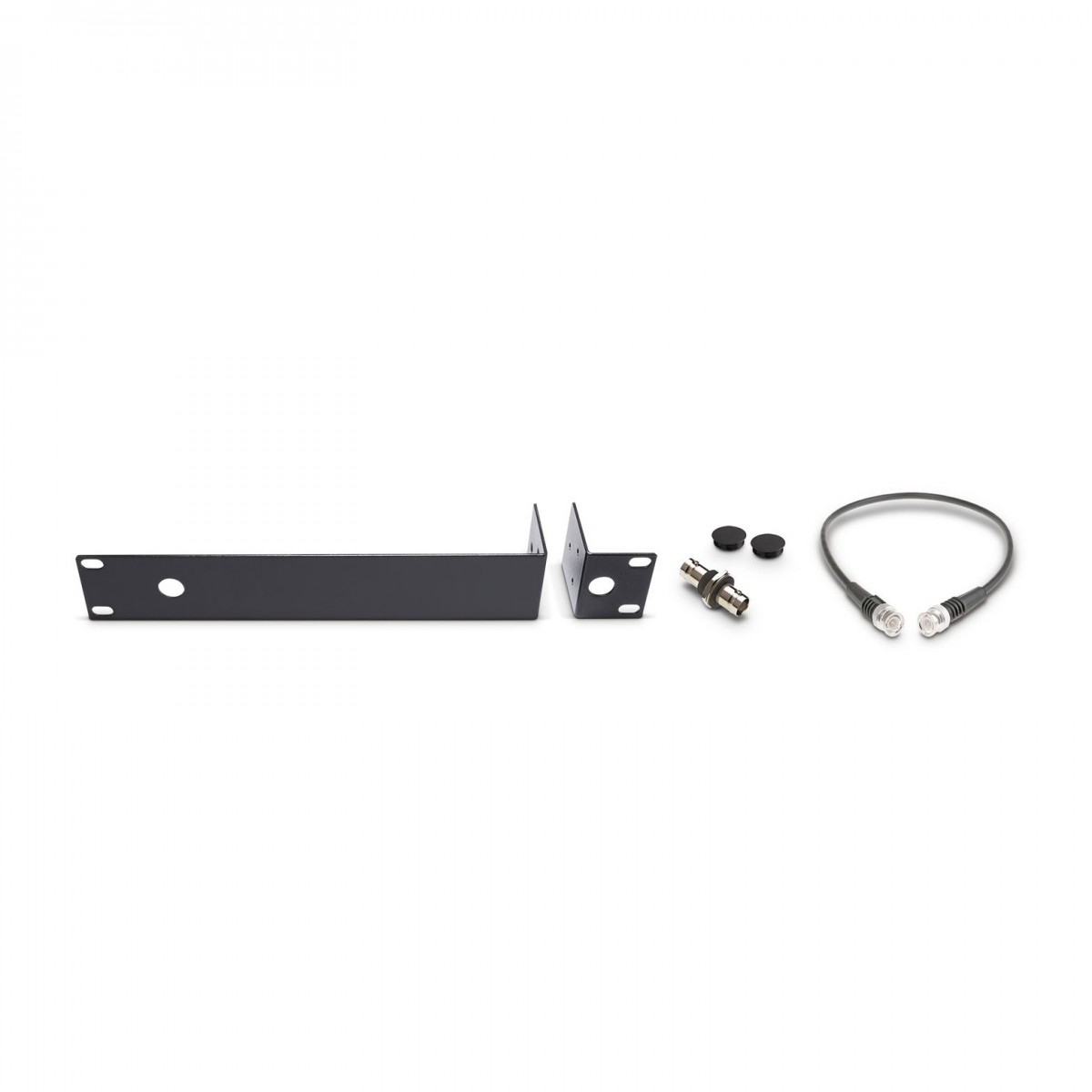
LD Systems UIEMRK Rack Mount Kit for U500/U300 IEM Receiver
 £75.00 ($95)
Viscount Organs
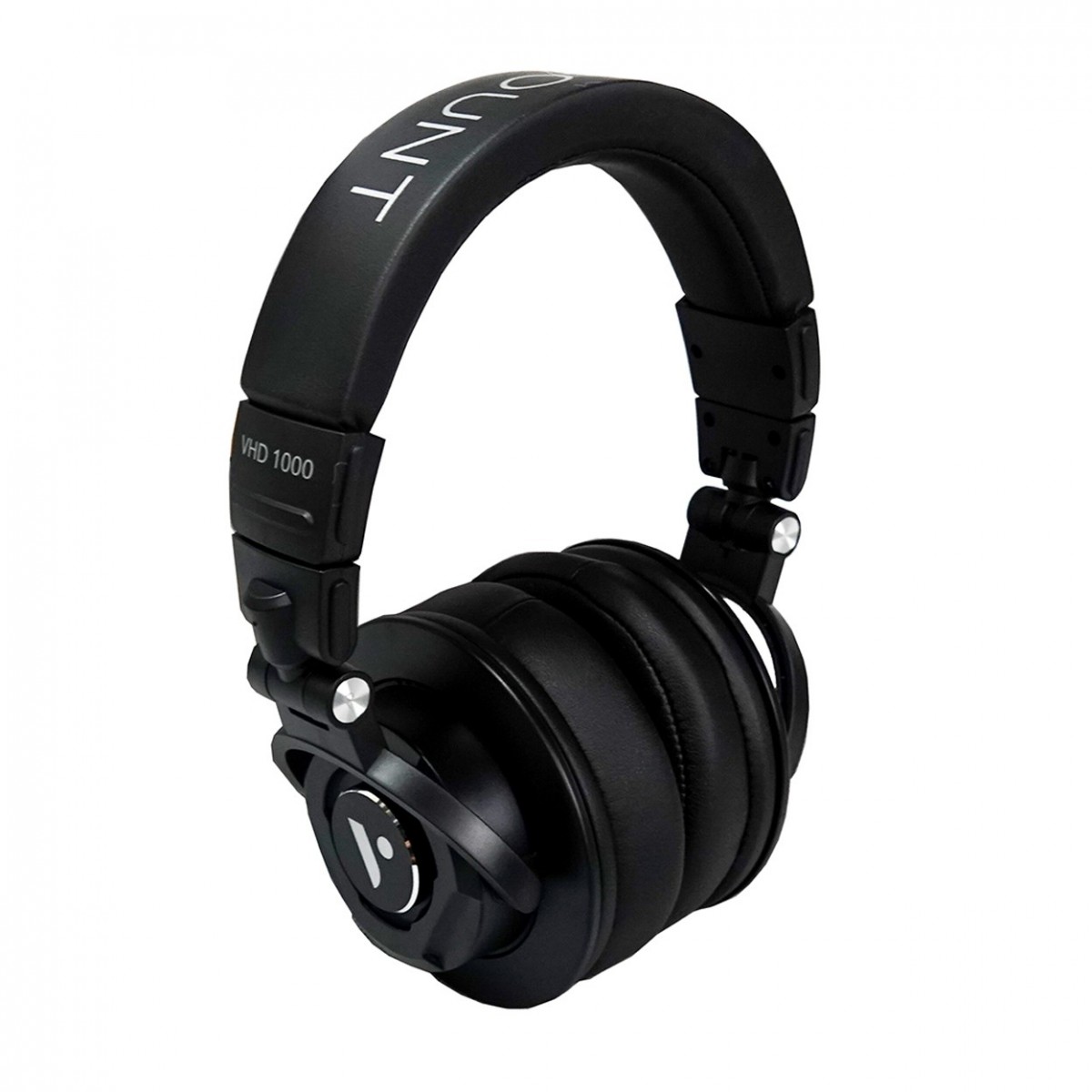
Viscount VHD-1000 Headphones
 £117.00 ($149)
Sennheiser
Sennheiser HD 25 Headphones
 £99.00 ($126)
Sony
Sony MDR-7506/1 Professional Stereo Headphones
Frequently asked questions
- What type of batteries does the Behringer P2 use?
- The Behringer P2 is powered by two AAA batteries. These are housed internally and provide the unit with its portable power source.
- How long do the batteries last in the P2?
- The device is designed to run for up to 12 hours on a single set of batteries. This duration depends on the volume levels and the impedance of the headphones used.
- Does the P2 support both mono and stereo signals?
- Yes, the P2 features an internal stereo/mono switch. This allows the user to alternate between monitoring sources depending on whether they are receiving a balanced mono or an unbalanced stereo signal.
- What kind of input jack does the P2 have?
- It uses an XLR/TRS combo-jack located at the bottom of the unit. This jack includes a locking mechanism to prevent the cable from being accidentally pulled out during a performance.
- Is the P2 loud enough for drummers?
- The P2 is engineered with a high power output specifically to be audible in loud environments. It is described as suitable for use by drummers who require high monitoring volumes.
- Can I wear the P2 on my clothing?
- Yes, the P2 includes a convenient belt clip. This allows for hands-free operation and keeps the volume control within easy reach for the performer.
- What safety features are included for hearing protection?
- The unit features an integrated current limit. This circuit is designed to protect both the user's ears and their headphones from potentially damaging signal peaks.
- Can I use standard studio headphones with the P2?
- Yes, the P2 is compatible with a wide range of headphones, including professional models like the Sony MDR-7506 or Sennheiser HD 25. It is designed to drive both in-ear monitors and over-ear headphones.
- Is the Behringer P2 a wireless device?
- No, the P2 is a wired personal monitor amplifier. It requires a physical cable connection from the mixing desk or audio source to its input jack.
- How do I control the volume on the P2?
- The device features a simple, high-quality level control knob on the top. This allows the user to make effortless personal volume adjustments during a performance.
- What is the typical price for a Behringer P2?
- The P2 is generally positioned as an affordable monitoring solution. In the UK market, it typically retails for approximately £24.
- How does the locking mechanism work?
- The XLR/TRS combo input features a standard latching mechanism. To disconnect the cable, the user must press a release tab, ensuring the cable cannot be accidentally disconnected.