Gear article
Behringer PMP4000 Europower Mixer
The Behringer PMP4000 Europower is a high-powered 16-channel powered mixer featuring integrated Class D amplification and a switch-mode power supply. It combines eight XENYX microphone preamps with a Klark Teknik multi-effects processor to provide a complete live sound solution in a lightweight chassis.
See live pricesOverview
The Behringer PMP4000 Europower is designed to serve as a central hub for live sound reinforcement. It bridges the gap between traditional analogue mixing consoles and power amplifiers by integrating both into a single unit. The primary design focus of the PMP4000 is its power-to-weight ratio, utilizing modern electronics to deliver high output without the significant physical bulk associated with older transformer-based powered mixers.
Amplification and Power Supply
At the core of the PMP4000 is a high-efficiency Class D amplifier. This technology allows the unit to drive loudspeakers with considerable 'punch' while generating minimal heat. The amplifier is supported by a state-of-the-art switch-mode power supply, which further contributes to the reduction in weight. This combination ensures that the mixer remains portable enough for solo performers and mobile bands while providing sufficient headroom for various venue sizes.
Channel Strips and Preamps
The mixer features eight built-in premium studio-grade XENYX preamps. These preamps are designed to handle a wide range of input sources, from delicate vocals to high-transient percussion, offering a high dynamic range and 'larger than life' sonic character. Each channel is equipped with a musical three-band EQ, allowing for precise sculpting of the frequency response to suit the acoustics of the room or the specific needs of the performer.
Digital Effects Processing
Behringer collaborated with renowned signal processing company Klark Teknik to integrate a 24-bit multi-effects processor into the PMP4000. This unit includes 100 presets, covering a variety of utility and creative effects. Notable presets include:
- Reverbs and Delays
- Pitch Shifting
- Chorus and Flanging
- Multi-effect combinations
These effects can be applied to enhance vocal depth or add texture to instruments during a live performance.
Comparison to Alternatives
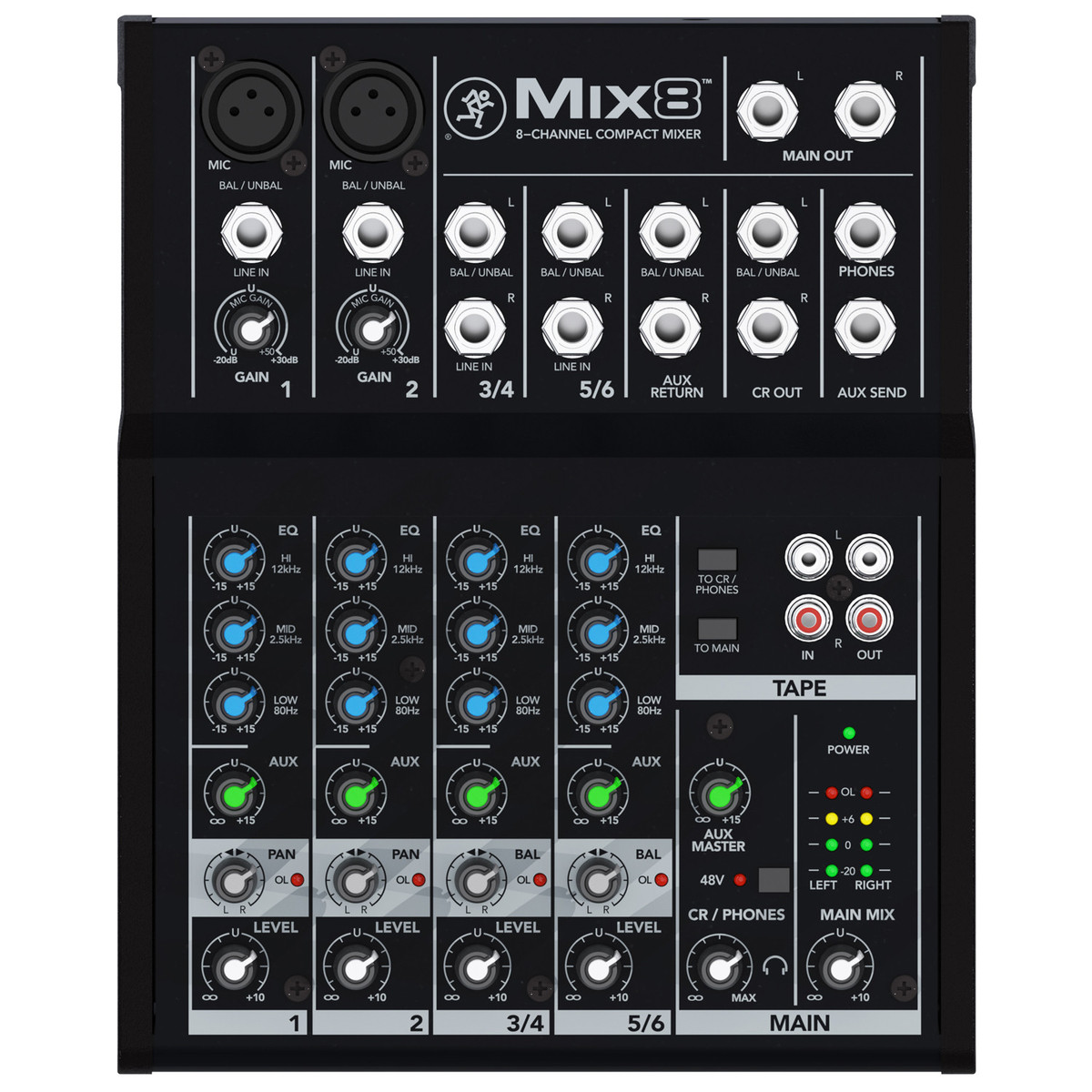
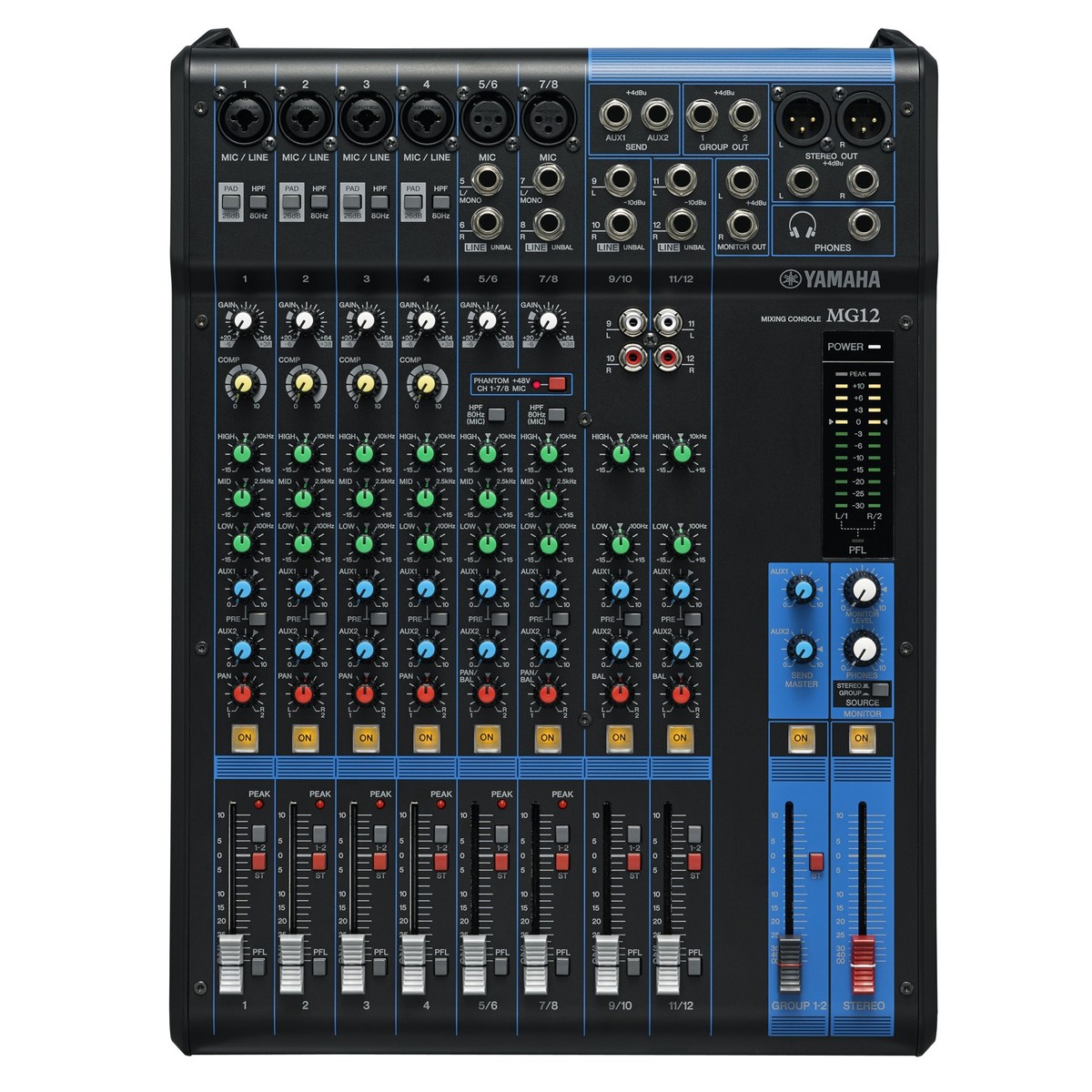
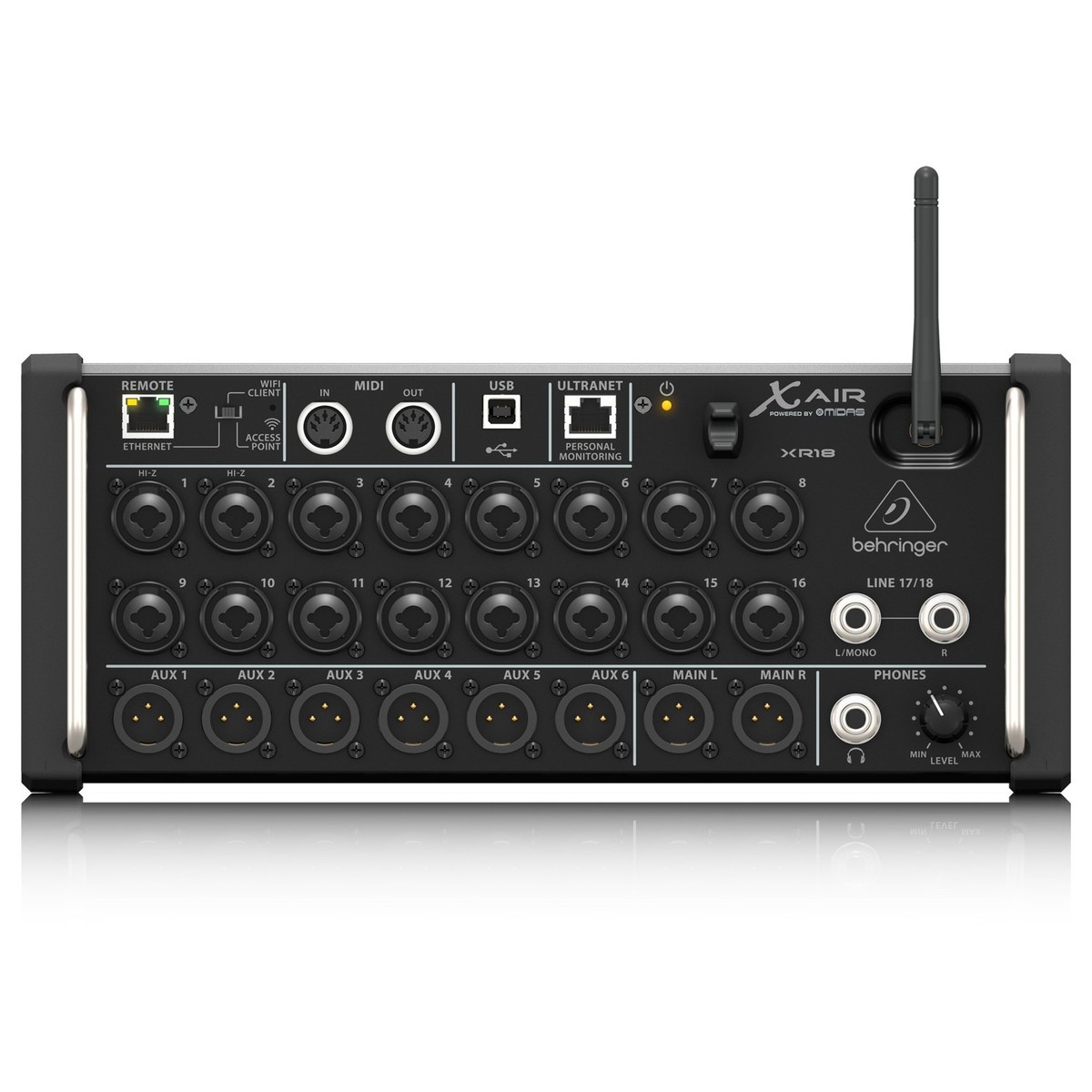
When compared to traditional analogue mixers like the Yamaha MG12 or the Mackie Mix8, the PMP4000's primary advantage is its internal power amplifier; the Yamaha and Mackie units require external amplification to drive passive speakers. For users seeking digital integration, the Behringer X AIR XR18 offers tablet-based control, while the PreSonus StudioLive AR8c provides USB-C recording capabilities. The PMP4000 remains a preferred choice for those who value a physical tactile interface and an 'all-in-one' box approach over the complexity of digital networking seen in units like the Allen & Heath QU-6D.
Related gear
 £2,320.00 ($2,946)
Allen & Heath
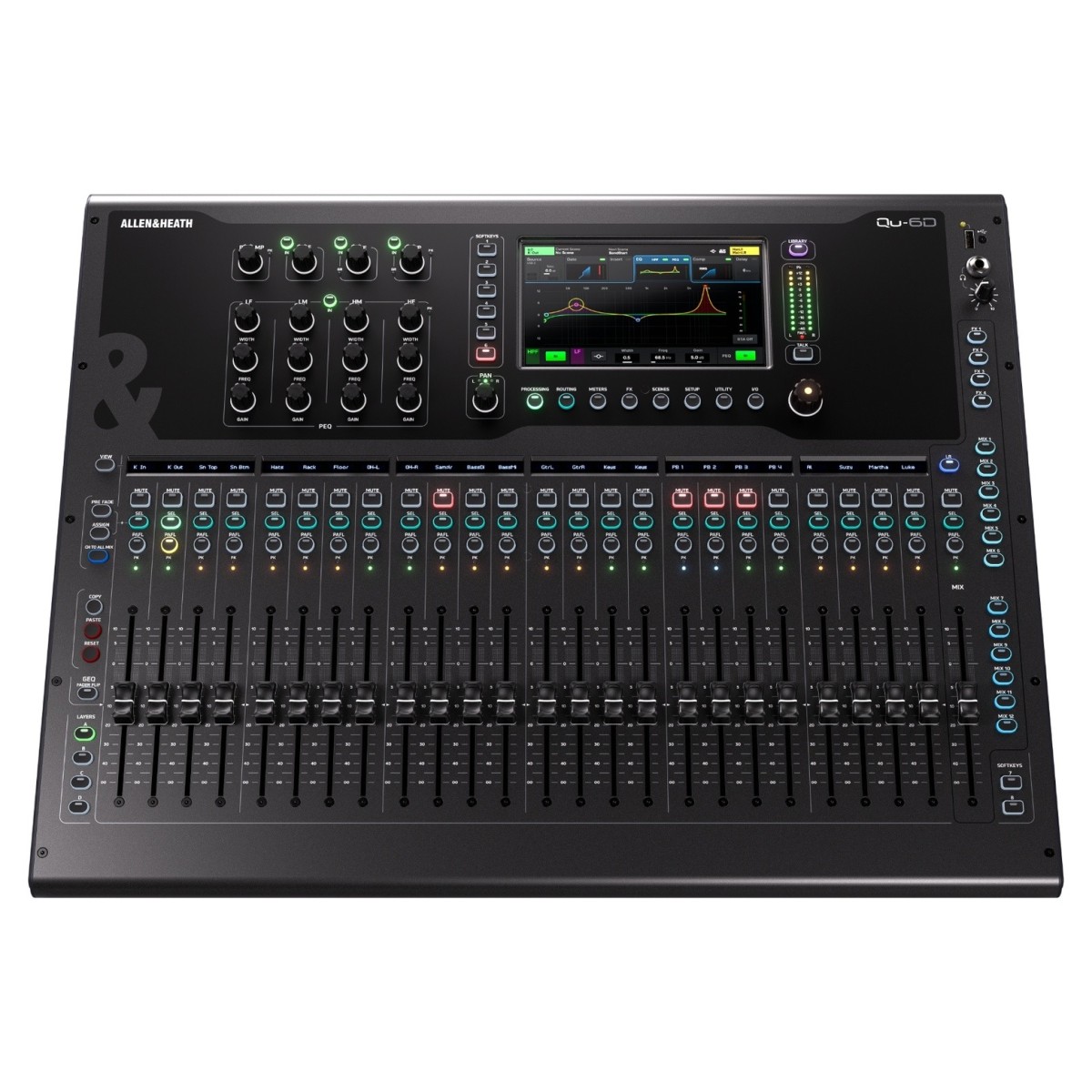
Allen & Heath QU-6D Digital Mixer with Dante
 £1,690.00 ($2,146)
PreSonus
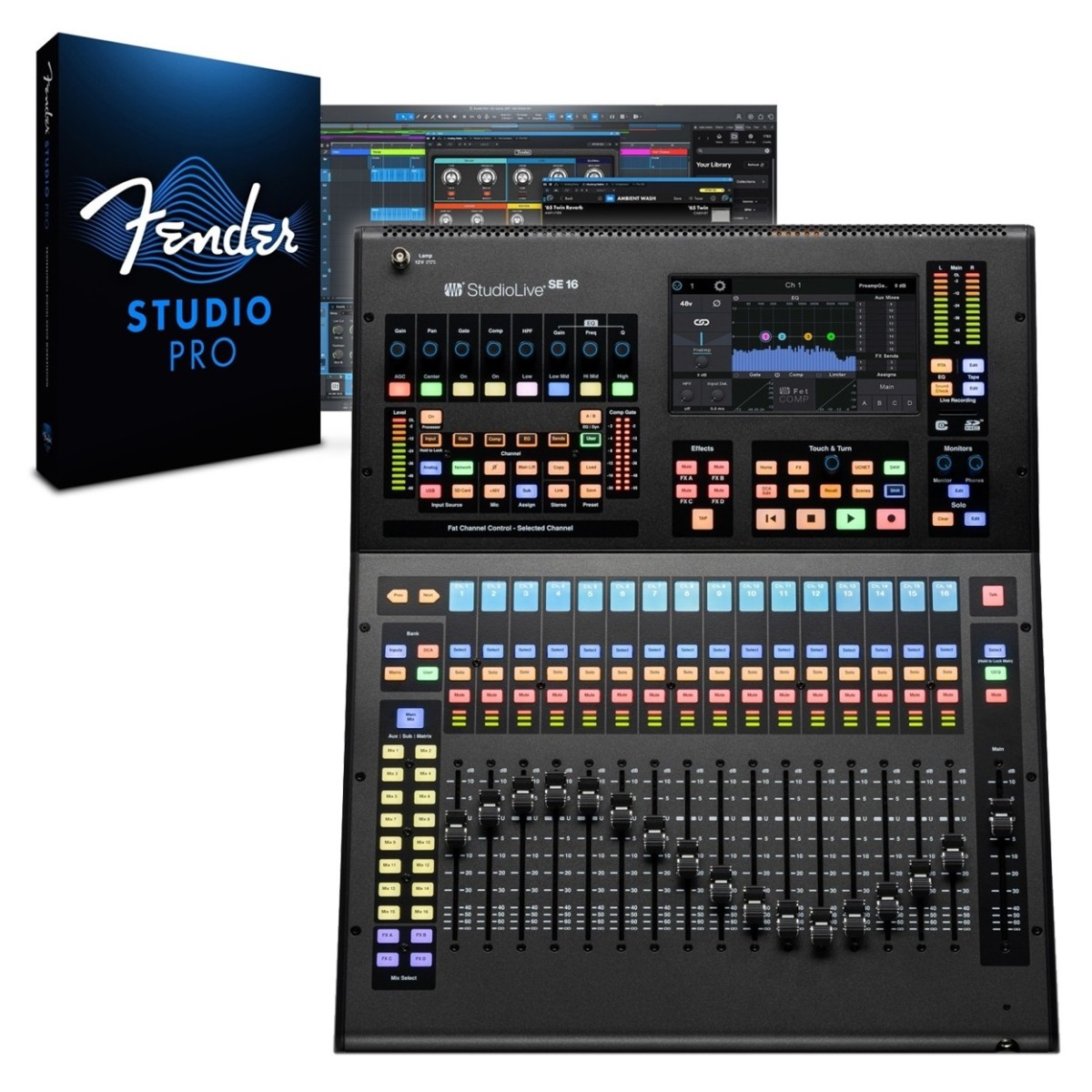
PreSonus StudioLive SE16 Digital Mixer
 £339.00 ($431)
PreSonus
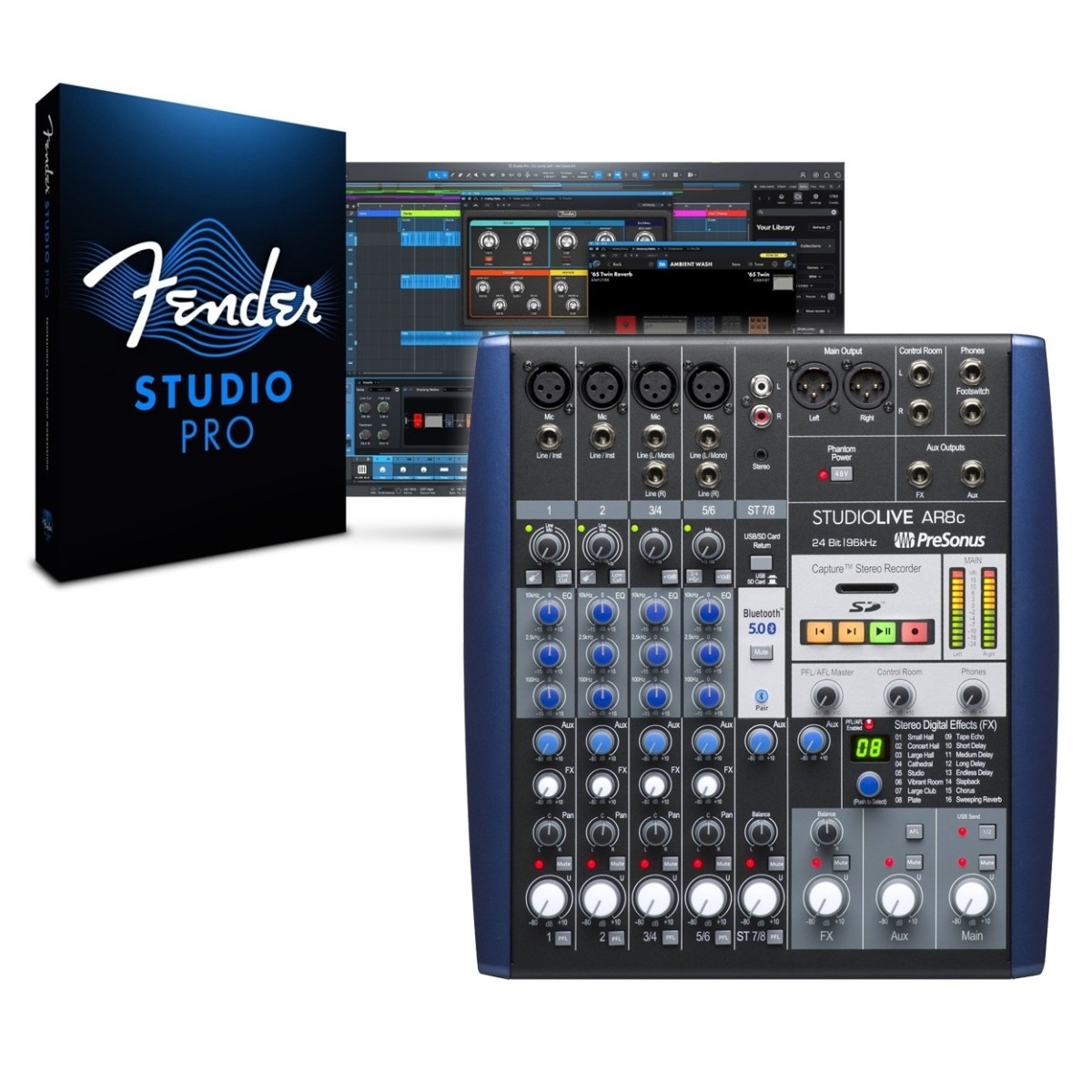
PreSonus StudioLive AR8c USB-C Mixer
 £85.00 ($108)
Mackie
Mackie Mix8 Compact Mixer
 £304.00 ($386)
Yamaha
Yamaha MG12 Analog Mixer
 £719.42 ($914)
Behringer
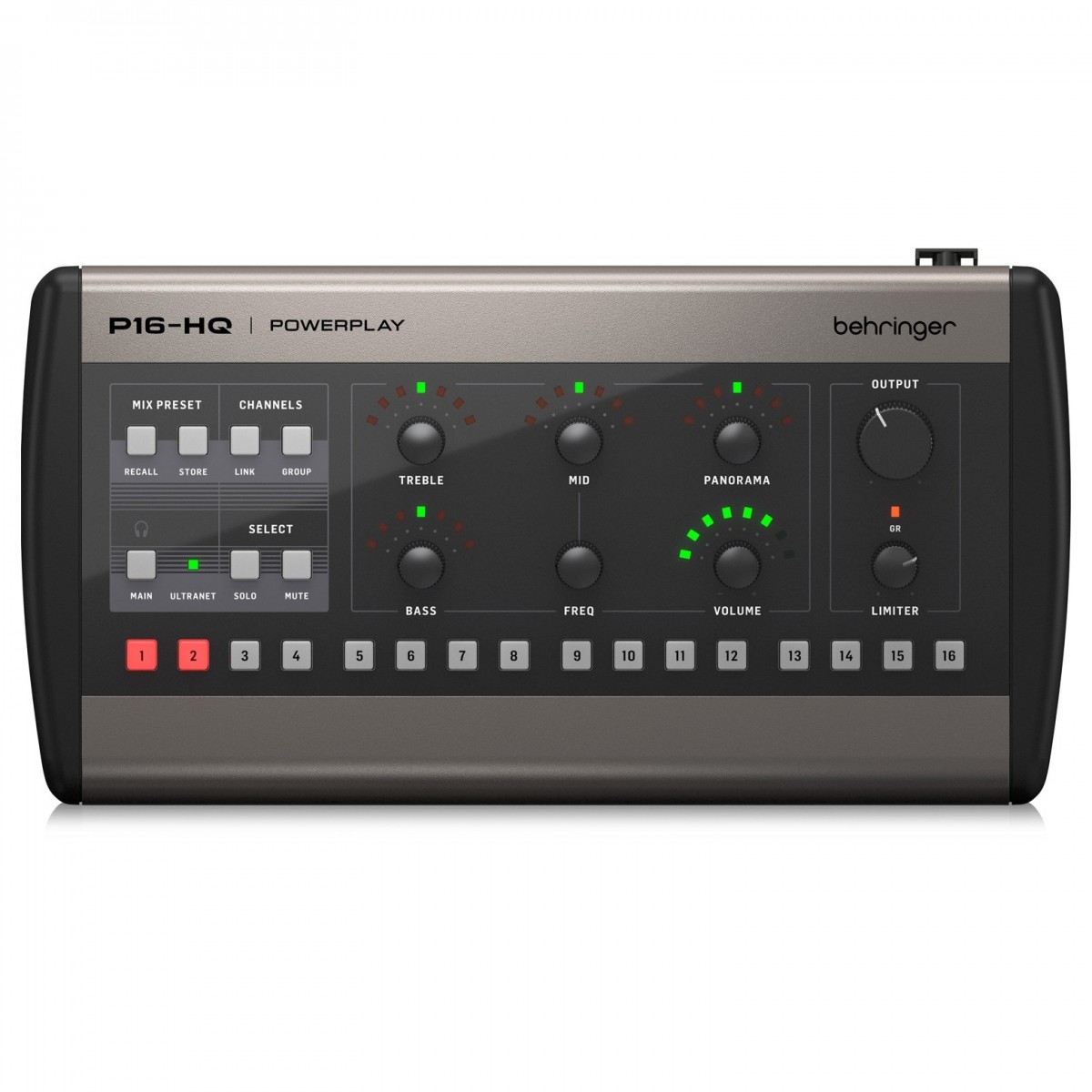
Behringer P16-HQ 16-Channel Personal Monitoring Mixer
 £349.00 ($443)
Behringer
Behringer X AIR XR18 Digital Mixer
 £359.00 ($456)
Mackie
Mackie ProFX12v3 12-Channel Analog Mixer with USB
Frequently asked questions
- What type of amplification does the Behringer PMP4000 use?
- The PMP4000 utilizes high-efficiency Class D amplification. This technology is chosen for its ability to deliver high power output with significantly reduced heat and weight compared to Class A/B designs.
- How many microphone preamps are included?
- The mixer is equipped with eight premium studio-grade XENYX preamps. These are designed to provide high-quality signal gain for both microphones and instruments.
- Who designed the effects processor in the PMP4000?
- The 24-bit multi-FX processor was developed in partnership with Klark Teknik. This collaboration brings professional-grade processing algorithms to the Europower series.
- How many effects presets are available?
- There are 100 built-in presets available in the FX section. These include various types of reverb, delay, pitch shifting, and other modulation effects.
- Is the PMP4000 suitable for recording drums?
- Yes, the XENYX preamps are designed to handle high-transient sources like drums. The inclusion of eight preamps allows for a comprehensive microphone setup for a standard drum kit.
- What kind of EQ does each channel have?
- Each channel features a musical three-band EQ. This allows users to adjust high, mid, and low frequencies to shape the sound of individual inputs.
- Why is the power supply notable?
- The PMP4000 uses a state-of-the-art switch-mode power supply. This component is much lighter than traditional heavy transformers and contributes to the mixer's excellent power-to-weight ratio.
- Does this mixer require an external power amplifier?
- No, the PMP4000 is a powered mixer, meaning it has an internal amplifier capable of driving passive loudspeakers directly. This simplifies the signal chain for live setups.
- How does the PMP4000 compare to the Behringer X AIR XR18?
- The PMP4000 is a physical, powered analogue-style mixer with knobs and faders. In contrast, the XR18 is a digital rackmount mixer that requires a tablet or computer for control and does not have built-in power for speakers.
- What is the typical price range for this model?
- The Behringer PMP4000 is typically priced around £330. This makes it a competitive option for bands and venues looking for an integrated mixing and power solution.
- Can the built-in effects be used for pitch shifting?
- Yes, the Klark Teknik FX processor includes pitch shifting among its 100 presets. This can be used to creatively alter the frequency of vocals or instruments during a performance.
- Is the PMP4000 heavier than traditional powered mixers?
- No, it is specifically designed to be lightweight. By using Class D amplification and a switch-mode power supply, Behringer has reduced the weight significantly compared to older powered mixer designs.