
Gear article
Behringer Poly D Polyphonic 4-Voice Analog Synthesizer
The Behringer Poly D is a 4-voice polyphonic analog synthesizer designed as a faithful recreation of classic 1970s synthesis architecture with modern enhancements. It features a 37-note full-size keyboard, four Voltage Controlled Oscillators (VCOs), and an adjustable tilting top panel for improved workflow ergonomics.
See live pricesBackground and Design
The Behringer Poly D was developed as an expansion of the company's previous Model D module, integrating the core circuitry into a more substantial performance instrument. While the original inspiration was a monophonic design, the Poly D introduces four-voice capabilities, allowing users to play chords and complex textures that were not possible on the vintage monophonic hardware it references.
One of the most distinctive physical attributes of the Poly D is its physical chassis. It features a 37-note keyboard and a hinged top panel that can be adjusted from a flat position to various angles, mimicking the ergonomic design of classic luxury synthesisers from the 20th century.
Technical Specifications
The core of the Poly D lies in its four Voltage Controlled Oscillators (VCOs). These oscillators provide a wide range of waveforms, allowing for significant sonic flexibility. The signal is processed through a classic 24dB ladder filter and a Voltage Controlled Amplifier (VCA), maintaining an all-analog signal path.
Additional features included to modernise the workflow include: * A built-in 32-step sequencer for melodic programming. * An integrated arpeggiator. * A stereo BBD (Bucket Brigade Device) chorus for spatial thickness. * An LFO (Low Frequency Oscillator) for modulation.
Sound Character
The Poly D is characterised by its 'analog warmth,' a result of its discrete component design and ladder filter. By providing four oscillators, the unit can produce very thick monophonic leads or be switched into polyphonic mode to deliver rich, vintage-style pads and chordal stabs. The addition of the BBD chorus further enhances the stereo image, providing a lush quality common in vintage string machines and synthesizers.
Market Positioning and Comparison
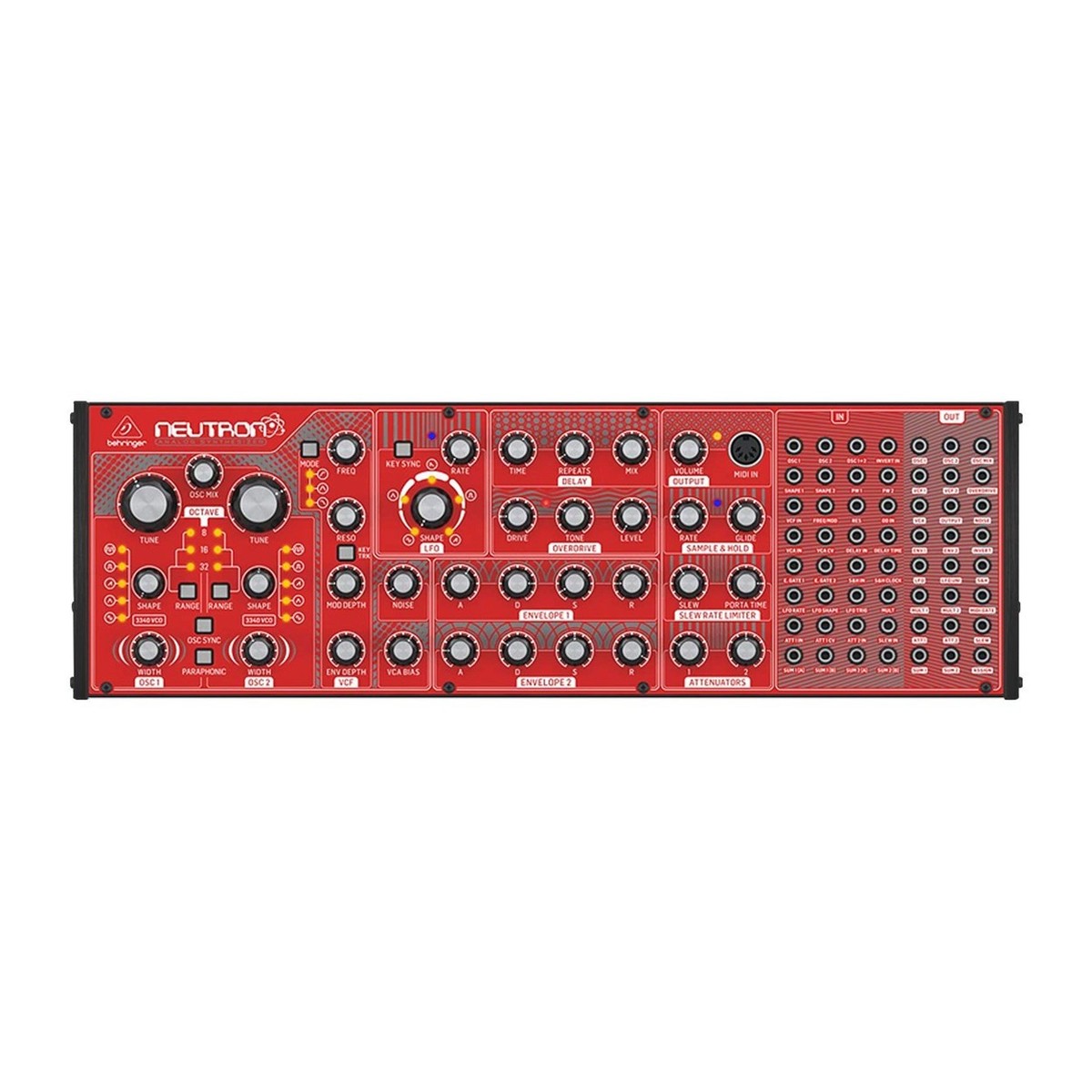
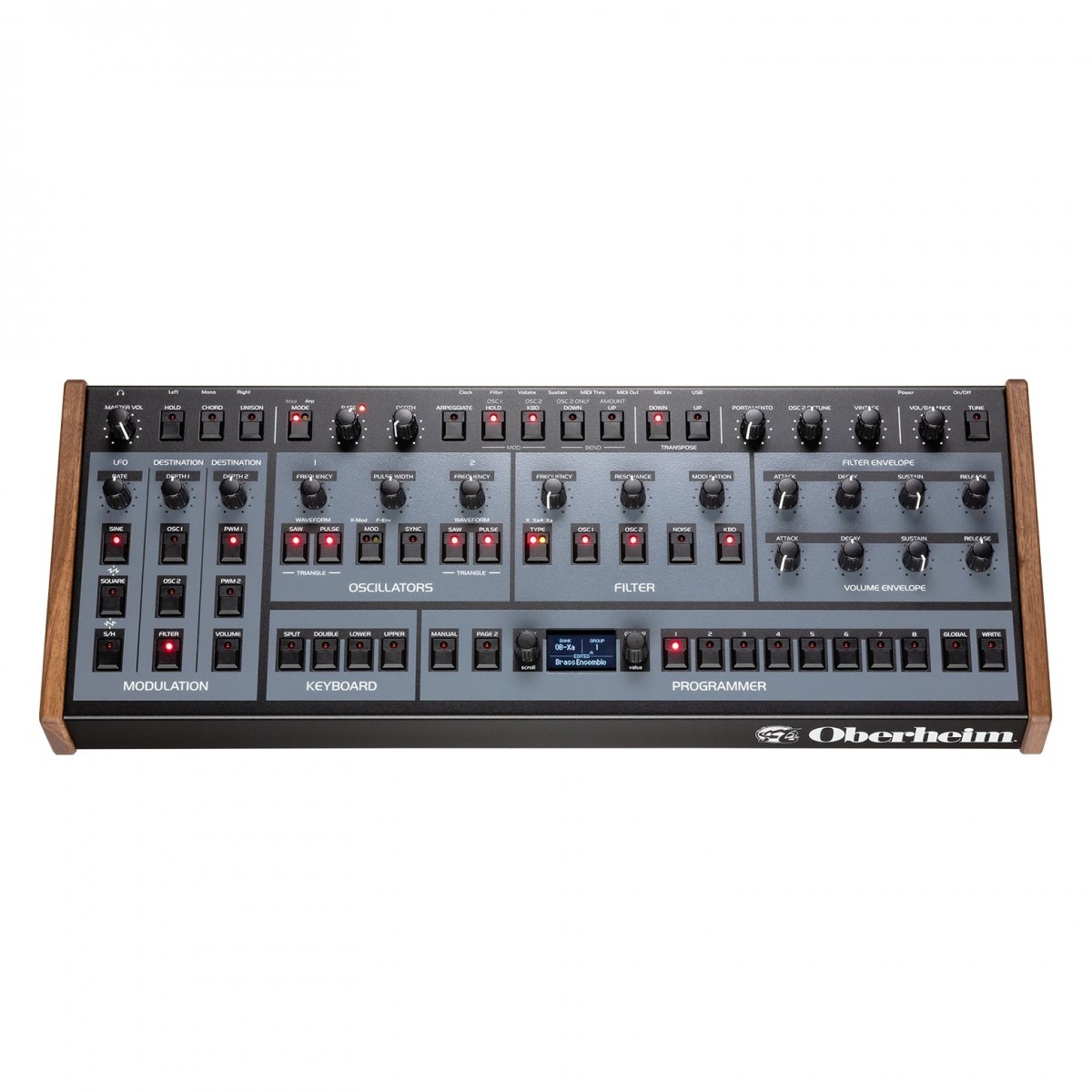
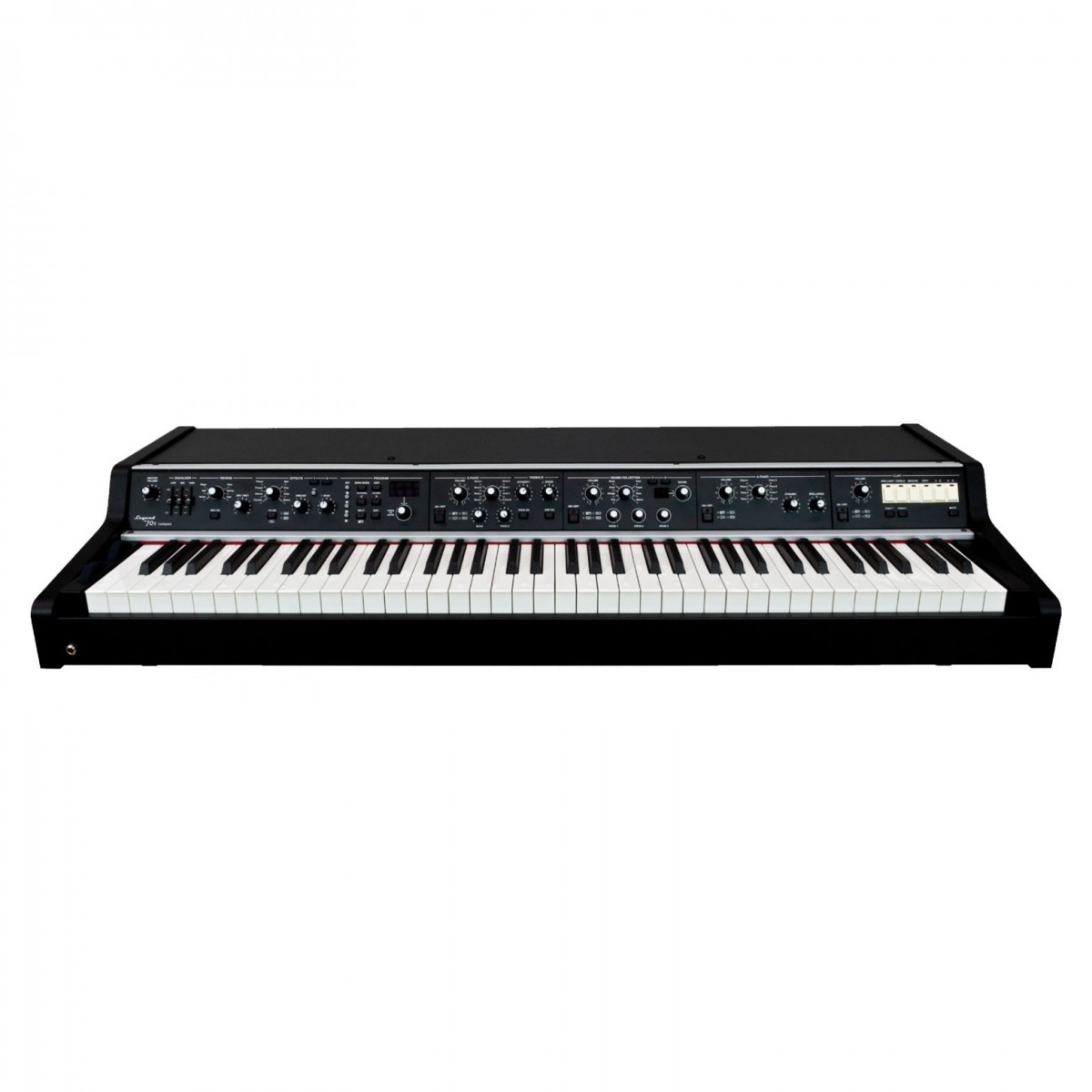
Within the Behringer ecosystem, the Poly D sits as a more performance-oriented alternative to the Behringer Neutron or the smaller Model D module. While products like the Oberheim OB-X8 or the Viscount Legend 70s offer high-end professional synthesis and modular stage piano capabilities respectively, the Poly D targets the mid-range market, offering classic analog architecture at a price point of approximately £426.
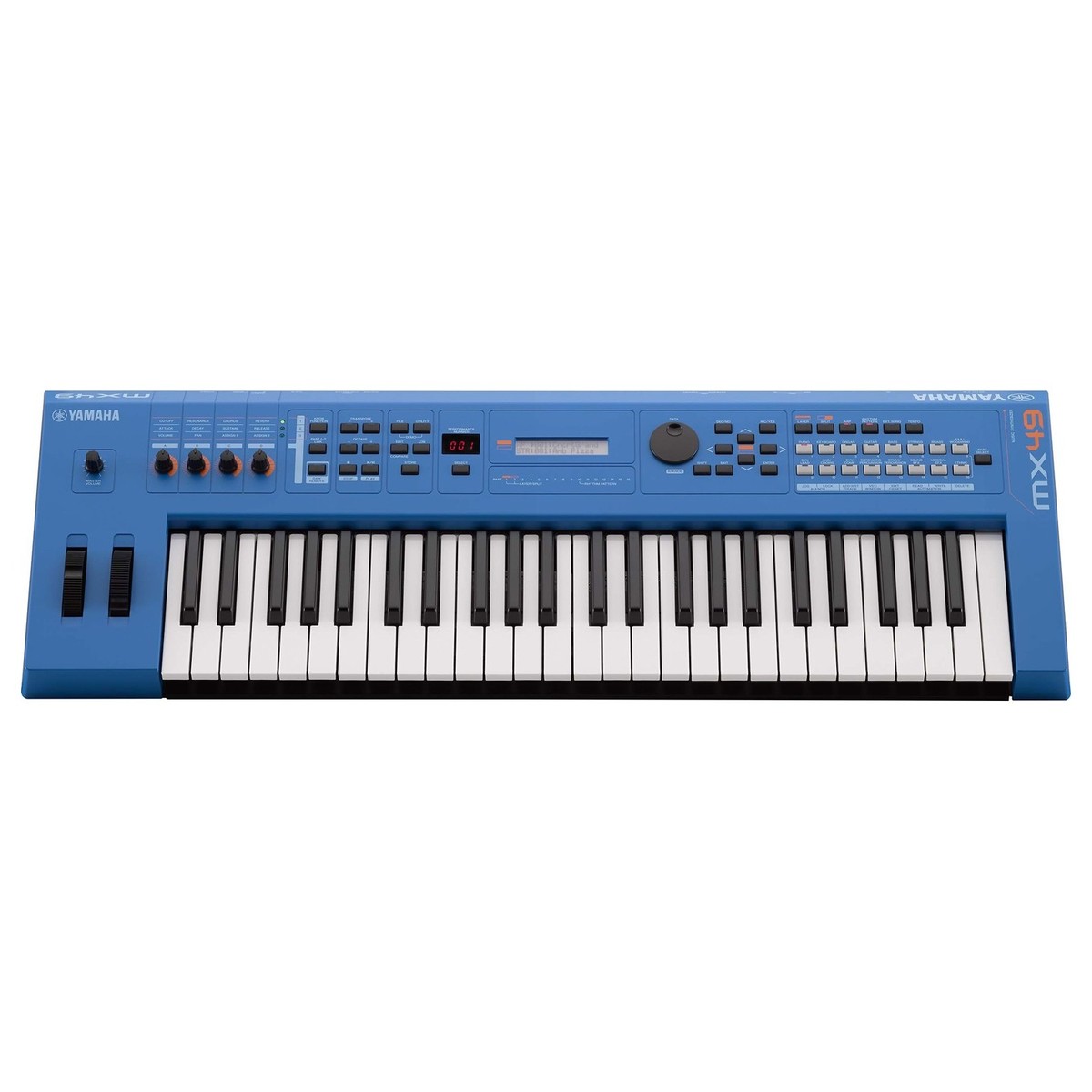
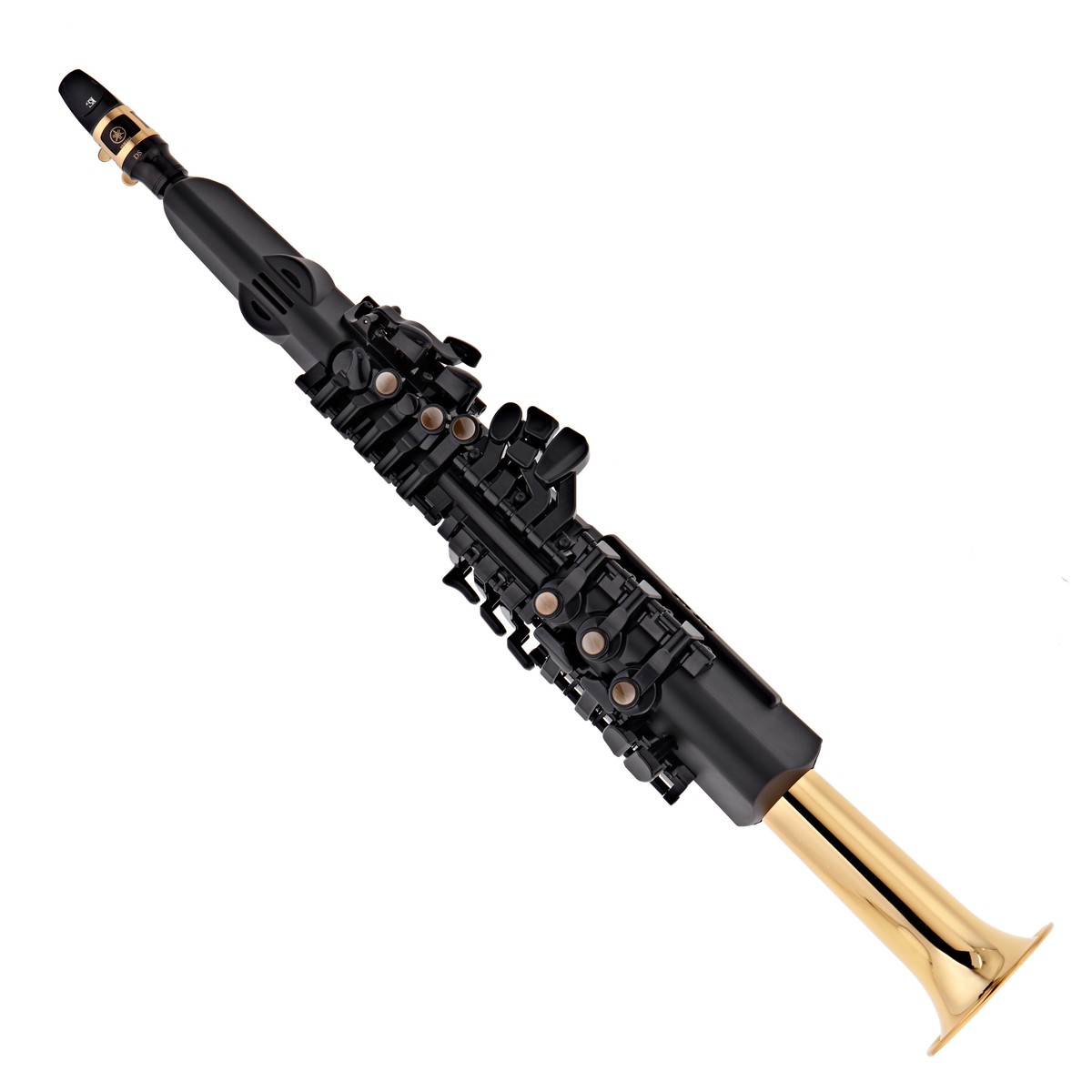
Unlike digital alternatives such as the Yamaha MX49 II or the YDS 150 wind synth, the Poly D focuses strictly on traditional analog signal generation, appealing to purists who require tactile controls and a keyboard-integrated form factor.
Related gear
 £368.00 ($467)
Roland
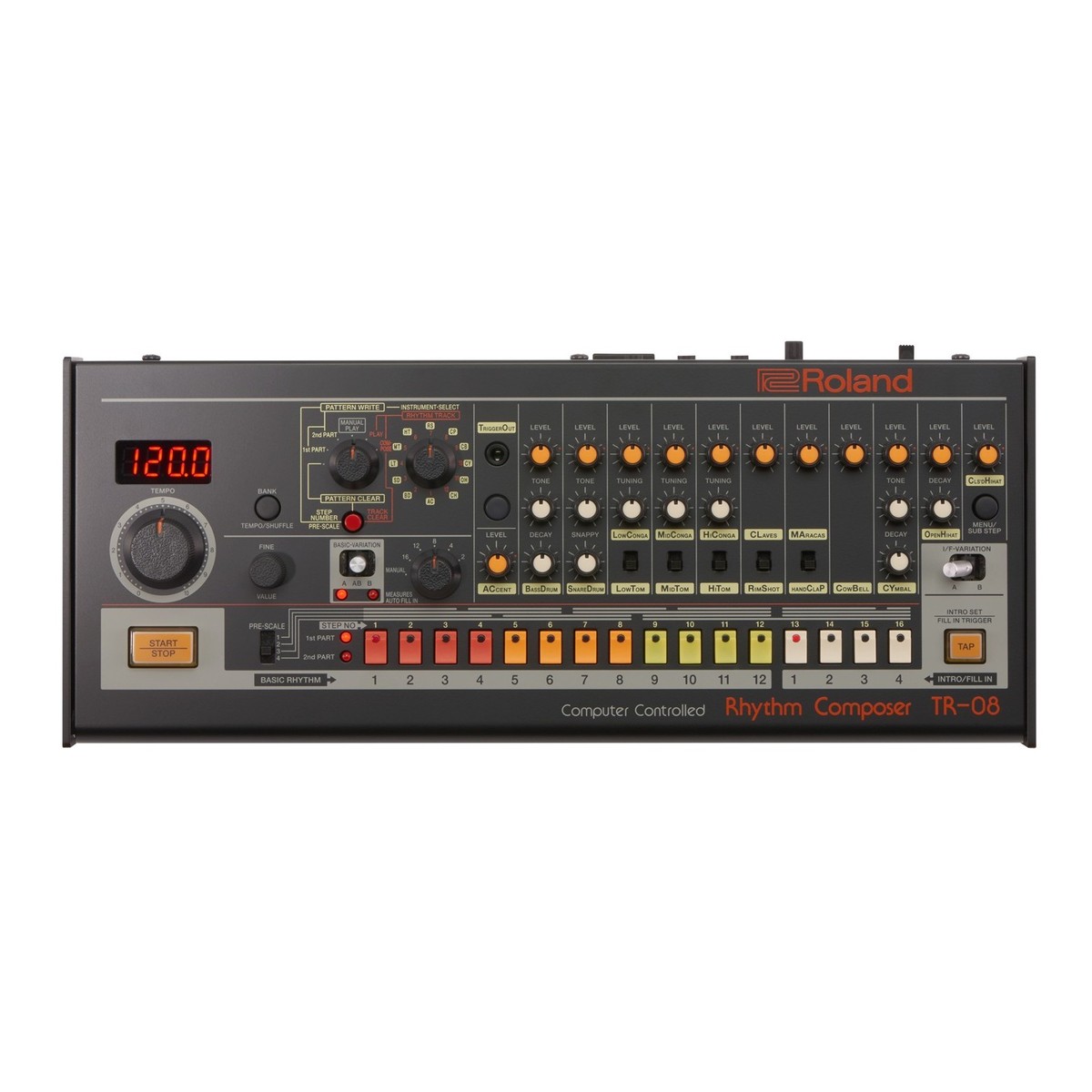
Roland Boutique TR-08 Rhythm Composer Drum Machine
 £239.00 ($304)
Behringer
Behringer Neutron Semi-Modular Synthesizer
 £3,599.00 ($4,571)
Oberheim
Oberheim OB-X8 Analog Synthesizer Desktop Module
 £454.00 ($577)
Yamaha
Yamaha MX49 II Music Production Synthesizer Blue
 £113.00 ($144)
Electro Harmonix
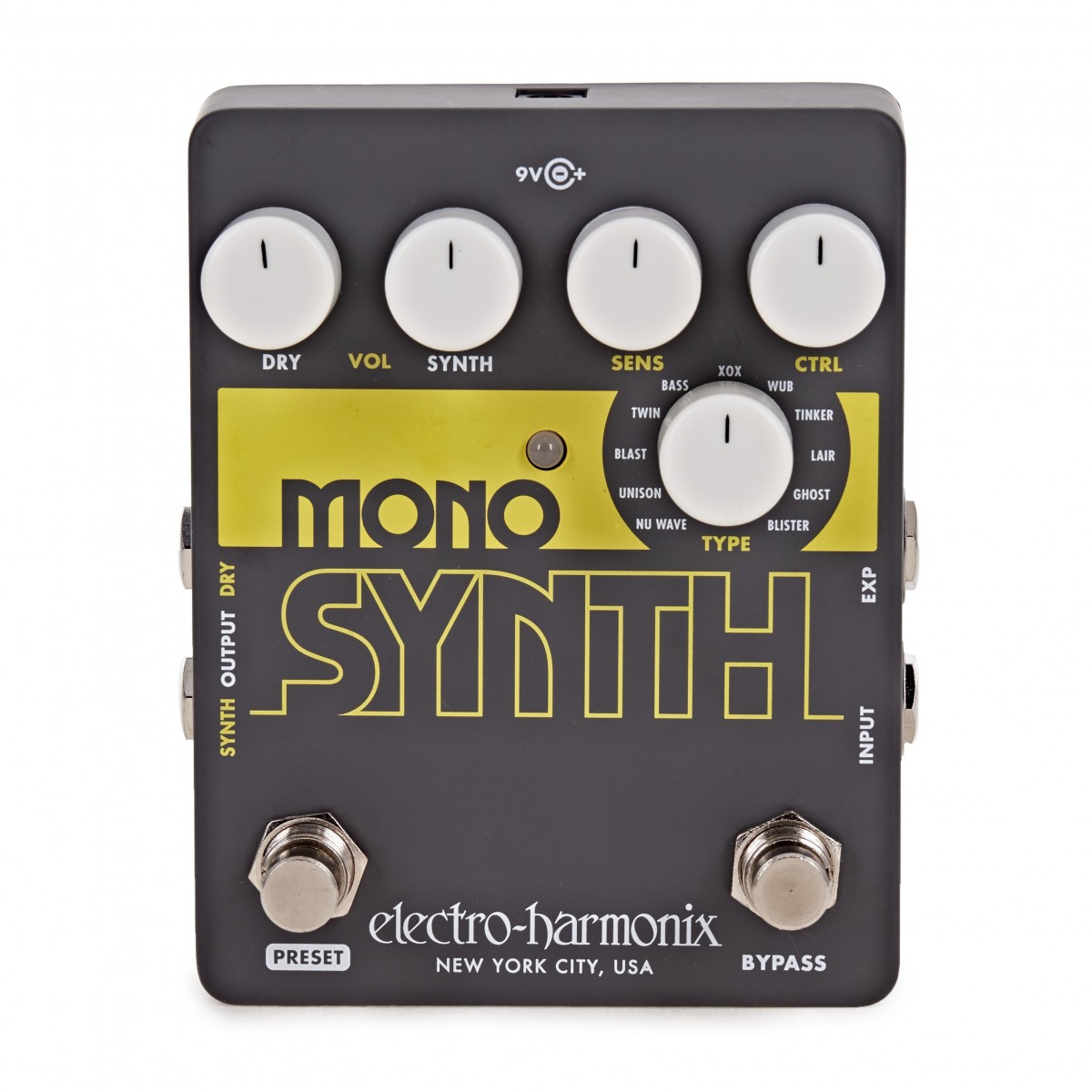
Electro Harmonix Mono Synth Guitar Synthesizer
 £2,248.64 ($2,856)
Viscount Organs
Viscount Legend 70s Compact EX Modular Stage Piano
 £637.97 ($810)
Yamaha
Yamaha YDS 150 Digital Wind Synthesizer
 £499.99 ($635)
Gear4Music
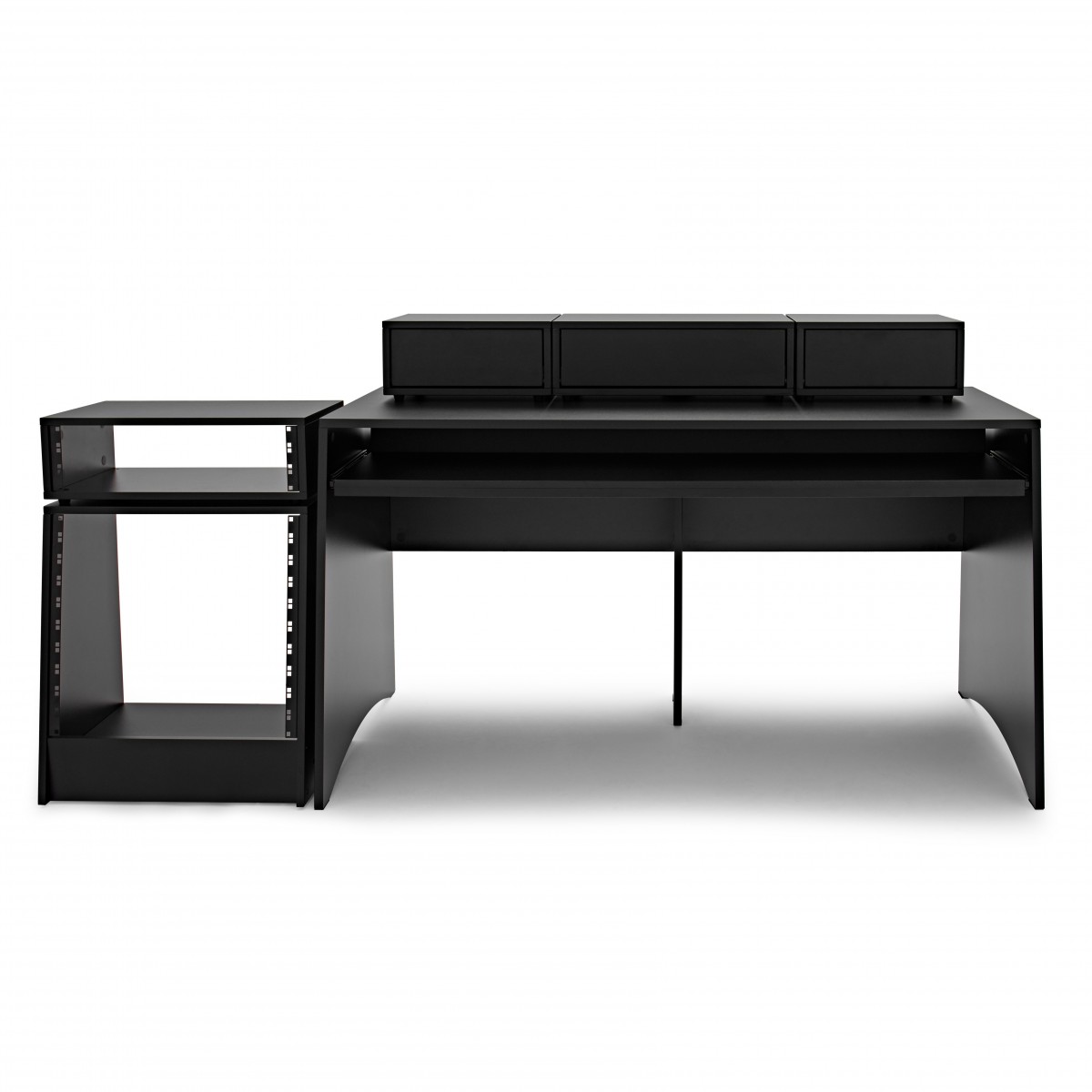
modul Modular Complete Studio System Black
Frequently asked questions
- Is the Behringer Poly D fully polyphonic?
- The Poly D is a 4-voice synthesizer. It can be used in mono, unison, or polyphonic modes, allowing the four oscillators to be shared across notes played on the keyboard.
- How many keys does the Poly D have?
- The unit features a 37-note full-size keyboard. This provides a balance between portability and performance playability.
- What type of filter does the Poly D use?
- It utilizes a classic 24dB ladder filter. This design is famous for its resonant characteristics and its ability to shape the harmonic content of the analog oscillators.
- Can the control panel be tilted?
- Yes, the top panel can be toggled to sit at various positions. It can lie flat or be stood up at an angle for optimal visibility during performance.
- Does the Poly D include a sequencer?
- Yes, it features a flexible 32-step sequencer. This allows users to program and play back melodic patterns directly on the hardware.
- What modulation effects are built-in?
- The synthesizer includes an LFO and a stereo BBD chorus. The chorus is based on Bucket Brigade Device technology for authentic vintage modulation.
- How many oscillators are available?
- The Poly D is equipped with four Voltage Controlled Oscillators (VCOs). Each oscillator supports a wide range of waveforms for diverse sound creation.
- Is the signal path analog or digital?
- The signal path is faithful to original circuitry and is fully analog. This includes the oscillators, the ladder filter, and the VCA.
- Does it have an arpeggiator?
- Yes, alongside the sequencer, the Poly D includes an arpeggiator function. This helps in creating rhythmic broken-chord patterns.
- What is the typical price for the Poly D?
- The typical retail price range is approximately GBP 426. Pricing may vary slightly depending on the retailer and current market availability.
- Can it produce stereo sound?
- Yes, the inclusion of the stereo BBD chorus allows the Poly D to output a wide stereo signal. This adds depth to the analog tones.
- How does it differ from the Behringer Model D module?
- While the Model D is a compact, monophonic desktop module, the Poly D adds a 37-note keyboard, a fourth oscillator, and polyphonic capabilities. It also features a larger tilting chassis and built-in effects like chorus and distortion.