
Gear article
Behringer SB 78A Condenser Microphone
The Behringer SB 78A is a studio-grade condenser microphone designed to provide high-fidelity audio reproduction in both stage and studio environments. Unlike traditional dynamic stage microphones, it utilizes active circuitry to capture subtle nuances with a flatter frequency response.
See live pricesOverview
The Behringer SB 78A is a versatile condenser microphone that bridges the gap between home studio recording and live performance. While many live microphones rely on dynamic capsules, the SB 78A employs a condenser design intended to offer a wider frequency range and greater sensitivity. It is constructed to provide a professional appearance and robust performance for vocalists and speakers.
Technical Features and Operation
The microphone features active circuitry designed to maintain maximum signal integrity throughout the signal path. It utilizes a cardioid polar pattern, which focuses sensitivity on the front of the capsule while providing a null-point at the rear. This design results in an average off-axis rejection of approximately -6dB, helping to isolate the primary sound source from ambient noise and feedback in live settings.
Sonic Character
Behringer has designed the SB 78A to avoid predefined or exaggerated frequency 'curves' often found in entry-level microphones. The aim is a flat frequency response that captures the natural character of the source. Because it is a condenser, it is better suited for capturing subtle nuances and high-frequency details compared to standard dynamic microphones, ensuring a more transparent audio reproduction.
Target Audience and Application
The SB 78A is aimed at performers and engineers who require studio-quality audio in a live format. It is particularly suited for vocalists who feel dynamic microphones sound too 'muffled' or lack clarity. Due to its price point of approximately £27, it is an accessible option for home recording enthusiasts, podcasters, and semi-professional musicians seeking a cleaner signal for their vocal chain.
Market Comparison
Within the Behringer catalogue and the wider market, the SB 78A sits as an affordable alternative to premium condenser models like the Neumann TLM 102 or TLM 103. While those high-end models are dedicated studio tools, the SB 78A is designed for the rigours of the stage. Compared to the industry-standard Shure SM7B dynamic microphone, the SB 78A offers higher sensitivity and a different frequency profile typical of condenser technology, though it lacks the specialised broadcast features of the Shure model.
Related gear
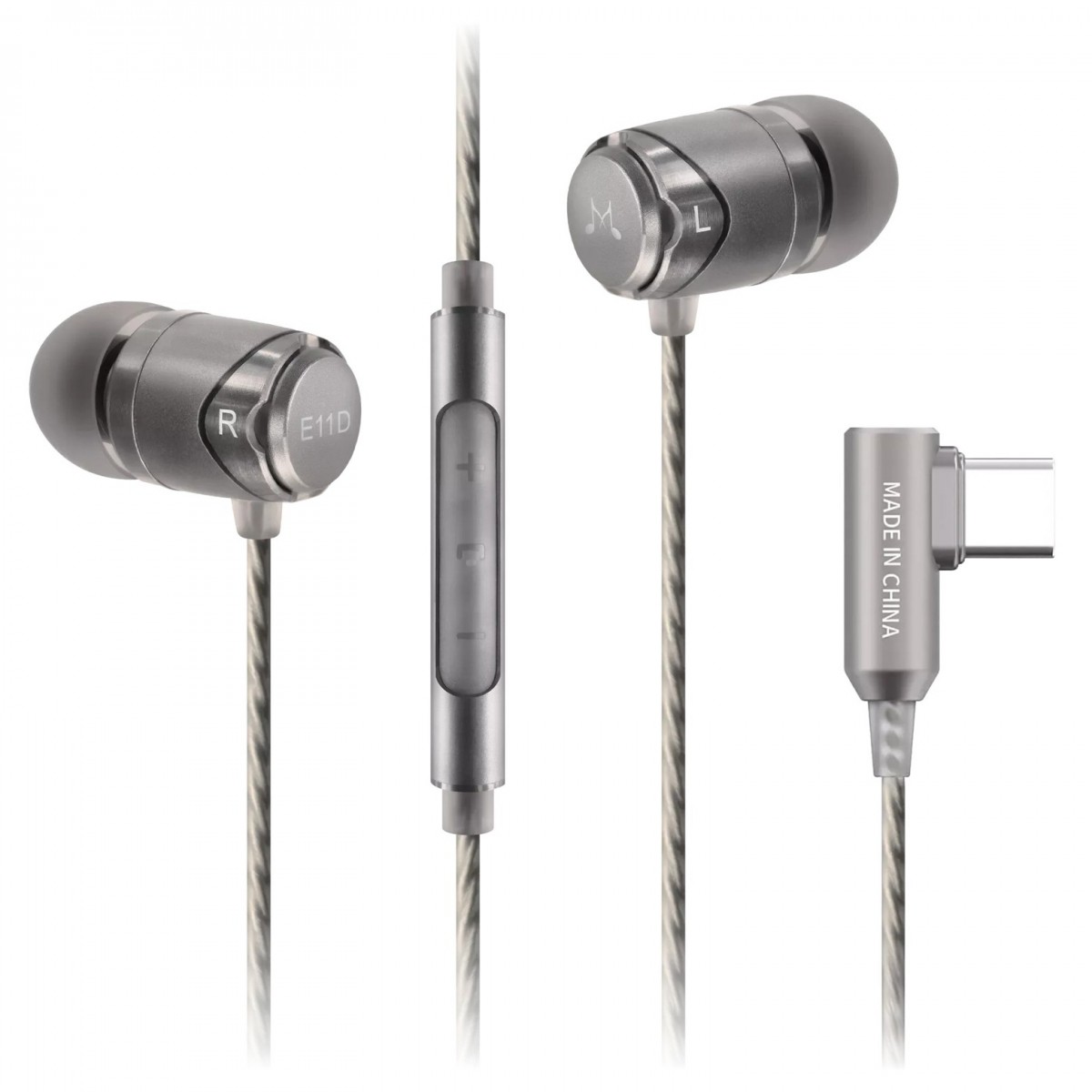 £39.98 ($51)
SoundMagic
SoundMAGIC E11D In Ear Isolating USB-C Earphones with Mic Silver
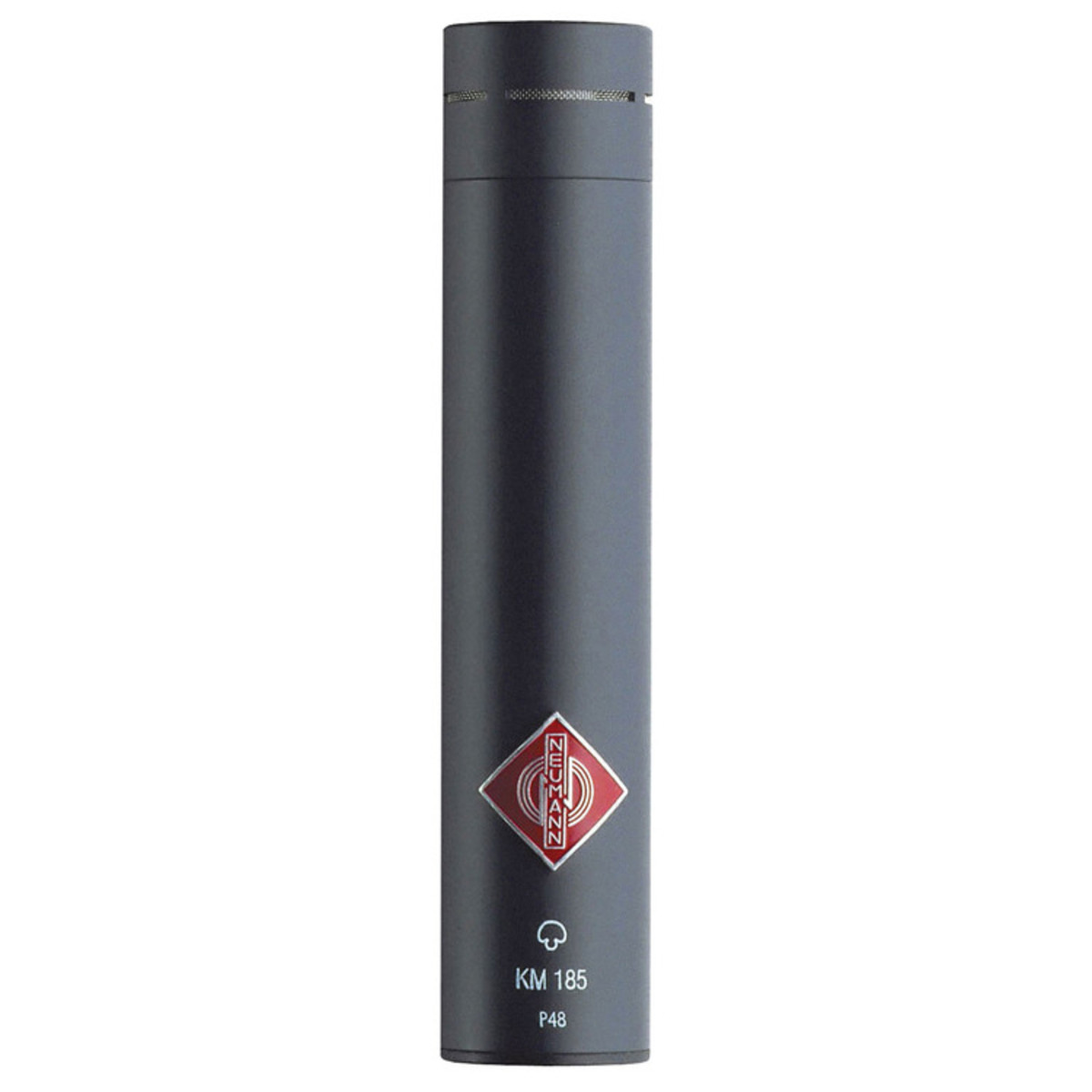 £709.28 ($901)
Neumann
Neumann KM 185 MT Super-Cardioid Compact Condenser Mic Black
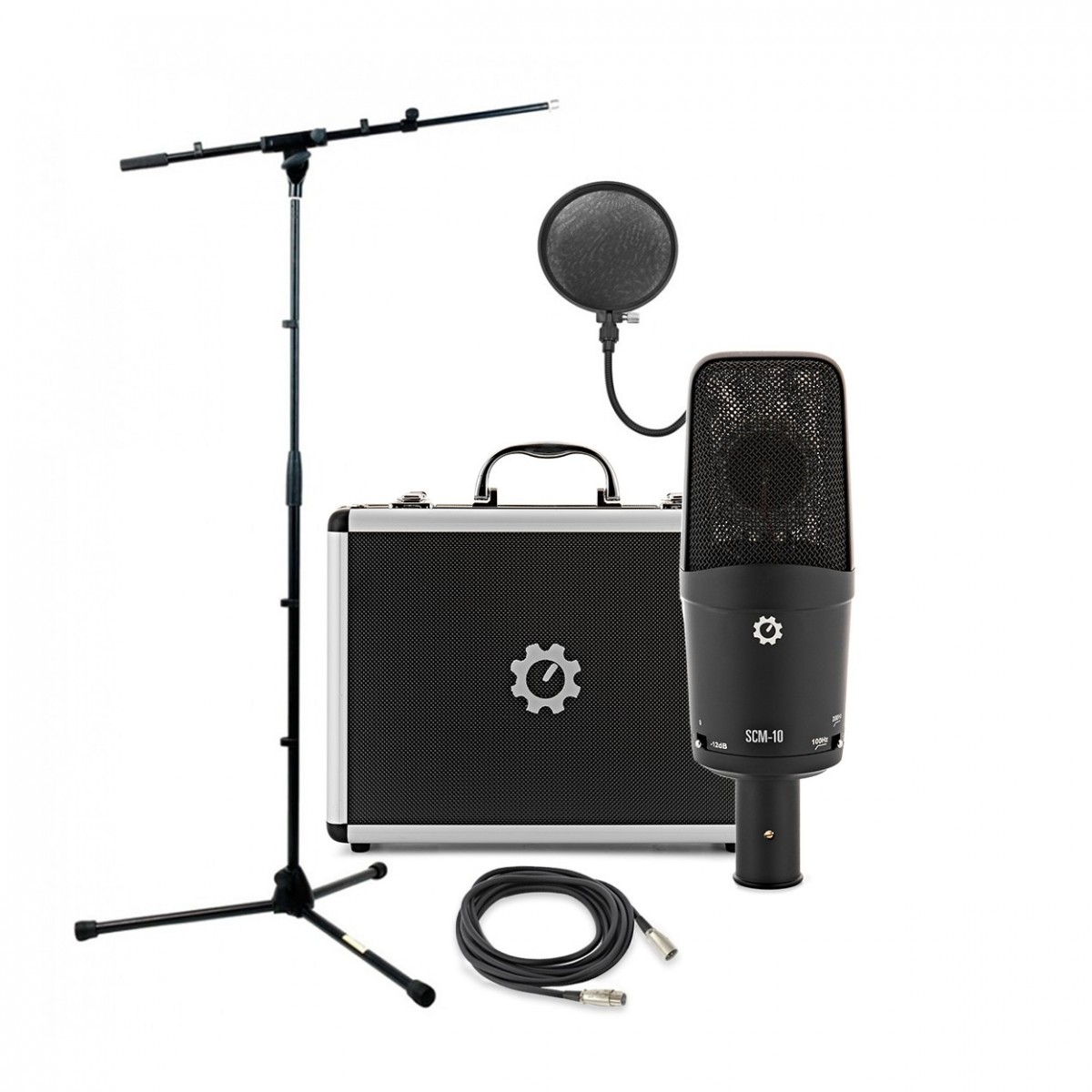 £139.99 ($178)
G4M
G4M Studio Condenser Microphone Home Recording Pack
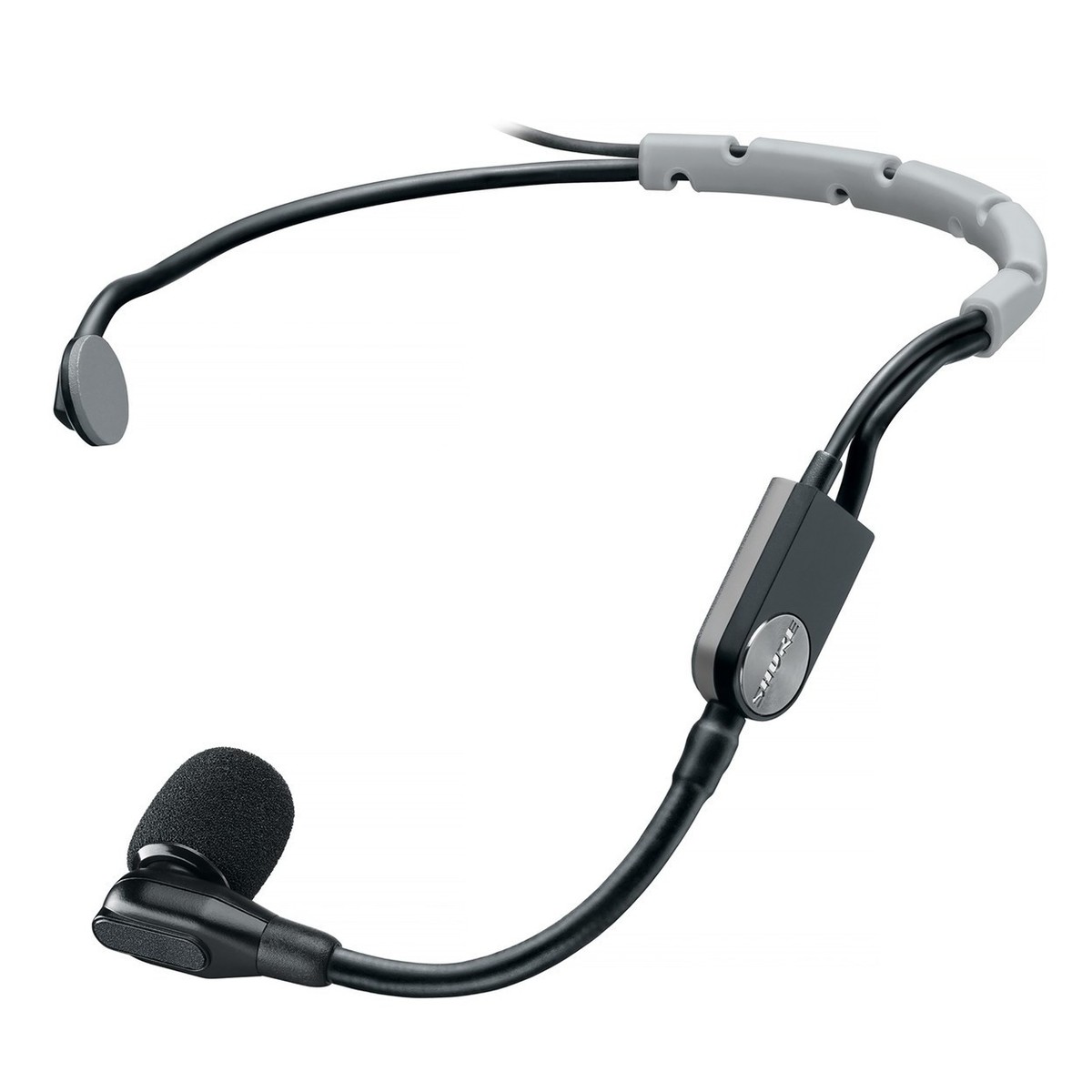 £258.50 ($328)
Shure
Shure SM35-XLR Cardioid Condenser Headset Microphone
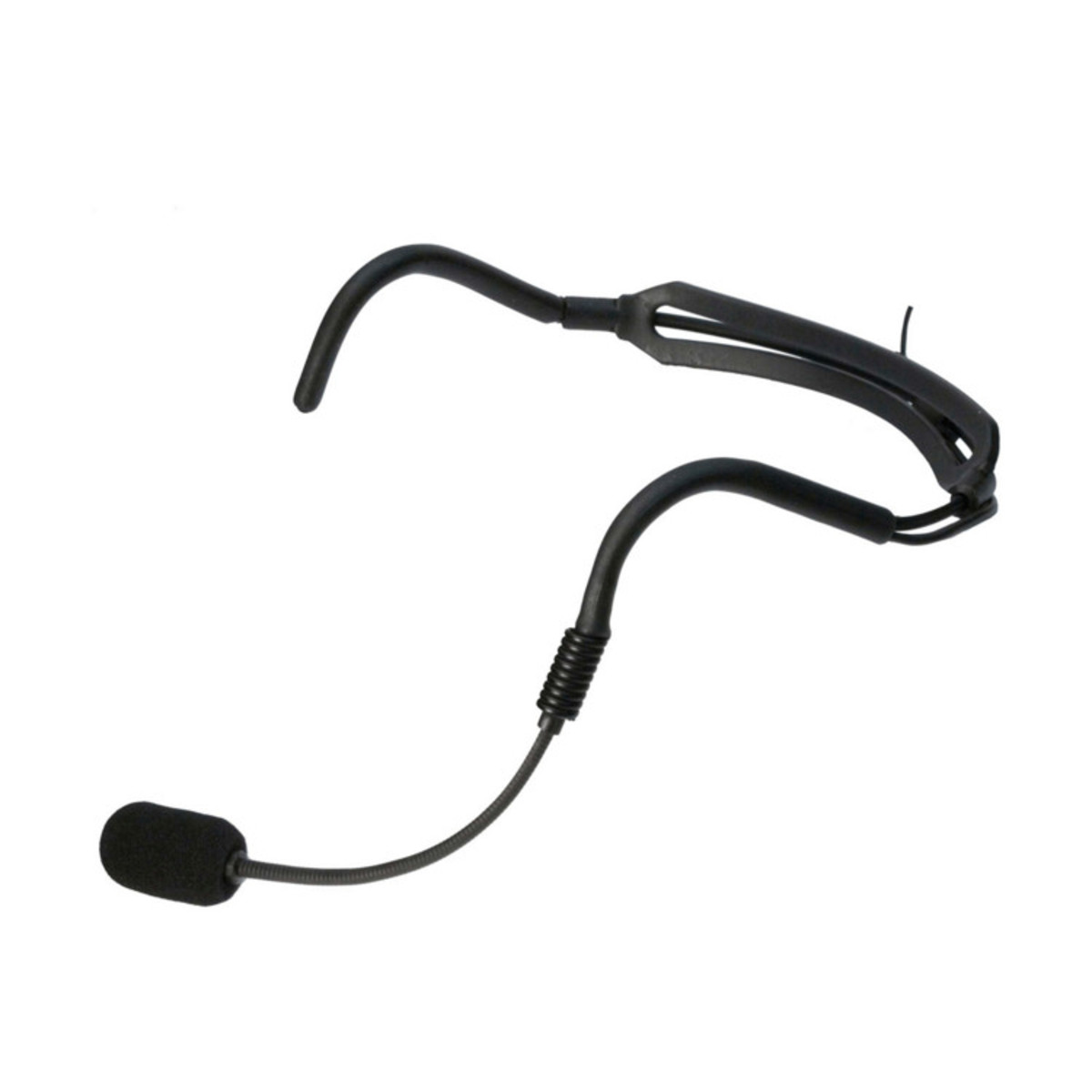 £201.19 ($256)
Audix
Audix HT2 Super Cardioid Headset Condenser Mic With 3 Pin Mini XLR
 £655.91 ($833)
Neumann
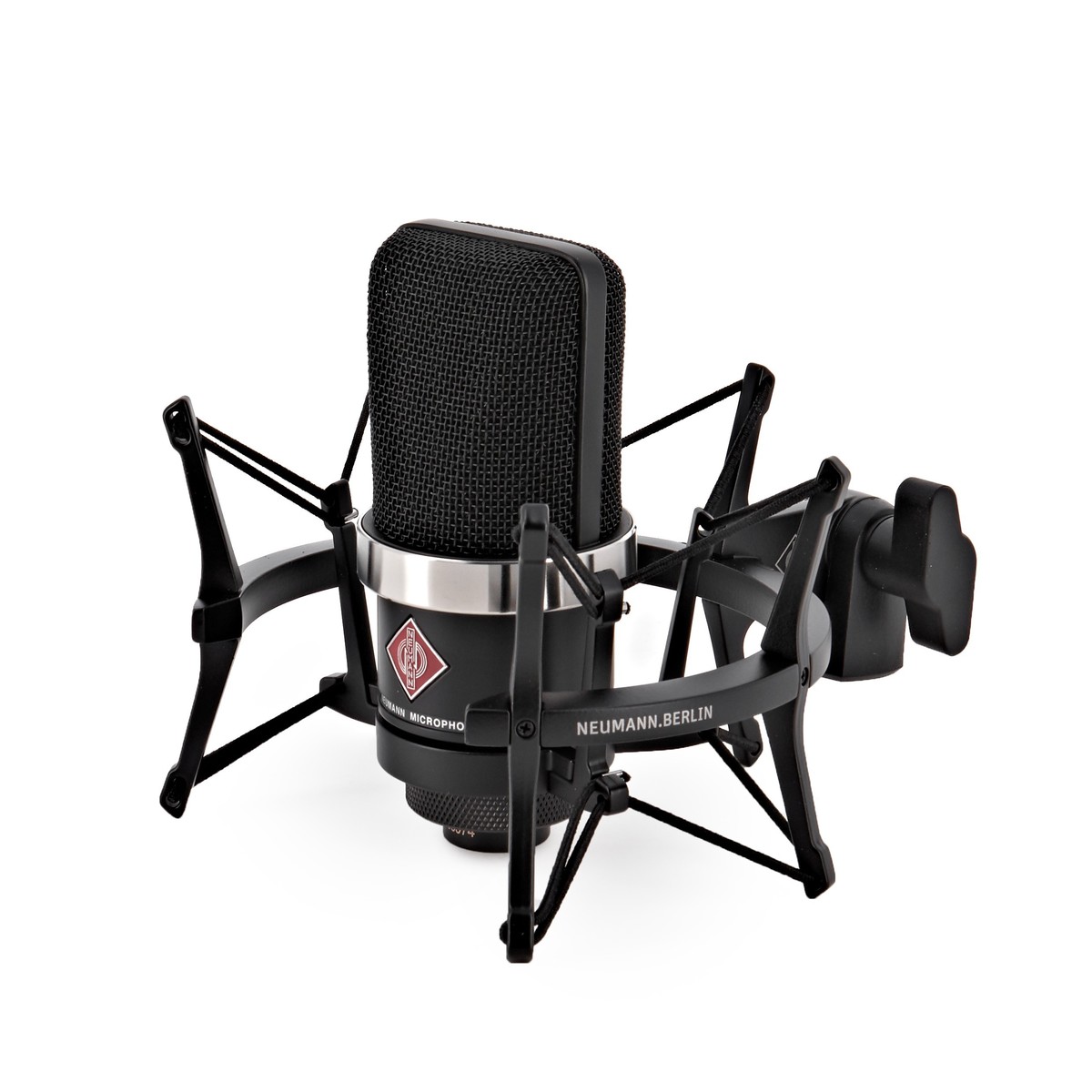
Neumann TLM 102 Microphone Studio Set Black
 £1,110.08 ($1,410)
Neumann
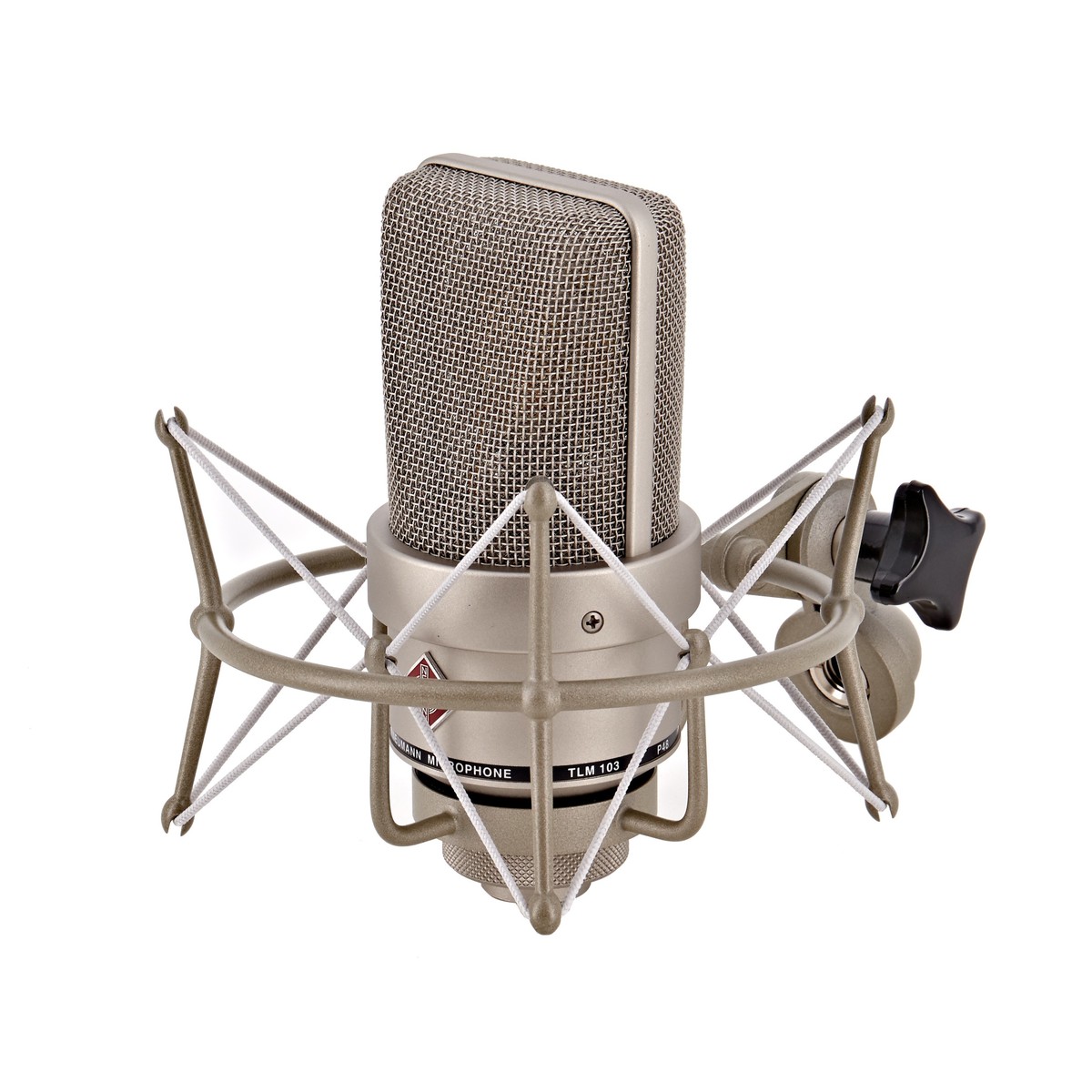
Neumann TLM 103 Studio Set Microphone Nickel
 £381.50 ($485)
Shure
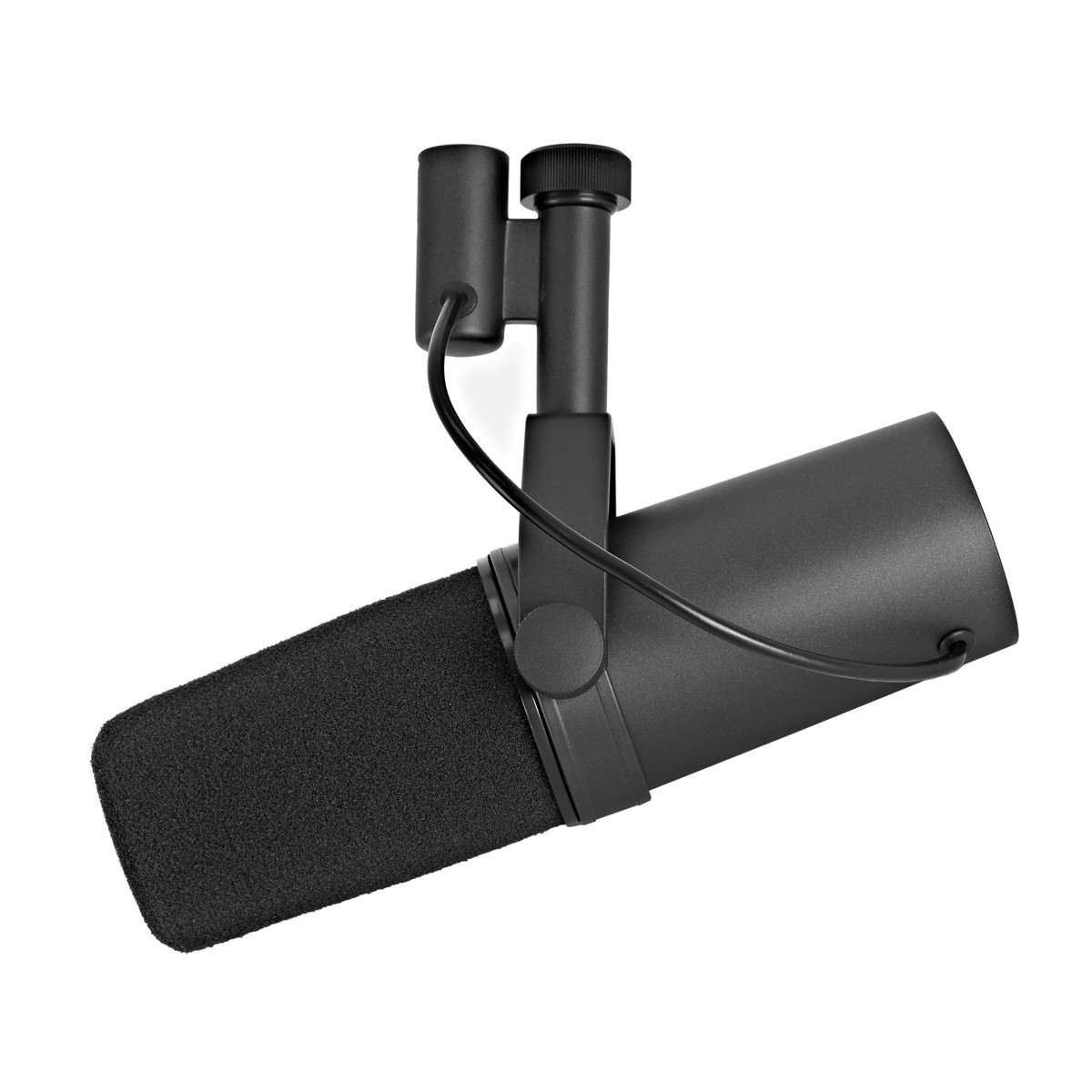
Shure SM7B Dynamic Studio Microphone
Frequently asked questions
- What type of microphone is the Behringer SB 78A?
- The SB 78A is a condenser microphone, which uses a light diaphragm and active circuitry to capture sound, rather than a dynamic moving-coil system.
- Does the SB 78A require phantom power?
- Yes, as a condenser microphone with active circuitry, it requires +48V phantom power from a mixer or audio interface to function.
- What is the polar pattern of the SB 78A?
- It features a cardioid polar pattern, meaning it is most sensitive to sound coming from the front and least sensitive to sound from the rear.
- Can I use the SB 78A for live performances?
- Yes, it is specifically designed to provide studio-grade audio quality on stage, offering a balance between sensitivity and noise rejection.
- How much does the Behringer SB 78A cost?
- The microphone typically retails for approximately £27, making it a budget-friendly option for various users.
- What is the benefit of its flat frequency response?
- A flatter response means the microphone does not apply 'ugly curves' or heavy EQ to your voice, resulting in a more natural and accurate reproduction.
- What is the off-axis rejection rating?
- The microphone provides an average off-axis rejection of around -6dB, which helps minimize background noise pickup.
- Is the SB 78A better than a dynamic microphone?
- It depends on the application; the SB 78A is better for capturing subtle nuances and high-end detail, whereas dynamic mics are often more rugged for high-SPL sources.
- How does it compare to the Neumann TLM 103?
- The TLM 103 is a premium studio-standard microphone at a much higher price point; the SB 78A offers a budget-conscious entry into condenser technology for live and home use.
- Can the SB 78A be used for recording instruments?
- While focused on vocals, its flat frequency response and condenser design make it suitable for capturing acoustic instruments with clarity.
- Does it have a rear null-point?
- Yes, the cardioid pattern creates a null-point at the rear, which is useful for positioning the microphone to avoid stage monitors or unwanted noise.
- What makes the SB 78A look 'professional'?
- It is designed with high-quality components and a sleek aesthetic intended to look professional in front of an audience or on camera.