Gear article
Behringer UM300 Ultra Metal Effects Pedal
The Behringer UM300 Ultra Metal is a high-gain distortion pedal designed for electric guitar, offering extensive EQ shaping capabilities. It is noted for its sweepable mid-frequency controls and a significant amount of available gain, marketed as a versatile tool for various heavy music genres.
See live pricesOverview
The Behringer UM300 Ultra Metal is a compact effects pedal tailored for guitarists seeking aggressive distortion textures. Positioned as one of the more versatile options in its price bracket, it focuses on providing a wide range of tonal adjustments that go beyond simple 'tone' knobs found on standard distortion units. The pedal is housed in a hard-wearing plastic chassis and operates via a 9V battery or a standard DC power supply.
Key Features and Operation
The primary feature of the UM300 is its comprehensive EQ section. While many distortion pedals offer a single tone control, the UM300 provides dedicated High and Low knobs, alongside a semi-parametric Mid control. This consists of a 'Mid' level knob for boosting or cutting frequencies and a 'Mid Freq' knob to sweep through the specific frequency range being affected. This allows for precise tailoring of the guitar's presence in a mix.
Sound Character
The UM300 is characterised by an extreme amount of gain, often described by the manufacturer as providing more saturation than most players will typically require. The sonic profile can be adjusted from the 'old school' mid-scooped tones associated with 1980s thrash metal to the denser, mid-heavy sounds required for doom or stoner metal. The dual-stage gain circuitry ensures a thick, sustaining signal even at lower volume levels.
Target Audience
This pedal is primarily suited for metal guitarists who require specific control over their midrange response. Because of its aggressive nature and high gain floor, it is ideal for players who want to transform a clean amplifier channel into a heavy distortion channel. It serves as an accessible entry point for beginners while providing the tonal flexibility required by more experienced players working within heavy sub-genres.
Comparison to Alternatives
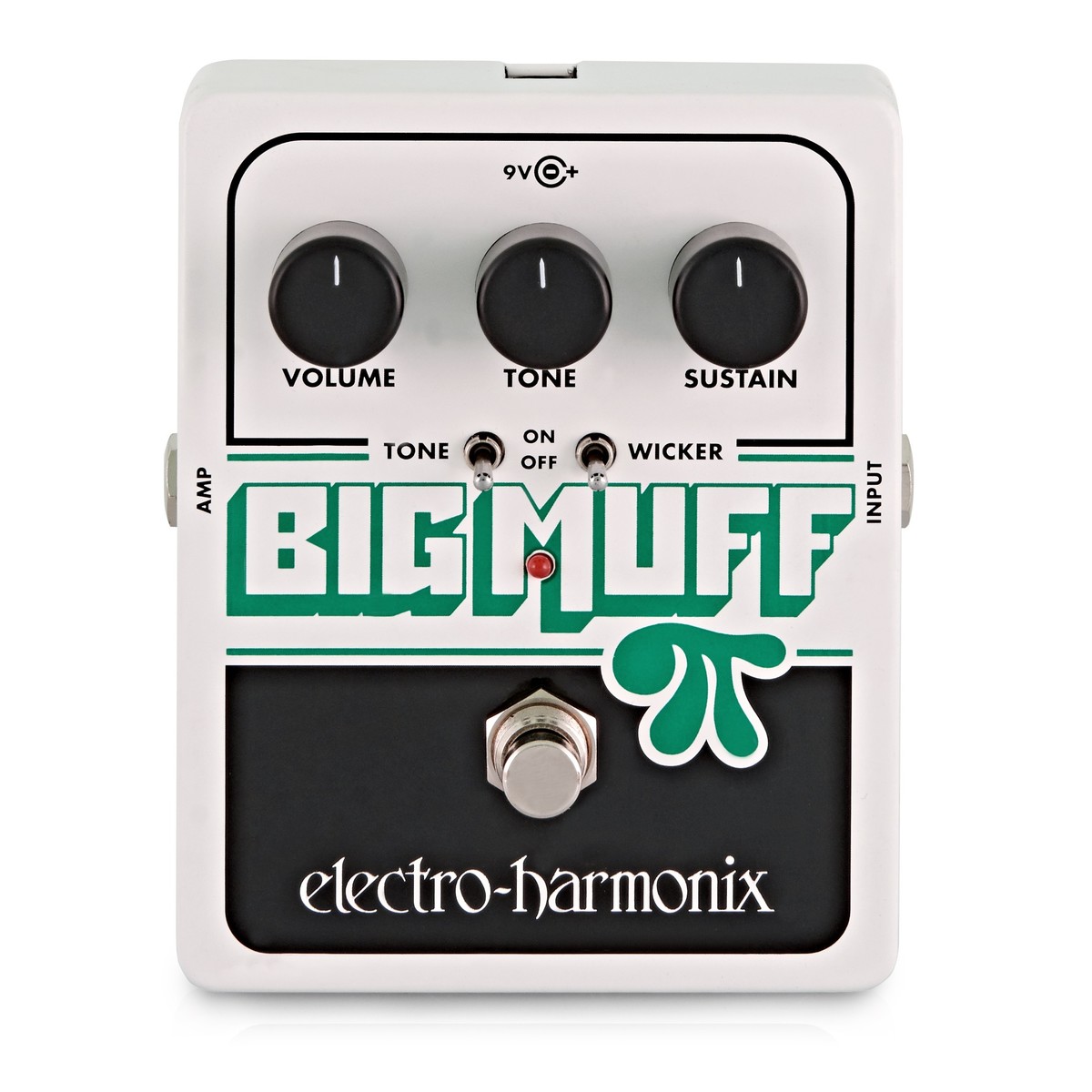
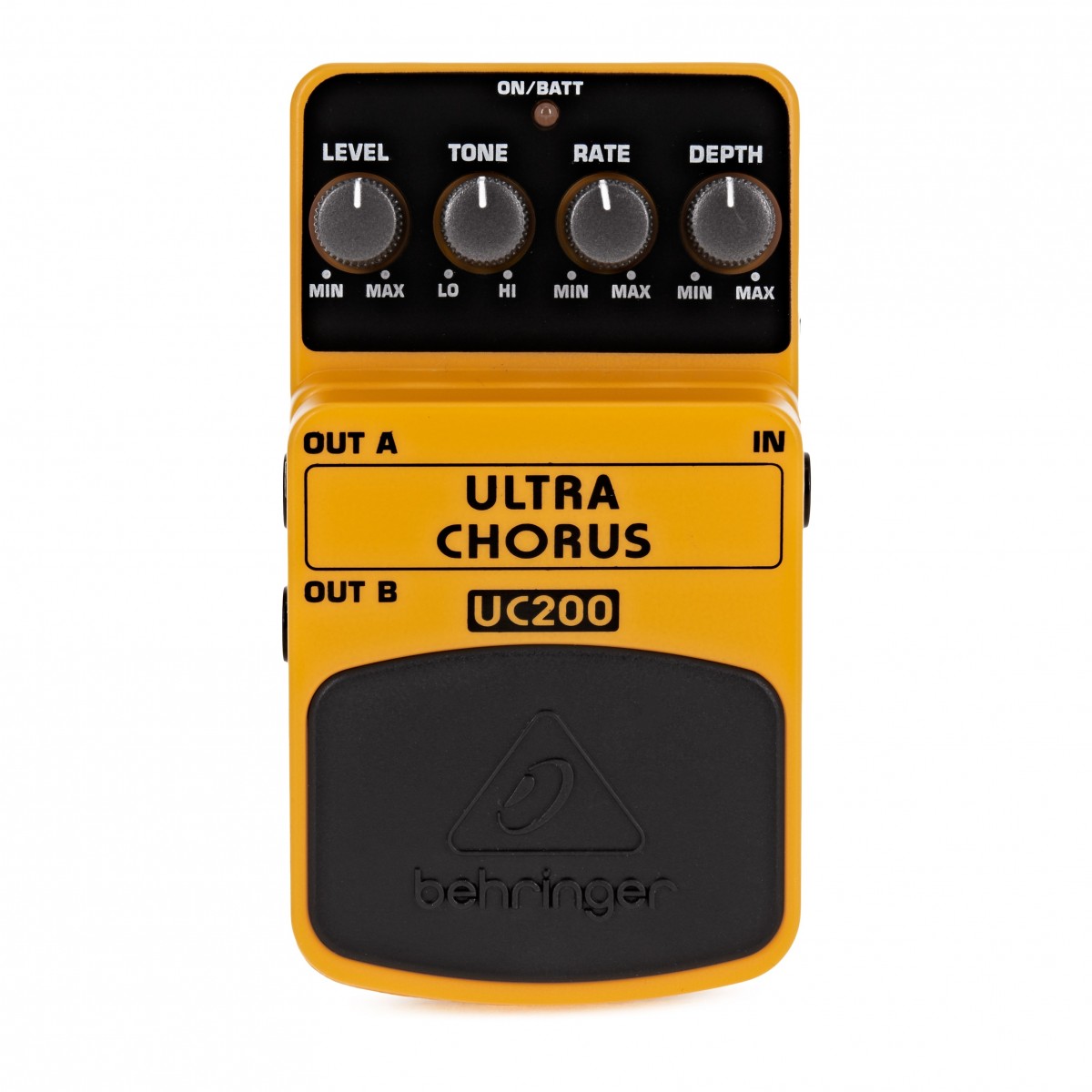
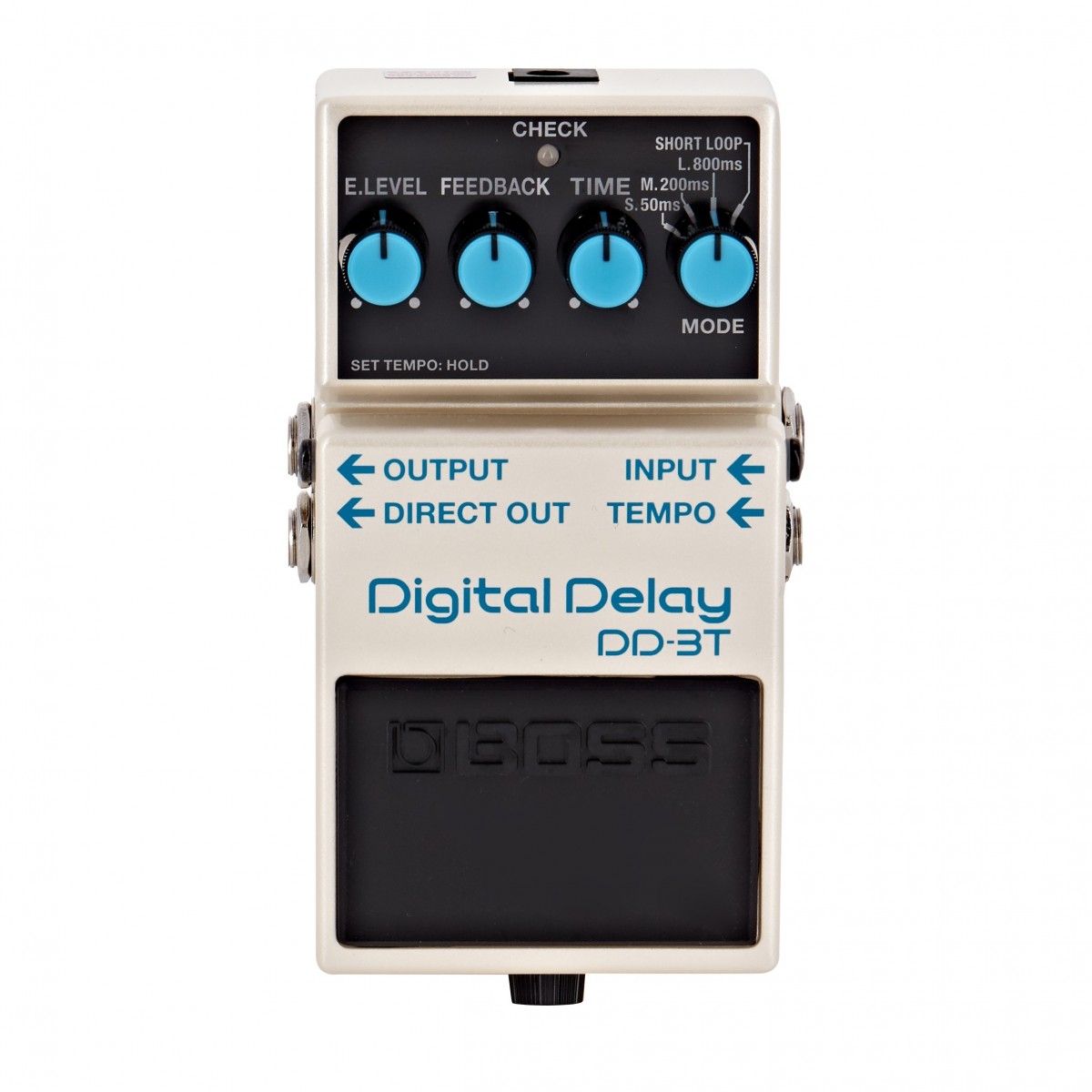
Compared to standard distortion units like the Electro-Harmonix Big Muff, the UM300 offers more surgical EQ control rather than a fuzzy, vintage saturation. While it occupies a similar high-gain territory to boutique pedals, its value-oriented pricing (typically around £24) makes it a competitive alternative. For players seeking a different modulation or spatial effect to pair with the UM300, products like the Behringer UC200 Ultra Chorus or the Boss DD-3T Digital Delay are common choices for expanding the signal chain.
Related gear
 £97.00 ($123)
Electro Harmonix
Electro Harmonix Big Muff Distortion Sustainer w/ Tone Wicker
 £129.00 ($164)
Digitech
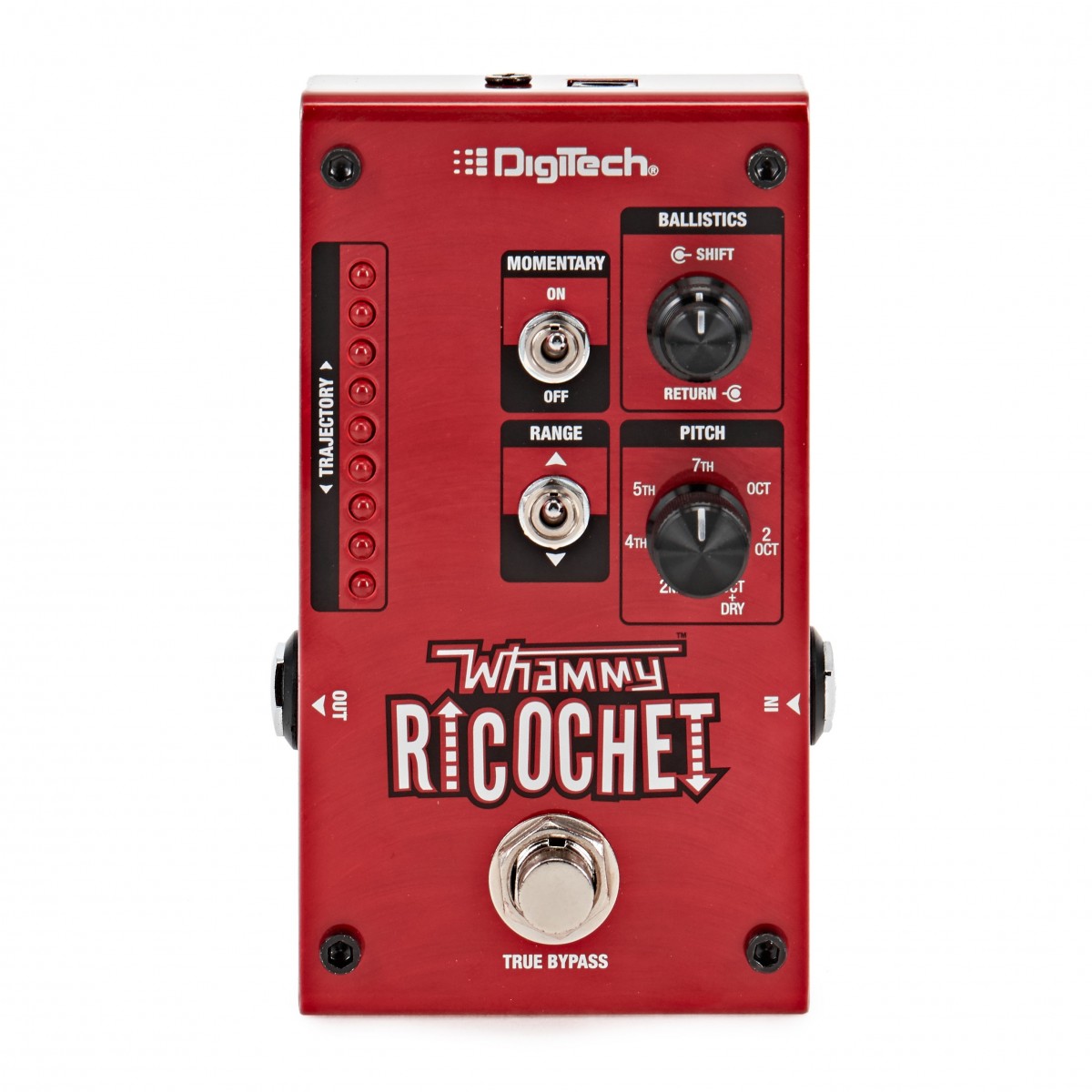
Digitech Whammy Ricochet Guitar Effects Pedal
 £85.00 ($108)
Fender
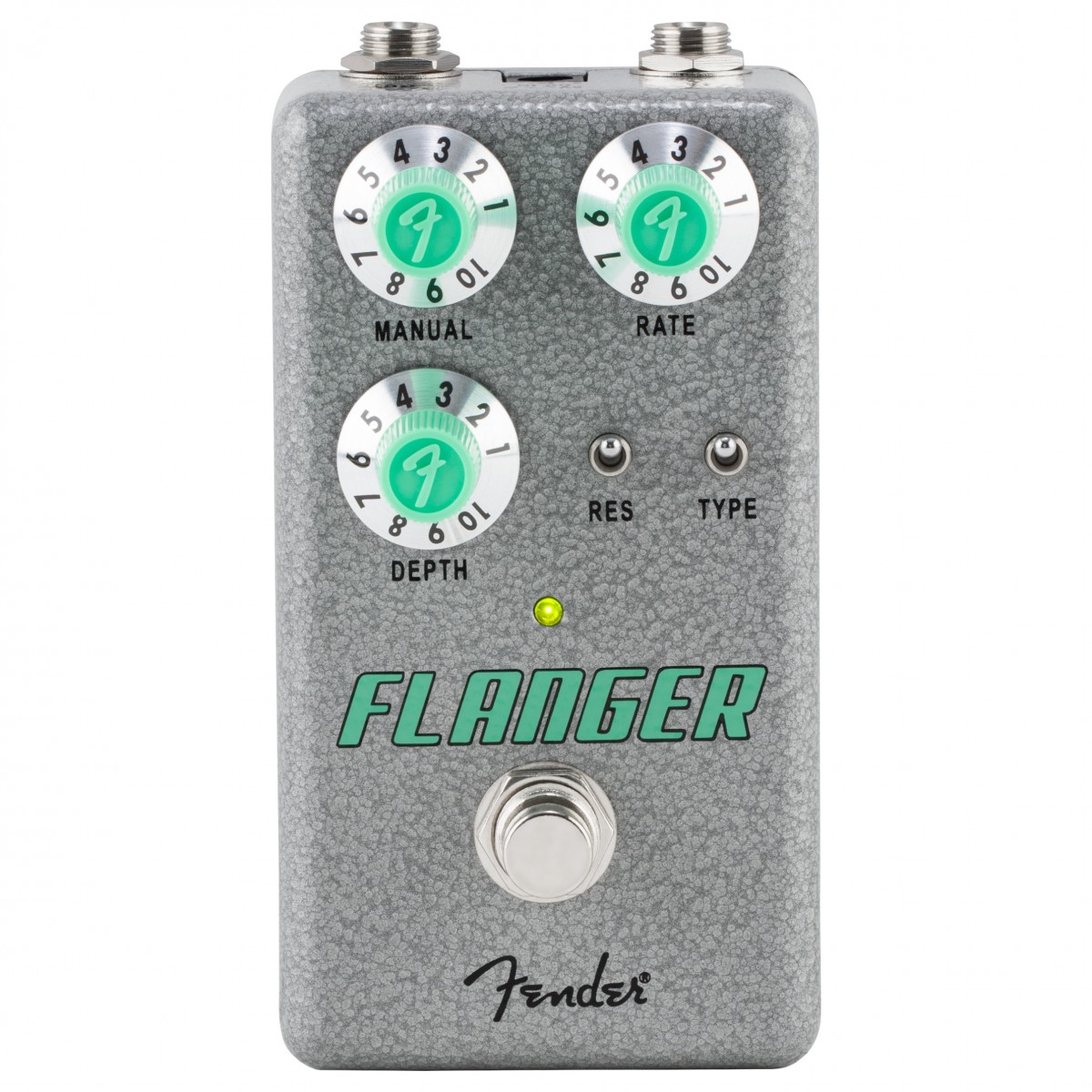
Fender Hammertone Flanger Pedal
 £19.90 ($25)
Behringer
Behringer UC200 Ultra Chorus Pedal
 £259.00 ($329)
Dunlop
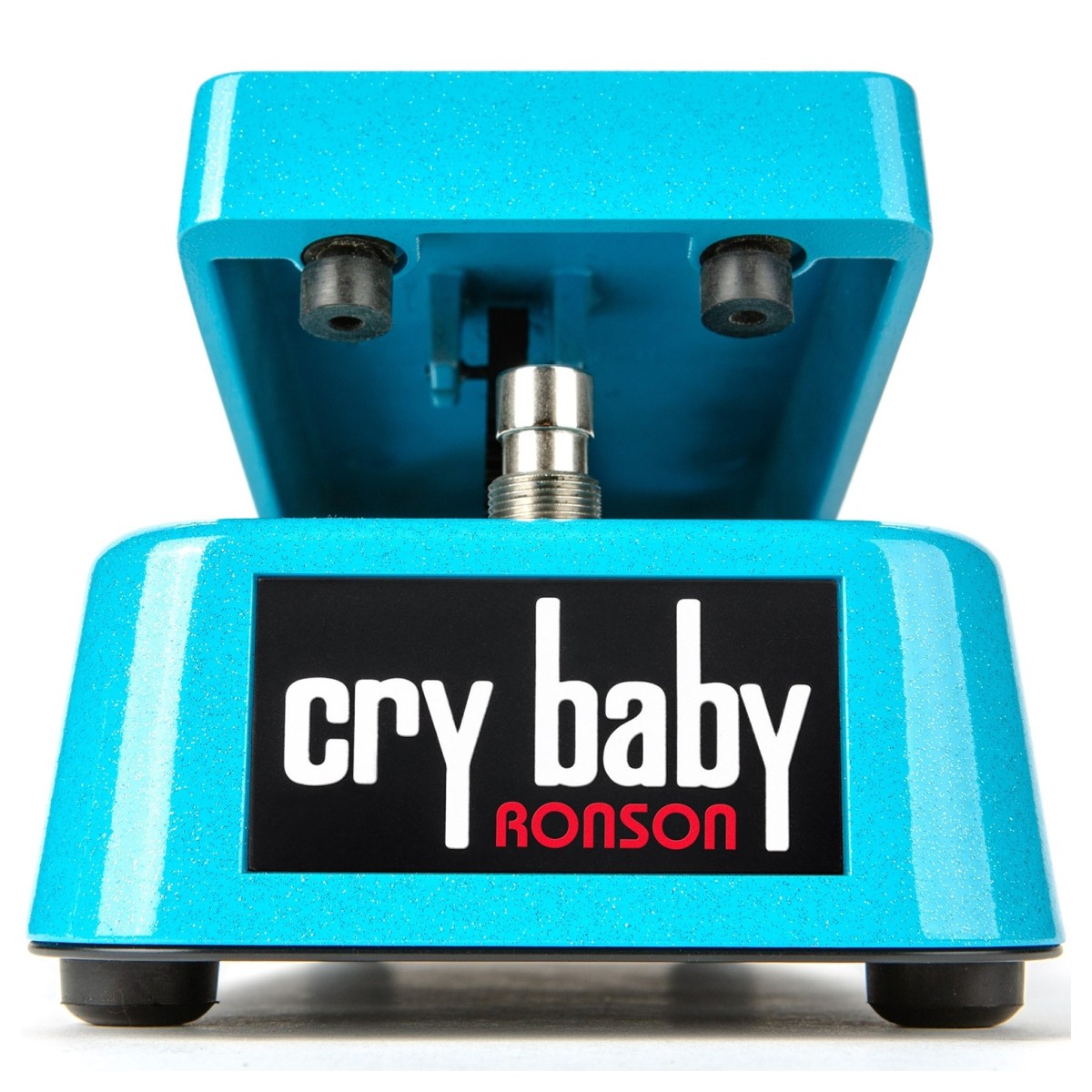
Dunlop Mick Ronson Cry Baby Wah
 £77.00 ($98)
Yamaha
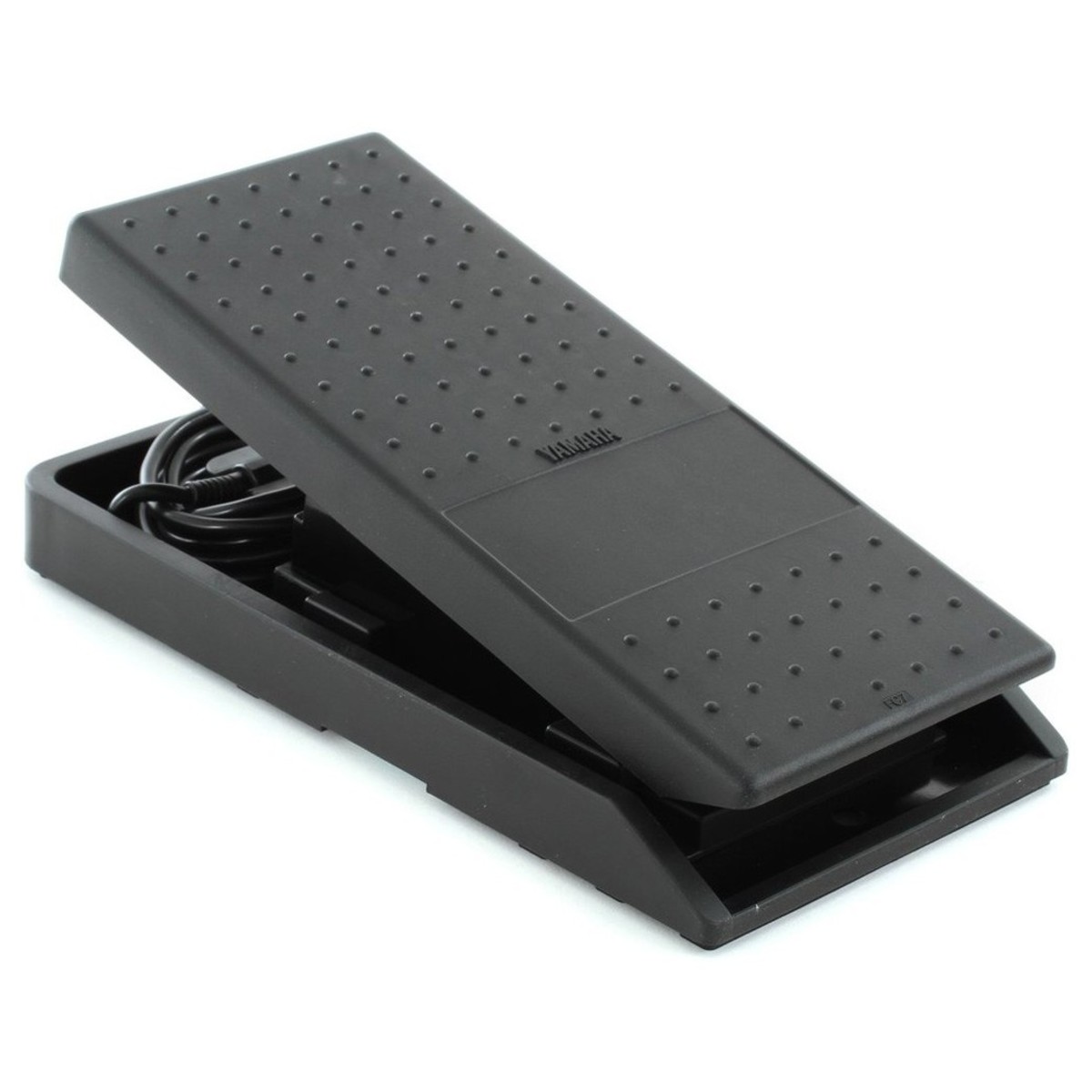
Yamaha FC7 Expression Pedal
 £175.00 ($222)
Boss
Boss DD-3T Digital Delay Pedal
 £99.10 ($126)
Boss
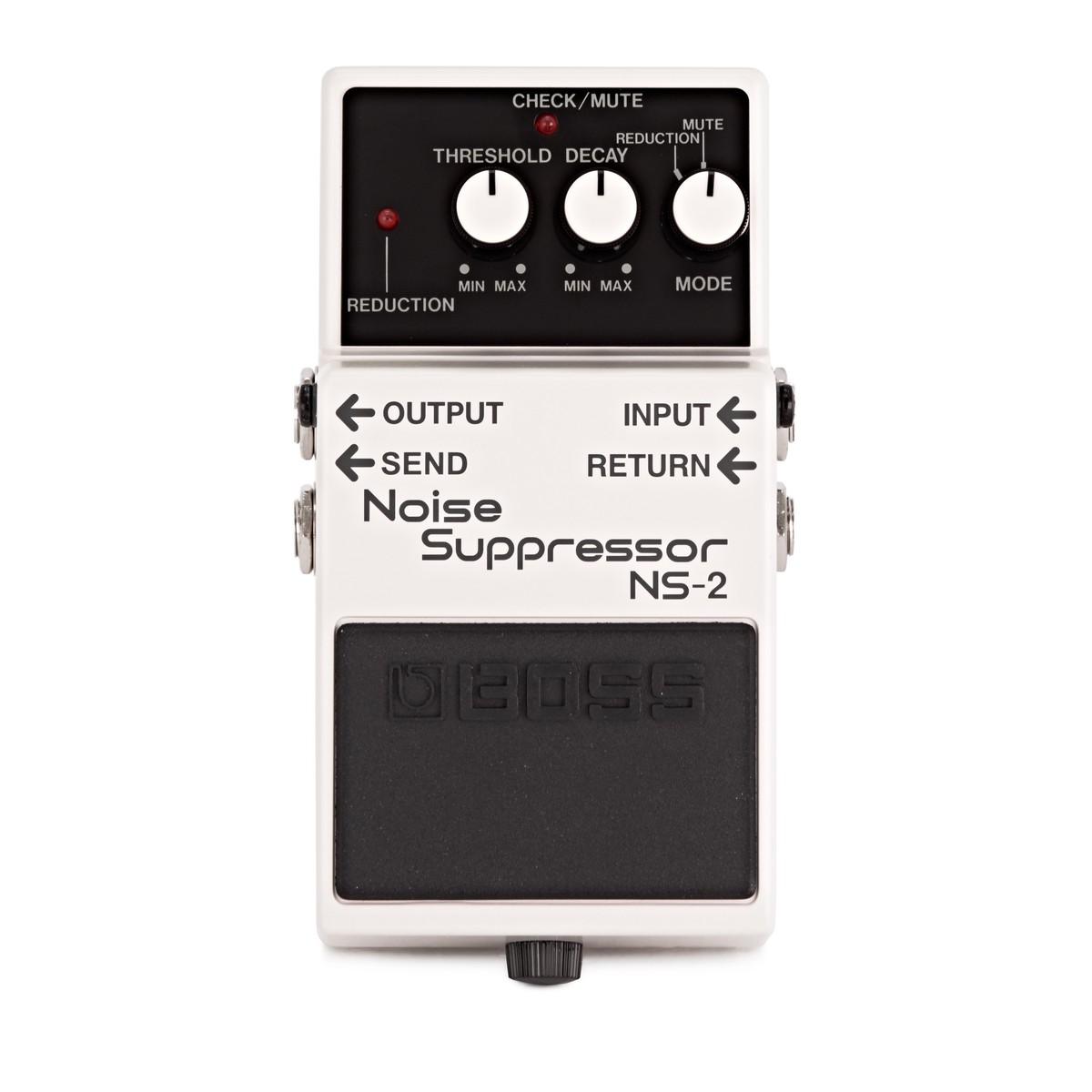
Boss NS-2 Noise Suppressor Guitar Pedal
Frequently asked questions
- What is the primary function of the Behringer UM300?
- The UM300 is a high-gain distortion pedal designed to provide heavy, saturated tones for electric guitar. It is specifically engineered for metal and hard rock genres where significant sustain and harmonic distortion are required.
- How does the 'Mid Freq' control work on the UM300?
- The 'Mid Freq' knob allows the user to select the specific frequency range that will be affected by the 'Mid' level knob. By turning this dial, you can choose exactly which part of the midrange is boosted or cut, providing much more flexibility than a fixed EQ.
- What is meant by a 'scooped' metal tone on this pedal?
- A scooped tone is achieved by using the EQ controls to cut the middle frequencies while boosting the lows and highs. This produces the sharp, aggressive sound typical of 1980s thrash metal, which the UM300 can easily replicate using its sweepable mid controls.
- Can the UM300 produce sounds suitable for Doom Metal?
- Yes, by boosting the middle frequencies rather than cutting them, the UM300 can produce the 'fat' and 'doomy' sounds associated with slower, heavier metal sub-genres. The high levels of available gain help sustain the long, heavy chords typical of this style.
- What is the typical price for the Behringer UM300?
- The UM300 is generally available in the UK market for approximately £24. This makes it a budget-friendly option for guitarists looking for professional-grade EQ features without a high price tag.
- Does the UM300 have enough gain for modern metal?
- The manufacturer states that the Ultra Metal likely has more gain than any player actually needs. It is designed to offer an astonishing amount of saturation, ensuring that users always have enough gain for even the most extreme styles.
- What power source does the UM300 require?
- The pedal can be powered by a standard 9V battery or a 9V DC power supply. Like most Behringer pedals, it features a status LED to indicate when the effect is active and to monitor battery life.
- How does the UM300 compare to the Boss MT-2 Metal Zone?
- While both pedals feature similar layouts with sweepable mids and high-gain distortion, the UM300 is positioned as a highly affordable alternative. It offers comparable EQ shaping capabilities at a fraction of the cost typically associated with similar units.
- Can this pedal be used for styles other than metal?
- While it is specifically designed for 'Ultra Metal', the versatile EQ allows it to be used for hard rock or industrial sounds. However, it is generally too aggressive for light blues or subtle overdrive applications.
- Is the UM300 built for professional touring?
- The pedal features a hard plastic casing and a high-quality electronic on/off switch. While it is durable enough for home use and small gigs, players on heavy international tours may prefer pedals with metal enclosures for maximum longevity.
- Should I use a noise gate with the UM300?
- Given the very high levels of gain the UM300 can produce, using a noise gate like the Boss NS-2 is often recommended. This helps to eliminate unwanted hum or feedback during pauses in playing when the gain is set to high levels.
- Can I pair the UM300 with other effects?
- Yes, it works well with other pedals. For example, adding a Behringer UC200 Ultra Chorus can add width to the distortion, while a delay like the Boss DD-3T can be used for lead solos.