
Gear article
Behringer UV300 Ultra Vibrato
The Behringer UV300 Ultra Vibrato is a budget-friendly guitar effects pedal designed to produce classic pitch-modulation effects inspired by the 1960s and 1970s. It features versatile switching modes, including Latch and Unlatch functions, allowing for both constant and momentary vibrato application at an accessible price point.
See live pricesOverview
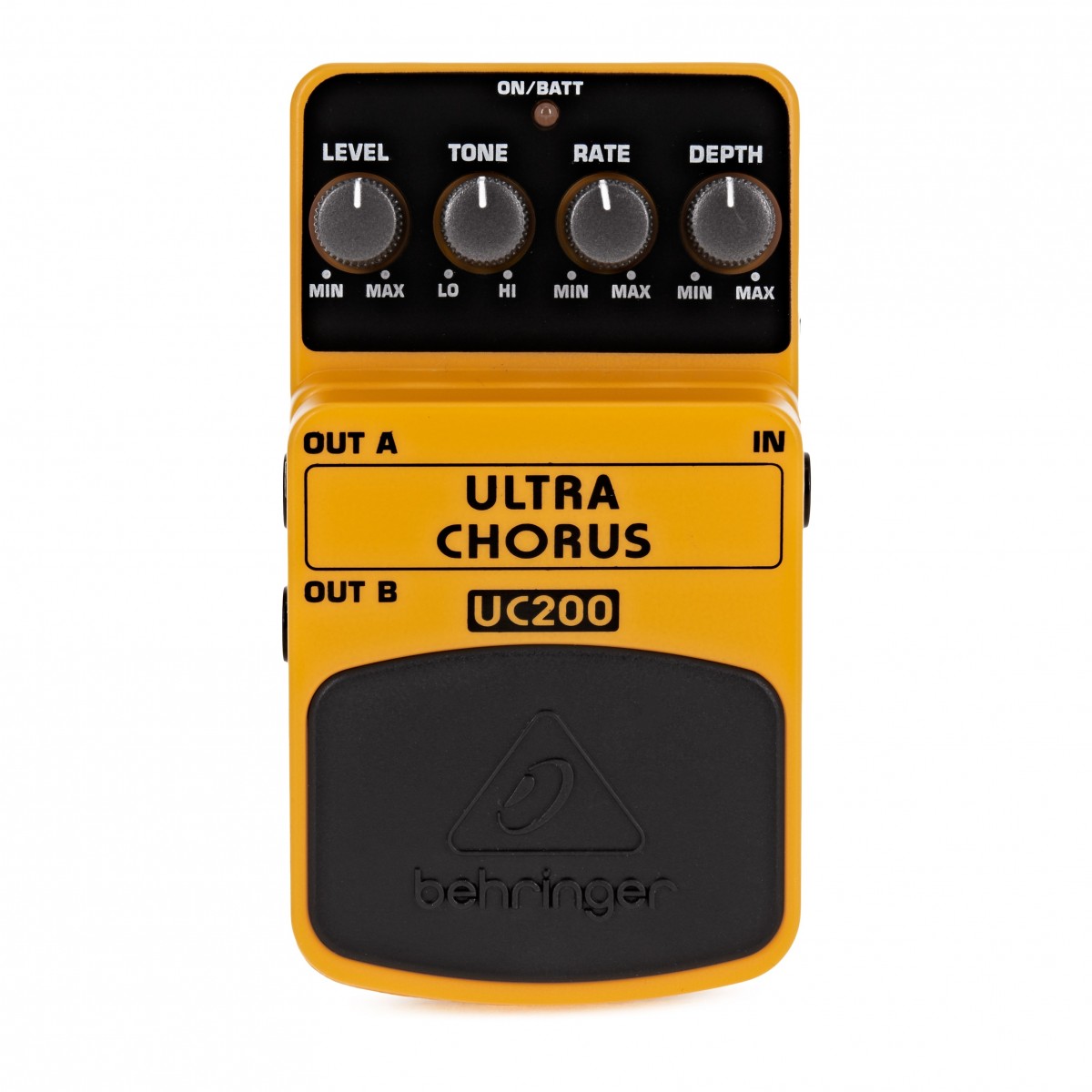
The Behringer UV300 Ultra Vibrato is a dedicated pitch-shifting modulation pedal that aims to recreate the warbling, vintage-style vibrato common in psychedelic and surf rock recordings of the 1960s and 1970s. Housed in a durable plastic chassis, the pedal is positioned as an affordable entry point for guitarists seeking authentic pitch modulation without the high cost of boutique or vintage units. It is part of Behringer's extensive line of compact pedals, sharing a similar form factor with the UC200 Ultra Chorus.
Key Features and Control Set
The UV300 provides a comprehensive set of controls for fine-tuning the modulation effect:
- Depth: Determines the intensity or range of the pitch variation.
- Rate: Adjusts the speed of the vibrato cycles.
- Rise: Controls the amount of time it takes for the effect to reach its full intensity after the pedal is engaged.
- Mode Switch: A three-position toggle that selects between Latch, Unlatch, and Bypass settings.
The inclusion of an 'Unlatch' mode is particularly notable, as it allows the effect to be active only while the footswitch is held down, enabling players to apply vibrato to specific notes or phrases momentarily.
Sound Character
The sonic character of the UV300 is defined by its ability to deliver smooth, rhythmic pitch fluctuations. Unlike a chorus pedal (such as the UC200), which mixes a dry signal with a modulated signal to create thickness, the UV300 focuses on pure pitch vibrato. At lower settings, it adds a subtle movement to the tone, while higher settings produce a dramatic, seasick warble. The 'Rise' control allows these transitions to sound more organic, mimicking the natural vibrato of a human voice or a rotary speaker.
Comparison to Alternatives
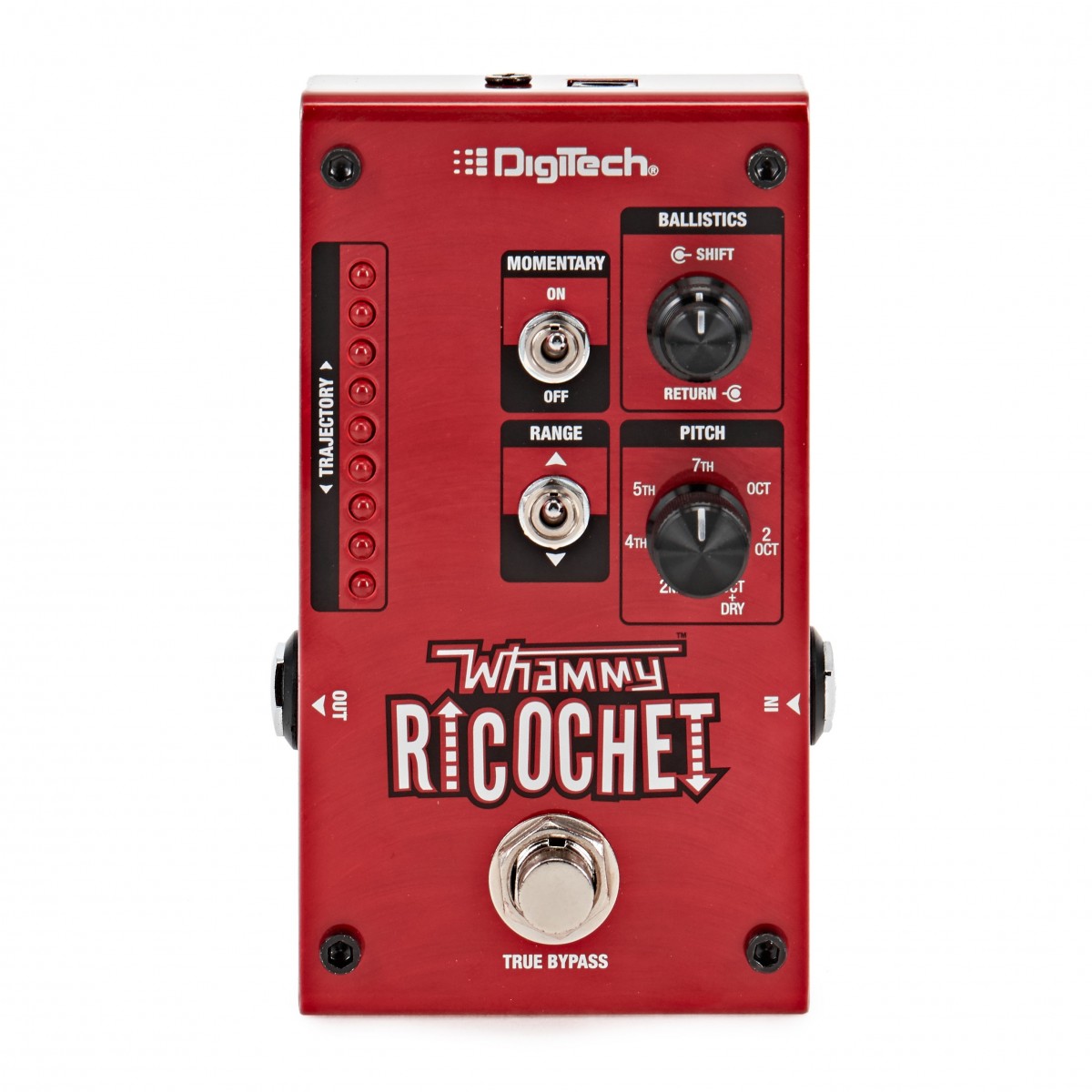
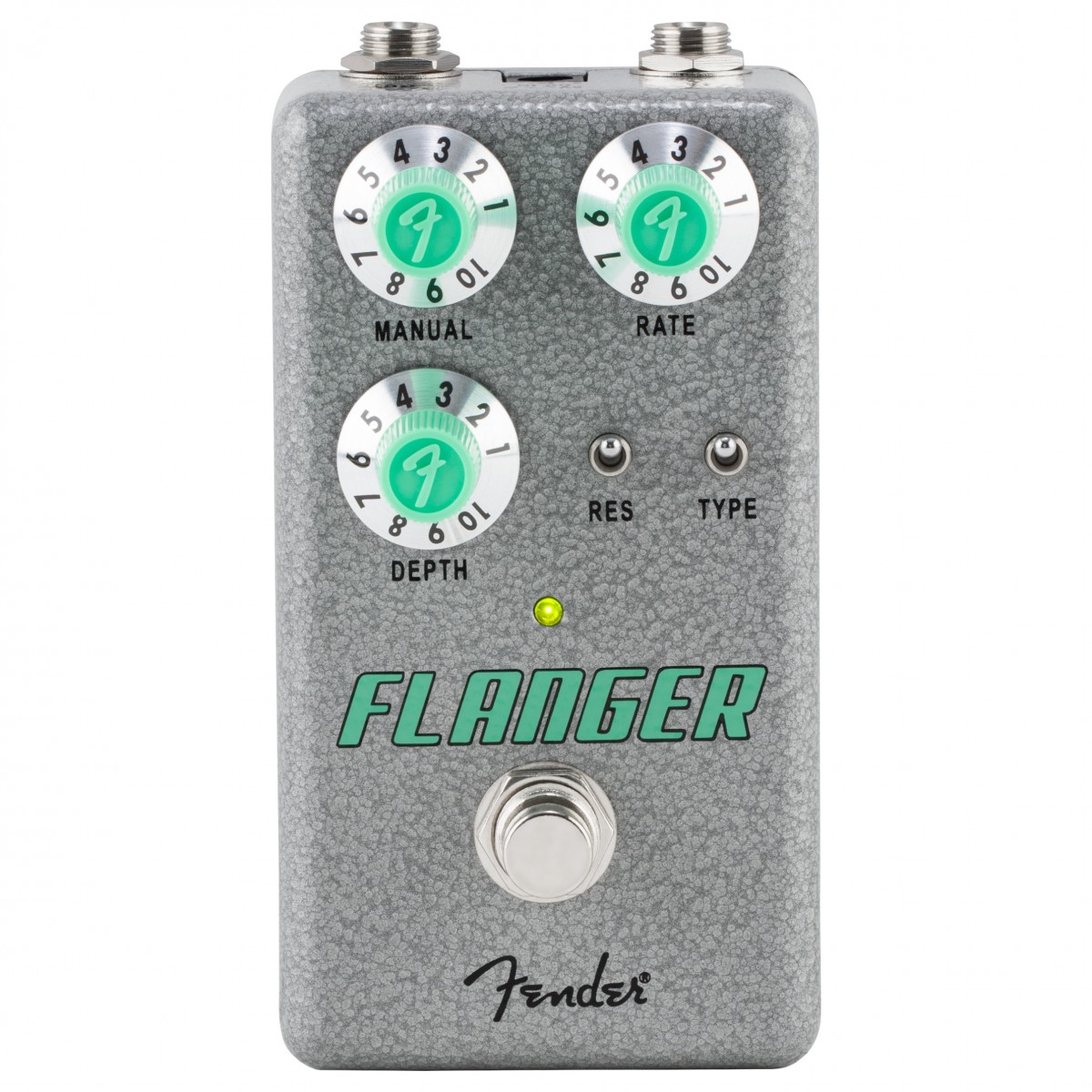
Within the Behringer ecosystem, the UV300 is often compared to the UC200 Ultra Chorus; however, the UV300 is a dedicated pitch vibrato rather than a chorus. In the broader market, it competes with more expensive modulation options such as the Fender Hammertone Flanger or the Digitech Whammy Ricochet, though those pedals offer distinct modulation types (flanging and pitch-shifting respectively). The UV300's primary advantage is its extreme affordability, typically retailing for approximately £20, making it one of the most cost-effective vibrato solutions available.
Related gear
 £97.00 ($123)
Electro Harmonix
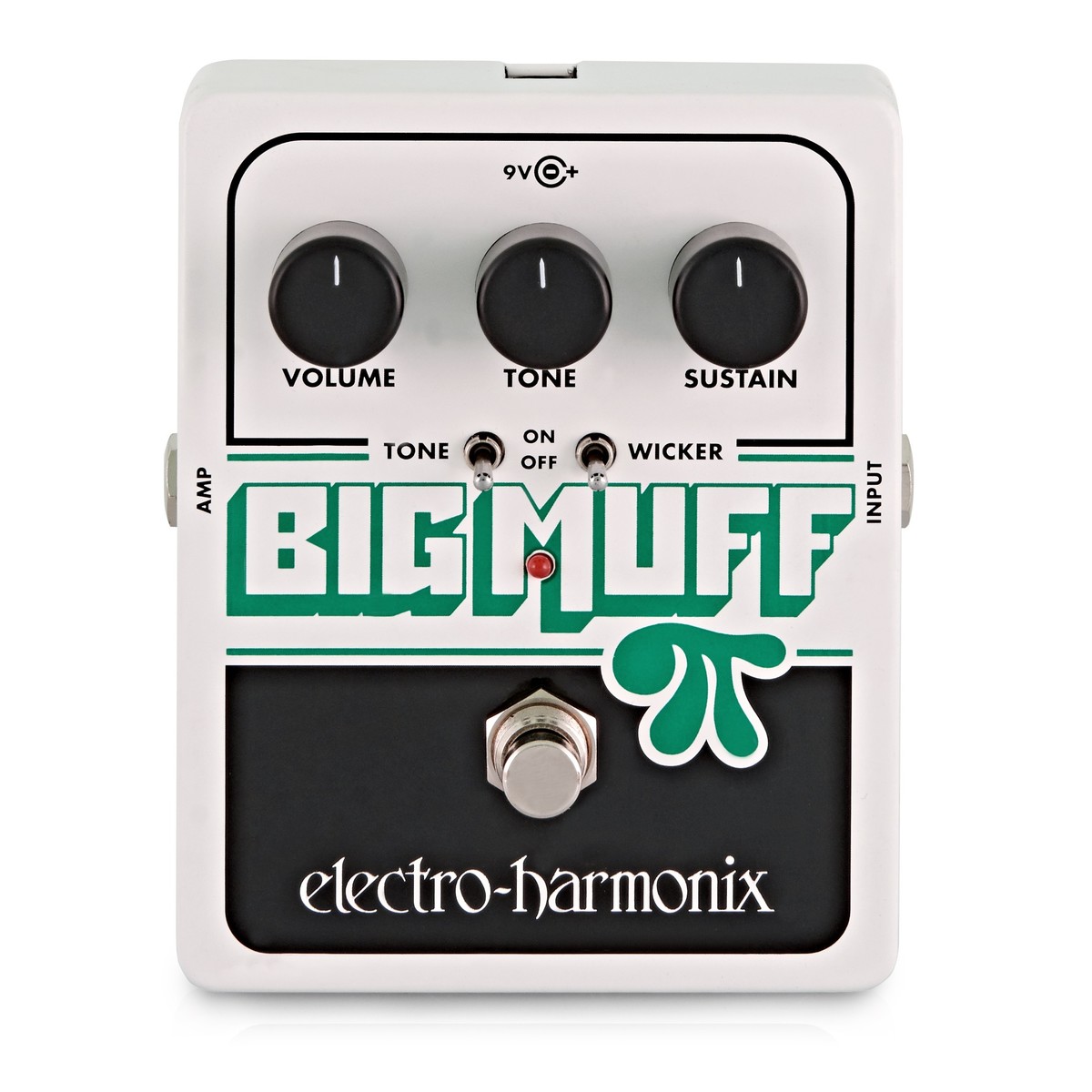
Electro Harmonix Big Muff Distortion Sustainer w/ Tone Wicker
 £129.00 ($164)
Digitech
Digitech Whammy Ricochet Guitar Effects Pedal
 £85.00 ($108)
Fender
Fender Hammertone Flanger Pedal
 £19.90 ($25)
Behringer
Behringer UC200 Ultra Chorus Pedal
 £259.00 ($329)
Dunlop
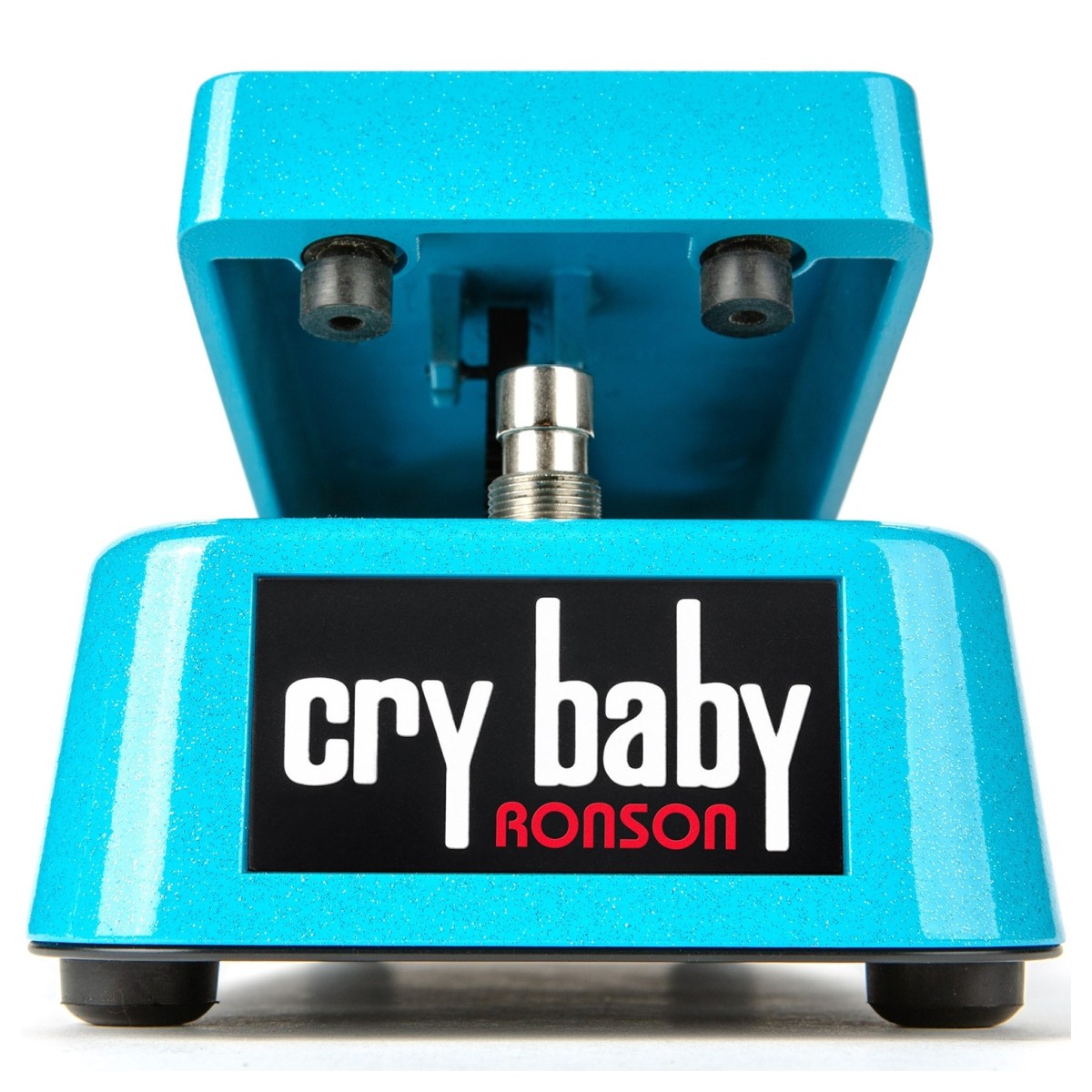
Dunlop Mick Ronson Cry Baby Wah
 £77.00 ($98)
Yamaha
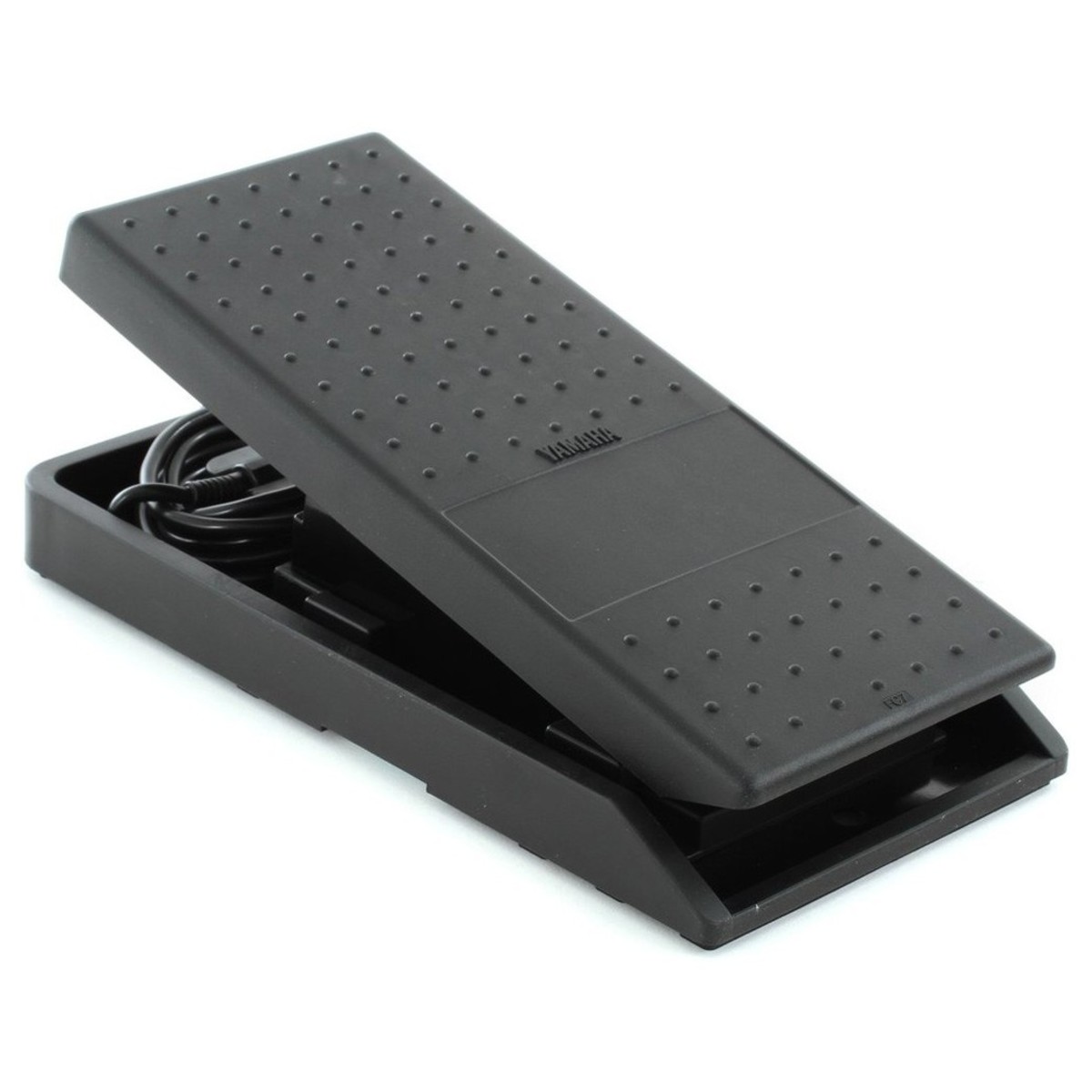
Yamaha FC7 Expression Pedal
 £175.00 ($222)
Boss
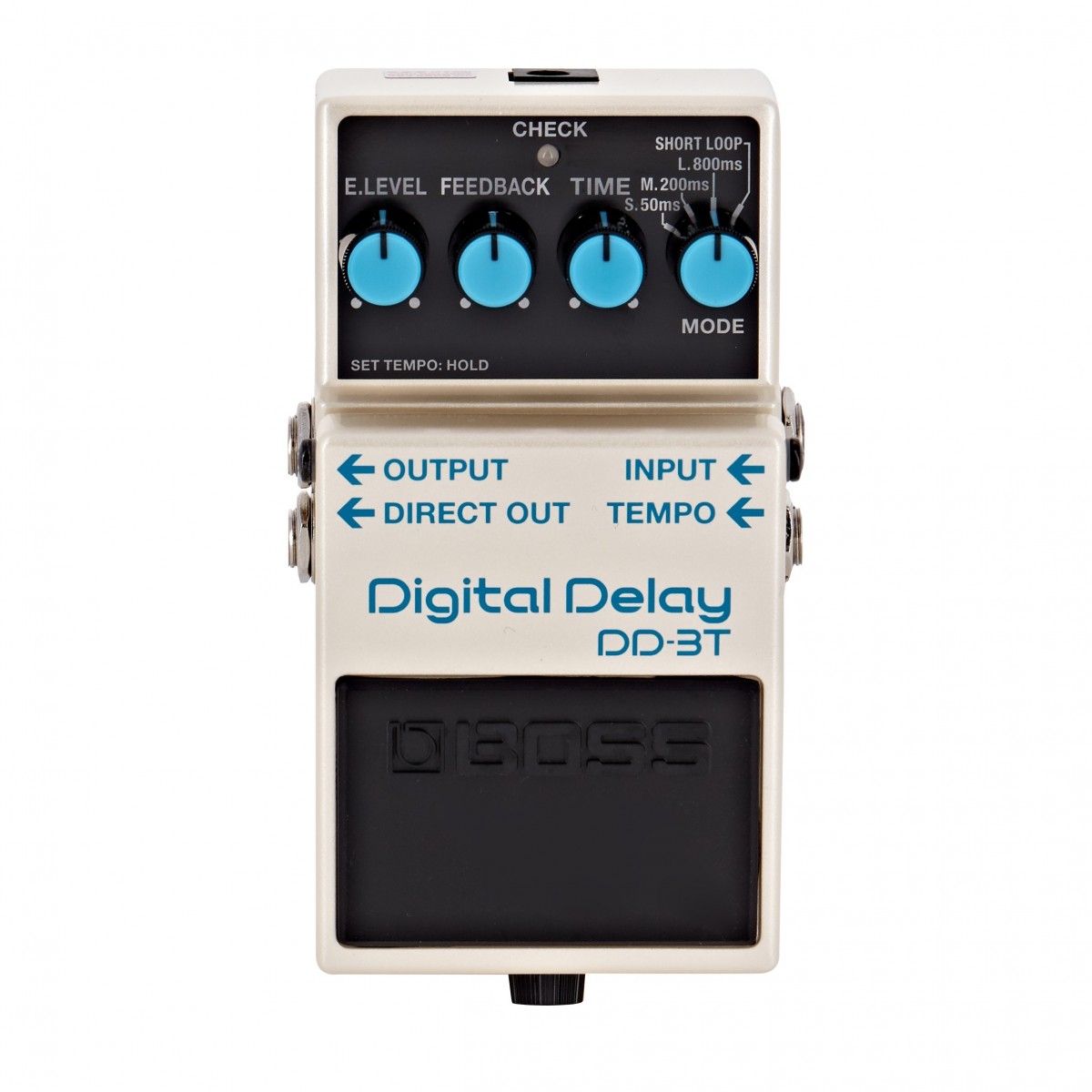
Boss DD-3T Digital Delay Pedal
 £99.10 ($126)
Boss
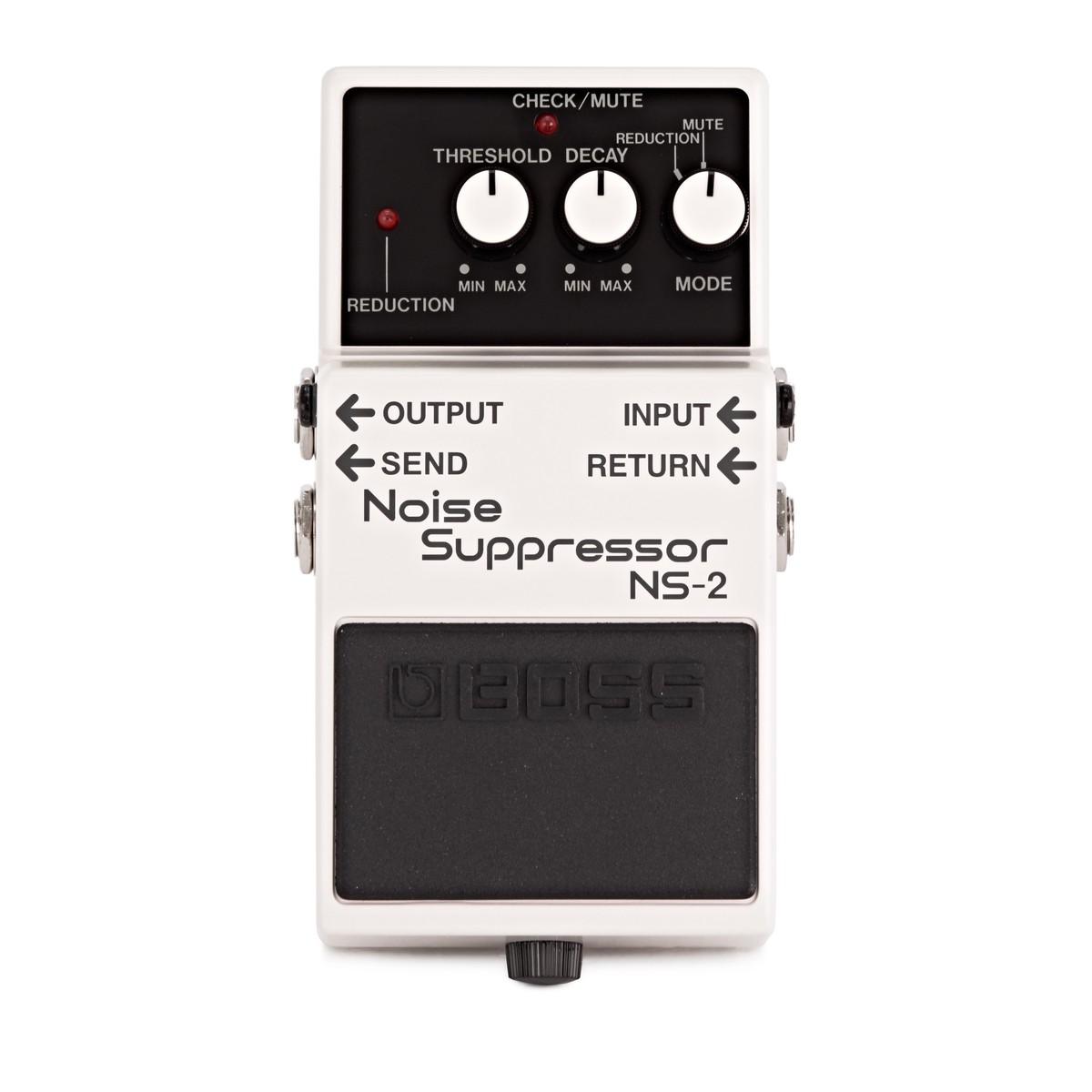
Boss NS-2 Noise Suppressor Guitar Pedal
Frequently asked questions
- What is the primary function of the Behringer UV300?
- The UV300 is designed to produce a pitch-shifting vibrato effect, mimicking the vintage tones of the 1960s and 70s. It oscillates the pitch of the guitar signal up and down at a speed determined by the user.
- What does the 'Unlatch' mode do?
- The Unlatch mode allows the vibrato effect to be active only while the footswitch is physically pressed down. This is useful for adding vibrato to specific sustained notes or chords without keeping the pedal on for the entire song.
- How does the 'Latch' mode differ from 'Unlatch'?
- In Latch mode, the pedal behaves like a standard effects pedal where pressing the switch turns the effect on, and pressing it again turns it off. This is ideal for players who want the vibrato effect to stay active throughout a long passage.
- What is the purpose of the 'Rise' control?
- The Rise control dictates how quickly the vibrato effect reaches its maximum depth after the pedal is engaged. A higher setting creates a gradual swell into the vibrato, providing a more natural sound.
- Is the Behringer UV300 a chorus pedal?
- No, the UV300 is a dedicated vibrato pedal. While a chorus pedal like the UC200 mixes modulated and dry signals, the UV300 modulates the pitch of the entire signal for a classic 'warbling' effect.
- What power source does the UV300 require?
- The pedal can be powered by a standard 9V battery or a 9V DC power supply. It is recommended to use a regulated power supply to ensure consistent performance and low noise.
- How can I tell if the pedal is active during a performance?
- The UV300 features a bright active status LED on the top of the chassis. This lights up when the effect is engaged, allowing for easy visual confirmation on dark stages.
- Is the UV300 suitable for genres other than 60s/70s rock?
- Yes, while it is inspired by vintage tones, its versatility makes it suitable for modern indie, lo-fi, and psychedelic genres. The Depth and Rate controls allow for a wide range of creative applications.
- What is the typical price for a Behringer UV300?
- The UV300 is known for its high affordability, typically retailing for around £20 in the UK. This makes it a popular choice for budget-conscious musicians.
- Does the UV300 include a noise gate?
- No, it does not have a built-in noise gate. If noise becomes an issue in your signal chain, you might consider a dedicated unit like the Boss NS-2 Noise Suppressor.
- Can the UV300 produce a 'seasick' vibrato sound?
- Yes, by turning the Depth and Rate controls to higher levels, the pedal can produce an extreme pitch-warping effect often described as 'seasick.' This is a popular use for the pedal in experimental music.
- How does the UV300 compare to the Digitech Whammy Ricochet?
- The UV300 is a dedicated vibrato pedal focused on cyclic modulation, whereas the Digitech Whammy Ricochet is a pitch-shifter that can slide between intervals. They serve different musical purposes.