
Buying guide
Choosing the Best Digital Piano: A Tiered Selection Guide
When selecting a digital piano, players must evaluate keyboard action, sound quality, and physical footprint to match their proficiency level. This guide distinguishes between basic accessory-led starts, integrated intermediate bundles, and advanced consoles or slimline performance models.
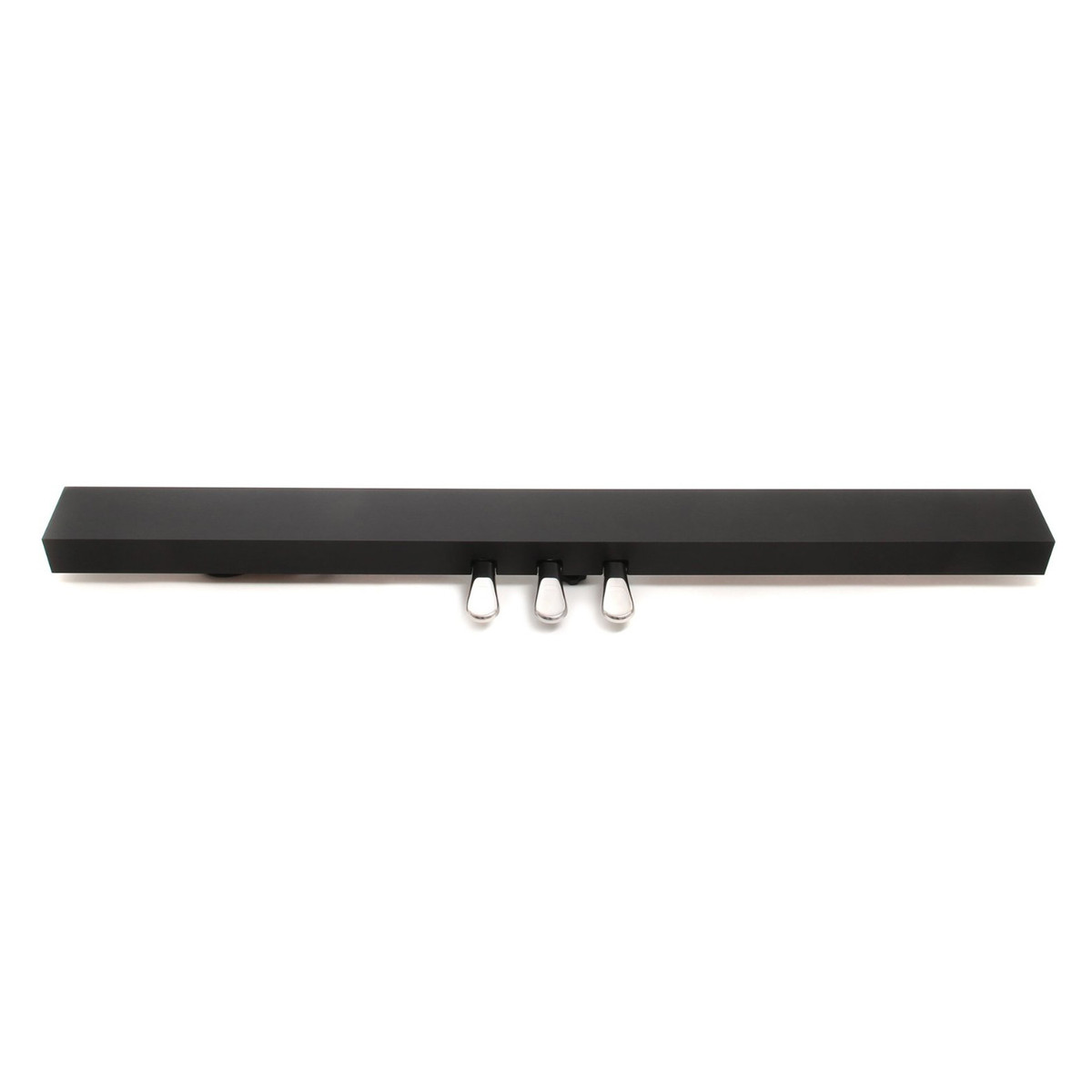
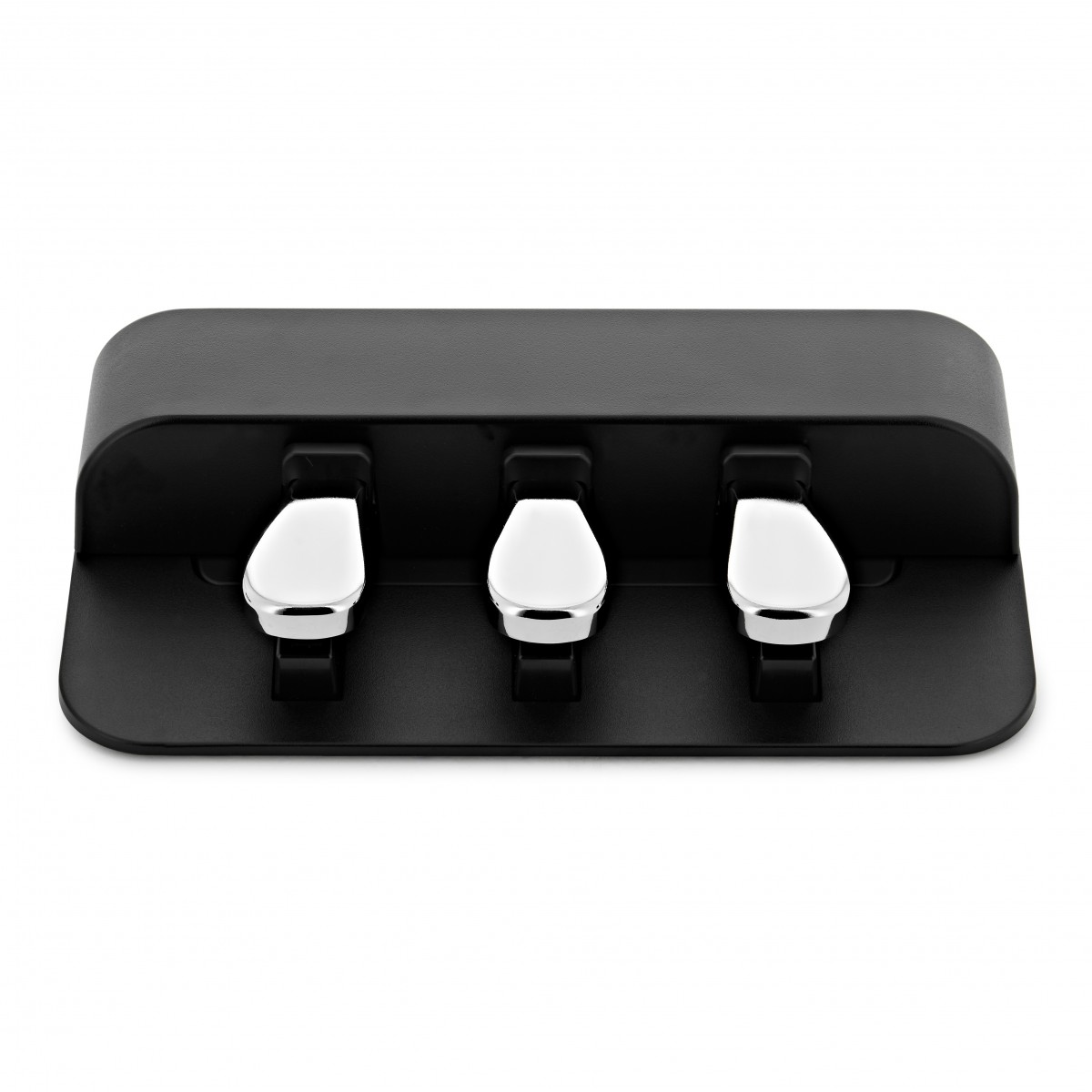
Casio SP-34 Pedal Unit for CDP and PX Digital Pianos
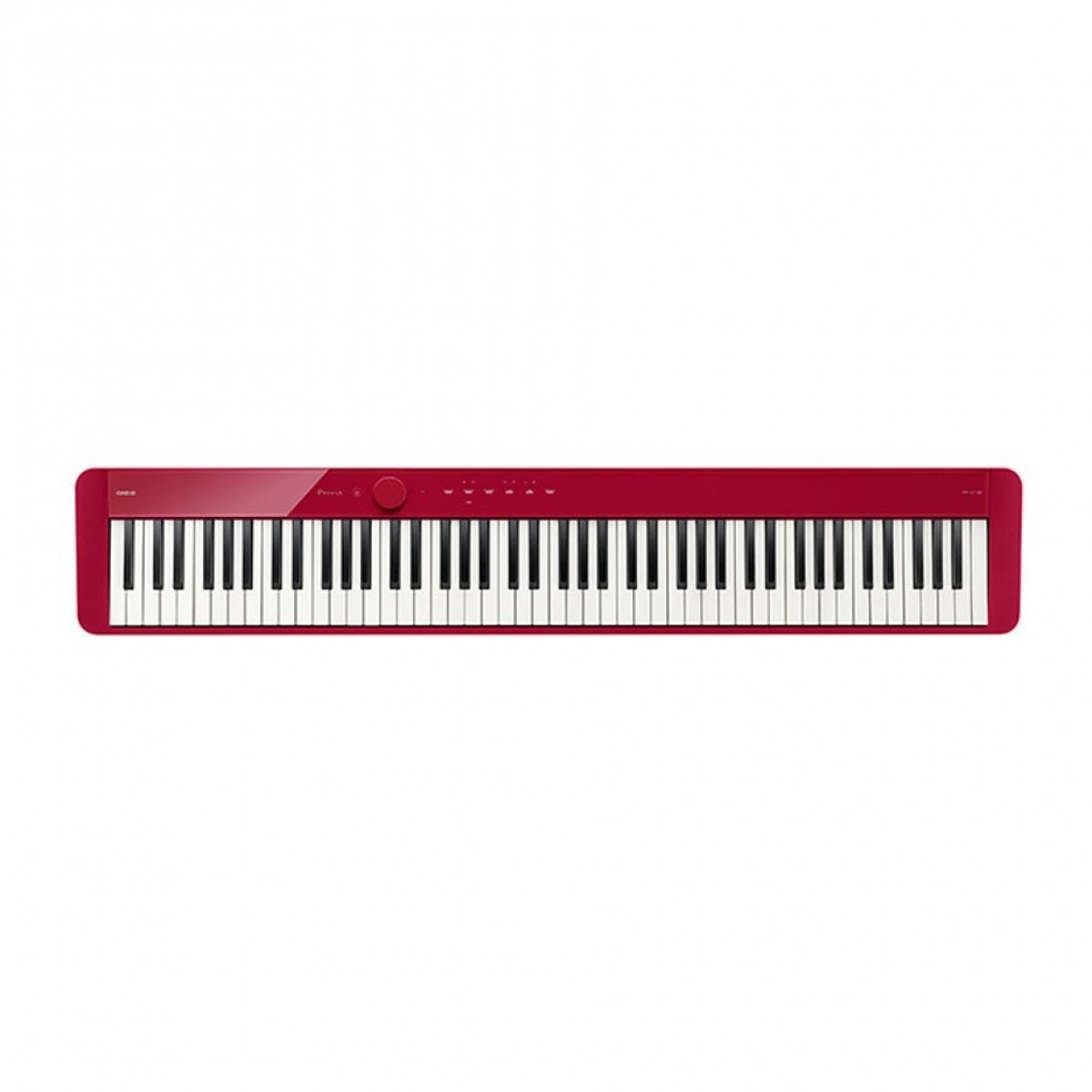
Casio PX S1100 Digital Piano Red
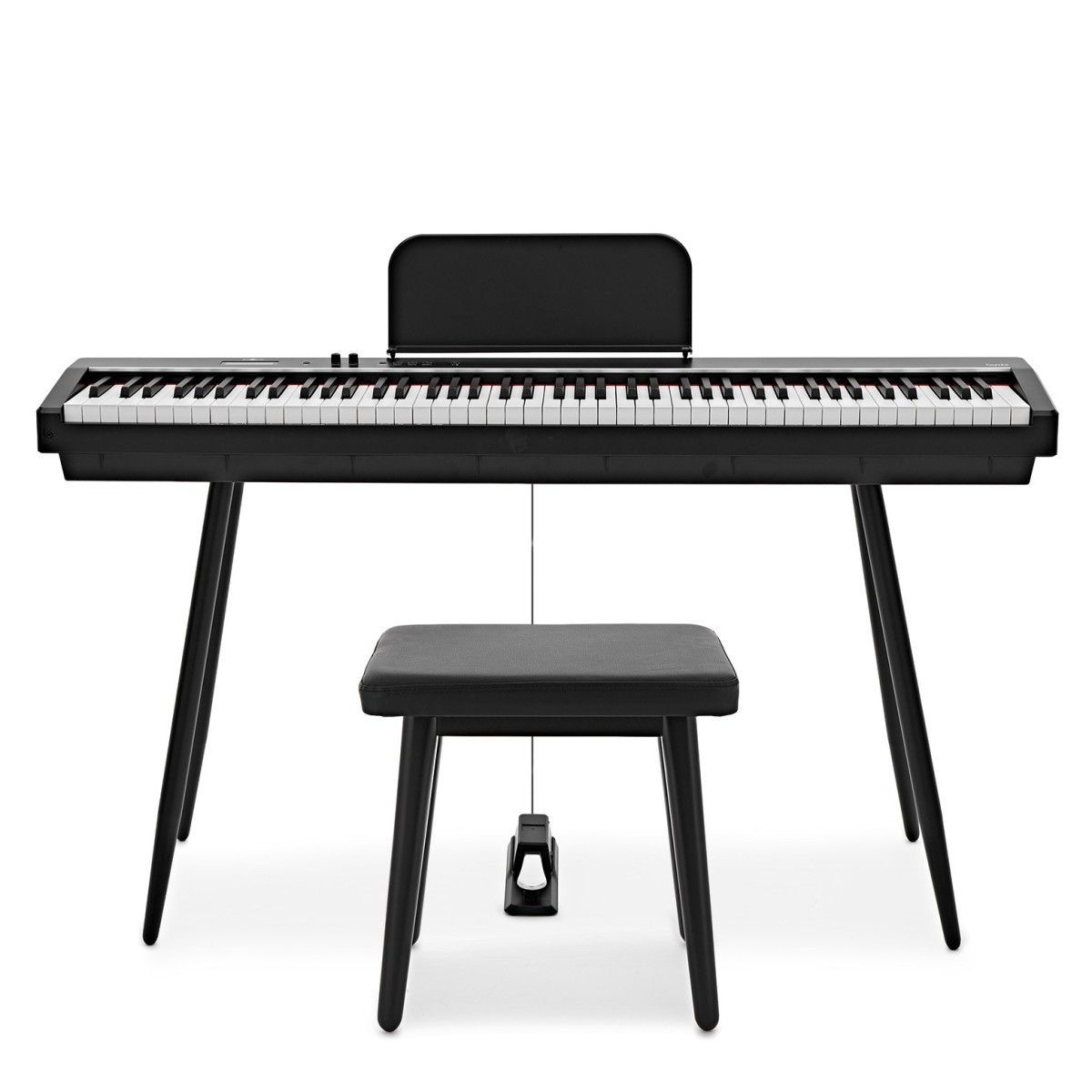
Keynote Compact Digital Stage Piano with Bluetooth Stool Pack
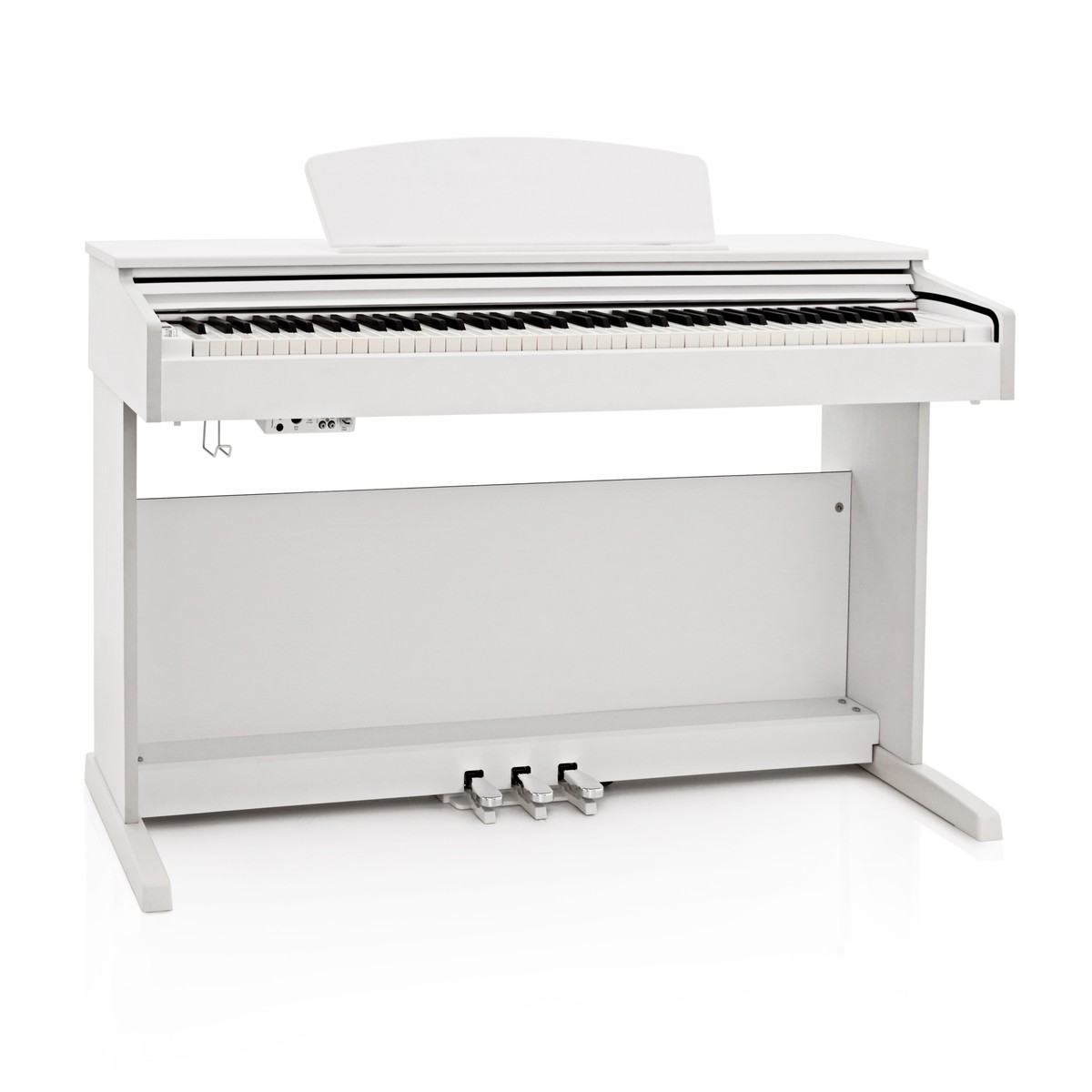
DP-10X Digital Piano by Gear4music White
Selection Methodology
Choosing a digital piano requires a balance between budget and technical requirements. Beginners should focus on tactile feel and essential accessories, while intermediate players benefit from complete setups including stands and seating. Advanced players typically require high levels of polyphony, realistic hammer action, and sophisticated aesthetic finishes such as Matte Black or Red.
Beginner Tier: Essential Enhancements
For many starting out, performance can be significantly improved by adding official accessories to existing stage units. High-quality physical components allow for proper posture and technique. Key options include:
- Kawai F350 Digital Piano Pedal board: Specifically designed for the ES-110B, this provides the traditional three-pedal feel necessary for learning pedalling techniques.
- Casio SP-34 Pedal Unit: A portable yet sturdy three-pedal solution compatible with CDP and PX series pianos.
- Yamaha YMR-03 Music Rest: An essential upgrade for CP stage pianos to hold instructional sheet music at the correct ergonomic height.
Intermediate Tier: Integrated Performance Bundles
Intermediate players require a consistent physical setup. Bundles that include stands and transport bags provide the versatility needed for both home practice and local performance. Notable selections include:
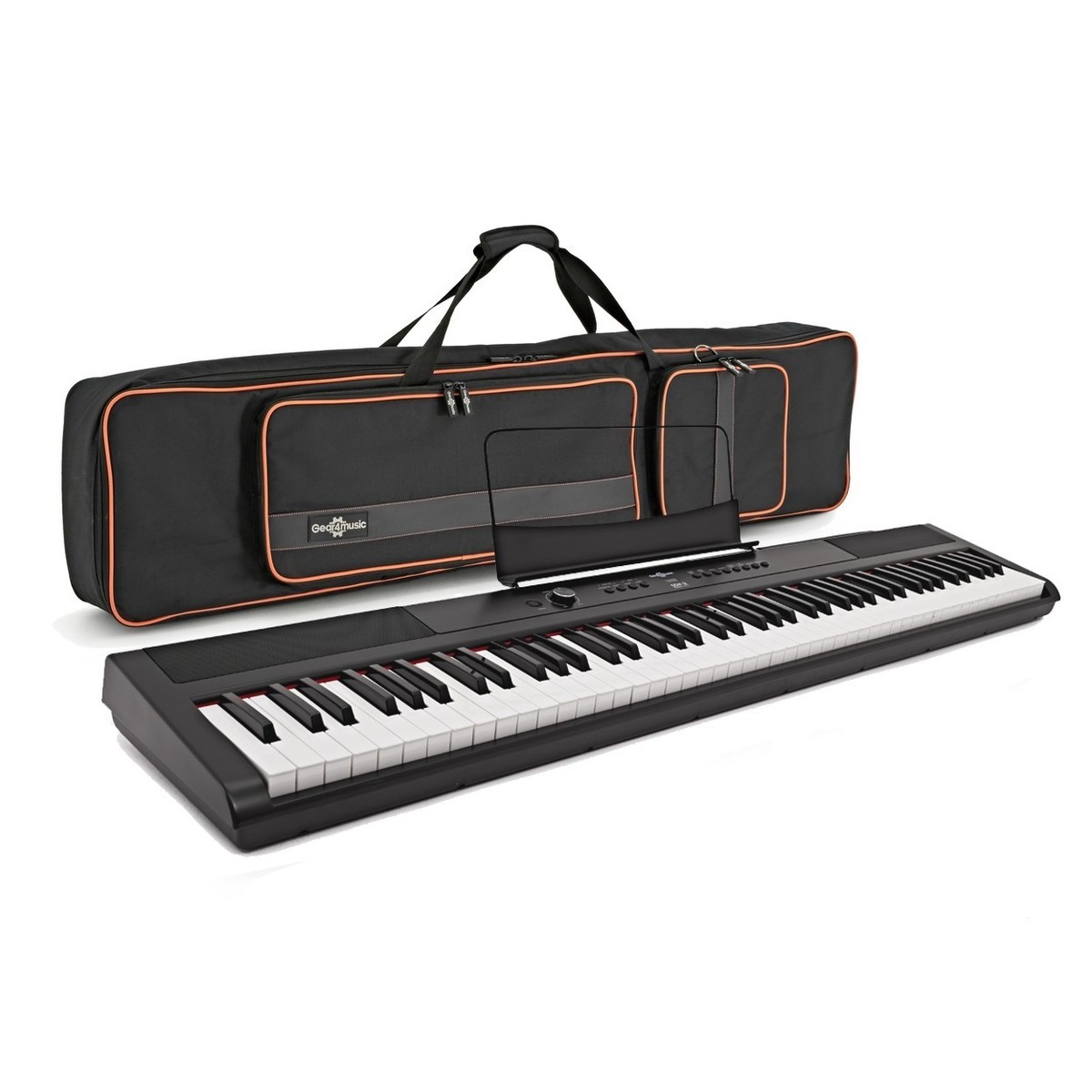
- Gear4Music SDP-2 Stage Piano and Bag Bundle: A lightweight 88-key piano designed for mobility without sacrificing the standard keyboard range.
- Gear4Music Keynote Compact Digital Stage Piano with Bluetooth Stool Pack: This configuration adds modern convenience with a Bluetooth stool, ideal for players using digital accompaniment.
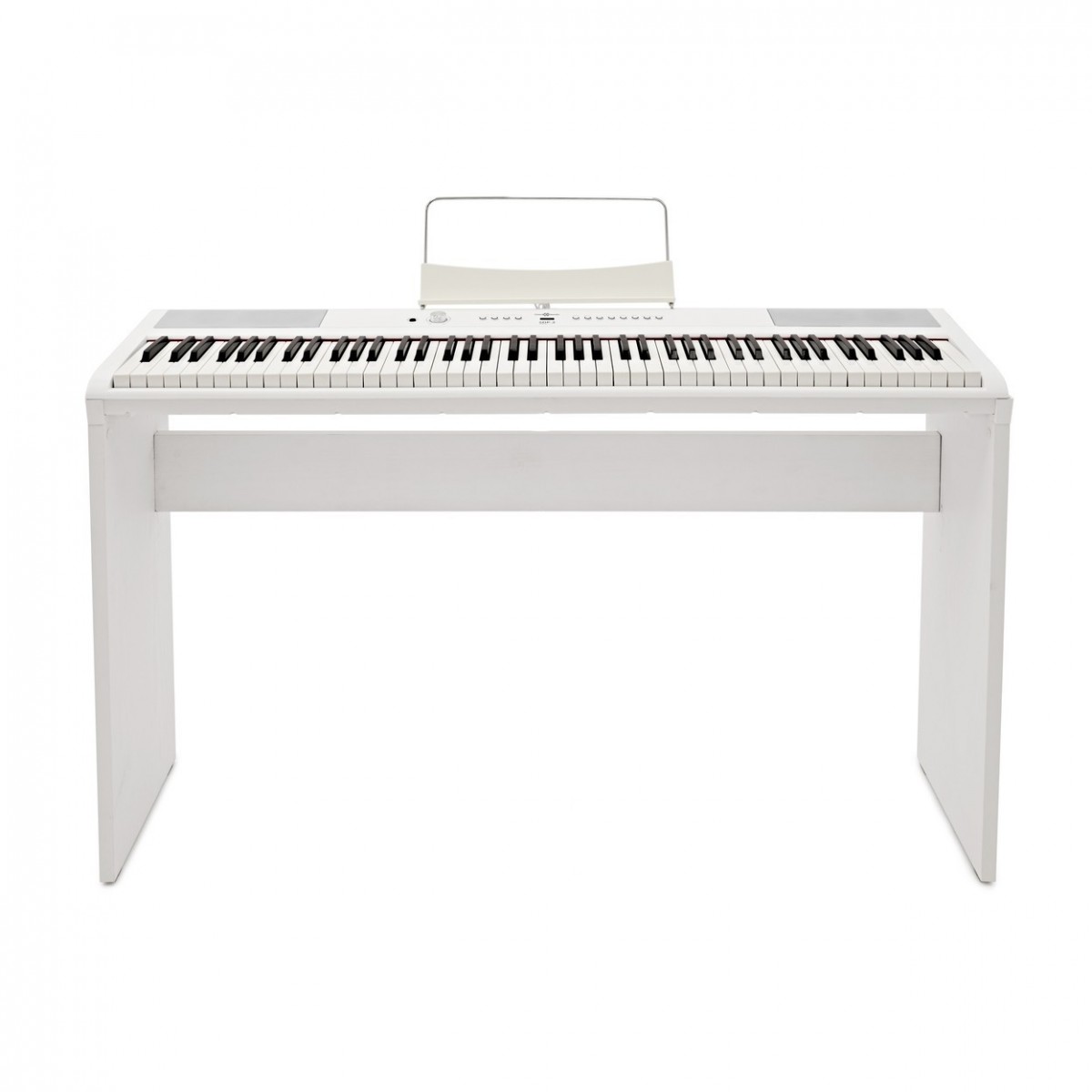
- Gear4Music SDP-2 Stand Pack (White): Offers a permanent home setup with a dedicated stand, providing a more stable playing experience than a standard X-frame.
Advanced Tier: Console and High-Spec Slimline Models
Advanced players demand instruments that look as good as they sound, often requiring full-size cabinet designs or high-end slimline models for studio work. Top-tier selections include:
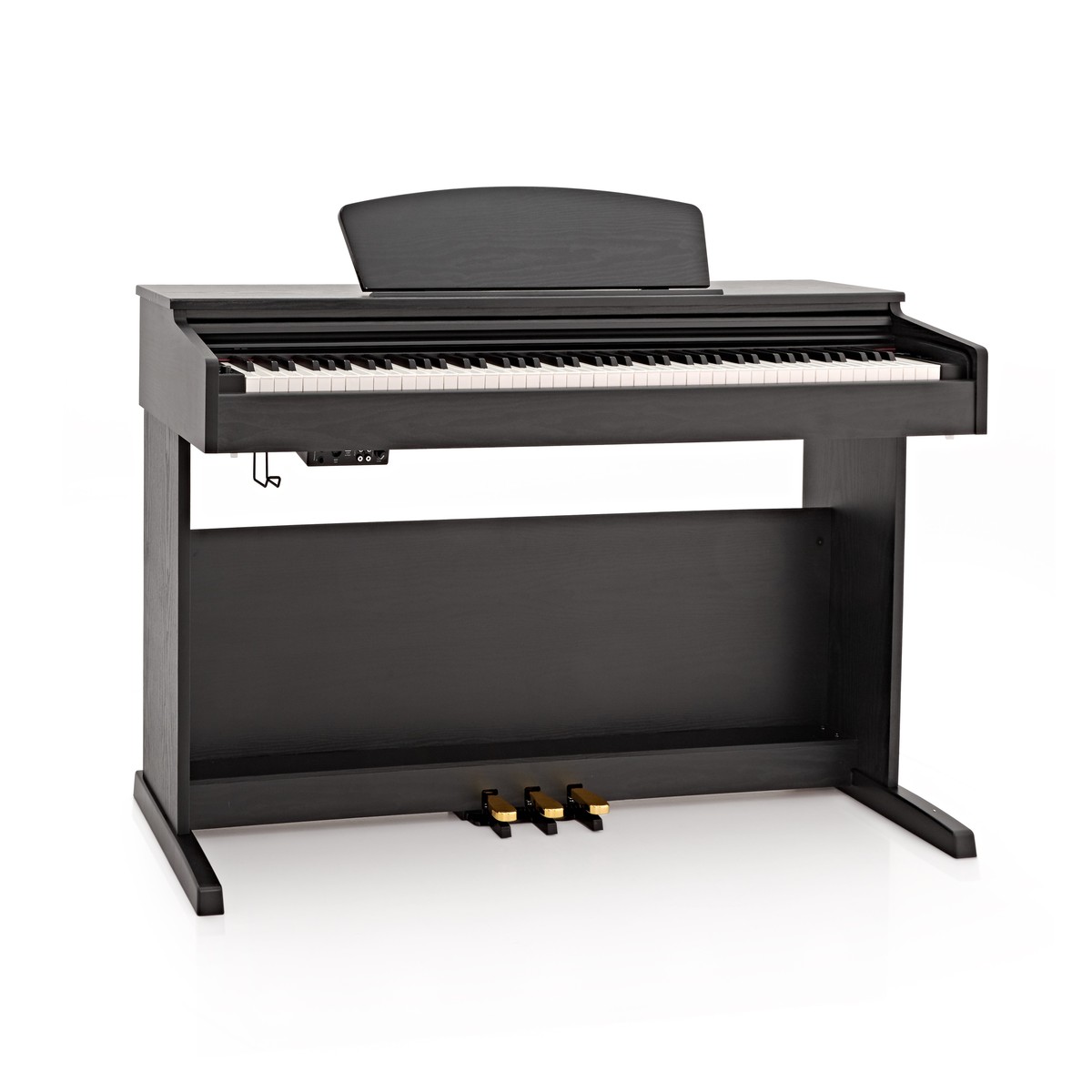
- Gear4Music DP-10X Digital Piano (Matte Black or White): A full-size console digital piano featuring 88 hammer-action keys and 64-note polyphony, mimicking the feel and presence of an acoustic upright.
- Casio PX S1100 Digital Piano (Red): A flagship slimline model known for its ultra-compact design and advanced Smart Scaled Hammer Action keyboard, finished in a striking red for professional stage presence.
Recommended gear
- £55.00 ($70)
Kawai
Kawai F350 Digital Piano Pedal board for ES-110B Stage Piano
- £57.20 ($73)
Casio
Casio SP-34 Pedal Unit for CDP and PX Digital Pianos
- £409.00 ($519)
Casio
Casio PX S1100 Digital Piano Red
- £249.99 ($317)
Gear4Music
Keynote Compact Digital Stage Piano with Bluetooth Stool Pack
- £399.99 ($508)
Gear4Music
DP-10X Digital Piano by Gear4music White
 £399.99 ($508)
Gear4Music
DP-10X Digital Piano by Gear4music Matte Black
 £229.99 ($292)
Gear4Music
SDP-2 Stage Piano Stand Pack by Gear4music White
 £219.99 ($279)
Gear4Music
SDP-2 Stage Piano and Bag Bundle by Gear4music
Frequently asked questions
- What is the benefit of a three-pedal unit for beginners?
- A three-pedal unit like the Casio SP-34 allows beginners to learn sustain, soft, and sostenuto techniques accurately. This mirror the mechanical response of an acoustic piano, which is vital for classical repertoire.
- Is a music rest necessary for digital pianos?
- Yes, a dedicated music rest like the Yamaha YMR-03 ensures that sheet music is at eye level. This prevents neck strain and promotes better posture during long practice sessions.
- What distinguishes the Gear4Music SDP-2 from other models?
- The SDP-2 is designed for portability and affordability, featuring 88 keys and built-in speakers in a lightweight frame. It is often bundled with bags or stands to provide a complete solution for learners.
- What is hammer action in a digital piano?
- Hammer action refers to a keyboard mechanism that uses weights to mimic the feel of a real piano hammer hitting a string. This is found in models like the DP-10X to provide a realistic playing experience.
- How does the DP-10X differ from a stage piano?
- The DP-10X is a console-style piano, meaning it is built into a wooden cabinet with integrated pedals and a sliding key cover. Stage pianos are generally more portable and require external stands.
- What are the advantages of the Casio PX S1100?
- The Casio PX S1100 is one of the world's slimmest 88-key digital pianos. It offers advanced connectivity and a high-quality hammer action, making it suitable for professionals who travel.
- Why would I choose a white digital piano over black?
- Color choice is primarily aesthetic; models like the Gear4Music SDP-2 White or DP-10X White allow the instrument to blend with modern home interiors which may have lighter decor.
- Can I use headphones with these digital pianos?
- Yes, almost all modern digital pianos, including the SDP-2 and DP-10X, feature headphone outputs. This allows for silent practice without disturbing others in the household.
- Does the Gear4Music Keynote Compact include seating?
- The Keynote Compact bundle specifically includes a Bluetooth stool. This offers a comfortable seating height while providing modern connectivity features.
- Is the Kawai F350 compatible with all Kawai pianos?
- No, the Kawai F350 is specifically designed for the ES-110B model. Always check compatibility between pedal units and the specific piano model before purchase.
- What is the weight of an 88-key digital piano?
- Weight varies significantly; stage models like the SDP-2 are designed to be lightweight and portable, whereas cabinet models like the DP-10X are heavier and intended for static home use.
- Do these pianos require tuning?
- Unlike acoustic pianos, digital pianos never require tuning. They use digital samples or modelling to produce sound, ensuring they remain perfectly in pitch regardless of temperature or humidity.