Buying guide
A Guide to Selecting Electric Guitar Components and Strings by Player Tier
Choosing the correct electric guitar components and string sets is essential for maintaining playability and sound quality across different skill levels. This guide categorises available hardware and string gauges into beginner, intermediate, and advanced tiers based on technical requirements and performance demands.
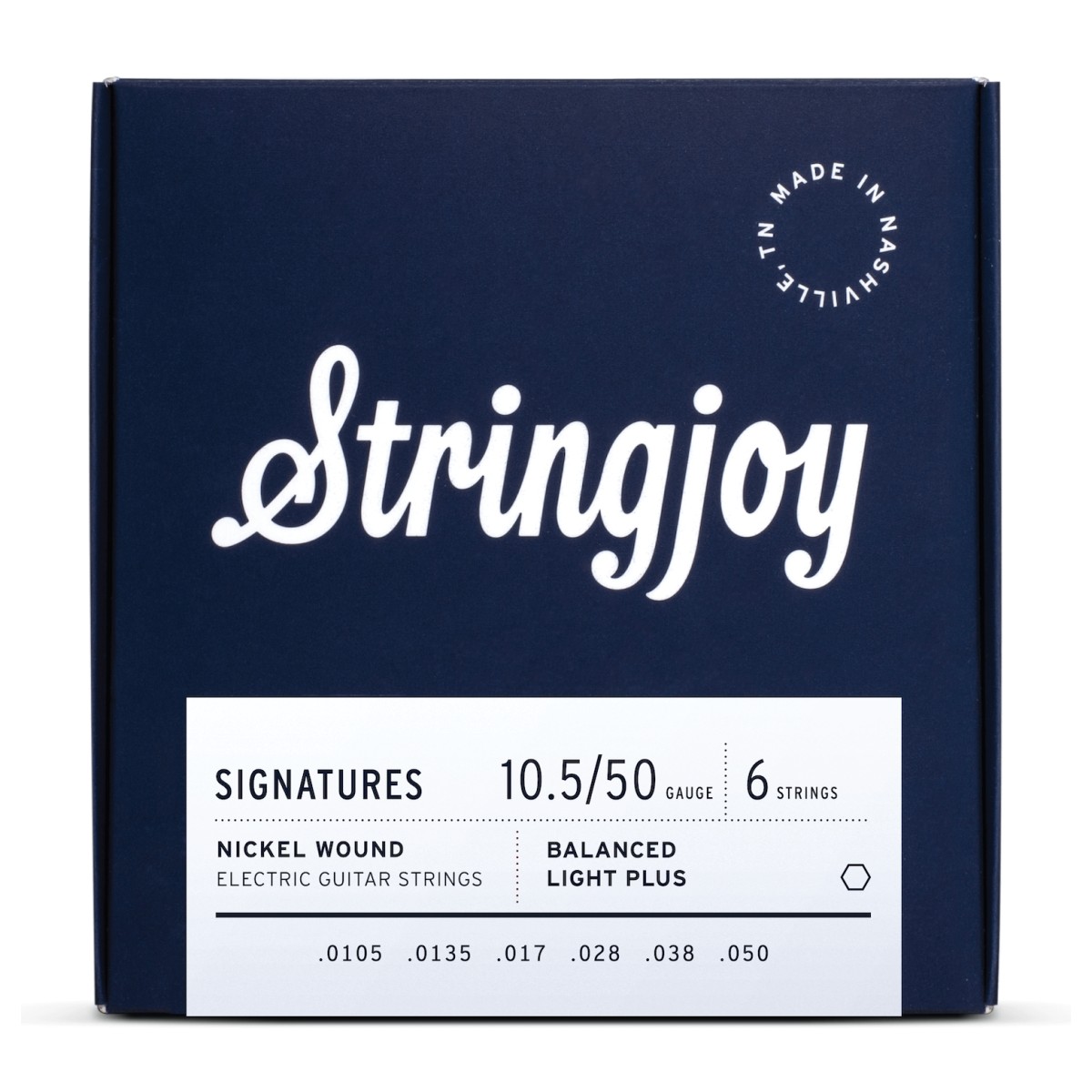
Stringjoy Signatures Balanced Light Plus Gauge (10.5-50) Nickel Wound Electric Guitar Strings
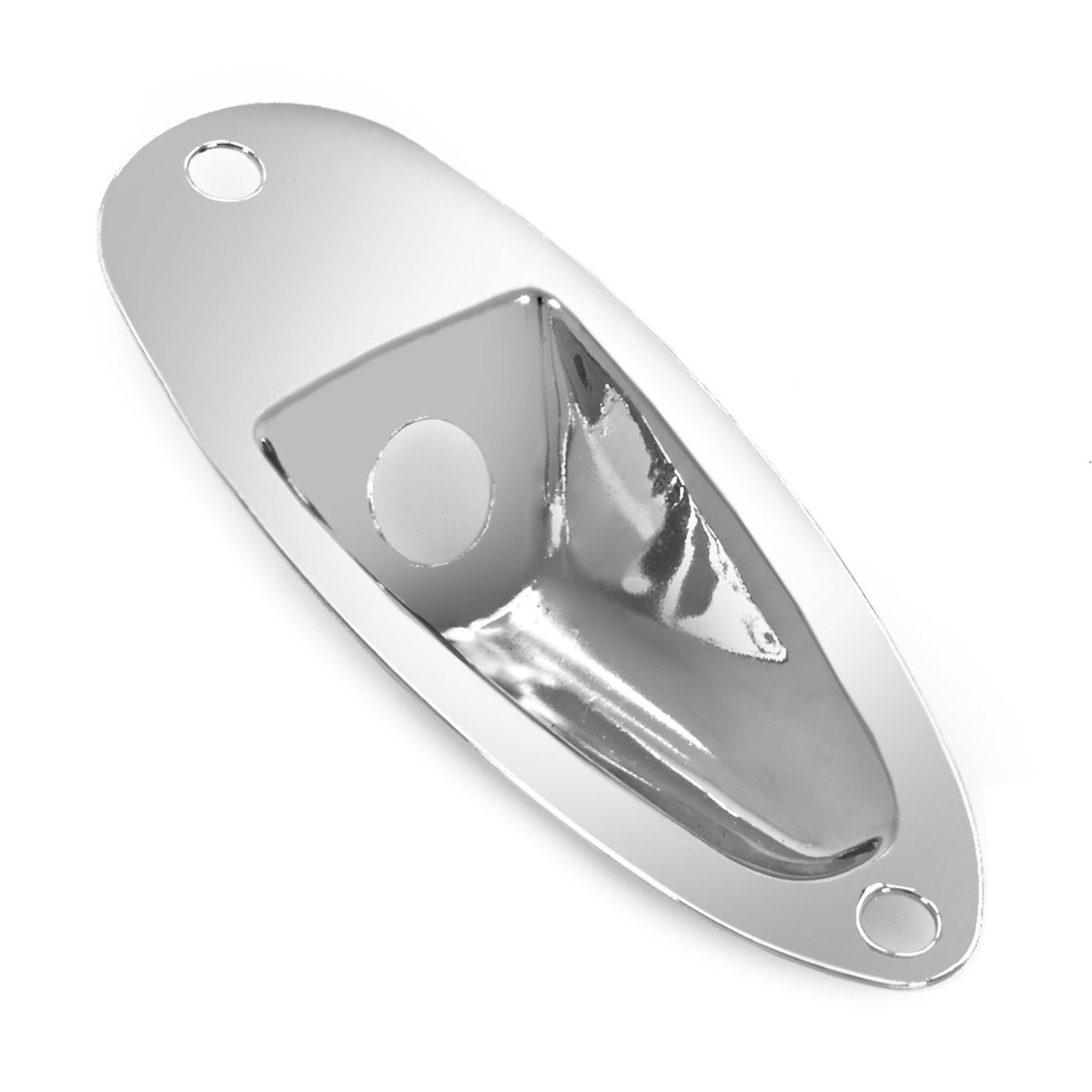
Guitarworks Recessed Electric Guitar Jack Plate Chrome
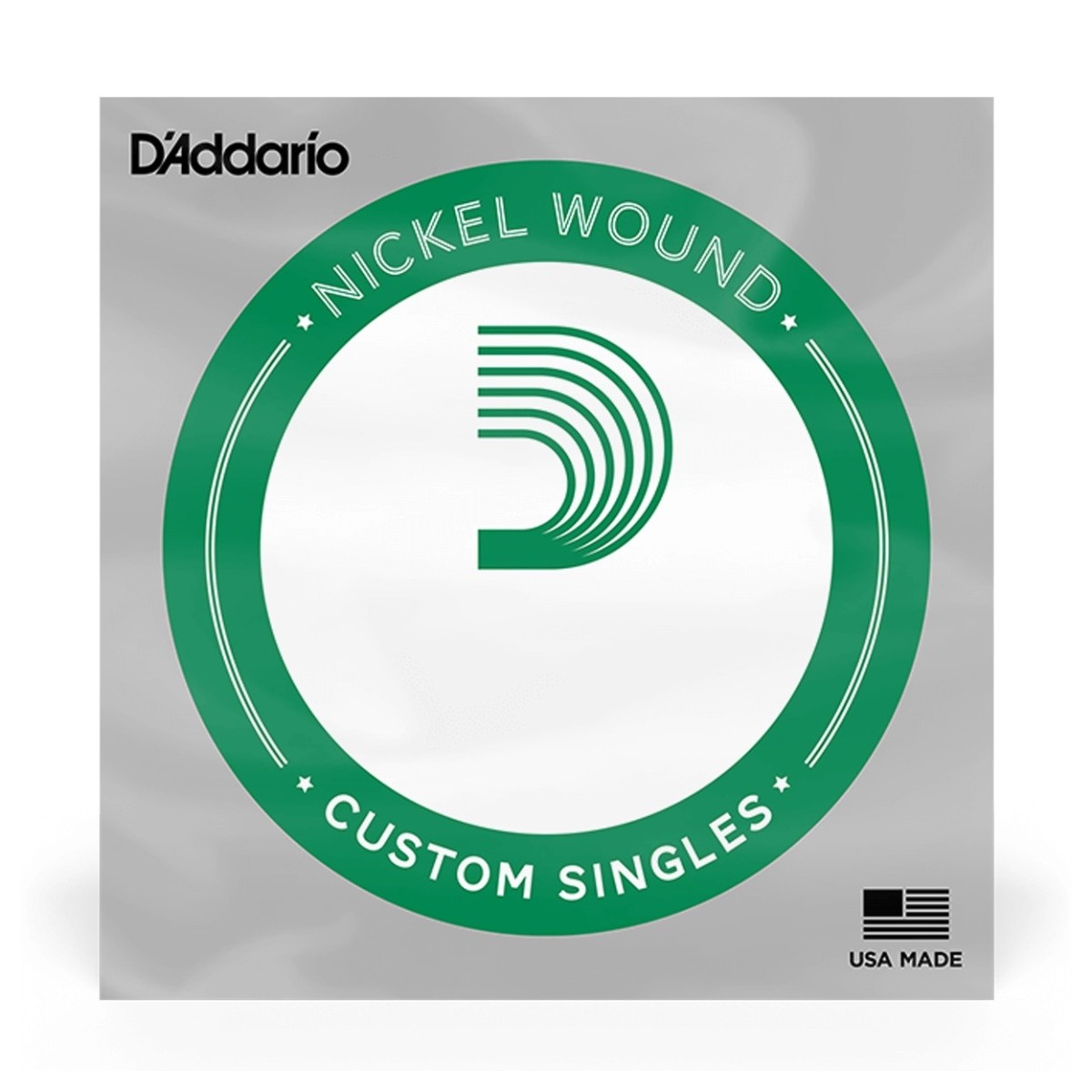
Daddario NW028 Nickel Wound Electric Guitar Single String 028
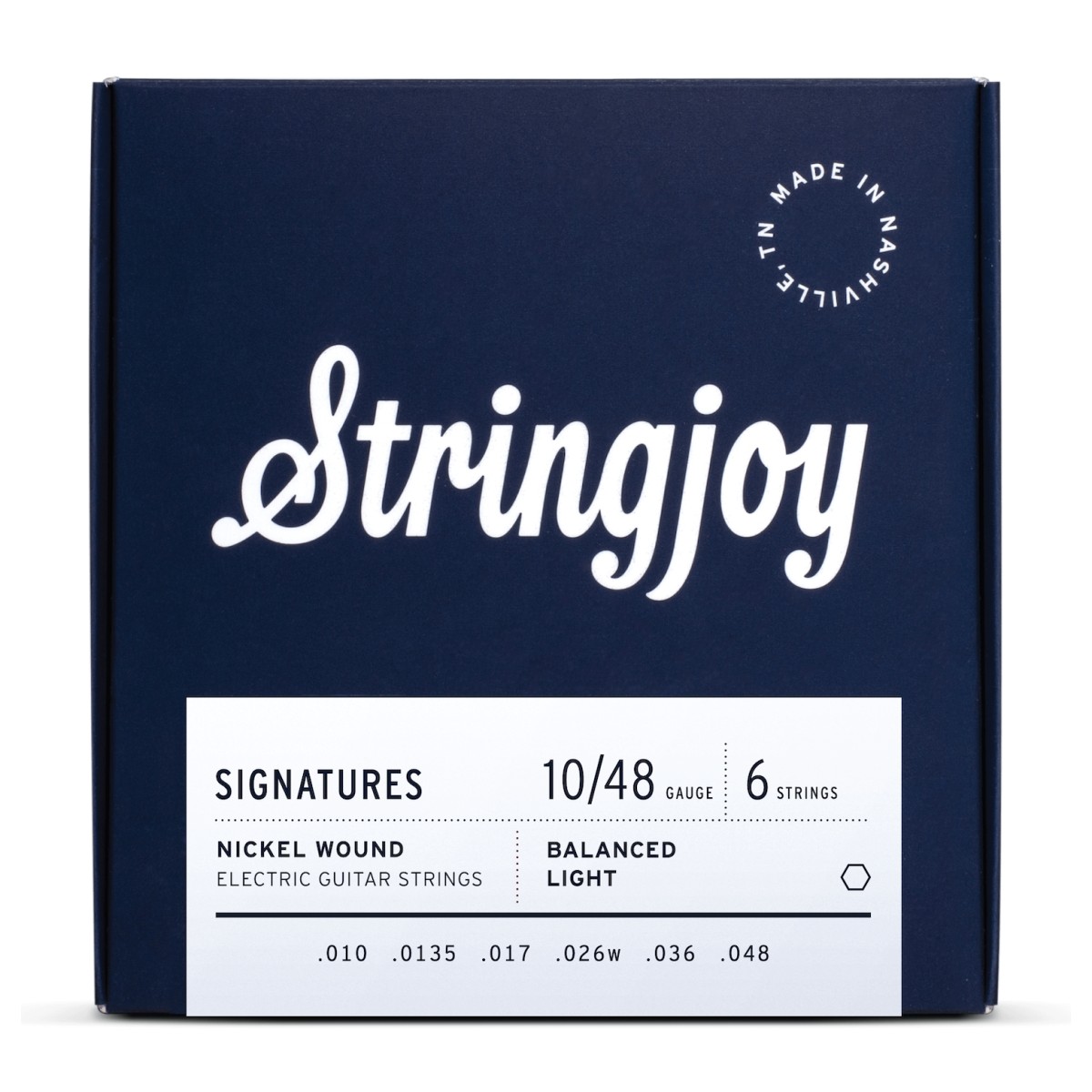
Stringjoy Signatures Balanced Light Gauge (10-48) Nickel Wound Electric Guitar Strings
Overview
Maintaining an electric guitar requires a strategic approach to selecting strings and hardware. Beginners often focus on individual component replacement and standard gauges, while intermediate and advanced players typically transition to multi-string sets and specialised balanced gauges to suit extended-range instruments or specific tension preferences.
Beginner Tier: Maintenance and Single Replacements
For those starting their journey, the focus is often on affordable maintenance and repairing specific issues rather than complex setups. Beginners benefit from cost-effective single strings and basic hardware components.
- Daddario NW028 / NW034 Nickel Wound Single Strings: These are ideal for replacing a single broken string without the expense of a full set. They offer a reliable nickel-wound construction suitable for standard tuning.
- Gear4Music Jack Plate Chrome: A practical hardware choice for beginners learning to perform basic repairs on their instrument's output connection.
Intermediate Tier: Extended Range and Standard Sets
Intermediate players often explore instruments with more than six strings or regular maintenance schedules requiring full set changes. This tier focuses on reliability for daily practice.
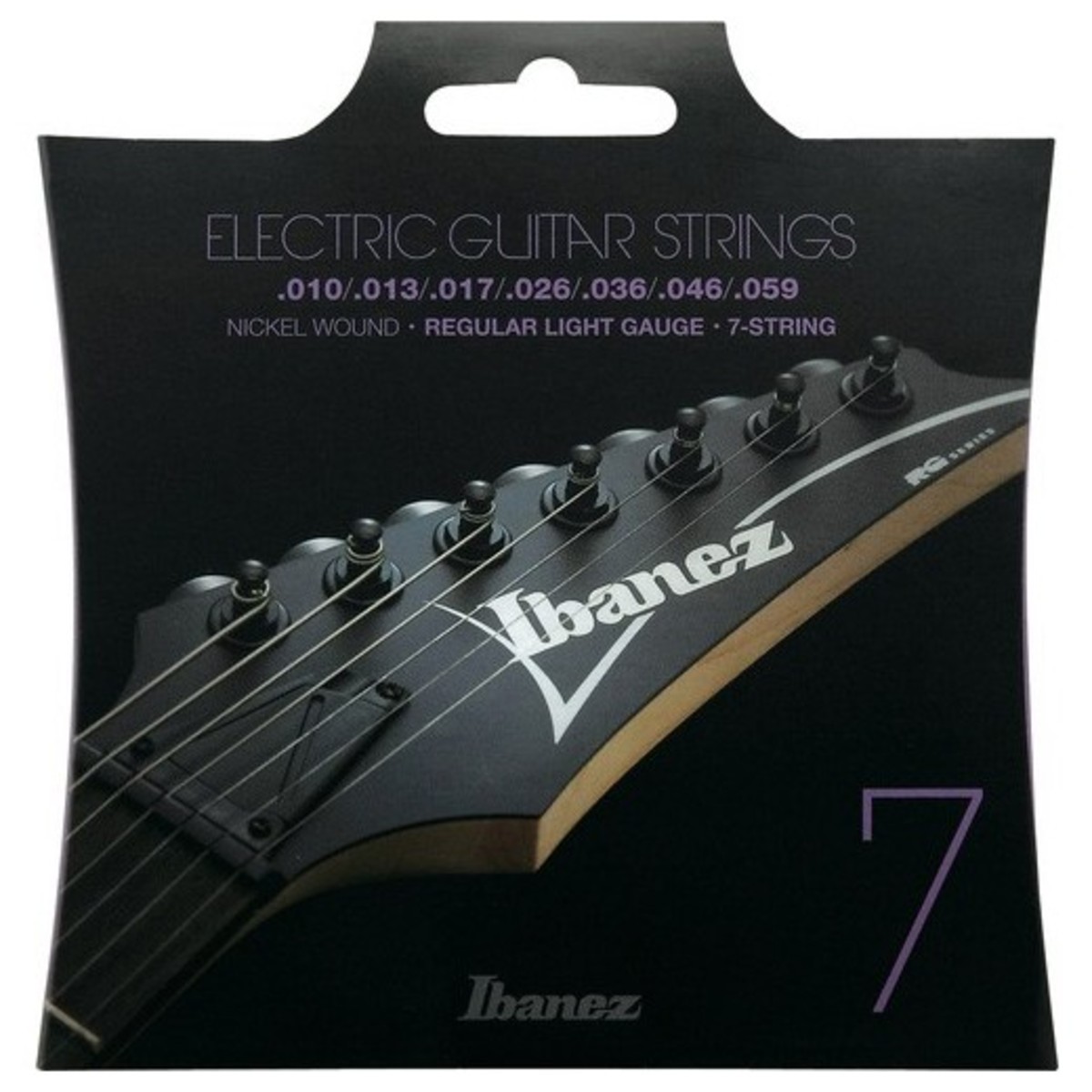
- Ibanez IEGS7 / IEGS71 7-String Sets: Specifically designed for seven-string guitars, these sets come in 'Super Light' or 'Regular Light' tensions to accommodate different playing styles.
- Gear4Music 8-String Set: An accessible option for players transitioning to eight-string instruments, providing a full set of strings at an affordable price point.
Advanced Tier: Precision Balanced Tensions
Advanced players often require precise control over string tension to ensure a consistent feel across the fretboard. Balanced sets are engineered to provide an even tactile response.
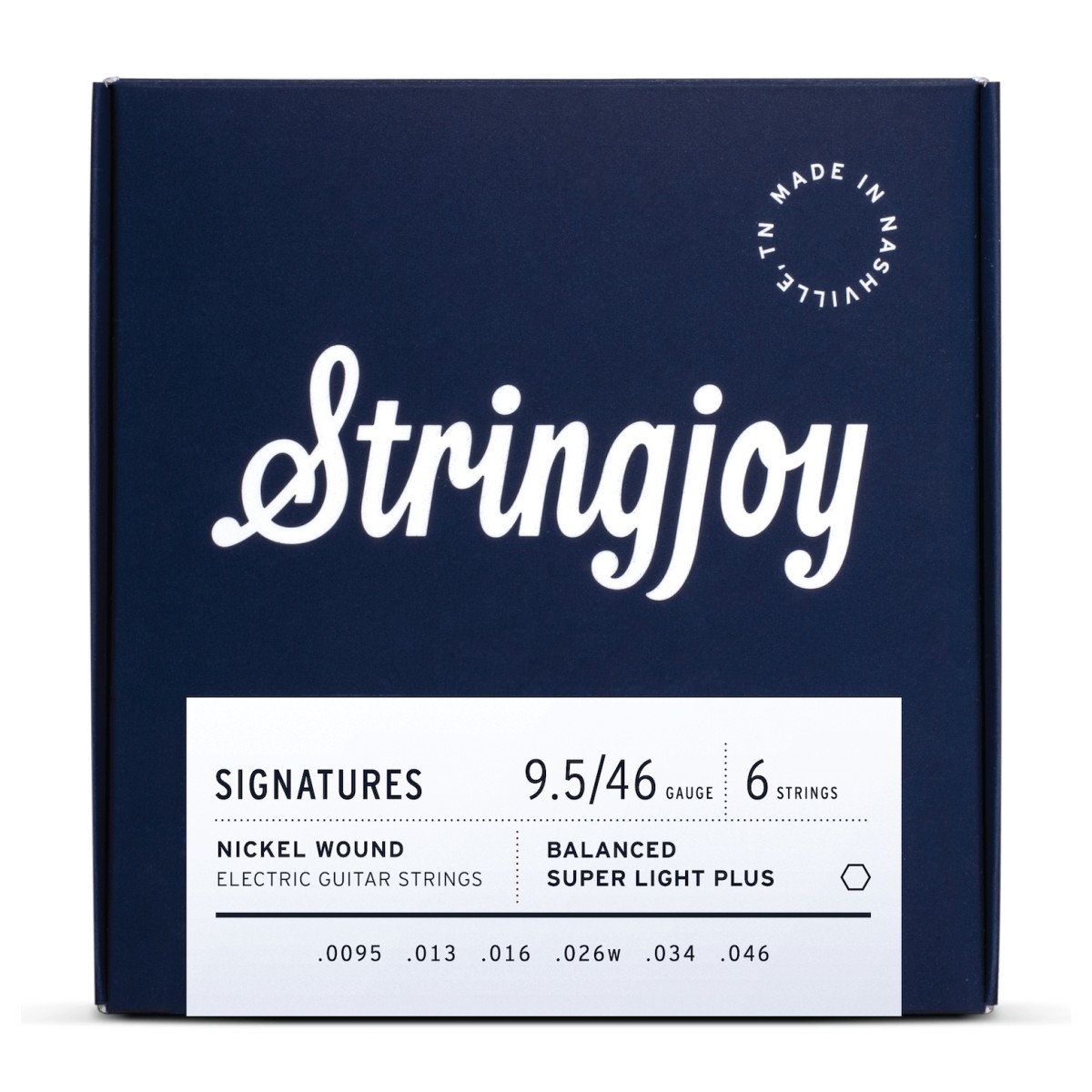
- Stringjoy Signatures Balanced Sets: These premium nickel-wound strings are available in specific 'Plus' gauges, such as 10.5-50 (Balanced Light Plus) or 9.5-46 (Balanced Super Light Plus). These niche gauges allow professionals to fine-tune the instrument's playability and intonation to a high degree of accuracy.
Choosing the Right String Gauge
When selecting strings, consider the scale length of your guitar and your preferred tuning. Lighter gauges are generally easier to bend, making them suitable for lead playing, while heavier gauges provide more resistance and are often preferred for rhythm work or lower tunings. Balanced sets aim to bridge this gap by equalising the pressure required to depress each string.
Recommended gear
- £11.99 ($15)
Stringjoy
Stringjoy Signatures Balanced Light Plus Gauge (10.5-50) Nickel Wound Electric Guitar Strings
- £1.49 ($2)
Gear4Music
Guitarworks Recessed Electric Guitar Jack Plate Chrome
- £2.44 ($3)
Daddario
Daddario NW028 Nickel Wound Electric Guitar Single String 028
- £11.99 ($15)
Stringjoy
Stringjoy Signatures Balanced Light Gauge (10-48) Nickel Wound Electric Guitar Strings
 £7.30 ($9)
Ibanez
Ibanez IEGS71 7 Strings Electric Guitar Set Regular Light
 £7.99 ($10)
Gear4Music
Electric Guitar 8 Strings Set by Gear4music
 £7.30 ($9)
Ibanez
Ibanez IEGS7 7 Strings Electric Guitar Set Super Light
 £11.99 ($15)
Stringjoy
Stringjoy Signatures Balanced Super Light Plus Gauge (9.5-46) Nickel Wound Electric Guitar Strings
- £1.99 ($3)
Daddario
Daddario NW034 Nickel Wound Electric Guitar Single String 034
Frequently asked questions
- What is the benefit of buying single strings like the Daddario NW034?
- Single strings are cost-effective for replacing a single broken string without wasting a full set. This is particularly useful for beginners who may experience frequent breakage while learning to tune.
- Why would I choose a 7-string set like the Ibanez IEGS7?
- 7-string sets are specifically packaged to include an extra low-frequency string, typically a B or A. Using a dedicated set ensures that the gauge progression is tonally and physically consistent for extended-range guitars.
- What does a 'balanced' string set offer an advanced player?
- Balanced sets, such as those from Stringjoy, are designed so that each string has a similar amount of tension. This results in a more even feel across the neck, making complex techniques more predictable for the player.
- When should I replace my guitar's jack plate?
- A jack plate should be replaced if the current hardware is bent, corroded, or if the input jack no longer sits securely. The Gear4Music Recessed Jack Plate is a standard chrome replacement for many electric guitar models.
- What is the difference between Super Light and Regular Light strings?
- Super Light strings have a thinner diameter, making them easier to press and bend, which is helpful for beginners or fast lead playing. Regular Light strings are slightly thicker, offering more resonance and a firmer feel under the fingers.
- Are 8-string sets compatible with standard 6-string guitars?
- No, 8-string sets include two additional heavy-gauge strings that will not fit a standard 6-string nut or bridge. Using them on a 6-string guitar could also cause excessive neck tension and potential damage.
- What are nickel-wound strings best for?
- Nickel-wound strings are the industry standard for electric guitars because they provide a balanced tone with good magnetic output. They are versatile enough for almost any genre, from jazz to heavy metal.
- Why are Stringjoy Signatures more expensive than other sets?
- These strings are considered advanced-tier because they use premium materials and offer specific, non-standard gauges. The balanced tension design requires more precise manufacturing to ensure professional-grade performance.
- What gauge is found in the Stringjoy Balanced Light Plus set?
- The Balanced Light Plus set specifically uses a 10.5-50 gauge range. This sits between traditional light and medium sets, offering a unique tension profile for discerning players.
- How often should I change my electric guitar strings?
- Most players change their strings every 3 to 6 months, or sooner if they notice a loss in brightness or physical corrosion. Higher-tier strings like the Stringjoy Signatures are often chosen for their longevity and tone retention.
- Is the Gear4Music 8-string set suitable for beginners?
- While priced affordably, it is only suitable for beginners who have specifically started on an 8-string instrument. For most beginners on a standard 6-string guitar, single strings or standard sets are more appropriate.
- What is the purpose of a recessed jack plate?
- A recessed jack plate allows the guitar cable's plug to sit partially inside the body of the guitar. This protects the connection from being bumped or damaged during performance and provides a more streamlined appearance.