
Gear article
beyerdynamic M 201 Dynamic Instrument Microphone
The beyerdynamic M 201 is a professional-grade dynamic instrument microphone widely regarded as an industry standard for both studio recording and live sound reinforcement. Renowned for its hyper-cardioid polar pattern and compact design, it is frequently chosen by engineers for its ability to provide focused sound reproduction while rejecting off-axis noise.
See live pricesOverview and Design
The beyerdynamic M 201 is a versatile dynamic microphone designed for high-fidelity instrument capture. It features a sleek, compact profile that makes it particularly suitable for environments where space is limited or where a low-profile aesthetic is required, such as live video sessions and stage performances. The microphone is built to beyerdynamic's high manufacturing standards, ensuring durability and a long service life in demanding professional environments.
Technical Features
A defining technical characteristic of the M 201 is its hyper-cardioid polar pattern. This design provides a highly directional pick-up, effectively isolating the intended sound source and minimising spill from surrounding instruments or ambient noise.
Additionally, the microphone incorporates an integrated humbucking coil. This feature is critical for professional use as it cancels out electromagnetic interference, allowing the microphone to be used near power transformers or lighting rigs without the introduction of unwanted electrical hum.
Sound Character and Applications
The M 201 is prized for its ability to produce a clear, focused sound that maintains the natural character of the instrument. Unlike many dynamic microphones that have a broad pick-up, the M 201’s tight pattern makes it an excellent choice for:
- Snare drums (due to its high SPL handling and spill rejection)
- Acoustic guitars and stringed instruments
- Hi-hats and percussion
- Amplified cabinets
It is often described as having a 'condenser-like' detail while retaining the ruggedness and high sound pressure level (SPL) handling of a moving-coil dynamic microphone.
Comparison to Alternatives
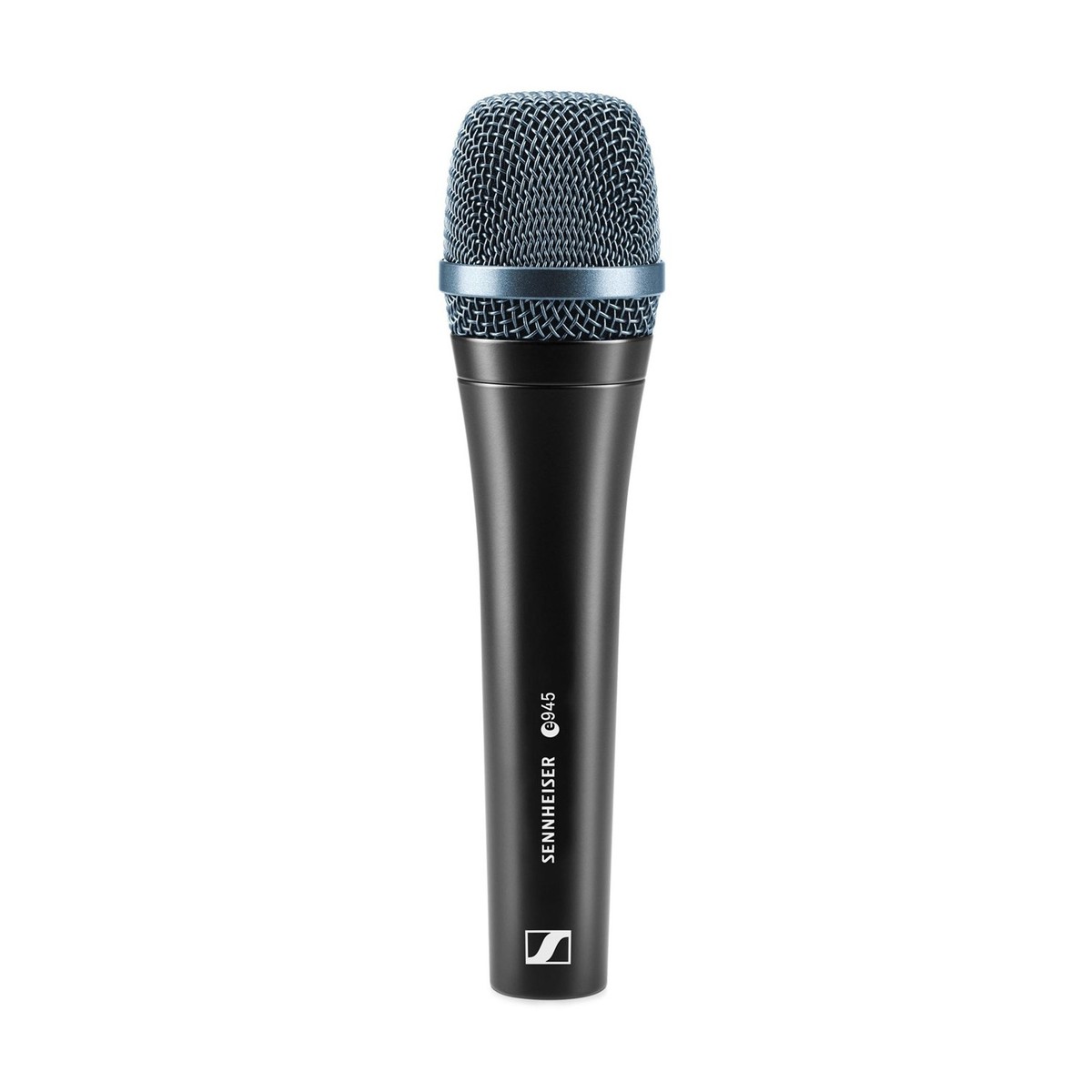
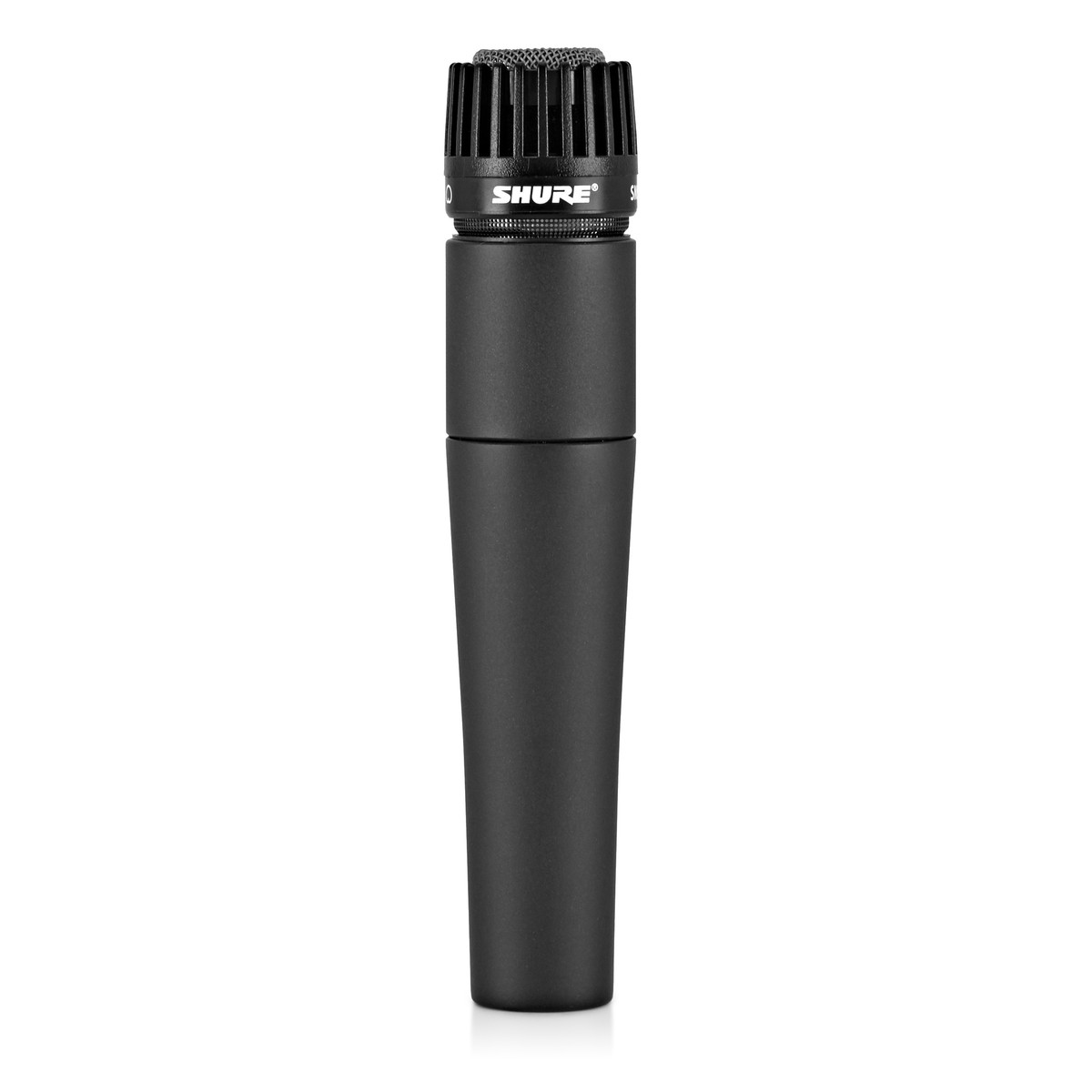
While the Shure SM57 is a common alternative for instrument miking, the M 201 is often preferred by engineers seeking a more focused hyper-cardioid pattern and a flatter, more detailed frequency response. Compared to larger dynamic microphones like the Sennheiser MD 441-U or the Electro-Voice RE20, the M 201 offers a much smaller footprint, making it easier to position in tight drum kits or small studio spaces. For vocal applications, users typically look toward the Sennheiser e945 or Shure Beta 58A, as the M 201 is specifically optimised for instrument capture.
Related gear
 £563.00 ($715)
Electro-Voice
Electro-Voice RE20 Dynamic Cardioid Microphone
 £148.75 ($189)
Sennheiser
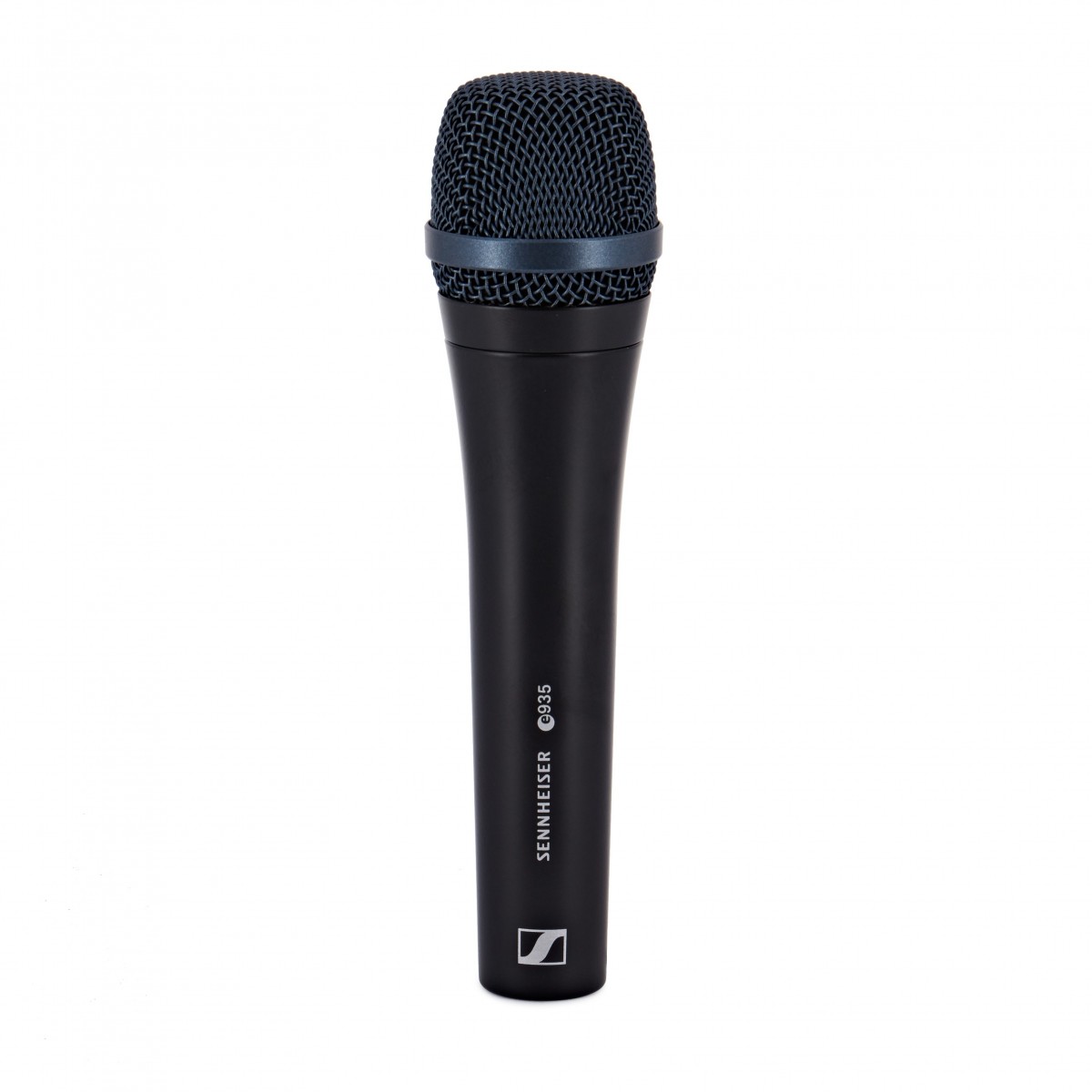
Sennheiser e935 Dynamic Vocal Microphone
 £142.25 ($181)
Shure
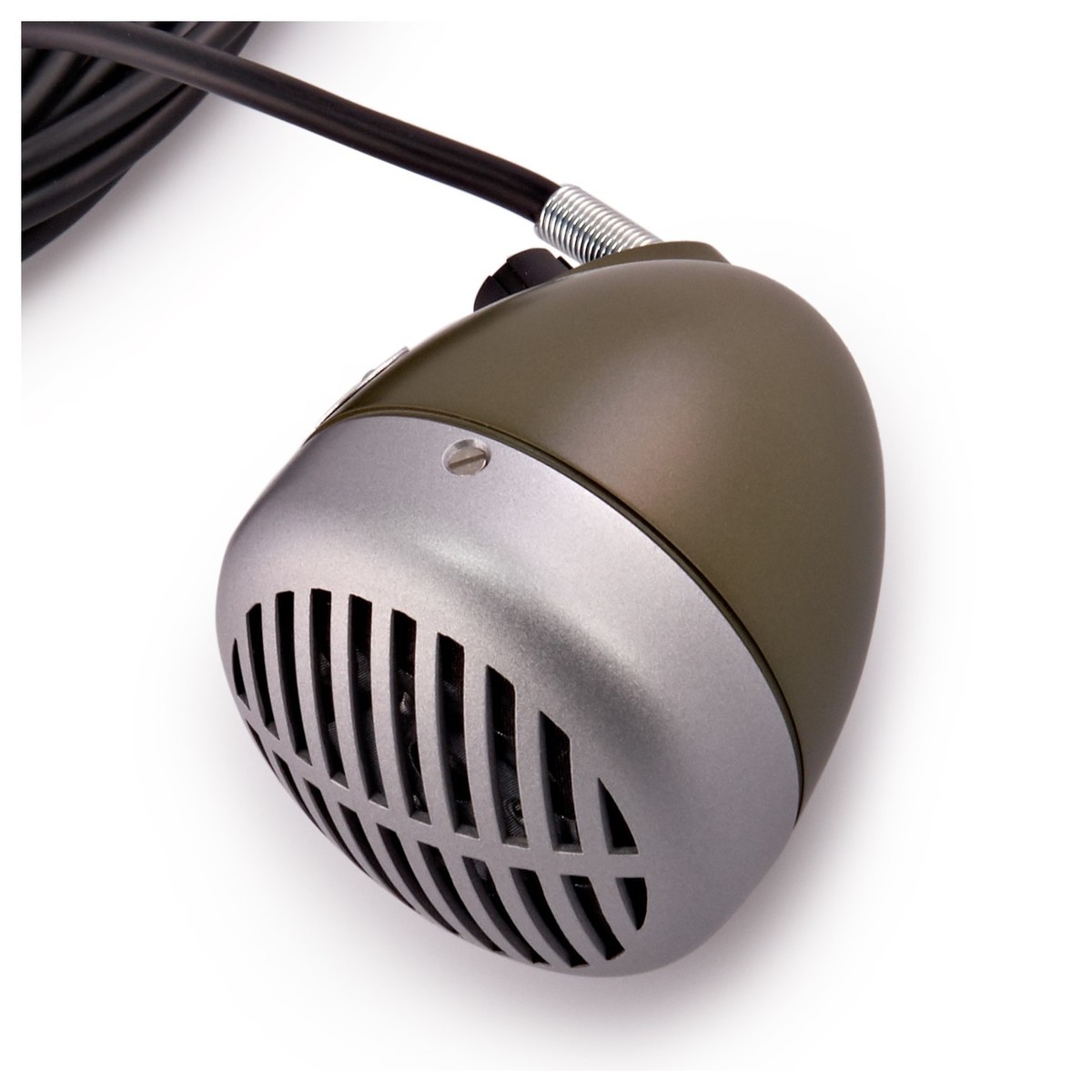
Shure 520DX Green Bullet Harmonica Microphone
 £161.50 ($205)
Shure
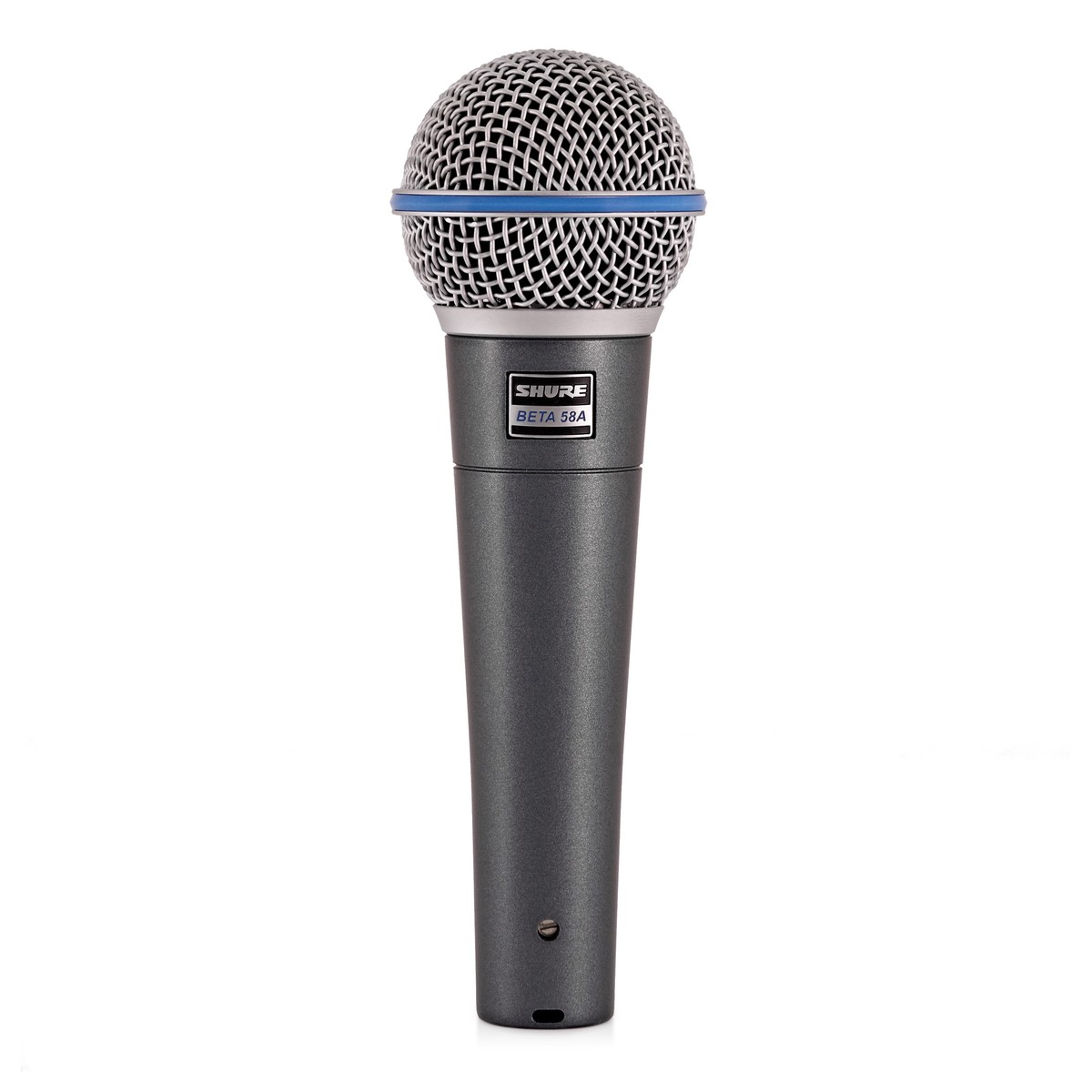
Shure Beta 58A Dynamic Microphone
 £259.00 ($329)
Shure
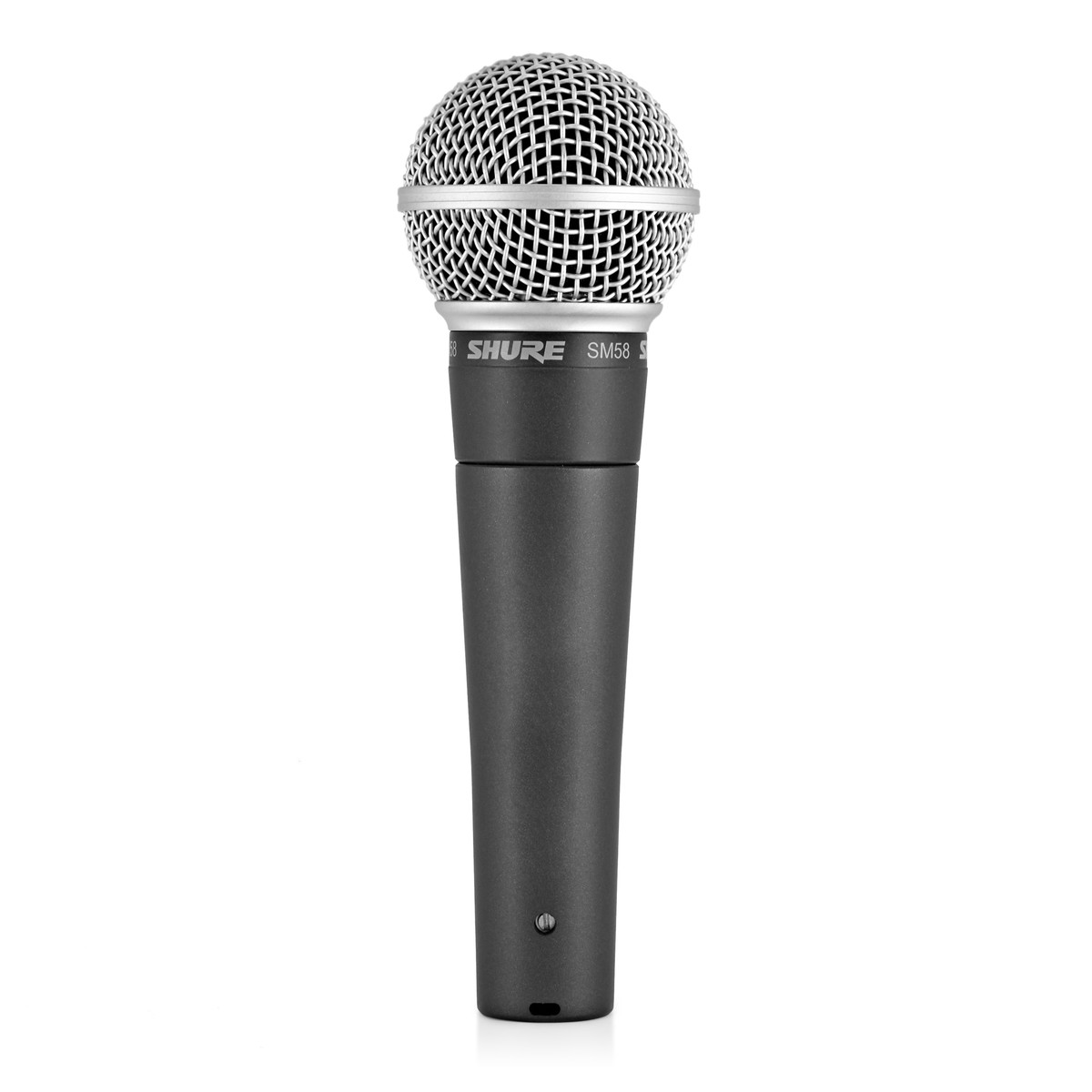
Shure SM58 Dynamic Cardioid Vocal Microphone
 £149.00 ($189)
Sennheiser
Sennheiser e945 Dynamic Vocal Microphone
 £103.50 ($131)
Shure
Shure SM57 Dynamic Instrument Microphone
 £1,080.00 ($1,372)
Sennheiser
Sennheiser MD 441-U Dynamic Supercardioid Microphone
Frequently asked questions
- What is the polar pattern of the beyerdynamic M 201?
- The M 201 features a hyper-cardioid polar pattern. This provides a very narrow and focused pick-up area, which is excellent for isolating specific instruments and rejecting off-axis noise.
- Does the M 201 require phantom power?
- No, the M 201 is a passive dynamic microphone. It does not require phantom power to operate, making it compatible with all standard microphone preamps.
- What is the benefit of the integrated humbucking coil?
- The humbucking coil is designed to cancel out electromagnetic interference. This allows the microphone to be used in environments with significant electrical noise, such as near computer monitors or stage lighting, without producing a hum.
- Is the M 201 suitable for live performances?
- Yes, it is highly suitable for live use. Its rugged build quality and compact design make it ideal for the stage, and its hyper-cardioid pattern helps prevent feedback and bleed from other instruments.
- How does the M 201 compare to the Shure SM57?
- While both are dynamic instrument microphones, the M 201 has a tighter hyper-cardioid pattern compared to the SM57's cardioid pattern. The M 201 is often noted for having a more detailed and accurate sound reproduction.
- Can the M 201 be used on snare drums?
- The M 201 is considered a classic choice for snare drums. Its ability to handle high sound pressure levels and its rejection of hi-hat spill make it a favourite for many recording engineers.
- Is the M 201 good for recording acoustic guitars?
- Yes, it is a popular choice for acoustic guitars when a dynamic microphone is preferred over a condenser. It provides a natural sound with great clarity and minimal room interference.
- What is the price of the beyerdynamic M 201?
- The typical price for a new beyerdynamic M 201 is approximately GBP 377. Prices may vary slightly depending on the retailer and regional taxes.
- Why is the M 201's design considered 'low-profile'?
- The microphone has a slim, pencil-like cylindrical shape. This compact form factor allows it to be placed in tight spaces where larger microphones, like the Sennheiser MD 441-U, would not fit.
- Does this microphone work for recording vocals?
- While primarily an instrument microphone, it can be used for vocals in specific studio applications. However, dedicated vocal microphones like the Sennheiser e935 or Shure SM58 are generally preferred for their integrated pop filters and tailored frequency responses.
- How durable is the beyerdynamic M 201?
- It is built with beyerdynamic's renowned professional build quality. It is designed to withstand the rigours of touring and daily studio use for many years.
- Is the M 201 similar to the Electro-Voice RE20?
- Both are high-quality dynamic microphones, but they serve different roles. The RE20 is much larger and commonly used for broadcast and kick drums, whereas the M 201 is compact and geared towards detailed instrument spot-miking.