
Gear article
Black Lion Audio PBR TRS3 Patchbay
The Black Lion Audio PBR TRS3 is a 48-point TRS patchbay engineered for high-fidelity signal routing in professional and home recording environments. It features 96 gold-plated 1/4-inch connectors and flexible per-channel switching for Normal, Half-normal, and Thru configurations.
See live pricesOverview
The Black Lion Audio PBR TRS3 serves as a central hub for studio signal management, allowing users to reroute audio without accessing the rear panels of individual outboard gear. The unit occupies 1U of rack space and provides 48 points of connectivity across its front and rear panels. By utilizing 96 gold-plated TRS connectors, the device aims to provide a reliable electrical contact that resists corrosion and ensures signal integrity over long-term use.
Routing Modes and Operation
A primary feature of the PBR TRS3 is its rear-mounted three-way mode switches. These allow each channel to be configured independently without the need to dismantle the chassis or flip individual circuit boards. The available modes are:
- Normal: The top rear jack is internally connected to the bottom rear jack until a plug is inserted into either front jack, which breaks the connection.
- Half-normal: The top rear signal is sent to the bottom rear signal until a plug is inserted into the bottom front jack, allowing for easy signal splitting or 'multing'.
- Thru: The top and bottom jacks operate independently with no internal connection between them.
Construction and Build Quality
Black Lion Audio has designed the PBR TRS3 for durability in high-traffic studio environments. The unit is housed in a reinforced steel chassis, providing physical rigidity. The front interface is constructed from black-anodised aluminium, which contributes to its aesthetic appeal and structural integrity. For organisation, the faceplate includes dedicated labelling areas above and below the jacks to help engineers identify patch points quickly.
Sound Character and Application
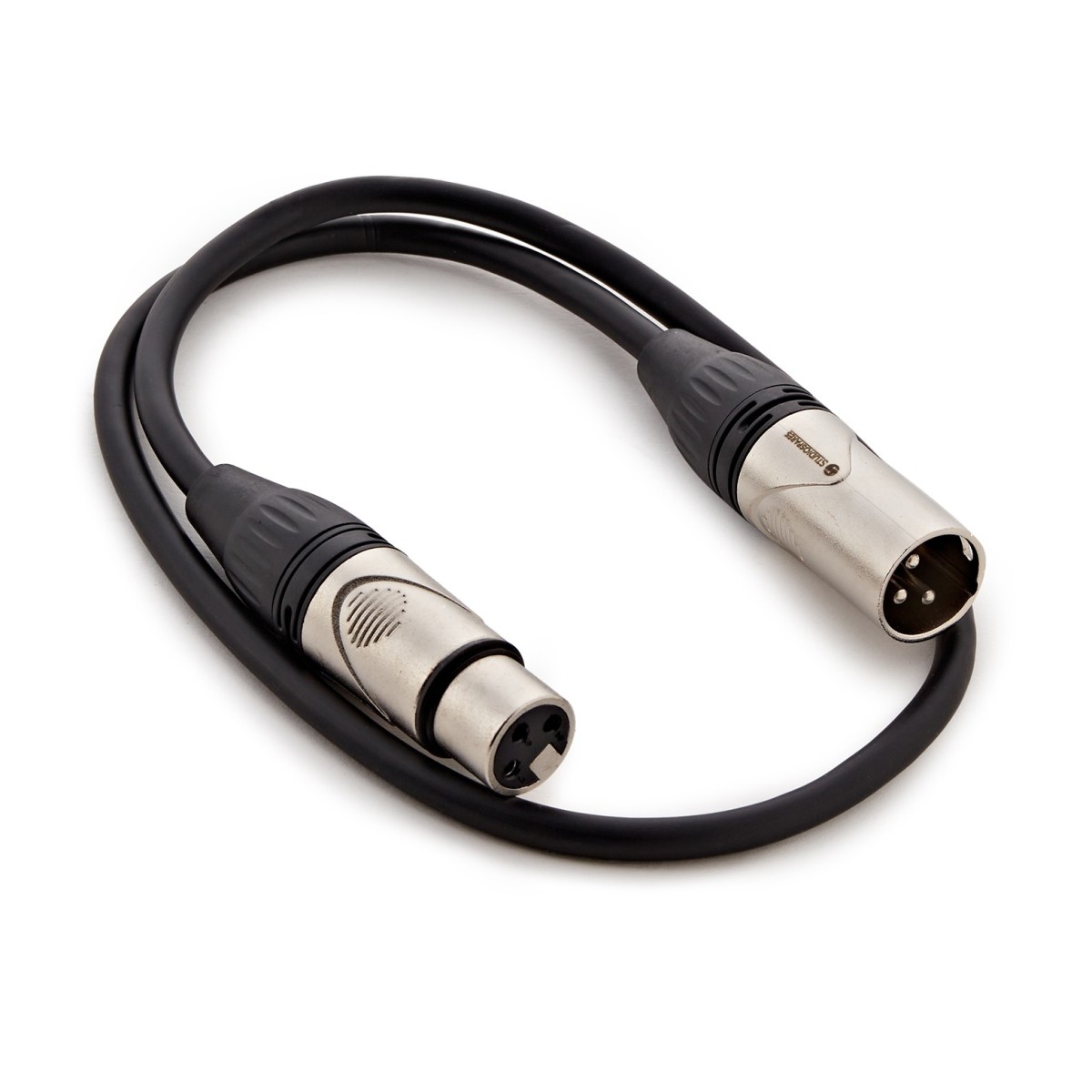
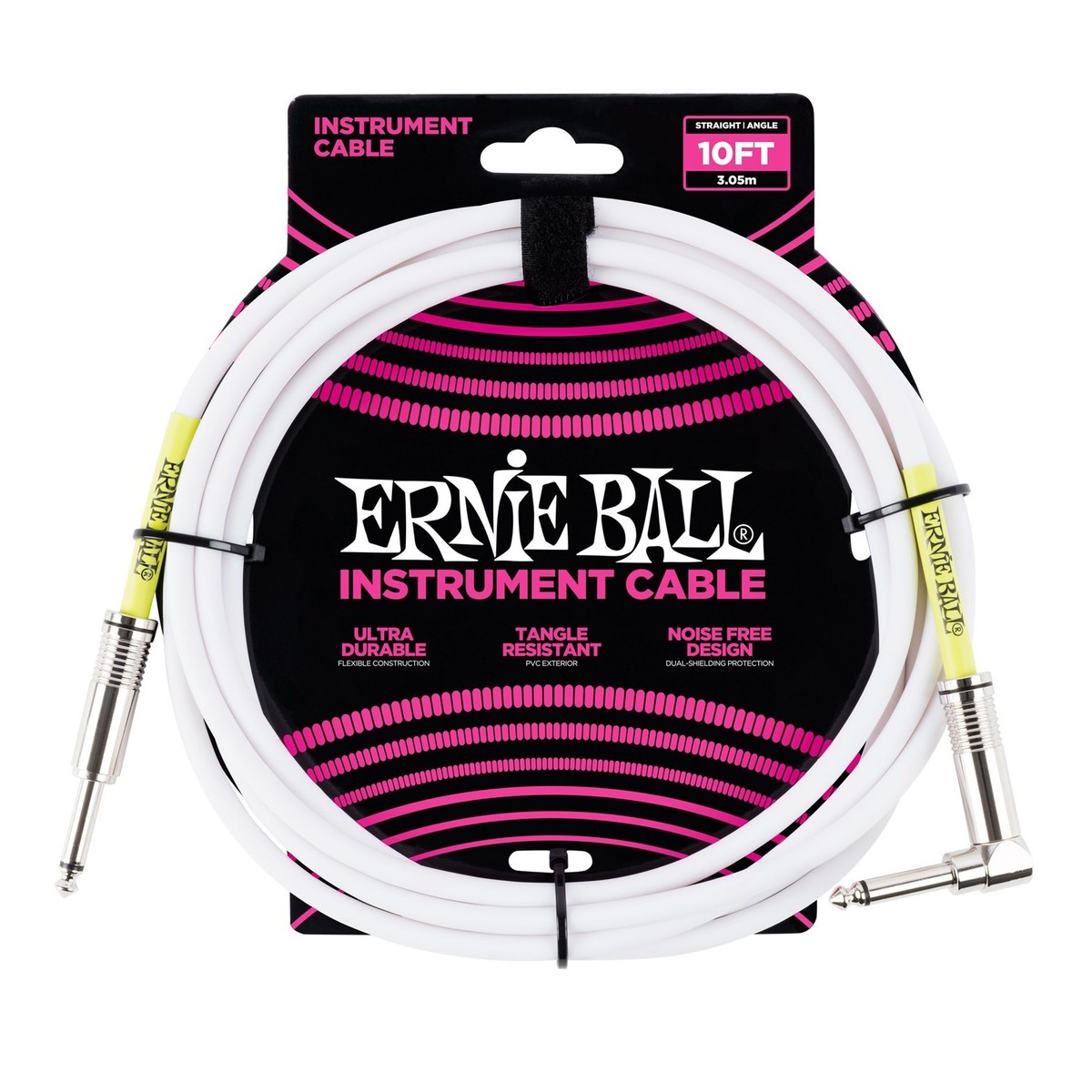
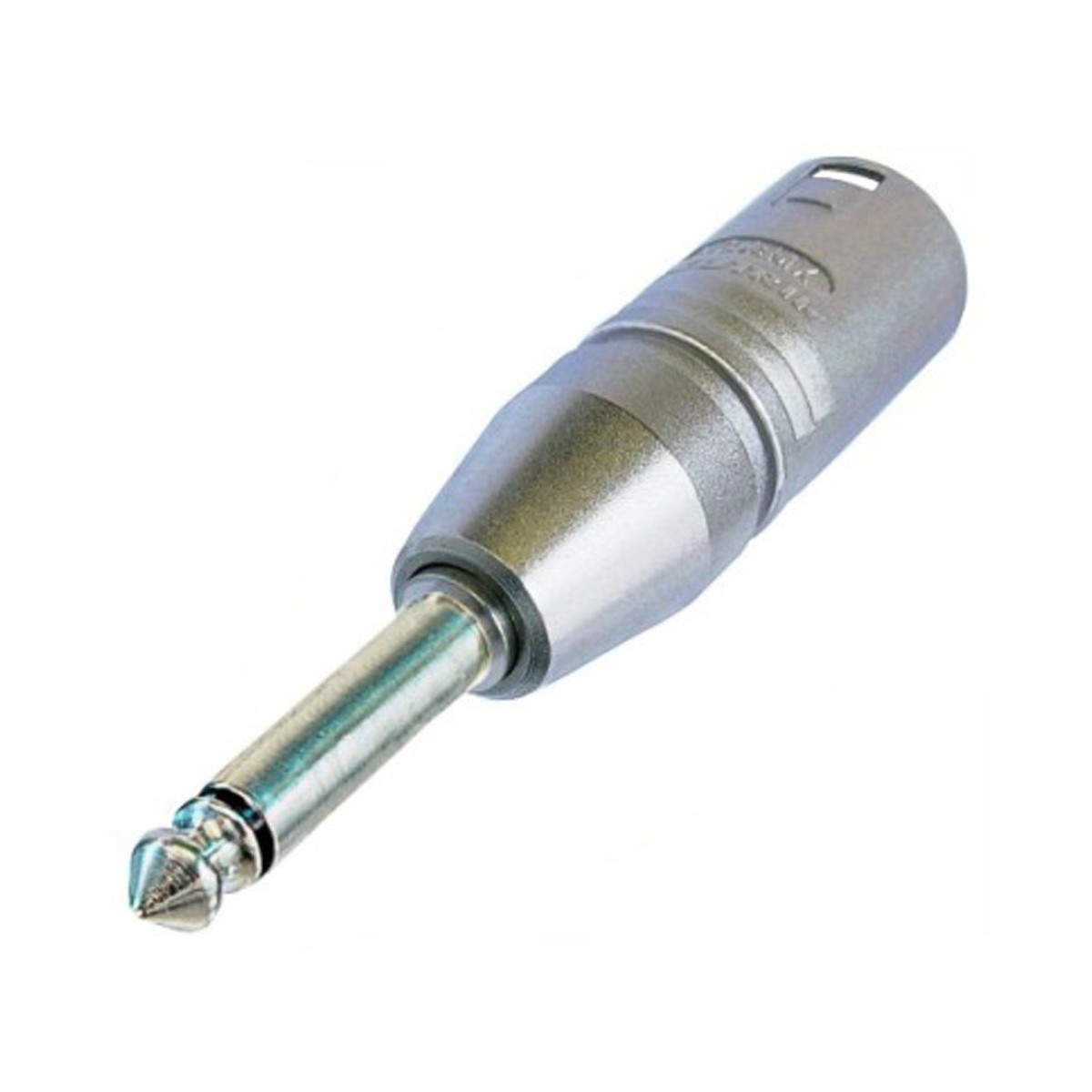
As a passive routing device, the PBR TRS3 is designed to be transparent. The inclusion of gold-plated connectors is intended to minimize interference and signal degradation. It is suitable for both professional recording facilities requiring complex routing of preamps, compressors, and EQs, as well as home studios looking to organise their signal flow efficiently. While it works with standard TRS cables, it is frequently used alongside high-quality interconnects such as Studiospares Standard XLR or Ernie Ball instrument cables via appropriate adapters like the Neutrik NA2MP.
Related gear
 £5.99 ($8)
Studiospares
Studiospares Standard XLR (M) - XLR (F) Cable 60cm
 £17.57 ($22)
Ernie Ball
Ernie Ball P06049 10ft Straight-Angle Instrument Cable White
 £32.00 ($41)
LD Systems
LD Systems WS100BNC10 BNC to BNC Antenna Cable 10m
 £4.99 ($6)
Gear4Music
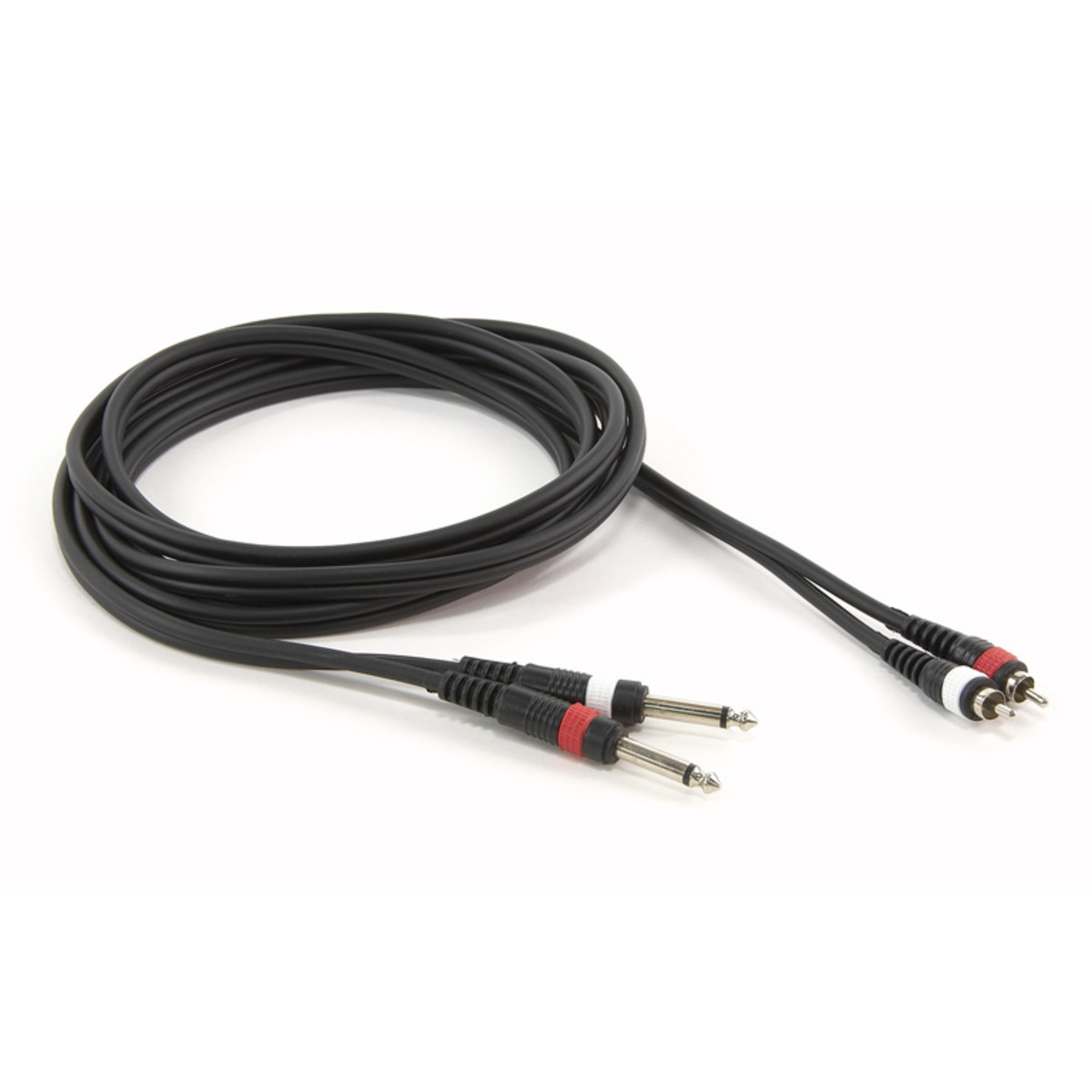
Essentials Dual Jack to RCA Phono Cable 3m
 £10.50 ($13)
Neutrik
Neutrik NC3FRX Right-Angled 3-Pole Female XLR Connector
 £19.00 ($24)
Neutrik
Neutrik NA2MP Male XLR - 1/4 Jack Adaptor
 £30.00 ($38)
Adam Hall
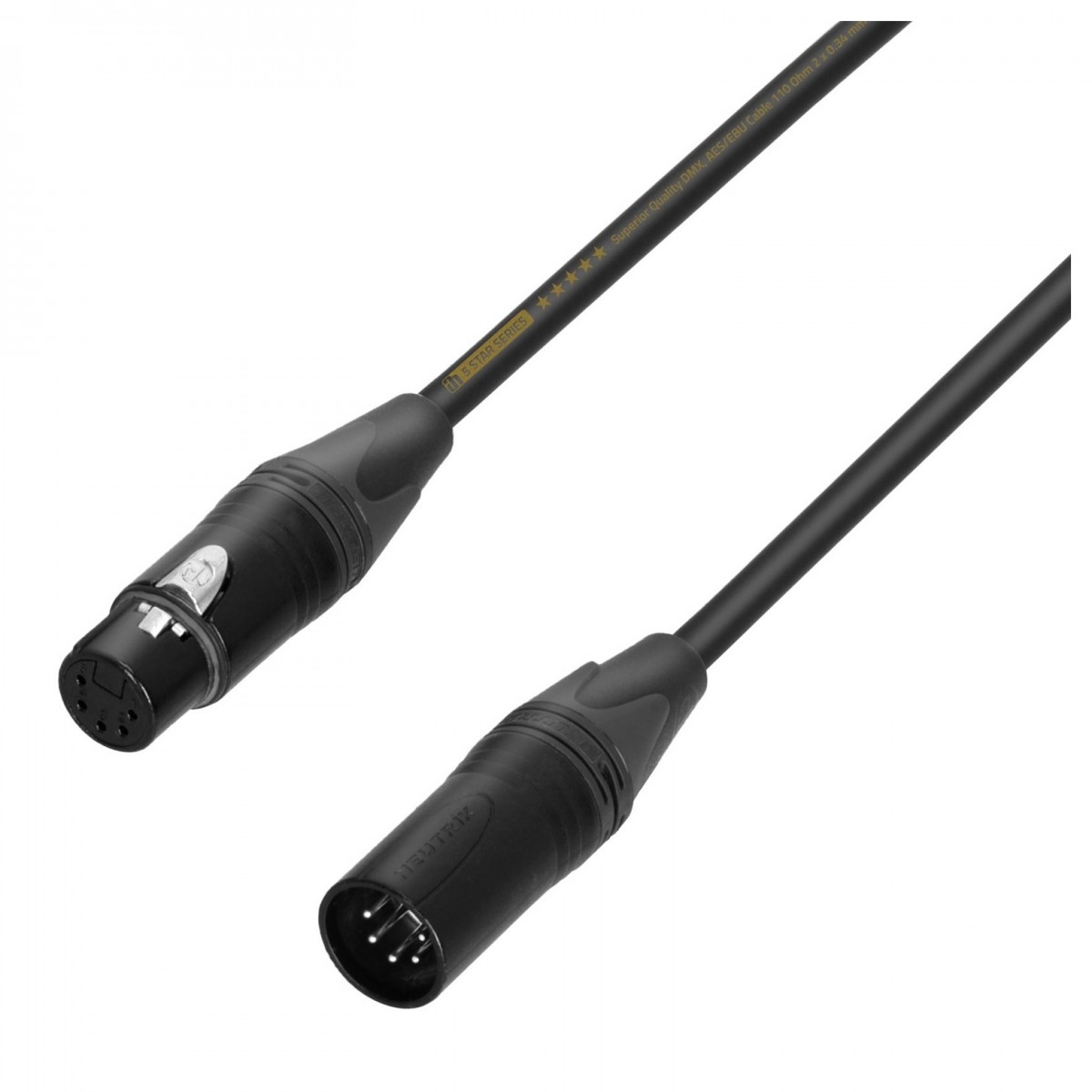
Adam Hall 5 STAR Neutrik DMX 5-Pin Lighting Cable 20m
 £4.99 ($6)
Studiospares
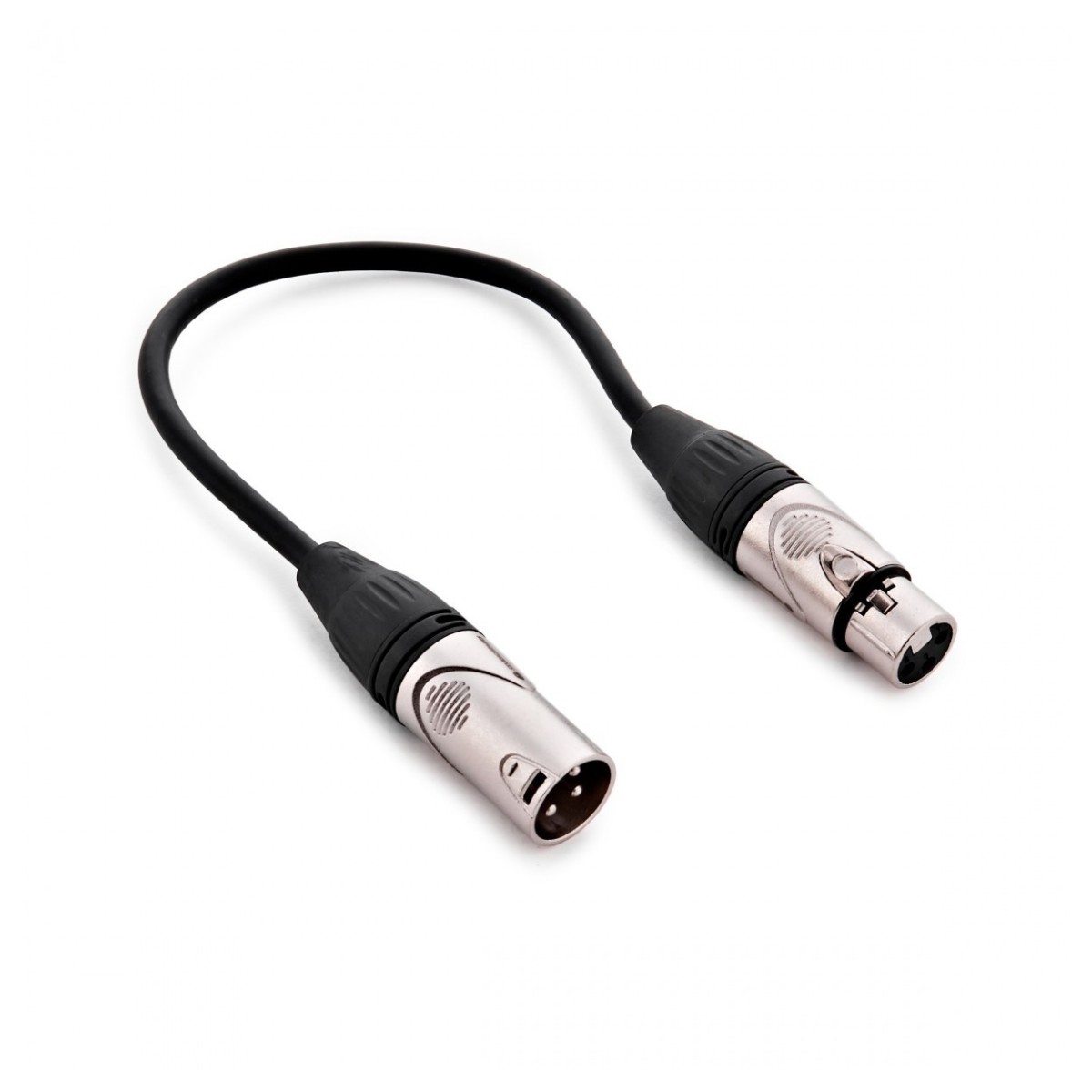
Studiospares Standard XLR (M) - XLR (F) Patch Cable 30cm
Frequently asked questions
- How many patch points does the PBR TRS3 have?
- The PBR TRS3 features 48 points, consisting of 24 channels with top and bottom jacks on both the front and rear panels, totaling 96 gold-plated TRS connectors.
- What type of connectors are used in this patchbay?
- It utilizes 1/4-inch (6.35mm) TRS connectors. These are gold-plated to ensure excellent signal clarity and to prevent corrosion over time.
- Can I change the routing mode without opening the unit?
- Yes, the PBR TRS3 features rear-mounted 3-way mode switches. This allows you to toggle between Normal, Half-normal, and Thru modes for each channel externally.
- What is the benefit of the gold-plated connectors?
- Gold-plated connectors offer superior conductivity and resistance to oxidation. This ensures a more reliable connection and minimizes signal interference compared to standard nickel connectors.
- What materials are used for the chassis?
- The unit is built with a reinforced steel chassis for durability. It also features a black-anodised aluminium faceplate for a professional look and added strength.
- Does this patchbay require a power supply?
- No, the PBR TRS3 is a passive device. It does not require external power to route audio signals between your outboard gear and interface.
- What does the 'Half-normal' mode do?
- In Half-normal mode, the signal from the top rear jack is passed to the bottom rear jack automatically. Inserting a cable into the bottom front jack breaks this connection, while inserting one into the top front jack does not, allowing you to 'tap' the signal.
- Is it possible to label the different channels?
- Yes, the front panel is designed with dedicated areas for labels. This helps users quickly identify which piece of gear is connected to each specific patch point.
- Can I use this with unbalanced TS cables?
- While designed for balanced TRS connections, you can use unbalanced TS cables. However, the signal path will become unbalanced, which may increase the risk of noise over long cable runs.
- What rack space does the PBR TRS3 occupy?
- The PBR TRS3 is a standard rackmount device that occupies 1U of vertical space in a 19-inch equipment rack.
- What is 'Thru' mode used for?
- Thru mode keeps the top and bottom rows completely independent. This is useful for simple point-to-point connections where you do not want any internal normalled routing between the jacks.
- Is the PBR TRS3 suitable for professional studios?
- Yes, its heavy-duty steel construction and gold-plated connectors are specifically designed to meet the reliability and signal integrity demands of professional recording environments.