
Gear article
Blackstar Polar 4 Audio Interface
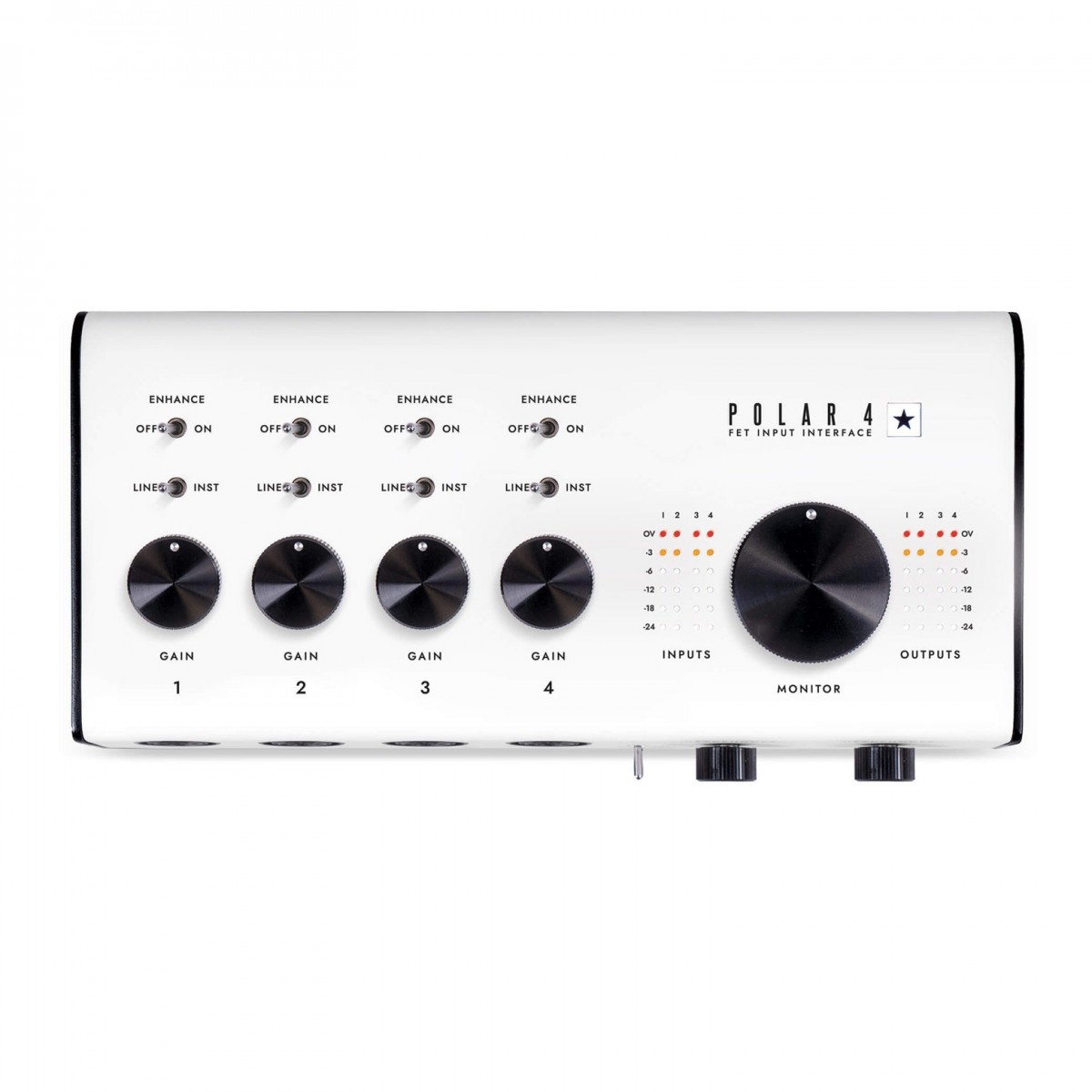
The Blackstar Polar 4 is a four-channel USB audio interface specifically engineered for guitarists, featuring high-headroom FET inputs and vintage-inspired preamps. It distinguishes itself with a unique 'Enhance' circuit designed to emulate the responsive character of valve amplifiers while preventing digital clipping during recording.
Background and Design
Blackstar, primarily known for their guitar amplification, developed the Polar 4 to address the specific needs of guitarists working in home and project studios. While many standard interfaces struggle with the high-impedance signals and dynamic peaks of electric guitars, the Polar 4 is built around high-headroom FET (Field Effect Transistor) inputs. These inputs are designed to maintain signal integrity and provide a noise-free foundation for both direct recording and microphone placement.
Core Features and Functionality
The interface provides four versatile inputs capable of handling microphones, line-level devices, and instruments. A central feature is the 'Enhance' switch, which activates an analogue circuit designed to replicate the input stage of a classic valve amplifier. This feature allows users to drive the input signal harder for a more natural response without the harshness of digital clipping. For vocalists and acoustic musicians, the onboard mic preamps take inspiration from vintage studio consoles to provide a warmer, deeper sonic profile than standard transparent preamps.
Sound Character
The Polar 4 is characterised by its ability to balance modern clarity with analogue-style warmth. The FET inputs ensure a low noise floor, which is essential when using high-gain software plugins later in the signal chain. When the Enhance mode is engaged, the interface adds a subtle harmonic richness and a soft-clipping characteristic that mimics the feel of hardware gear, making the DI (Direct Injection) signal feel more 'alive' and responsive to playing dynamics.
Target Audience
This interface is primarily suited for guitarists and multi-instrumentalists who require a streamlined workflow for high-quality tracking. Because it includes four inputs and +48V phantom power, it is also highly capable for small ensemble recordings, podcasters using multiple condenser microphones, or singer-songwriters who wish to record vocals and a stereo-mic'd acoustic guitar simultaneously. The inclusion of the St. James software suite further cements its value for those focused on guitar production.
Market Comparison
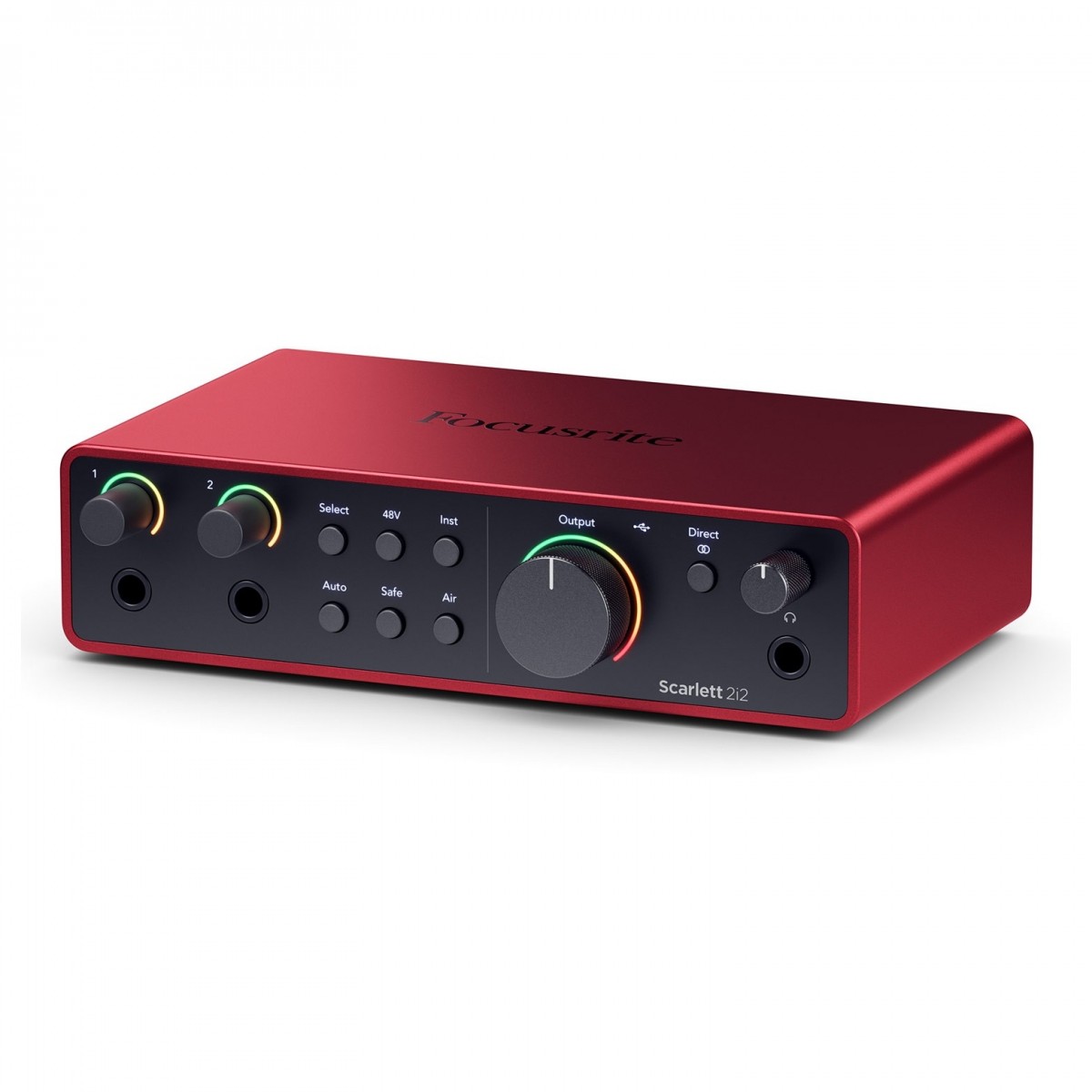
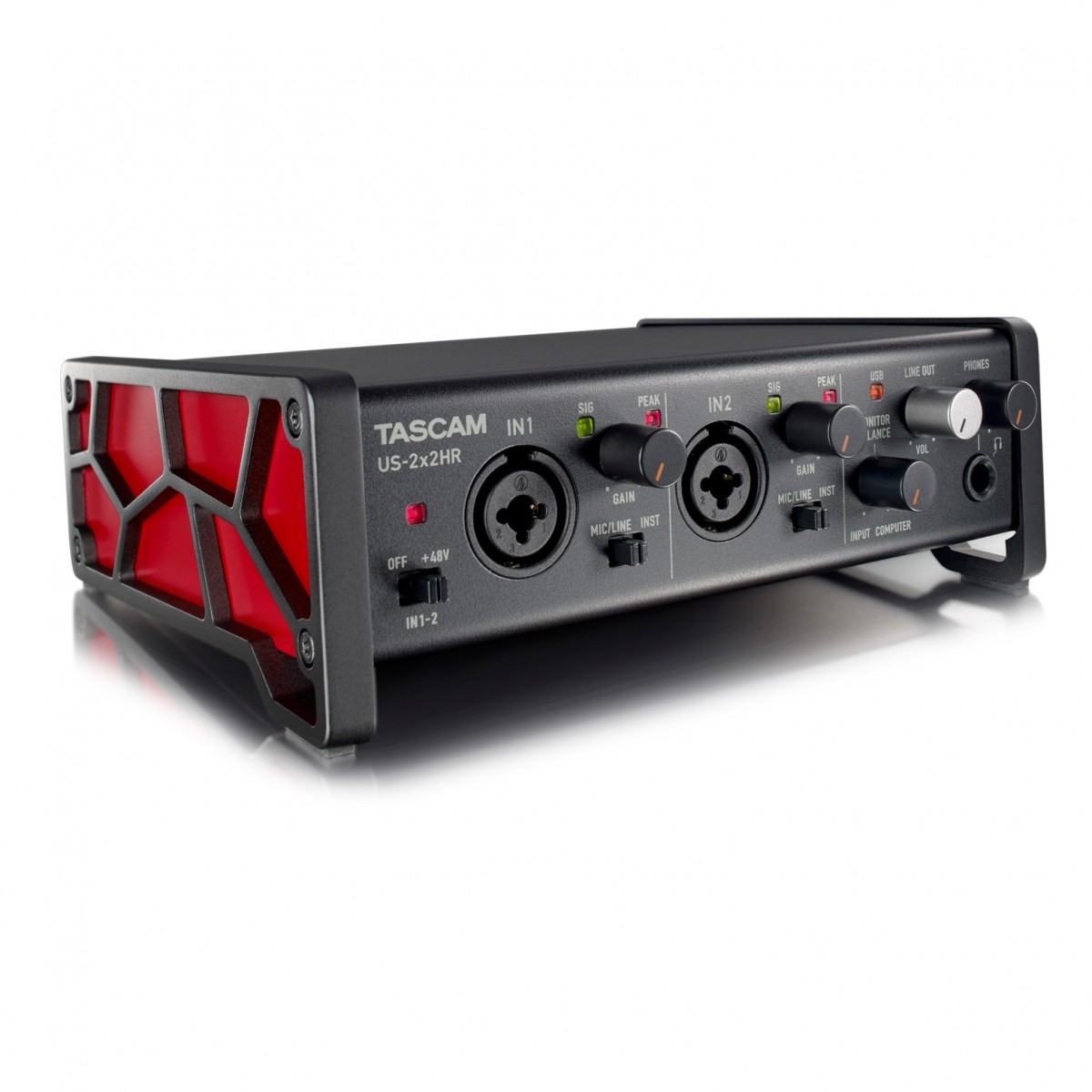
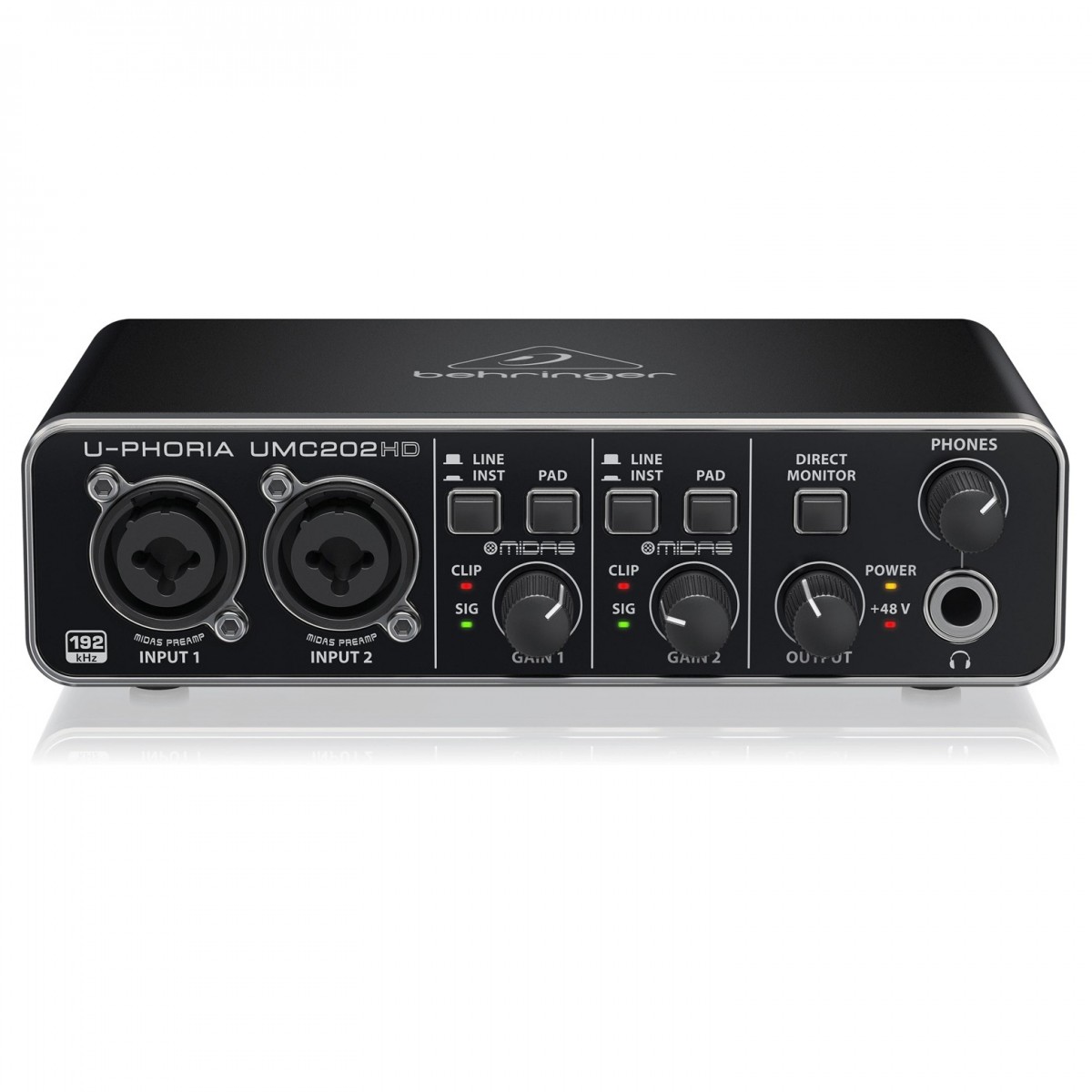
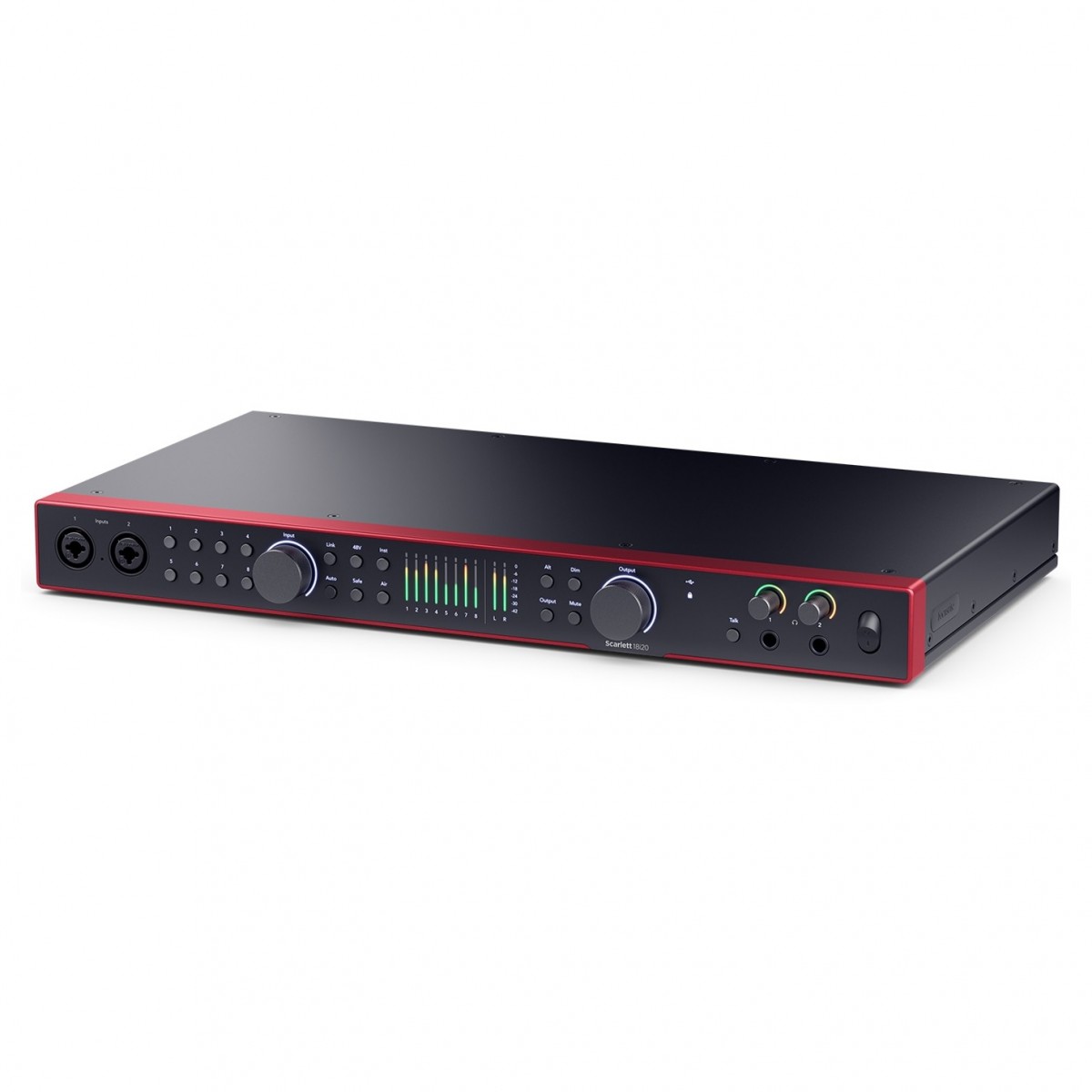
In the competitive mid-range interface market, the Polar 4 competes with established models like the Focusrite Scarlett 18i20 (4th Gen) and the Tascam US-2x2HR. While many competitors focus on technical transparency, the Blackstar Polar 4 differentiates itself through its guitar-centric analogue enhancement circuitry. While budget options like the Behringer U-PHORIA UMC202HD or M-Audio M-Track Solo offer basic connectivity, the Polar 4 offers more headroom and specific tonal shaping tools that those entry-level devices lack.
Related gear
 £1,499.00 ($1,904)
Motu
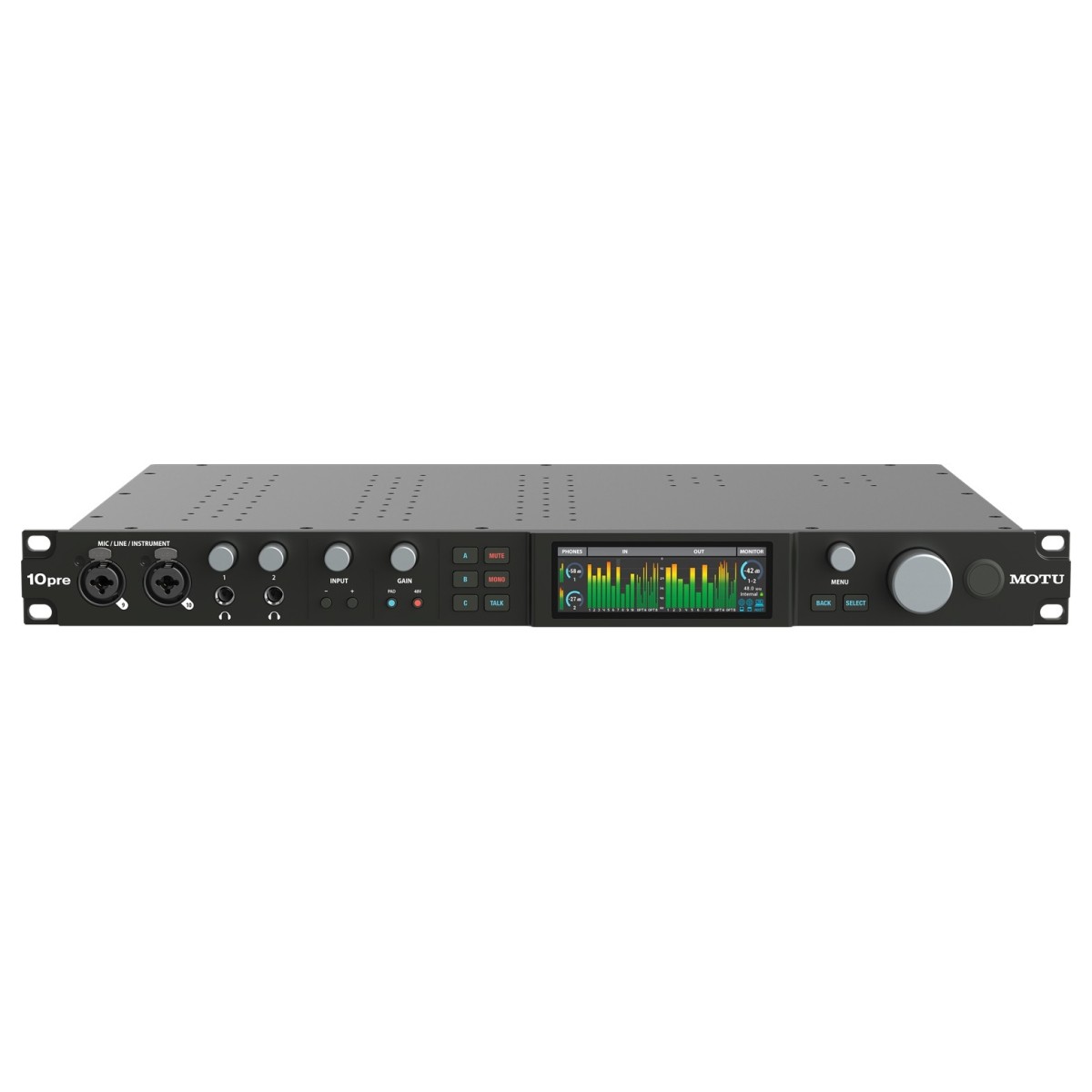
MOTU 10Pre USB/Thunderbolt Audio Interface
 £40.80 ($52)
M-Audio
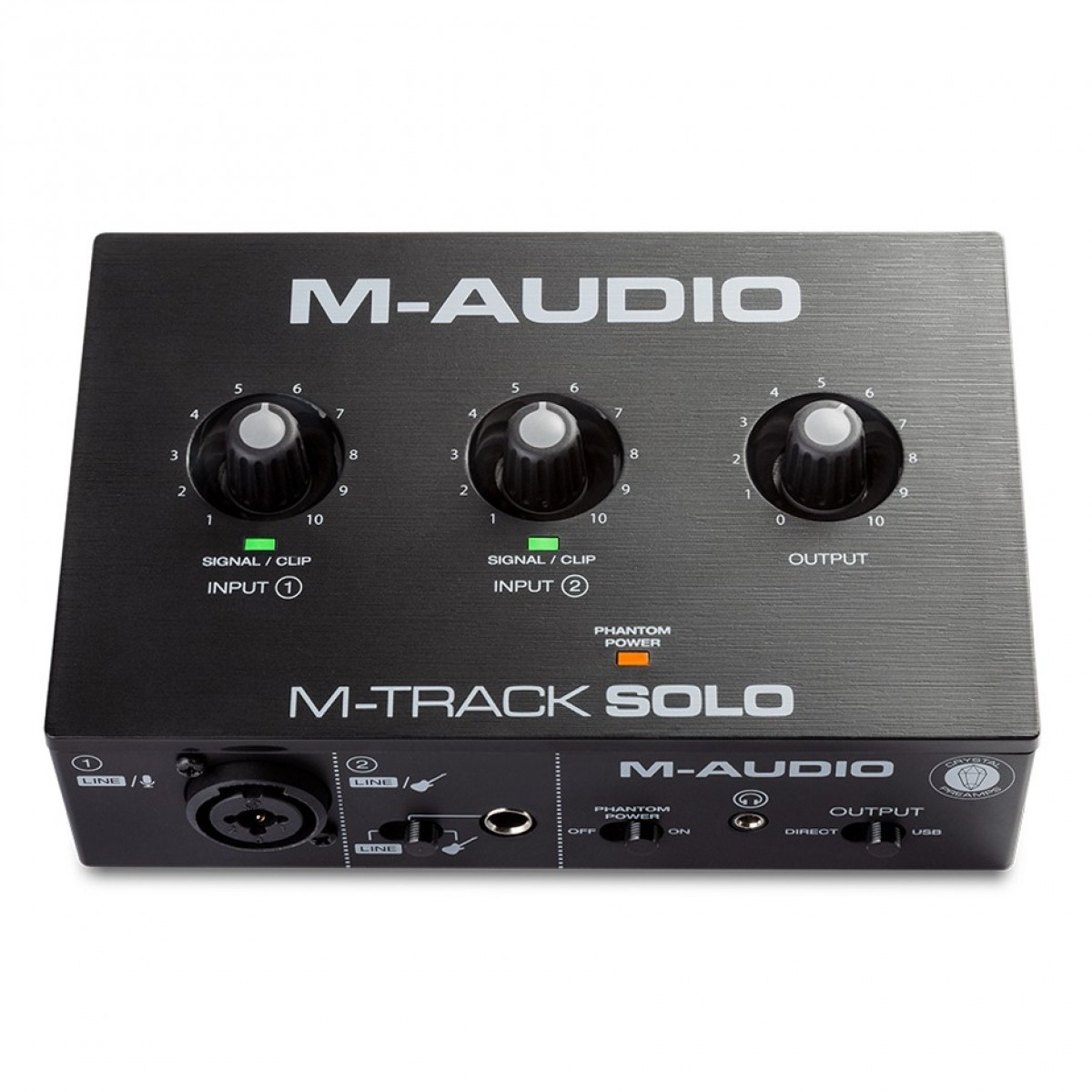
M-Audio M-Track Solo 2 Channel USB Interface
 £134.00 ($170)
Tascam
Tascam US-2x2HR USB Audio Interface
 £54.70 ($69)
Behringer
Behringer U-PHORIA UMC202HD USB Audio Interface
 £299.00 ($380)
M-Audio
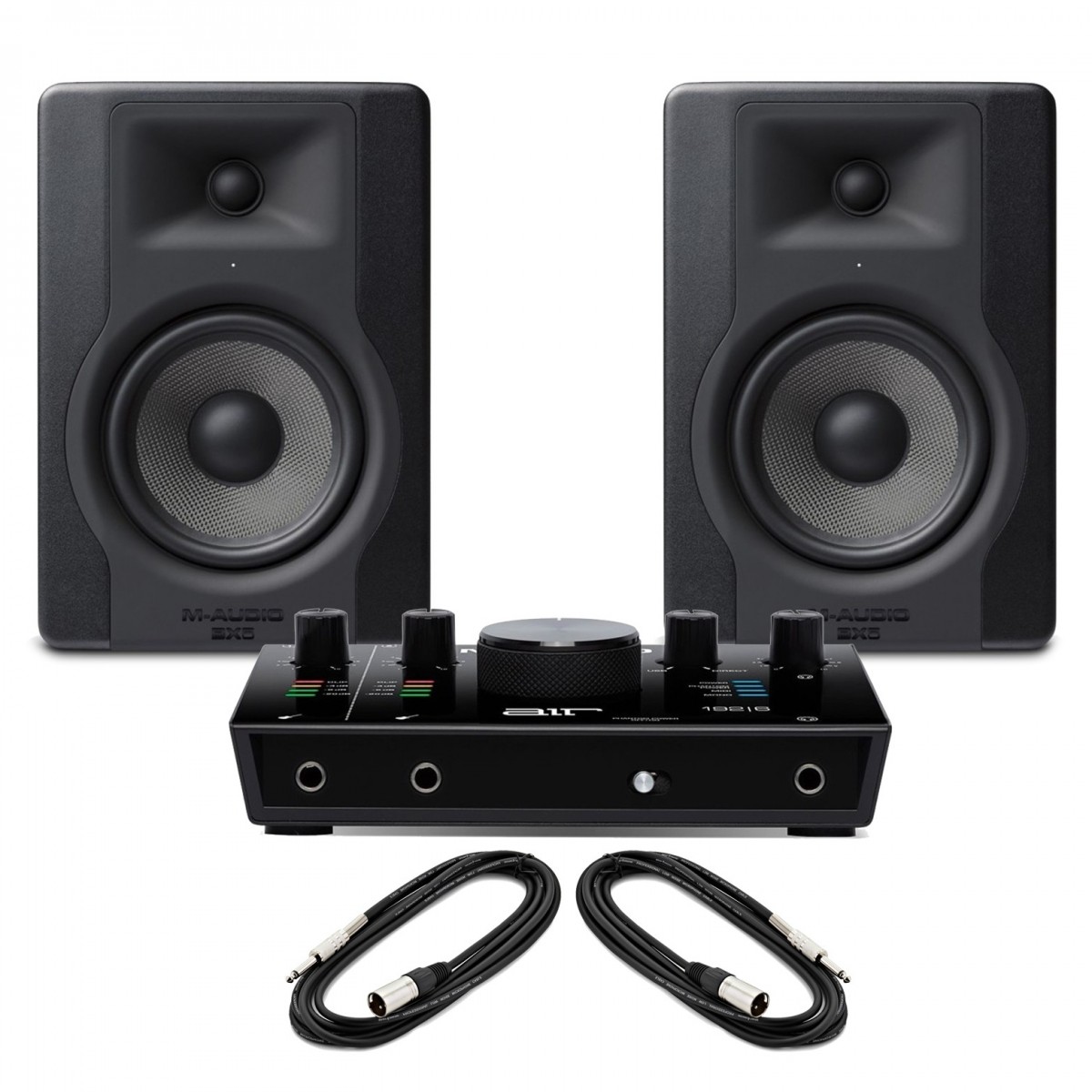
M-Audio AIR 192 6 Audio Interface and BX5-D3 Monitor Bundle
 £600.00 ($762)
Focusrite
Focusrite Scarlett 18i20 4th Gen
- £300.00 ($381)
Focusrite
Focusrite Scarlett 2i2 4th Gen Audio Interface
Frequently asked questions
- What is the primary purpose of the Blackstar Polar 4?
- The Polar 4 is designed as a high-quality USB audio interface specifically tailored for guitarists. It focuses on providing high headroom and analogue-style warmth to ensure guitar recordings sound professional and feel responsive.
- How many inputs does the Polar 4 have?
- The device features four high-headroom FET inputs. These are versatile connections that can accommodate microphones, instruments (like electric guitars), or line-level signals.
- What does the 'Enhance' switch do?
- The Enhance switch engages a unique circuit that emulates the warm, natural tone of a valve amplifier. It allows the user to push the input signal harder while preventing unpleasant digital clipping.
- Does the Polar 4 support condenser microphones?
- Yes, it includes +48V phantom power. This allows the interface to power professional condenser microphones used for vocals and acoustic instruments.
- What software is included with the interface?
- The Blackstar Polar 4 comes bundled with the St. James software suite. This provides users with high-quality amp simulations to use immediately with their recordings.
- What is the benefit of FET inputs for guitarists?
- FET (Field Effect Transistor) inputs provide high headroom and a low-noise signal. This is crucial for capturing the full dynamic range of a guitar without introducing unwanted hiss or premature distortion.
- How does the Polar 4 prevent digital clipping?
- Through its specific hardware design and the Enhance feature, the interface handles signal peaks more gracefully than standard interfaces. This mimics the 'soft-clipping' nature of analogue gear rather than the harsh 'square-wave' clipping of digital converters.
- Can I record a full band with the Polar 4?
- With four inputs, you can record up to four simultaneous sources. This is sufficient for a singer-songwriter, a duo, or a small drum setup, though larger bands might require more inputs like those found on the Focusrite Scarlett 18i20.
- Is the Polar 4 suitable for podcasters?
- Yes, the four mic preamps and phantom power support make it an excellent choice for podcasts featuring up to four participants. The vintage-inspired preamps also help add professional depth to spoken word.
- How does the price of the Polar 4 compare to entry-level interfaces?
- At approximately £319, it sits in a higher price bracket than entry-level units like the M-Audio M-Track Solo or Behringer UMC202HD. This reflects its higher build quality, specialised guitar circuitry, and increased input count.
- What kind of preamp design does Blackstar use here?
- The preamps are inspired by vintage studio designs. They are intended to add a sense of warmth and depth to recordings, moving away from a purely clinical or sterile sound.
- Is the Polar 4 compatible with both Windows and Mac?
- As a standard USB audio interface, it is designed for compatibility with major operating systems. It functions as the primary hub for routing audio into and out of a Digital Audio Workstation (DAW).