Gear article
Boss DD-500 Digital Delay Pedal
The Boss DD-500 is a high-performance, studio-quality digital delay pedal designed to provide a comprehensive suite of time-based effects in a single unit. It features 12 distinct delay modes, real-time control parameters, and a built-in phrase looper to accommodate both stage and studio applications.
See live pricesOverview
The Boss DD-500 is positioned as a flagship digital delay workstation, offering extensive processing power for guitarists and studio engineers. The unit is housed in a robust Boss enclosure and is designed to replace multiple individual delay pedals by providing a wide array of historical and modern sounds. It operates with high-fidelity audio processing to ensure that the user's core tone remains intact while adding complex spatial textures.
Features and Interface
The pedal is equipped with a large integrated LCD screen that provides clear visual feedback of current settings and real-time control parameters. Users can navigate through 12 different delay modes, which include standard digital delays, 1980s-style vintage repeats, reverse delays, and more experimental patterns. The interface allows for deep editing of effect parameters, which can be saved to internal patches for instant recall.
Key physical features include: * Dedicated knobs for Level, Feedback, and Time. * Additional controls for Tone and Modulation. * Three heavy-duty footswitches for patch switching and tap tempo. * Comprehensive stereo inputs and outputs for wide soundstage applications.
Operational Modes and Looping
Beyond its primary function as a delay processor, the DD-500 includes a built-in phrase looper. This allows users to capture and layer performances, making it a versatile tool for solo practice or live composition. The unit's processing power ensures that the looper functions seamlessly alongside the high-resolution delay algorithms. The Version 2 software update further expanded the unit's capabilities, adding new features and refinements to the existing workflow.
Sound Character
The sound profile of the DD-500 is characterised by its versatility and clarity. Because it covers a range of eras, it can deliver the crisp, clean repeats associated with modern digital units or the darker, slightly degraded character of 1980s digital hardware. The stereo functionality provides impressive depth, allowing for ping-pong delays and immersive ambient washes that are particularly useful for enhancing clean tones or adding scale to lead passages.
Comparison to Alternatives
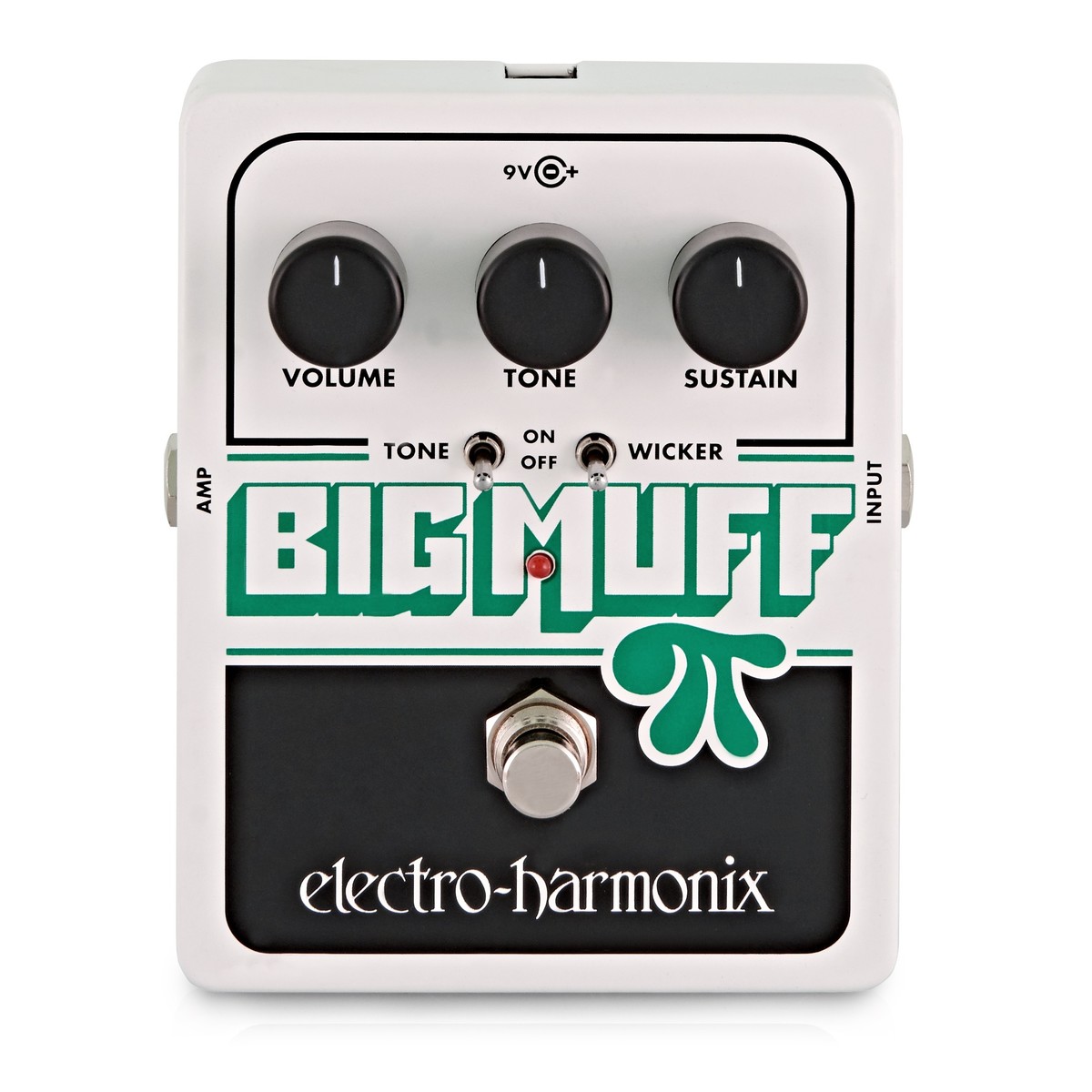
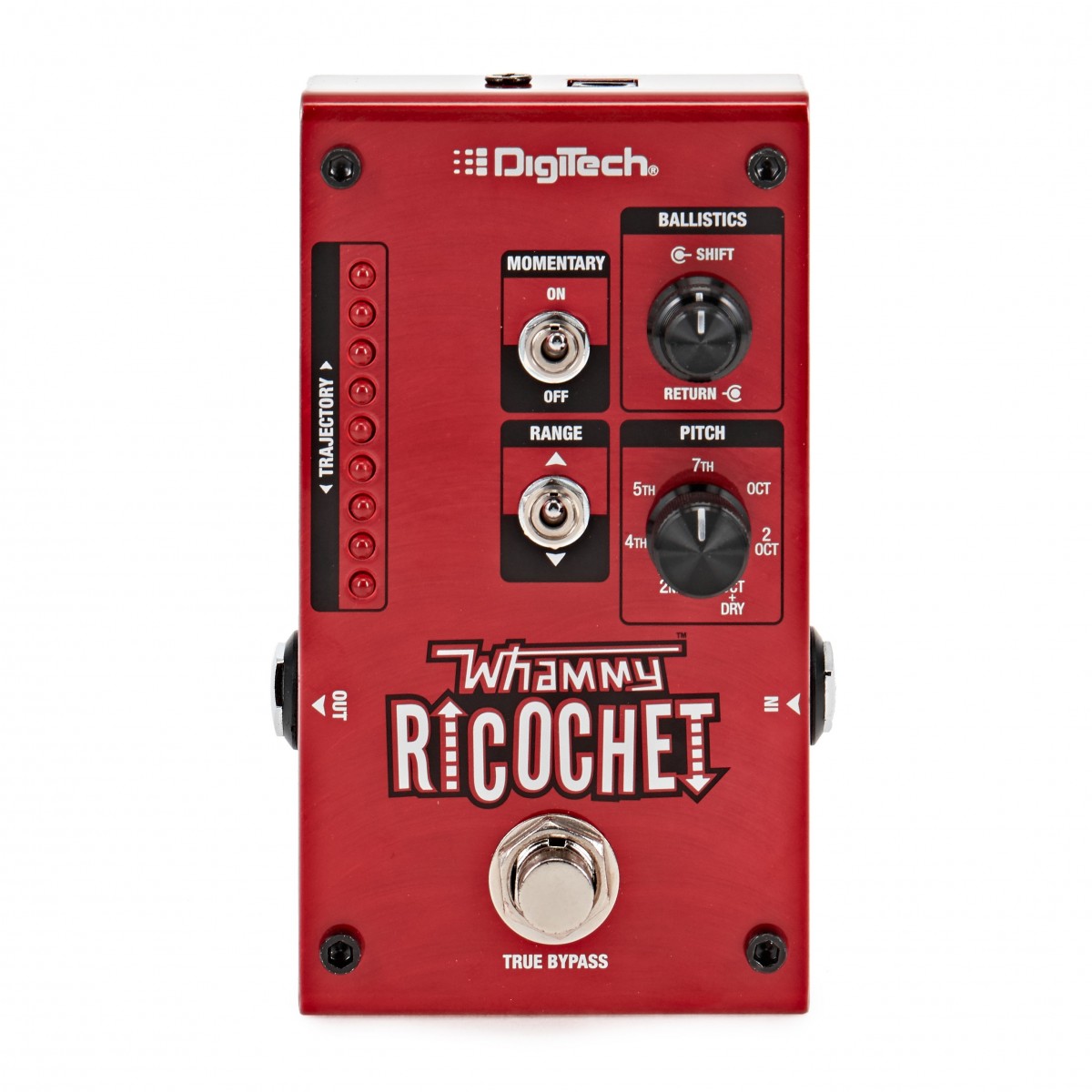
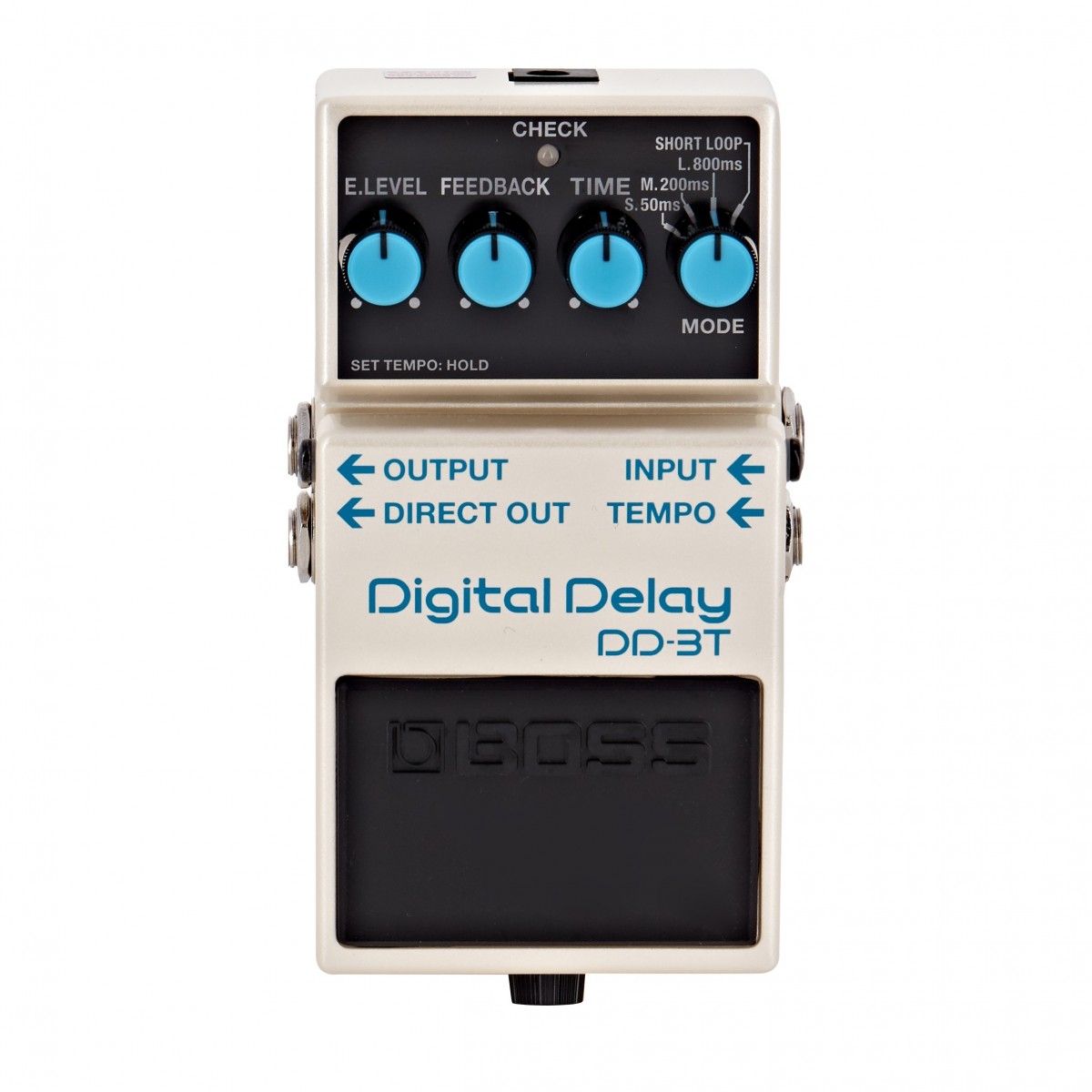
Within the Boss ecosystem, the DD-500 offers significantly more depth and customisation than compact units like the DD-3T. While the DD-3T focuses on simplicity and classic digital repeats, the DD-500 provides a broader library of effects and MIDI compatibility. Compared to other gear in a signal chain, such as the Digitech Whammy Ricochet for pitch shifting or the EHX Big Muff for saturation, the DD-500 acts as a final spatial polisher, often placed before a noise suppressor like the Boss NS-2 to ensure clean signal tails.
Related gear
 £97.00 ($123)
Electro Harmonix
Electro Harmonix Big Muff Distortion Sustainer w/ Tone Wicker
 £129.00 ($164)
Digitech
Digitech Whammy Ricochet Guitar Effects Pedal
 £85.00 ($108)
Fender
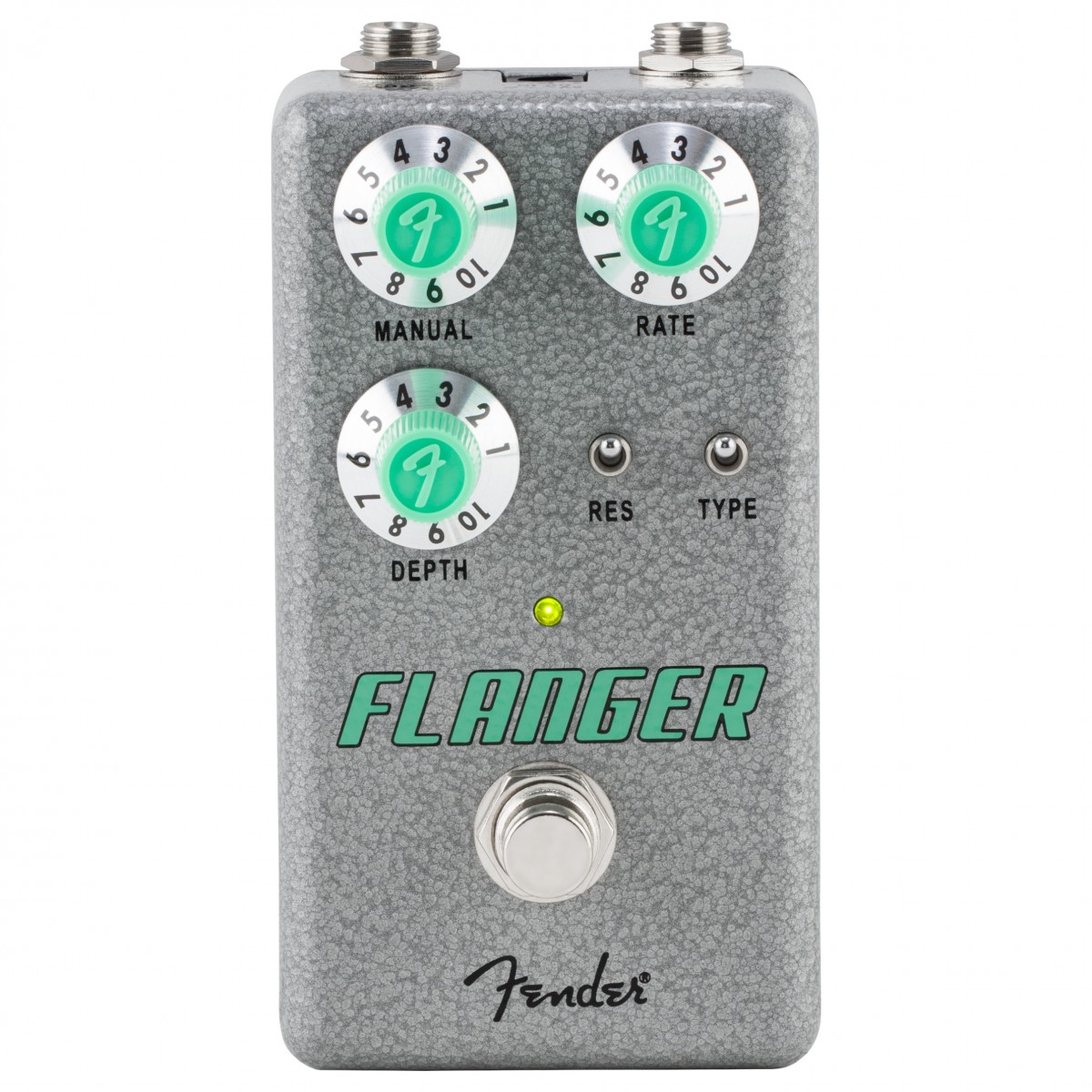
Fender Hammertone Flanger Pedal
 £19.90 ($25)
Behringer
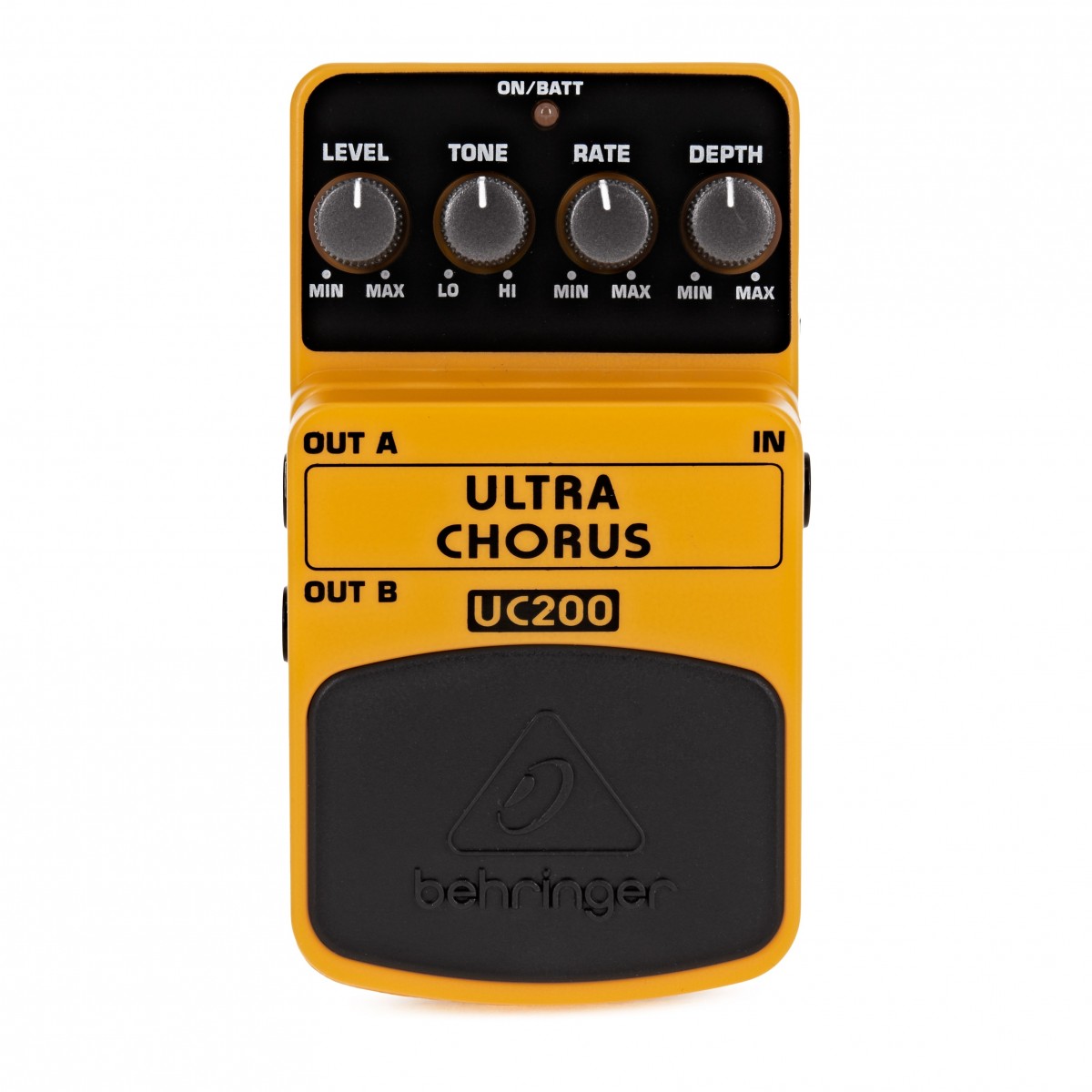
Behringer UC200 Ultra Chorus Pedal
 £259.00 ($329)
Dunlop
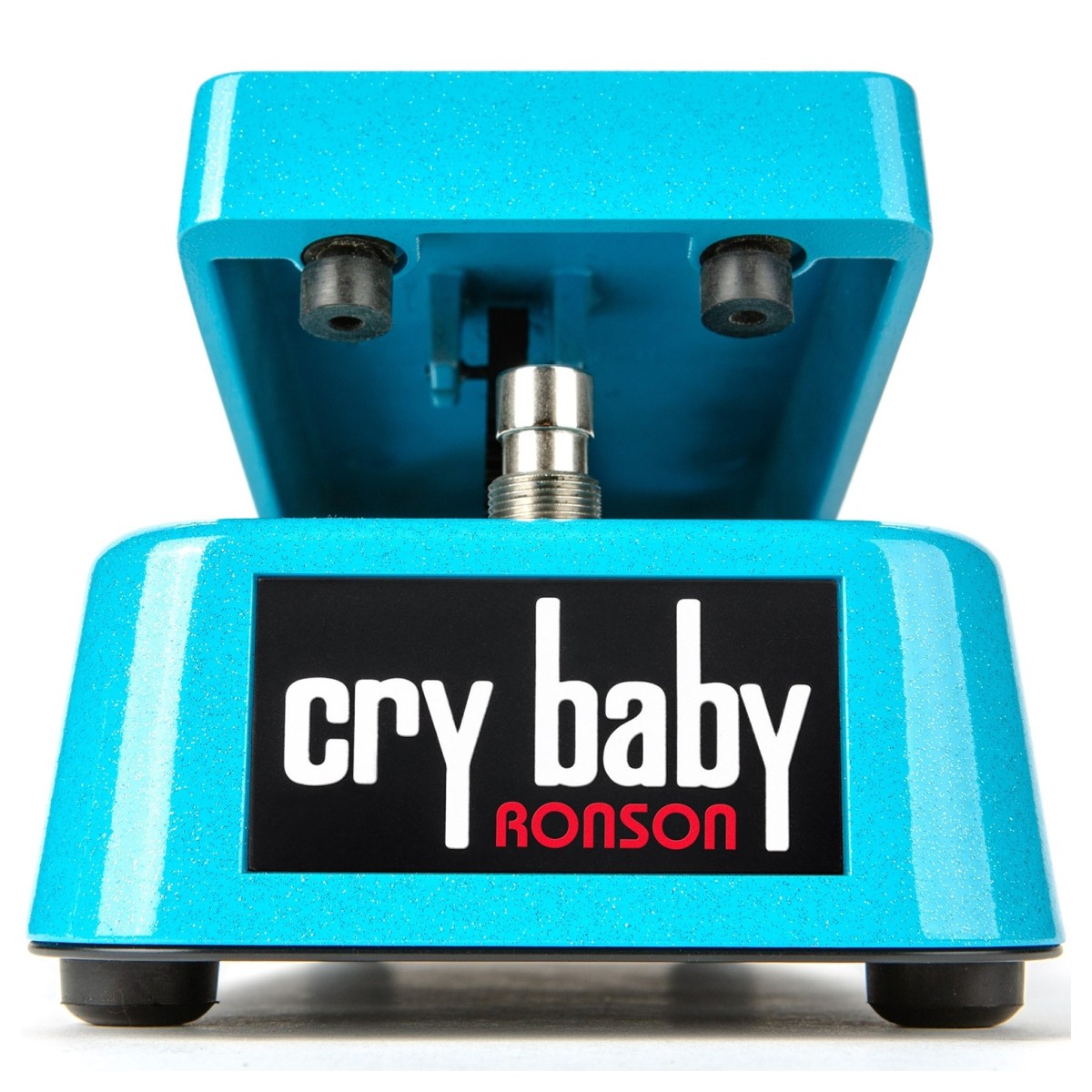
Dunlop Mick Ronson Cry Baby Wah
 £77.00 ($98)
Yamaha
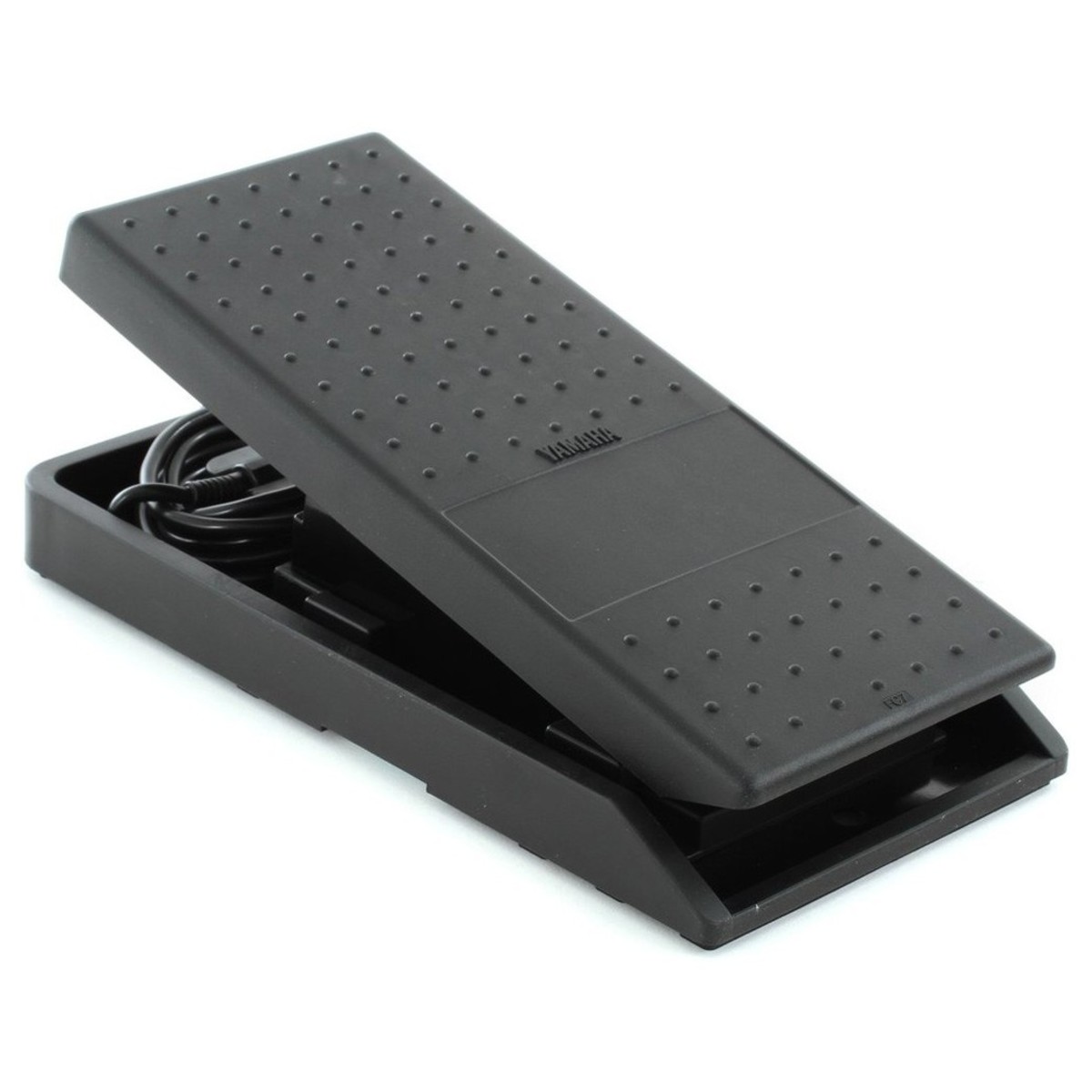
Yamaha FC7 Expression Pedal
 £175.00 ($222)
Boss
Boss DD-3T Digital Delay Pedal
 £99.10 ($126)
Boss
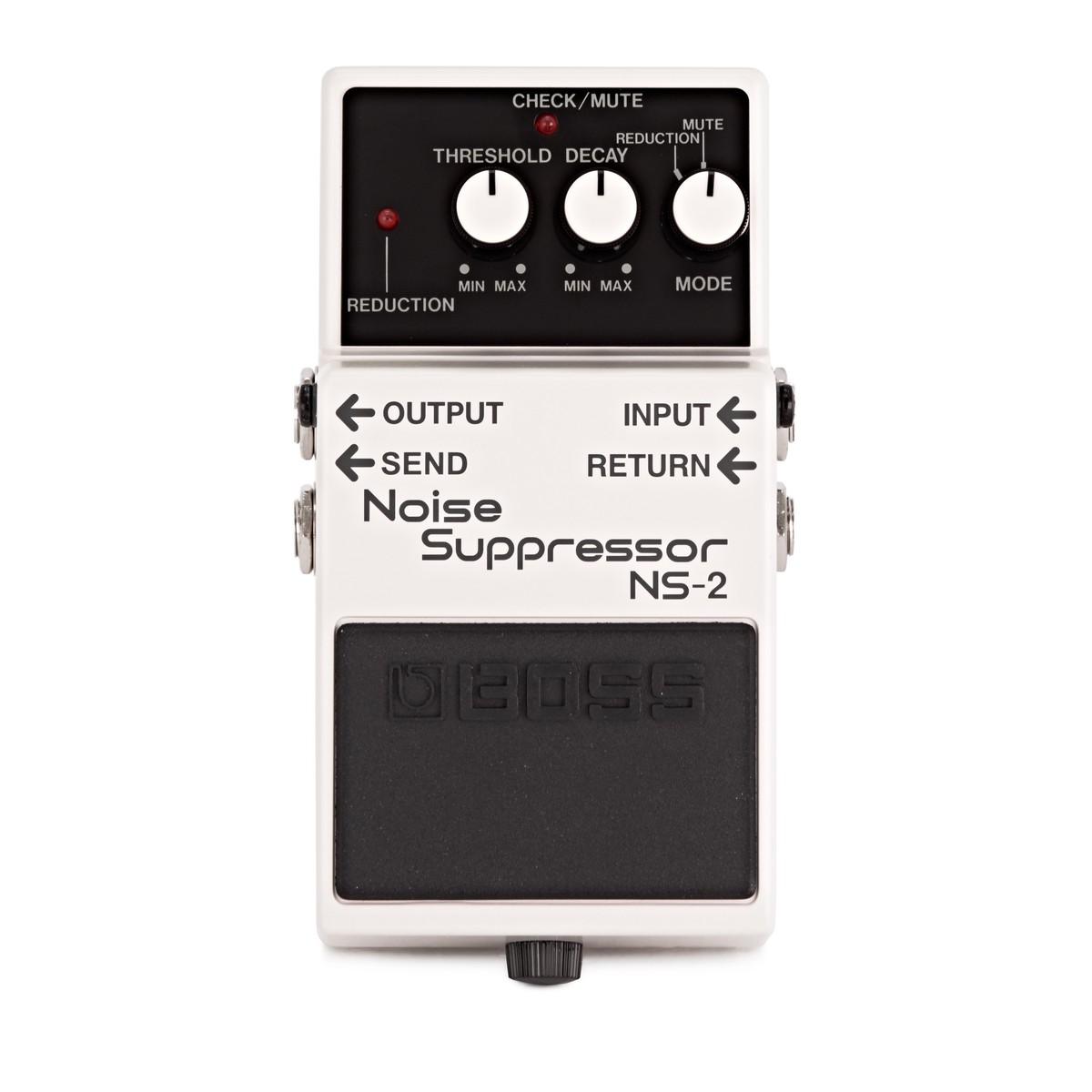
Boss NS-2 Noise Suppressor Guitar Pedal
Frequently asked questions
- How many delay types are available on the Boss DD-500?
- The pedal features 12 different types of studio-quality delay effects. These range from standard digital sounds to vintage 1980s styles and more modern reverse delays.
- Does the DD-500 include a looper?
- Yes, the unit features a built-in phrase looper. This allows the player to record, overdub, and play back loops directly from the pedal interface.
- Is the DD-500 a stereo pedal?
- Yes, it is designed to deliver impressive stereo delay effects. It features full stereo inputs and outputs for a wider soundstage.
- What is the benefit of the LCD screen?
- The LCD screen provides real-time feedback of control parameters and settings. This makes the pedal user-friendly by allowing for precise editing of complex delay values.
- What was included in the Version 2 update?
- The free Version 2 update provided enhanced features and expanded control options for the pedal. Users should refer to the manufacturer's documentation for the specific firmware details.
- Can the DD-500 recreate 1980s digital delay sounds?
- Yes, the pedal specifically includes modes designed to emulate 1980s-style digital delays. These provide the characteristic tone of early digital hardware.
- What kind of enclosure does the DD-500 use?
- The pedal is housed in a single robust unit designed for durability. It follows the high-quality build standards expected of Boss professional gear.
- Is the DD-500 suitable for live performance?
- Absolutely, its combination of 12 modes, a built-in looper, and clear LCD feedback makes it an advanced tool for taking live performances to the next level. The footswitches allow for easy navigation between patches.
- How does the DD-500 compare to the DD-3T?
- The DD-500 is a much more powerful and high-performance unit compared to the DD-3T. While the DD-3T is a compact classic, the DD-500 offers more modes, a screen, and deeper parameter control.
- Can I use an expression pedal with the DD-500?
- Yes, the DD-500 is compatible with external controllers. For example, a Yamaha FC7 Expression Pedal can be used to control various parameters in real-time.
- What is the typical price for a Boss DD-500?
- The typical price range for the Boss DD-500 is approximately GBP 393. Prices may vary slightly depending on the retailer and current promotions.
- Can the DD-500 handle reverse delay effects?
- Yes, modern reverse delay is one of the 12 studio-quality modes included in the unit. It allows for unique character and creative textures in a guitar tone.