Gear article
Boss EQ-200 Graphic Equalizer Pedal
The Boss EQ-200 is a professional-grade graphic equalizer pedal featuring dual 10-band EQ engines and extensive digital control. Designed for versatility across multiple instruments, it offers stereo connectivity and the ability to save custom presets for instant recall.
See live pricesOverview
The Boss EQ-200 Graphic Equalizer is part of the 200 series, designed to offer high-fidelity sound processing in a compact footprint. Unlike standard amplifier tone stacks, the EQ-200 provides ten distinct frequency bands for precision sculpting. The unit features a clear interface with physical sliders, allowing for tactile adjustments while maintaining the benefits of digital memory and MIDI integration.
Signal Flow and Flexibility
One of the primary features of the EQ-200 is its dual-engine architecture. The two 10-band EQs can be configured to operate in three distinct ways:
- Stereo: Processes left and right signals simultaneously.
- Parallel: Allows two different EQ curves to run side-by-side.
- Series: Chains the two EQs together for even more dramatic tone shaping.
Furthermore, the pedal includes three selectable range settings, which shift the centre frequencies. This functionality ensures the pedal is effective not only for electric guitars but also for bass guitars, keyboards, and other electronic instruments.
Control and Presets
The EQ-200 addresses the traditional limitation of analogue EQ pedals—the inability to change settings mid-performance—by offering internal memory. Users can save their favourite frequency curves and recall them instantly. The interface includes an integrated level slider, which can be used to balance the signal or provide a clean boost when the pedal is engaged. For advanced setups, the MIDI connection capability allows for external control and synchronisation.
Target User
This pedal is intended for musicians who require 'total sonic domination' over their signal. It suits players who need more than the basic adjustments found on an amplifier. Because of its variable frequency ranges, it is equally appropriate for a bassist needing to clear up low-end mud as it is for a keyboardist looking to carve out a specific space in a mix. It is also an ideal choice for players with complex rigs who benefit from MIDI switching.
Comparison to Alternatives
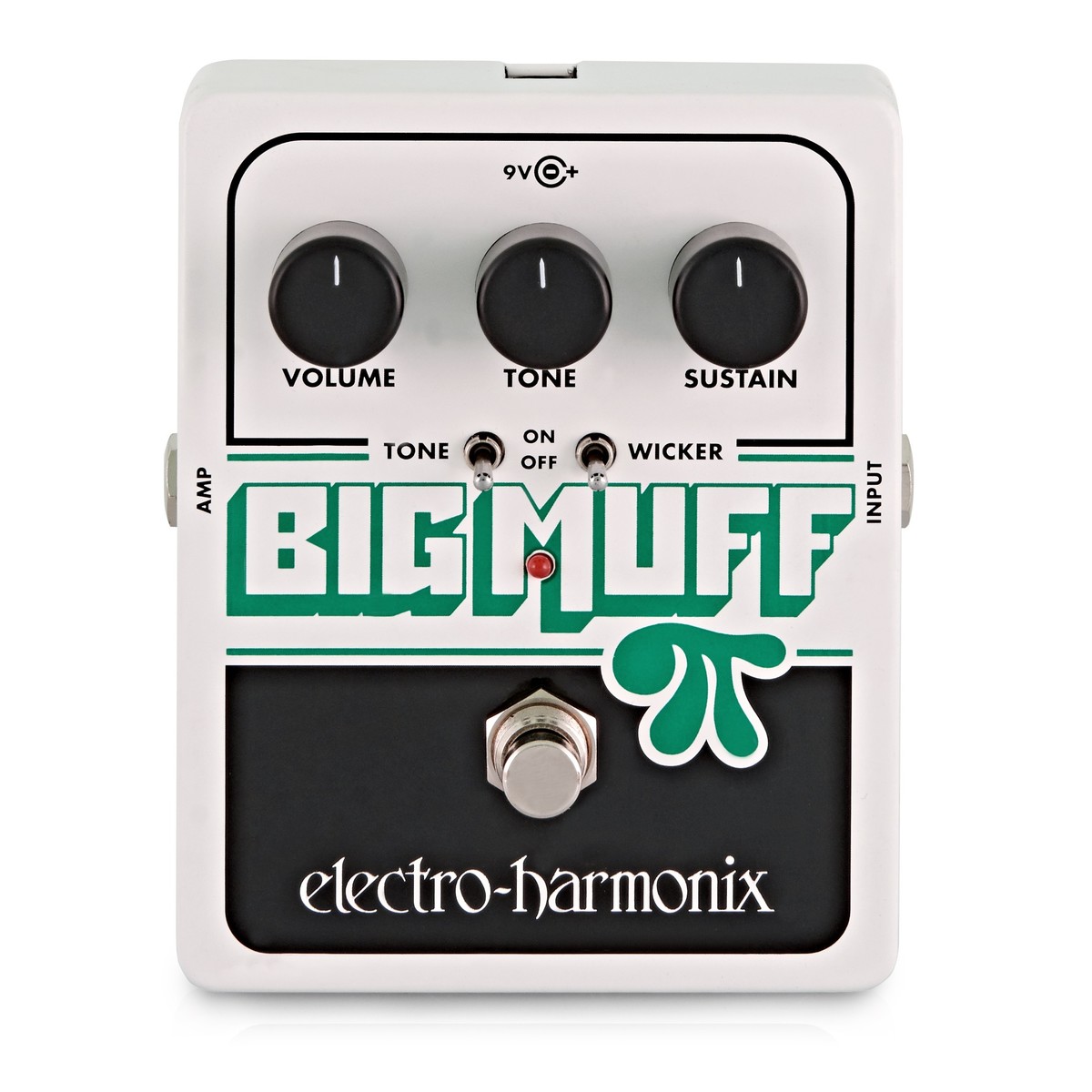
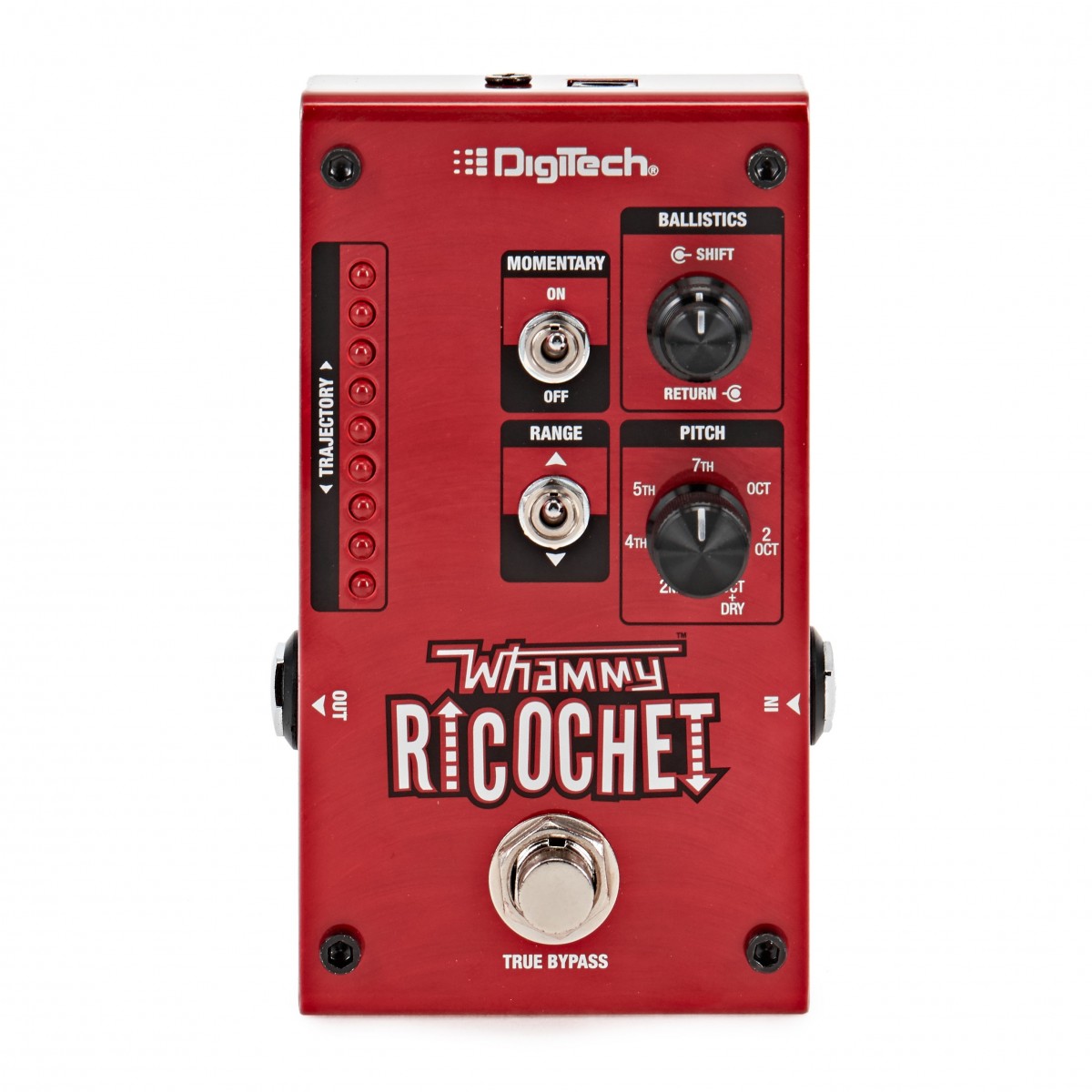
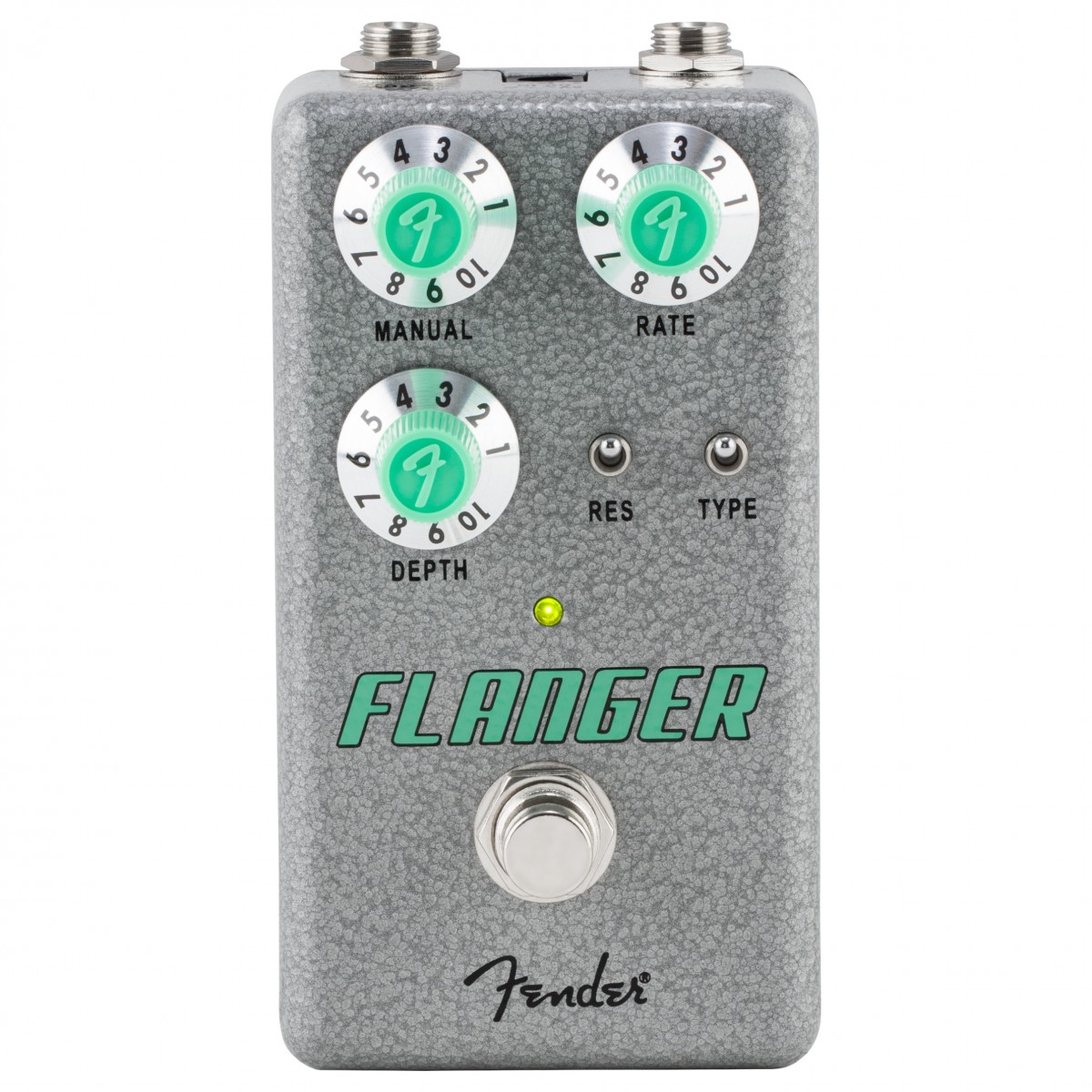
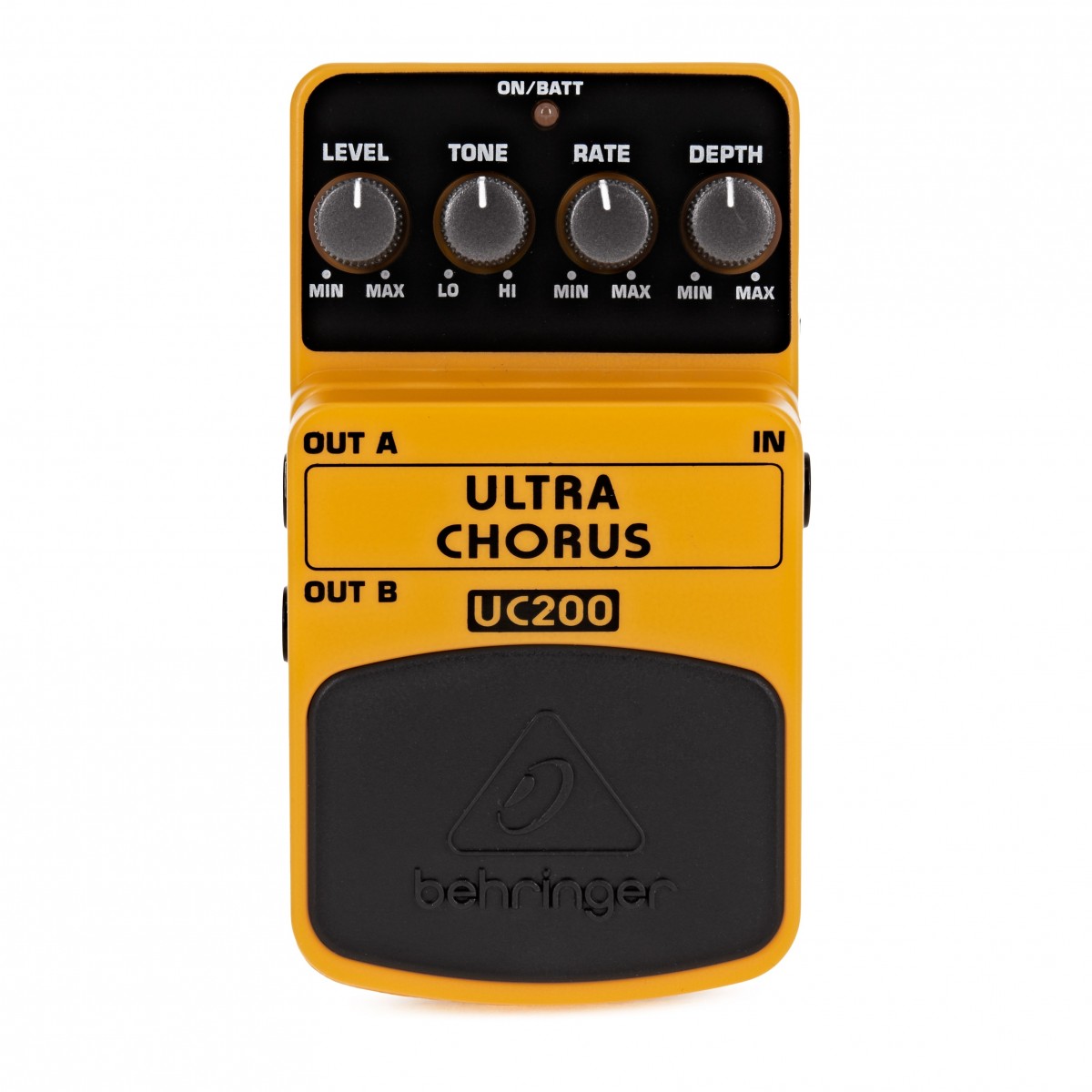
Within the Boss ecosystem, the EQ-200 sits between the standard GE-7 and more complex rack units. Compared to basic pedals like the Fender Hammertone Flanger or the Behringer UC200 Ultra Chorus, the EQ-200 is a dedicated utility tool rather than a modulation effect. While a Digitech Whammy Ricochet or an EHX Big Muff focuses on specific pitch or saturation changes, the EQ-200 acts as a corrective and creative final stage to refine the output of those very effects. Its inclusion of MIDI and stereo I/O puts it in a higher tier of functionality than most standard compact graphic equalisers.
Related gear
 £97.00 ($123)
Electro Harmonix
Electro Harmonix Big Muff Distortion Sustainer w/ Tone Wicker
 £129.00 ($164)
Digitech
Digitech Whammy Ricochet Guitar Effects Pedal
 £85.00 ($108)
Fender
Fender Hammertone Flanger Pedal
 £19.90 ($25)
Behringer
Behringer UC200 Ultra Chorus Pedal
 £259.00 ($329)
Dunlop
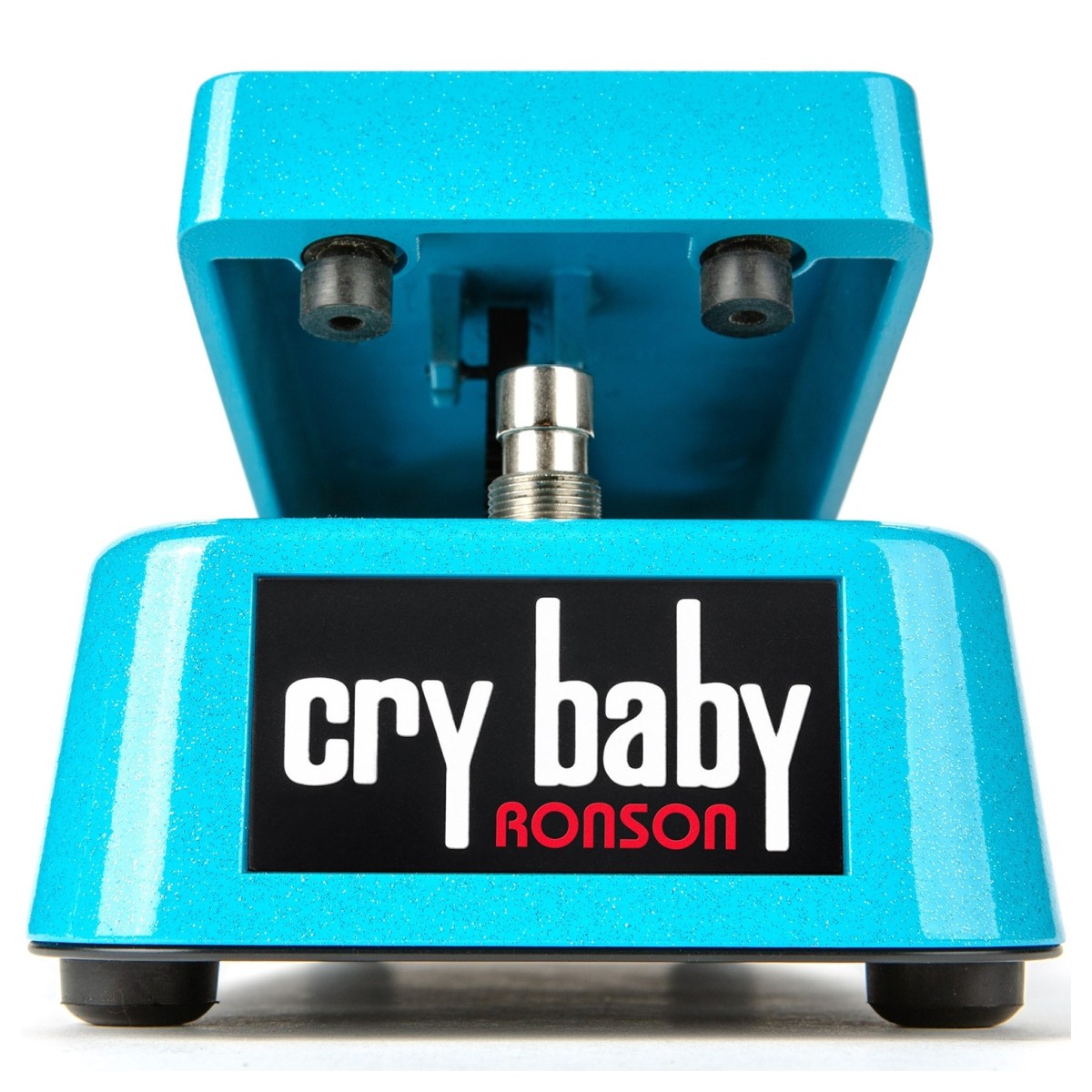
Dunlop Mick Ronson Cry Baby Wah
 £77.00 ($98)
Yamaha
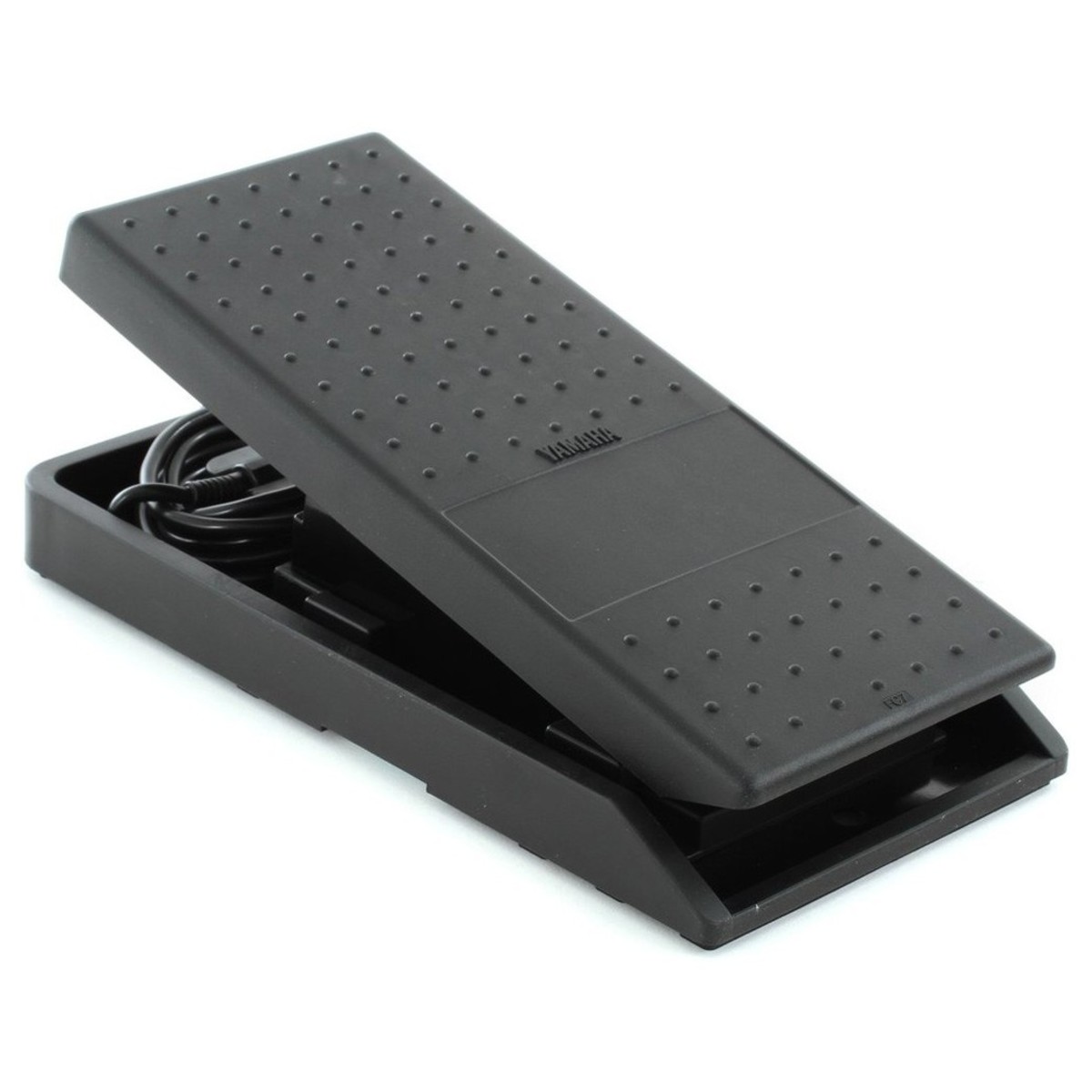
Yamaha FC7 Expression Pedal
 £175.00 ($222)
Boss
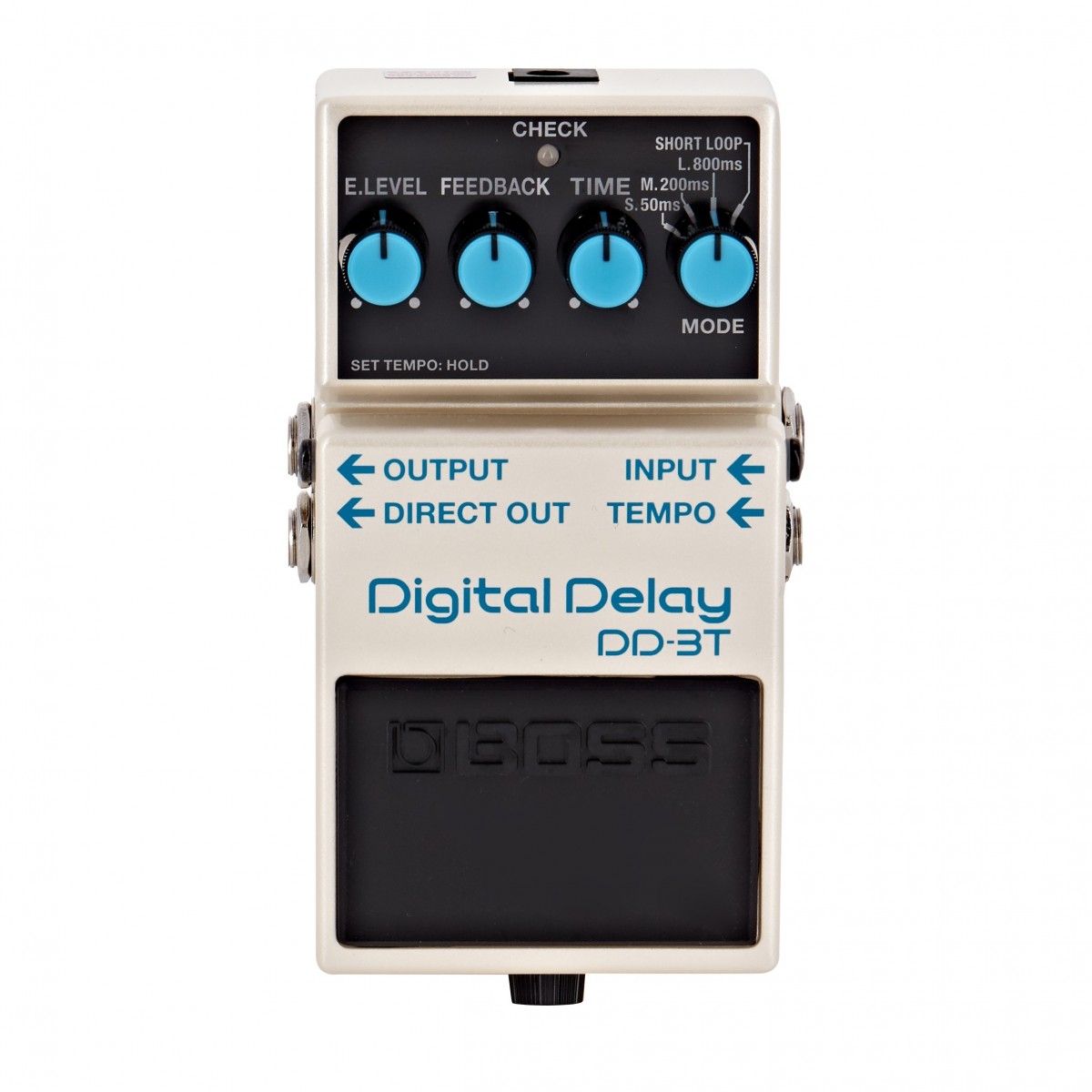
Boss DD-3T Digital Delay Pedal
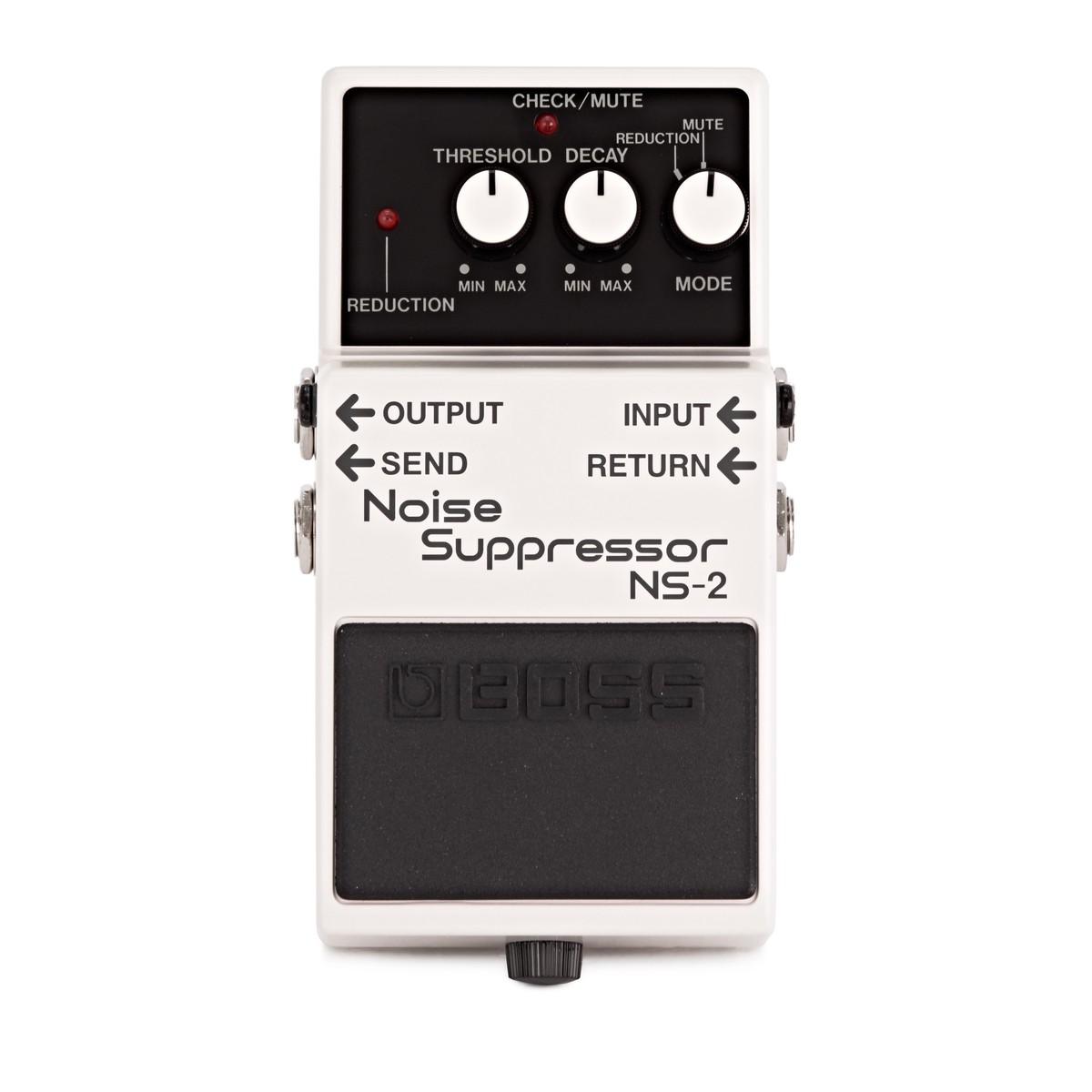 £99.10 ($126)
Boss
Boss NS-2 Noise Suppressor Guitar Pedal
Frequently asked questions
- How many frequency bands does the Boss EQ-200 have?
- The Boss EQ-200 features two 10-band EQ engines. These can be used in various configurations such as stereo, parallel, or series for maximum control.
- Can the EQ-200 be used with a bass guitar?
- Yes, the pedal features three selectable range settings. These allow the user to alter the centre frequencies to suit bass guitars, keyboards, and other instruments.
- Does the EQ-200 allow you to save settings?
- Yes, the pedal includes a memory function. This allows you to save your favourite EQ curves and recall them instantly via the interface.
- What power options are available for the EQ-200?
- As a standard Boss 200 series pedal, it typically runs on a 9V DC power supply or batteries. Always check the specific voltage and current requirements for Boss digital pedals.
- Does this pedal support MIDI connectivity?
- Yes, the EQ-200 features MIDI connection capability. This allows for integration with MIDI switchers and external controllers for automated setting changes.
- What are the stereo options for the EQ-200?
- The pedal offers full stereo connectivity. You can run it in stereo mode, parallel mode, or series mode depending on your signal chain requirements.
- Is the interface on the EQ-200 easy to use?
- The pedal is designed with an intuitive interface. It features physical sliders for the 10 bands and a dedicated level slider, making manual adjustments straightforward.
- Can I use the EQ-200 as a volume boost?
- Yes, the pedal includes a handy level slider. This can be used to increase the overall output volume, providing a platform for a lead boost during a performance.
- How does the EQ-200 compare to the Boss GE-7?
- The EQ-200 is a more advanced unit than the GE-7, offering three extra bands, stereo functionality, MIDI support, and the ability to save presets. It is designed for more complex signal management.
- What is the typical price of the Boss EQ-200?
- The typical price for this unit is approximately GBP 246. Prices may vary slightly depending on the retailer and current market conditions.
- Can the EQ-200 handle keyboard signals?
- Yes, due to its stereo connectivity and selectable frequency ranges, it is highly effective for processing keyboards and synthesizers. The adjustable ranges ensure the full spectrum of a keyboard can be managed.
- What is the benefit of running the two EQs in series?
- Running the two 10-band engines in series allows for extremely precise tone shaping. You can use one engine for broad corrections and the second for fine-tuning specific frequencies.