Gear article
Boss HM-2W Waza Craft Heavy Metal Distortion
The Boss HM-2W Waza Craft is a premium recreation of the original 1980s HM-2 Heavy Metal pedal, famously associated with the Swedish death metal sound. Built in Japan, it retains the distinctive high-gain character of its predecessor while adding a modern Custom mode and refined circuitry. The pedal is renowned for its unique asymmetrical clipping and specific frequency response, often referred to as the 'chainsaw' tone.
See live pricesBackground and History
The original Boss HM-2 was produced between 1983 and 1991, initially designed to emulate the sound of a stack of British amplifiers. While it found early success with mainstream rock players, including David Gilmour of Pink Floyd, it achieved legendary status through the Swedish death metal scene in the late 1980s and early 1990s. Bands like Entombed utilised the pedal to create a massive, grinding guitar tone that defined an entire subgenre.
Following years of high demand on the secondary market, Boss released the HM-2W under their Waza Craft line. This iteration serves as a faithful reproduction, manufactured with premium components to ensure lower noise and higher reliability while preserving the idiosyncratic sonics of the vintage units.
Circuitry and Operation
The HM-2W operates using hard asymmetrical clipping, which produces a dense, compressed distortion. Its most famous characteristic is its internal EQ structure, often described as a 'suspension bridge' curve. The pedal features four controls:
- Level: Adjusts the overall output volume.
- L (Color Mix): Controls the low-end frequencies.
- H (Color Mix): Controls the high-end frequencies.
- Dist: Adjusts the amount of saturation and gain.
A key addition to the Waza Craft version is the mode switch, allowing users to toggle between Standard mode (a perfect recreation of the original 1983 circuit) and Custom mode, which offers a broader tonal range and increased gain.
Sound Character
The pedal is defined by its 'monolithic grinding tones' and extreme saturation. When all four knobs are turned to their maximum setting—a practice common in extreme metal—the pedal produces a highly recognisable 'chainsaw' roar. This sound is characterized by a mid-range focus that cuts through dense mixes, despite its high level of compression. While aggressive, the pedal also offers versatility at lower settings, providing a thick, sustaining distortion suitable for blues-rock and alternative genres.
Usage and Compatibility
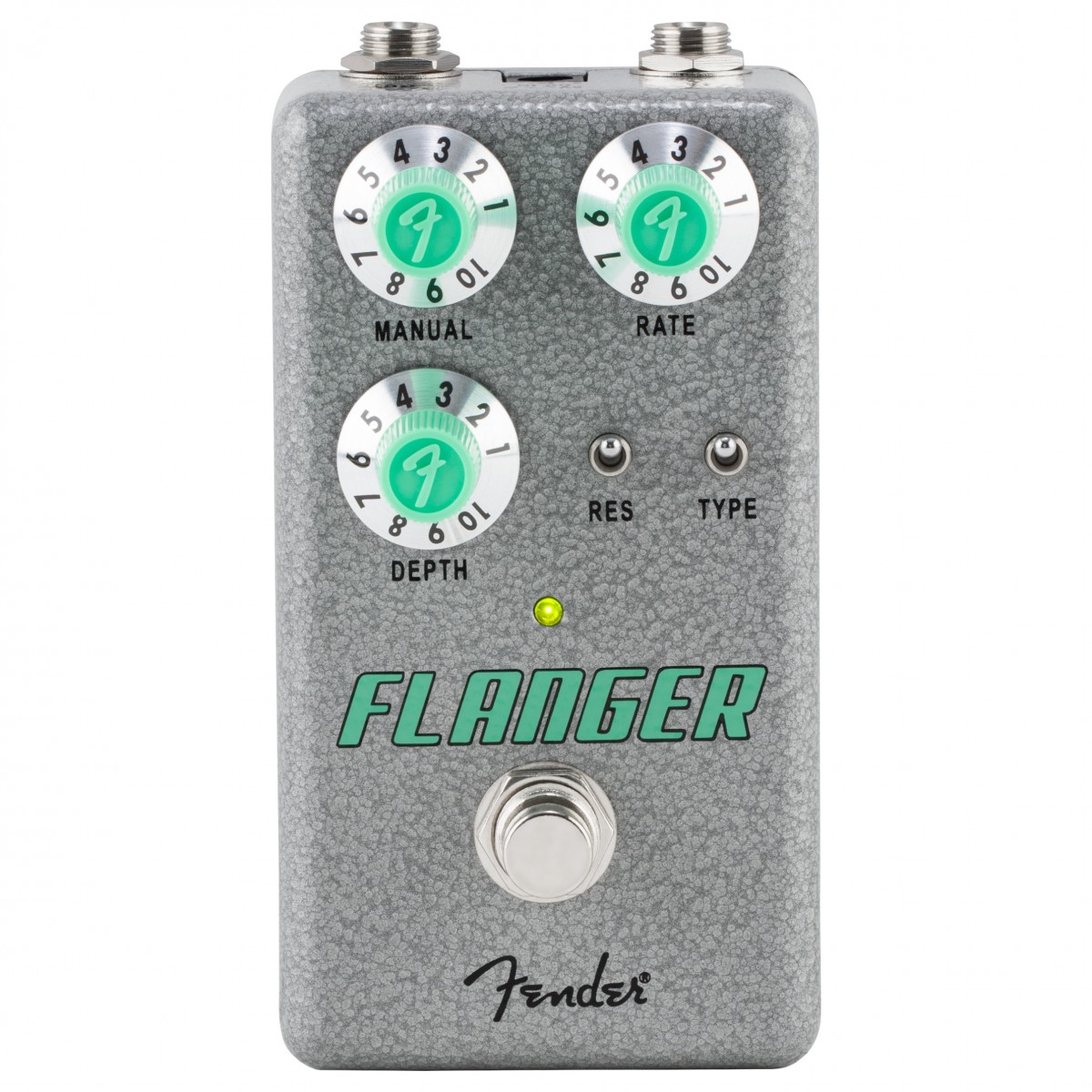
The HM-2W is primarily aimed at guitarists seeking the specific aesthetic of 90s death metal or those looking for a unique high-gain texture that differs from modern boutique distortions. Due to the high amount of gain and noise inherent in its circuit, it is frequently paired with a dedicated noise gate like the Boss NS-2. It also integrates well with modulation and time-based effects, such as the Boss DD-3T Digital Delay or Fender Hammertone Flanger, to create expansive, shoegaze-influenced textures.
Comparison to Alternatives
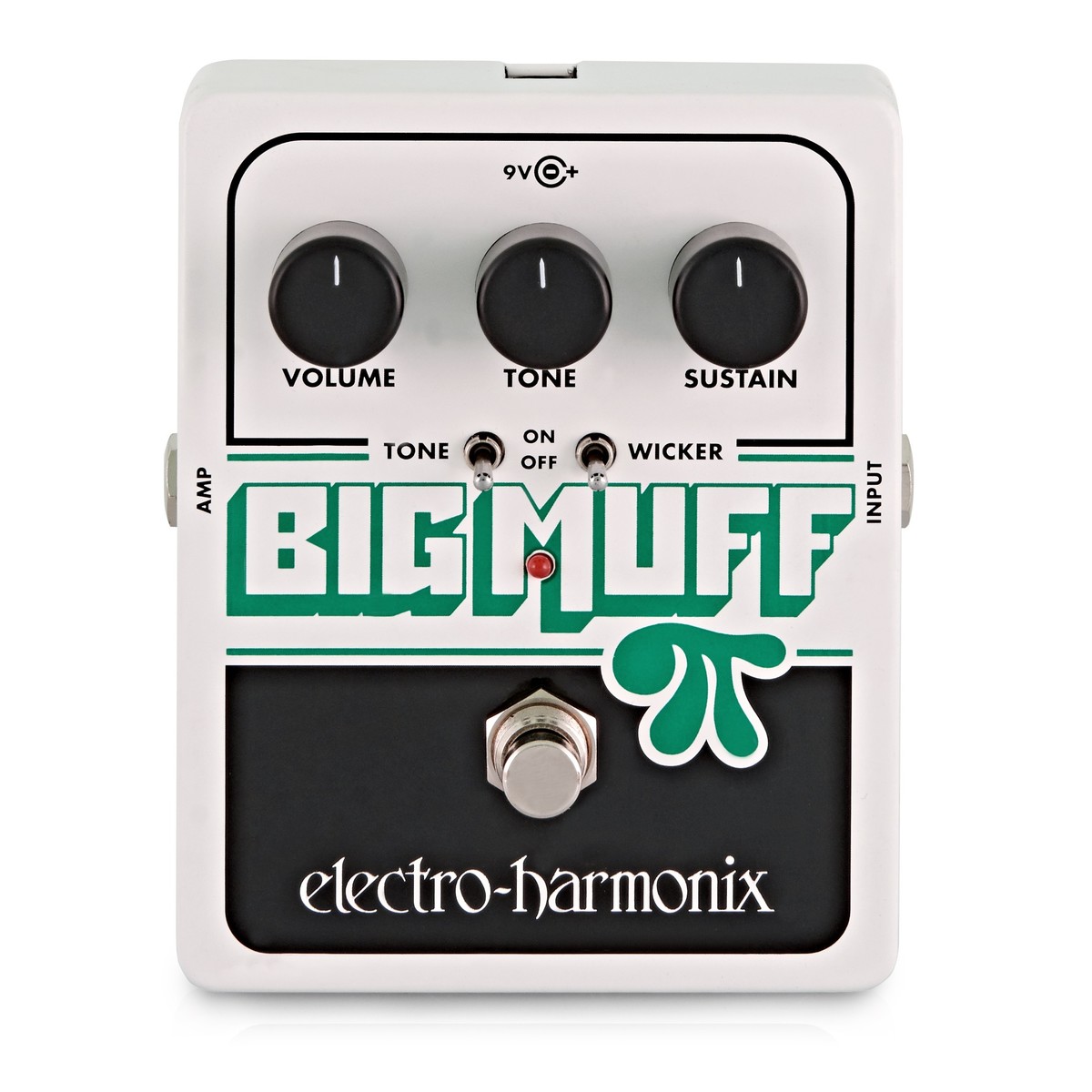
Compared to the original 1980s units, the HM-2W offers a lower noise floor and a more robust build quality typical of the Waza Craft series. It competes with other high-gain icons like the Electro Harmonix Big Muff, though the HM-2W provides a sharper, more aggressive mid-range compared to the Muff's scooped profile. For those on a strict budget, the Behringer HM300 offers a similar circuit architecture, though the HM-2W is preferred for its premium Japanese construction, switchable modes, and long-term durability.
Related gear
 £97.00 ($123)
Electro Harmonix
Electro Harmonix Big Muff Distortion Sustainer w/ Tone Wicker
 £129.00 ($164)
Digitech
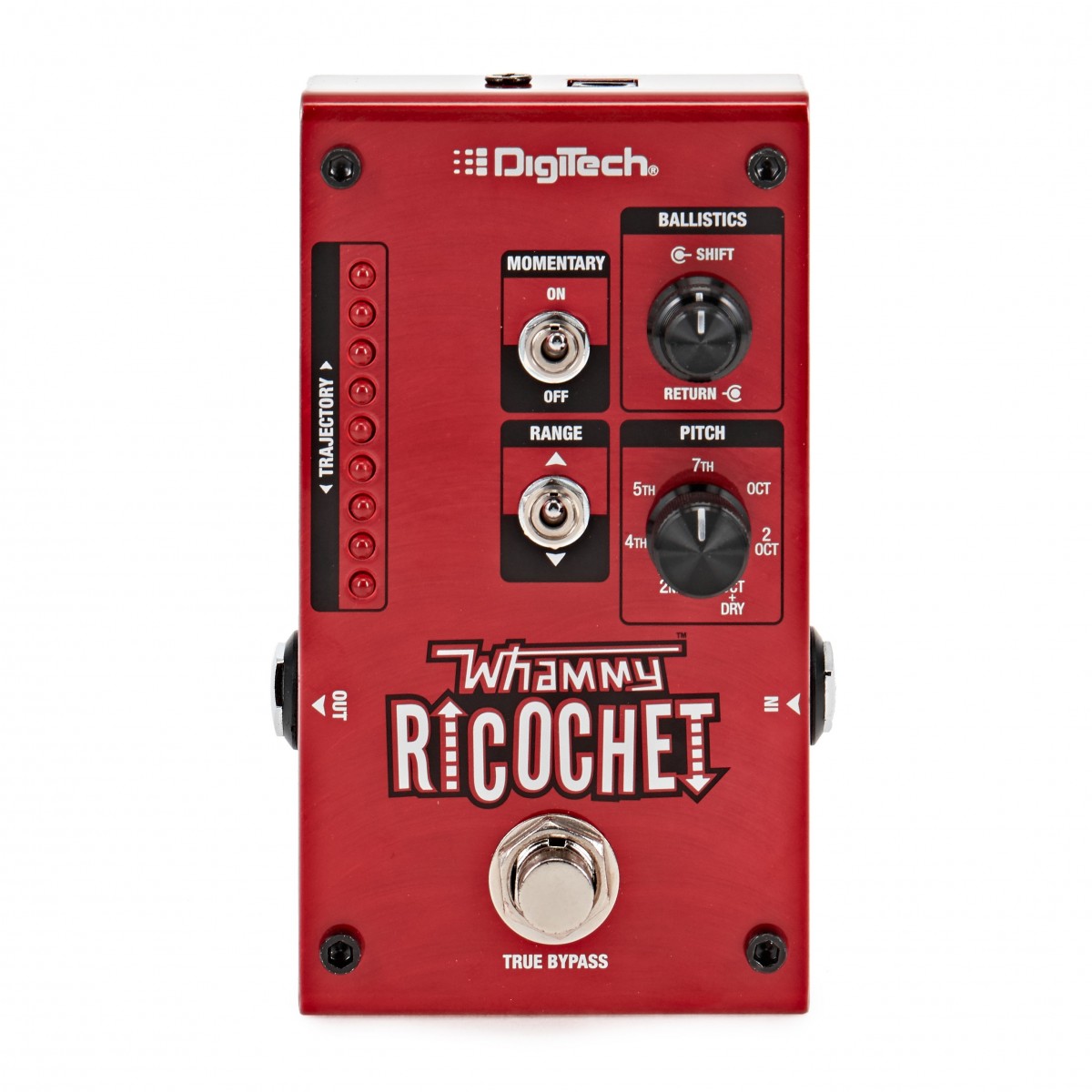
Digitech Whammy Ricochet Guitar Effects Pedal
 £85.00 ($108)
Fender
Fender Hammertone Flanger Pedal
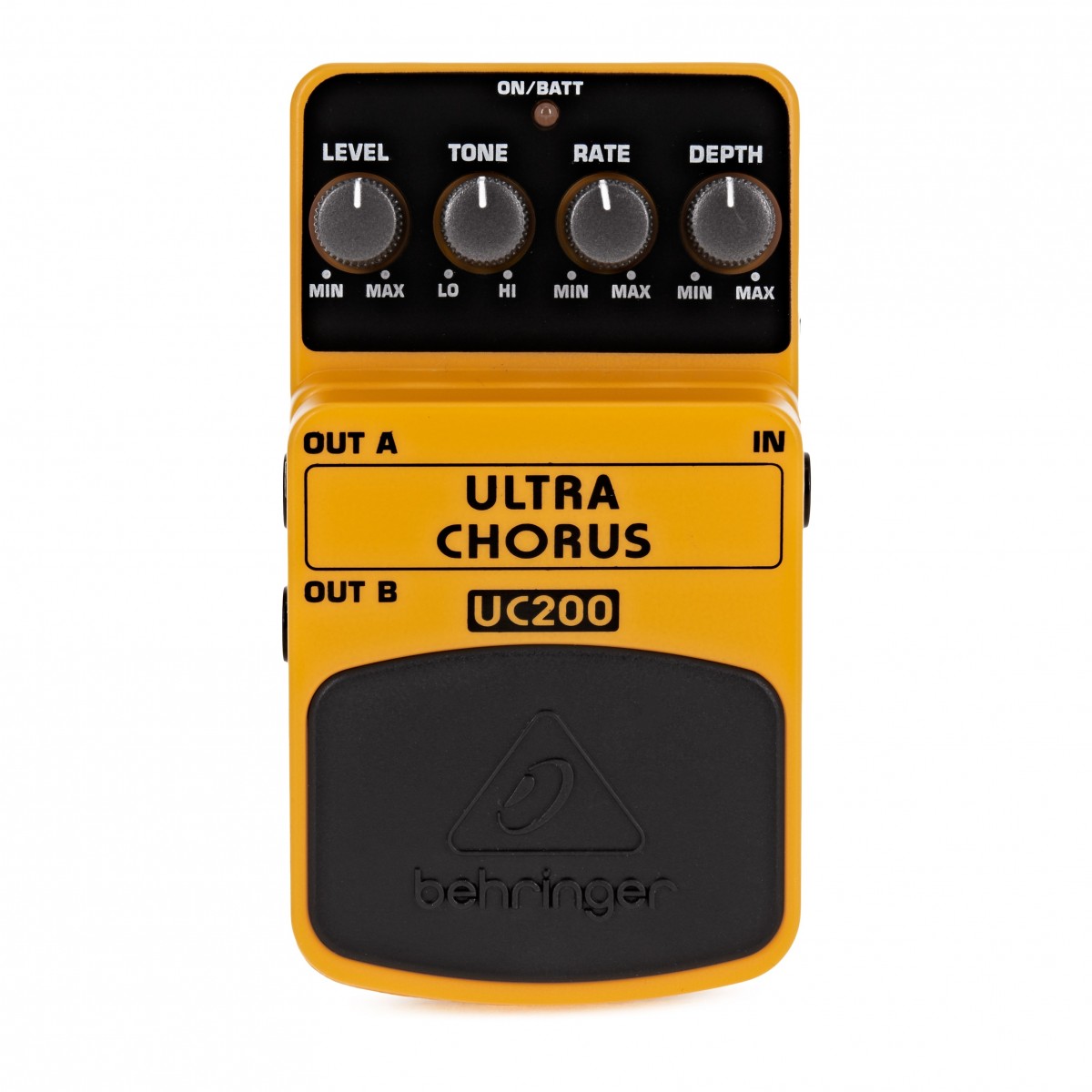 £19.90 ($25)
Behringer
Behringer UC200 Ultra Chorus Pedal
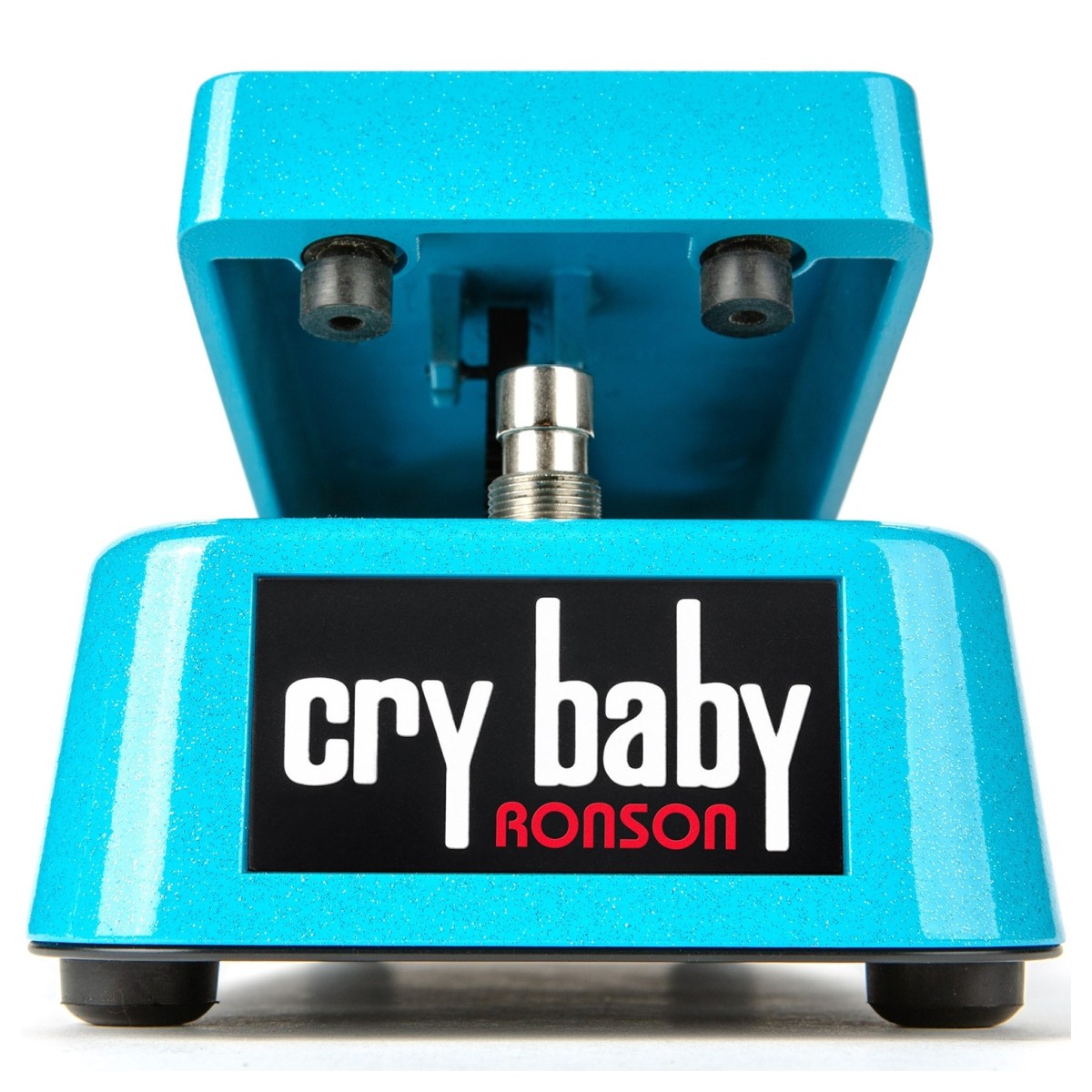 £259.00 ($329)
Dunlop
Dunlop Mick Ronson Cry Baby Wah
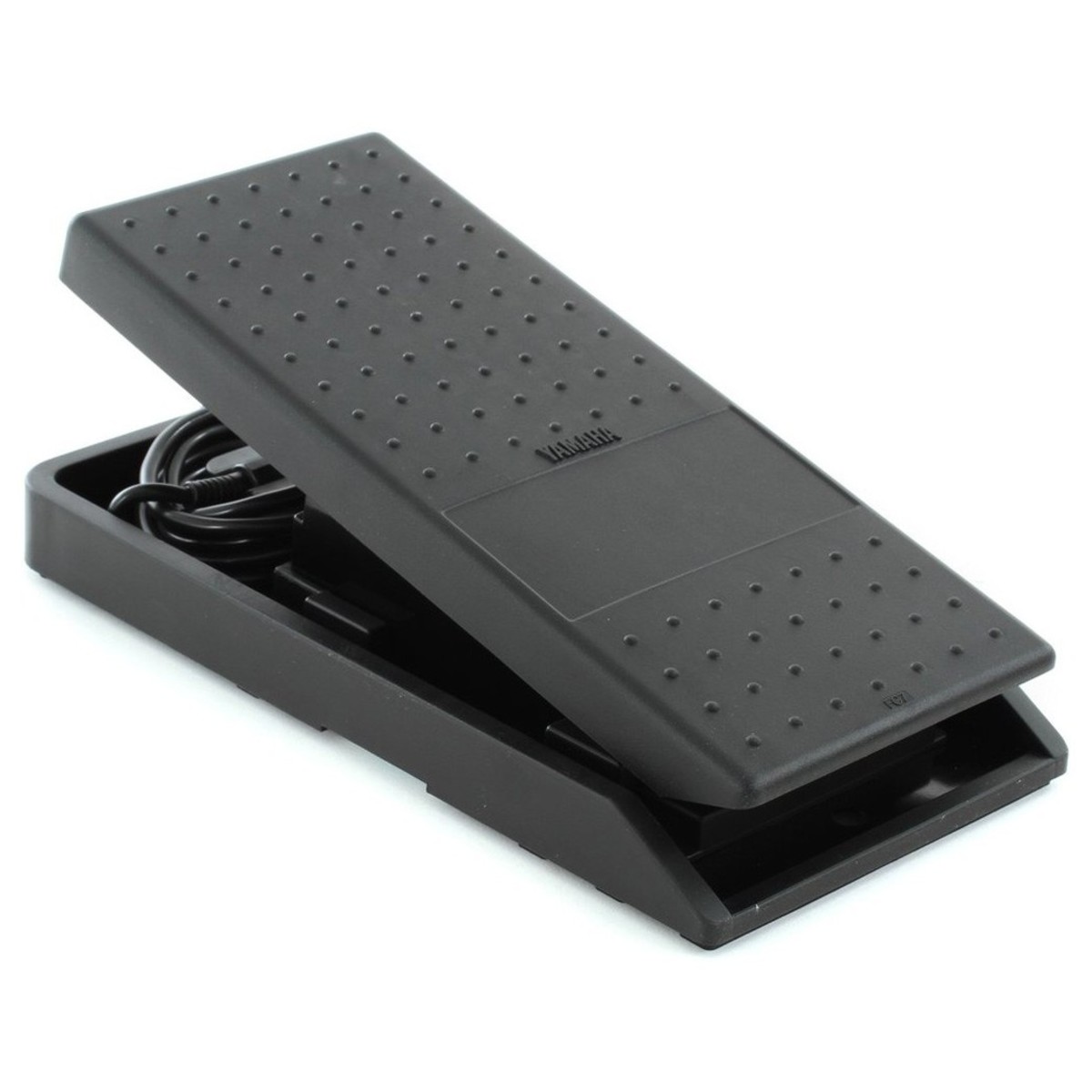 £77.00 ($98)
Yamaha
Yamaha FC7 Expression Pedal
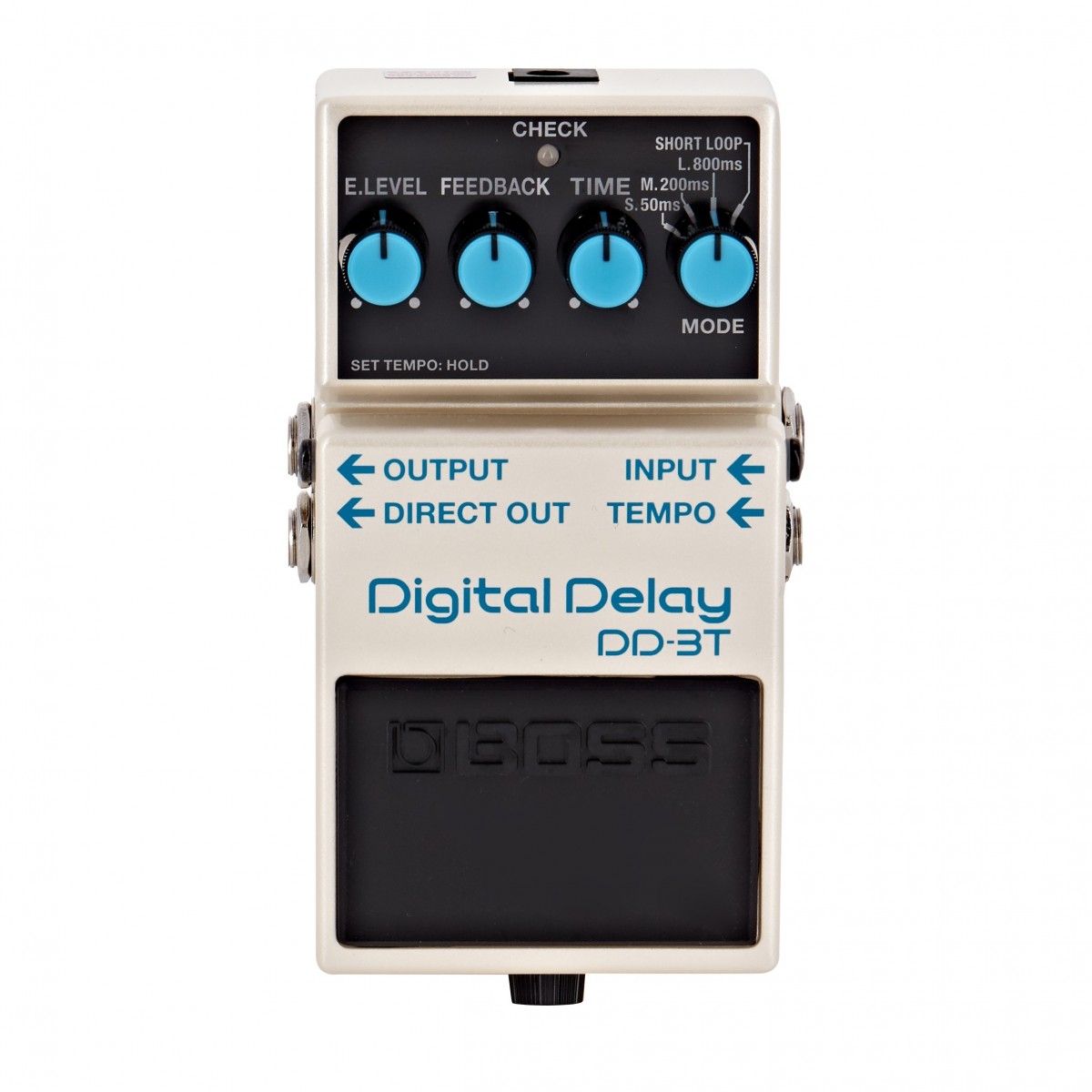 £175.00 ($222)
Boss
Boss DD-3T Digital Delay Pedal
 £99.10 ($126)
Boss
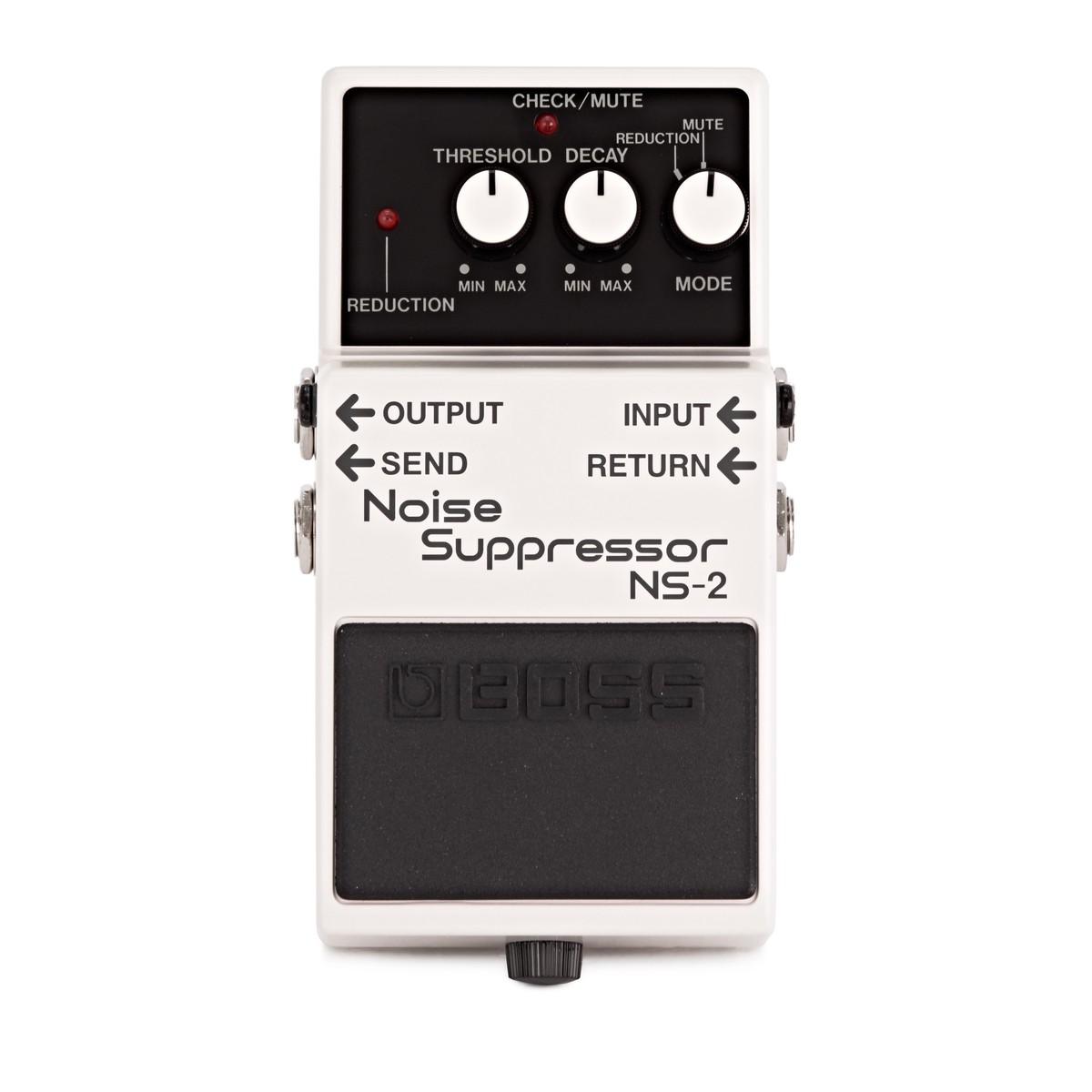
Boss NS-2 Noise Suppressor Guitar Pedal
Frequently asked questions
- What is the difference between Standard and Custom mode?
- Standard mode is a 1:1 recreation of the original 1983 circuit's sound and response. Custom mode provides a modernised take with more gain, increased volume, and a slightly wider frequency response.
- Where is the Boss HM-2W manufactured?
- Like all pedals in the Boss Waza Craft series, the HM-2W is manufactured in Japan to high quality-control standards.
- What is the 'chainsaw' setting?
- The 'chainsaw' setting refers to turning all four knobs (Level, L, H, and Dist) to their maximum position. This produces the signature grinding tone used by Swedish death metal bands like Entombed.
- Did David Gilmour really use a Heavy Metal pedal?
- Yes, David Gilmour used the original HM-2 during the mid-1980s. He used it to achieve a smooth, sustaining lead tone, demonstrating that the pedal is not limited to metal.
- Does the HM-2W have a buffered or true bypass?
- The HM-2W features a high-quality premium buffer. This ensures signal integrity over long cable runs even when the pedal is switched off.
- What power supply does the HM-2W require?
- It requires a standard 9V DC power supply (center negative). It can also be powered by a single 9V battery.
- How does the HM-2W handle low-end frequencies?
- The 'L' Color Mix knob is highly sensitive, allowing for significant low-end boost or cut. In Custom mode, the low-end is slightly more refined to prevent muddiness at high volumes.
- Can the HM-2W be used for genres other than metal?
- Absolutely. It is popular in shoegaze, industrial, and alternative rock for its unique texture and immense sustain. When the gain is rolled back, it functions as a thick, fuzzy distortion.
- Is the HM-2W noisier than the original?
- No, the Waza Craft version features an improved circuit that reduces the floor noise compared to the vintage 1980s units while maintaining the same tonal character.
- What is asymmetrical clipping?
- Asymmetrical clipping is a circuit design where the top and bottom halves of the waveform are clipped differently. This results in a more complex, harmonically rich distortion that sounds more 'valve-like' to many players.
- Does the HM-2W work well with a noise gate?
- Yes, using a noise gate like the Boss NS-2 is highly recommended. Because the pedal has 'untapped gain', it can produce feedback and hum at extreme settings, which a gate helps control.
- How much does the Boss HM-2W cost?
- The typical price for a new Boss HM-2W Waza Craft pedal is approximately £159.