
Gear article
Casio AP-300 Digital Piano Black
The Casio AP-300 is a feature-packed digital piano designed to offer a concert grand experience in a sleek, compact cabinet. It features a Smart Scaled Hammer Action keyboard and a sophisticated sound engine with 19 built-in tones, including a newly sampled Concert Grand Piano.
See live pricesOverview
The Casio AP-300 Black is a modern digital piano that combines traditional aesthetic elements with contemporary technology. Housed in a compact and stylish black cabinet, it is designed to fit comfortably into home environments while providing the tactile response and auditory depth required by serious students and hobbyists alike. The instrument is positioned as a high-value alternative to professional upright digital pianos, offering features typically reserved for more expensive models.
Key Features and Operation
The instrument is built around the Smart Scaled Hammer Action, which aims to replicate the mechanical weight and response of an acoustic piano. This enables expressive play, capturing the nuances of a pianist's touch.
Control is managed through a unique touch panel interface, providing a streamlined appearance without the clutter of physical buttons. In terms of connectivity, the AP-300 is highly versatile, featuring: * Bluetooth Audio and MIDI: Allows wireless integration with smart devices and music applications. * USB Audio Recording: Supports direct recording and playback in both WAV and MP3 formats. * Internal Tones: 19 distinct sounds including the flagship New Concert Grand Piano sample.
Sound and Character
The auditory character of the AP-300 is defined by its new Concert Grand Piano sample. This engine is designed to provide a rich, detailed sound that mimics the resonance and harmonic complexity of a full-sized acoustic grand. With 19 built-in tones, the instrument is adaptable to various genres beyond classical music, including jazz, pop, and electronic styles.
Suitability and Applications
This piano is particularly suited for those seeking a balance between performance and design. Its compact footprint makes it ideal for urban living spaces, while its advanced recording capabilities serve creators and songwriters who need to capture ideas in high-quality audio formats. It is equally appropriate for learners who require a realistic key action to develop proper technique.
Comparative Analysis
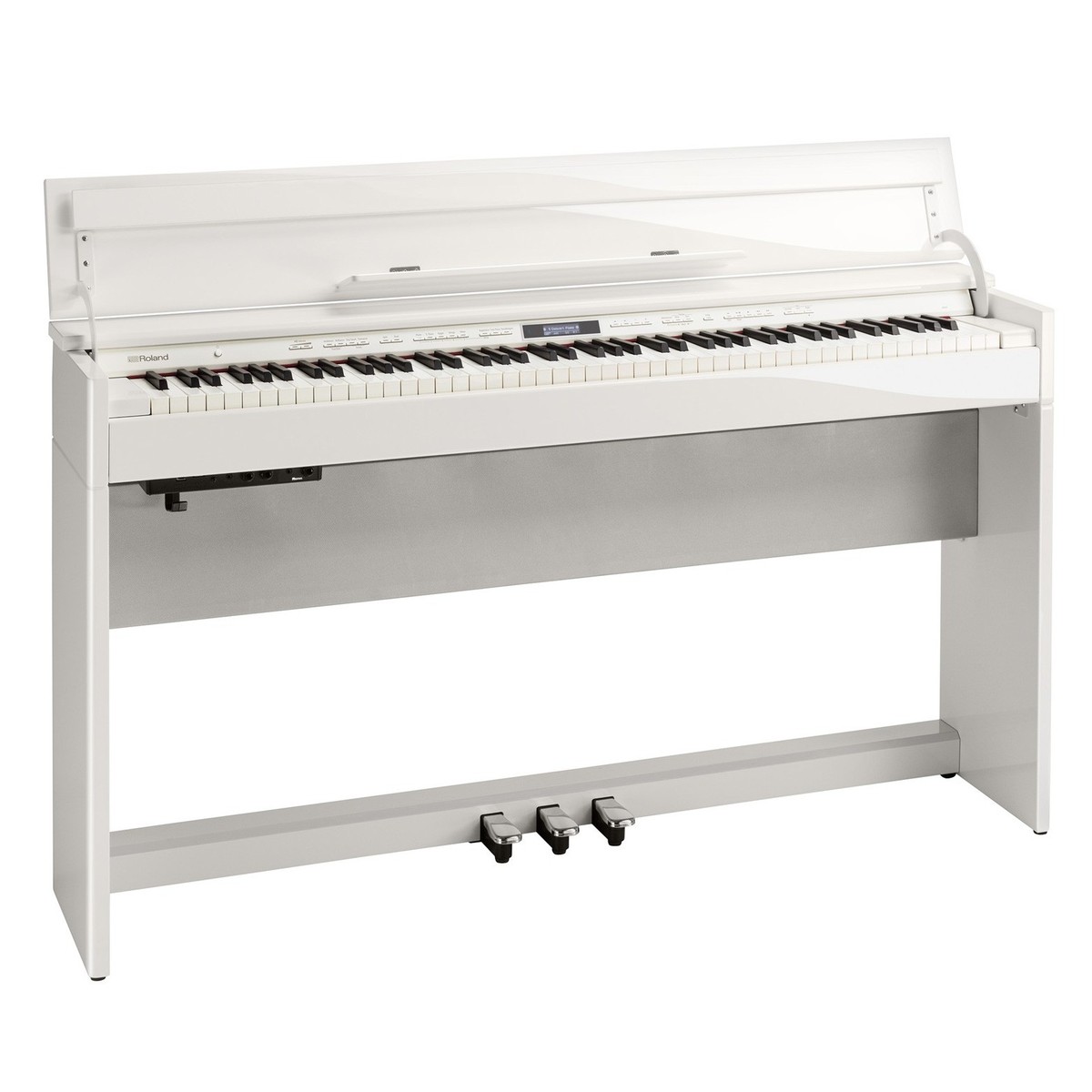
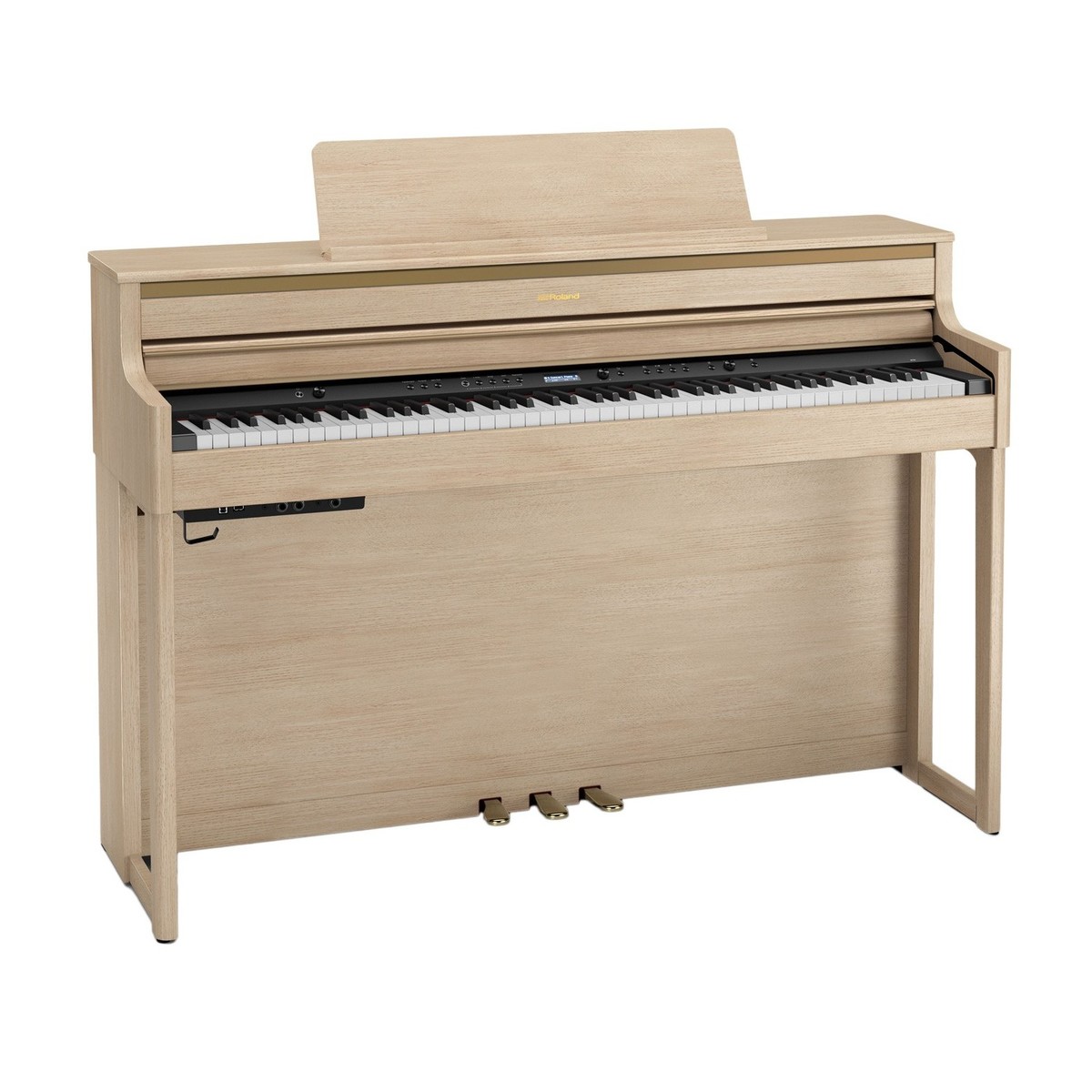
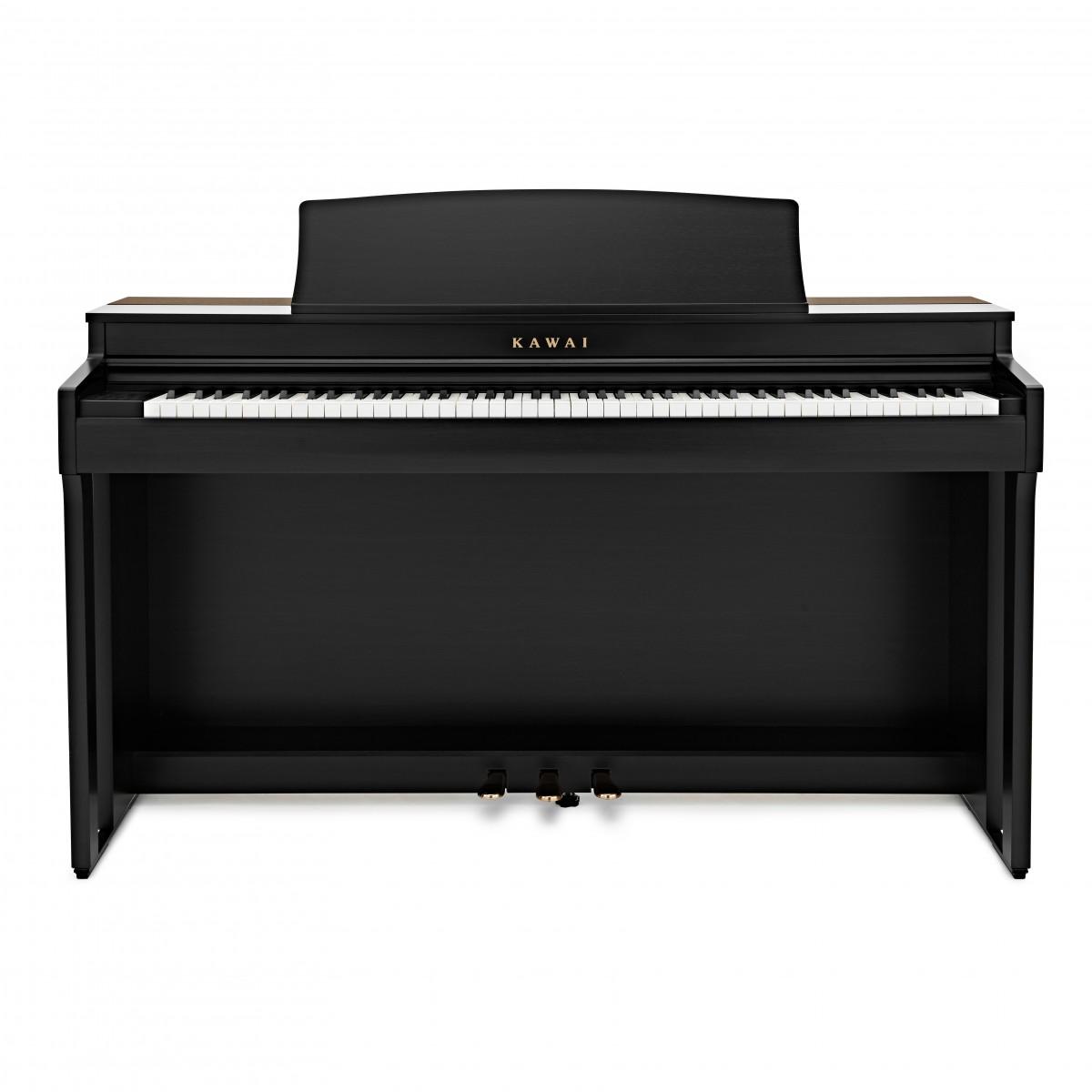
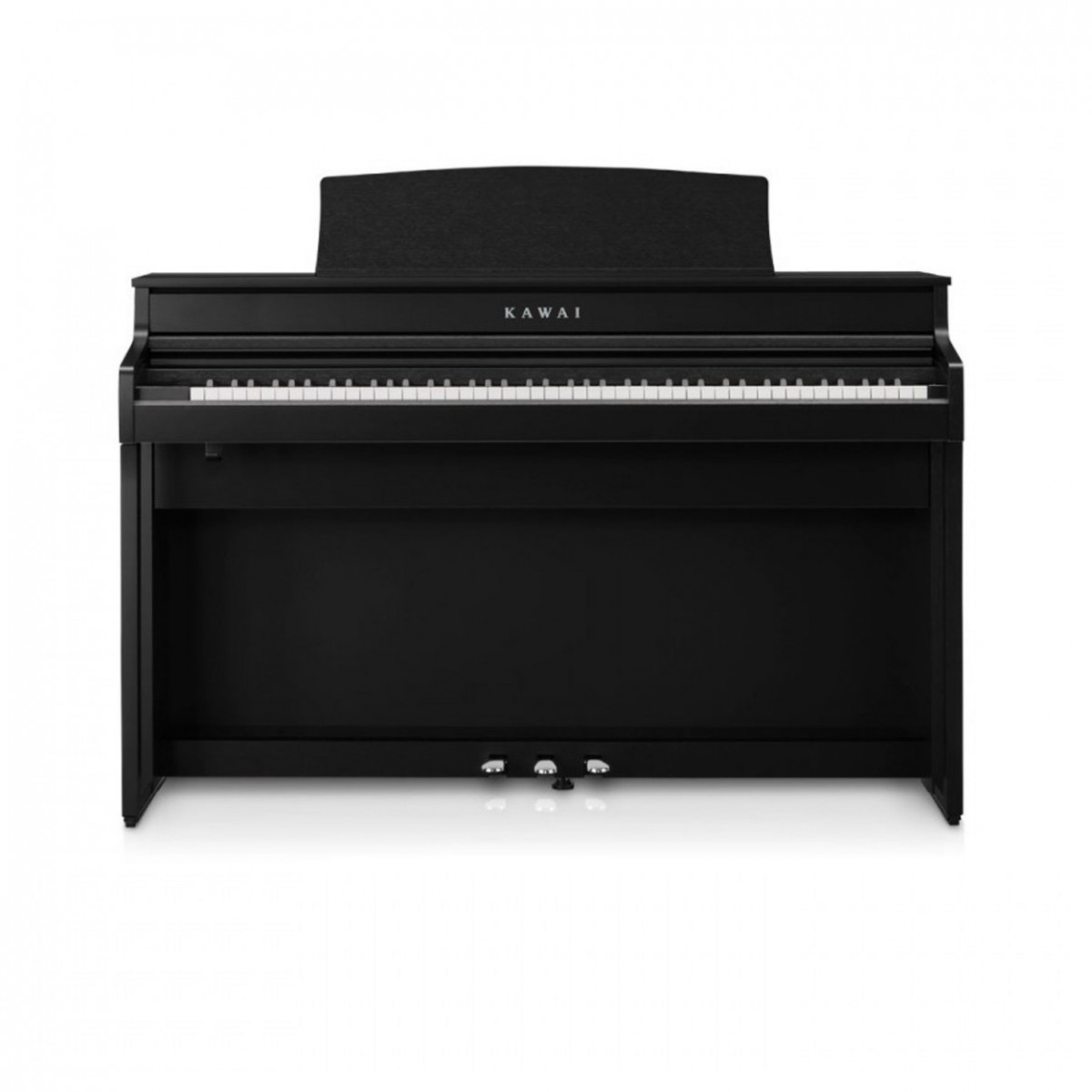
Within the market, the Casio AP-300 competes with several established models. While it offers a different tactile experience than the Roland RP701 or the wooden-key Kawai CA501, the AP-300 distinguishes itself through its specific combination of Bluetooth connectivity and high-resolution USB recording at its price point. Other alternatives include the Roland DP603 for those needing a slimline profile, or the Kawai CN301 for traditional cabinet enthusiasts.
Related gear
 £2,539.00 ($3,225)
Roland
Roland DP603 Digital Piano Polished White
 £2,029.00 ($2,577)
Roland
Roland HP704 Digital Piano Light Oak
 £1,504.05 ($1,910)
Kawai
Kawai CN301 Digital Piano Satin Black
 £2,218.83 ($2,818)
Kawai
Kawai CA501 Digital Piano Satin Black
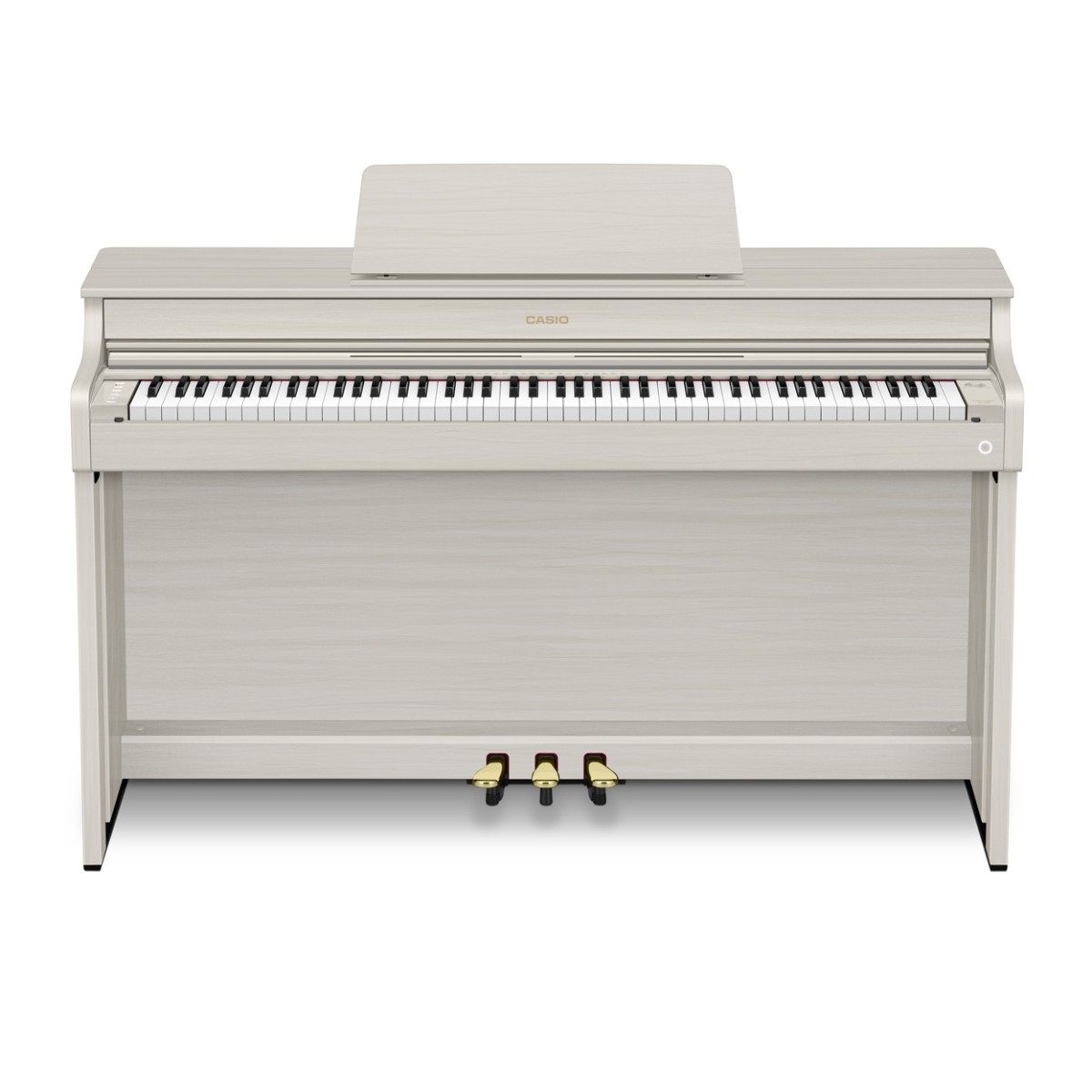 £1,035.00 ($1,314)
Casio
Casio AP-300 Digital Piano Grey Beige
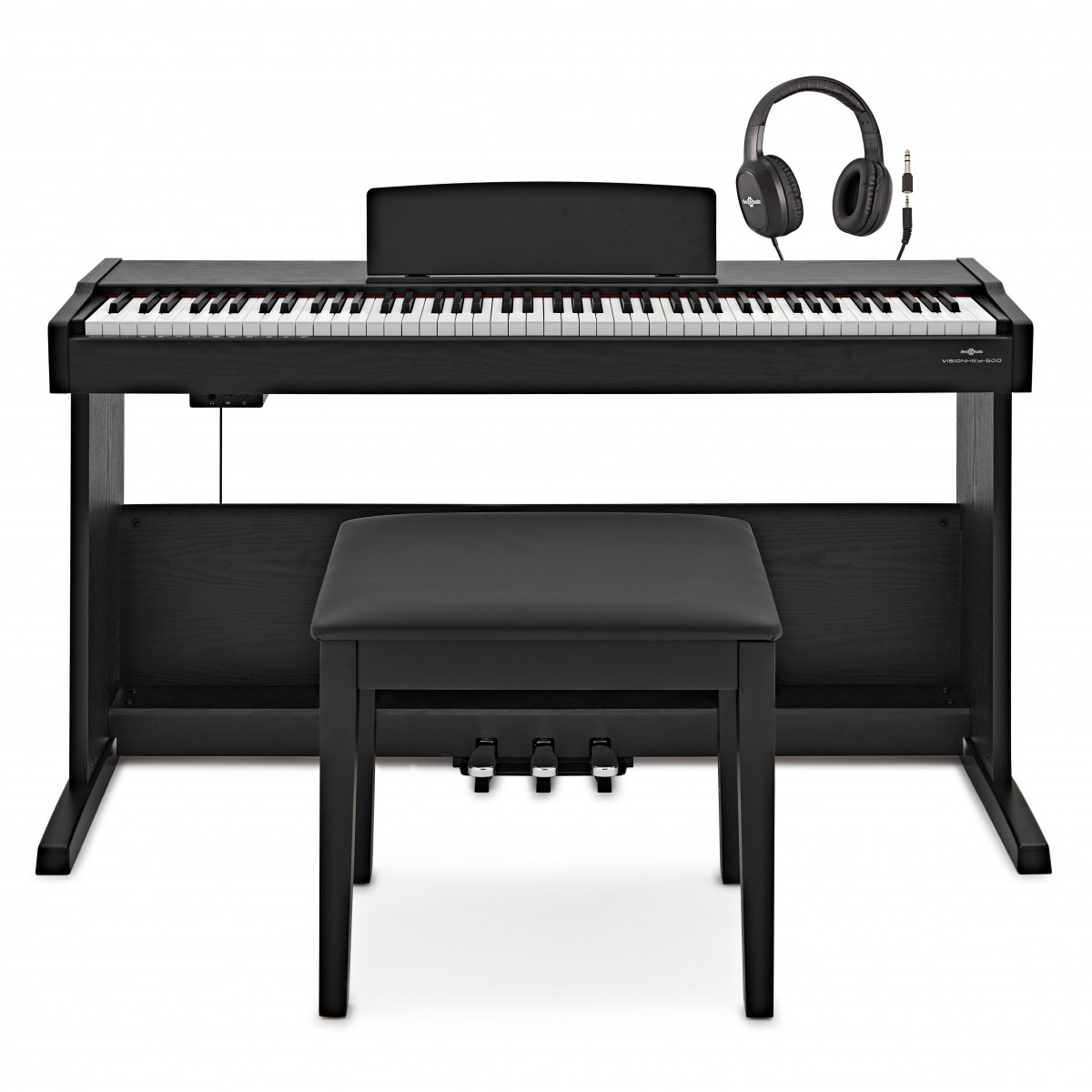 £349.99 ($444)
Gear4Music
VISIONKEY-500 Digital Piano Bench Pack Black
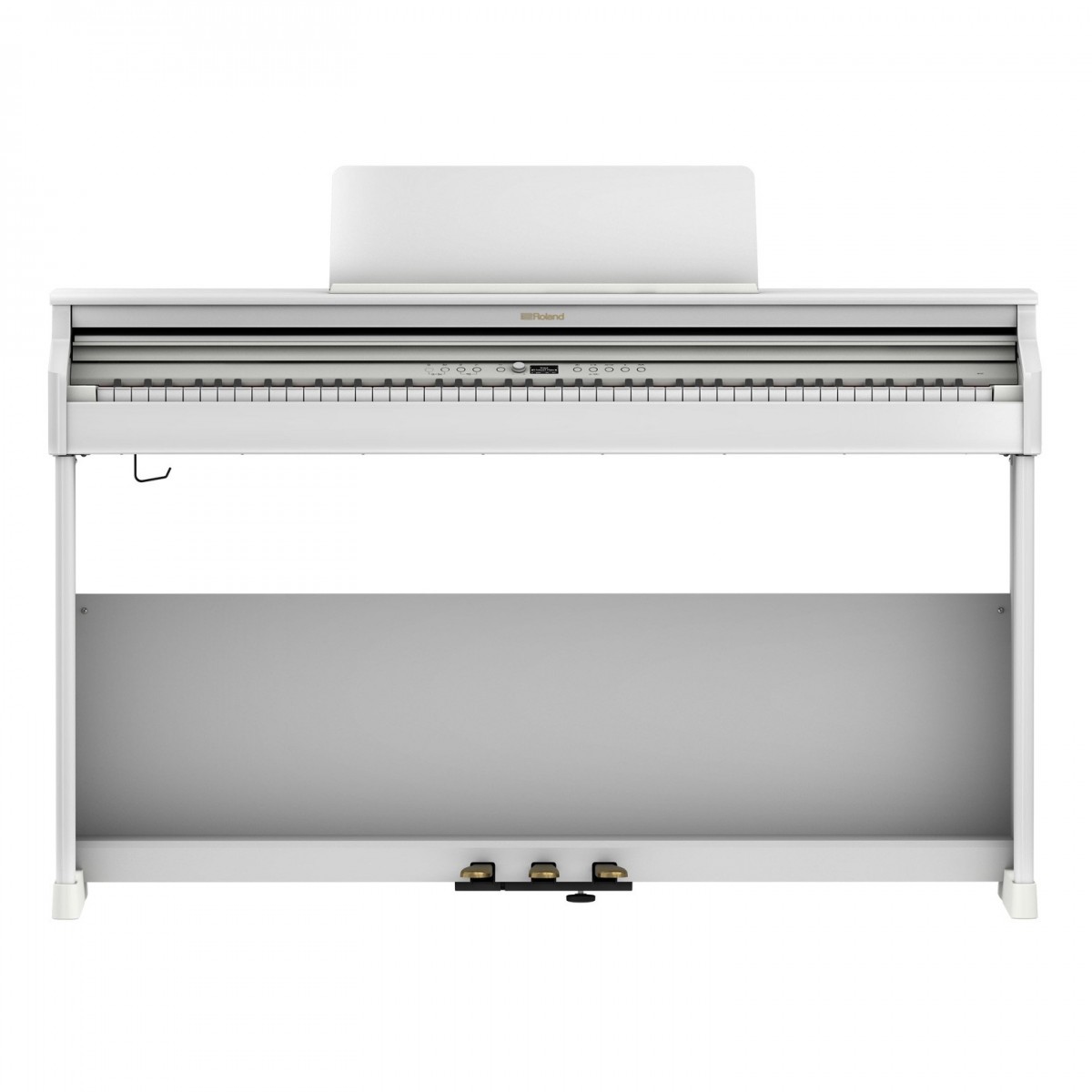 £1,205.00 ($1,530)
Roland
Roland RP701 Digital Piano White
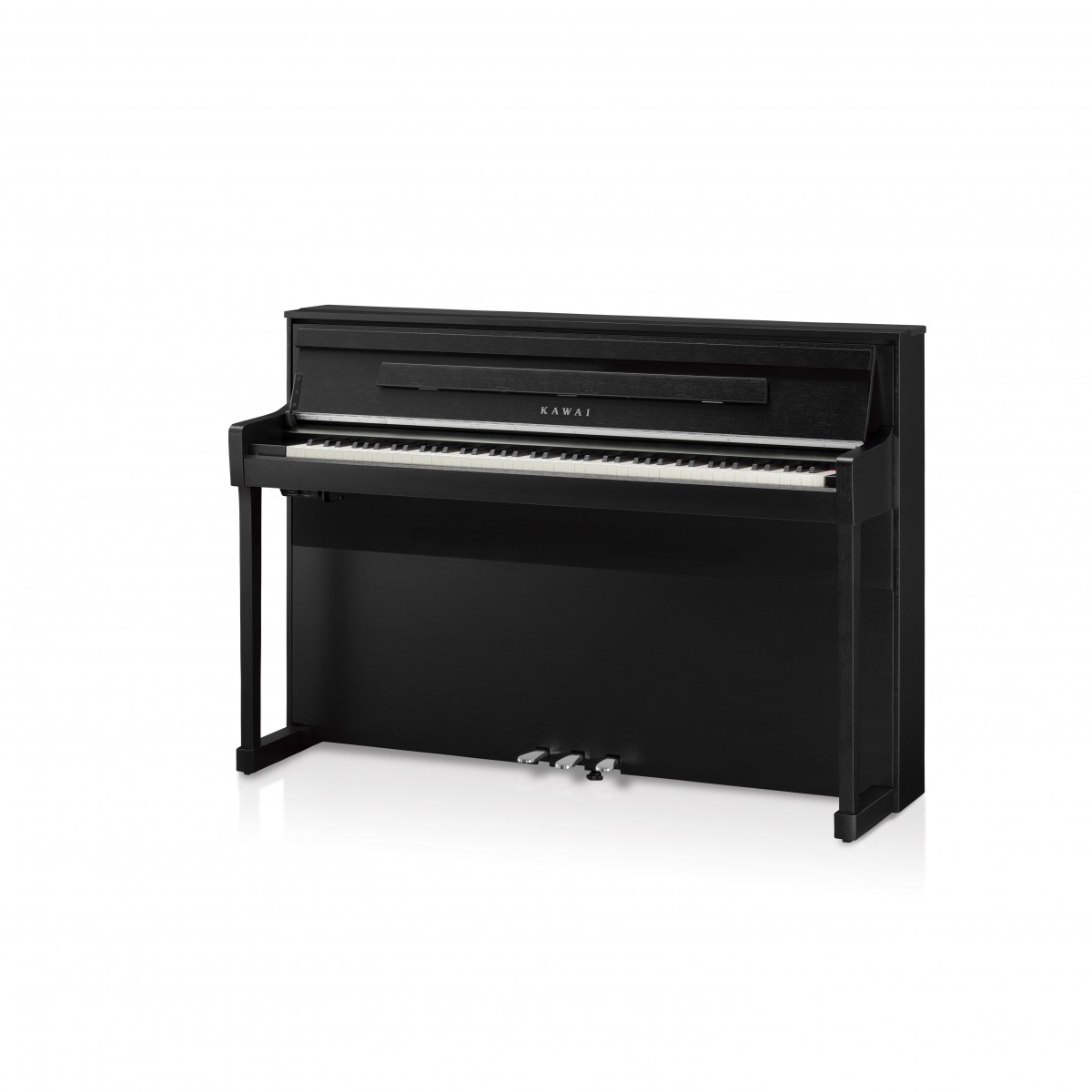 £3,253.38 ($4,132)
Kawai
Kawai CA901 Digital Piano Satin Black
Frequently asked questions
- What is the primary sound engine used in the Casio AP-300?
- The Casio AP-300 features a New Concert Grand Piano sample. This sample is designed to provide a rich and detailed sound that captures the nuances of a high-quality acoustic instrument.
- How many built-in tones does the AP-300 have?
- The piano comes equipped with 19 built-in tones. These include the flagship concert grand and various other sounds suitable for different musical styles.
- What type of key action does the Casio AP-300 use?
- The AP-300 utilizes the Smart Scaled Hammer Action. This mechanism is designed to provide a natural and responsive feel, allowing for expressive and dynamic performance.
- Does the Casio AP-300 support Bluetooth?
- Yes, it is equipped with both Bluetooth Audio and Bluetooth MIDI. This allows users to stream music through the piano's speakers or connect wirelessly to music production software.
- Can I record my performances directly on the Casio AP-300?
- Yes, the instrument supports USB Audio Record and Playback. Users can save their performances directly to a USB drive in either WAV or MP3 formats.
- What are the interface controls like on the AP-300?
- The piano features unique touch panel controls. This design choice offers a modern look and seamless control over settings without the use of traditional physical buttons.
- What is the typical price range for this model?
- The Casio AP-300 Black typically retails for approximately GBP 989. This price point reflects its position as a feature-rich mid-range digital piano.
- What finish options are available for the AP-300?
- This specific model comes in a Black finish. A Grey Beige version of the Casio AP-300 is also available for different aesthetic preferences.
- Is the Casio AP-300 suitable for small spaces?
- Yes, the AP-300 is designed with a compact and stylish cabinet. It is intended to offer a high-quality piano experience without requiring the space of a larger digital or acoustic upright.
- How does the AP-300 compare to the Kawai CN301?
- Both models are high-quality digital pianos, but the AP-300 focuses on a modern touch-panel interface and specific Bluetooth integration. The Kawai CN301 is a common alternative for those comparing mid-range digital instruments.
- What recording formats are supported via USB?
- The AP-300 allows for recording in two popular digital formats: WAV and MP3. This makes it easy to share or edit recordings on computers and other devices.
- Is this piano suitable for beginners?
- Yes, the AP-300 is an excellent choice for beginners due to its Smart Scaled Hammer Action, which helps develop proper finger strength and technique. Its additional features also provide tools for practice and creative exploration.