
Gear article
Casio GP510 Grand Hybrid Digital Piano
The Casio GP510 Grand Hybrid is a high-end digital piano developed in collaboration with C. Bechstein, featuring a genuine full-length wooden grand piano action. It is designed to bridge the gap between acoustic and digital instruments by combining traditional mechanical craftsmanship with modern sound engine technology.
See live pricesBackground and Collaboration
The GP510 represents the pinnacle of Casio's digital piano development, building upon the legacy of the Grand Hybrid series. A central component of its design is the partnership with C. Bechstein, a world-renowned German piano manufacturer. This collaboration ensured that the mechanical feel and tonal characteristics meet the standards of professional pianists accustomed to high-end acoustic instruments.
Mechanical Design and Key Action
Unlike many digital pianos that use weighted plastic keys to simulate a piano feel, the GP510 utilises a full grand piano action mechanism. It incorporates long wooden keys and moving hammers that follow the same path as those in an acoustic grand. The instrument features a lid that can be opened, allowing users to view the hammers in motion while playing, reinforcing the physical connection between the player and the sound generation.
Sound Character and Tonal Profiles
The sound engine of the GP510 is derived from three distinct and historically significant grand pianos, referred to as the Berlin, Hamburg, and Vienna Grands.
- Berlin Grand: Developed in collaboration with C. Bechstein, offering a balanced and elegant sound.
- Hamburg Grand: Known for a brilliant and wide-ranging tone suited for many musical styles.
- Vienna Grand: Characterised by a warm, rich bass and a classic European sound profile.
Comparative Position
Within the market for premium digital instruments, the GP510 competes with models such as the Kawai CA901 and CA501, which also focus on wooden key actions. While Roland offers high-end alternatives like the HP704 and RP701, Casio's Grand Hybrid series distinguishes itself through the specific mechanical architecture of the C. Bechstein-influenced action and the unique visible hammer system.
Related gear
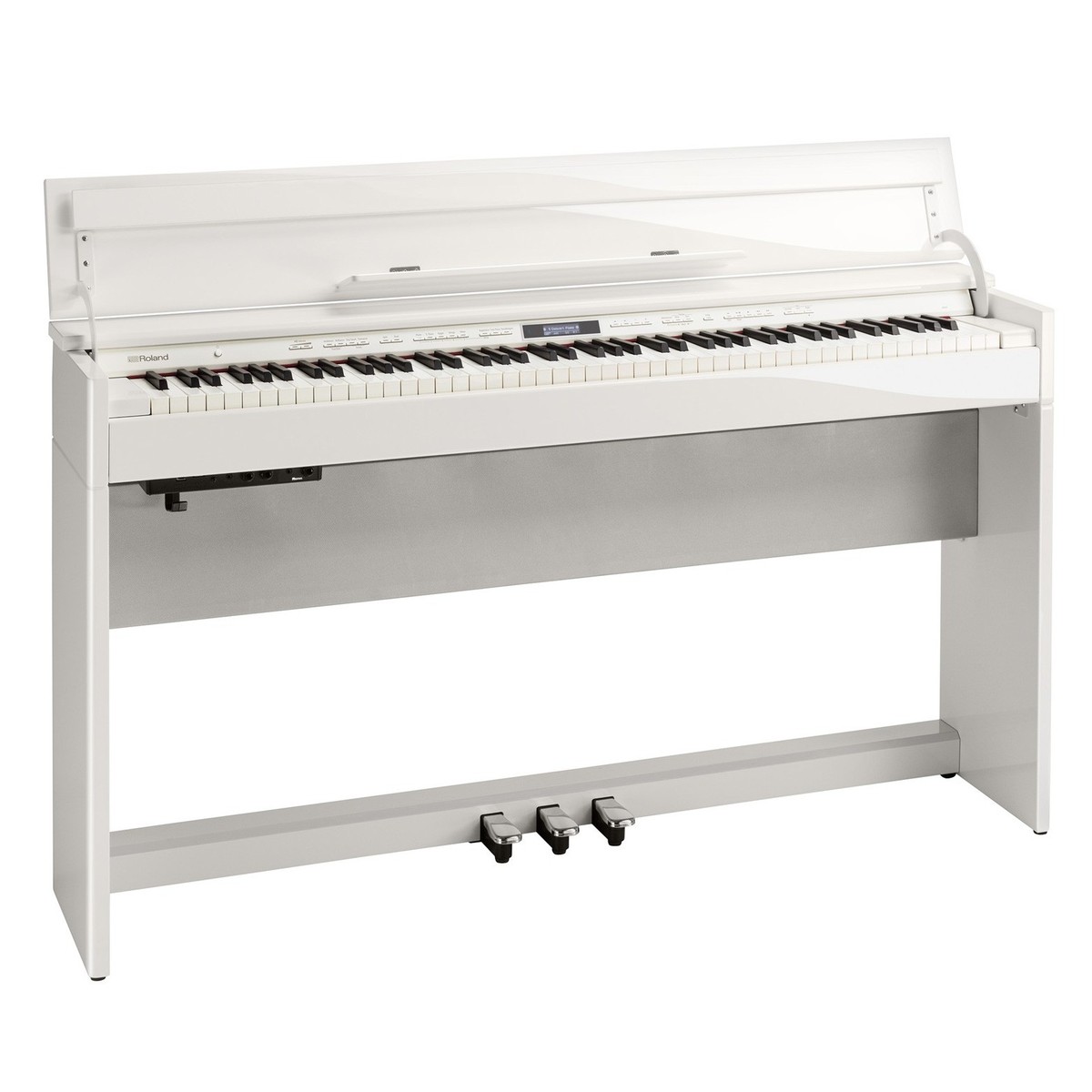 £2,539.00 ($3,225)
Roland
Roland DP603 Digital Piano Polished White
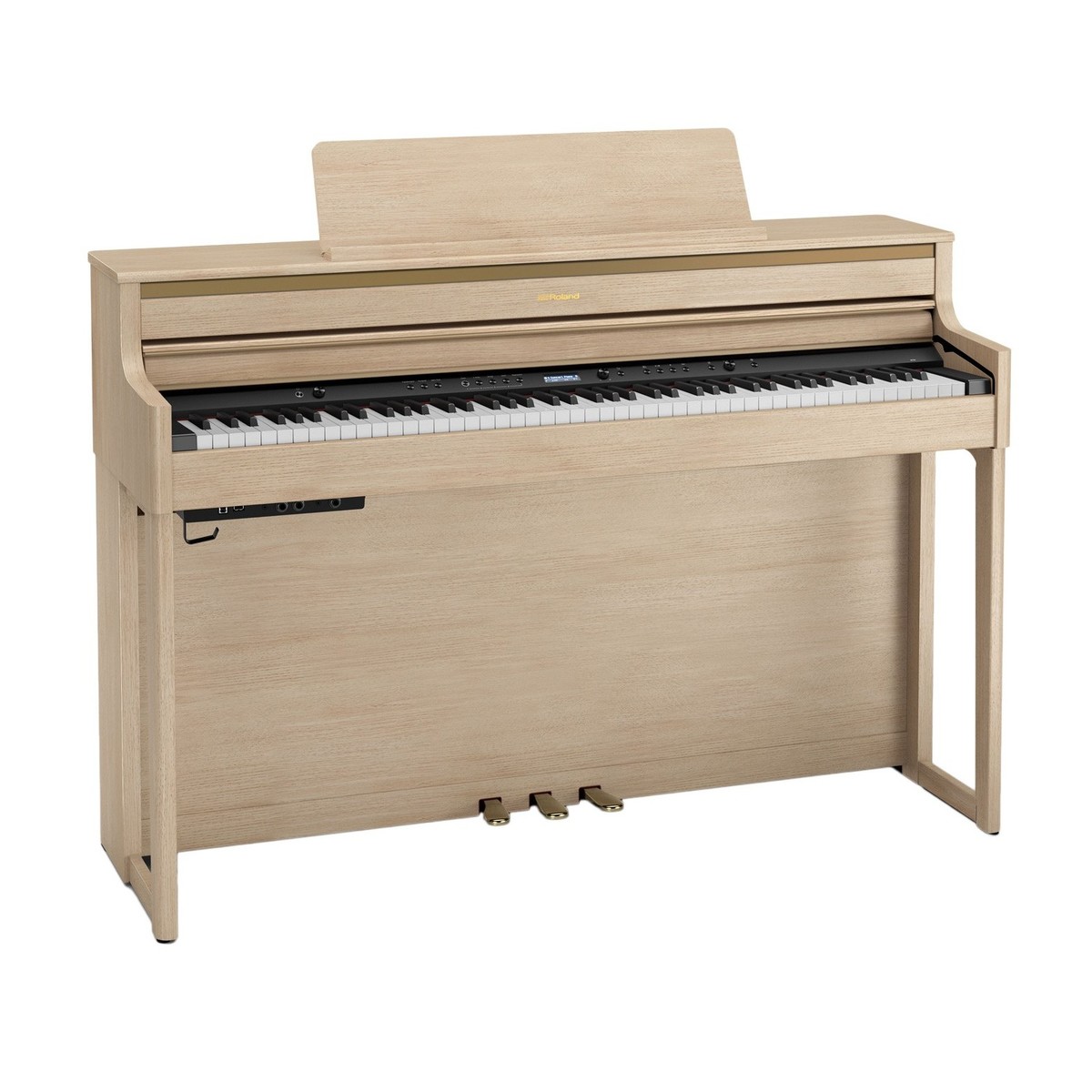 £2,029.00 ($2,577)
Roland
Roland HP704 Digital Piano Light Oak
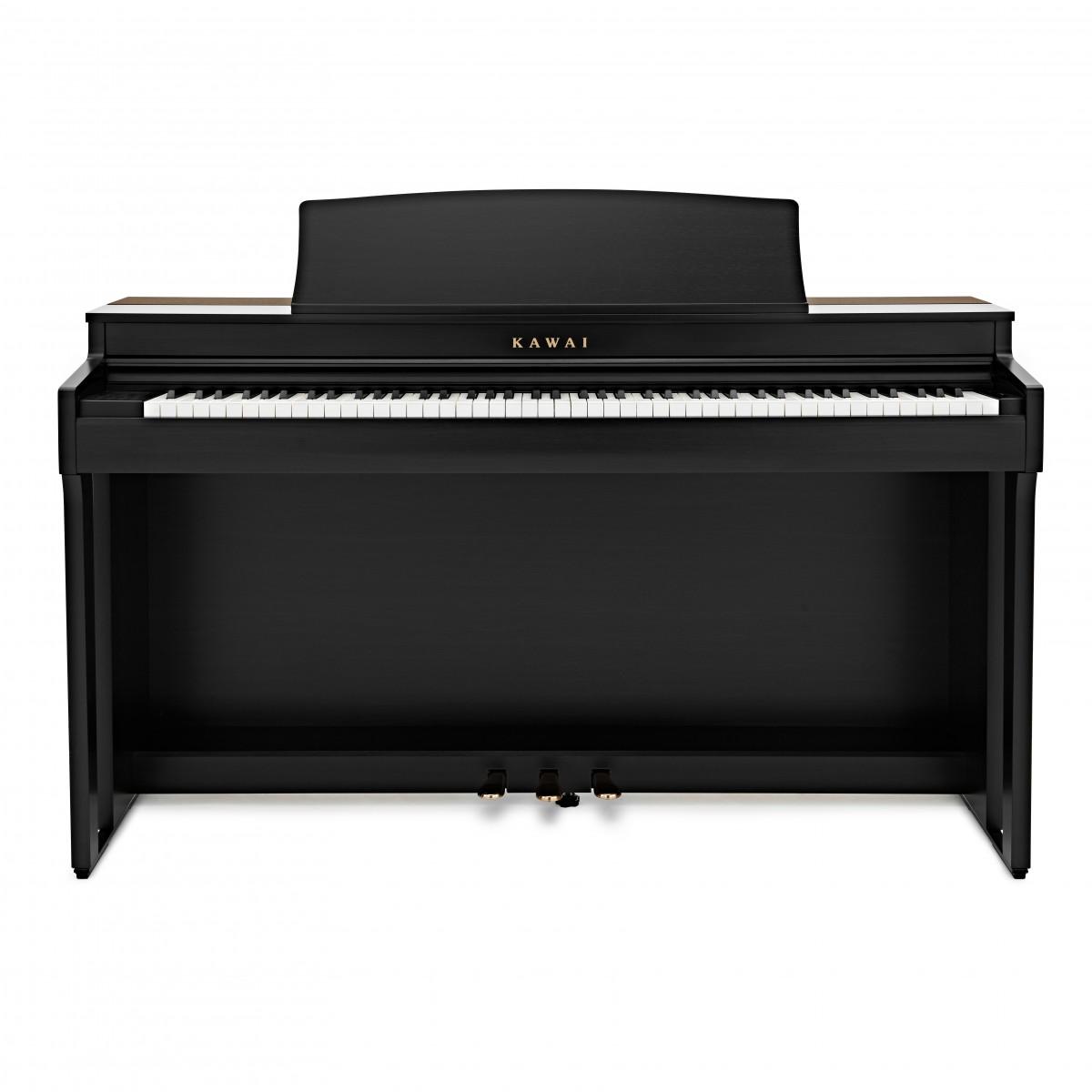 £1,504.05 ($1,910)
Kawai
Kawai CN301 Digital Piano Satin Black
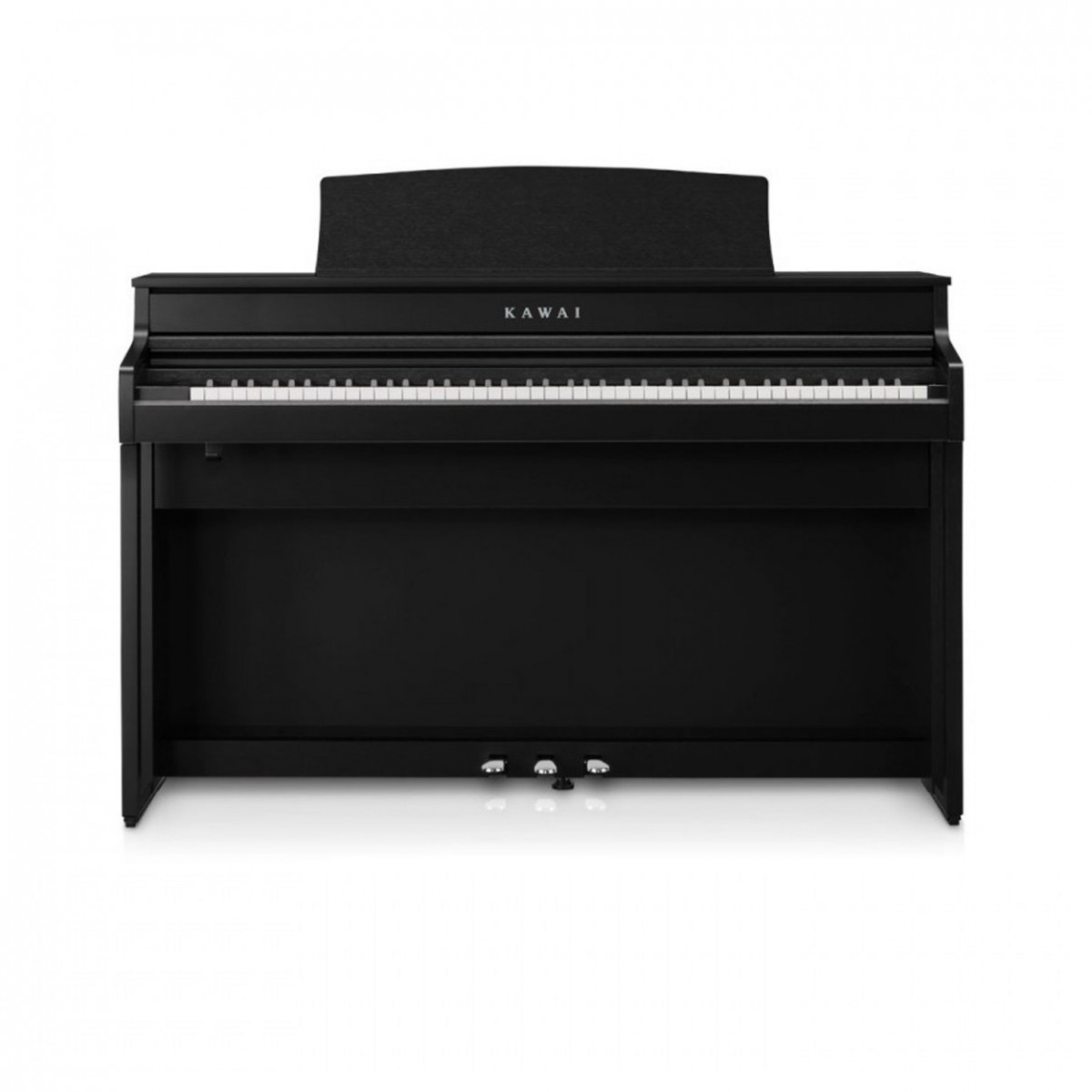 £2,218.83 ($2,818)
Kawai
Kawai CA501 Digital Piano Satin Black
 £1,035.00 ($1,314)
Casio
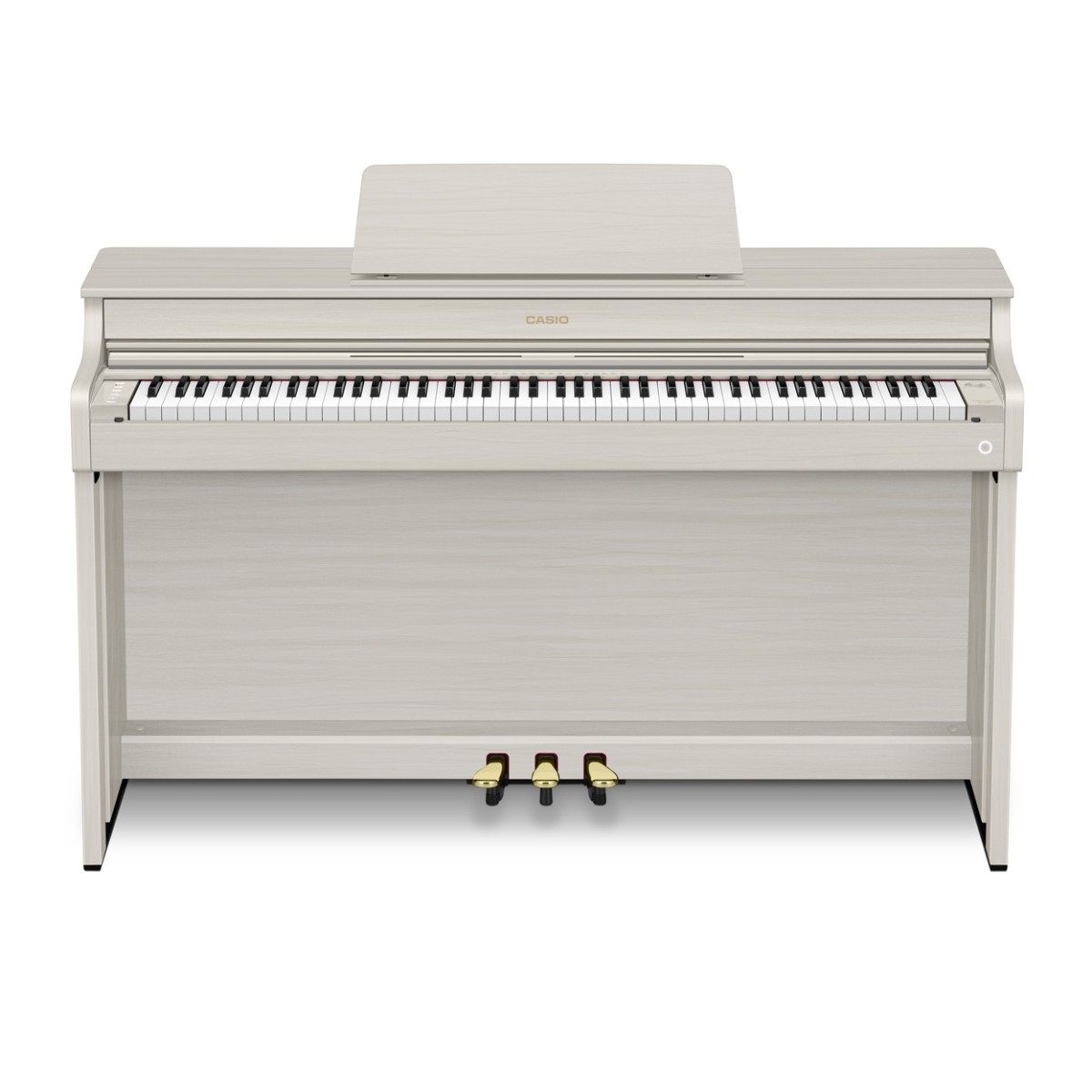
Casio AP-300 Digital Piano Grey Beige
 £349.99 ($444)
Gear4Music
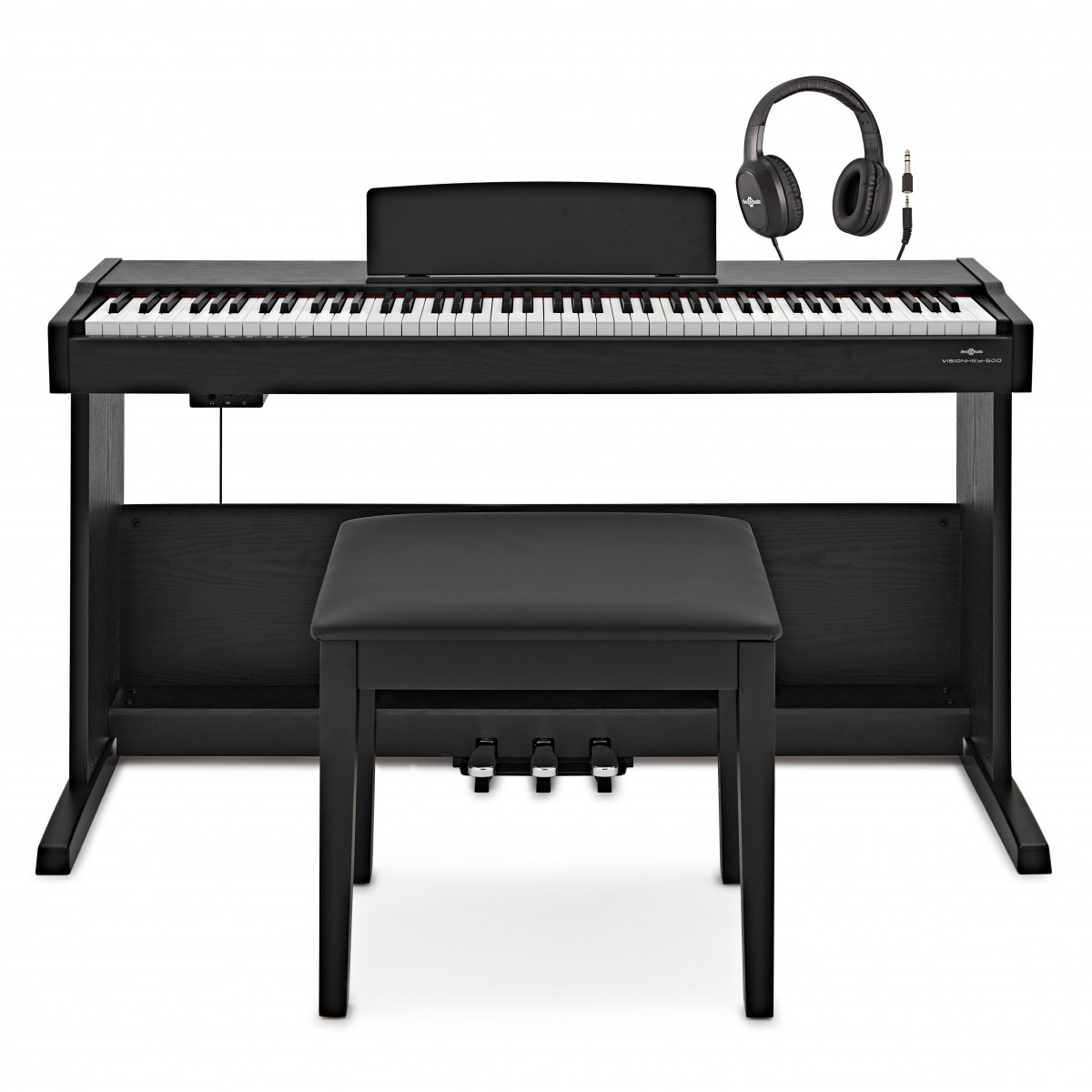
VISIONKEY-500 Digital Piano Bench Pack Black
 £1,205.00 ($1,530)
Roland
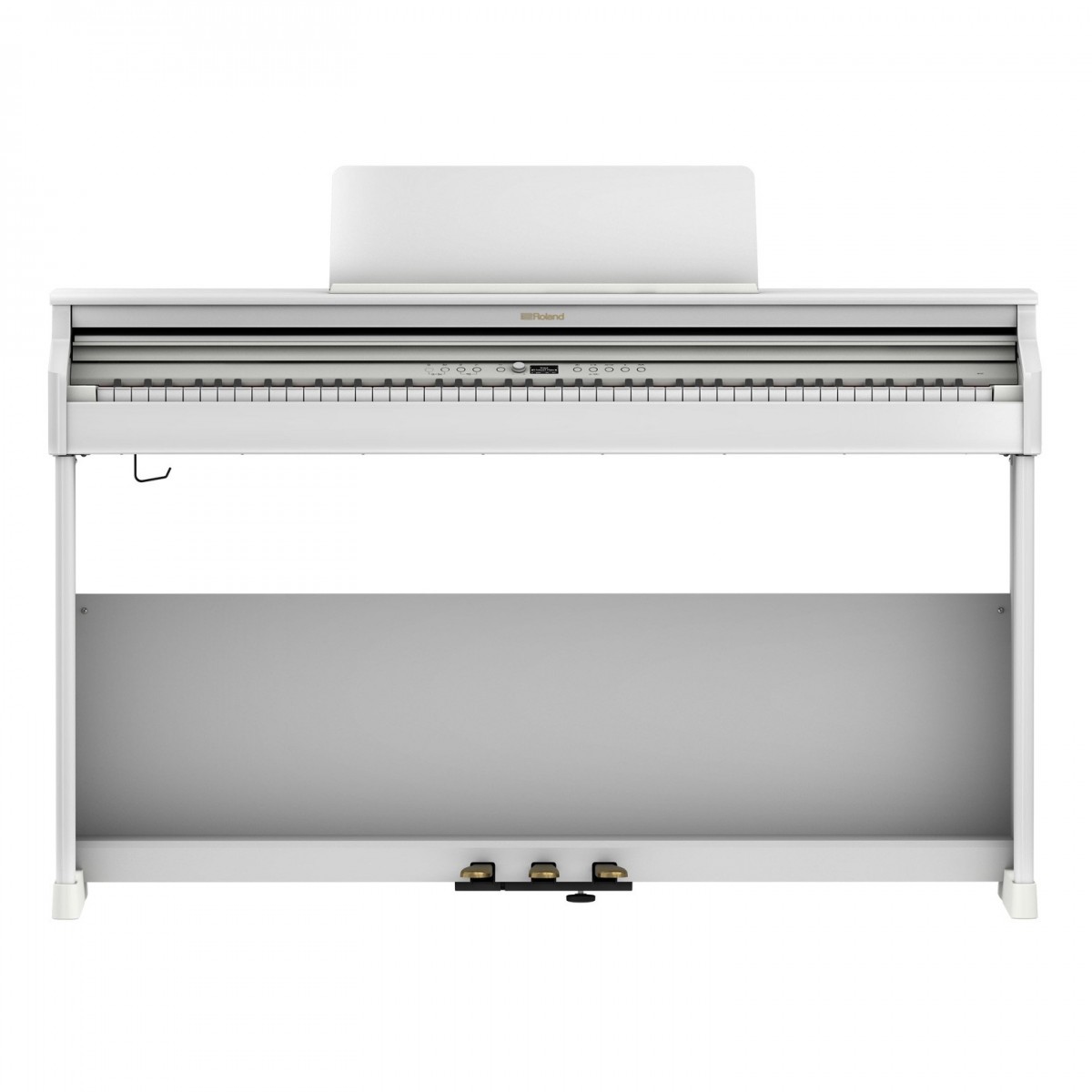
Roland RP701 Digital Piano White
 £3,253.38 ($4,132)
Kawai
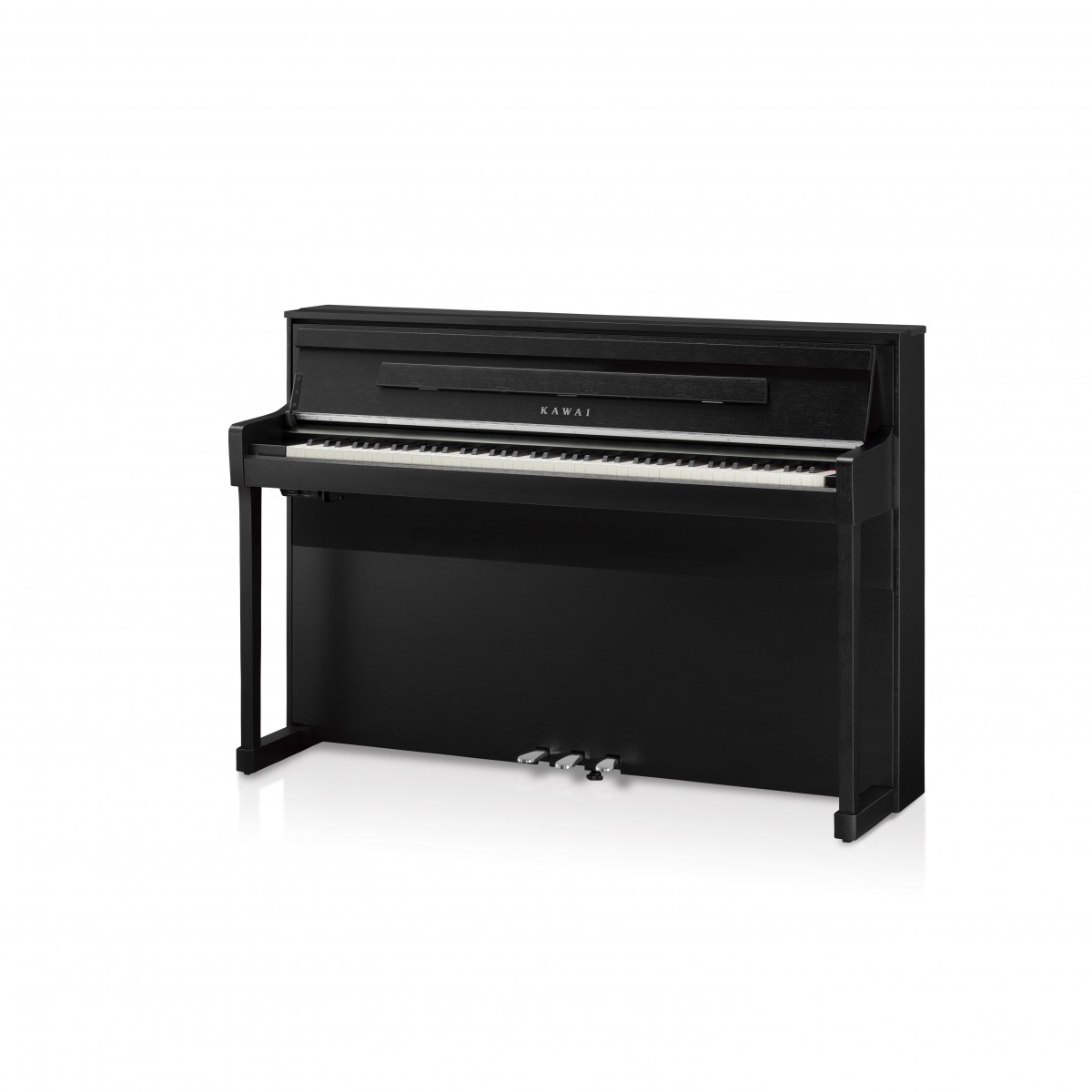
Kawai CA901 Digital Piano Satin Black
Frequently asked questions
- What makes the Casio GP510 a 'hybrid' piano?
- The GP510 is considered a hybrid because it combines a genuine mechanical wooden grand piano action with digital sound generation. It uses real moving hammers rather than just weighted sensors to replicate the exact physical response of an acoustic instrument.
- Which piano brands are represented in the sound engine?
- The GP510 features three primary piano sounds modelled after legendary instruments from Berlin, Hamburg, and Vienna. The Berlin Grand sound was specifically developed in direct collaboration with C. Bechstein.
- Does the Casio GP510 have real wooden keys?
- Yes, the GP510 uses full-length wooden keys. These keys are manufactured using the same materials and processes as those found in C. Bechstein acoustic grand pianos to ensure authentic weight and balance.
- What is the role of C. Bechstein in the GP510?
- C. Bechstein collaborated with Casio on the development of the Natural Grand Hammer Action and the Berlin Grand sound profile. This partnership ensures that the mechanical touch and tonal response meet professional acoustic standards.
- Can you see the hammers moving in the GP510?
- Yes, the GP510 features a lid that can be opened. When the lid is raised, the player can observe the mechanical hammers in motion as they strike, mimicking the visual and physical experience of a grand piano.
- What finish is available for the GP510?
- The GP510 is finished in a high-quality Polished Ebony. This provides a classic, mirror-like aesthetic that is traditional for concert grand pianos.
- How does the GP510 differ from the Kawai CA series?
- While both use wooden keys, the GP510 features a specific action mechanism developed with C. Bechstein that includes a unique hammer movement visible to the player. The choice between them often comes down to a preference between Casio's Berlin/Hamburg/Vienna sound profiles and Kawai's specific sampling technology.
- Is the GP510 suitable for professional practice?
- Yes, the GP510 is designed for advanced students and professional pianists. The full grand piano action allows for the practice of complex techniques that require the specific repetition and weight of a real grand piano mechanism.
- What is the typical price for the Casio GP510?
- The Casio GP510 is typically priced around £3,414 in the UK market. This reflects its position as a premium flagship model within Casio's digital piano lineup.
- How does the GP510 compare to the Roland HP704?
- The Roland HP704 uses a hybrid plastic/wood action (PHA-50), whereas the Casio GP510 uses a more complex, full-length wooden grand action. The GP510 is generally positioned as a more direct mechanical simulation of a grand piano.
- Does the GP510 require tuning like an acoustic piano?
- No, despite having a mechanical action, the sound is generated digitally. This means the GP510 never requires tuning, making it a low-maintenance alternative to an acoustic grand piano.
- What are the three main piano sounds called?
- The three flagship grand piano sounds are named the Berlin Grand, the Hamburg Grand, and the Vienna Grand. Each offers a distinct tonal character suited for different eras and styles of classical and contemporary music.