
Gear article
Casio Privia PX-870 Digital Piano
The Casio PX-870 is the flagship model of the Privia ultra-compact digital piano series, designed to replicate the experience of a traditional acoustic upright. It features a revolutionary Sound Projection speaker system and the advanced Multi-dimensional Morphing AiR Sound Source for authentic tonal reproduction.
See live pricesIntroduction and Design
The Casio PX-870 occupies a unique position in the digital piano market as the flagship of the Privia range. It is defined by its ultra-compact, slimline cabinet which allows it to fit into smaller living spaces without sacrificing the presence of a full console piano. The instrument is designed to challenge the traditional limitations of compact digital pianos by offering a more immersive acoustic experience.
AiR Sound Engine and Technology
At the core of the PX-870 is Casio’s Multi-dimensional Morphing AiR (Acoustic and intelligent Resonator) sound source. This technology uses thorough sampling of a concert grand piano to deliver high levels of detail. Beyond the basic piano tone, the engine simulates complex acoustic phenomena including:
- String Resonance: The sympathetic vibration of unplayed strings.
- Key Action Noise: The subtle mechanical sounds of keys being pressed and released.
- Dynamic Range: A wide variation of tone that responds accurately to the player's touch and velocity.
Sound Projection System
One of the standout features of the PX-870 is its innovative Sound Projection speaker system. Unlike standard digital pianos that direct sound solely downwards or towards the player, the PX-870 projects sound from both the front and the back of the cabinet. This dual-projection method is intended to fill a venue more effectively and recreate the natural dispersion of sound found in a traditional upright piano.
Market Comparison
When compared to other digital pianos in the market, the PX-870 competes with models such as the Roland RP701 and the Kawai CN301. While higher-end models like the Kawai CA901 or Roland HP704 offer different cabinet styles and action technologies, the PX-870 focuses on providing flagship-level sound characteristics within a more accessible price point of approximately £630. It serves as a more advanced alternative to entry-level models like the Casio AP-300 or the Gear4Music VISIONKEY-500.
Target Audience
The PX-870 is suited for a wide range of pianists, from intermediate students to advanced players who require a space-saving instrument that does not compromise on tonal authenticity. Its combination of string resonance and realistic key noise makes it a viable tool for those looking to practice with the nuance required for concert grand performances.
Related gear
 £2,539.00 ($3,225)
Roland
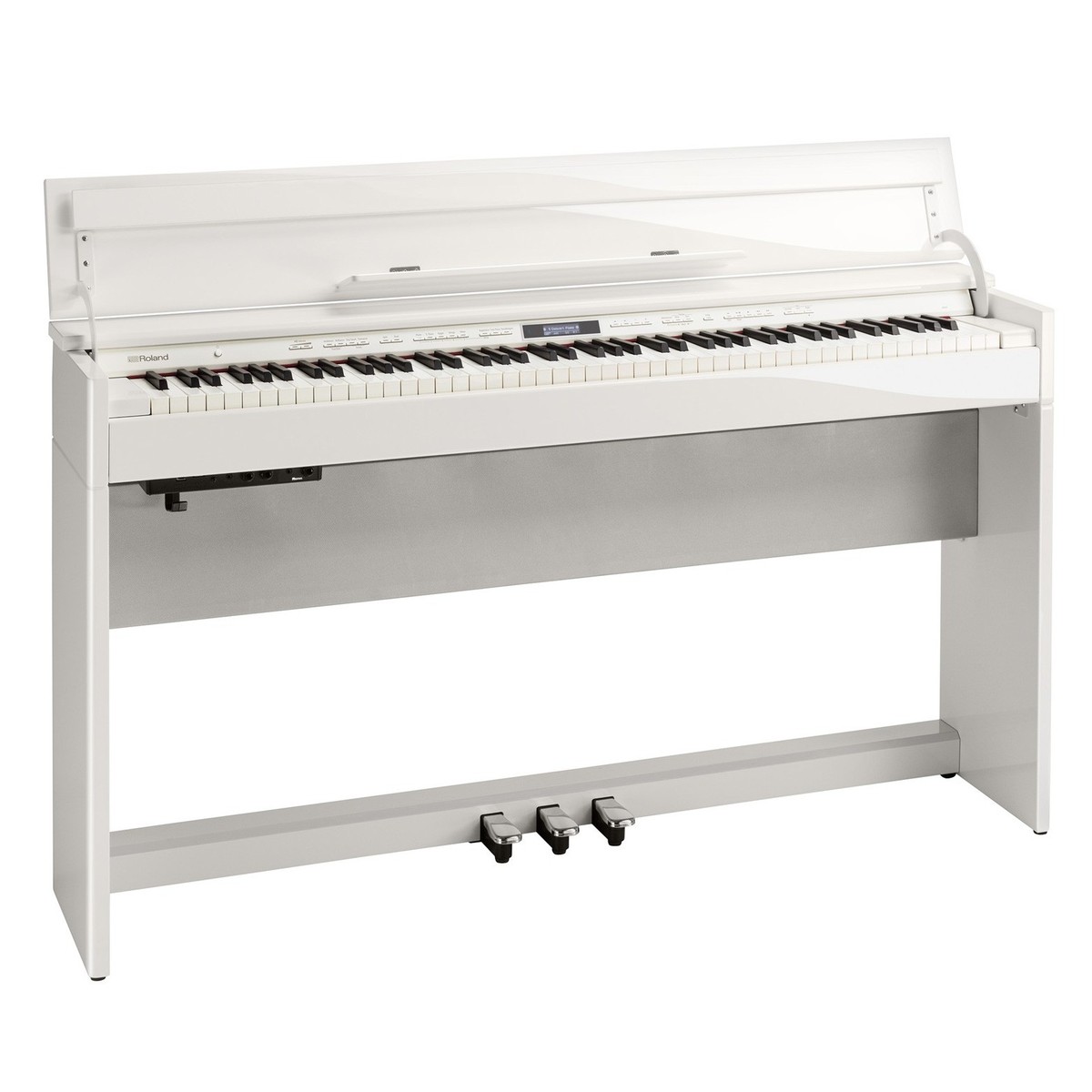
Roland DP603 Digital Piano Polished White
 £2,029.00 ($2,577)
Roland
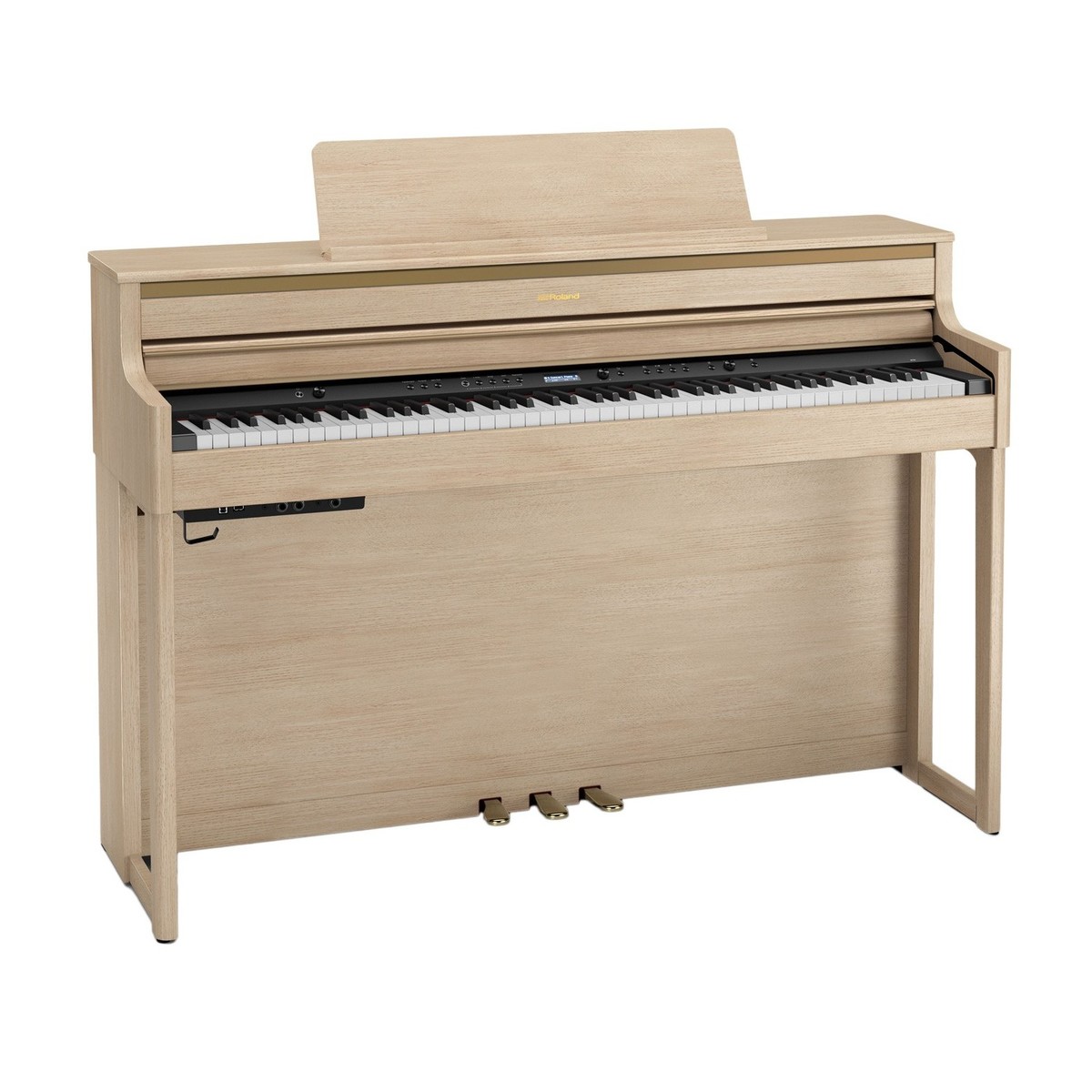
Roland HP704 Digital Piano Light Oak
 £1,504.05 ($1,910)
Kawai
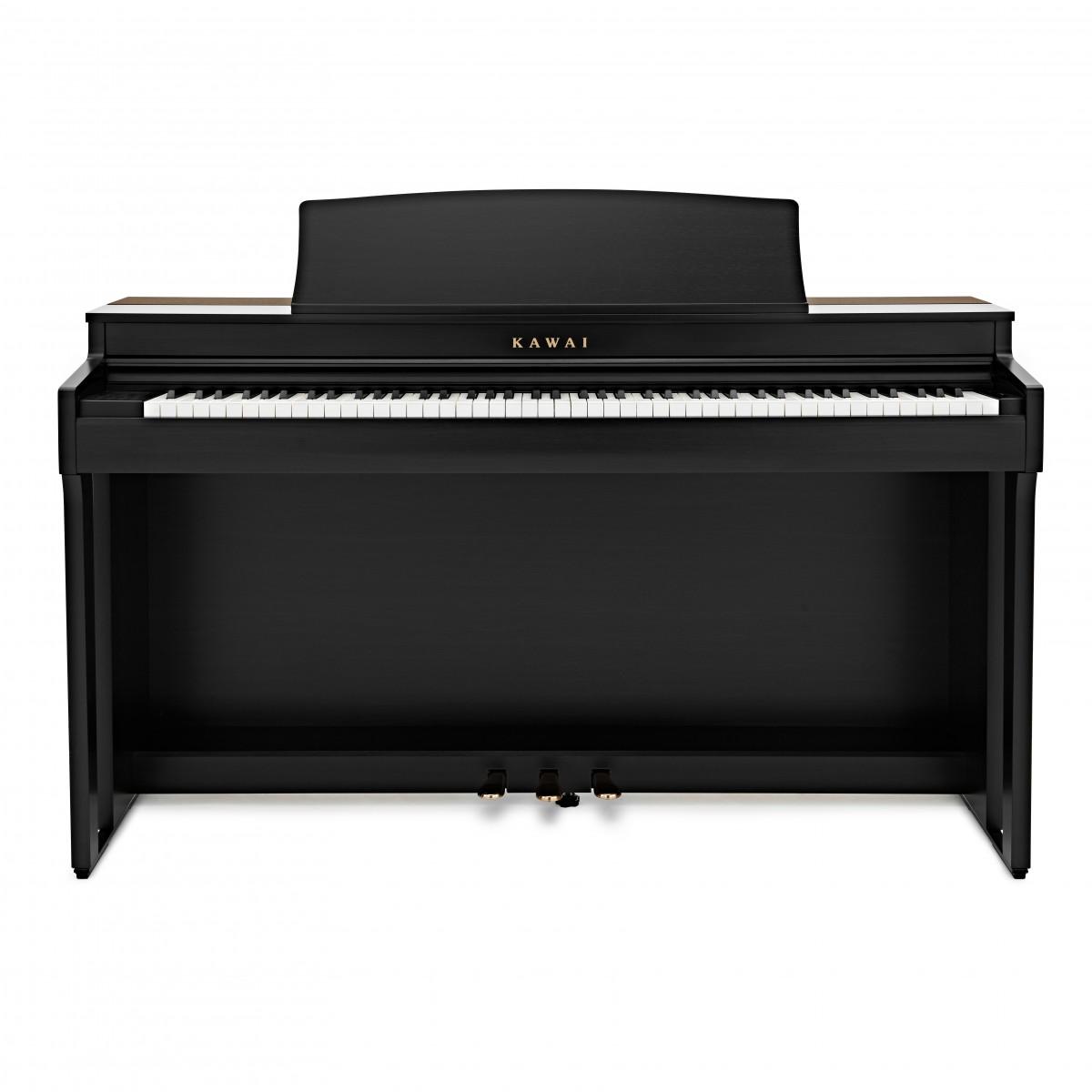
Kawai CN301 Digital Piano Satin Black
 £2,218.83 ($2,818)
Kawai
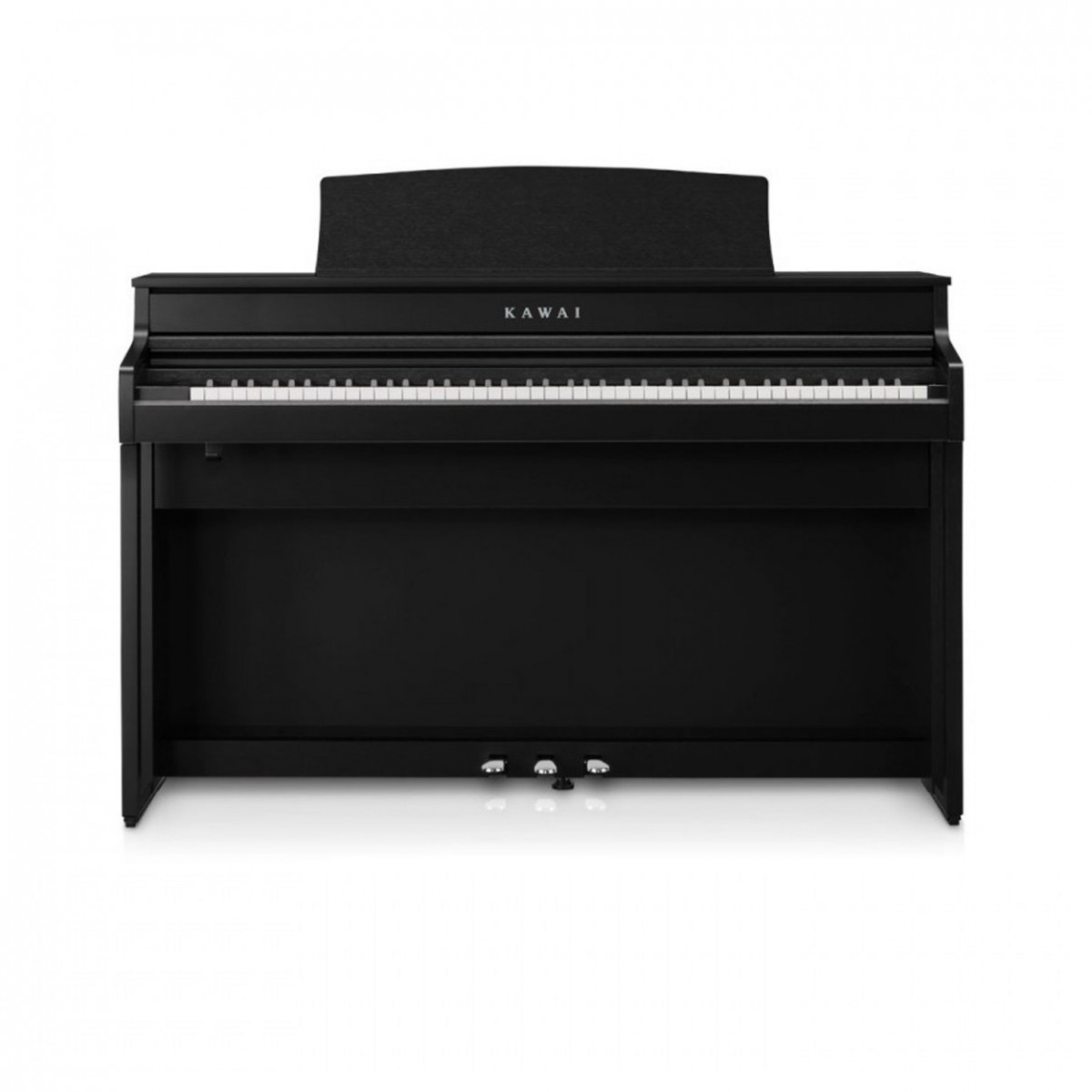
Kawai CA501 Digital Piano Satin Black
 £1,035.00 ($1,314)
Casio
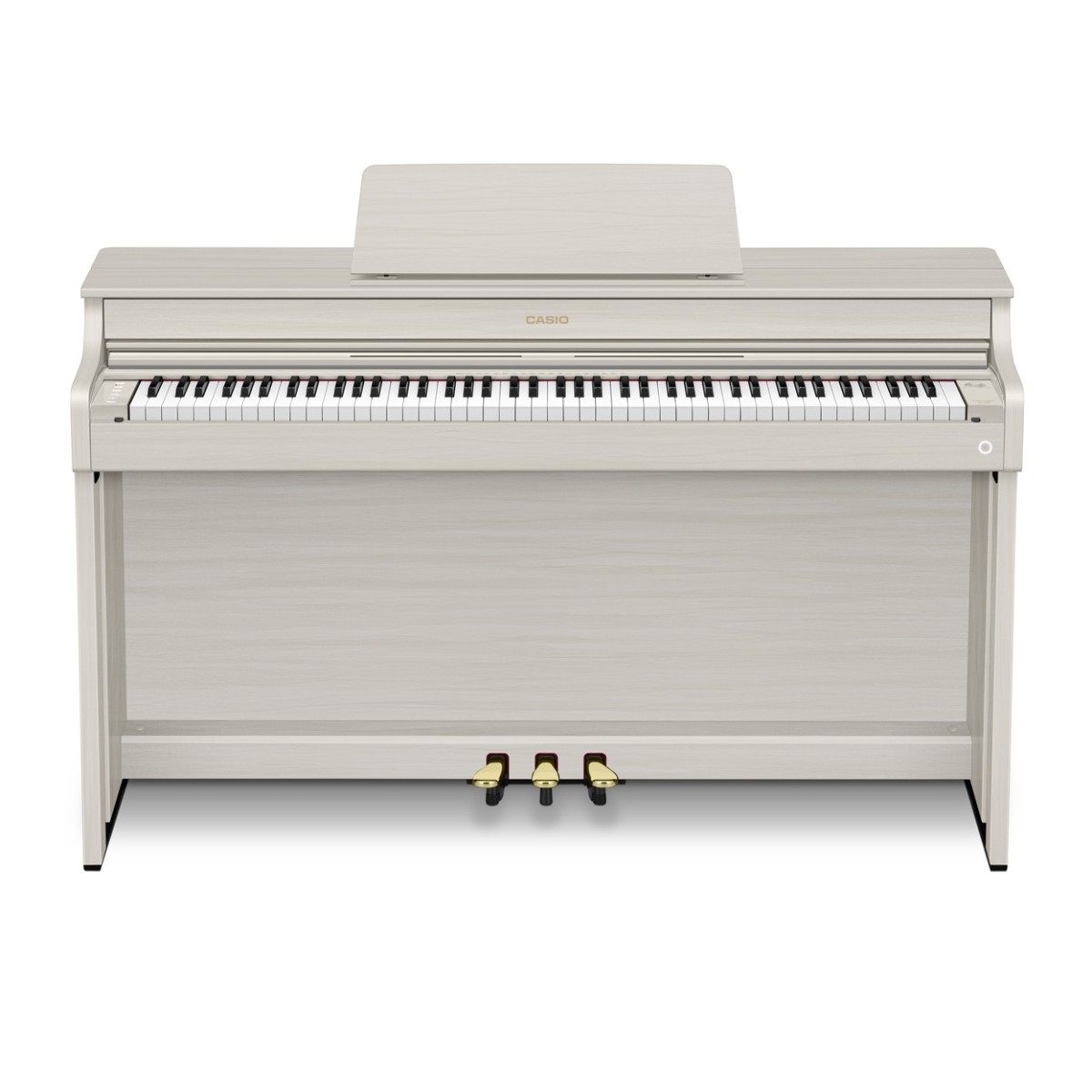
Casio AP-300 Digital Piano Grey Beige
 £349.99 ($444)
Gear4Music
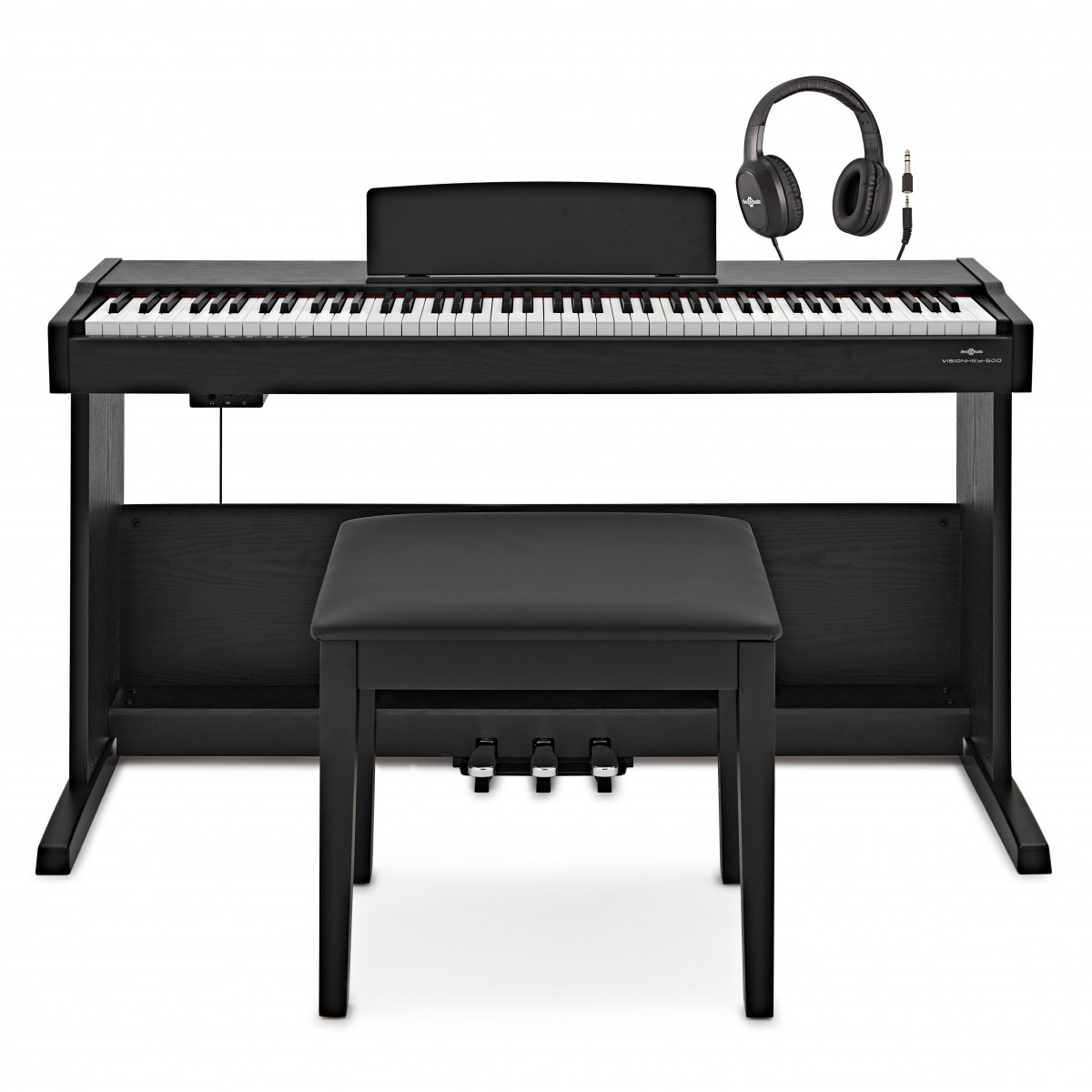
VISIONKEY-500 Digital Piano Bench Pack Black
 £1,205.00 ($1,530)
Roland
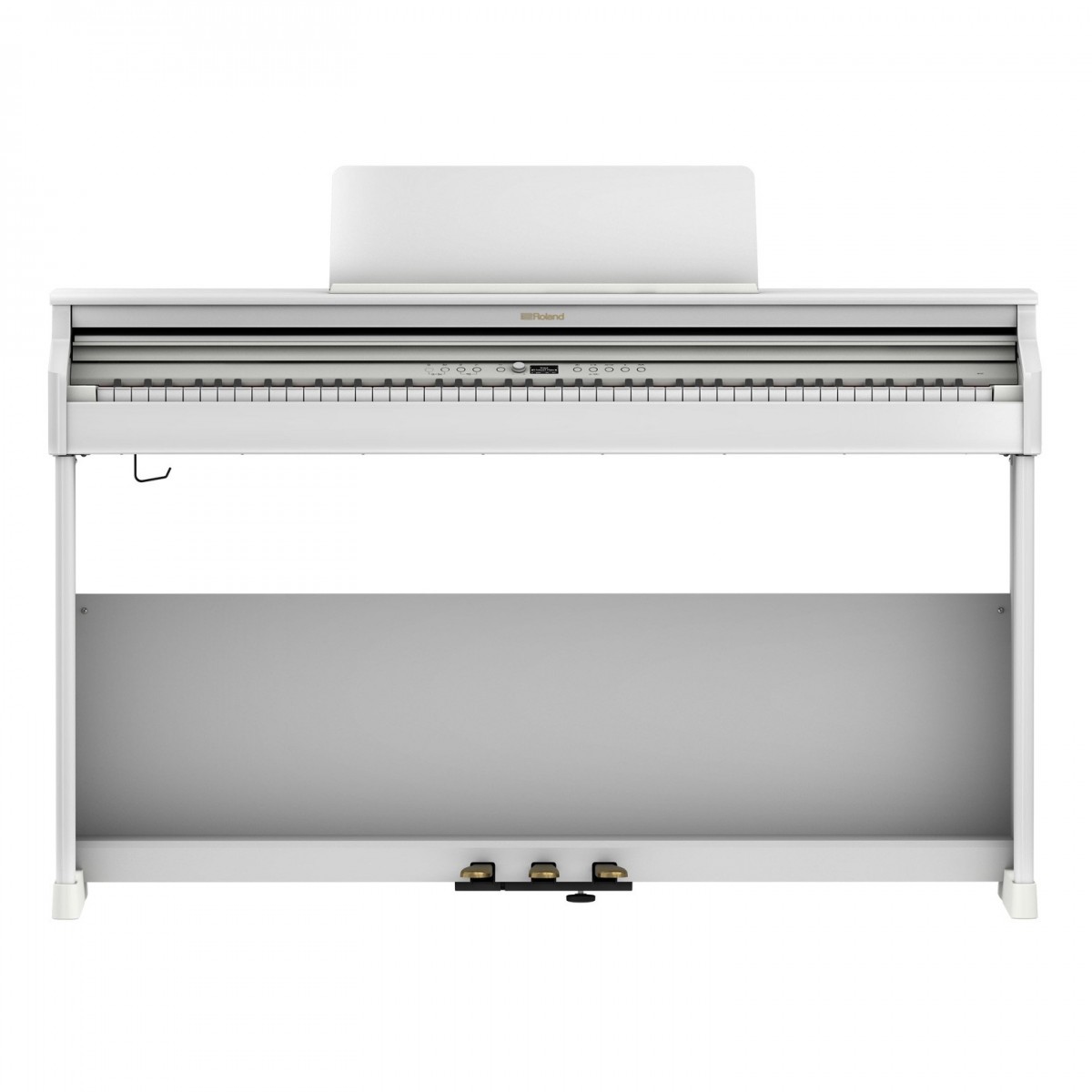
Roland RP701 Digital Piano White
 £3,253.38 ($4,132)
Kawai
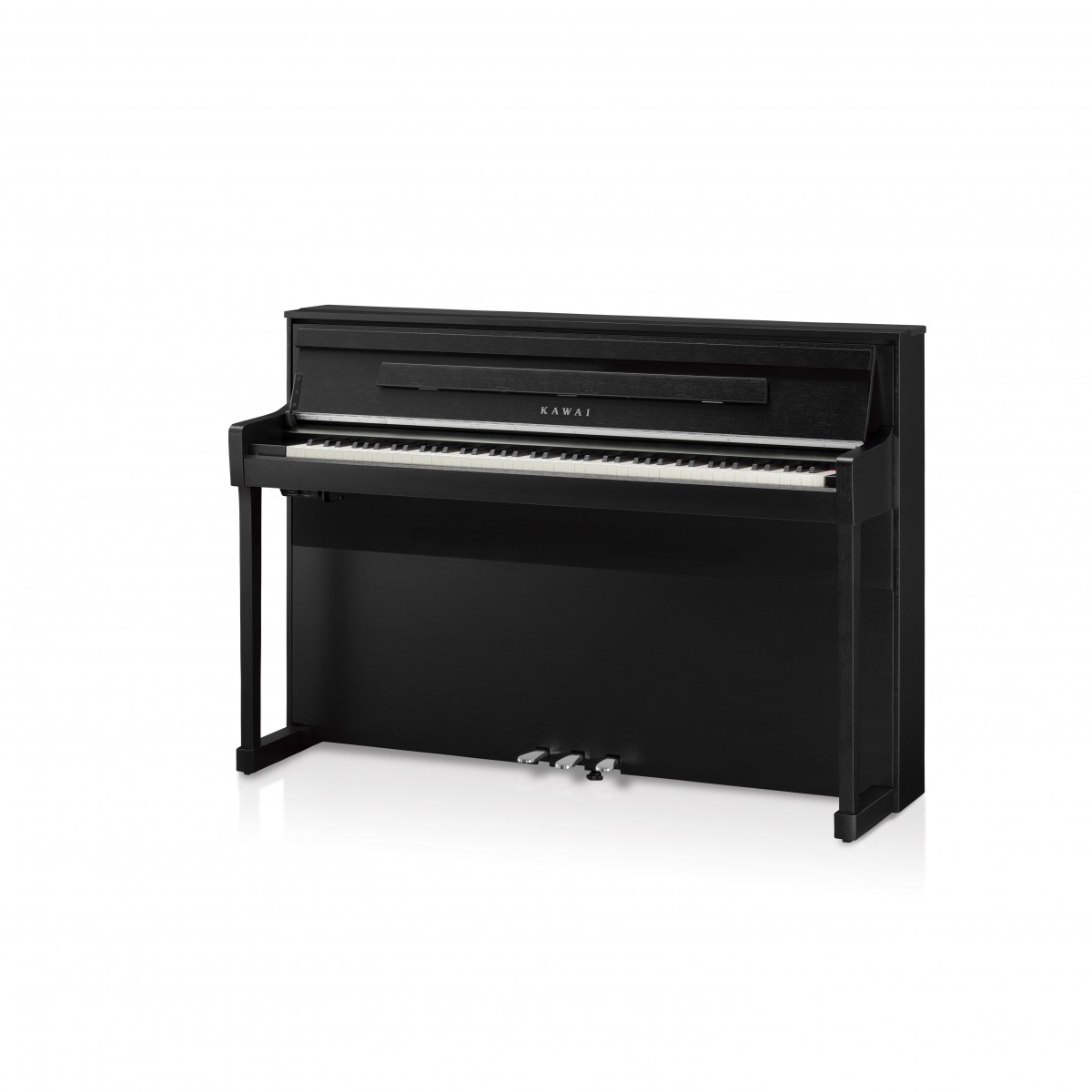
Kawai CA901 Digital Piano Satin Black
Frequently asked questions
- What is the primary sound engine used in the Casio PX-870?
- The PX-870 utilizes Casio's Multi-dimensional Morphing AiR sound source. This engine uses high-quality sampling to provide realistic concert grand tones and dynamic variations.
- How does the Sound Projection system work?
- The system projects sound from both the front and the back of the piano cabinet. This design aims to fill a room more naturally, mimicking the tonal character of a traditional upright piano.
- Does the PX-870 include acoustic resonance features?
- Yes, it includes String Resonance, which simulates the sympathetic vibrations of strings. This adds a layer of authenticity to the piano's harmonic profile.
- Are mechanical keyboard sounds simulated on this model?
- The PX-870 features Key Action Noise simulation. This recreates the subtle mechanical sounds heard when playing a physical acoustic piano.
- Is the PX-870 a compact piano?
- Yes, it is the flagship of the Privia ultra-compact series. It features a slimline cabinet design intended to fit into smaller spaces while maintaining a professional look.
- What is the typical price for a Casio PX-870 in the UK?
- The instrument is typically priced at approximately £630. This makes it a mid-range option within the digital piano market.
- How does the PX-870 compare to the Casio AP series?
- While the AP series, such as the AP-300, often uses a more traditional furniture-style cabinet, the PX-870 focuses on a slimline design with flagship sound features like the Sound Projection system.
- Can the PX-870 be used for live performances in venues?
- The wide Sound Projection system is specifically designed to fill venues. Its ability to project sound from multiple directions makes it suitable for various performance environments.
- What finish is available for the PX-870?
- The model described is available in a Black finish. It is designed to look modern and fit aesthetically into contemporary home environments.
- Does the PX-870 offer a high dynamic range?
- Yes, Casio has focused on providing an exceptional dynamic range. This allows the player to express a wide variety of tonal colors based on their playing intensity.
- Is the PX-870 suitable for advanced students?
- It is highly suitable for students due to its inclusion of detailed features like String Resonance and authentic grand piano sampling. These features help develop proper technique and expressive control.
- How does it compare to Roland or Kawai alternatives?
- It is often compared to models like the Roland RP701 or Kawai CN301. While these brands offer their own proprietary technologies, the PX-870 distinguishes itself with its slimline flagship status and specific Sound Projection technology.