
Gear article
Chalklin Bamboo Timpani Hard Mallets
The Chalklin Bamboo Timpani Hard mallets are professional-grade orchestral percussion beaters featuring bamboo shafts and cork heads. Designed for classical timpanists, these mallets are engineered to provide a robust attack and significant durability during orchestral performances.
See live pricesOverview
The Chalklin Bamboo Timpani Hard mallets represent a specialized tool within the orchestral percussionist's kit. Chalklin, a dedicated percussion mallet manufacturer, has developed these beaters specifically for the requirements of classical timpani playing. The combination of lightweight, rigid bamboo and a high-density cork head facilitates a technical playing style where precision and clear articulation are paramount.
Design and Construction
The mallets are constructed using two primary components: a bamboo stick and a cork beater head. Bamboo is selected for the shafts due to its natural durability and favourable weight-to-strength ratio, which assists in maintaining a balanced feel during complex rhythmic passages. The head is crafted from cork, a material traditionally used in hard mallets to provide a firm striking surface without the excessive weight of solid wood or plastic.
Acoustic Character
As a 'Hard' designated mallet, this model is voiced for a strong attacking sound. Unlike felt-wrapped mallets, the cork head provides a sharp transient and clear fundamental tone from the timpani skin. This makes them particularly suitable for passages requiring distinct rhythmic clarity, staccato articulations, or when the timpani must cut through a dense orchestral texture.
Suitability and Use Cases
These mallets are intended for the classical timpanist seeking a reliable, repeatable performance. They are ideal for repertoire from the Baroque, Classical, and early Romantic eras where a more defined, 'period' sound is often desired compared to the warmer, diffuse tone of soft felt beaters. They are appropriate for use with professional-grade instruments such as the Yamaha TP-8300 or TP-7300 series hammered copper timpani, as well as Ludwig Musser Grand Symphonic models.
Comparison to Alternatives
Within the Chalklin range, these hard mallets contrast with the 'Sewn Felt Soft' variety, which provides a more muffled, atmospheric tone. Compared to synthetic-shaft mallets, the bamboo construction offers a more traditional feel and flex. While softer mallets are preferred for rolls and legato passages, the Bamboo Timpani Hard mallet is the tool of choice for articulated, percussive rhythmic work.
Related gear
 £699.00 ($888)
Sonor
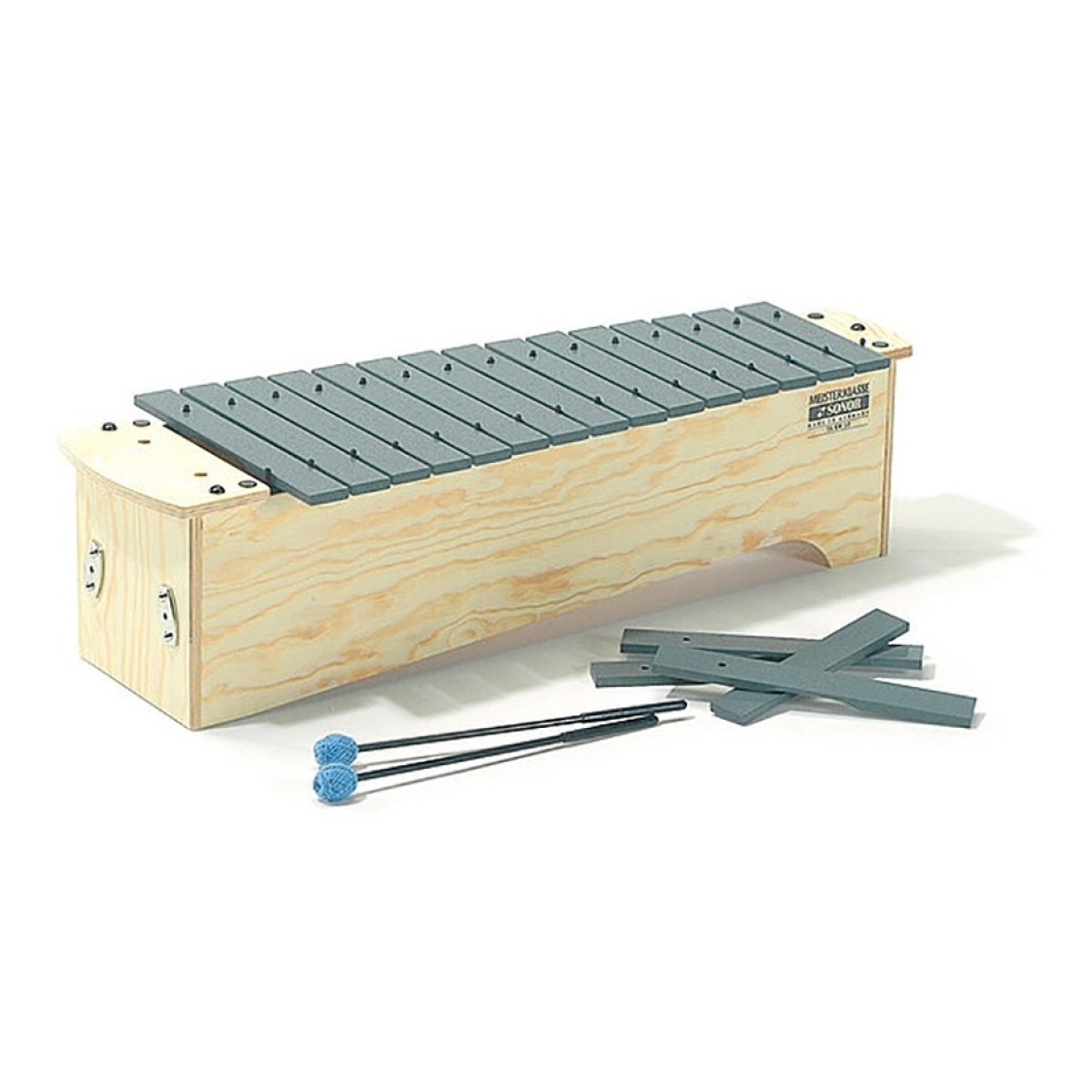
Sonor Orff Meisterklasse Tenor-Alto Metallophone
 £5,372.00 ($6,822)
Yamaha
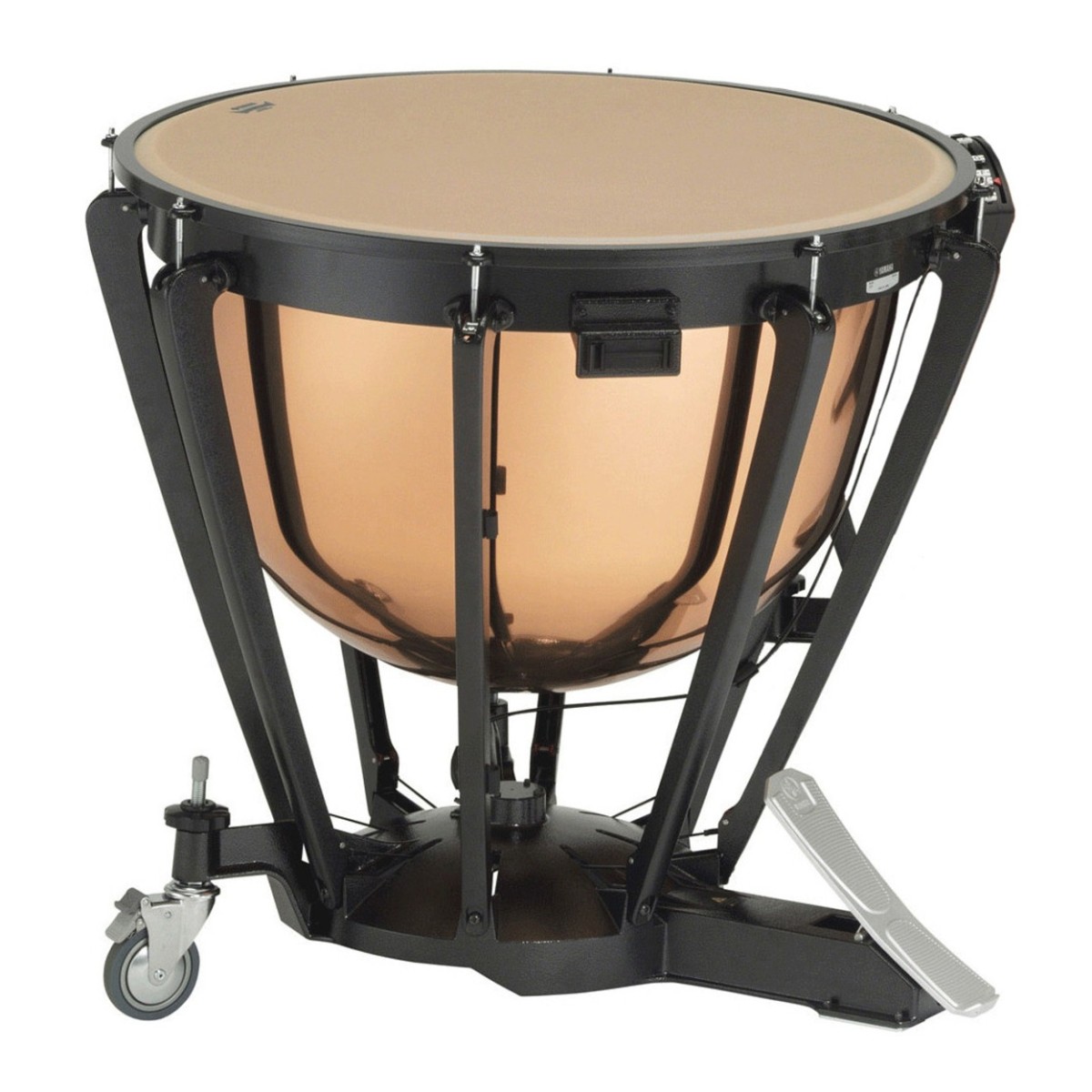
Yamaha TP-8323R Cambered Hammered Copper Timpani 23"
 £6,335.00 ($8,045)
Yamaha
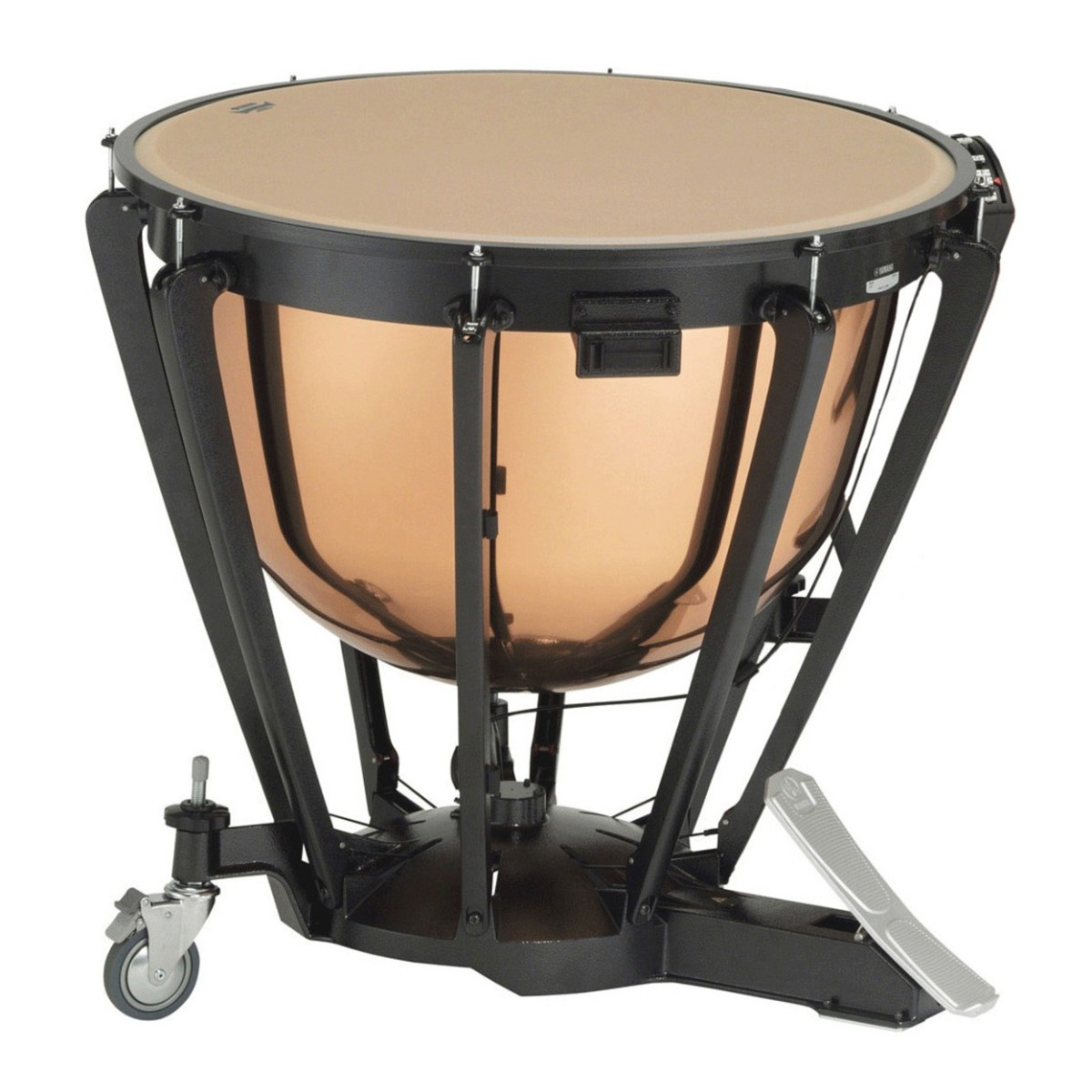
Yamaha TP-8332R Cambered Hammered Copper Timpani 32"
 £6,900.00 ($8,763)
Ludwig
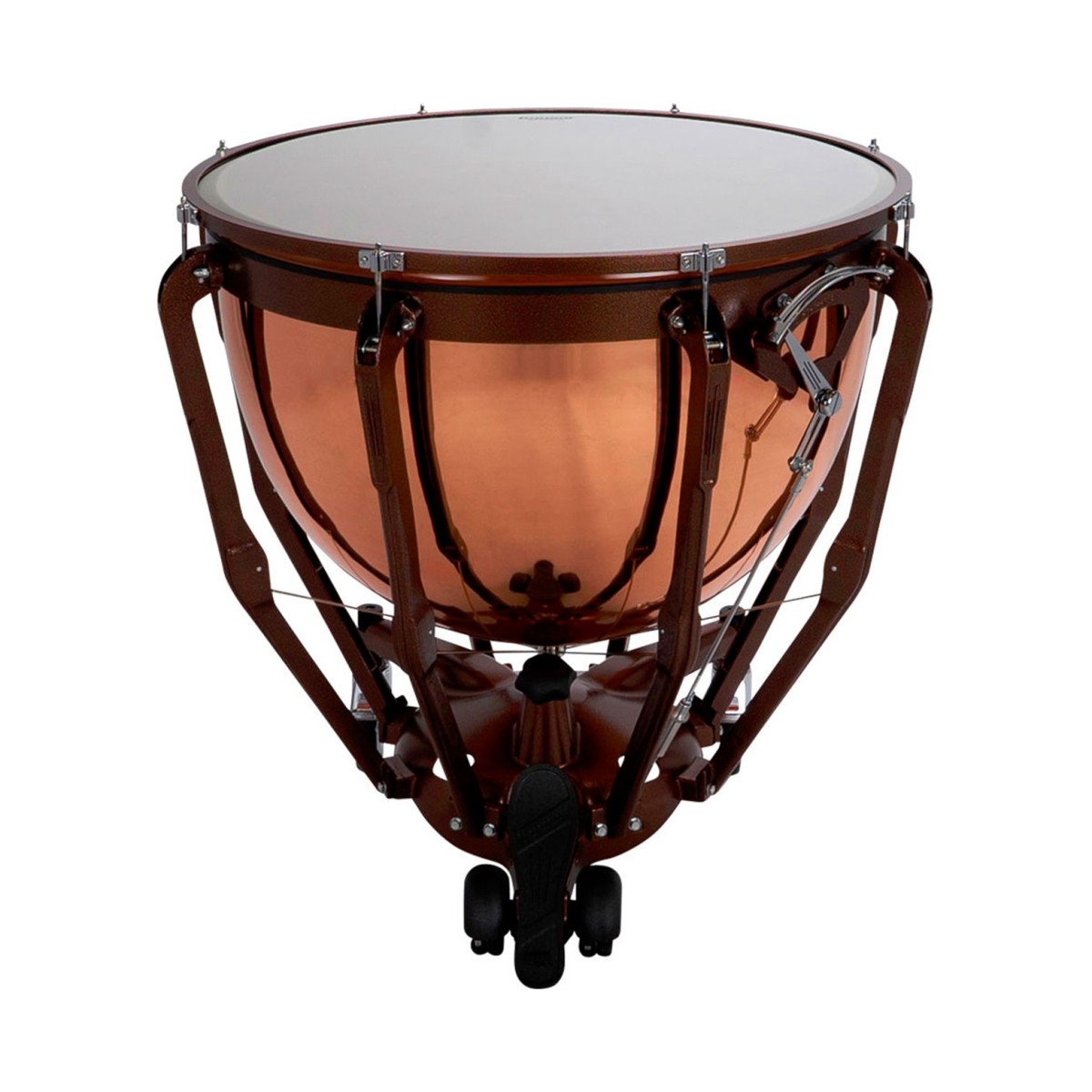
Ludwig Musser Professional Series Timpani 32 Inch
 £46.99 ($60)
Chalklin
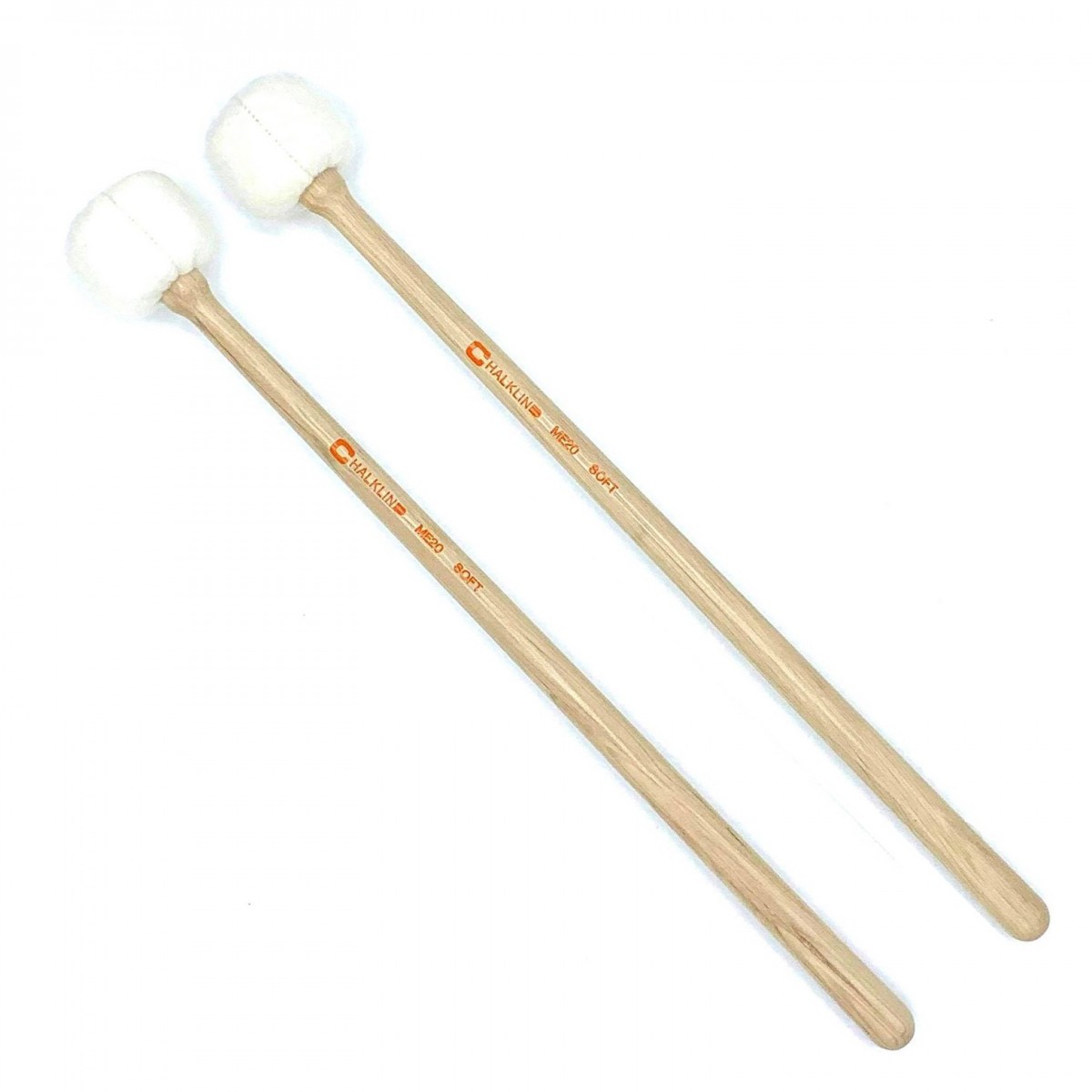
Chalklin Timpani Sewn Felt Soft
 £3,471.00 ($4,408)
Yamaha
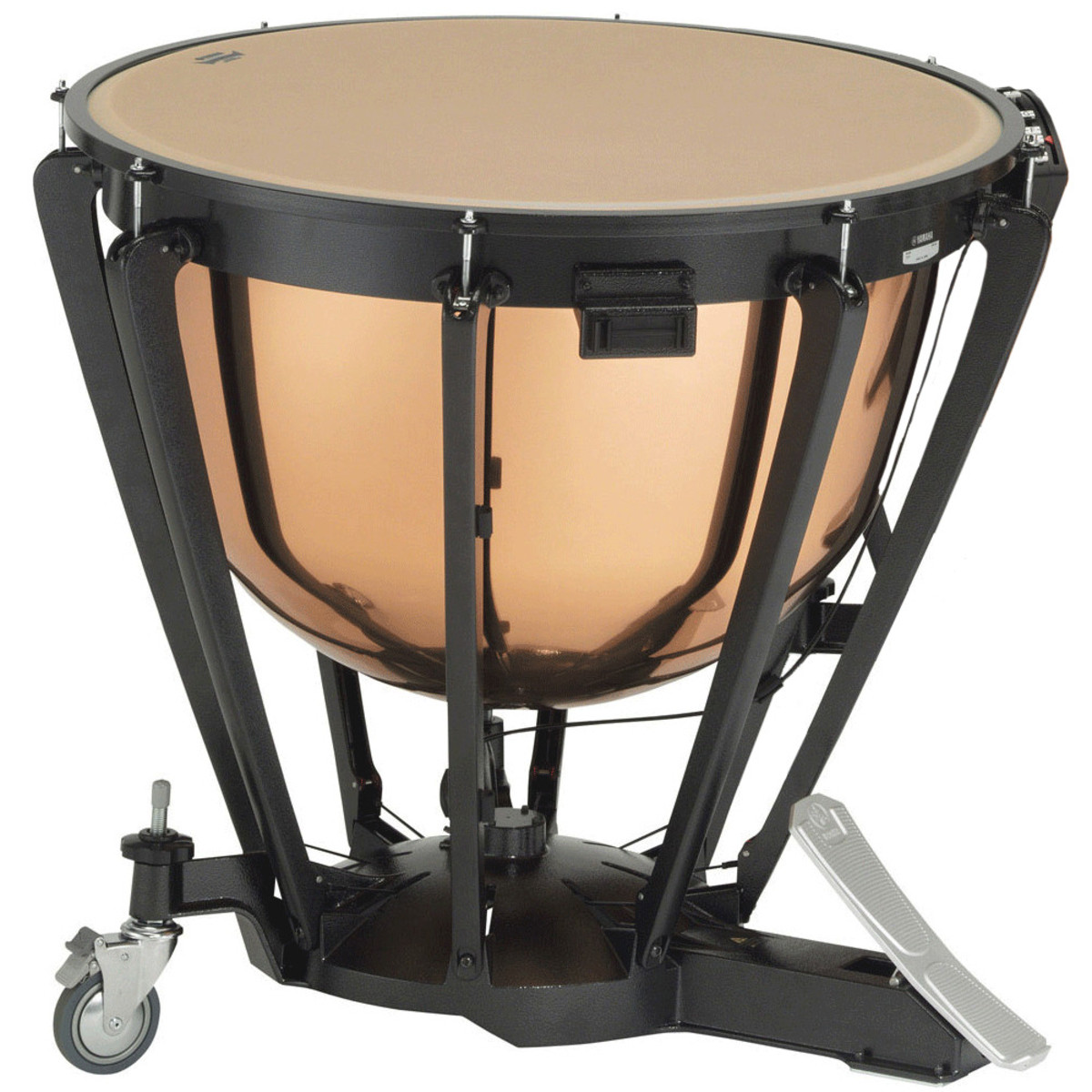
Yamaha TP-6320R Smooth Copper Timpani 20"
 £6,940.00 ($8,814)
Ludwig
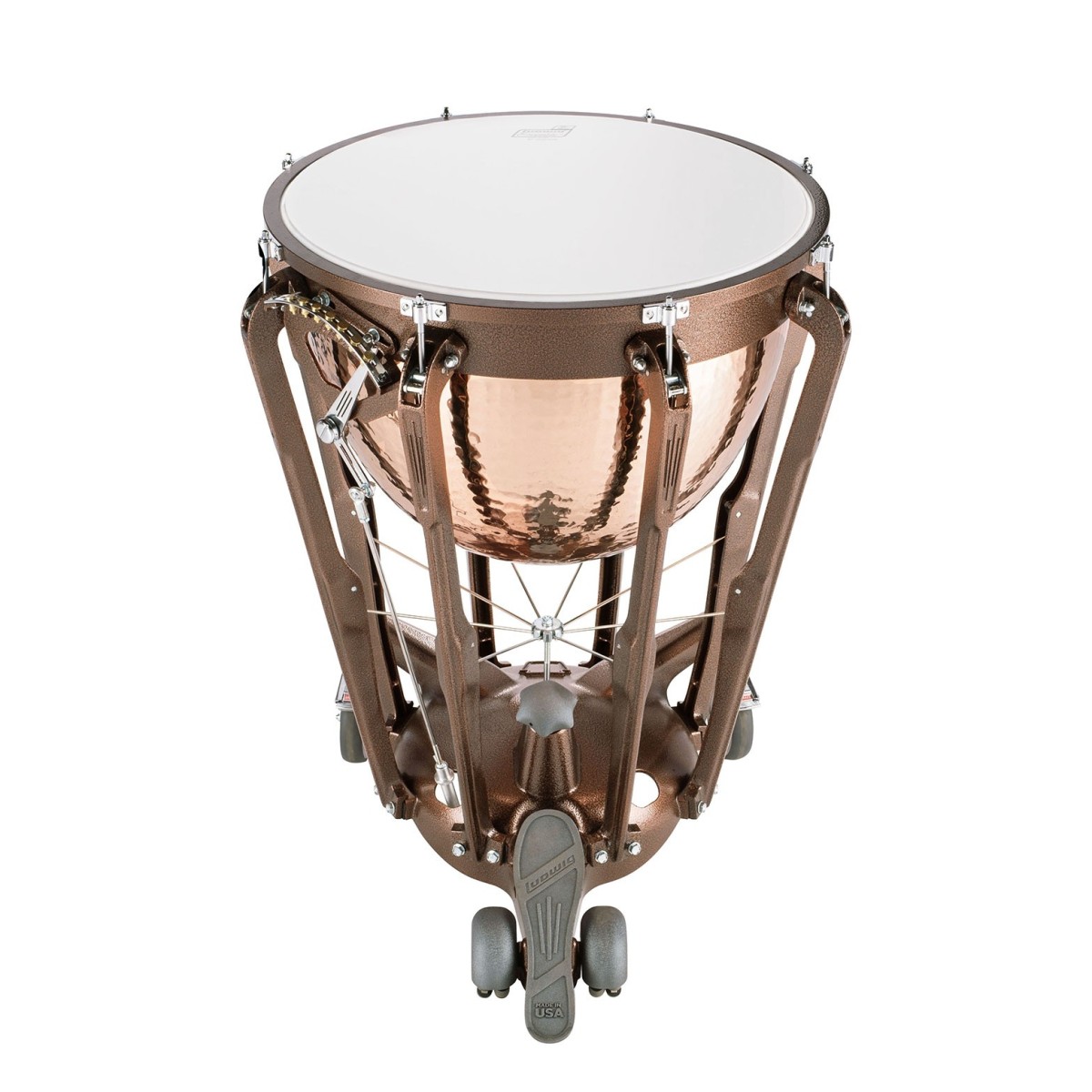
Ludwig Musser Grand Symphonic Timpani 23 Inch
 £3,867.00 ($4,911)
Yamaha
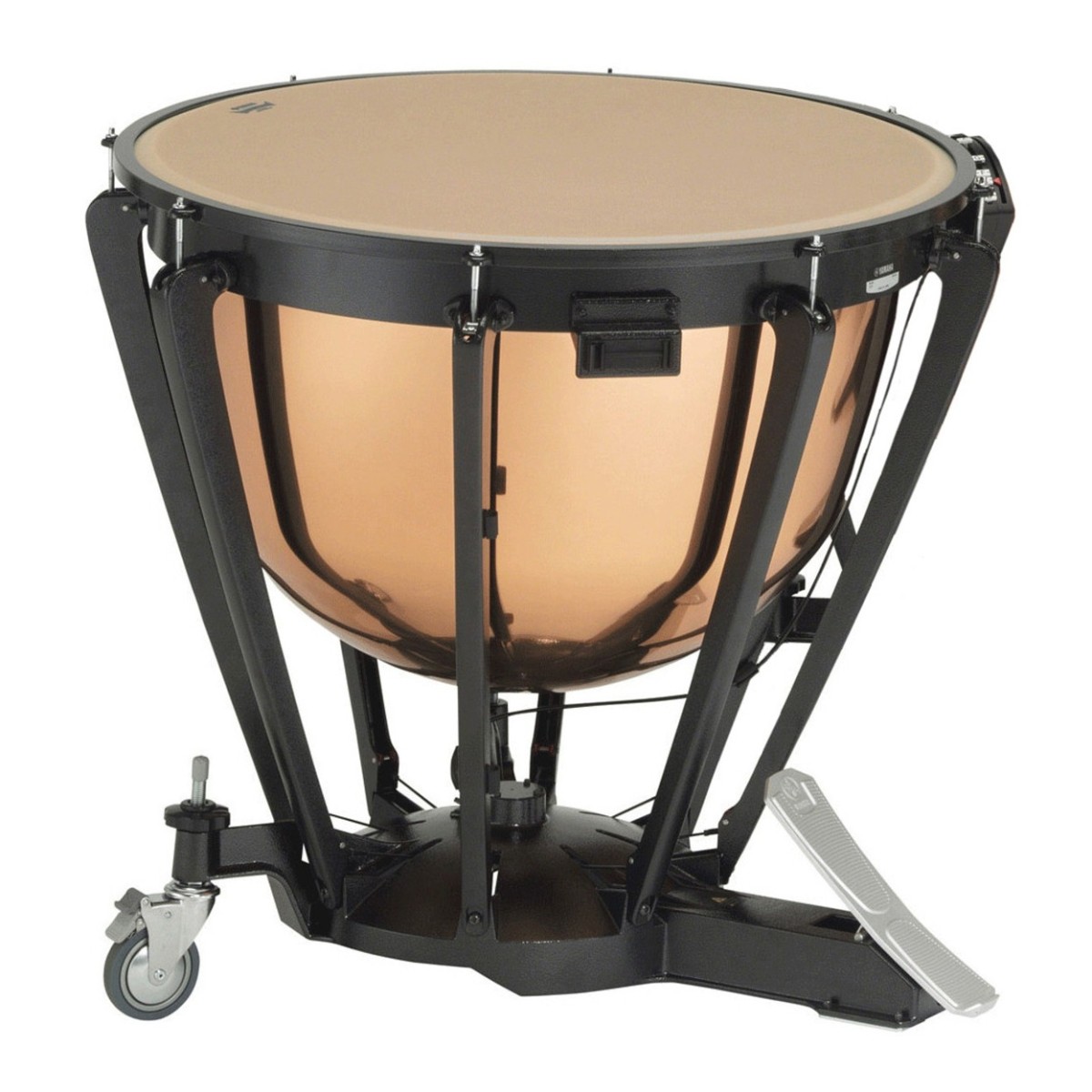
Yamaha TP-7320R Hammered Copper Timpani 20"
Frequently asked questions
- What material is used for the shafts of these mallets?
- The shafts are constructed from high-quality bamboo. This material is chosen for its combination of extensive durability and its lightweight properties, which are essential for orchestral timpani technique.
- What is the head of the Chalklin Hard Timpani mallet made from?
- The beater head is made from cork. This material provides a firm striking surface that allows for a strong, clear attacking sound during play.
- What kind of sound do these mallets produce?
- These mallets produce a hard, articulated sound with a strong attack. They are designed to deliver high clarity for rhythmic passages rather than the soft, blended tone of felt mallets.
- Who is the primary intended user for these mallets?
- They are designed for classical timpanists ranging from serious students to professional orchestral players. They are intended for anyone requiring a reliable and robust mallet for high-quality performances.
- Are these mallets sold individually or as a pair?
- These are typically sold as a pair. This ensures that both mallets are matched in weight and character for consistent performance across both hands.
- How does the 'Hard' model differ from the 'Sewn Felt Soft' model?
- The Hard model uses a cork head for a sharp attack, while the Sewn Felt Soft model uses felt to produce a warmer, more diffused tone with less rhythmic definition. The Hard model is better suited for staccato passages.
- Can these mallets be used on hammered copper timpani?
- Yes, they are suitable for use on high-end instruments like the Yamaha TP-8323R or TP-7320R Hammered Copper Timpani. The hard head helps articulate the rich resonance of these professional copper bowls.
- What is the typical price for a pair of these mallets?
- The typical price range for the Chalklin Bamboo Timpani Hard mallets is approximately £53.00. This places them in the professional category of percussion accessories.
- Why is bamboo used instead of wood or carbon fibre?
- Bamboo is a traditional choice for timpanists because it offers a natural flex and balance that many players prefer over modern synthetics. It also provides excellent durability for repeated professional use.
- Are these mallets suitable for contemporary orchestral music?
- Yes, they are highly suitable whenever the score calls for a clear, hard articulation. They are particularly useful in modern works where the timpani is used as a rhythmic driving force.
- Do these mallets require specific maintenance?
- As they are made from natural materials like bamboo and cork, they should be stored in a dry environment to prevent warping. The cork heads are robust but should be inspected periodically for wear.
- Would these mallets work on a Ludwig Musser 32-inch timpani?
- Yes, they are compatible with large-diameter drums like the Ludwig Musser Professional or Grand Symphonic series. The hard cork head provides enough definition to prevent the large 32-inch drum from sounding too muddy.