Gear article
Chauvet DJ D-Fi USB 2 Wireless DMX Transceiver
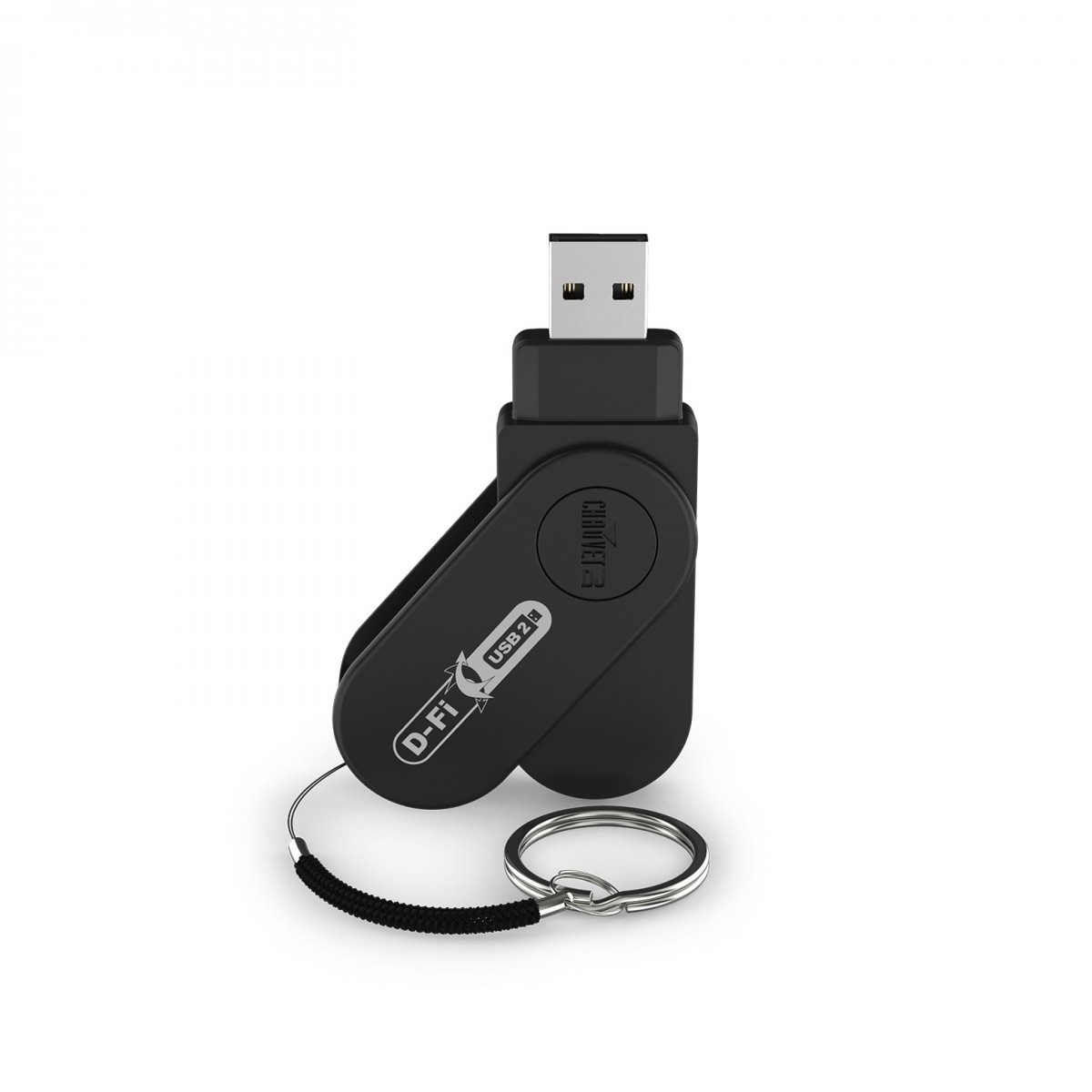
The Chauvet DJ D-Fi USB 2 is a compact wireless DMX transceiver designed to eliminate the need for traditional data cabling in stage lighting setups. By plugging directly into USB and ILS-compatible fixtures, it allows for the transmission of DMX and master/slave signals without requiring an external power supply.
Overview
The Chauvet DJ D-Fi USB 2 represents a significant shift in lighting control hardware, focusing on miniaturisation and ease of use. It is a thumb-drive-sized transceiver that facilitates wireless communication between DMX controllers and lighting fixtures. Its primary function is to replace long runs of DMX cables, which are often the most time-consuming part of a stage or event setup. The device is designed to work within the broader D-Fi ecosystem, allowing it to interface with various other wireless components from the manufacturer.
Functionality and Connectivity
This device operates by plugging directly into the dedicated USB ports found on compatible Chauvet DJ lighting fixtures. Unlike traditional wireless DMX receivers that require a separate power adapter and an XLR cable, the D-Fi USB 2 draws its power directly from the host fixture. It supports the transmission of both standard DMX signals and master/slave data, ensuring that multiple lights can be synchronised wirelessly. Channel selection is handled on the device to avoid interference and maintain a stable link.
Compatibility and Integration
The D-Fi USB 2 is specifically designed for USB and ILS-compatible devices. ILS (Integrated Lighting System) is a proprietary protocol that simplifies the coordination of different fixture types. Additionally, the unit is fully compatible with D-Fi XLR hardware, meaning users can mix and match different styles of wireless receivers depending on the ports available on their lighting units. This makes it a versatile tool for expanding existing wireless inventories.
Target Users
The transceiver is primarily aimed at mobile DJs, event organisers, and stage technicians who require rapid deployment and teardown of equipment. Because it eliminates cable clutter, it is particularly useful in venues where running cables across floors or through ceilings is impractical or aesthetically undesirable. At a typical price point of approximately £40, it offers a cost-effective solution for professionals looking to transition to a wireless workflow.
Comparison to Alternatives
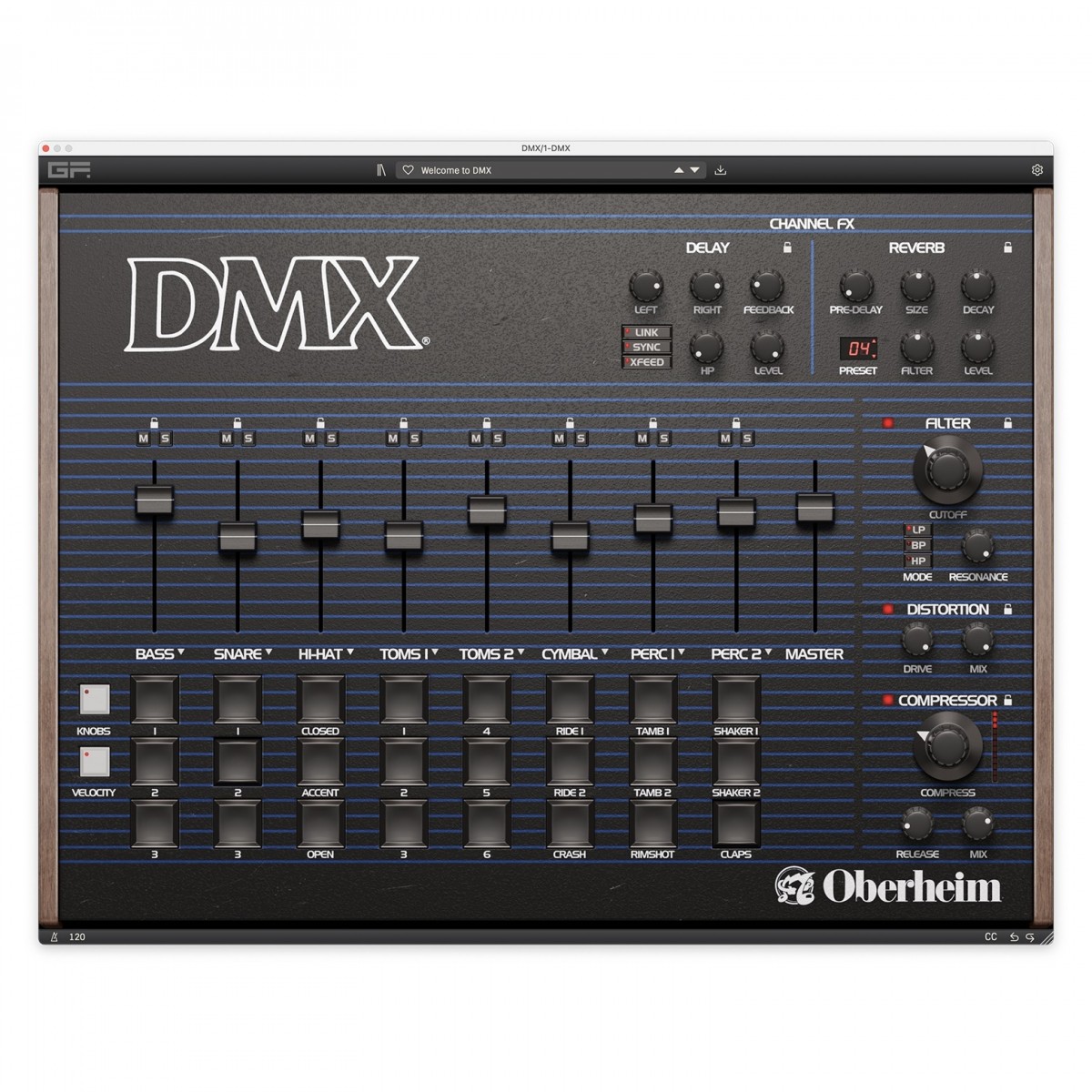
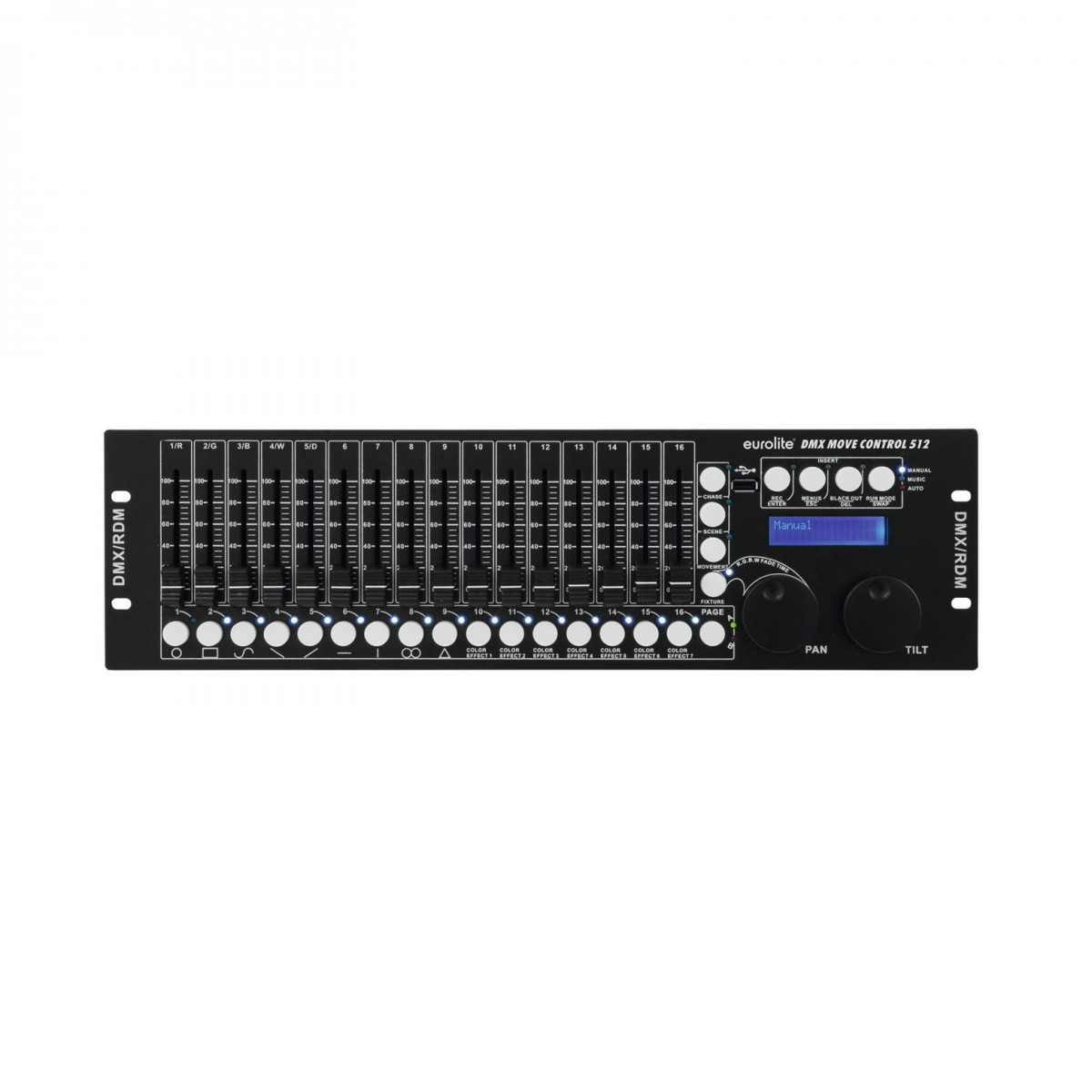
Compared to traditional wireless DMX systems like those used with the Eurolite Move 512 Channel DMX Controller, the D-Fi USB 2 is significantly more portable. While standard systems require XLR patching and external power, this unit is truly 'plug-and-play'. It stands in contrast to software-based solutions or hardware like the GForce Oberheim DMX, as it focuses strictly on the physical transport of signal rather than sequence generation. While it is limited to fixtures with compatible USB ports, its ease of use exceeds that of universal wireless blocks for supported Chauvet hardware.
Related gear
- £198.65 ($252)
Equinox
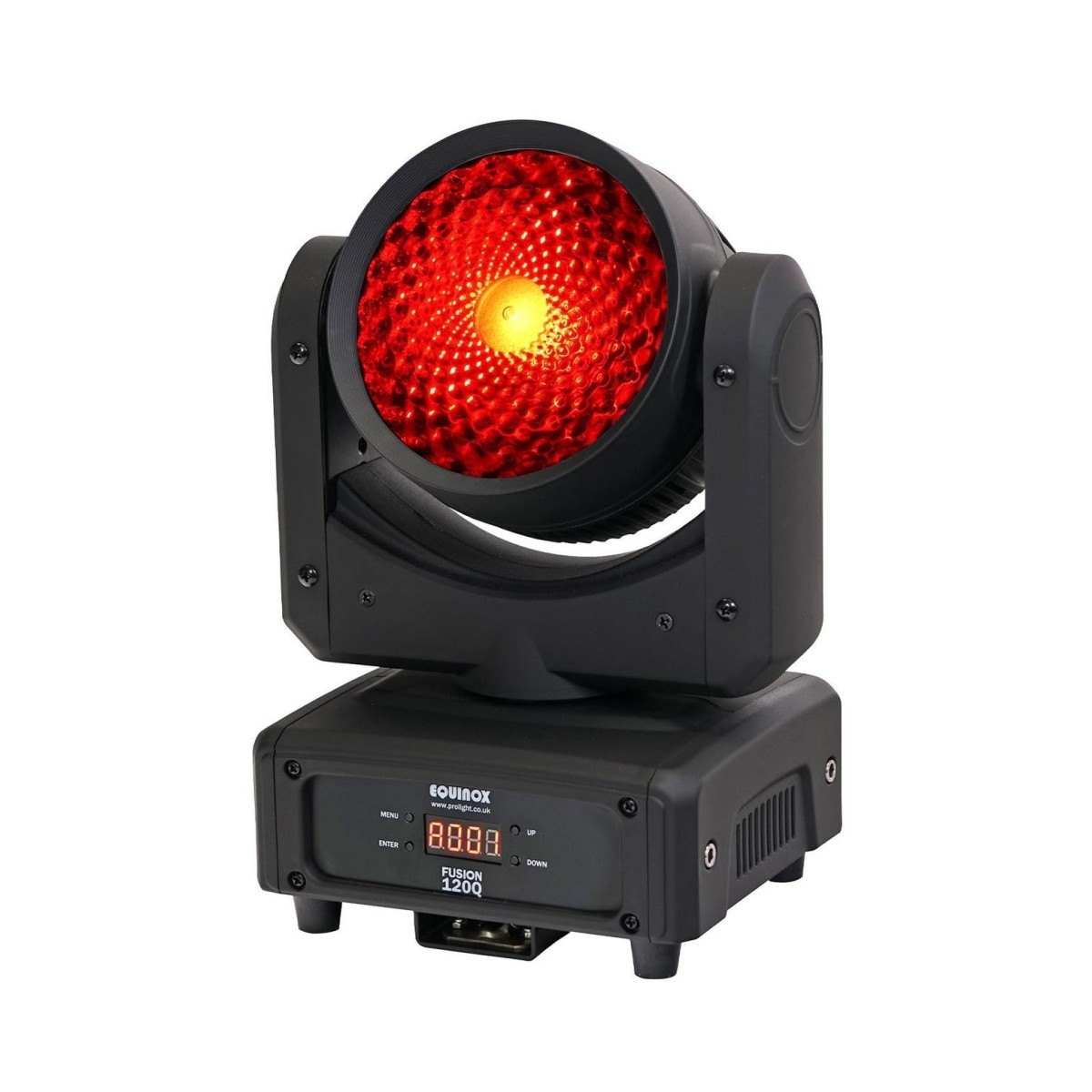
Equinox Fusion 120Q LED Moving Head
 £565.00 ($718)
Chauvet
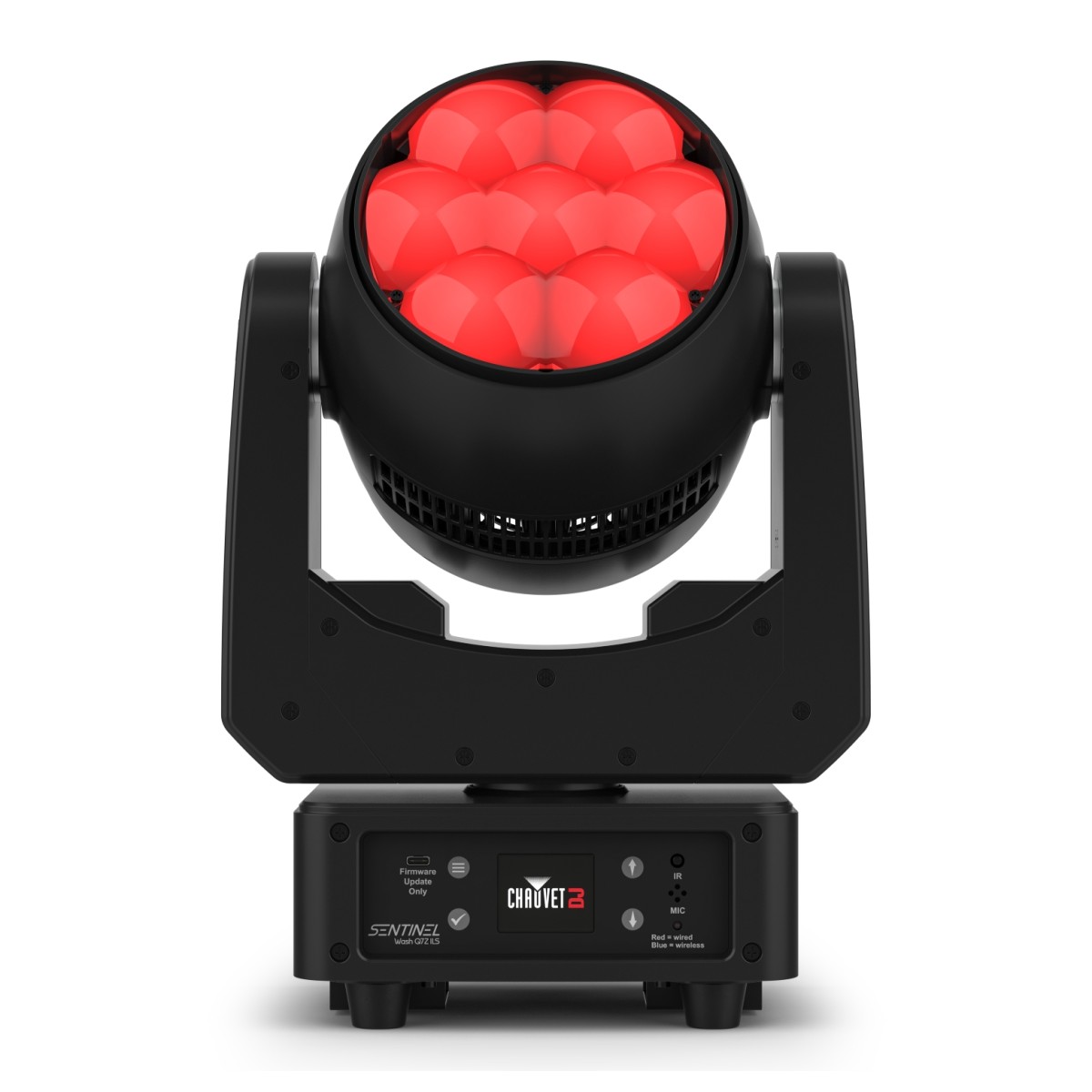
Chauvet DJ Sentinel Wash Q7Z ILS Moving Head
 £247.00 ($314)
Stagg
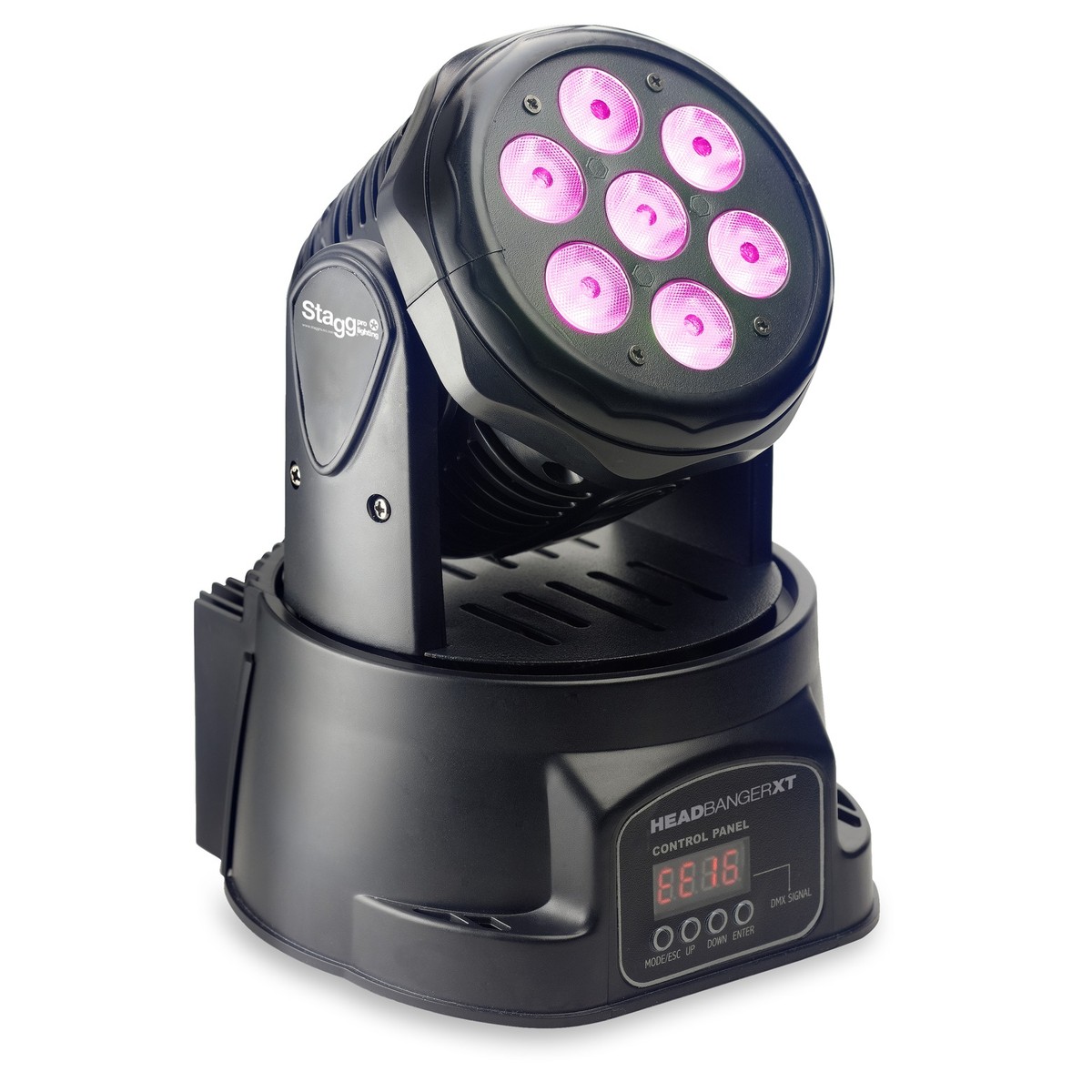
Stagg Headbanger XT RGBW 70W LED Mini Moving Head
 £70.00 ($89)
GForce
GForce Oberheim DMX
 £109.00 ($138)
Equinox
Equinox Spectra Strobe Batten
 £88.00 ($112)
Cameo
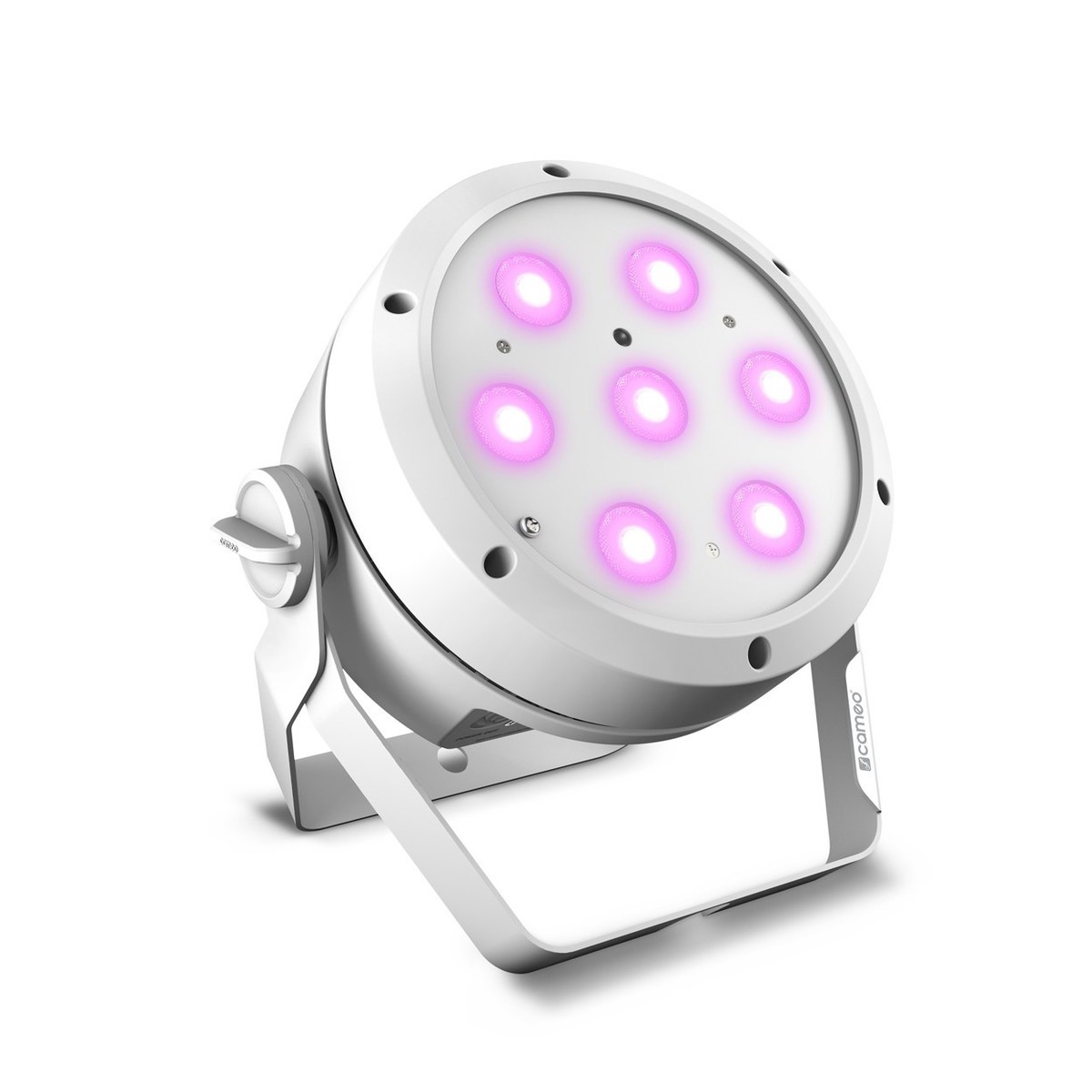
Cameo ROOT PAR 4 White 7 x 4 W RGBW LED PAR
 £160.25 ($204)
Eurolite
Eurolite Move 512 Channel DMX Controller
 £251.35 ($319)
Equinox
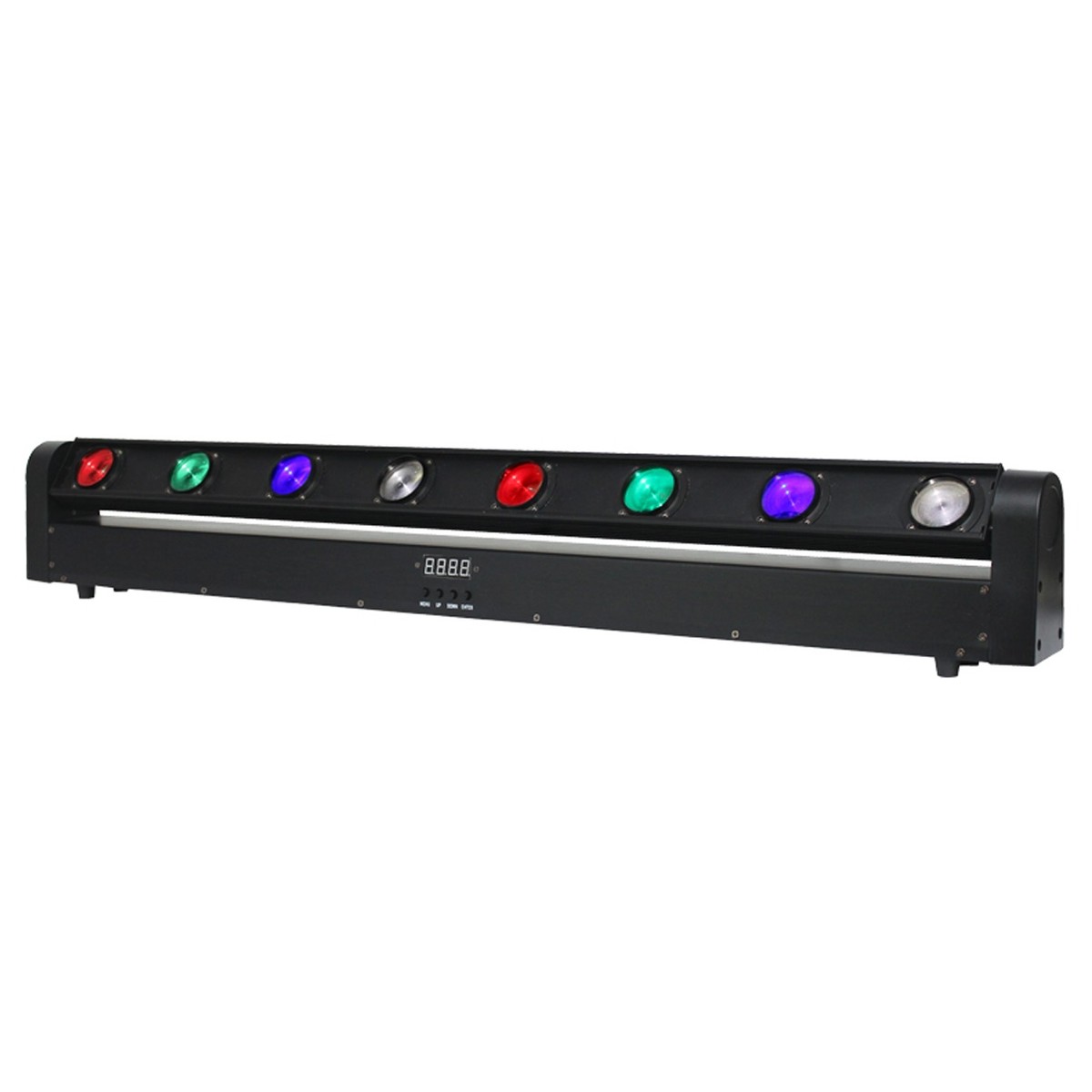
Equinox RGBW Swing Batten LED Bar Light
Frequently asked questions
- What is the primary purpose of the D-Fi USB 2?
- The primary purpose is to provide wireless DMX control and master/slave communication between lighting fixtures. It eliminates the need for physical DMX cables, streamlining the setup for events and stages.
- Does the D-Fi USB 2 require an external power supply?
- No, it does not require an external power source. It is designed to draw power directly from the USB port of the compatible lighting fixture it is plugged into.
- Is the D-Fi USB 2 compatible with non-Chauvet lights?
- It is specifically designed for Chauvet fixtures that feature a D-Fi USB or ILS-compatible port. It will not work with standard USB ports on computers or unrelated electronics that lack the specific D-Fi internal circuitry.
- Can this device transmit master/slave signals?
- Yes, it is capable of facilitating the transfer of both DMX and master/slave signals. This allows multiple fixtures to mirror the movements and colours of a 'master' unit without data cables.
- How is the wireless channel selected?
- The device features a method for easy channel selection to ensure a stable connection. This helps users avoid frequency interference from other wireless devices in the venue.
- Is it compatible with D-Fi XLR devices?
- Yes, the D-Fi USB 2 is compatible with D-Fi XLR hardware. This allows for a hybrid setup where some lights use the USB transceiver and others use the XLR-style wireless receivers.
- What is ILS compatibility?
- ILS stands for Integrated Lighting System, a protocol that allows for coordinated shows across different fixture types. The D-Fi USB 2 can plug into ILS-compatible devices to facilitate this wireless control.
- What is the typical price for this unit?
- The typical price range for the Chauvet DJ D-Fi USB 2 is approximately £40. This makes it an affordable entry point for wireless DMX control.
- Does the D-Fi USB 2 function as both a transmitter and a receiver?
- Yes, it is a transceiver, meaning it can either transmit signal from a controller or receive signal at the fixture. This flexibility allows it to be used at both ends of the wireless link.
- What are the physical dimensions like?
- The device is described as tiny and compact, similar in size to a standard USB flash drive. Its small footprint ensures it does not protrude excessively from the lighting fixture.
- Can I use it with a moving head like the Sentinel Wash Q7Z?
- Yes, as the Chauvet DJ Sentinel Wash Q7Z is an ILS-compatible moving head, it can work with the D-Fi USB 2 for wireless control. This simplifies the wiring of complex moving light rigs.
- Why would a DJ choose this over standard DMX cables?
- A DJ would choose this to reduce setup time and improve the aesthetic of their rig by removing cable clutter. It is also safer for guest areas where cables could pose a trip hazard.