
Category guide
Classical Guitars
Classical guitars are acoustic string instruments known for their nylon strings, wider necks, and warm tonal characteristics. Primarily designed for fingerstyle playing, they are widely used in classical, flamenco, and folk music, and are frequently recommended for beginners due to the softer string tension.
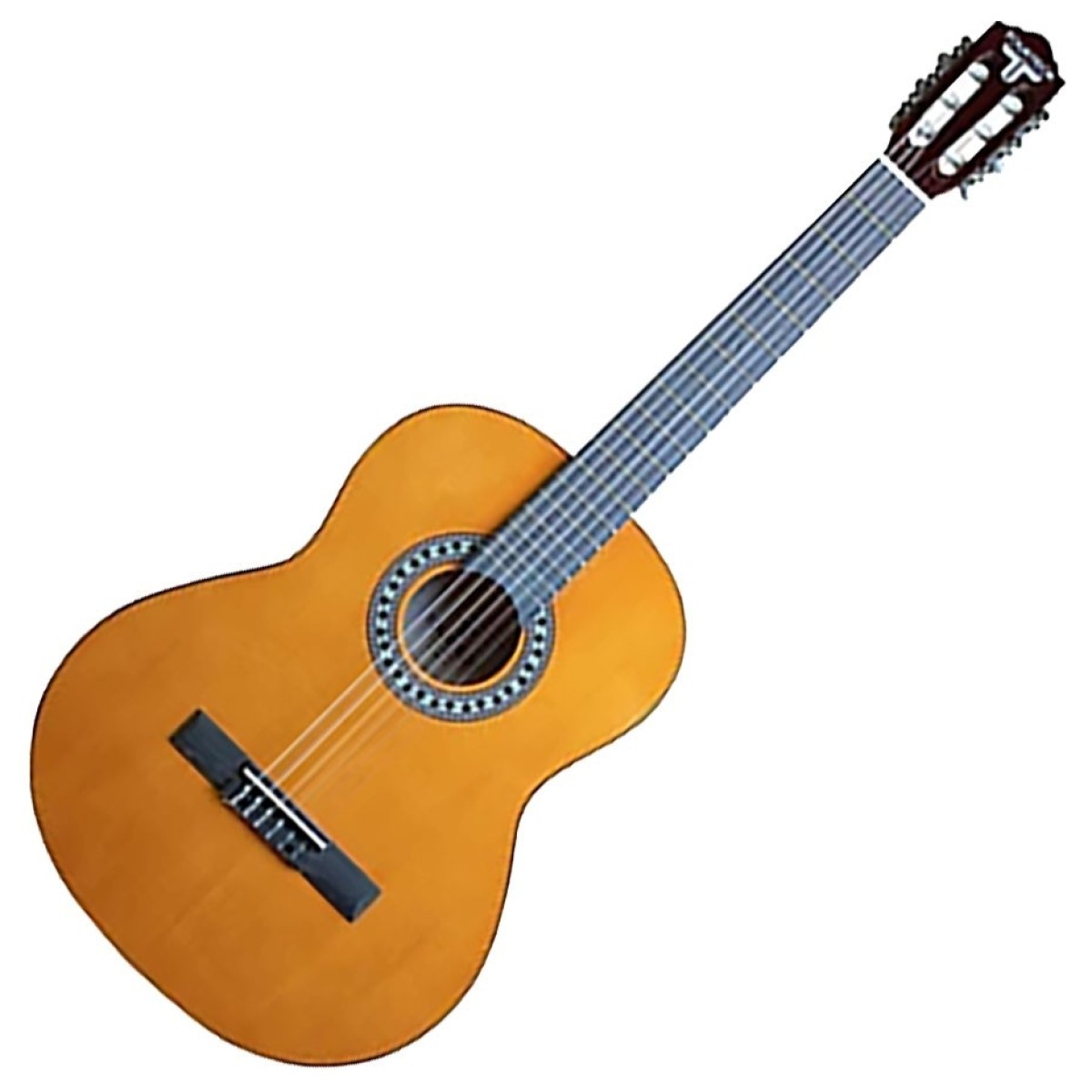

Admira Java Classical Guitar
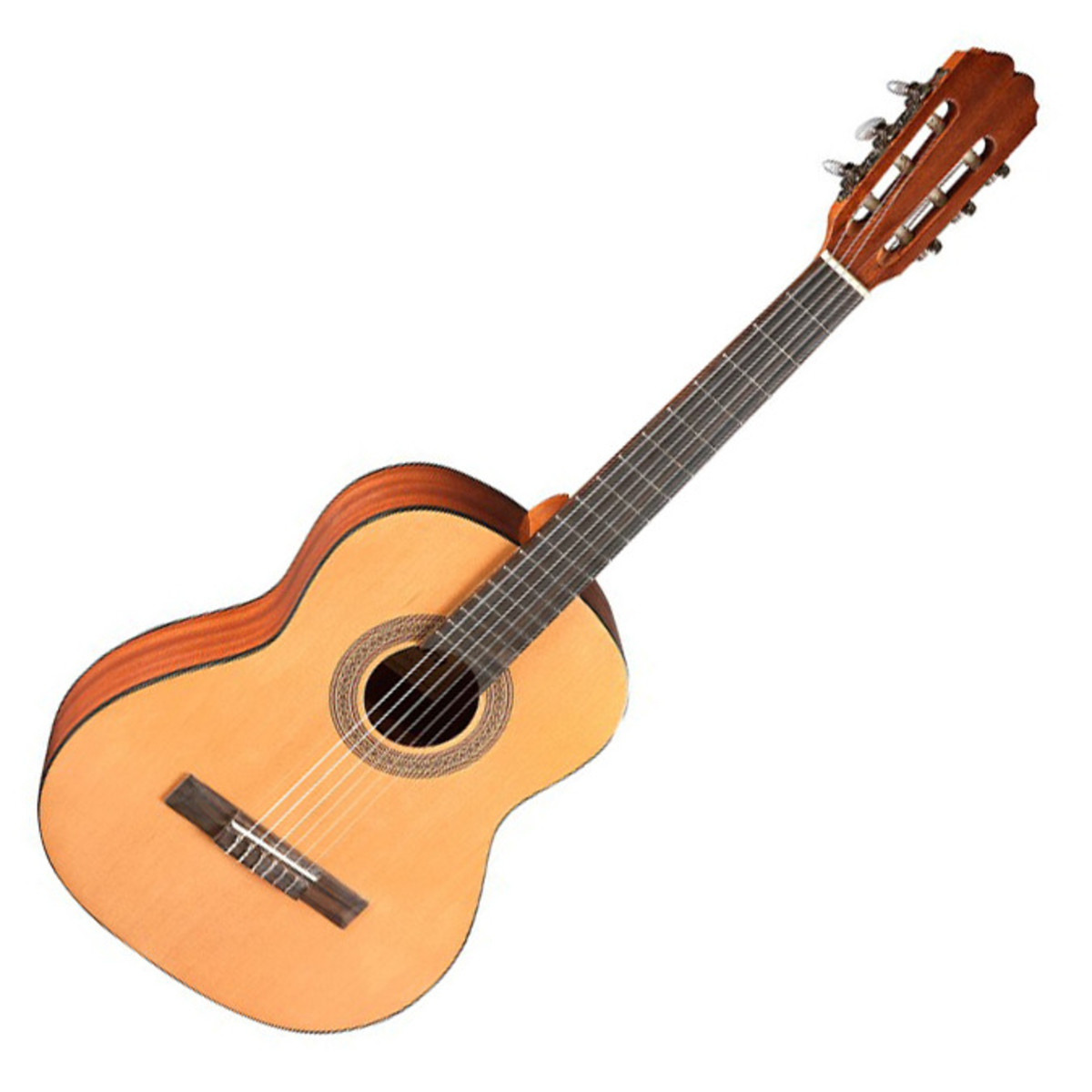
Admira Alba 3/4 Classical Guitar
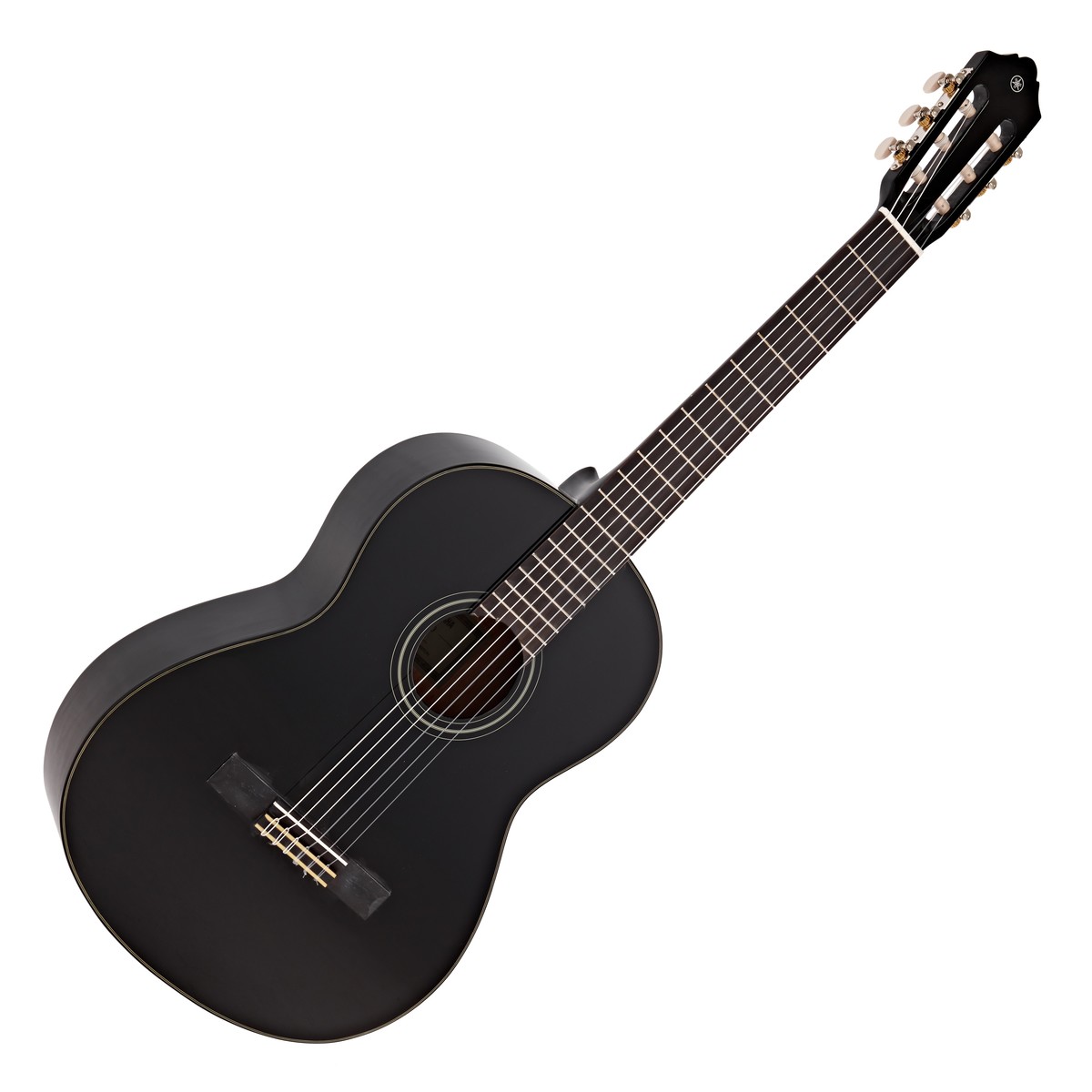
Yamaha C40 II Classical Guitar Black

Yamaha C40II Classical Guitar Standard Pack Natural
Overview
The classical guitar is a member of the guitar family distinguished by the use of nylon strings rather than the steel strings found on acoustic or electric guitars. This design choice results in a mellow, balanced sound and lower string tension, which is often easier on the fingers of novice players. In the current market, instruments range from affordable entry-level models like the Yamaha C40 II to specialised variants such as the Admira Java.
Historically, these instruments feature a flat fingerboard and a wider nut width compared to other guitar types. This spacing provides more room for complex fingerstyle techniques, which are central to the classical repertoire.
Anatomy and Construction
Classical guitars are typically constructed with a hollow wooden body serving as a resonator. The top, or soundboard, is the most critical component for tone production. The neck is usually thicker than that of a steel-string guitar and lacks a truss rod in traditional designs, as nylon strings exert less tension on the wood.
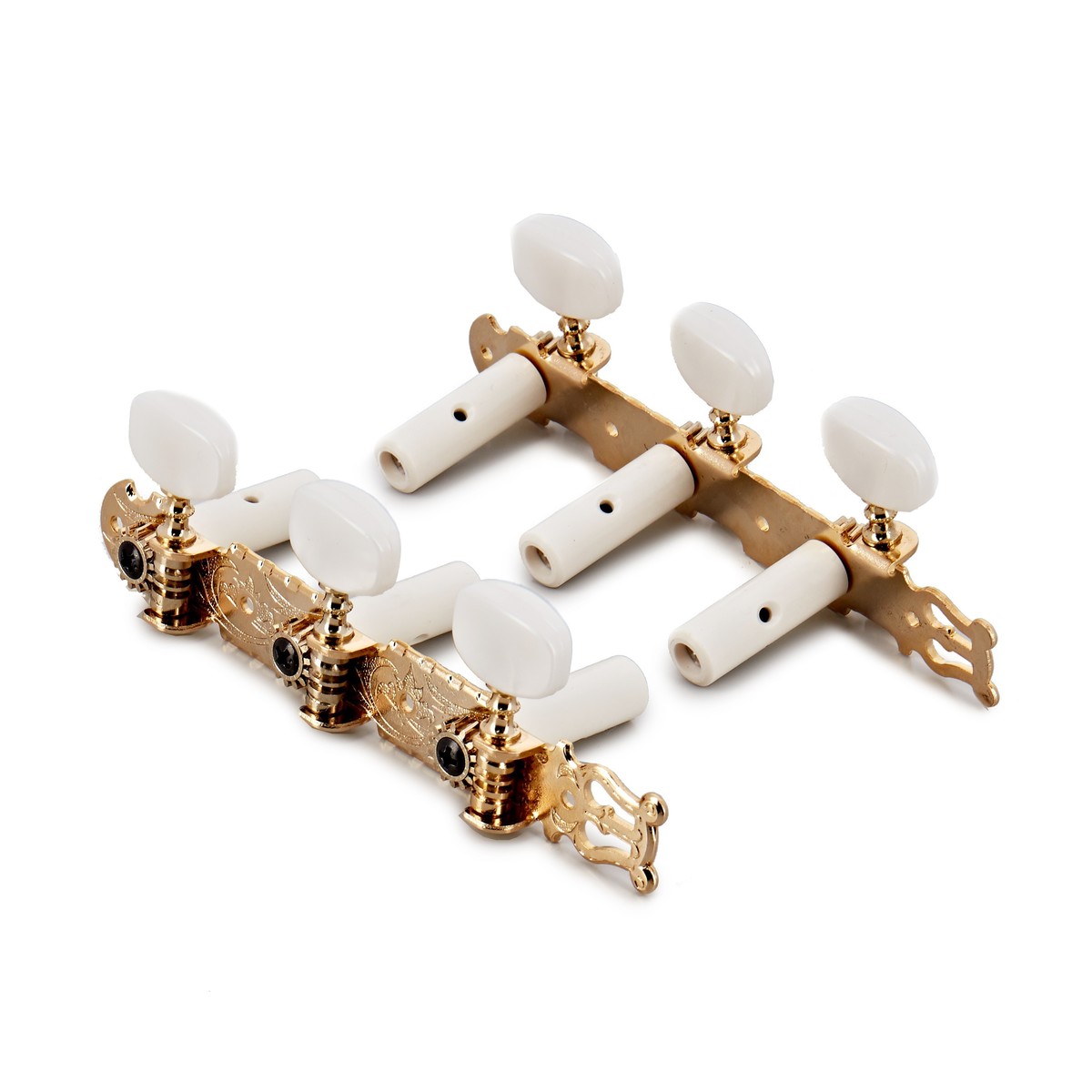
Hardware plays a functional role in tuning stability. Components like Gotoh 35G450 Classical Guitar Tuners in Flash Gold represent the standard open-gear mechanism used on the slotted headstocks typical of this category. The strings are tied to a wooden bridge rather than being held by bridge pins.
Sizes and Scale Lengths
Classical guitars are produced in various sizes to accommodate players of different ages and physical statures:
- Full Size (4/4): The standard size for adults, exemplified by models like the Yamaha C40II.
- 3/4 Size: A slightly smaller frame suitable for older children or smaller adults, such as the Admira Alba or Yamaha CS40 II.
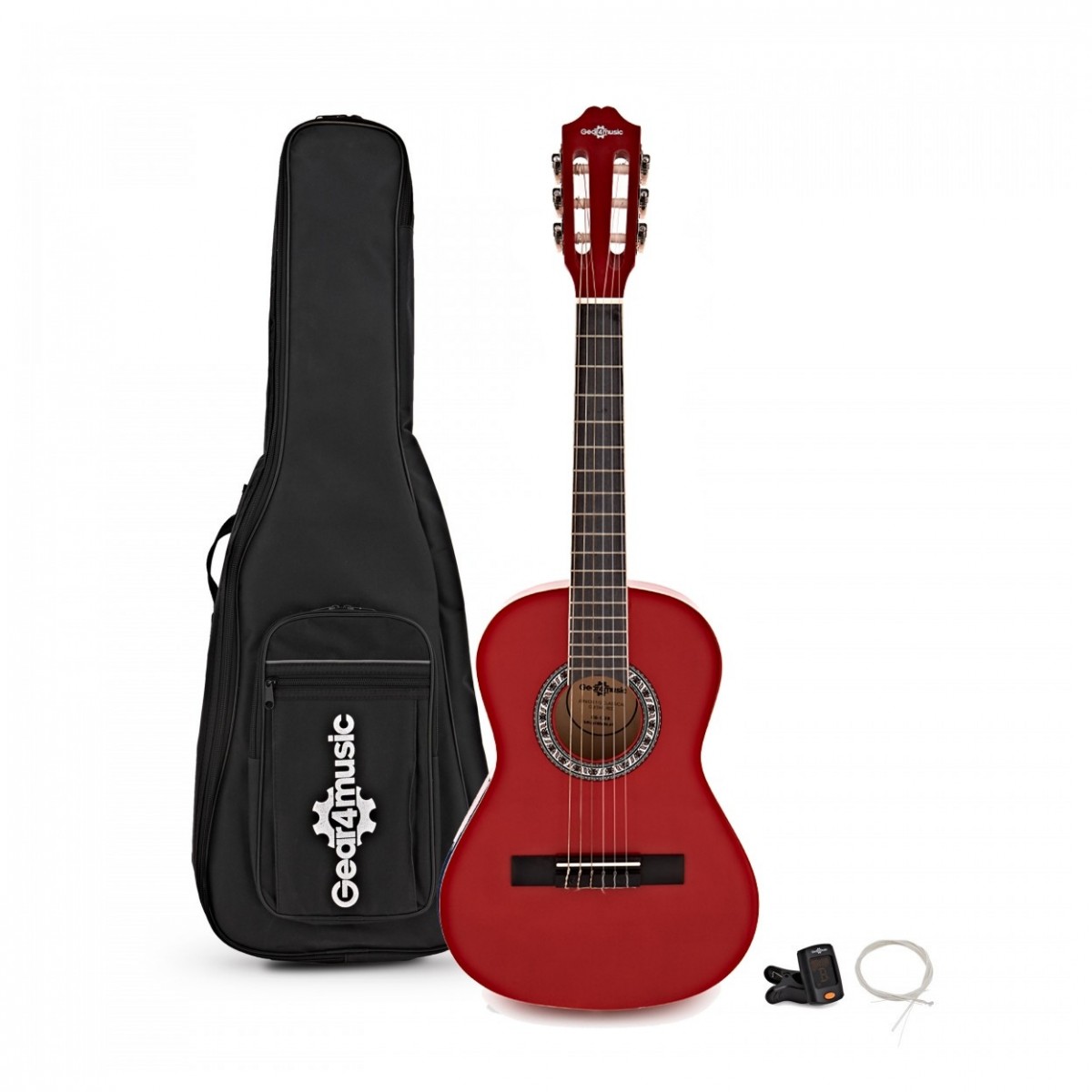
- 1/2 Size: Designed for young beginners, often sold in bundles like the Gear4Music Junior 1/2 Classical Guitar Pack.
Choosing the correct size ensures that the player can reach the frets comfortably without straining the hand or shoulder.
Selection Criteria
When comparing classical guitars within the GBP 25 to 212 price range, buyers should consider the following factors:
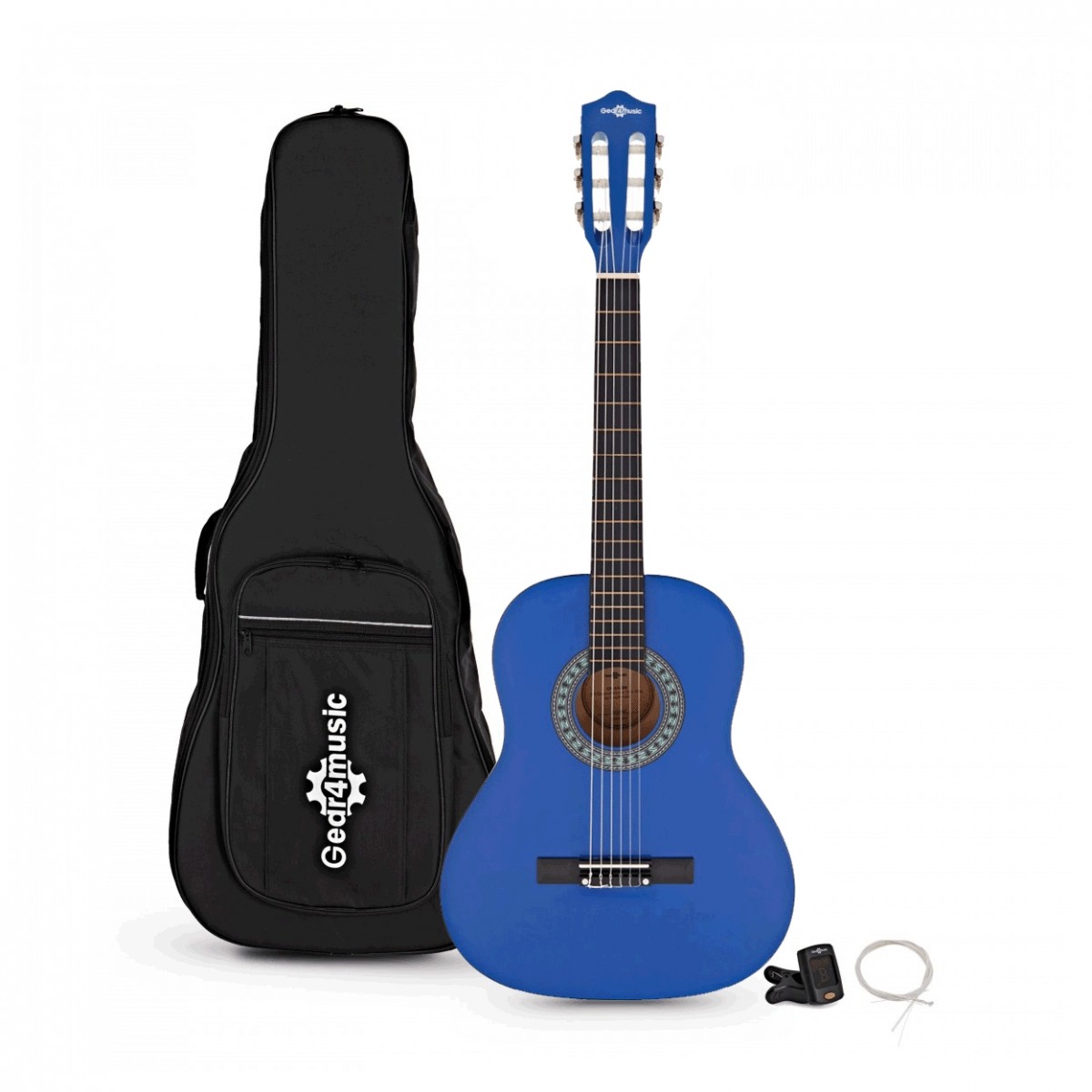
1. Build Quality: Look for consistent finish and smooth fret edges. 2. Playability: The action (height of the strings above the fretboard) should be low enough for comfort but high enough to prevent buzzing. 3. Tone: Entry-level models vary from bright to warm; models like the Admira Java offer different wood configurations that influence the sound. 4. Bundles: For beginners, 'packs' that include accessories like gig bags or tuners, such as the Yamaha Standard Pack or Gear4Music Blue 3/4 Pack, provide necessary startup gear in a single purchase.
Related gear
- £125.00 ($159)
Admira
Admira Java Classical Guitar
- £139.00 ($177)
Admira
Admira Alba 3/4 Classical Guitar
- £129.00 ($164)
Yamaha
Yamaha C40 II Classical Guitar Black
- £209.00 ($265)
Yamaha
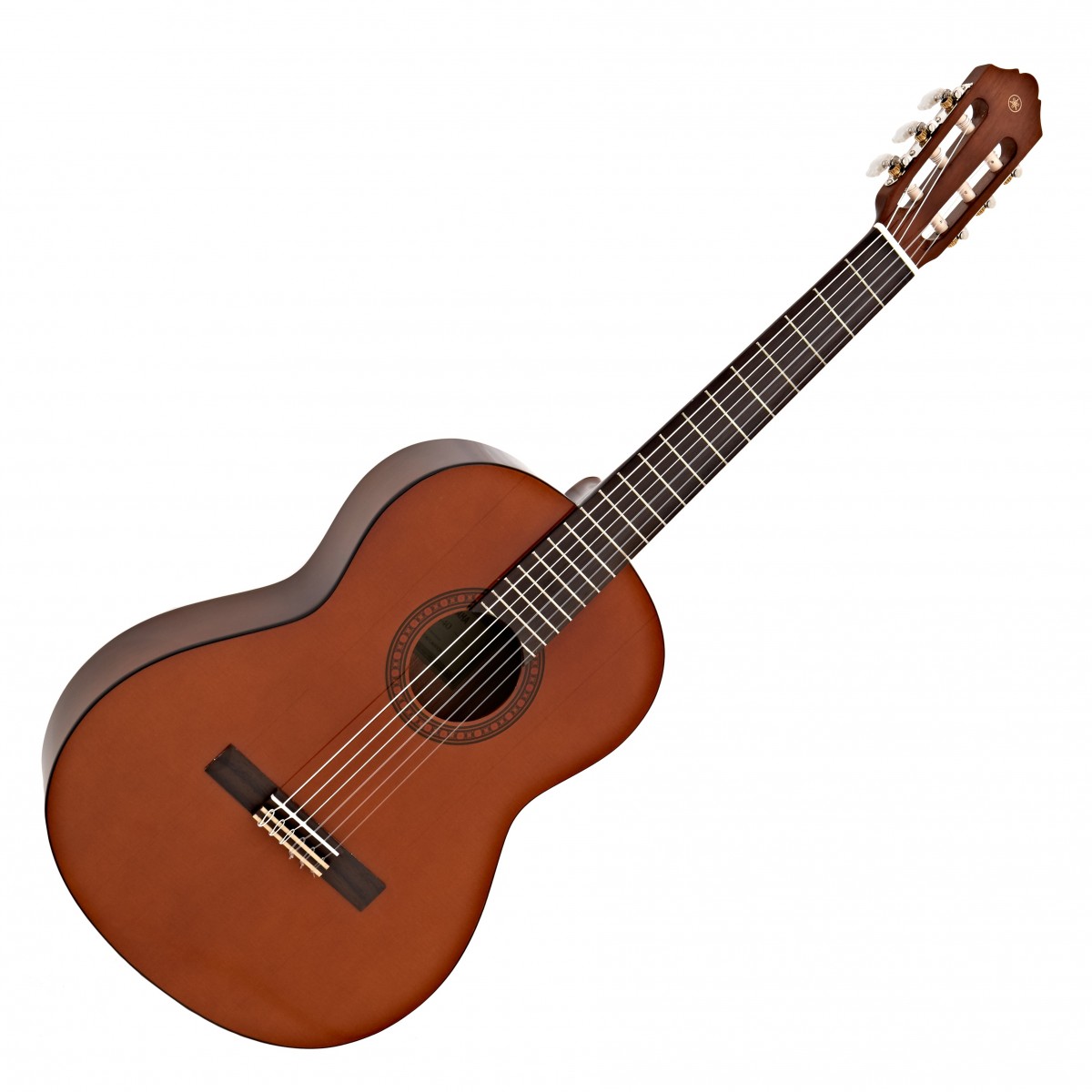
Yamaha C40II Classical Guitar Standard Pack Natural
 £111.00 ($141)
Yamaha
Yamaha CS40 II 3/4 Classical Guitar
 £34.99 ($44)
Gear4Music
Junior 1/2 Classical Guitar Pack Red by Gear4music
 £39.99 ($51)
Gear4Music
3/4 Classical Guitar Pack Blue by Gear4music
 £25.00 ($32)
Gotoh
Gotoh 35G450 Classical Guitar Tuners Flash Gold
Frequently asked questions
- What is the main difference between a classical and acoustic guitar?
- The primary difference is the strings; classical guitars use nylon strings, while standard acoustic guitars use steel strings. This results in a softer sound and much lower tension on the classical instrument.
- Can I put steel strings on a classical guitar?
- No, you should never put steel strings on a classical guitar. The increased tension of steel strings can warp the neck or lift the bridge, as classical guitars are not braced for that level of force.
- Why are classical guitars recommended for beginners?
- They are recommended because nylon strings are softer on the fingertips than steel strings. This helps new players build finger strength and calluses without the discomfort often associated with electric or folk guitars.
- What does a 3/4 size guitar mean?
- A 3/4 size guitar, like the Yamaha CS40 II, is approximately three-quarters the size of a standard full-size instrument. It is designed for children aged 8 to 12 or for adults with smaller hands.
- What is included in a classical guitar pack?
- Packs such as the Gear4Music 3/4 Classical Guitar Pack typically include the instrument along with essentials like a gig bag and sometimes spare strings or a tuner. These are designed to provide everything a new student needs to start playing.
- What is the typical price range for an entry-level classical guitar?
- Entry-level and intermediate classical guitars generally range from approximately GBP 25 for basic junior models to around GBP 212 for higher-quality student instruments.
- What are the features of the Yamaha C40 II?
- The Yamaha C40 II is a full-sized classical guitar known for its reliable build and consistent tone. It is a industry-standard student model that is often available in a natural or black finish.
- What characterizes the Admira Java model?
- The Admira Java is a classical guitar known for its specific wood selection and aesthetic appeal. It represents a step up in the student category, offering refined playability compared to basic budget models.
- Are there different colours available for classical guitars?
- Yes, while natural wood finishes are most common, models like the Gear4Music Junior and Yamaha C40 II are available in diverse finishes including Red, Blue, and Black.
- How do classical guitar tuners work?
- Classical guitars use side-mounted, open-gear tuners like the Gotoh 35G450. The strings are wound onto rollers that pass through the slotted headstock of the guitar.
- Is the neck width of a classical guitar different from other guitars?
- Yes, classical guitars have wider necks and more space between the strings. This layout is designed to facilitate the complex finger movements required for classical and flamenco music.
- What is a 1/2 size guitar used for?
- A 1/2 size guitar, such as the Gear4Music Junior, is specifically scaled down for very young players, typically between the ages of 5 and 8, to ensure they can hold the instrument and reach the frets comfortably.