
Glossary
Condenser vs Dynamic Microphones
Microphones are primarily categorised by their transducer type, with condenser and dynamic models being the most common in professional audio. Differences between them include sensitivity, power requirements, and ability to handle high sound pressure levels (SPL).
Overview
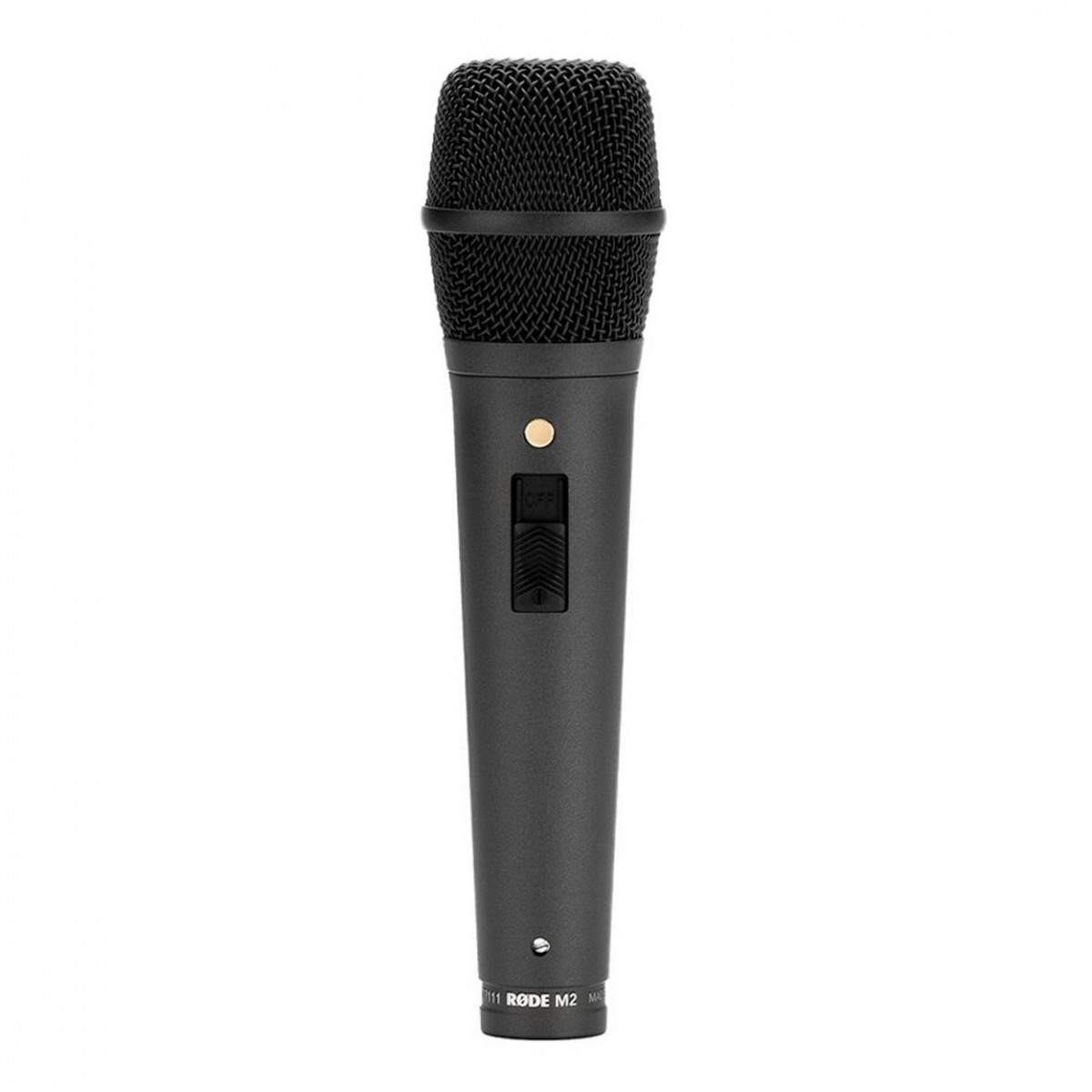
The choice between a condenser and a dynamic microphone is one of the most fundamental decisions in audio engineering. While both convert sound waves into electrical signals, they employ different physical mechanisms to achieve this. Condenser microphones use a lightweight diaphragm and an electrically charged backplate to create a capacitor, whereas dynamic microphones rely on a copper wire coil attached to a diaphragm moving through a magnetic field.
Dynamic Microphones
Dynamic microphones operate on the principle of electromagnetic induction. They are renowned for their rugged construction and ability to withstand high sound pressure levels (SPL) without distortion. Because the moving coil has significant mass compared to a condenser diaphragm, dynamic mics are generally less sensitive to high-frequency transients but excellent for loud sources like drums or electric guitar cabinets.
Key characteristics include: * No external power required (passive operation). * Resistance to moisture and physical shock. * Naturally tailored frequency responses often prioritising the mid-range.
Condenser Microphones
Condenser microphones are designed for accuracy and detail. The 'condenser' (now more commonly called a capacitor) consists of a thin diaphragm—often gold-sputtered mylar—positioned close to a solid metal backplate. Because the diaphragm is extremely light, it can react much faster to sound waves than a dynamic coil, resulting in superior high-frequency response and transient detail.
Key characteristics include: * Requires Phantom Power (usually +48V) or an external power supply. * Higher sensitivity and lower self-noise. * Available in 'Large Diaphragm' (vocal focus) and 'Small Diaphragm' (instrument focus) variants.
Phantom Power and Connectivity
A critical distinction in usage is the requirement for power. Most condenser microphones require +48V Phantom Power, supplied via an XLR cable from a mixer or audio interface. This power is used to polarise the capsule and drive the internal preamp. Standard dynamic microphones are passive and do not require this power, though they are generally designed to be 'phantom safe' (meaning they will not be damaged if phantom power is accidentally applied).
Practical Applications
Choosing the right microphone typically depends on the environment and the source. For studio vocals, acoustic guitars, and orchestral recordings where nuances are vital, condenser microphones are the standard. In live sound environments, or when recording loud percussion and high-gain amplifiers, dynamic microphones are preferred due to their durability and ability to reject off-axis noise.
Frequently asked questions
- Do dynamic microphones require batteries or phantom power?
- Standard moving-coil dynamic microphones are passive devices and do not require external power or batteries to operate. They generate a signal through electromagnetic induction.
- What is Phantom Power?
- Phantom power is a DC voltage (usually 48 volts) sent through an XLR cable to power the circuitry within a condenser microphone. Most modern audio interfaces and mixers have a dedicated switch to enable it.
- Why are condenser microphones considered better for vocals in the studio?
- Condenser microphones have a much lighter diaphragm, allowing them to capture the high-frequency 'air' and subtle transients of a human voice more accurately than most dynamic microphones.
- Can I use a condenser microphone for live performances?
- Yes, but it requires caution. Condensers are more sensitive and prone to feedback in loud stage environments; however, they are often used for backing vocals or acoustic instruments in controlled live settings.
- Which type is more durable?
- Dynamic microphones are significantly more durable. They are resistant to moisture, high temperatures, and physical drops, making them the industry standard for touring and live use.
- What is SPL and why does it matter?
- SPL stands for Sound Pressure Level. Dynamic microphones generally handle higher SPLs without the internal circuitry clipping, which is why they are used for loud sources like snare drums.
- What is the difference between large and small diaphragm condensers?
- Large diaphragm condensers (LDC) are typically used for vocals due to their low self-noise and flattering 'character.' Small diaphragm condensers (SDC) offer more consistent polar patterns and a more accurate, uncoloured sound for instruments.
- Can phantom power damage a dynamic microphone?
- Generally, no. Standard balanced dynamic microphones ignore phantom power. However, it can damage certain vintage ribbon microphones or cables that are wired incorrectly.
- What is self-noise in a microphone?
- Self-noise is the low-level hiss produced by a microphone's internal electronics. Condenser microphones have active circuitry and thus have a self-noise rating, whereas dynamic mics are passive and effectively have no self-noise.
- Why are dynamic microphones cheaper?
- Dynamic microphones are often more affordable because their construction is simpler and they do not require complex internal preamplifiers or high-grade electronic components needed for a condenser capsule.
- Which microphone is better for a home studio with no acoustic treatment?
- A dynamic microphone is often better in untreated rooms. Because they are less sensitive, they pick up less of the reflected room sound and ambient background noise compared to a sensitive condenser.
- What is a 'tight' polar pattern in this context?
- Many dynamic microphones have a cardioid or supercardioid pattern that is very effective at rejecting sound from the sides and rear, which is useful for isolating instruments on a stage.