Gear article
Conn 88HCL Bb/F Tenor Trombone
The Conn 88HCL is a professional Bb/F tenor trombone developed in collaboration with renowned soloist Christian Lindberg. It is distinguished by the patented CL2000 valve system, which provides a shorter throw and reduced resistance compared to traditional rotor designs.
See live pricesBackground and Design
The Conn 88HCL represents a modern evolution of the classic 88H series, a staple in American trombone manufacturing. Developed alongside world-renowned artist Christian Lindberg, this model was engineered to address the specific technical demands of soloists and orchestral players who require agility and a seamless transition between the Bb and F sides of the instrument. The design emphasizes a blend of traditional American construction with contemporary mechanical innovations.
The CL2000 Valve System
The defining feature of the 88HCL is the patented CL2000 valve. Unlike standard rotary valves that can introduce significant resistance and a distinct 'pop' sound when engaged, the CL2000 is designed for a shorter throw and a more open feel. This mechanical design facilitates faster technical passages by reducing the physical travel required by the thumb, while simultaneously maintaining a consistent airflow that eliminates tonal gaps when moving into the F-attachment range.
Slide Construction and Playability
To support rapid execution, the 88HCL is equipped with an inner slide made from chrome-plated nickel silver. The chrome plating provides a durable, smooth surface that minimizes friction, ensuring the slide action remains fluid even during demanding repertoire. This focus on mechanical efficiency makes the instrument particularly well-suited for the 'fastest music' and complex contemporary compositions.
Tonal Character
The instrument is noted for producing a 'massive tone' that retains clarity across all registers. Because the CL2000 valve offers less resistance than traditional rotors, the sonority remains full and resonant when the F-attachment is engaged. This allows the player to maintain a consistent timbre throughout the instrument's entire range, avoiding the muffled or restricted quality sometimes associated with older F-valve designs.
Target Audience and Comparisons
The Conn 88HCL is a professional-grade instrument intended for advanced students, soloists, and orchestral professionals. While the Conn 52H serves as a dual-bore alternative for those seeking different resistance levels, the 88HCL is positioned as a top-tier design for those prioritizing speed and mechanical precision. It is often compared to other high-end tenor trombones, but remains distinct due to the specific ergonomics and airflow characteristics of the Lindberg-designed valve.
Related gear
 £9.99 ($13)
Gear4Music
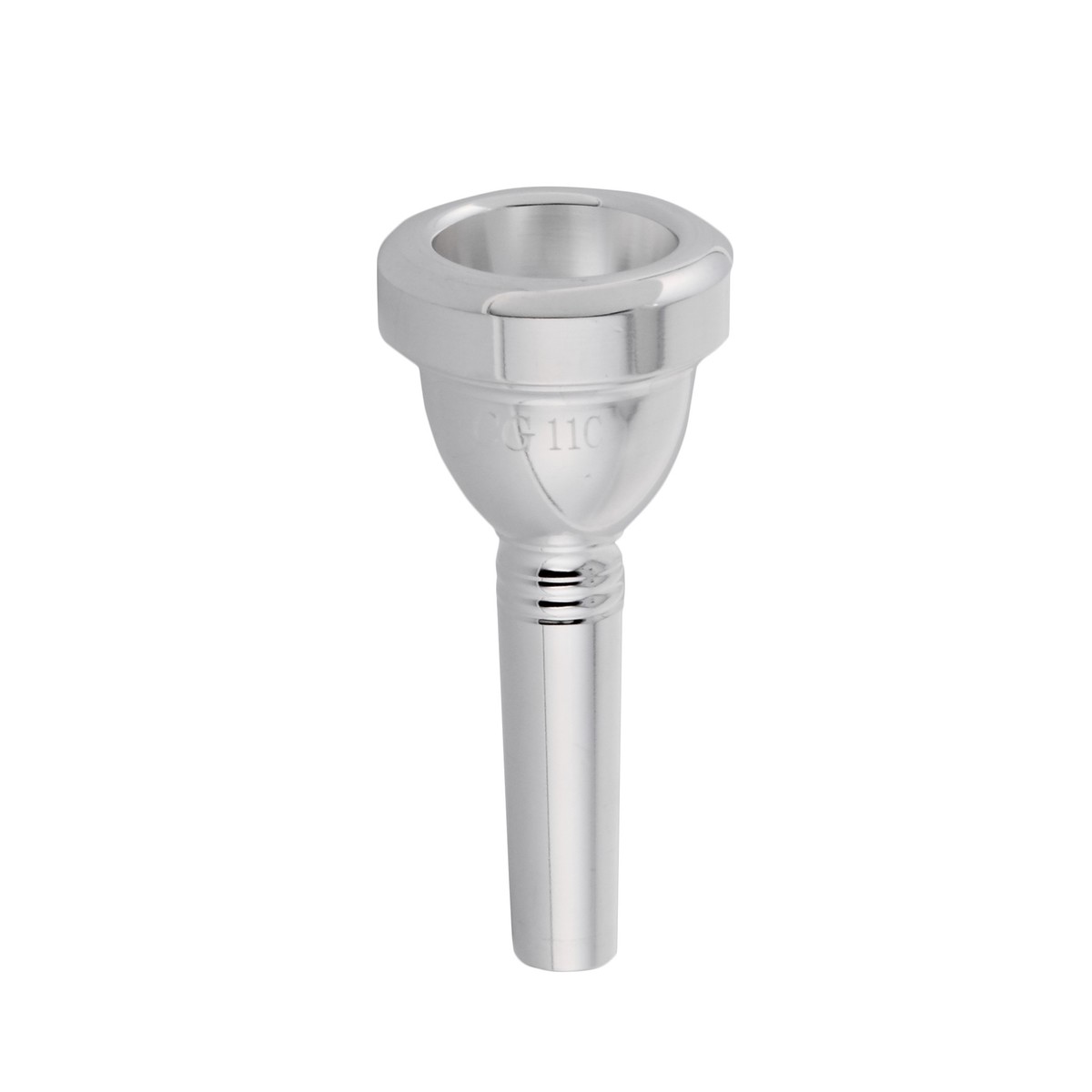
Coppergate 11C Trombone Mouthpiece by Gear4music
 £95.80 ($122)
Denis Wick
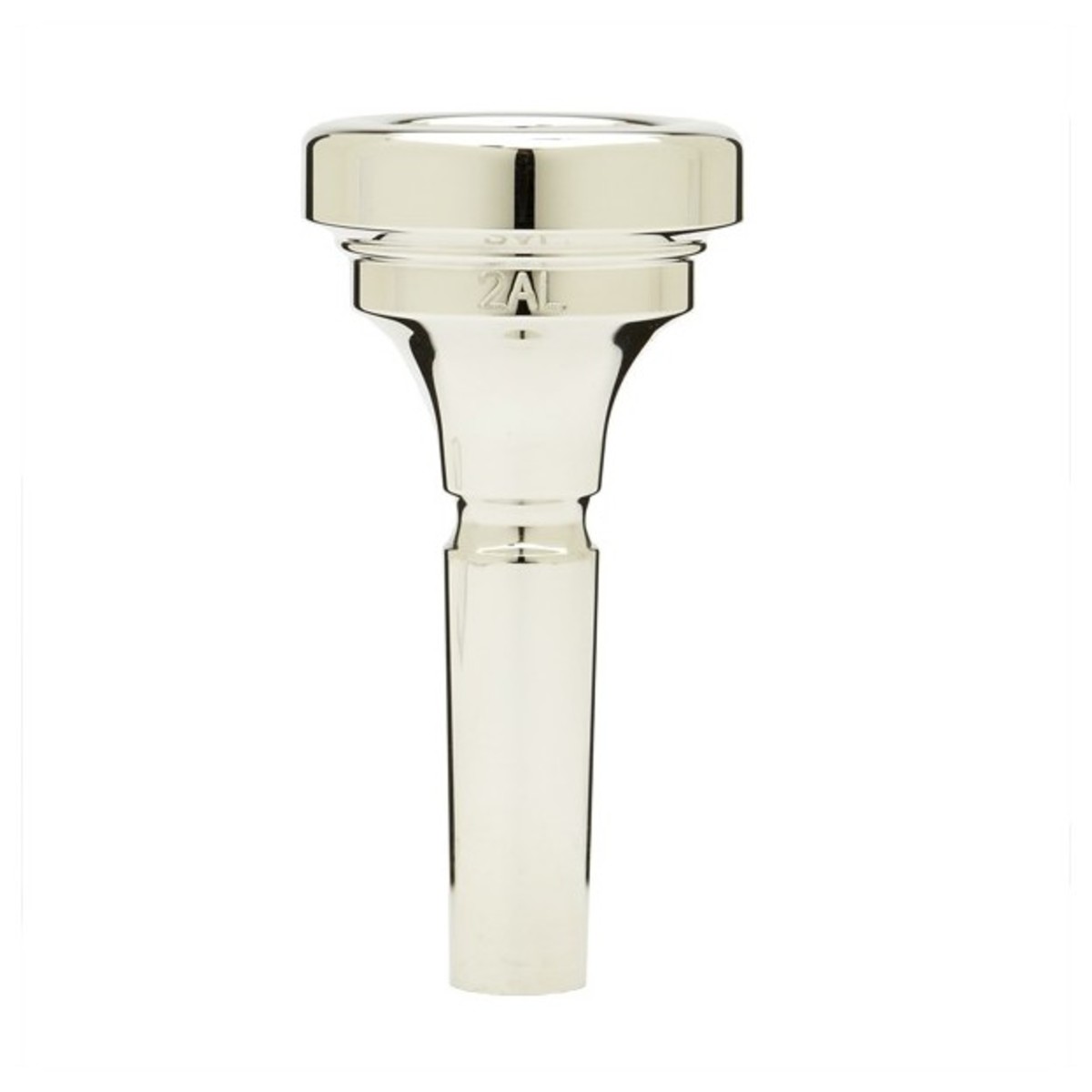
Denis Wick Classic Bass Trombone Mouthpiece 2AL Silver Plated
 £285.50 ($363)
Denis Wick
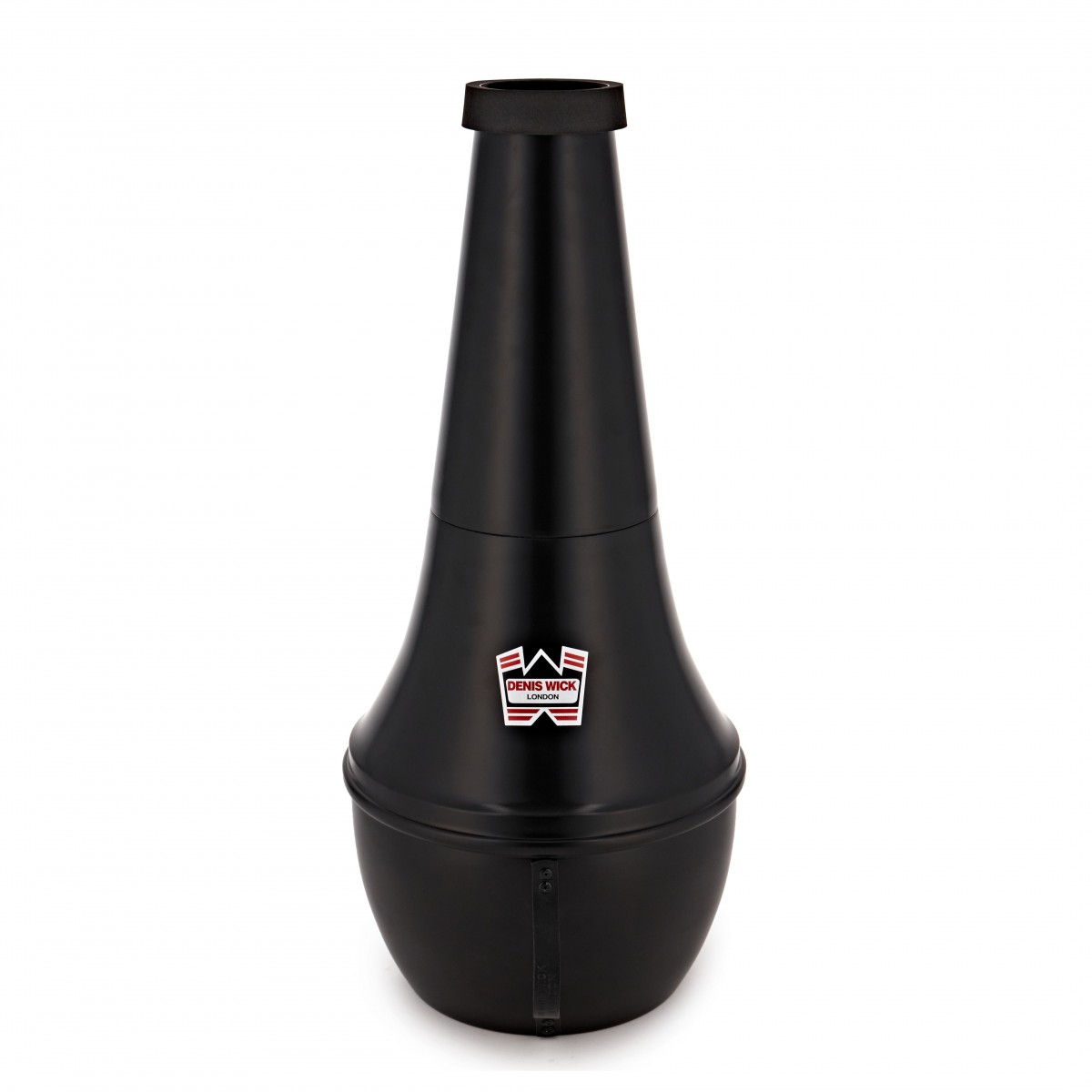
Denis Wick Tuba Practice Mute
 £69.00 ($88)
Neotech
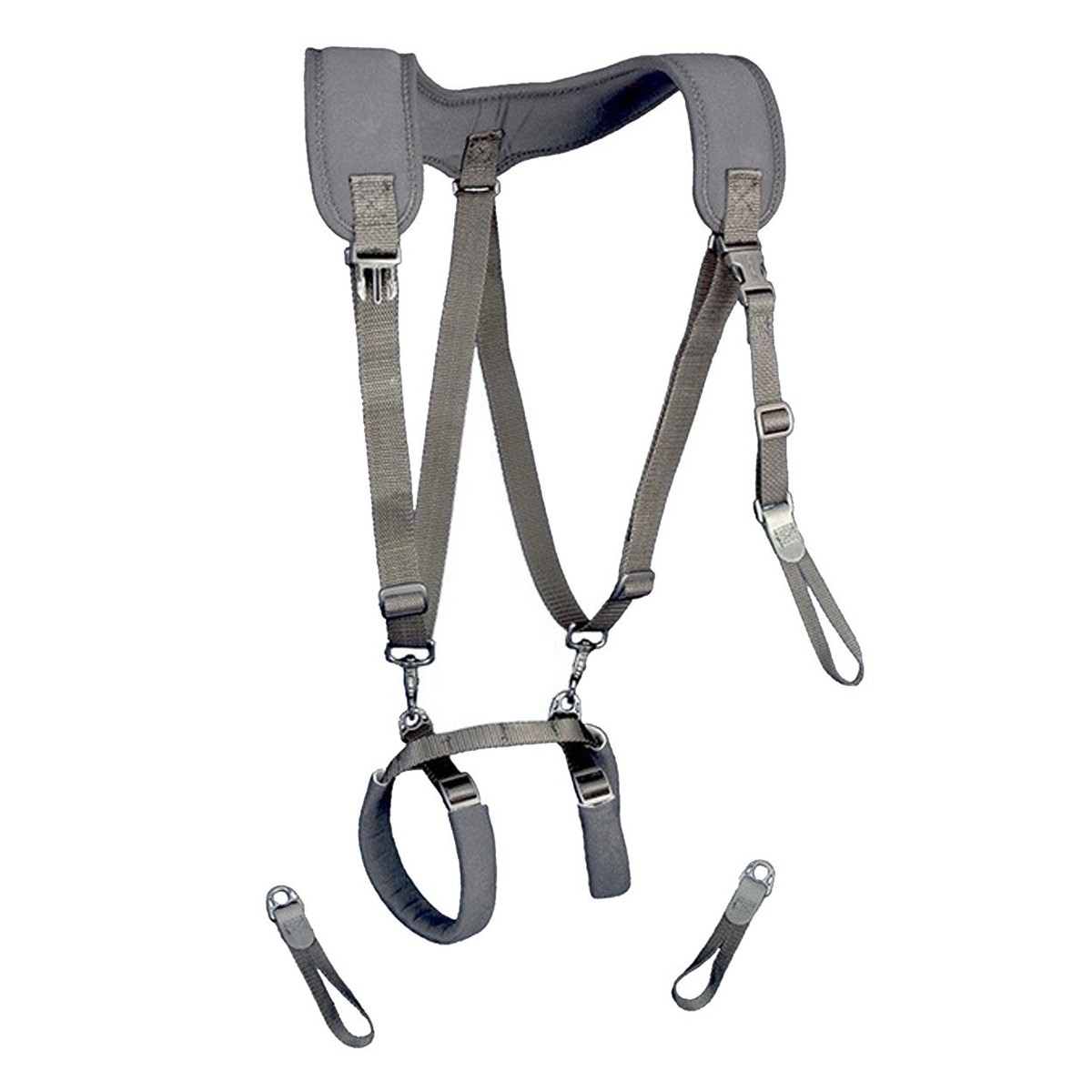
Neotech Tuba Harness XL Black
 £249.00 ($316)
Grassi
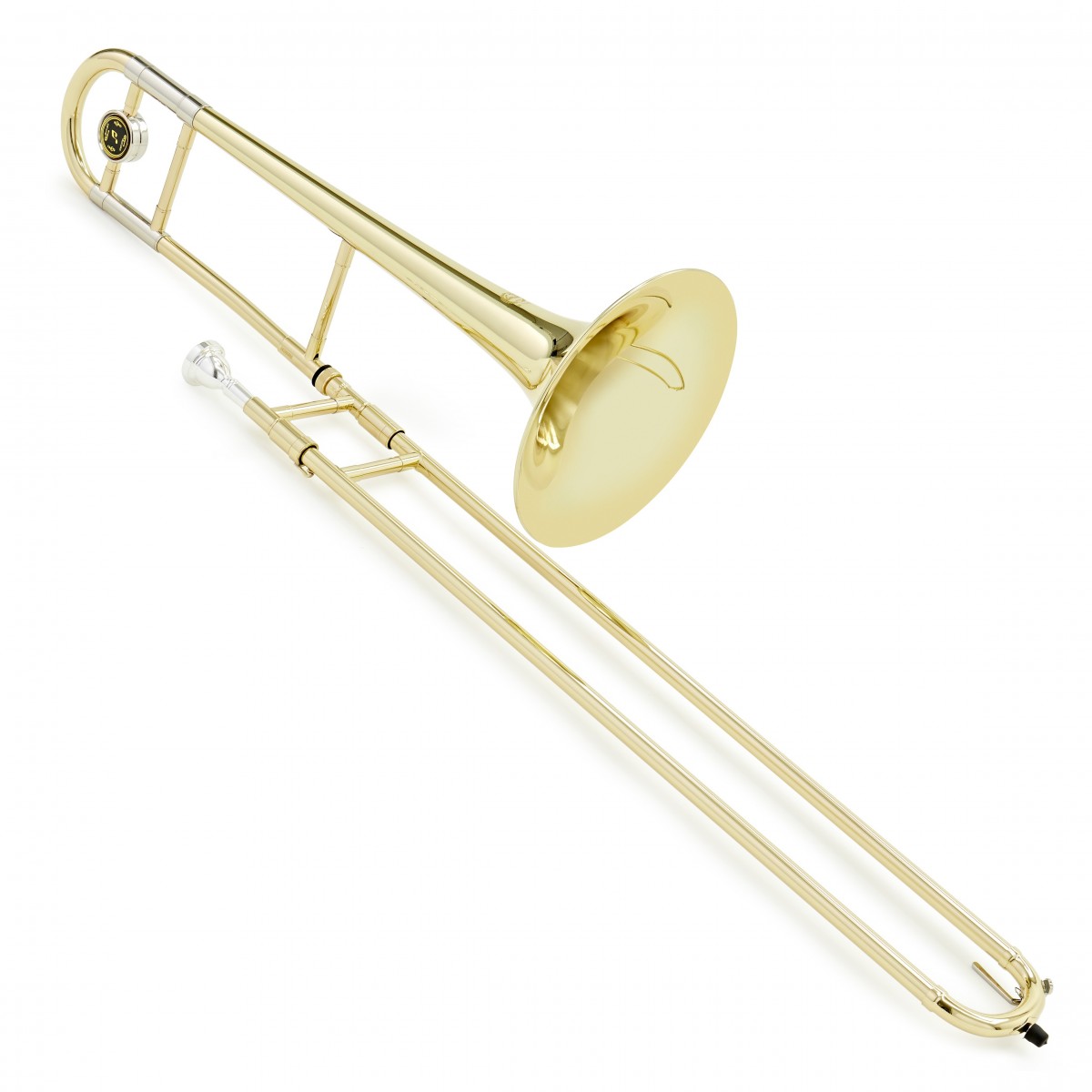
Grassi STB850 School Series Tenor Trombone
 £3,480.00 ($4,420)
Conn
Conn 52H Bb/F Tenor Trombone Dual Bore
 £120.00 ($152)
Bach
Bach Classic Tuba Mouthpiece 12 Silver Plated
 £3,245.00 ($4,121)
Conn
Conn 34H Alto Trombone
Frequently asked questions
- What is the primary difference between the 88HCL and a standard 88H?
- The primary difference is the CL2000 valve system. The 88HCL features this patented valve designed with Christian Lindberg, which offers a shorter throw and less resistance than the standard rotor found on the base 88H model.
- Who helped design the Conn 88HCL?
- The instrument was designed in conjunction with the world-renowned trombone artist Christian Lindberg. His input focused on improving the speed and tonal consistency of the F-attachment.
- What are the benefits of the CL2000 valve?
- The CL2000 valve reduces air resistance and features a shorter mechanical throw. This allows for faster technical passages and eliminates the audible 'pop' sound often heard when engaging traditional valves.
- What material is used for the inner slide?
- The inner slide is constructed from nickel silver that has been chrome-plated. This combination is chosen to provide a very smooth, fast action and increased durability.
- Does this trombone have a 'pop' sound when the valve is used?
- No, one of the specific design goals of the CL2000 valve was to eliminate the 'pop' sound. This ensures a smoother transition between the Bb and F sides of the instrument.
- In what key is the Conn 88HCL pitched?
- The Conn 88HCL is a tenor trombone pitched in Bb, featuring an F-attachment. This allows the player to extend the lower range and utilize alternative positions.
- What is the typical price range for this model?
- The Conn 88HCL typically retails for approximately GBP 5,615. This reflects its status as a professional-grade, artist-endorsed instrument.
- How does the resistance of the 88HCL compare to other trombones?
- The 88HCL is designed to have much less resistance than trombones equipped with standard rotors. This results in a more open feel and a 'massive' tone when playing through the F-attachment.
- Is the 88HCL suitable for beginners?
- While anyone can play it, the 88HCL is a professional instrument with a high price point. It is best suited for advanced players, soloists, and professionals who can benefit from the CL2000 valve's specific performance features.
- What kind of tone does the Conn 88HCL produce?
- The manufacturer describes the tone as 'massive.' The design ensures that the large, resonant sound characteristic of Conn trombones is maintained even when using the valve section.
- Can the 88HCL handle very fast musical passages?
- Yes, it is specifically built for speed. The combination of the short-throw CL2000 valve and the chrome-plated nickel silver inner slide is intended to facilitate the fastest music.
- How does the 88HCL compare to the Conn 52H?
- The Conn 52H is a dual-bore tenor trombone, whereas the 88HCL is a professional-tier model featuring the patented Lindberg CL2000 valve. The 88HCL is generally considered a higher-specification instrument.