
Gear article
Conrad Goetz Contemporary-Heritage 112 Violin
The Conrad Goetz Contemporary-Heritage 112 is a professional-grade acoustic violin designed to bridge the gap between traditional craftsmanship and the requirements of modern performance. Manufactured by a brand with over 130 years of history, it is characterised by its warm tone and a specialised flat chinrest design that facilitates greater freedom of movement for the soloist.
See live pricesOverview
The Conrad Goetz Contemporary-Heritage 112 represents a synthesis of the firm's long-standing luthiery tradition and the evolving needs of 21st-century musicians. Positioned as a versatile instrument, it is marketed towards players who require a traditional acoustic response but prefer modern ergonomic refinements. The 112 is noted for its ability to support various playing styles, specifically through its hardware configuration which departs from standard historical patterns to offer a more adaptable interface between the player and the instrument.
History and Background
Conrad Goetz has maintained a presence in the violin-making industry for over 130 years. The Contemporary-Heritage line was developed as a response to the changing landscape of violin performance, where modern soloists often require more physical flexibility than traditional setups allow. By leveraging a century of experience, Goetz applies historical construction techniques to the body of the 112 while modernising the external components to meet current ergonomic standards.
Key Features and Ergonomics
The defining physical feature of the Contemporary 112 is its extra-flat chinrest. Unlike traditional high-cradled chinrests, this design allows the violinist to hold the instrument with fewer restrictions on head and neck positioning. This design choice is intended to empower soloists who frequently adapt their posture during performance. The instrument is typically sold as 'Instrument Only', allowing players to select their own preferred bows, such as a Hidersine Premium Unidirectional Carbon Bow, or specific cases to suit their transport needs.
Tonal Character
In terms of sound, the Contemporary 112 is engineered to provide depth and warmth. The manufacturer focuses on maintaining the 'best aspects of tradition,' which translates to a rich, resonant output that is suitable for both orchestral and solo settings. This tonal profile is achieved through the brand's established manufacturing processes, ensuring the instrument possesses the projection necessary for modern concert halls without sacrificing the complex overtones associated with heritage German luthiery.
Comparison to Alternatives
When compared to student-grade instruments like the Stentor Graduate or the Stentor Messina, the Goetz 112 offers a significant step up in terms of tonal complexity and ergonomic customisation. While electronic options like the G4M Solus provide silent practice and high-gain amplification benefits, the 112 remains a dedicated acoustic instrument for those who prioritise natural resonance. For those seeking further ergonomic customisation, Goetz also offers alternative fittings like the Kaufmann or Stuber style chinrests in boxwood with titanium or gold-plated screws.
Related gear
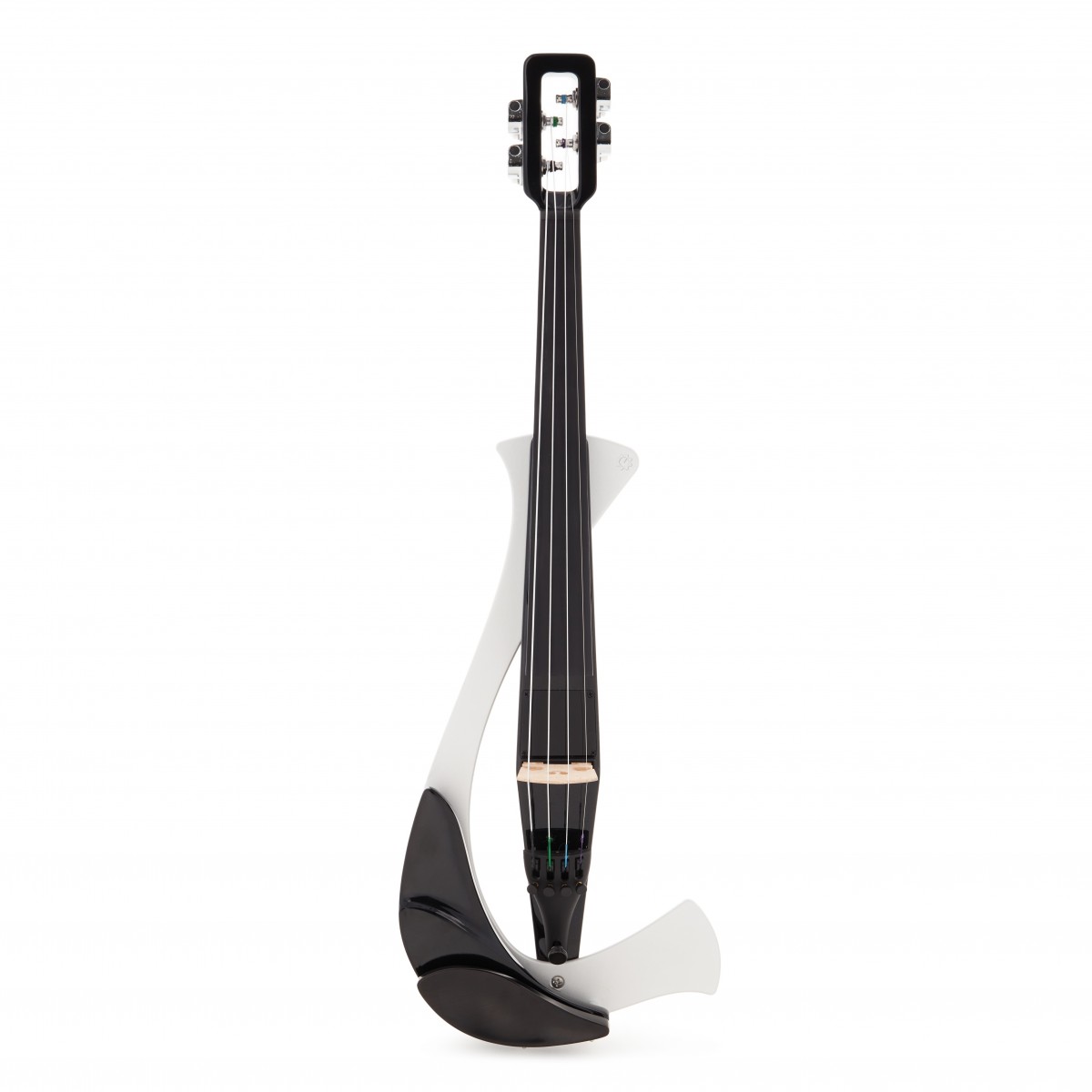 £299.99 ($381)
G4M
G4M Solus Electric Violin Midnight Ebony
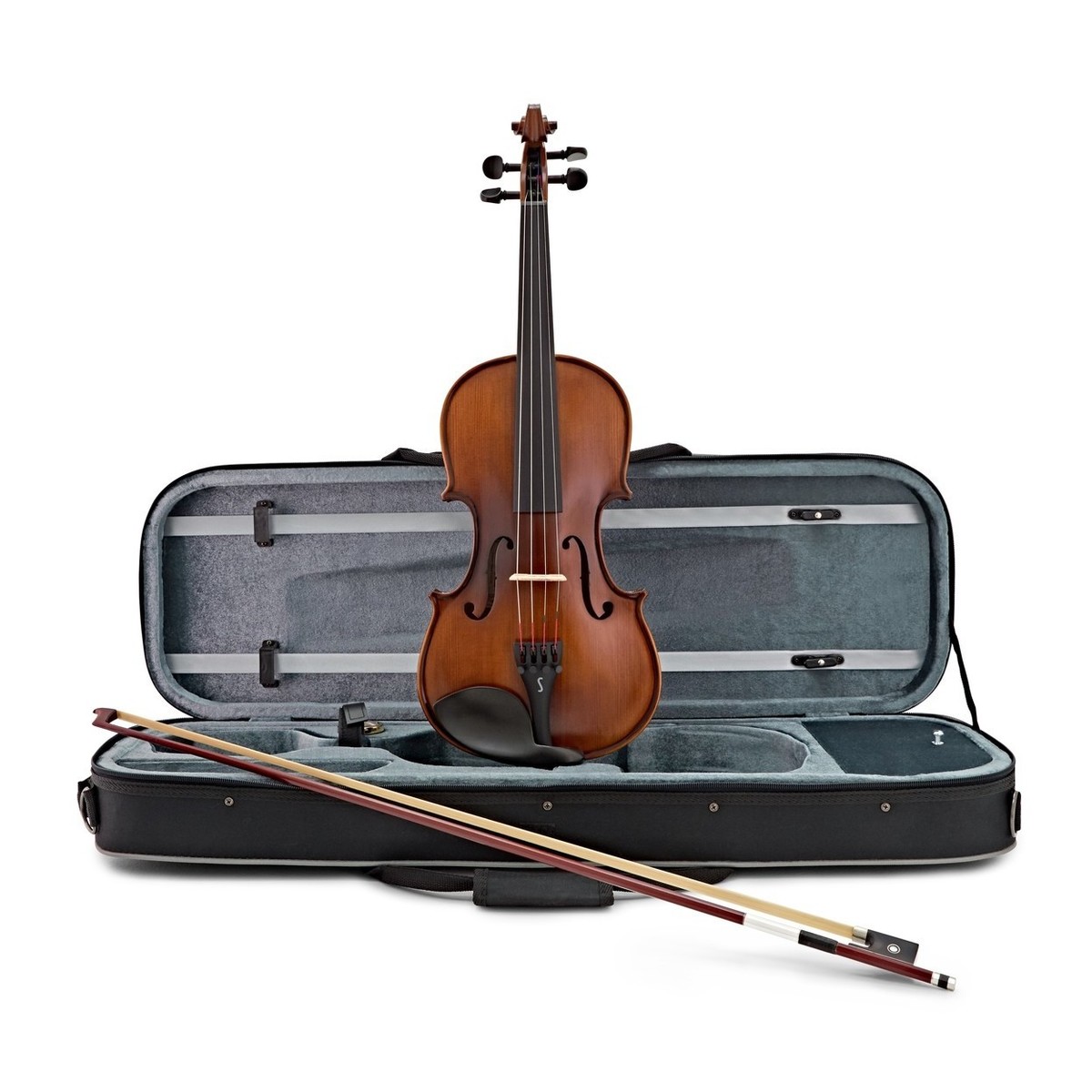 £227.00 ($288)
Stentor
Stentor Graduate Violin Outfit 1/8
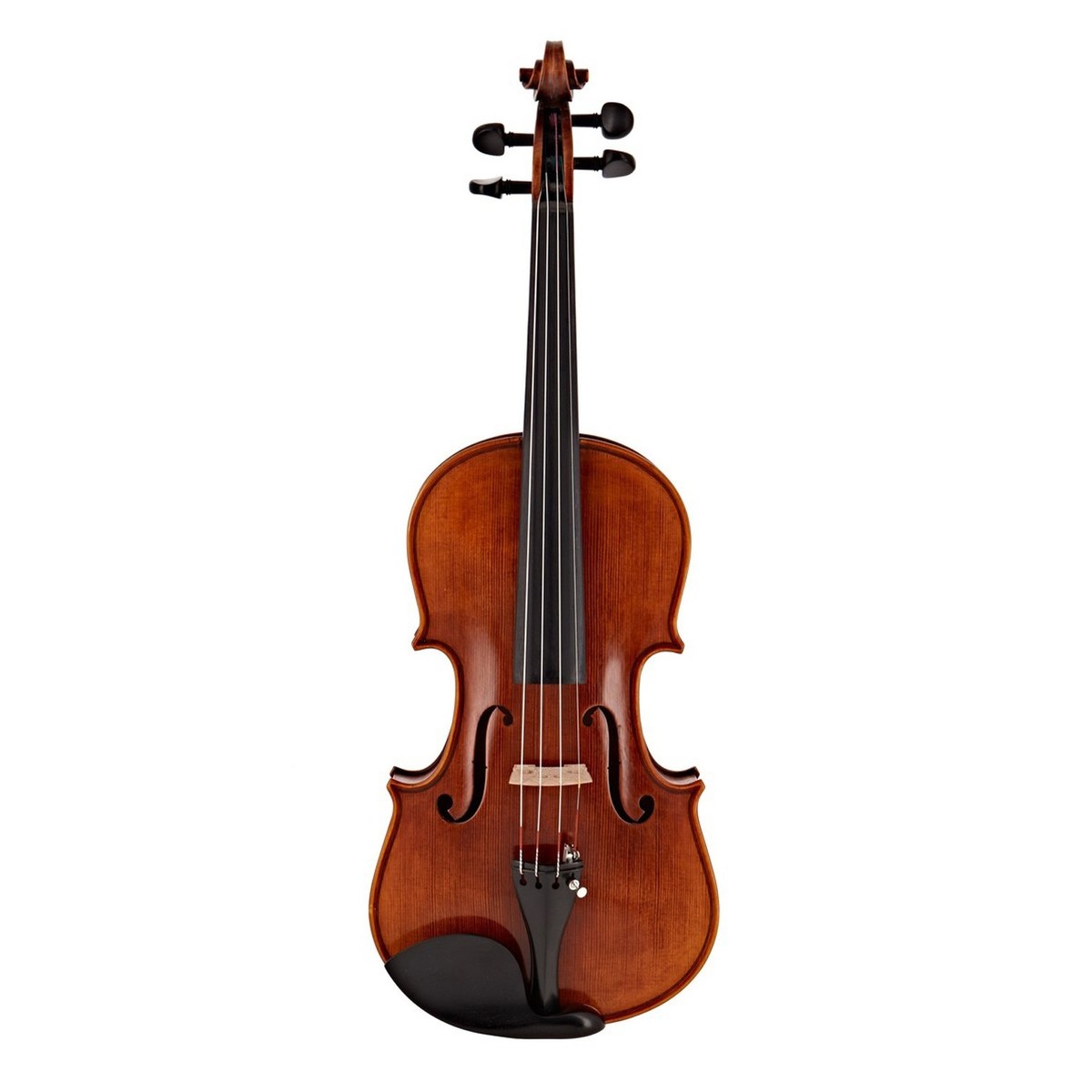 £453.00 ($575)
Stentor
Stentor Messina Violin 3/4 Instrument Only
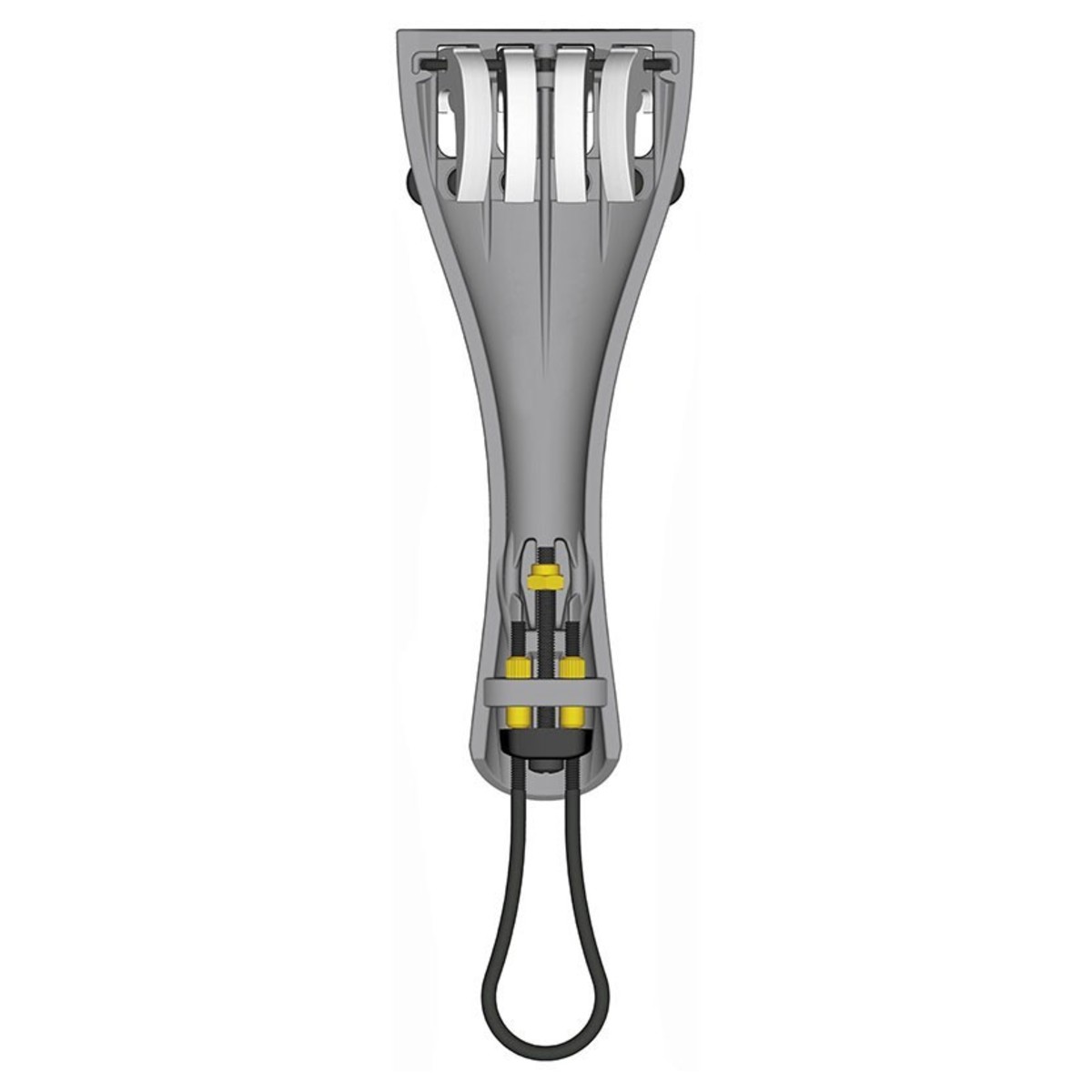 £25.00 ($32)
Wittner
Wittner Violin Tailpiece Position Adjustable 4/4 Size
 £205.00 ($260)
Hidersine
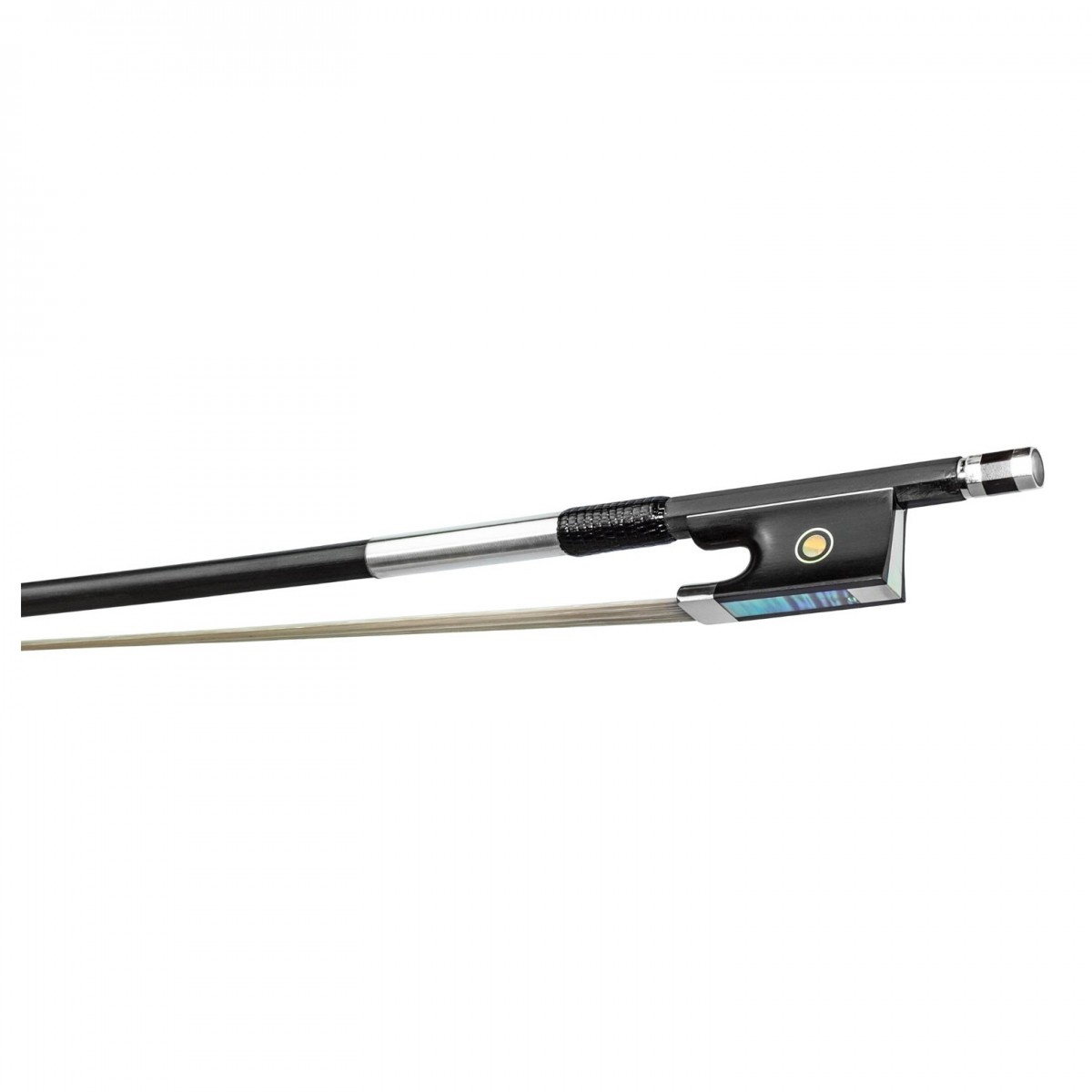
Hidersine Premium Unidirectional Carbon Violin Bow 4/4
 £44.00 ($56)
Conrad Goetz
Goetz Kaufmann Style Viola Chinrest Boxwood Gold Hill Screws
 £69.00 ($88)
Conrad Goetz
Goetz Stuber Style Violin Chinrest Boxwood Titanium Screws
 £19.60 ($25)
P&H Bows
P&H Viola Bowhair Hank 15-16 Inch
Frequently asked questions
- Who is the Conrad Goetz 112 intended for?
- It is designed for modern violinists and soloists who require a professional acoustic instrument that accommodates varied playing styles. It is particularly suited for those who find traditional high-cradled chinrests restrictive.
- What is the primary benefit of the extra-flat chinrest?
- The extra-flat design provides the player with greater freedom of movement and flexibility in how they hold the instrument. This helps modern players adapt their posture during complex solo performances.
- How long has Conrad Goetz been making violins?
- Conrad Goetz has over 130 years of experience in the field of violin crafting. This long history is reflected in the traditional construction methods used for the 112 model.
- What is the typical sound profile of the Contemporary 112?
- The instrument is known for a warm tone with significant depth. It is engineered to balance traditional acoustic richness with the clarity needed for 21st-century music.
- Is the Conrad Goetz 112 sold as a full outfit?
- No, it is typically sold as 'Instrument Only.' This means that accessories like a bow, case, and rosin must be purchased separately.
- What is the price range for this violin?
- The Conrad Goetz Contemporary-Heritage 112 typically retails for approximately £1,400. Prices may vary slightly depending on the specific retailer and current market conditions.
- Can the chinrest be changed on the 112?
- Yes, while it comes with a modern flat chinrest, it can be replaced with other styles. Notable alternatives include the Goetz Kaufmann or Stuber styles available in boxwood.
- How does the 112 differ from a Stentor Messina?
- The 112 is a professional-grade instrument with specialized modern ergonomics, whereas the Stentor Messina is generally considered an intermediate or student-level instrument. The Goetz offers higher-grade craftsmanship and a more sophisticated tonal depth.
- What kind of hardware is used on Goetz instruments?
- Goetz uses high-quality fittings, which can include boxwood components and specialized screws made from materials like titanium or gold-plated 'Hill' style screws on their premium models.
- Is this violin suitable for orchestral playing?
- Yes, its warm tone and depth make it versatile enough for orchestral settings, though its ergonomic features are particularly marketed toward soloists.
- Does the instrument require a specific type of bow?
- While no specific bow is required, players often pair professional instruments like the 112 with high-quality options such as Hidersine Unidirectional Carbon bows for modern performance.
- What does 'Contemporary-Heritage' mean in the product name?
- It signifies the blend of 'Heritage'—traditional 130-year-old crafting techniques—and 'Contemporary'—modern ergonomic adjustments like the flat chinrest for today's playing styles.