
Gear article
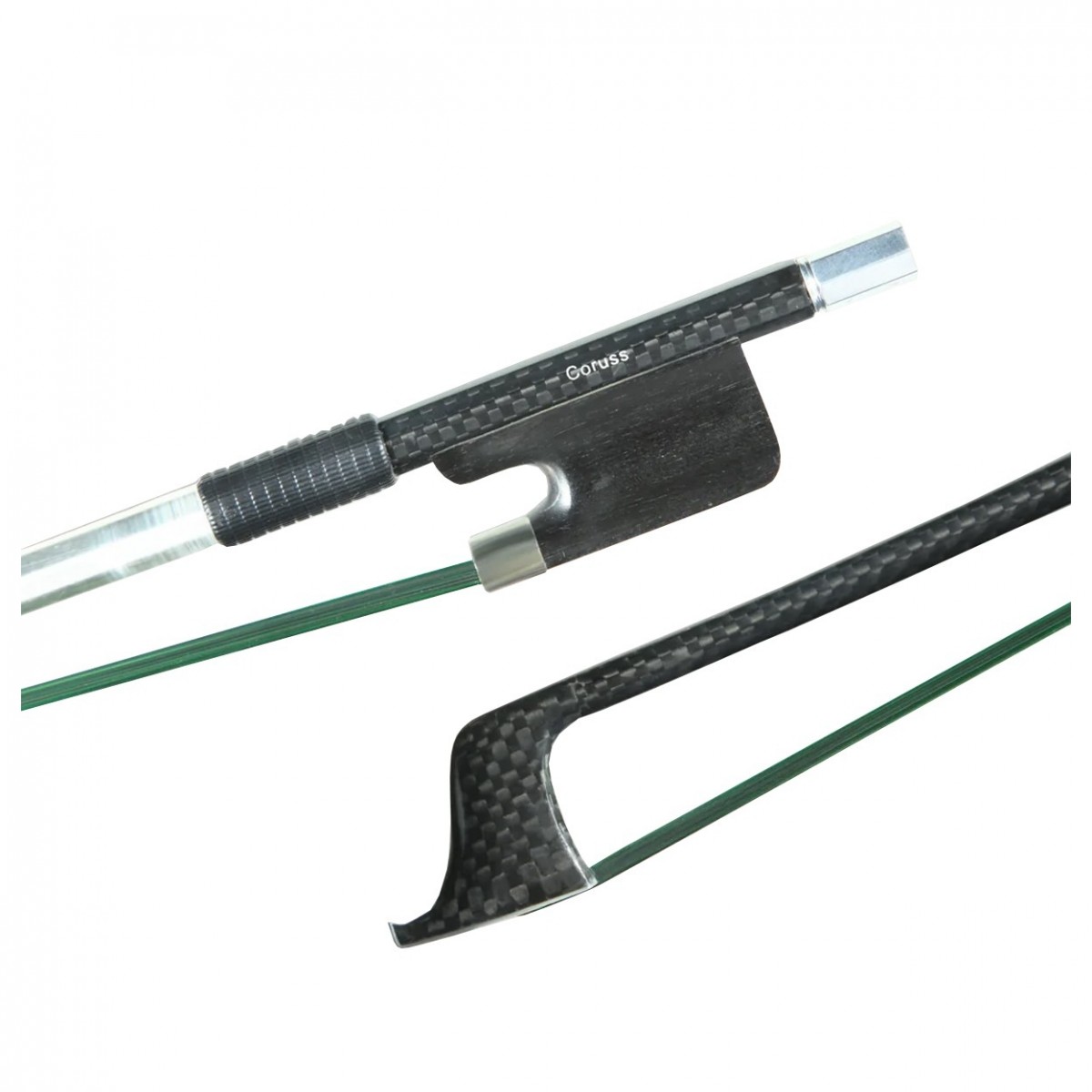
Coruss Carbon Cello Bow (3/4 Size) with Green Synthetic Hair
The Coruss Carbon Bow for 3/4 size cello is a high-performance, vegan-friendly alternative to traditional horsehair bows. Constructed from durable carbon fibre, it features unique green synthetic hair designed to provide a consistent and smooth tonal response for developing players and professionals alike.
Overview and Design
The Coruss Carbon Bow is specifically engineered for 3/4 sized cellos, providing a modern solution for musicians who require a resilient and reliable tool. Unlike traditional wooden bows, which can be susceptible to warping due to changes in humidity or temperature, the carbon fibre construction offers significant environmental stability. The bow features a sleek, sophisticated aesthetic that complements a wide range of instruments, from entry-level student models to professional-grade cellos.
A standout feature of this model is the inclusion of Coruss's signature green synthetic hair. This material is designed to offer a similar friction coefficient to natural horsehair while being entirely vegan. The hair is chosen for its durability and its ability to maintain tension over long periods of time.
Performance and Ergonomics
Ergonomics play a central role in the design of the Coruss Carbon Bow. It is well-balanced to ensure comfort during lengthy rehearsal sessions or performances, effectively reducing physical strain on the player's hand and wrist. This balance allows for better control over dynamics and articulation, making it a versatile choice for various playing styles. The resilience of the carbon fibre ensures that the bow remains straight and retains its camber, providing a consistent feel for the performer.
Sound Character
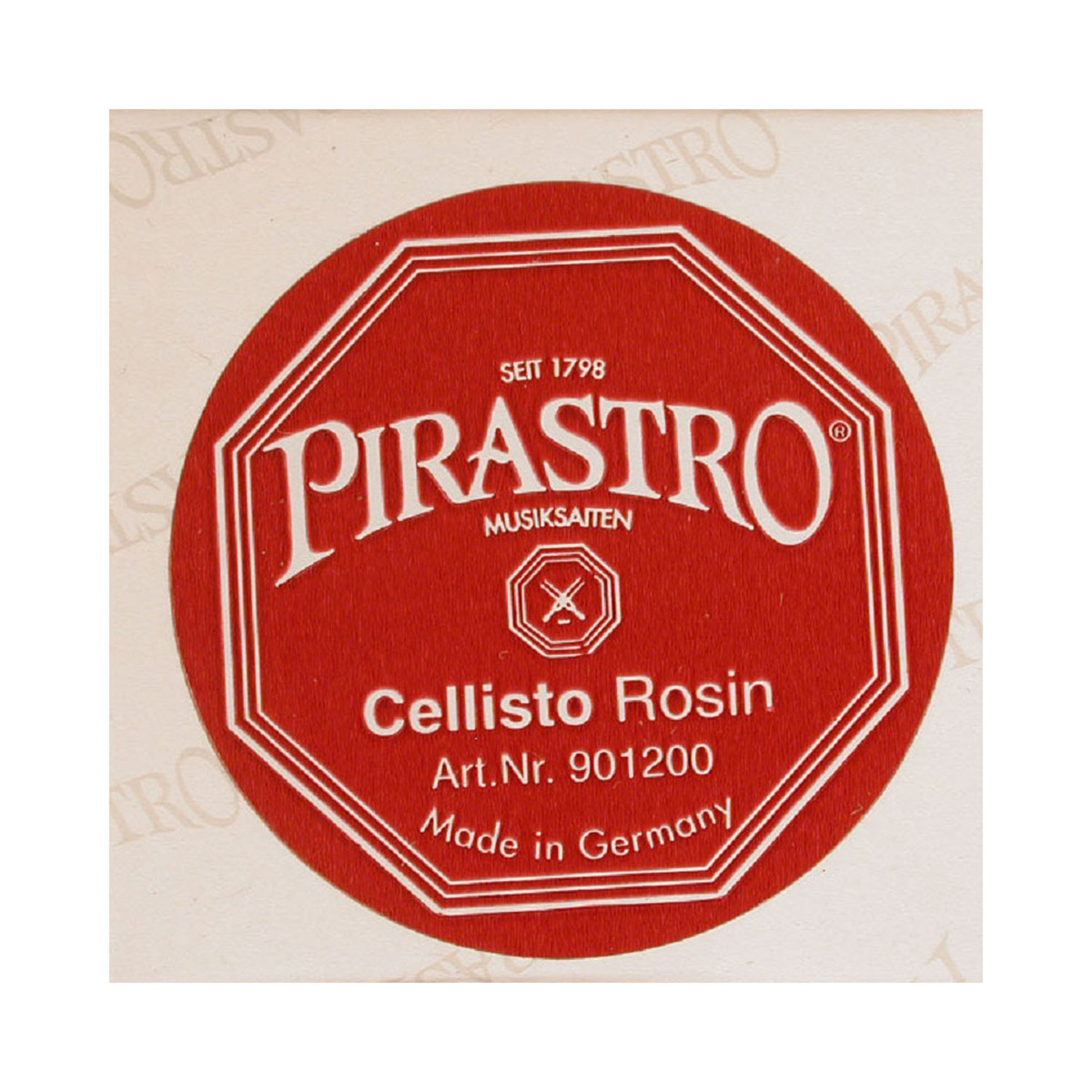
In terms of sonics, the Coruss Carbon Bow is designed to produce a smooth and consistent tone. The synthetic green hair interacts with the strings to deliver a clear sound that is suitable for both solo practice and ensemble performance. While carbon fibre is often noted for its projection, this bow maintains a balanced character that avoids the harshness sometimes associated with lower-quality synthetic materials. To achieve optimal results, it is recommended to use a high-quality rosin, such as Pirastro Cellisto Cello Rosin, to ensure the synthetic hair grabs the strings effectively.
Comparisons and Suitability
When compared to traditional timber alternatives like the Gewa Jaeger Premium Bulletwood or the Primavera Composite Bow, the Coruss Carbon Bow offers superior durability for students. While wooden bows are prized for their unique organic response, carbon fibre is less fragile, making it ideal for younger players or those who travel frequently between performance venues.
This bow is particularly suited for: * Vegan Musicians: Those seeking an animal-free alternative to traditional horsehair. * Intermediate Students: Players using 3/4 instruments who need a bow that supports technical development. * Travelling Players: Musicians performing in varying climates where wood might react poorly to humidity changes.
Related gear
- £12.38 ($16)
Pirastro
Pirastro Cellisto Cello Rosin
 £429.00 ($545)
Stentor
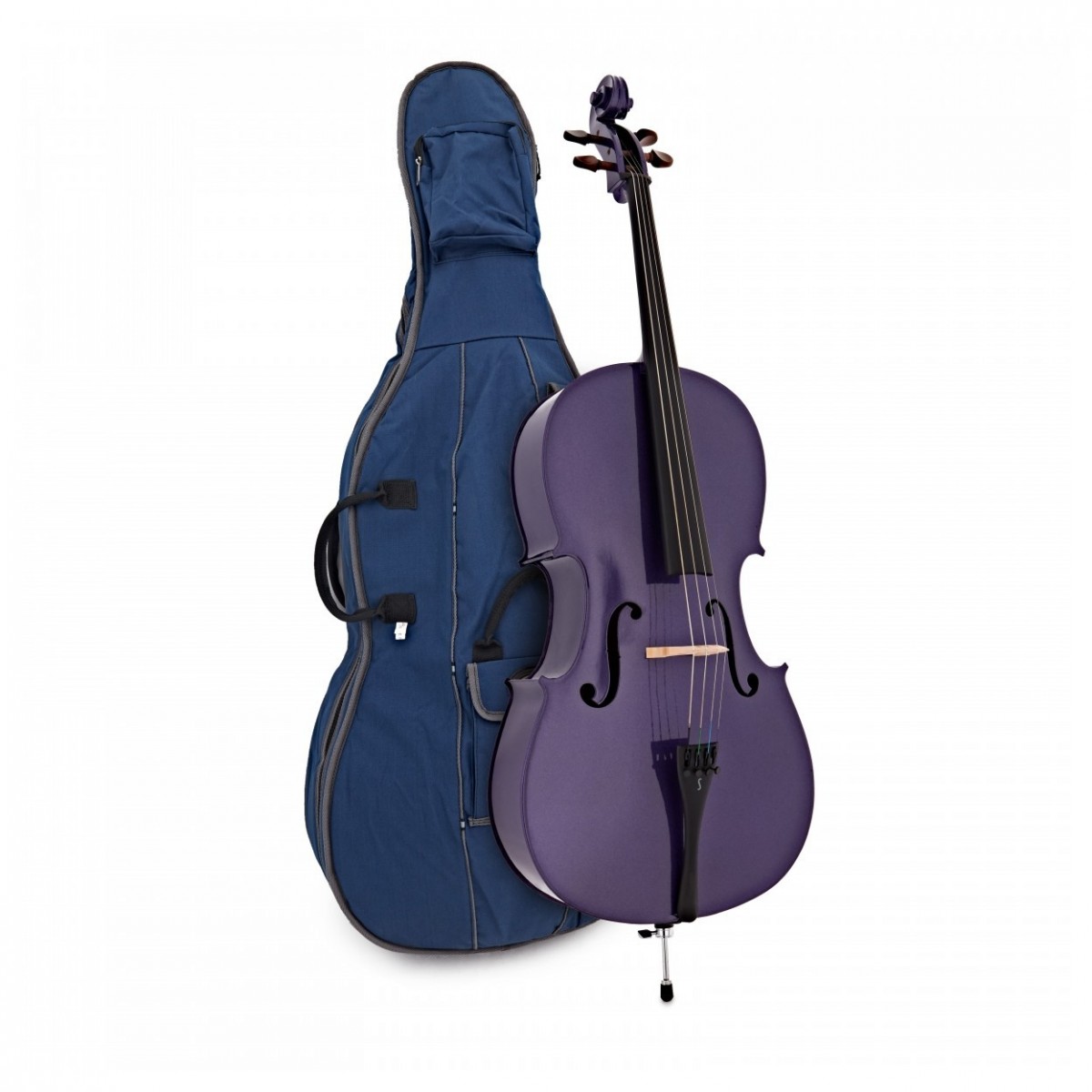
Stentor Harlequin Cello Outfit Purple 1/2
 £53.70 ($68)
Primavera
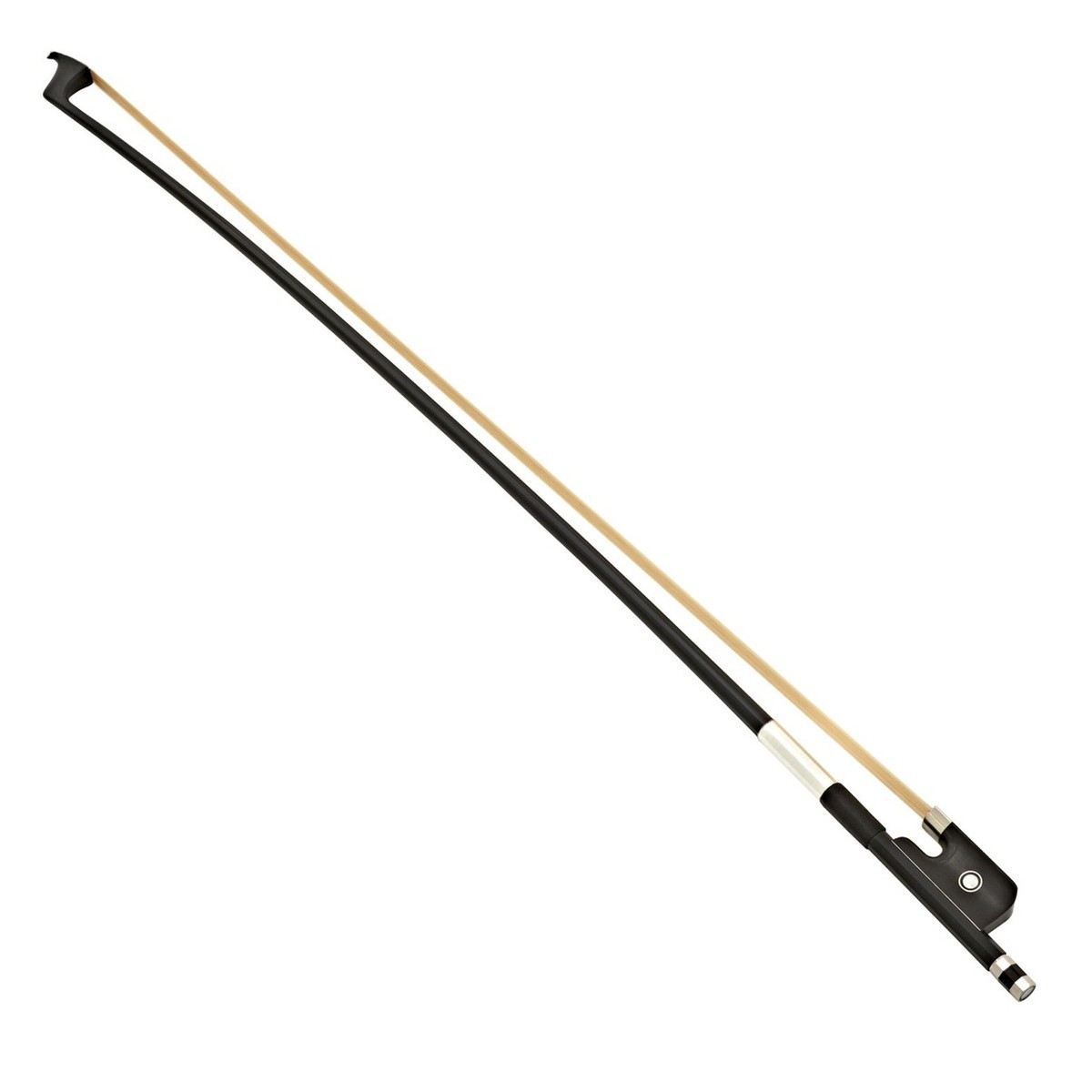
Primavera Composite Cello Bow Round 1/4
 £199.99 ($254)
Gear4Music
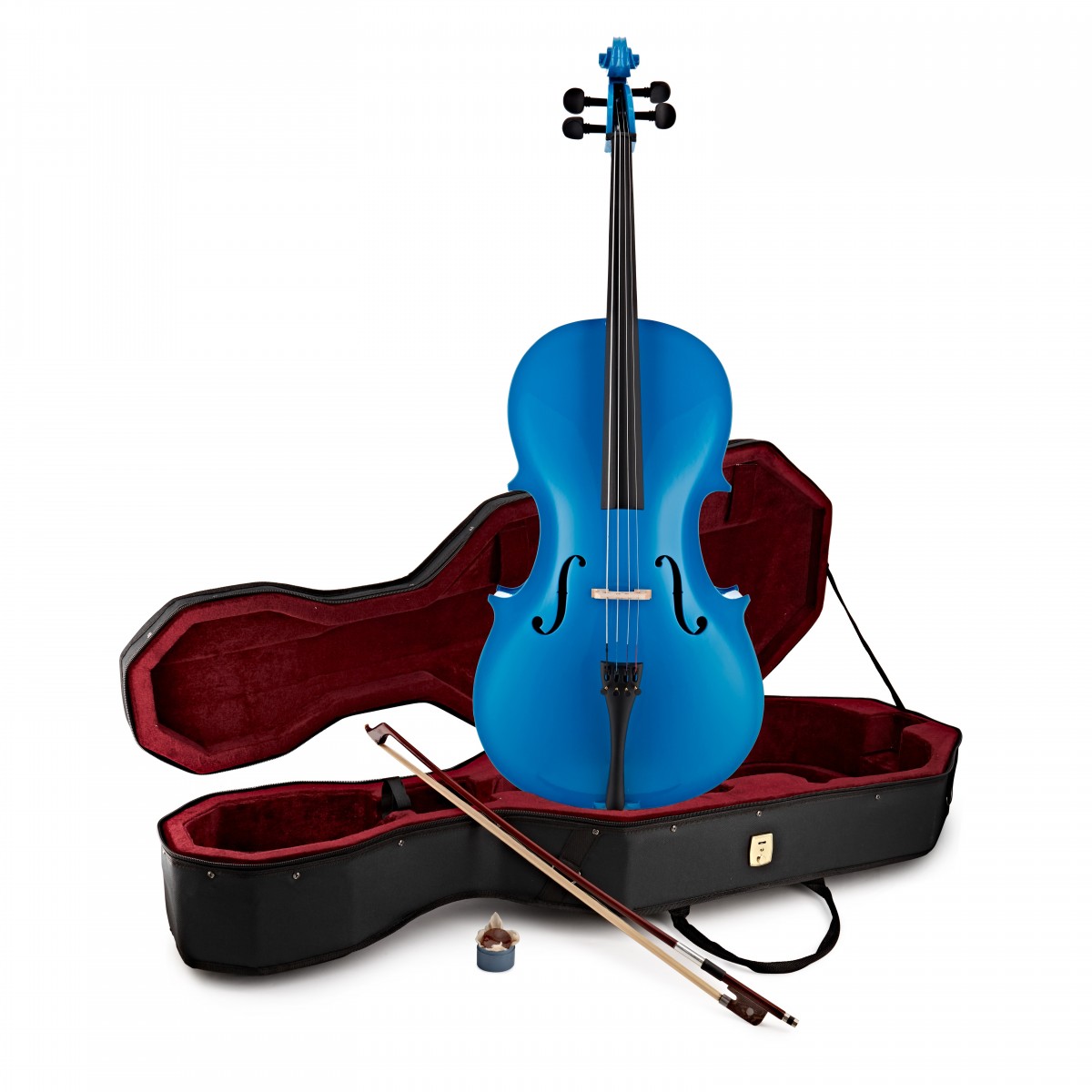
Student 1/2 Size Cello by Gear4music Blue
 £229.99 ($292)
Gear4Music
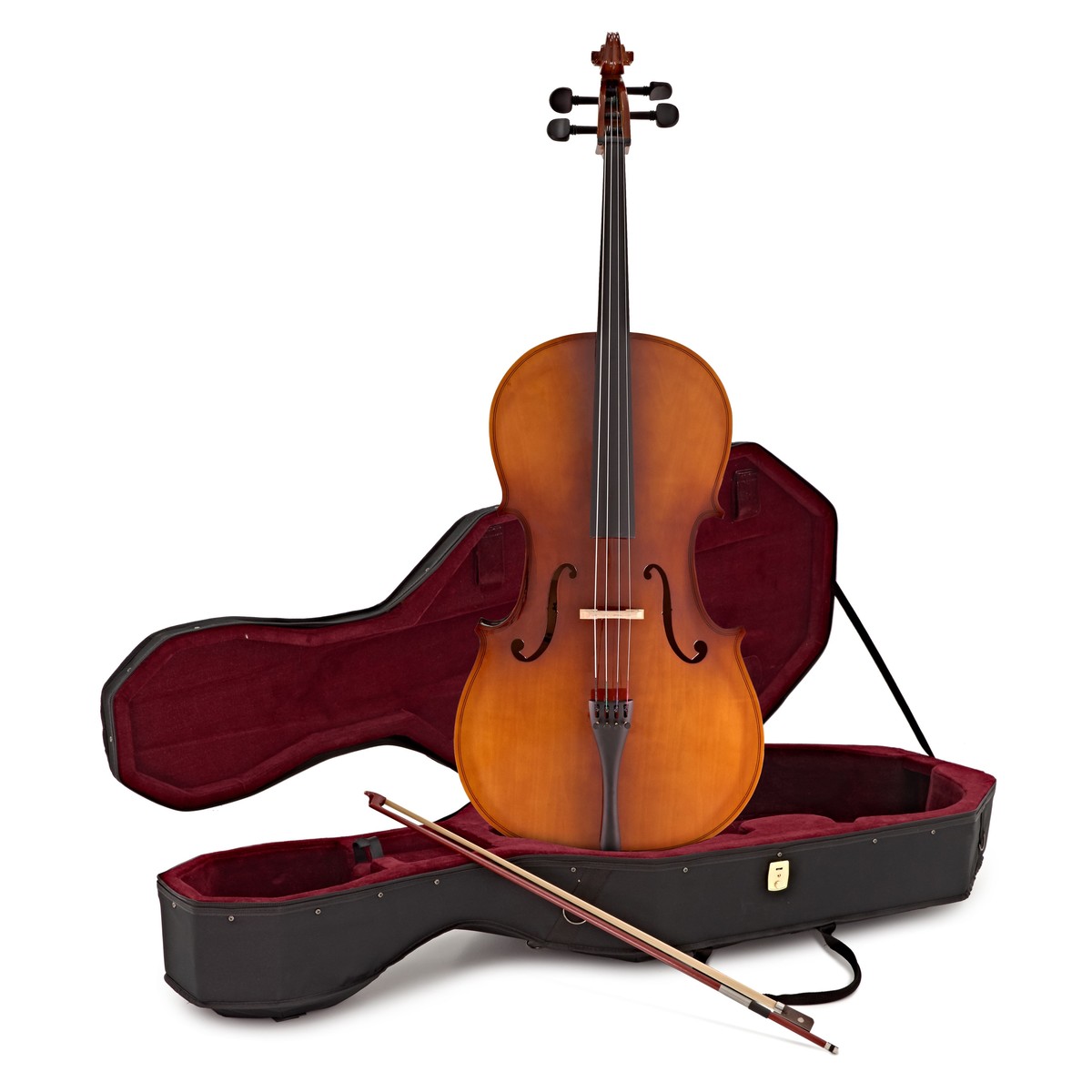
Student Full Size Cello by Gear4music Antique Fade
 £2,189.00 ($2,780)
Stentor
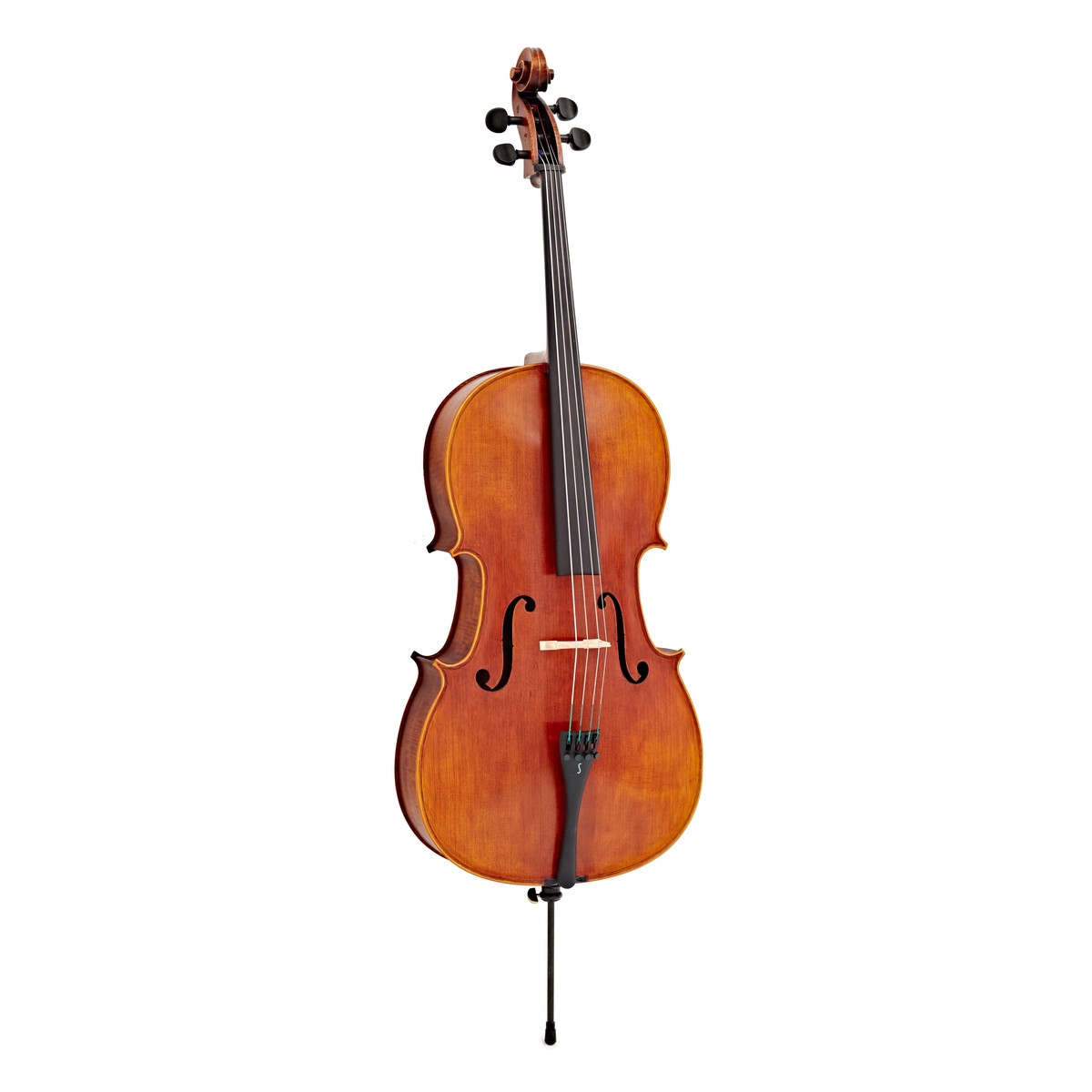
Stentor Messina Cello Full Size Instrument Only
 £146.00 ($185)
Gewa
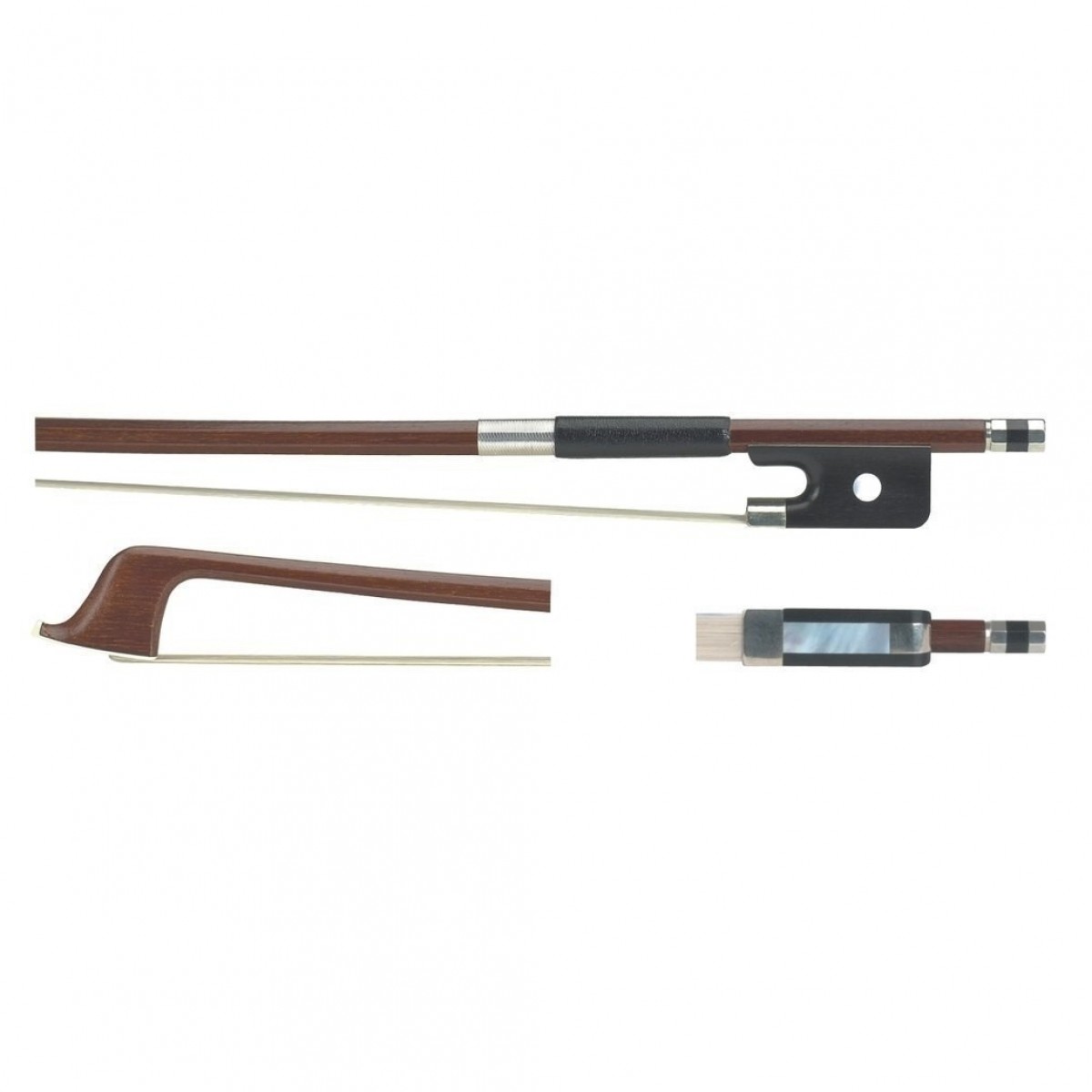
Jaeger Germany Premium Bulletwood Student Cello Bow Octagonal 3/4
 £12.50 ($16)
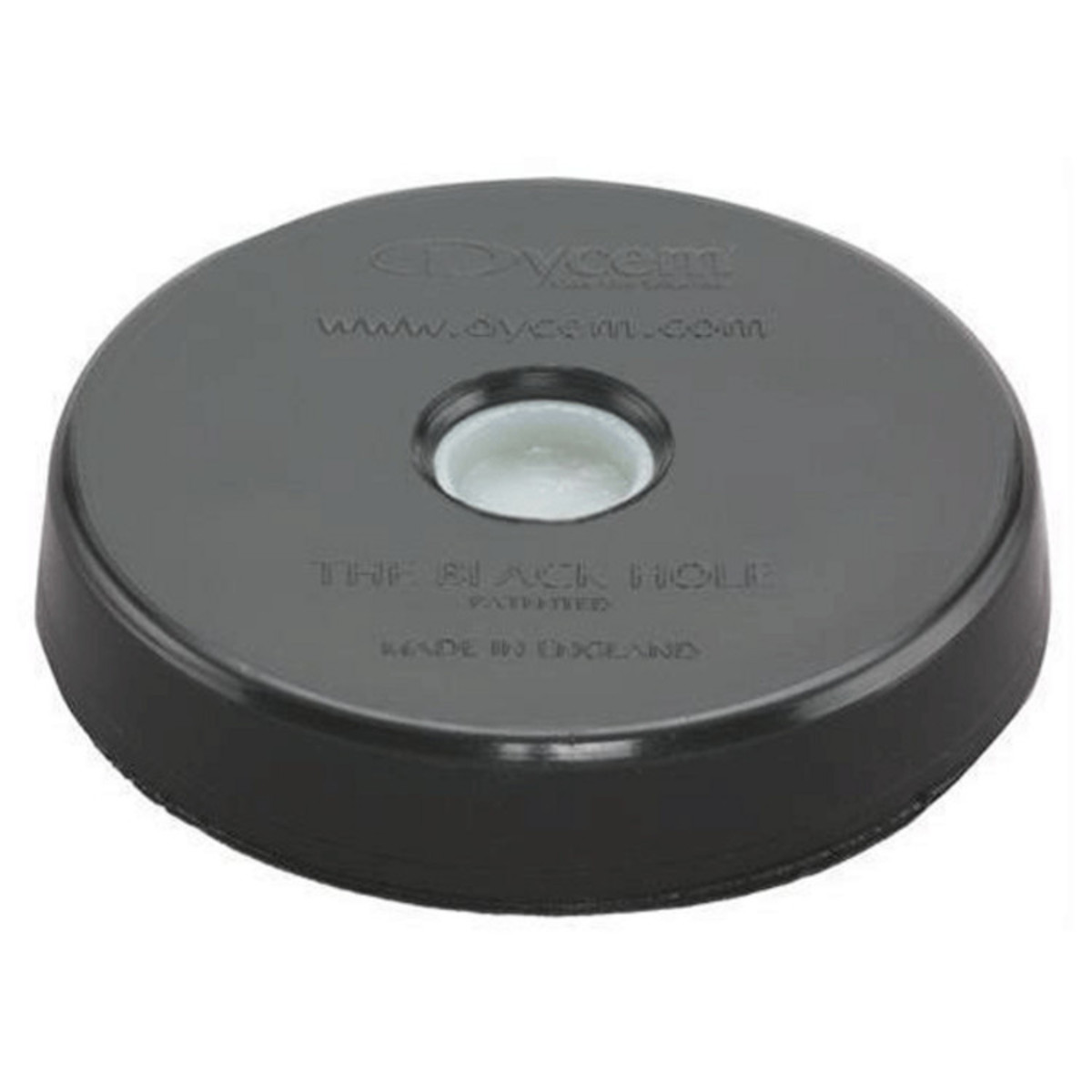
Black Hole
Black Hole Non Slip Cello Mat
Frequently asked questions
- What material is the Coruss Carbon Bow made from?
- The bow is constructed from carbon fibre, a material known for its strength, resilience, and resistance to environmental changes such as humidity and heat.
- Is the hair on this bow real horsehair?
- No, the bow uses synthetic green hair. This makes it a vegan-friendly alternative to traditional bows that use animal products.
- What size cello is this bow designed for?
- This specific model is a 3/4 size bow, intended for use with 3/4 size cellos. It is smaller than a full-size bow to accommodate the proportions of the smaller instrument.
- How does carbon fibre compare to traditional wooden bows?
- Carbon fibre is significantly more durable than wood and is less likely to warp or break. It offers a consistent performance regardless of weather conditions, whereas wooden bows can be sensitive to moisture.
- Does the synthetic hair require rosin?
- Yes, synthetic hair requires rosin just like natural horsehair to create the necessary friction against the strings. A product like Pirastro Cellisto Cello Rosin is often used for this purpose.
- Is this bow suitable for professional use?
- While it is excellent for students, its well-balanced design and consistent sound make it suitable for seasoned musicians who need a reliable performance tool or a durable travel bow.
- What colour is the hair on the Coruss Carbon Bow?
- The synthetic hair is distinctively green, providing a modern and unique look to the instrument's setup.
- Does a carbon fibre bow help with physical strain?
- Yes, this bow is designed to be well-balanced, which helps in reducing strain on the player's hand and wrist during extended playing sessions.
- Can I use this bow on a full-size cello?
- Technically yes, but it is not recommended. A 3/4 bow is shorter than a full-size (4/4) bow, which may affect the technique and range of a player using a full-size instrument.
- How does the sound of synthetic hair differ from horsehair?
- Coruss synthetic hair is designed to provide a smooth and consistent sound. While some players find natural hair has more 'grip' variations, the synthetic hair offers a very reliable and even tonal output.
- What is the typical price for this bow?
- The Coruss Carbon Bow for Cello 3/4 generally retails for approximately £205, reflecting its position as a high-quality intermediate to professional accessory.
- Is this bow suitable for students?
- Yes, it is highly recommended for students due to its durability. It can withstand the rigours of daily practice and transport to school more effectively than fragile wooden bows.