
Gear article
D'Addario XLR Female Coupler
The D'Addario XLR Female Coupler is a specialised audio adapter designed to facilitate the connection of two male XLR cables or components. It serves as a gender changer within a signal chain, ensuring secure and reliable balanced audio transmissions in professional sound environments.
See live pricesOverview
The D'Addario XLR Female Coupler is a compact hardware utility designed for stage and studio applications. Its primary function is to join two male XLR connectors together, effectively reversing the gender of a connection point or extending a signal chain where only male-terminated cables are available. As part of D'Addario's accessory line, it is engineered to meet the demands of touring professionals and recording engineers who require robust, noise-free connectivity.
Design and Build Quality
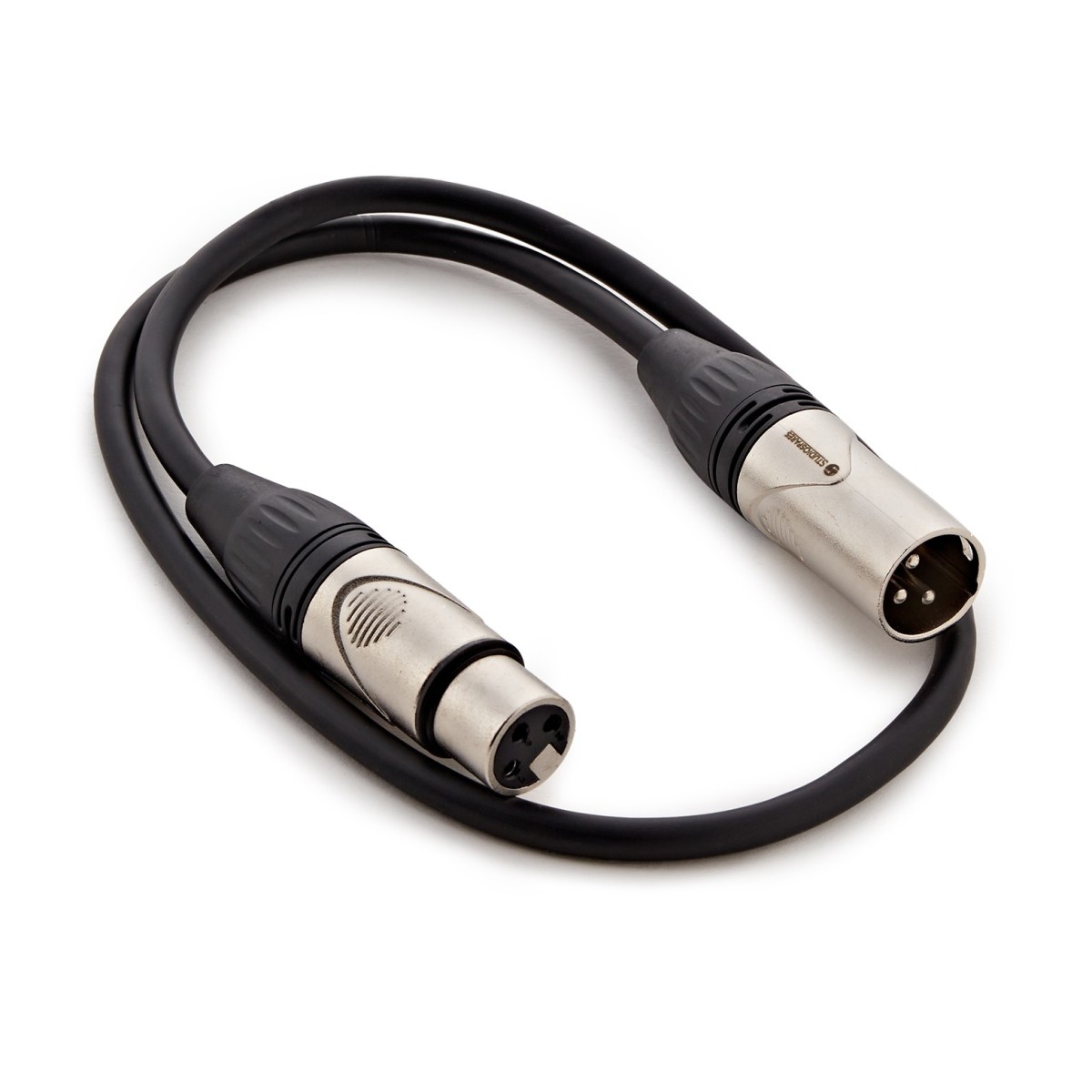
Constructed with a focus on durability, the coupler features a high-quality housing intended to withstand frequent insertion cycles. The internal architecture ensures that the balanced nature of the XLR signal—typically consisting of ground, hot, and cold pins—is maintained without degradation. Unlike standard patch cables, such as the Studiospares Standard 60cm XLR, this device provides a rigid, direct interface between two existing connectors, minimizing the physical footprint of the adaptation.
Signal Integrity and Sound Character
In professional audio, maintaining signal transparency is paramount. The D'Addario XLR Female Coupler is designed to be sonically neutral, introducing no coloration or impedance mismatching to the audio path. By providing a secure physical lock, it prevents the intermittent signal loss or microphonic noise often associated with inferior adapters. This makes it suitable for high-fidelity applications ranging from microphone preamplification to active monitor routing.
Target Audience and Use Cases
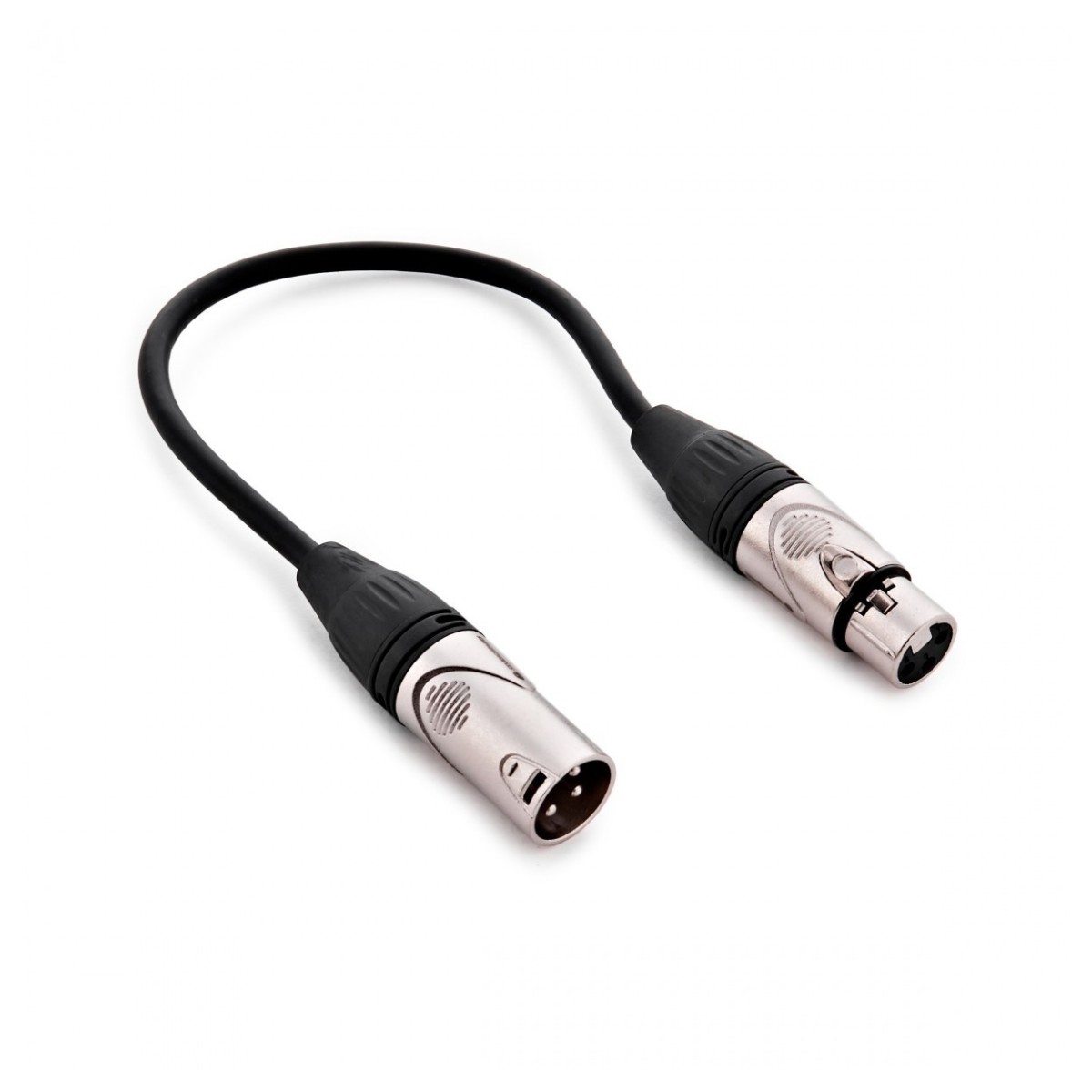
This adapter is an essential tool for live sound technicians, broadcast engineers, and home studio owners. It is particularly useful in scenarios where a patch bay or stage box presents a male output that needs to be interfaced with another male-terminated cable. It provides a more immediate solution than sourcing specific gendered cables, such as a 30cm patch cable, when time and equipment availability are limited.
Market Comparisons
While D'Addario offers a comprehensive solution for gender conversion, users often compare such adapters to specific cabling needs. For example, while a Neutrik NC3FRX right-angled connector offers space-saving benefits for permanent installations, the D'Addario coupler offers modular flexibility. It occupies a different niche than instrument-specific cables like the Ernie Ball P06049 or lighting-standard DMX cables from Adam Hall, focusing strictly on balanced audio interconnectivity.
Related gear
 £5.99 ($8)
Studiospares
Studiospares Standard XLR (M) - XLR (F) Cable 60cm
 £17.57 ($22)
Ernie Ball
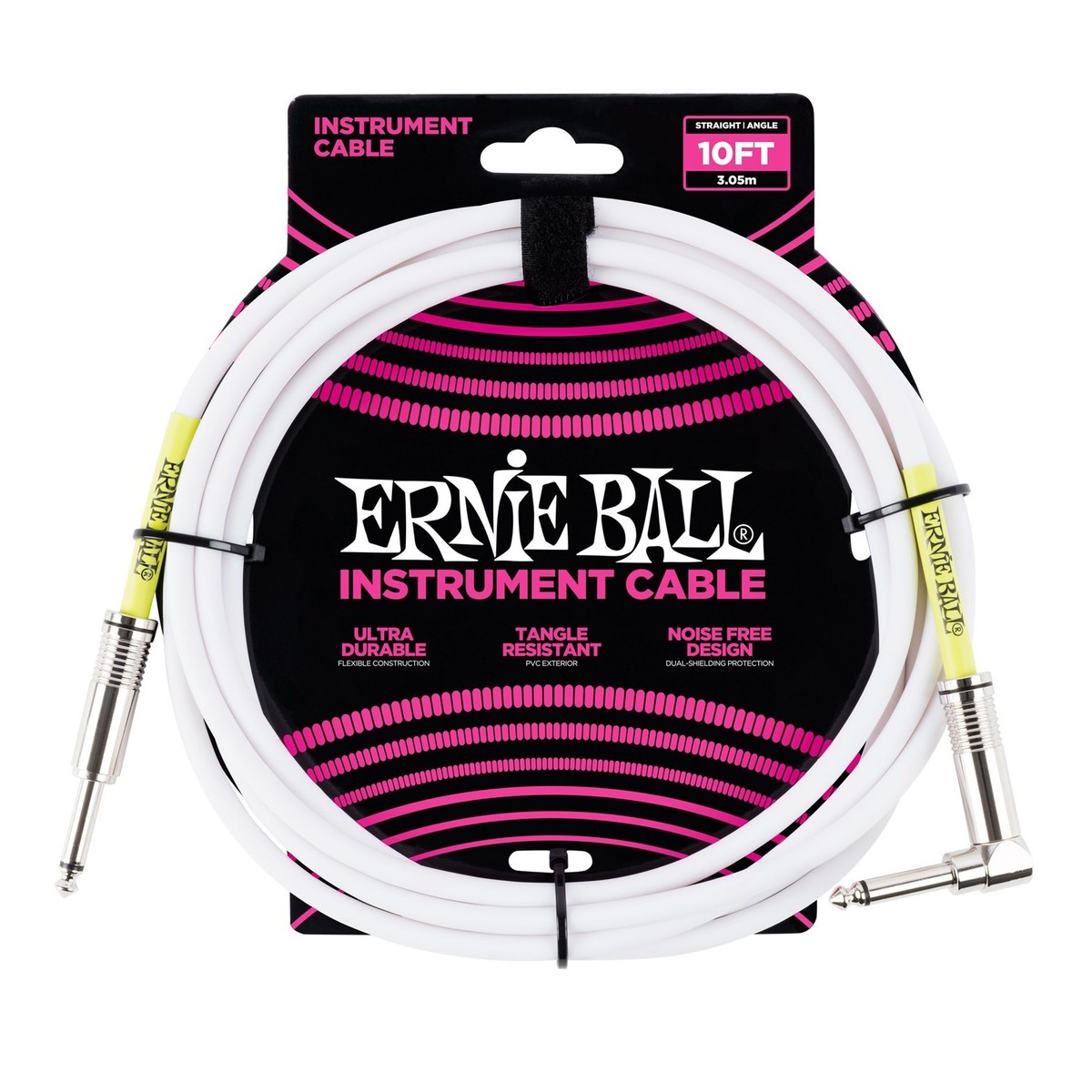
Ernie Ball P06049 10ft Straight-Angle Instrument Cable White
 £32.00 ($41)
LD Systems
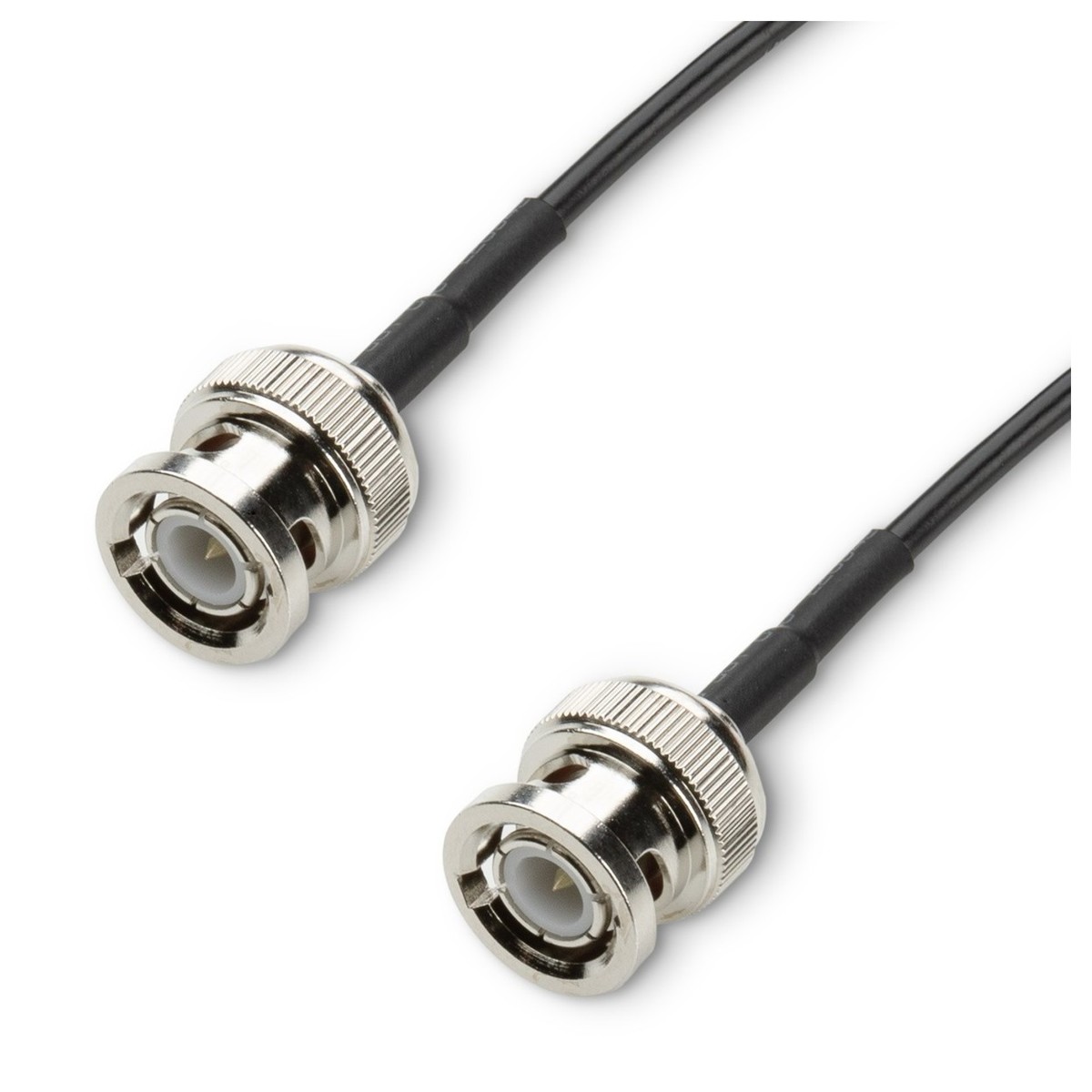
LD Systems WS100BNC10 BNC to BNC Antenna Cable 10m
 £4.99 ($6)
Gear4Music
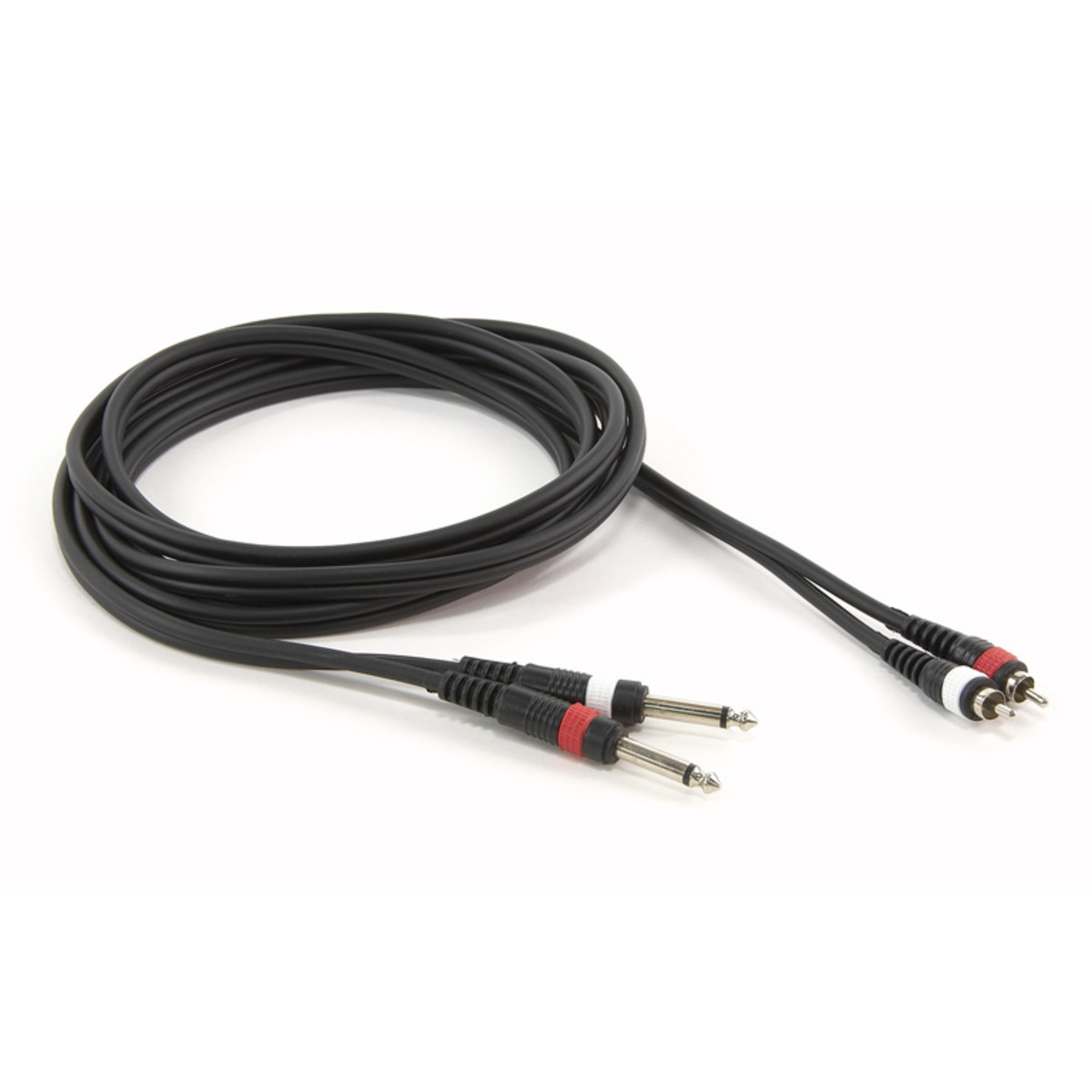
Essentials Dual Jack to RCA Phono Cable 3m
 £10.50 ($13)
Neutrik
Neutrik NC3FRX Right-Angled 3-Pole Female XLR Connector
 £19.00 ($24)
Neutrik
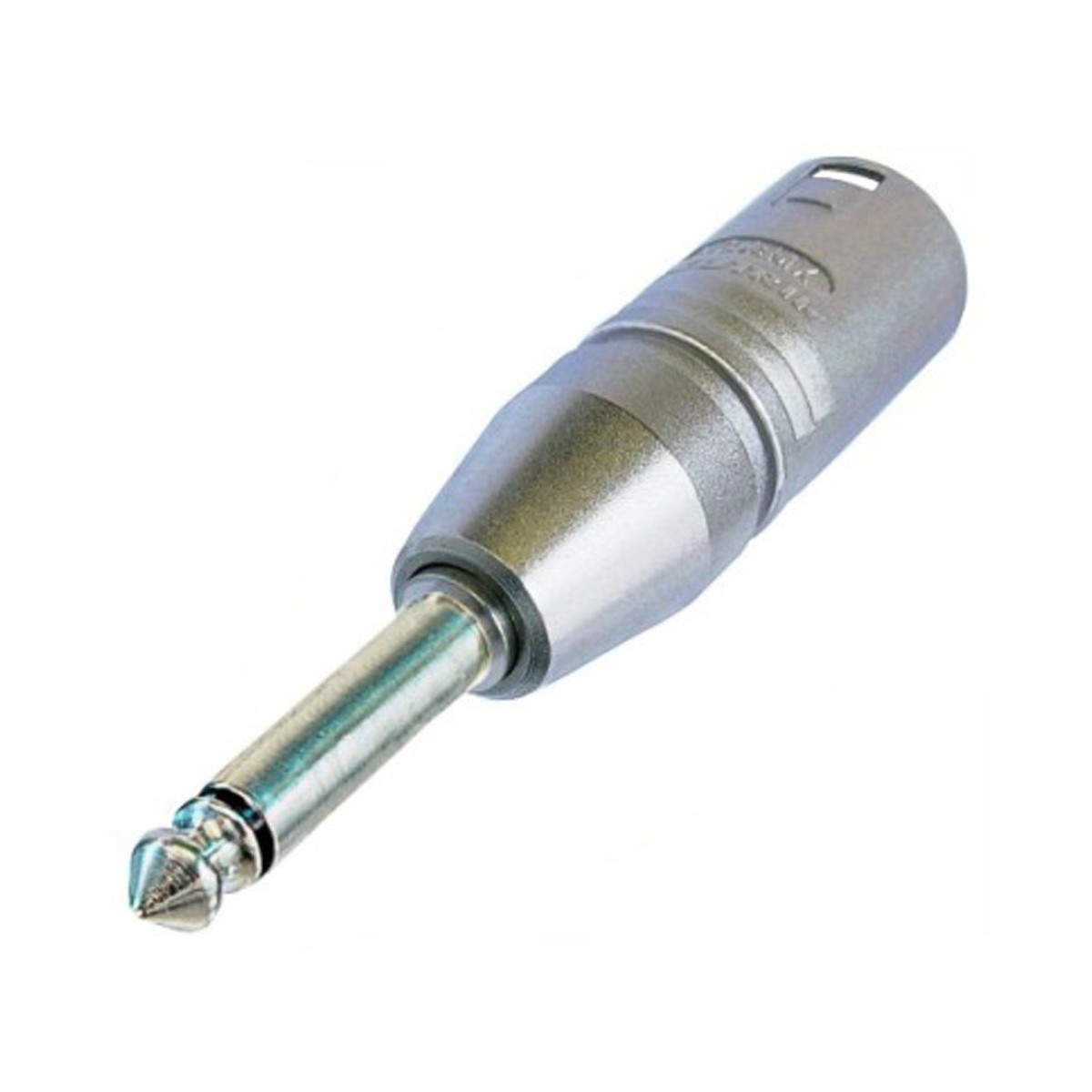
Neutrik NA2MP Male XLR - 1/4 Jack Adaptor
 £30.00 ($38)
Adam Hall
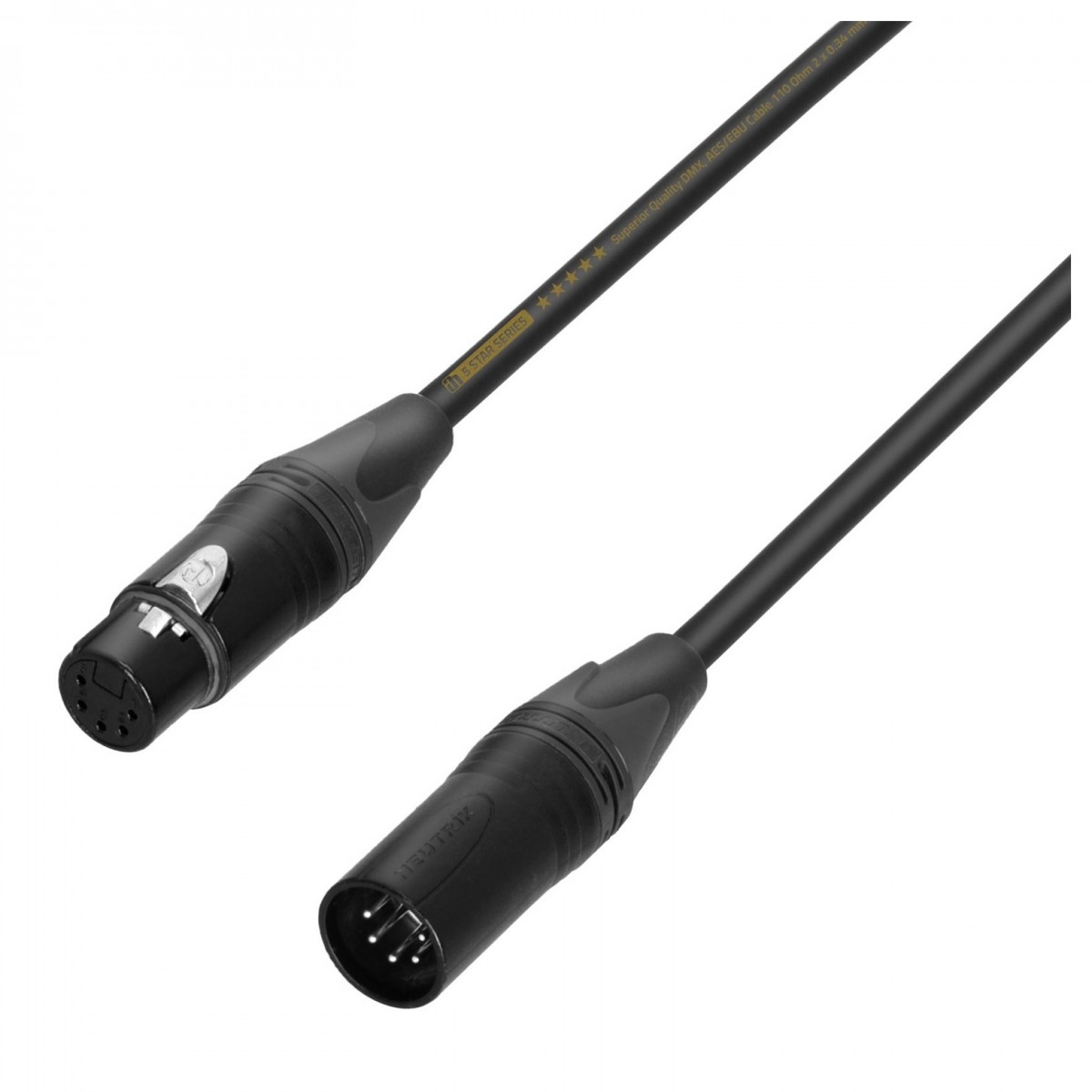
Adam Hall 5 STAR Neutrik DMX 5-Pin Lighting Cable 20m
 £4.99 ($6)
Studiospares
Studiospares Standard XLR (M) - XLR (F) Patch Cable 30cm
Frequently asked questions
- What is the primary purpose of the D'Addario XLR Female Coupler?
- The primary purpose is to connect two male XLR connectors together. This allows users to extend cables or change the gender of a connection point in an audio signal chain.
- Does this adapter affect the audio quality?
- No, the adapter is designed to be sonically neutral. It maintains the balanced signal path without adding noise or changing the frequency response of the audio.
- Can I use this to connect a microphone to a mixer?
- Only if both ends of the connection currently have male XLR plugs. Typically, microphones use a female-to-male cable, but this coupler helps if you have unconventional cabling configurations.
- Is the D'Addario XLR Female Coupler compatible with DMX lighting?
- While it fits the physical 3-pin XLR form factor used in some DMX setups, it is primarily designed for audio. For dedicated lighting needs, a 5-pin DMX cable like the Adam Hall 5-STAR is often preferred.
- What is the typical price for this unit in the UK?
- The typical price range for this D'Addario adapter is approximately £11.00. Prices may vary slightly depending on the retailer and current stock levels.
- Is this a stereo or mono adapter?
- It is a 3-pin XLR adapter designed for balanced mono signals. While XLR can carry stereo information in specific applications, this is standardly used for single-channel balanced audio.
- Does it have a locking mechanism?
- Yes, standard XLR female connectors include a latching mechanism to ensure the male plug does not accidentally disconnect. This provides a secure link during live performances.
- How does this compare to a Neutrik NA2MP adapter?
- The D'Addario coupler is XLR-to-XLR, whereas the Neutrik NA2MP is a Male XLR to 1/4 inch Jack adapter. They serve different conversion purposes within a studio setup.
- Can this be used for antenna signals like BNC cables?
- No, this is specifically for XLR connections. For antenna applications, you would require a dedicated BNC cable such as the LD Systems WS100BNC10.
- Is the housing made of metal or plastic?
- D'Addario typically uses high-quality, durable metal housings for their XLR adapters to ensure longevity and shielding against electromagnetic interference. The robust build is suitable for professional use.
- Would this be useful for a guitar player?
- Generally no, as guitars use 1/4 inch TS cables like the Ernie Ball P06049. This adapter is intended for balanced low-impedance signals typically used by microphones and pro-audio gear.
- Can I use two of these to extend a very long cable run?
- Yes, you can use these couplers to join multiple male-to-male cables together. However, it is usually more efficient to use a single long XLR cable to minimize the number of connection points.