
Gear article
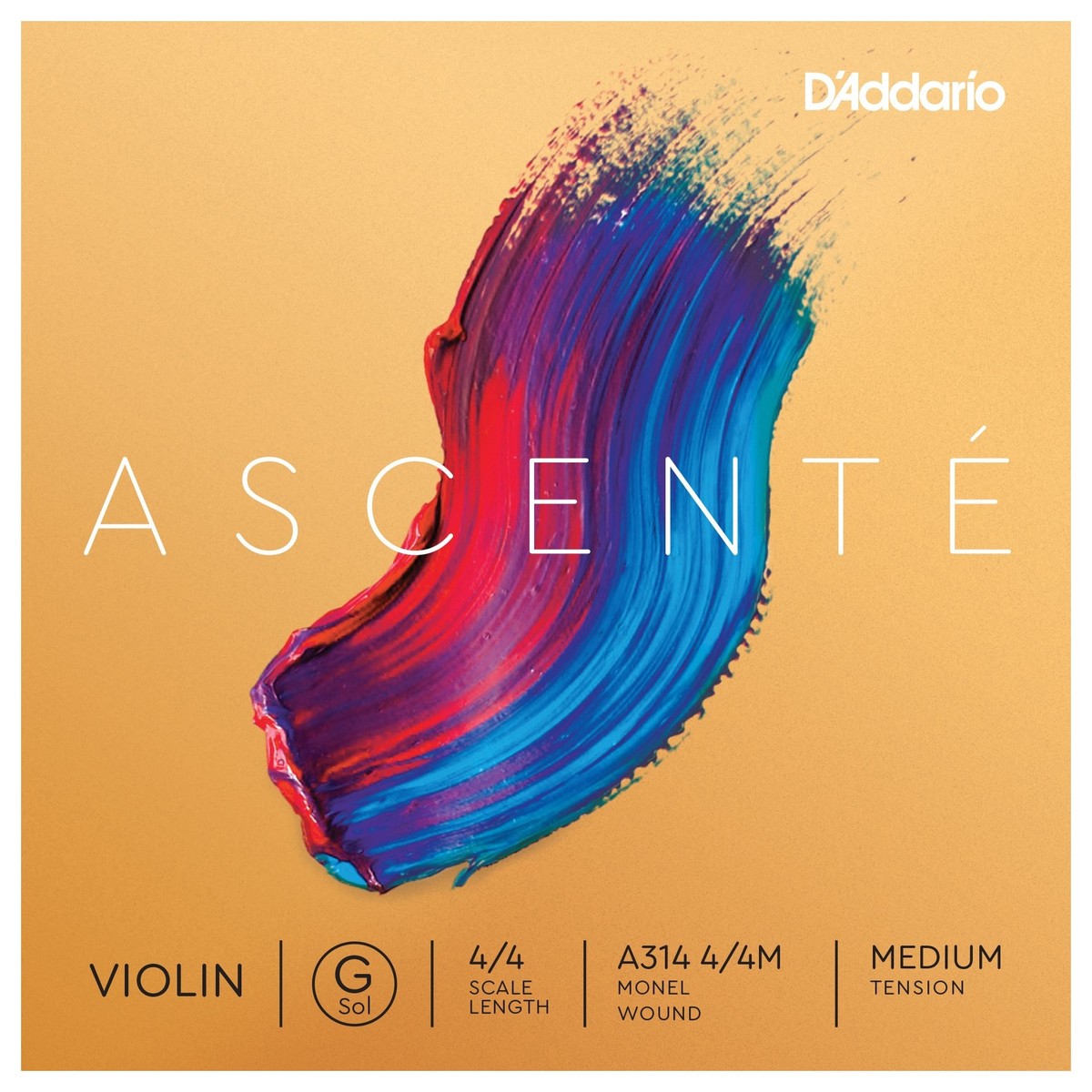
D'Addario Ascenté Violin G String (4/4 Size, Medium)
The D'Addario Ascenté Violin G string is a synthetic core replacement string designed specifically for advancing students. It provides a wider tonal range and superior pitch stability compared to entry-level steel strings, acting as a bridge for players moving towards more sophisticated repertoire.
Overview
The D'Addario Ascenté series is positioned as a transitional string line, designed to assist student violinists as they outgrow beginner-level equipment. The G string, being the lowest-pitched string on the violin, often suffers from muddiness or slow response on student instruments; the Ascenté G is engineered to provide a clear and accurate foundation for the instrument's lower register.
Design and Construction
Utilising a sophisticated synthetic core, the Ascenté G string offers a level of elasticity that traditional solid steel strings lack. This construction serves two primary purposes: it provides a more flexible feel under the fingers and enhances the string's resistance to environmental changes. The materials used are chosen for their corrosion resistance, ensuring a longer lifespan even in humid conditions or for players with acidic perspiration.
Performance Characteristics
The primary advantage of the Ascenté G string is its pitch stability. Unlike some synthetic strings that require a lengthy break-in period or frequent tuning, the Ascenté is designed to settle quickly and stay in tune. This allows students to focus on their technique rather than constant mechanical adjustment. The tonal profile is described as naturally clear, avoiding the harshness often associated with budget strings while offering a broader palette of colours for expressive playing.
Target Audience
This string is specifically suited for intermediate players who have mastered basic intonation and are beginning to explore vibrato and varied tonal shading. Because it is a medium tension, 4/4 size string, it fits the vast majority of standard full-sized violins. It serves as an upgrade for those currently using basic steel-core strings who require a more sophisticated sound without the high cost of professional-grade sets.
Comparison to Alternatives
Within the D'Addario catalogue, the Ascenté sits between the entry-level Prelude and the more professional-oriented Zyex or Helicore lines. While the Helicore series uses a multi-strand steel core for a quicker response, the Ascenté's synthetic core provides a warmer, more traditional 'classical' sound. Compared to premium options like the Larsen Gold Plated E or Spirocore viola strings, the Ascenté remains a budget-friendly choice, typically retailing around £9 for the individual G string.
Related gear
 £11.40 ($14)
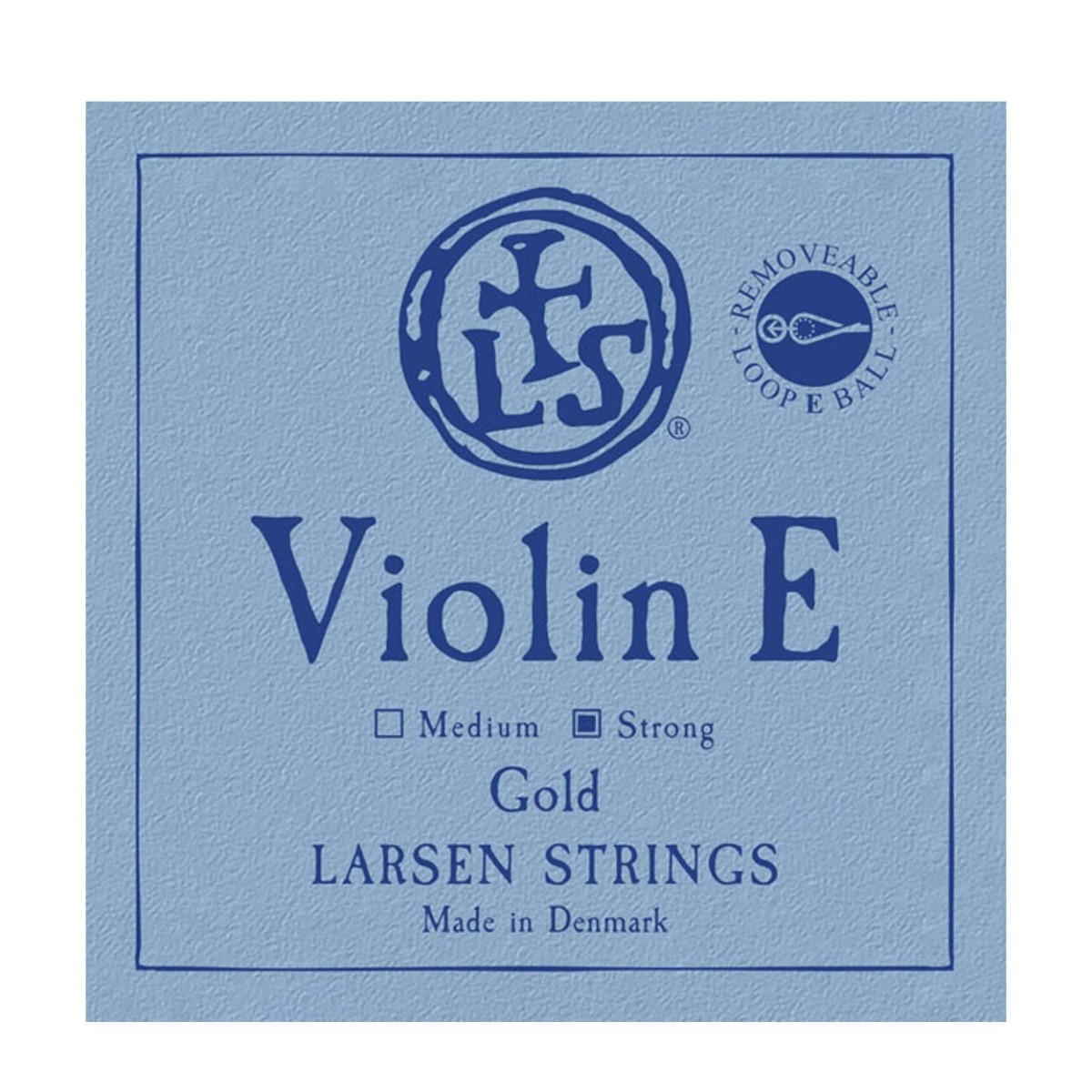
Larsen Strings
Larsen Violin E String Gold Plated Ball/Loop End Heavy
 £15.40 ($20)
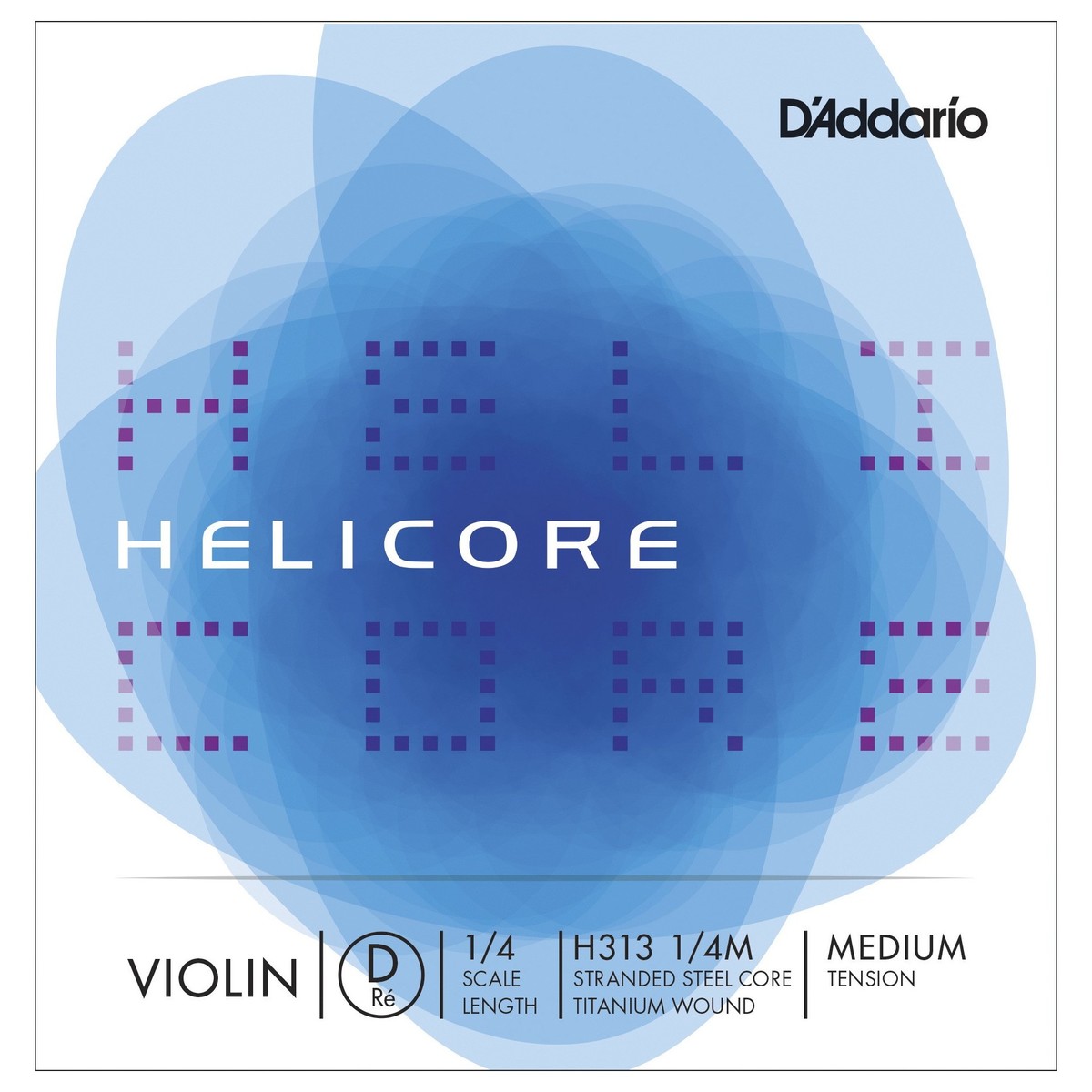
Daddario
DAddario Helicore Violin D String 1/4 Size Medium
 £19.00 ($24)
Thomastik
Thomastik Spirocore Viola G String Chrome Wound 4/4 Size Light
 £14.15 ($18)
Ernie Ball
Ernie Ball 2921 Regular Slinky M-Steel Set 10-46
 £14.99 ($19)
Ernie Ball
Ernie Ball 3826 Tim Henson Signture Slinky Nickel Guitar Strings Set 9.5-46
 £13.60 ($17)
Daddario
DAddario Zyex Violin Aluminum D String 4/4 Size Medium
 £7.99 ($10)
Dunlop
Dunlop Ukulele Concert Pro-4 String Set
- £34.60 ($44)
Larsen Strings
Larsen Cello D String 1/8 Size Medium
Frequently asked questions
- What is the core material of the D'Addario Ascenté G string?
- The Ascenté G string features a synthetic core. This design is chosen to provide greater flexibility and a wider tonal range than traditional solid steel cores.
- Which violin size is this specific string designed for?
- This specific model is designed for a 4/4 size (full-size) violin. Using it on smaller instruments may result in improper tension and poor sound quality.
- What is the tension of the D'Addario Ascenté G string?
- This string is manufactured with a Medium tension. Medium tension is the industry standard, providing a balance between volume, ease of playability, and structural safety for the instrument.
- How does the Ascenté G string help advancing students?
- It is designed to open up a wider tonal range that beginner strings might otherwise stifle. This allows the player to develop more sophisticated musicality and expression as their skill level improves.
- Does this string offer good tuning stability?
- Yes, one of the key features of the Ascenté line is exceptional pitch stability. It is engineered to stay in tune reliably, reducing the need for constant adjustment during practice sessions.
- Is the Ascenté G string resistant to corrosion?
- Yes, the materials used in the Ascenté string are selected for their corrosion resistance. This increases the durability of the string against moisture and skin oils.
- What is the typical price for an individual Ascenté G string?
- The typical price range for this individual string is approximately £9. This makes it an affordable upgrade for students moving beyond basic equipment.
- How does the tone of this string compare to beginner strings?
- The tone is naturally clear and accurate, offering a more balanced sound than entry-level strings. It provides a foundation for students to explore a more sophisticated tonal palette.
- Is the string easy to play for developing hands?
- Yes, the synthetic core provides a degree of elasticity and flexibility. This results in a smooth playing experience, which is beneficial for students developing their finger strength and technique.
- Can this string be used on a viola?
- No, this string is specifically designed for a 4/4 size violin. Violins and violas have different scale lengths and tension requirements, so they require instrument-specific strings like the Thomastik Spirocore Viola series.
- Who is the manufacturer of Ascenté strings?
- Ascenté strings are manufactured by D'Addario, a well-known brand in the music industry that also produces other lines like Helicore and Zyex.
- Will the Ascenté G string snap easily?
- The string is designed with flexibility and elasticity in mind to prevent snapping. Its synthetic construction allows it to withstand the rigours of student practice and frequent tuning.