Gear article
D'Addario EJ11 80/20 Bronze Acoustic Guitar Strings
The D'Addario EJ11 is a set of light-gauge 80/20 bronze strings for acoustic guitar, measuring .012 to .053 in thickness. Originally developed in the 1930s, these strings are known for a crisp, balanced frequency response that combines full-bodied bass with a glimmering top-end sheen.
See live pricesBackground and History
The 80/20 bronze alloy used in the EJ11 set carries significant historical weight within the music industry. The formulation was first conceived in the 1930s through a collaboration between John D'Addario Sr. and the renowned luthier John D'Angelico. Since its inception, this specific alloy has become a staple in acoustic music, particularly valued for its bright, projecting qualities.
D'Addario has maintained this traditional alloy while modernising the manufacturing process. Today, the strings are distributed in environmentally-friendly 'stay-fresh' packaging designed to prevent corrosion before the set is opened, ensuring the strings remain in optimal condition from the factory to the instrument.
Design and Construction
The EJ11 set utilizes a 'Light' gauge, spanning from .012 on the high E string to .053 on the low E string. The core of the strings is wrapped with an 80/20 bronze alloy, which consists of 80% copper and 20% zinc. This composition is specifically engineered to enhance the natural nuances of a guitar's tone.
Key features include: * Corrosion Resistance: Enhanced materials to extend the life of the bright tone. * Precision Winding: Ensures reliable tuning stability for both performance and recording. * Freshness Packaging: Sealed inner bags to protect against atmospheric moisture.
Sonic Characteristics
The sound profile of the EJ11 is defined by a balance between crispness and warmth. The 80/20 bronze alloy produces a 'glimmering' top-end sheen, which is particularly effective for making rhythmic strumming parts stand out in a mix.
Despite the bright treble response, the strings provide a full-bodied bass. This makes them versatile enough for fingerpicking, where they deliver an articulate and sweet melodic voice. Studio engineers frequently favour these strings because their frequency balance requires less corrective EQ during the recording process.
Comparison and Suitability
The EJ11 is aimed at players who find standard phosphor bronze strings too dark or mellow. Compared to alternative electric strings like the Ernie Ball M-Steel or nickel-wound sets, the EJ11 provides the acoustic resonance and tension required for hollow-body projection.
While D'Addario produces various specialty strings, such as the Helicore or Zyex series for bowed instruments, the EJ11 remains a foundational product for acoustic guitarists. It suits players who need a reliable, professional-grade string that maintains clarity over time without the higher cost of coated premium sets.
Related gear
 £11.40 ($14)
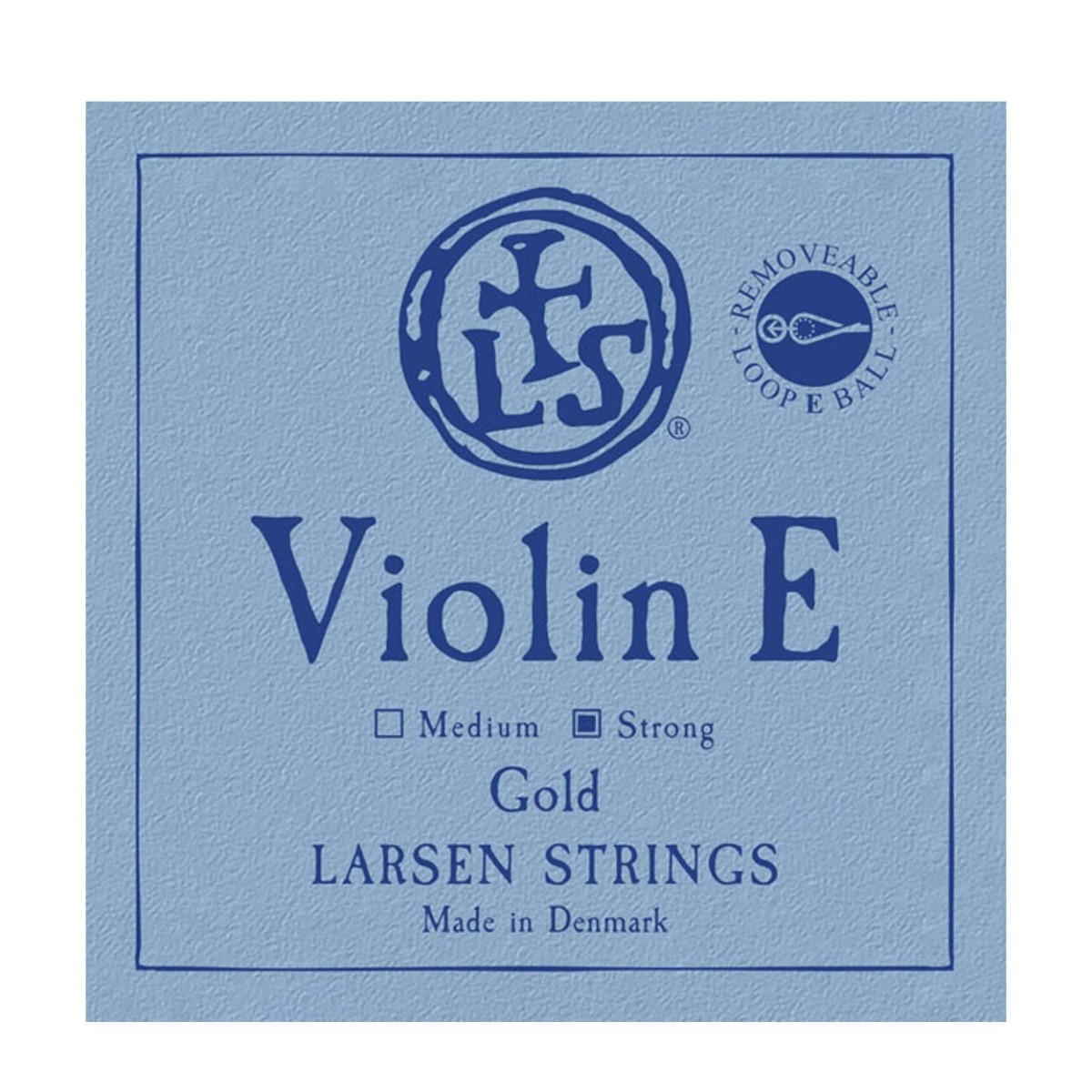
Larsen Strings
Larsen Violin E String Gold Plated Ball/Loop End Heavy
 £15.40 ($20)
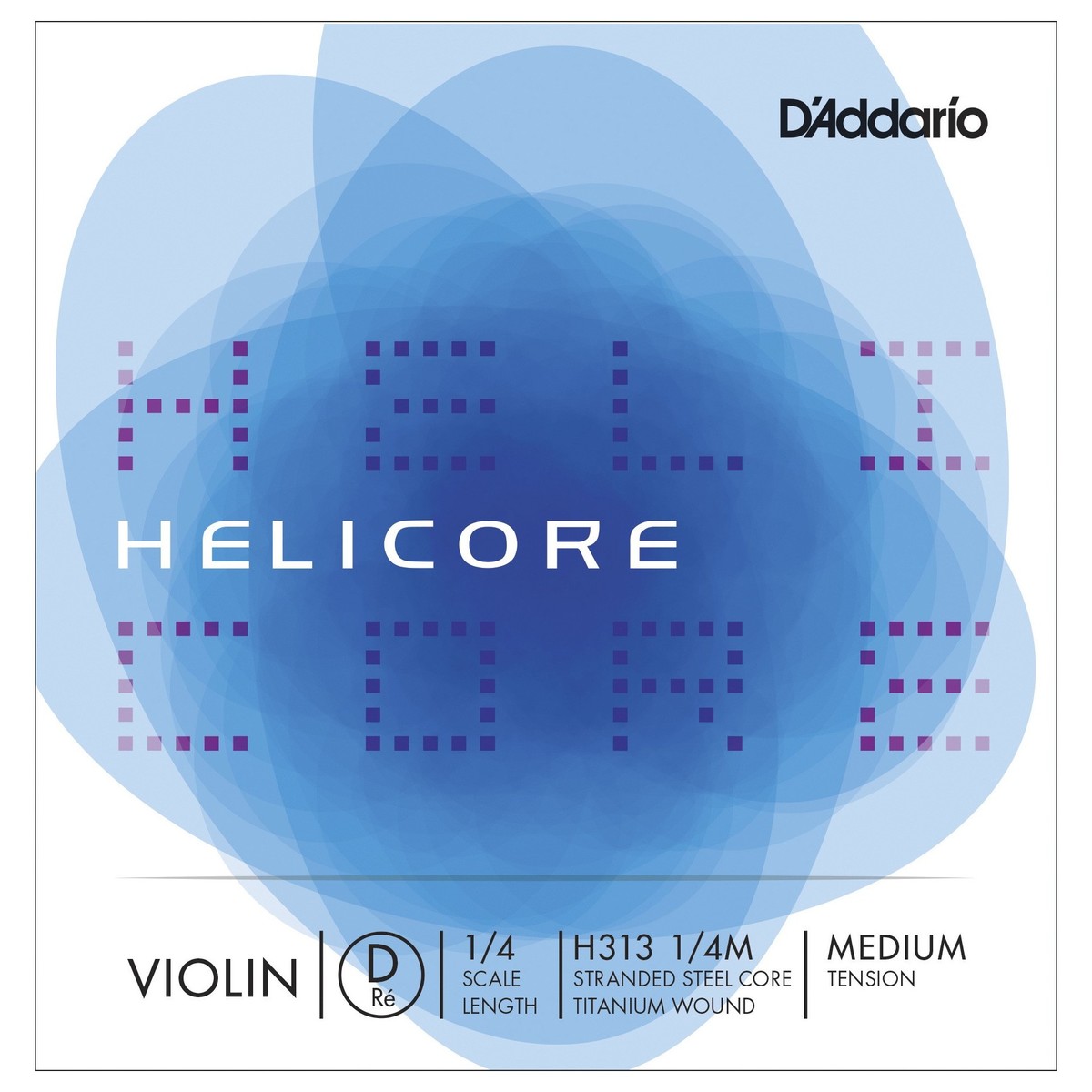
Daddario
DAddario Helicore Violin D String 1/4 Size Medium
 £19.00 ($24)
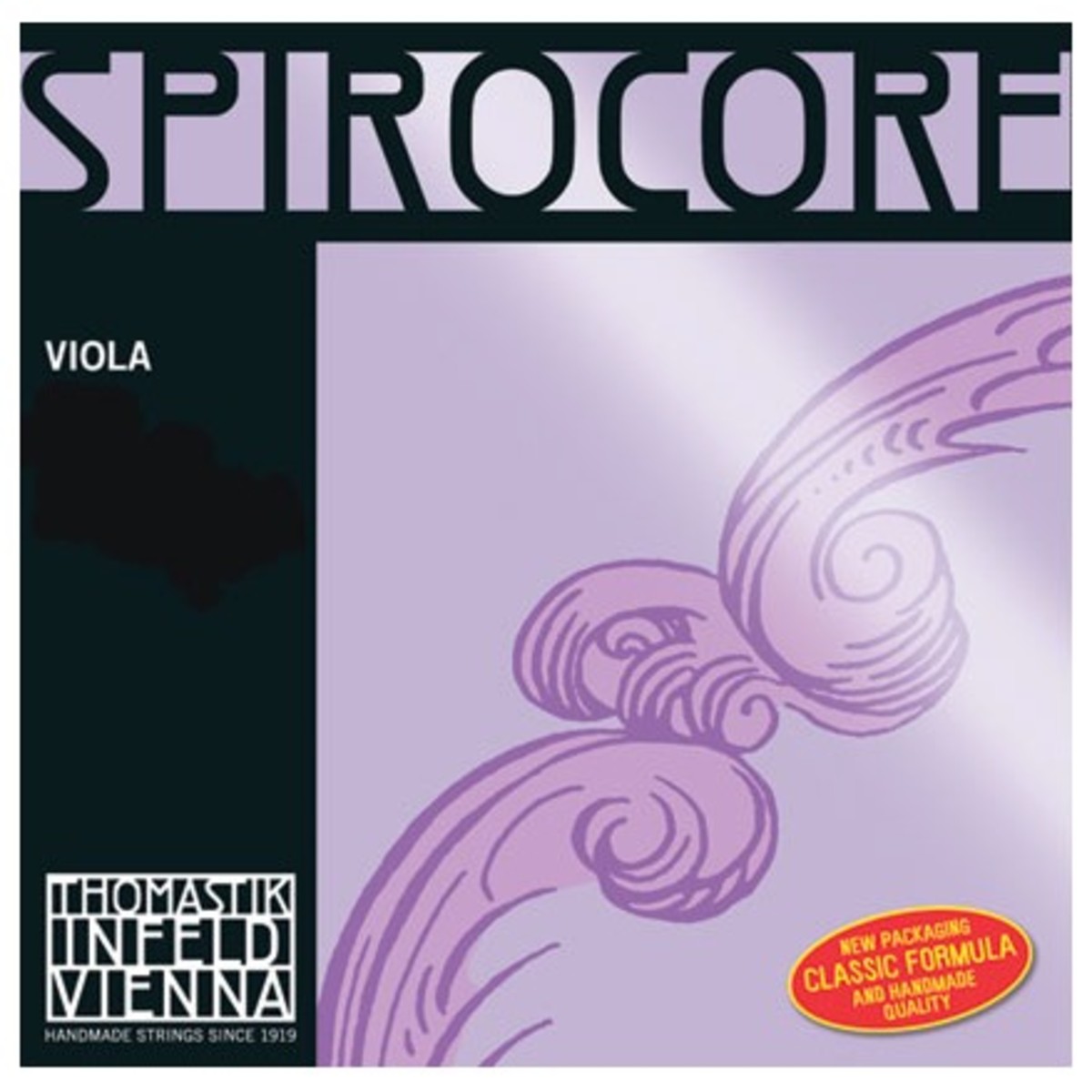
Thomastik
Thomastik Spirocore Viola G String Chrome Wound 4/4 Size Light
 £14.15 ($18)
Ernie Ball
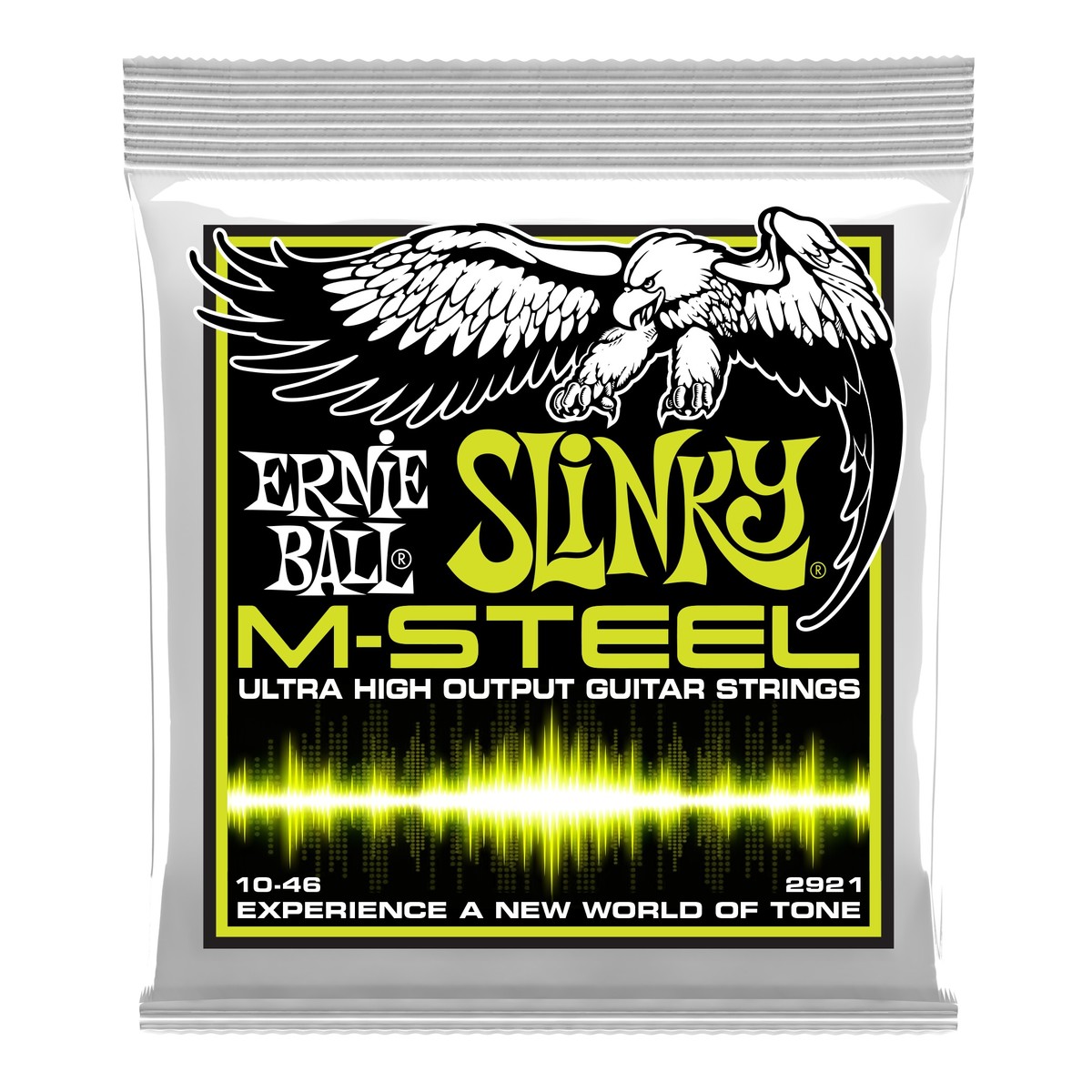
Ernie Ball 2921 Regular Slinky M-Steel Set 10-46
 £14.99 ($19)
Ernie Ball
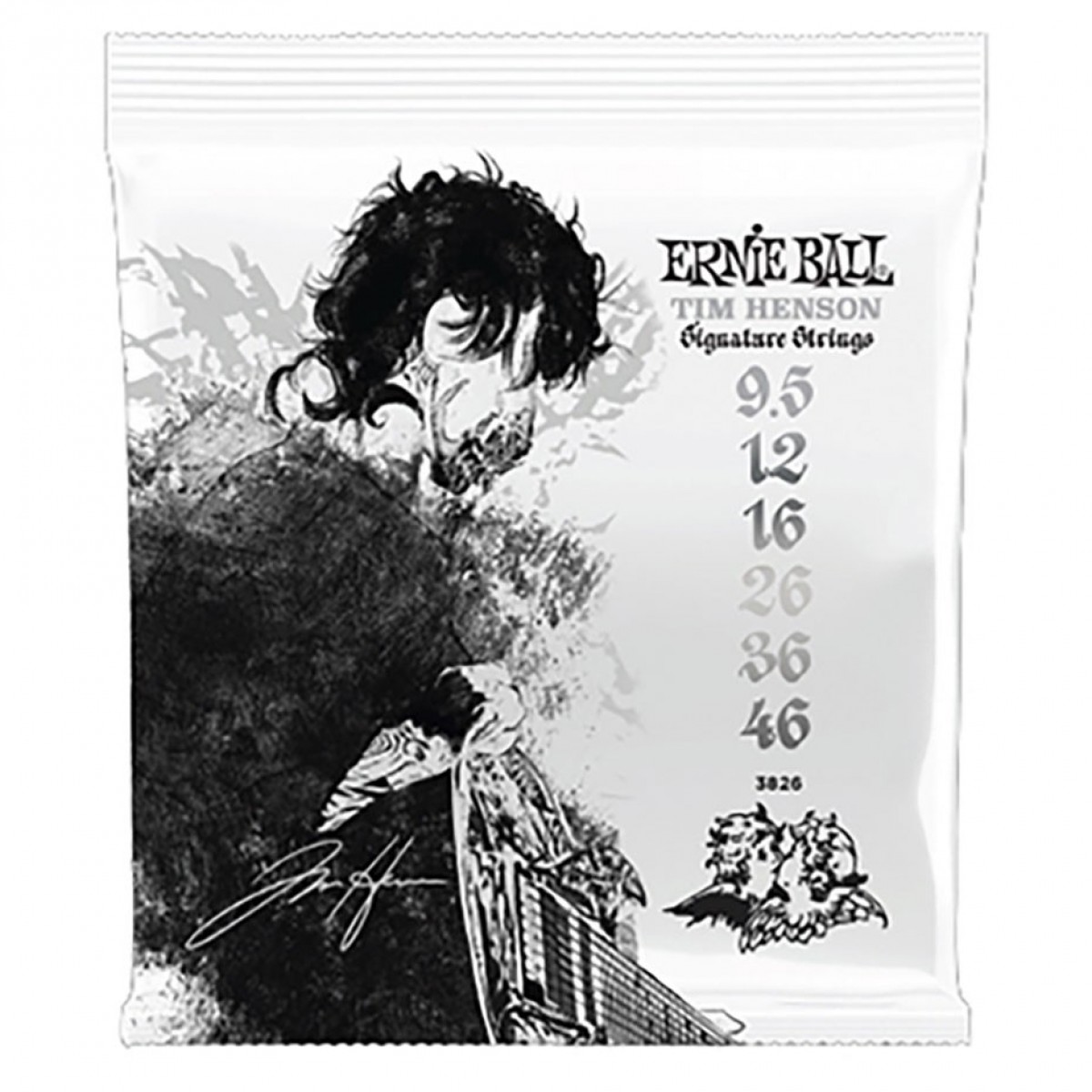
Ernie Ball 3826 Tim Henson Signture Slinky Nickel Guitar Strings Set 9.5-46
 £13.60 ($17)
Daddario
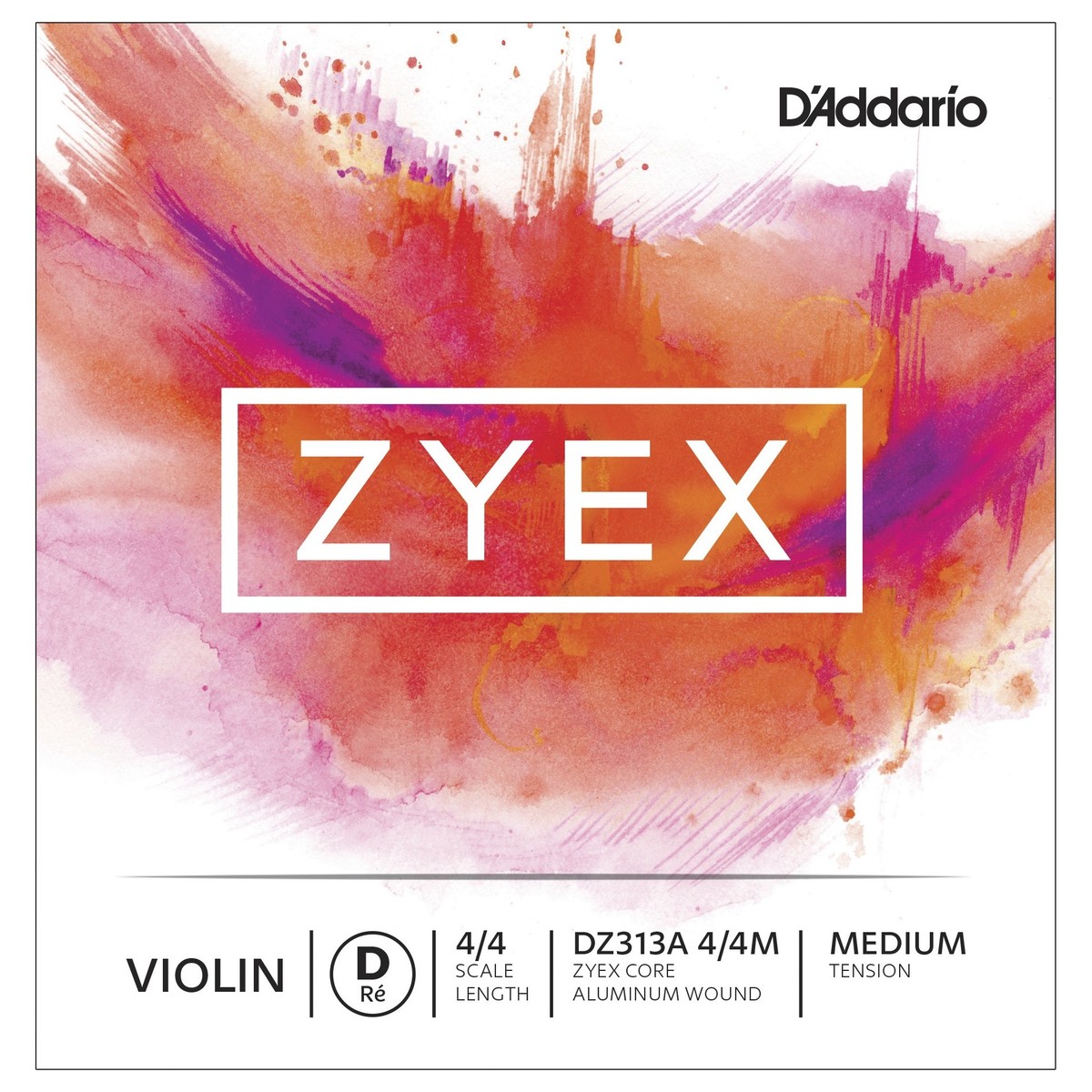
DAddario Zyex Violin Aluminum D String 4/4 Size Medium
 £7.99 ($10)
Dunlop
Dunlop Ukulele Concert Pro-4 String Set
 £34.60 ($44)
Larsen Strings
Larsen Cello D String 1/8 Size Medium
Frequently asked questions
- What is the gauge of the D'Addario EJ11 set?
- The EJ11 is a light-gauge set. The string thicknesses range from .012, .016, .024, .032, .042, to .053.
- What material is used for the EJ11 strings?
- These strings are made from 80/20 bronze. This is an alloy of 80% copper and 20% zinc, known for its bright and crisp tonal qualities.
- Who originally developed the D'Addario 80/20 bronze alloy?
- The alloy was first conceived in the 1930s by John D'Addario Sr. and the famous guitar builder John D'Angelico.
- How does the sound of 80/20 bronze compare to other alloys?
- 80/20 bronze is typically crisper and brighter than phosphor bronze. It offers a glimmering top-end sheen and a very articulate response for both strumming and fingerpicking.
- Are these strings suitable for recording?
- Yes, they are highly favoured by studio engineers. The balance of frequencies and reliable tuning stability make them 'recording-ready' for acoustic tracks.
- What kind of packaging do EJ11 strings come in?
- They are supplied in environmentally-friendly, 'stay-fresh' packaging. This design is intended to reduce waste while protecting the strings from corrosion before use.
- What is the typical price for a set of EJ11 strings?
- In the UK market, these strings typically retail for approximately £7.00 per set.
- Do these strings provide good bass response?
- Yes, despite their bright top-end, they are designed to deliver a full-bodied bass response. This ensures the guitar's natural tone remains balanced.
- Are EJ11 strings resistant to corrosion?
- Yes, they feature increased corrosion resistance compared to standard untreated alloys. This helps the strings maintain their 'sweet-sounding' character for a longer period.
- Which playing styles suit the EJ11 set best?
- They are versatile strings that suit rhythmic strumming, as the high-end helps parts 'pop,' as well as fingerpicking, where they sound sweet and articulate.
- How is the tuning stability on the D'Addario EJ11?
- These strings are known for reliable tuning stability. This is a result of precision manufacturing and the high-quality 80/20 bronze wrap wire.
- Is the D'Addario EJ11 a standard or heavy gauge set?
- The EJ11 is classified as a 'Light' gauge set. It is lighter than medium sets but heavier than 'extra light' sets, offering a balance of playability and projection.