
Gear article
D'Addario Organic Select Jazz Filed Baritone Saxophone Reeds
D'Addario Organic Select Jazz Filed Baritone Saxophone reeds are professional-grade cane reeds featuring the thickest spine and blank within the D'Addario jazz range. Known for their traditional tip shape and flexible cane grade, they are designed to offer projection and focus for a wide variety of performance environments.
See live pricesOverview and Construction
The D'Addario Organic Select Jazz series represents a significant portion of the brand's premium reed offerings for woodwind players. Specifically, the baritone saxophone variants are engineered with the thickest spine and blank of any D'Addario jazz reed. This construction provides a robust foundation for the player, while the traditional tip shape ensures familiarity and ease of articulation.
These reeds are manufactured using D'Addario's 'Organic' process, which avoids the use of synthetic chemicals during production. The cane selected for this series is the most flexible grade available to the manufacturer, intended to facilitate a reed that vibrates with minimal resistance.
Performance and Sound Profile
The primary sonic characteristic of the Select Jazz series is a balance between projection and focus. Due to the filed cut—also known as a French cut—the reed provides a faster response compared to unfiled versions. This makes them particularly well-suited for the low-register demands of the baritone saxophone.
Key features include: * Thick Spine: Enhances the depth of tone and provides resistance for air support. * Flexibility: The specific cane grade allows for ease of vibration across the full range of the instrument. * Modern Manufacturing: The use of state-of-the-art machinery ensures that each reed in the 5-pack maintains a high level of consistency, reducing the number of unusable reeds often found in standard cane boxes.
Target Audience
These reeds are designed primarily for jazz musicians, though their flexible nature and focused sound make them versatile enough for various contemporary playing situations. The 4M (Medium) strength rating is a professional-level resistance, suitable for players who have developed a strong embouchure and require a reed that can withstand high air pressure without collapsing.
Market Comparison
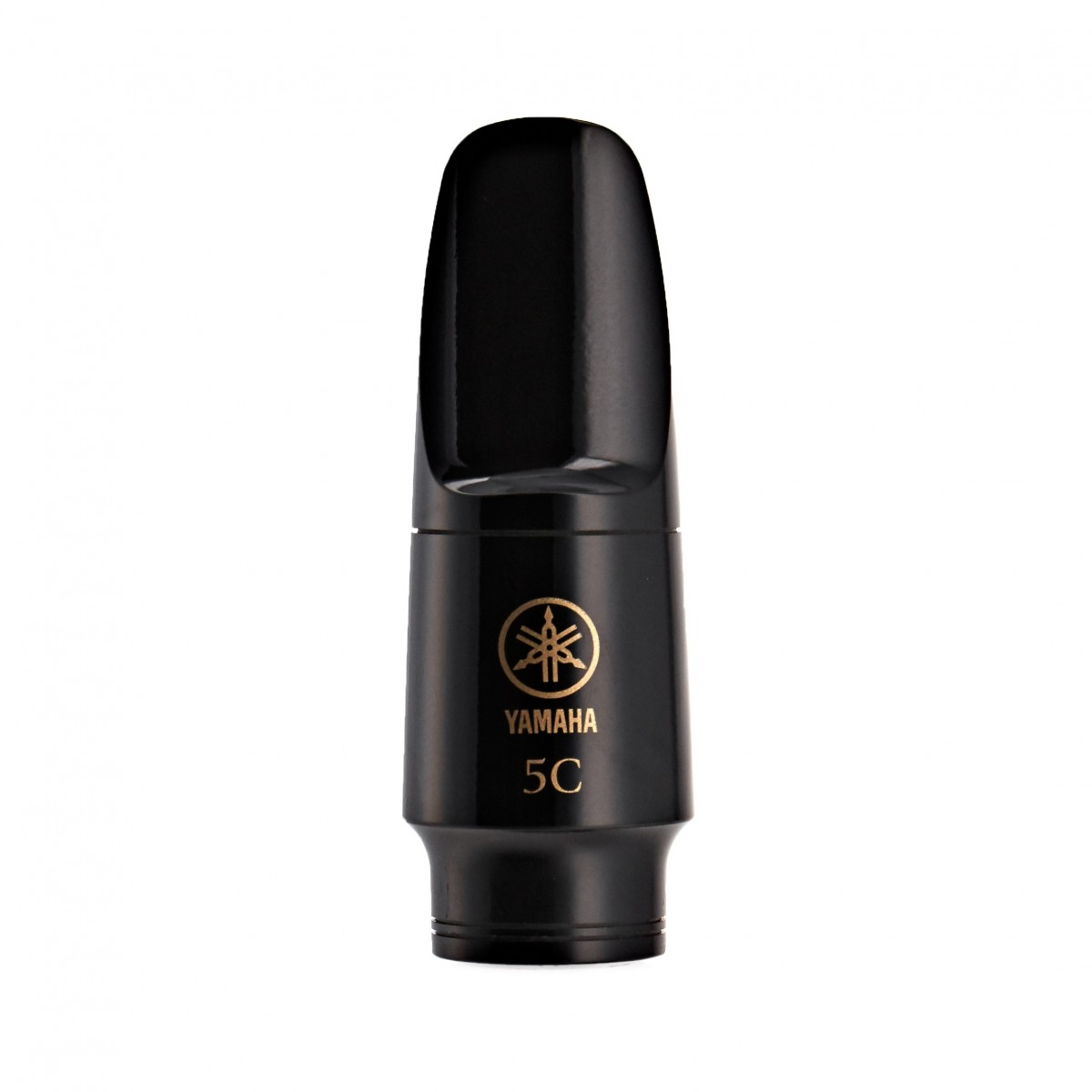
Within the D'Addario ecosystem, the Filed Select Jazz reeds offer a different response profile than the Unfiled versions, with the filed cut typically providing a more 'classical' response speed while maintaining a jazz-oriented tonal core. They are often compared to the Vandoren Java series; however, the Select Jazz's thicker spine offers a distinct feel that many players find provides more 'core' to their sound. When paired with high-performance mouthpieces like the JodyJazz Super Jet or the Yamaha 5C, the Select Jazz reed can be tailored to suit either aggressive lead playing or subtler ensemble work.
Related gear
 £21.80 ($28)
Daddario
DAddario Organic Select Jazz Unfiled Tenor Sax Reeds 4H (5 Pack)
 £31.00 ($39)
Rovner
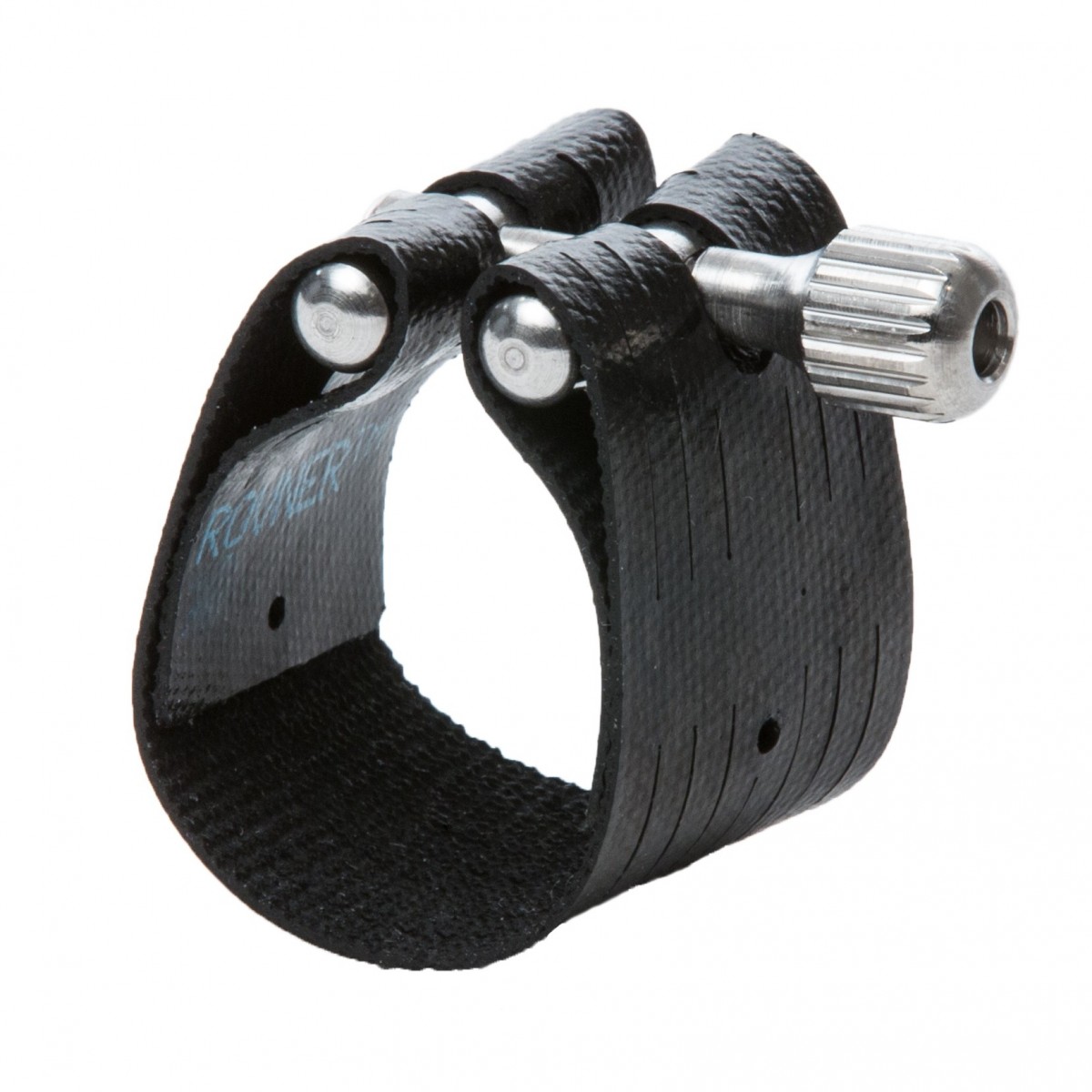
Rovner 3RL Dark Bass Clarinet/Saxophone Ligature and Cap
 £22.40 ($28)
Vandoren
Vandoren Java Tenor Saxophone Reeds 1.5 (5 Pack)
 £25.25 ($32)
Daddario
DAddario Organic Select Jazz Filed Alto Sax Reeds 4M (10 Pack)
 £7,531.00 ($9,564)
Yamaha
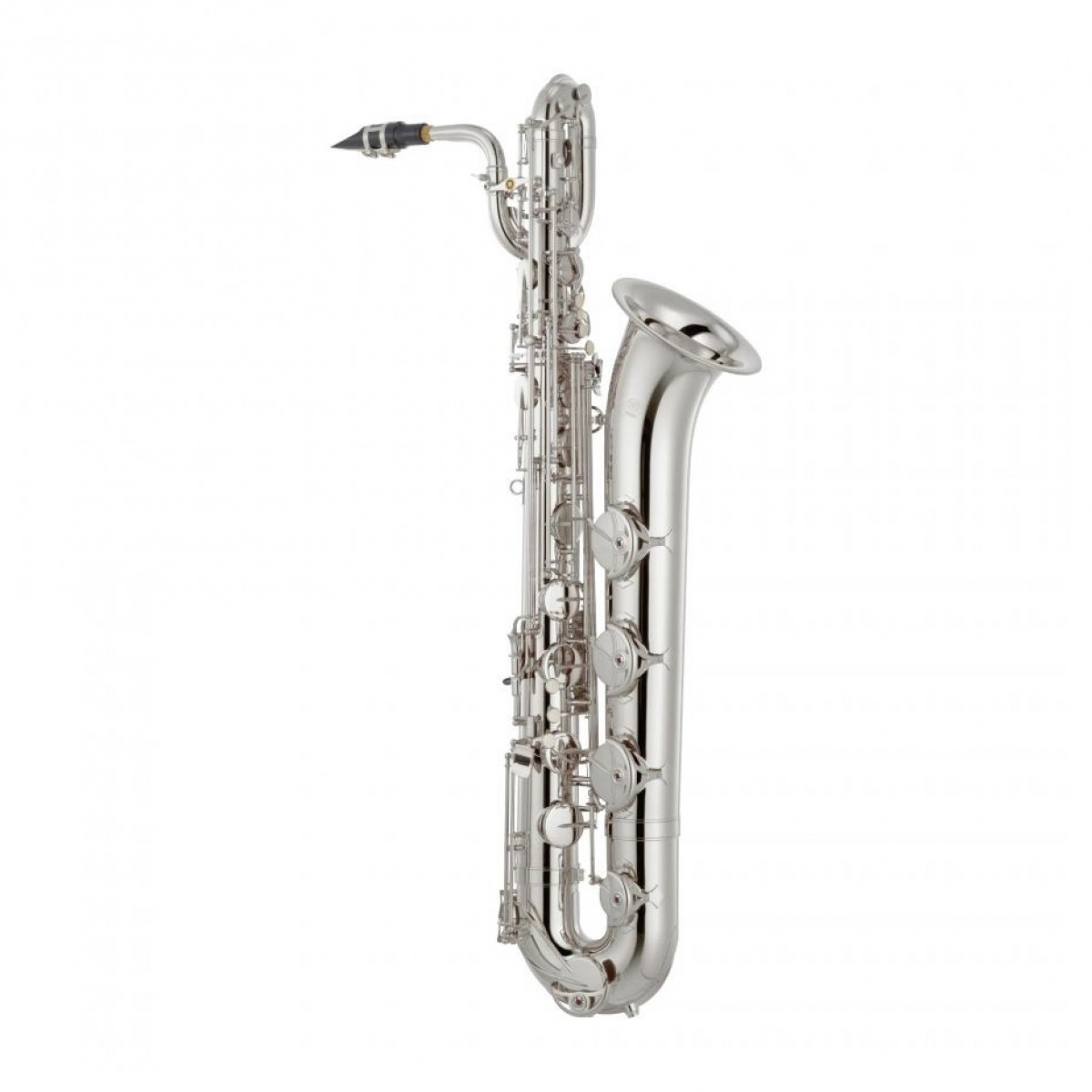
Yamaha YBS480 Baritone Saxophone Silver Plate
 £40.00 ($51)
Yamaha
Yamaha 5C Soprano Saxophone Mouthpiece
 £85.70 ($109)
Vandoren
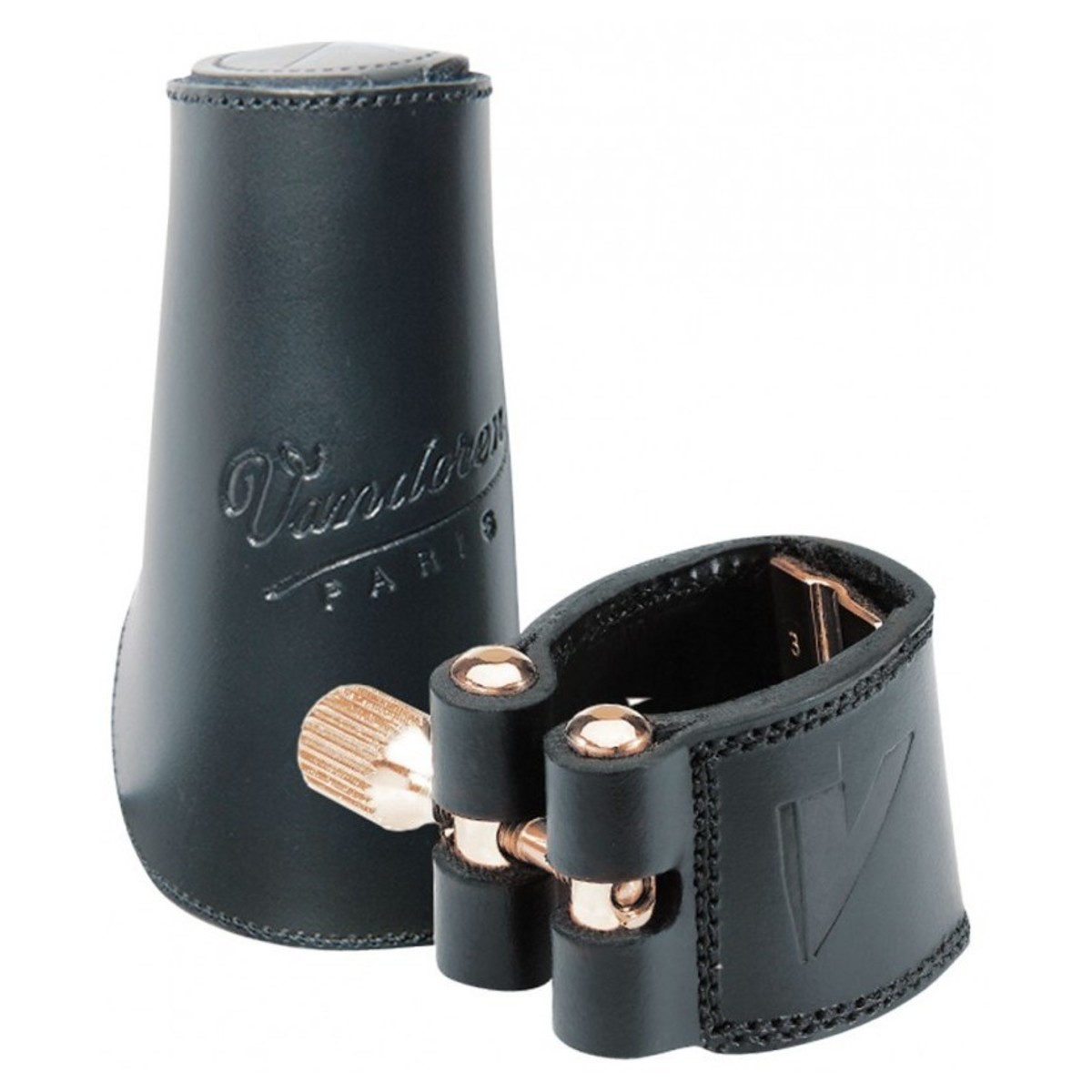
Vandoren Cuir Alto Sax Ligature Leather with Leather Cap
 £395.00 ($502)
JodyJazz Inc.
JodyJazz Super Jet Baritone Saxophone Mouthpiece 6
Frequently asked questions
- What does the 'Filed' cut mean for these reeds?
- A filed cut, also known as a French cut, involves a strip of the bark being removed in a straight line just below the vamp. This usually results in a faster response and a slightly brighter, more flexible feel compared to unfiled reeds.
- What is the significance of the 4M strength rating?
- D'Addario Select Jazz reeds use a specific grading system of Soft (S), Medium (M), and Hard (H). A 4M rating indicates a medium-stiff reed within the level 4 category, intended for advanced players who require significant resistance.
- How many reeds are included in a standard pack?
- The D'Addario Organic Select Jazz Baritone Sax Reeds in this specific configuration come in a pack of 5. This is the standard quantity for baritone reeds due to their larger physical size compared to alto or tenor reeds.
- What makes these reeds 'Organic'?
- D'Addario's 'Organic' designation means the cane is grown and processed without the use of chemical pesticides or synthetic fertilisers. This process aims to provide a more natural product for the player while being environmentally conscious.
- How does the spine thickness affect the sound?
- The thickest spine in the D'Addario jazz range provides more 'wood' in the center of the reed. This results in a sound with more core, stability, and projection, preventing the sound from becoming thin in the upper registers.
- Are these reeds suitable for classical music?
- While designed primarily for jazz musicians due to their flexibility and vibration ease, the 'Filed' cut provides enough focus that some players may use them for contemporary classical or pop settings. However, they are voiced specifically for jazz aesthetics.
- What is the typical price for a 5-pack of these reeds?
- In the United Kingdom, a 5-pack of these professional-grade baritone saxophone reeds typically retails for approximately GBP 40. Prices may vary slightly based on the retailer and shipping costs.
- Which instruments are these reeds compatible with?
- These specific reeds are cut and sized exclusively for the baritone saxophone. They will not fit properly on tenor, alto, or soprano saxophones, nor will they fit clarinets.
- How does the Select Jazz compare to the Vandoren Java series?
- While both are popular jazz reeds, the Select Jazz features a thicker spine and blank. Many players find the D'Addario option offers a more focused and substantial sound compared to the lighter, more 'buzzy' character of a Vandoren Java.
- What manufacturing process does D'Addario use for consistency?
- D'Addario utilises upgraded, state-of-the-art machinery and digital cutting processes. This precision engineering is designed to make these reeds more consistent in strength and shape from one box to the next.
- Can these be used with a Rovner 3RL ligature?
- Yes, the Rovner 3RL Dark ligature is designed for bass clarinet and baritone saxophone mouthpieces. It is fully compatible with D'Addario Select Jazz Baritone reeds and helps to darken and warm the overall tone.
- Why is the flexible cane grade important?
- The use of the most flexible grade of cane allows the reed to vibrate with incredible ease. This is particularly important for the baritone saxophone, as it helps the player initiate notes in the low register more reliably.