
Gear article
D'Addario Organic Select Jazz Unfiled Tenor Saxophone Reeds
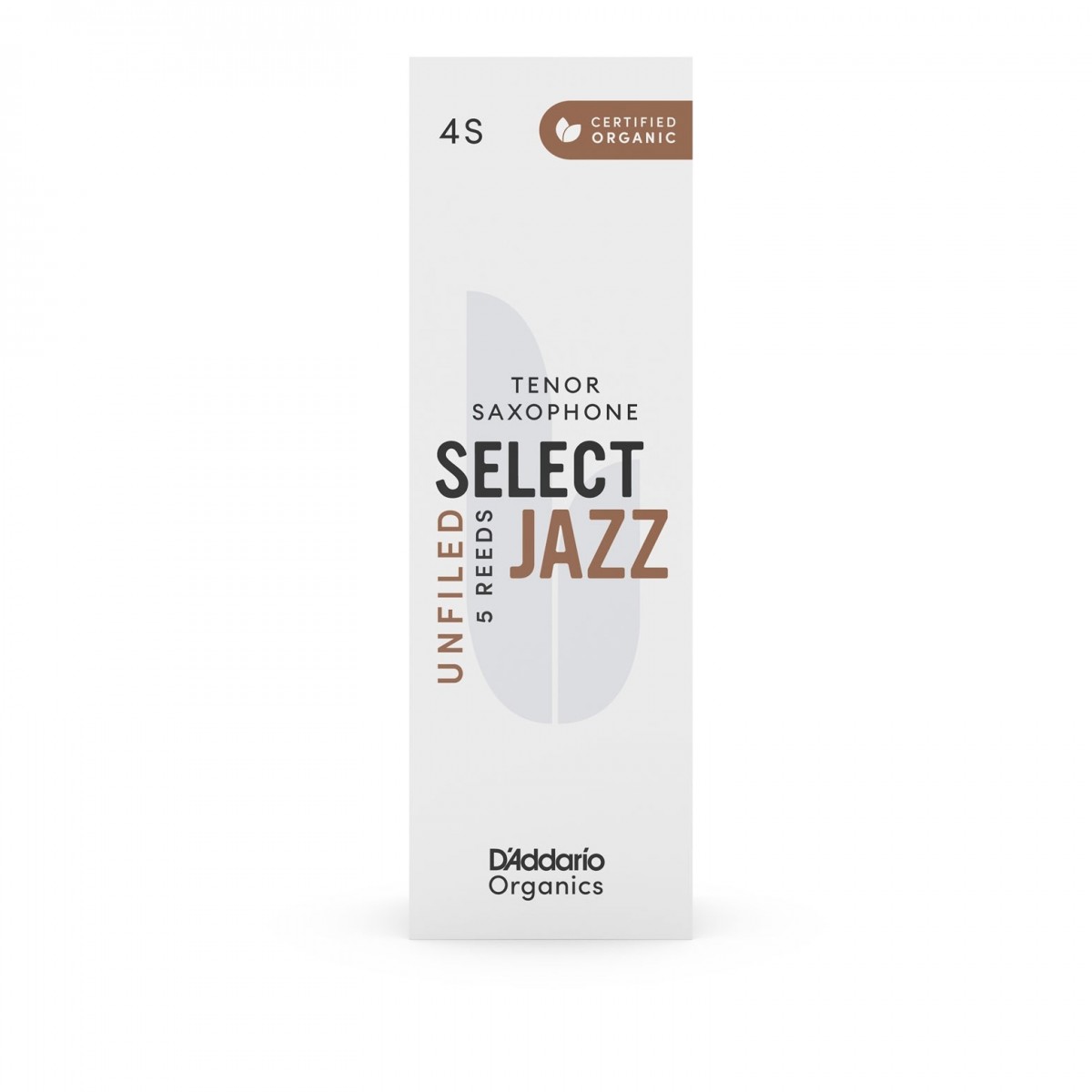
The D'Addario Organic Select Jazz Unfiled Tenor Saxophone Reeds are professional-grade cane reeds featuring the thickest spine and blank in D'Addario’s jazz range. Designed for superior projection and focus, they are crafted from highly flexible cane to ensure ease of vibration across all registers.
Overview and Design
The D'Addario Organic Select Jazz series represents a high-specification reed designed specifically for the demands of modern and traditional jazz playing. The 'Unfiled' version, also known as an American cut, features a distinct profile characterized by D'Addario's thickest spine and blank. This construction is paired with a traditional tip shape, providing a structural foundation that supports a broad range of playing styles.
These reeds are manufactured using D'Addario’s state-of-the-art machinery and digital processes. These technical upgrades are intended to provide greater consistency between individual reeds in a pack compared to older manufacturing standards.
Material and Construction
The 'Organic' designation indicates that the cane is grown and processed without the use of synthetic pesticides or chemicals. For the Select Jazz line, D'Addario selects the most flexible grade of cane available. This flexibility is critical to the reed's performance, allowing it to vibrate with minimal resistance while maintaining the structural integrity provided by the thicker blank.
Performance and Sound Character
The primary sonic characteristics of the Select Jazz Unfiled reeds are projection and focus. Because of the thicker spine, the reed offers a substantial core to the sound, which is particularly beneficial for tenor saxophonists who need to be heard in a large ensemble or amplified setting.
Key performance features include: * Ease of Vibration: The flexible cane grade allows for quick response. * Focus: The unfiled cut contributes to a centered, punchy tone. * Versatility: Designed to perform reliably across a wide variety of playing situations.
Comparison and Suitability
Within the D'Addario ecosystem, the Select Jazz Unfiled is often compared to the Filed version. The Unfiled cut generally offers more resistance and a darker, more 'woody' harmonic profile, whereas Filed reeds (like the 4M variants) typically offer a faster response and a brighter edge.
In terms of market alternatives, these reeds compete with products such as the Vandoren Java series. While the Java 1.5 is a much softer entry-point reed, the Select Jazz 4S is a high-strength reed intended for advanced players or those using specific mouthpiece facing lengths that require a firmer reed.
Related gear
- £21.70 ($28)
Daddario
DAddario Organic Select Jazz Unfiled Tenor Sax Reeds 4H (5 Pack)
 £31.00 ($39)
Rovner
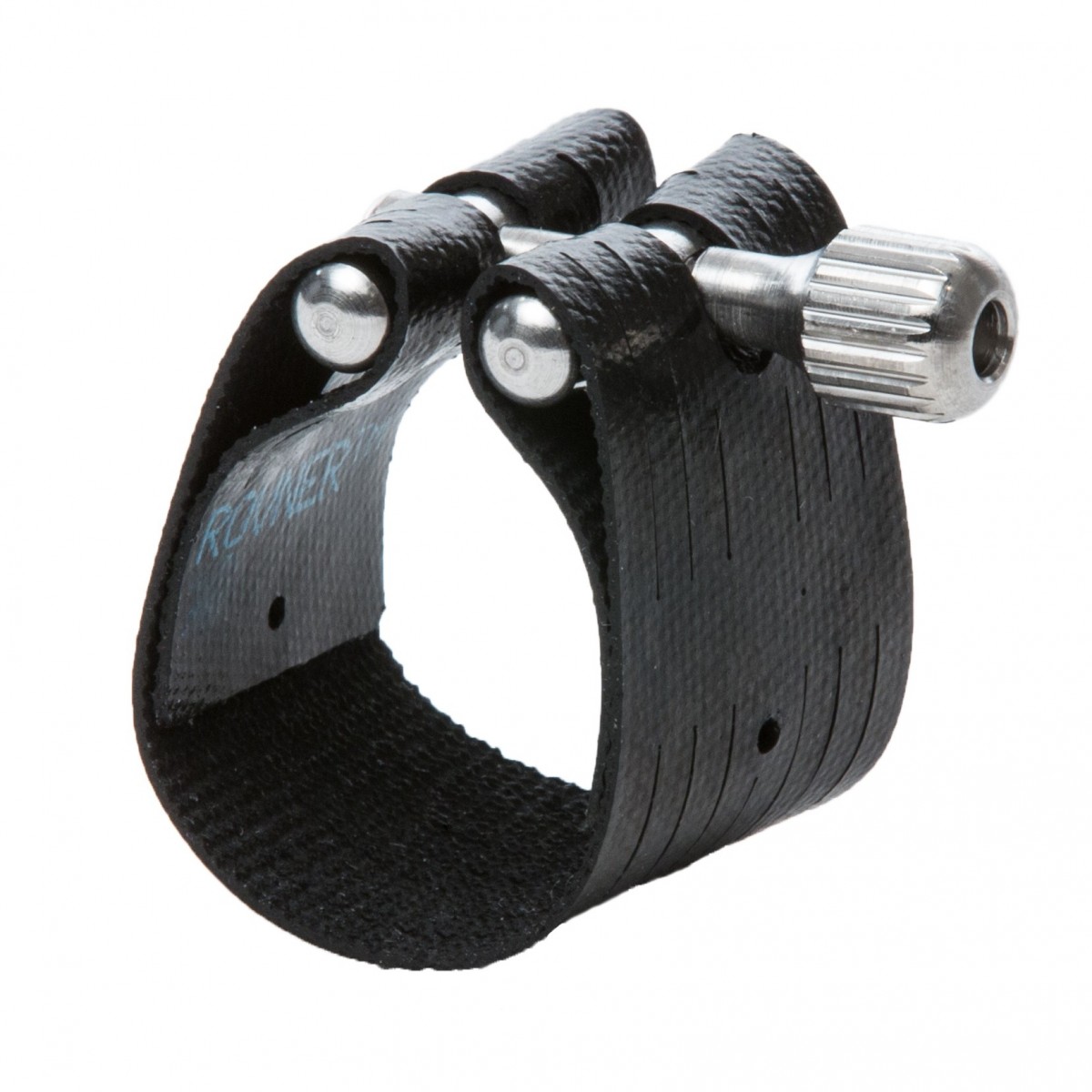
Rovner 3RL Dark Bass Clarinet/Saxophone Ligature and Cap
 £23.50 ($30)
Vandoren
Vandoren Java Tenor Saxophone Reeds 1.5 (5 Pack)
 £25.25 ($32)
Daddario
DAddario Organic Select Jazz Filed Alto Sax Reeds 4M (10 Pack)
 £7,531.00 ($9,564)
Yamaha
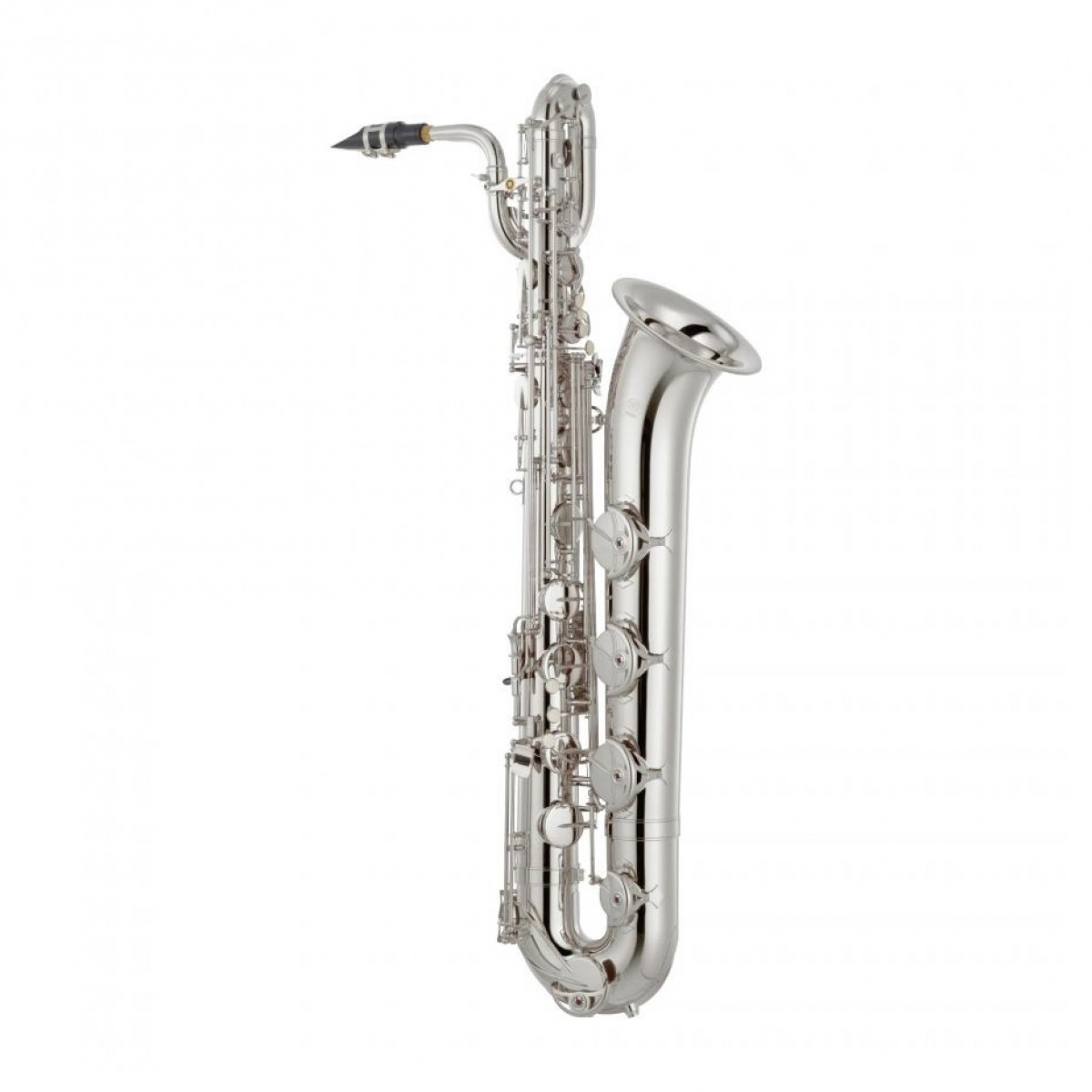
Yamaha YBS480 Baritone Saxophone Silver Plate
 £40.00 ($51)
Yamaha
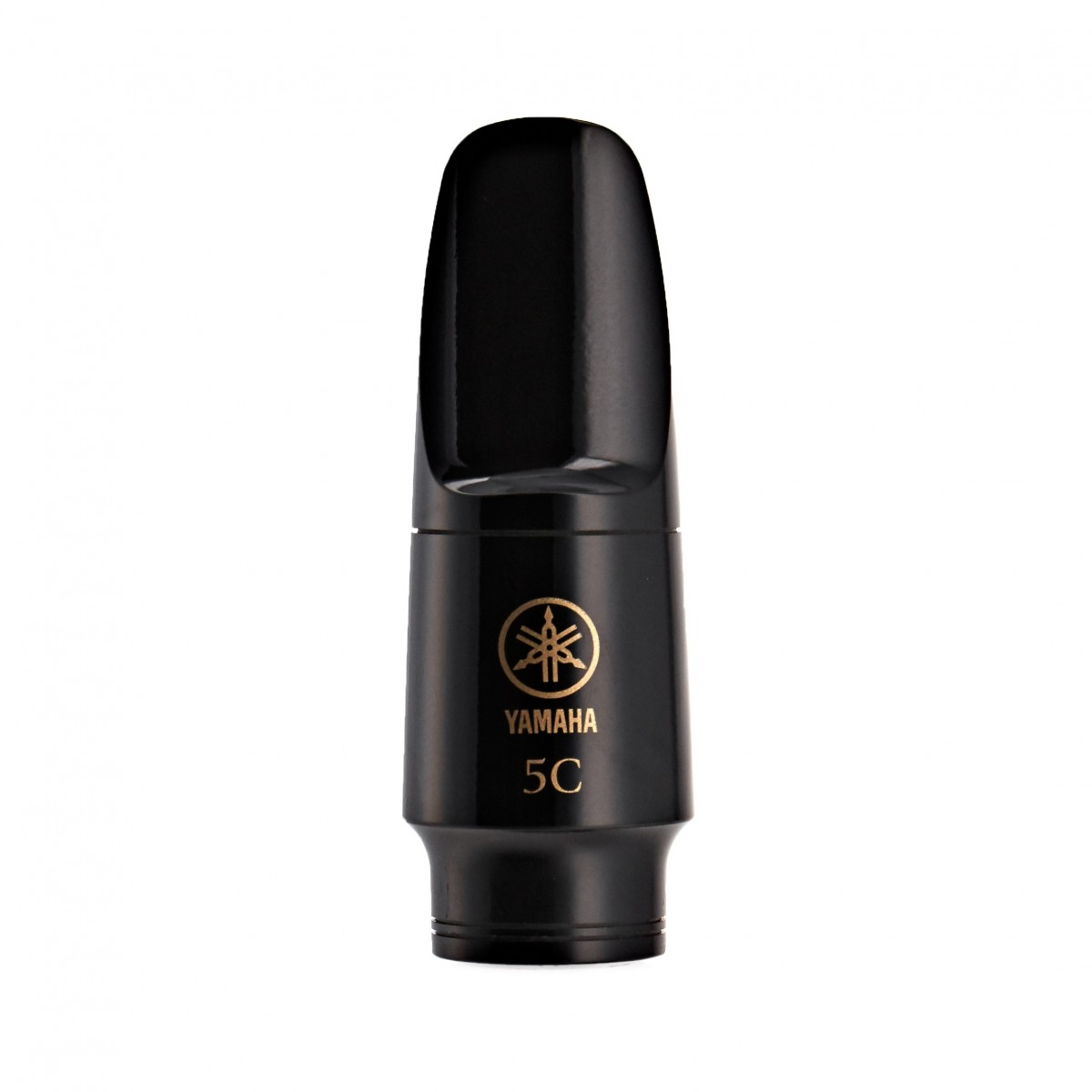
Yamaha 5C Soprano Saxophone Mouthpiece
 £80.90 ($103)
Vandoren
Vandoren Cuir Alto Sax Ligature Leather with Leather Cap
 £392.00 ($498)
JodyJazz Inc.
JodyJazz Super Jet Baritone Saxophone Mouthpiece 6
Frequently asked questions
- What does the 'Unfiled' cut mean for tenor sax reeds?
- An unfiled reed, also called an American cut, lacks the extra horizontal strip of bark removed from the shoulders. This typically results in a more powerful, focused sound with a bit more resistance compared to filed reeds.
- How does the '4S' strength compare to other D'Addario strengths?
- D'Addario Select Jazz strengths are divided into Soft (S), Medium (M), and Hard (H) sub-grades. The 4S is the softest grade within the level 4 strength bracket, offering a firm feel with slightly more flexibility than a 4M or 4H.
- What makes these reeds 'Organic'?
- D'Addario Organic reeds are made from cane grown without prohibited chemical pesticides or fertilizers. This process ensures the product is more environmentally friendly and free from synthetic residues.
- Why is a thicker spine significant in a jazz reed?
- A thicker spine provides more 'body' to the sound and prevents the reed from thinning out in the upper register. It helps the saxophonist maintain a consistent core tone during high-velocity jazz passages.
- Is a 5-pack of reeds standard for tenor saxophone?
- Yes, tenor saxophone reeds are frequently sold in 5-packs, which is a common format for professional-grade jazz reeds, whereas student reeds are often sold in larger quantities like boxes of 10.
- Can these reeds be used with a Rovner 3RL Dark ligature?
- Yes, the Rovner 3RL Dark ligature is compatible with standard tenor saxophone reed blanks like the D'Addario Select Jazz, helping to further dampen overtones for a warmer sound.
- How do these compare to Vandoren Java reeds?
- While both are designed for jazz, D'Addario Select Jazz reeds feature a thicker spine. The Vandoren Java 1.5 is significantly softer than a D'Addario 4S, which is a high-tension reed for experienced players.
- Are these reeds suitable for classical playing?
- While primarily designed for jazz projection and focus, their flexible cane grade allows for versatility. However, most classical players prefer a 'filed' cut for the specific articulation required in that genre.
- Will these reeds fit a Yamaha 5C Soprano mouthpiece?
- No, these specific reeds are sized for Tenor Saxophones. You would need to purchase the Soprano-specific version of the Select Jazz reed to fit a Yamaha 5C Soprano mouthpiece.
- What level of player should use a strength 4S reed?
- Strength 4S is a relatively hard reed. It is generally recommended for advanced players with well-developed embouchures or those using mouthpieces with smaller tip openings.
- How does D'Addario ensure consistency between reeds?
- D'Addario utilizes upgraded machinery and state-of-the-art digital cutting processes. This precision engineering reduces the variance between individual pieces of cane in every 5-pack.
- Does the 'traditional tip shape' affect the playing experience?
- Yes, the traditional tip shape works in conjunction with the thicker spine to provide a familiar feel and predictable response, making it easier for players to transition from other standard reed brands.