
Gear article
Danelectro Back Talk Reverse Delay Pedal
The Danelectro Back Talk is a reverse delay pedal that provides an authentic backward-tape effect by flipping incoming guitar signals in real-time. Originally released in the 1990s and subsequently reissued, it is known for producing violin-like swells and organ-esque textures in a durable stompbox format.
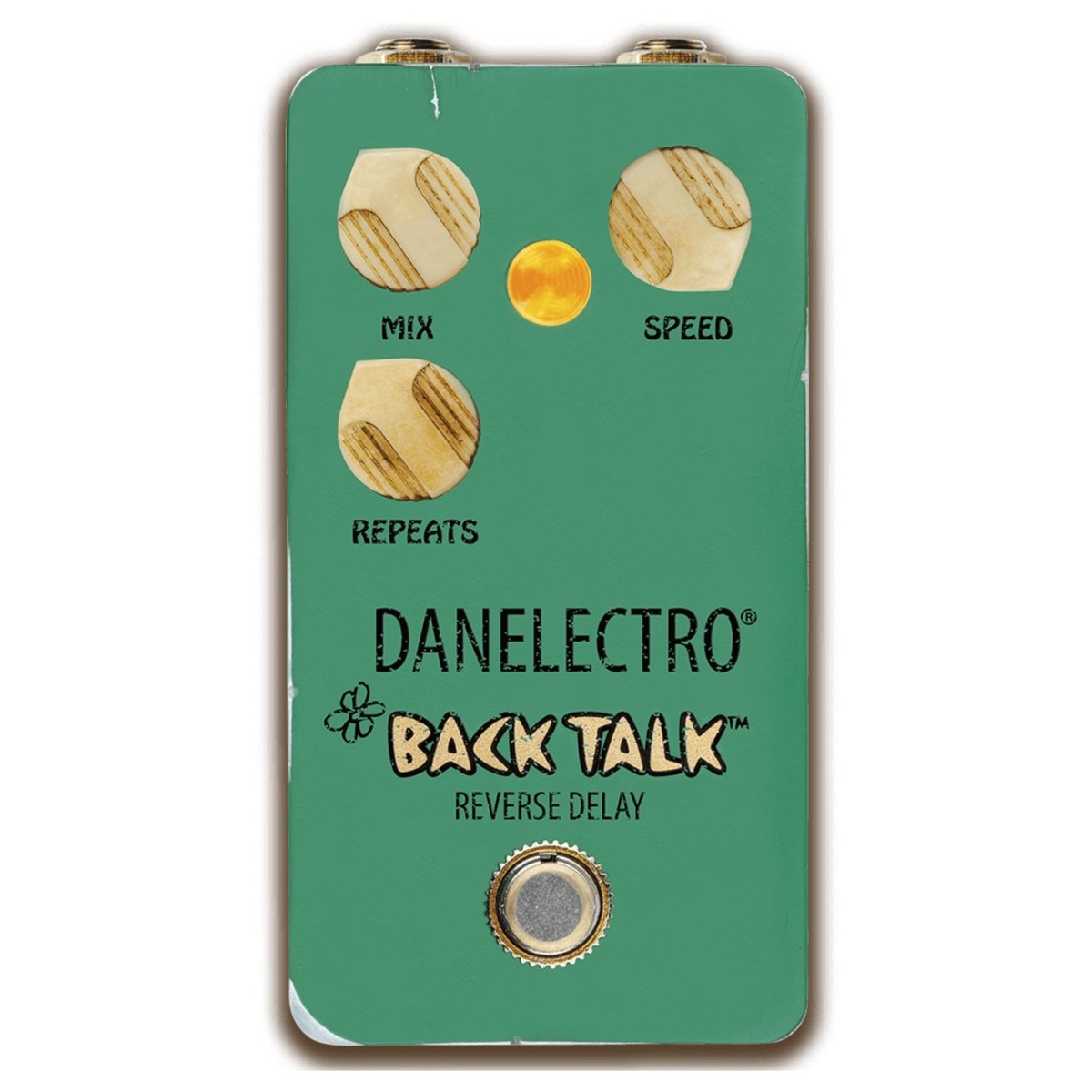
Background and Development
The Danelectro Back Talk first emerged during the 1990s, a period when the brand was known for its 'food-themed' plastic pedals and larger vintage-style enclosures. The original Back Talk stood out by offering a dedicated reverse delay effect, a feature that was then relatively rare in compact stompbox form. Over time, the pedal developed a cult following among experimental guitarists, leading to its eventual reissue. The modern version retains the circuit's original character while upgrading the build quality to a rugged metal housing suitable for professional touring.
Functional Mechanics and Controls
The pedal operates by capturing a sample of the guitar input and playing it back in reverse. Unlike traditional digital delays that add a simple echo, the Back Talk focuses entirely on the inverted signal. The interface is intentionally streamlined to facilitate quick adjustments:
- Mix: Blends the dry guitar signal with the reversed effect, allowing for subtle background textures or a fully wet, backward sound.
- Speed: Adjusts the delay time, dictating the duration of the reversed audio segments.
- Repeats: Controls the number of times the reversed signal echoes before fading out.
Sonic Character
The primary sonic characteristic of the Back Talk is its ability to produce smooth, swelling textures. Because it flips the attack of the note to the end, it removes the percussive 'pick click' typical of guitar playing, resulting in sounds reminiscent of bowed strings or woodwinds. It adds atmospheric depth and movement to a signal chain without the clutter often associated with high-feedback digital delays. This makes it particularly effective for creating ambient soundscapes and psychedelic phrases that require a distinct separation from the standard guitar tone.
Comparison to Alternatives
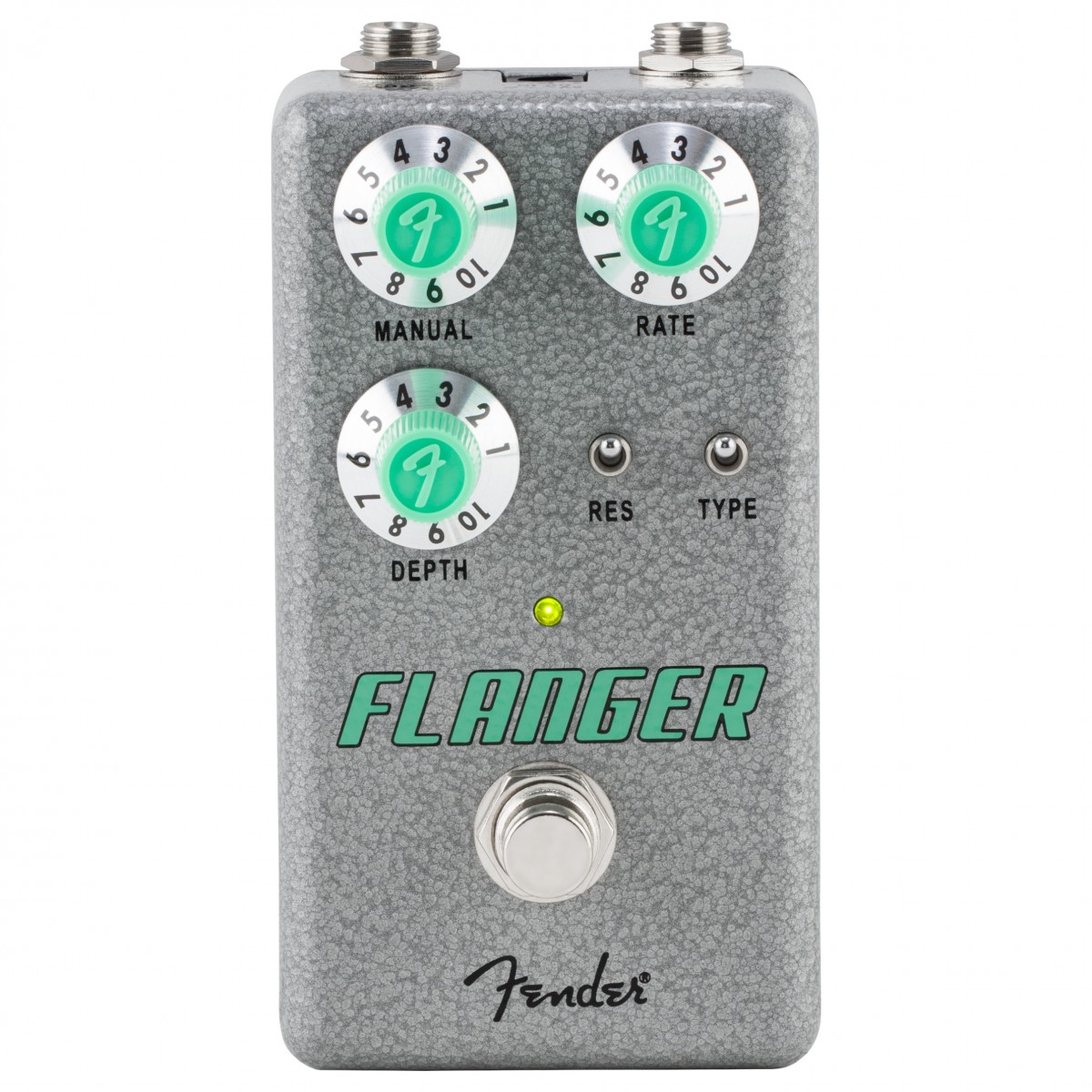
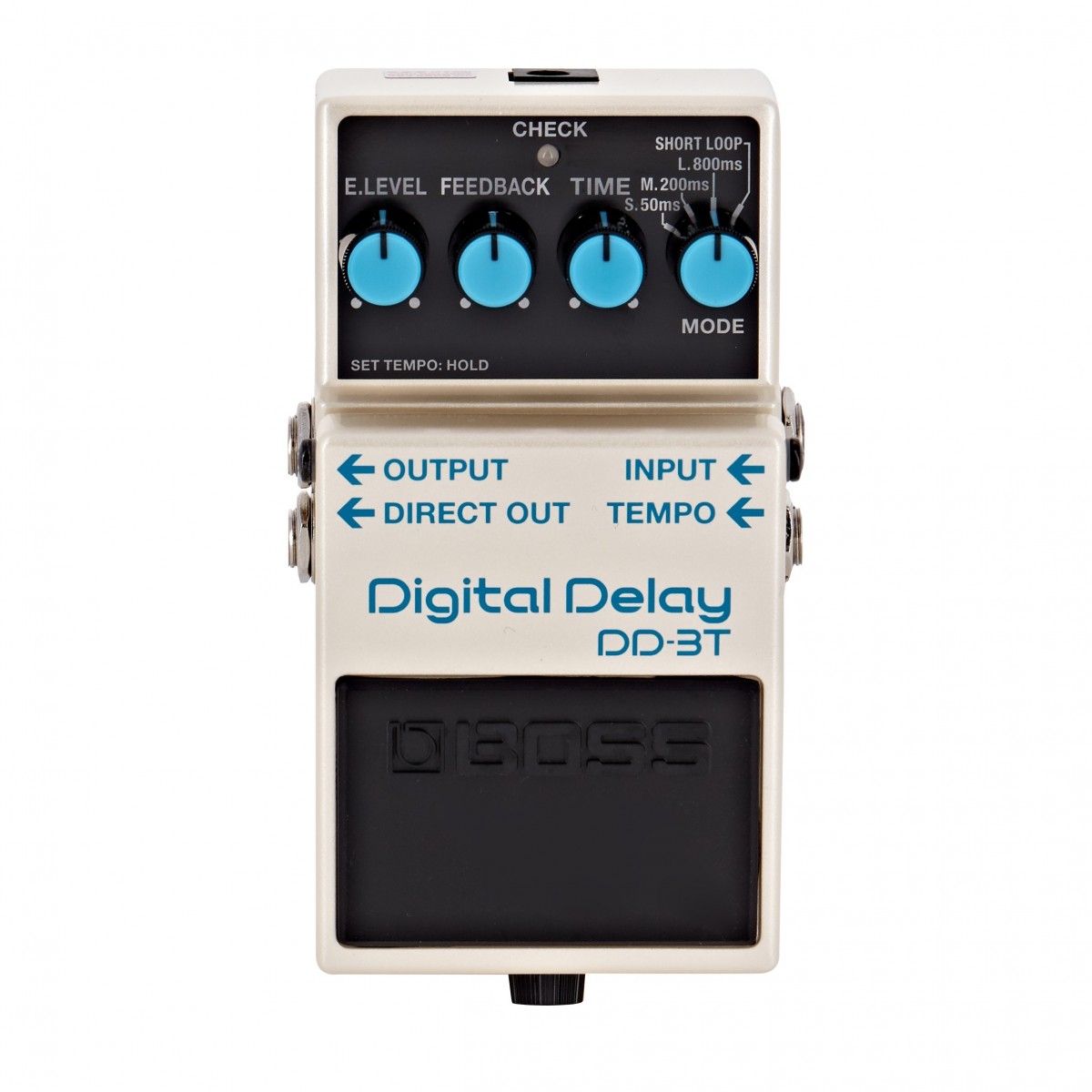
When compared to standard digital delays like the Boss DD-3T, the Back Talk is more specialised; while the DD-3T offers a wide range of rhythmic echoes, the Back Talk focuses specifically on the reverse algorithm. For players seeking broader modulation or pitch effects, alternatives such as the Fender Hammertone Flanger or Digitech Whammy Ricochet offer different types of movement. However, for the specific 'reverse-only' effect, the Back Talk is often preferred for its simplicity and the unique quality of its swell compared to multi-effect units that may include reverse modes as secondary features.
Related gear
 £97.00 ($123)
Electro Harmonix
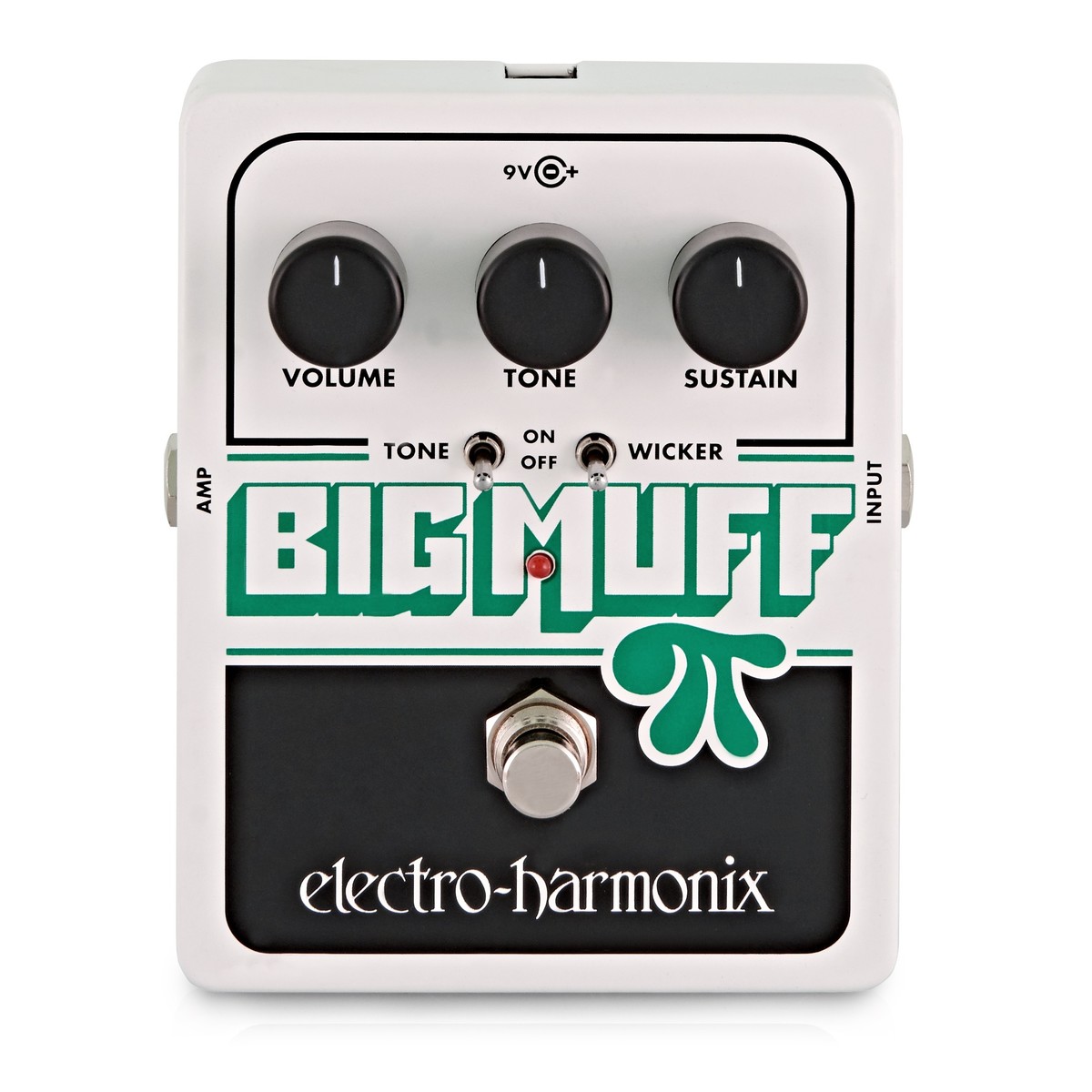
Electro Harmonix Big Muff Distortion Sustainer w/ Tone Wicker
 £119.00 ($151)
Digitech
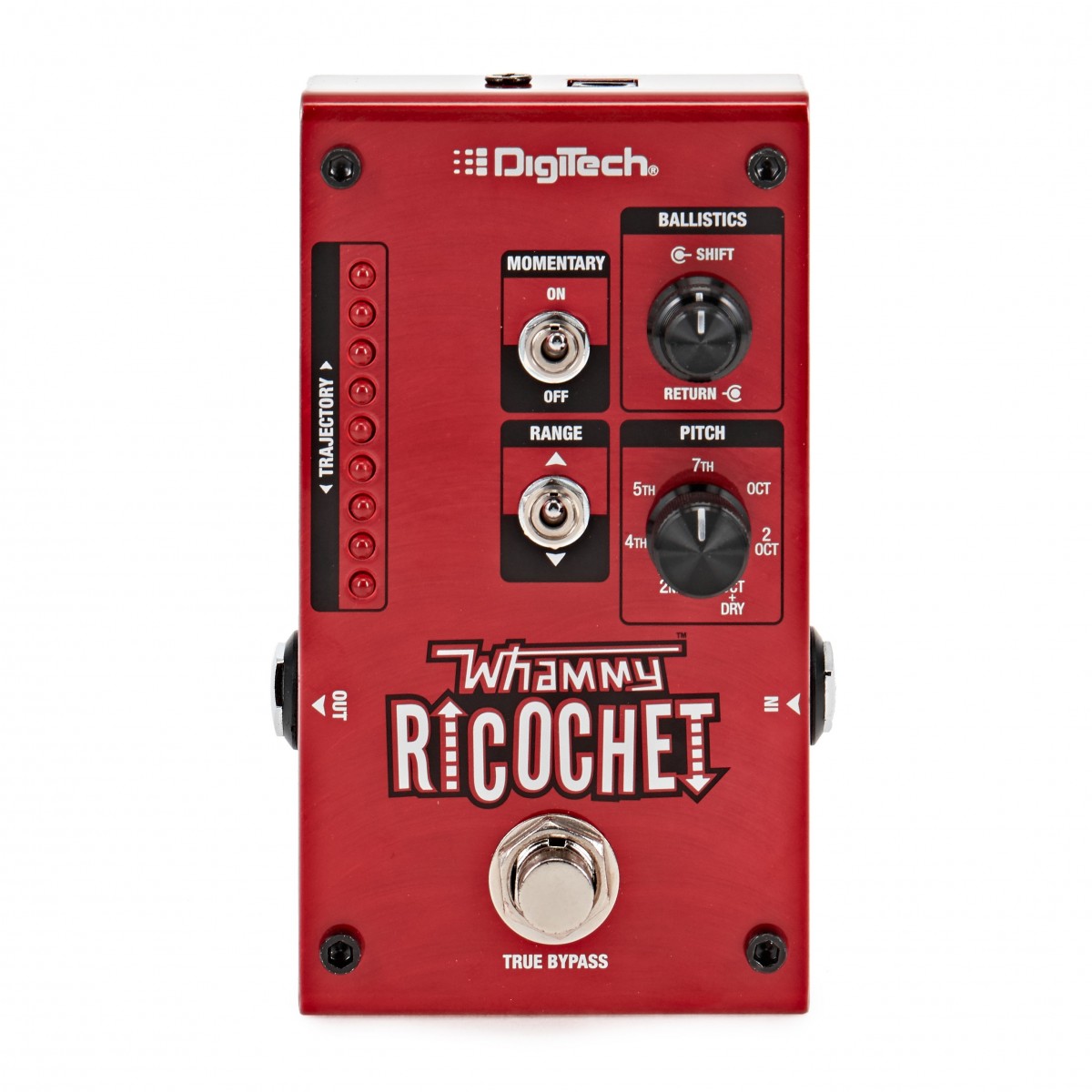
Digitech Whammy Ricochet Guitar Effects Pedal
 £85.00 ($108)
Fender
Fender Hammertone Flanger Pedal
 £23.00 ($29)
Behringer
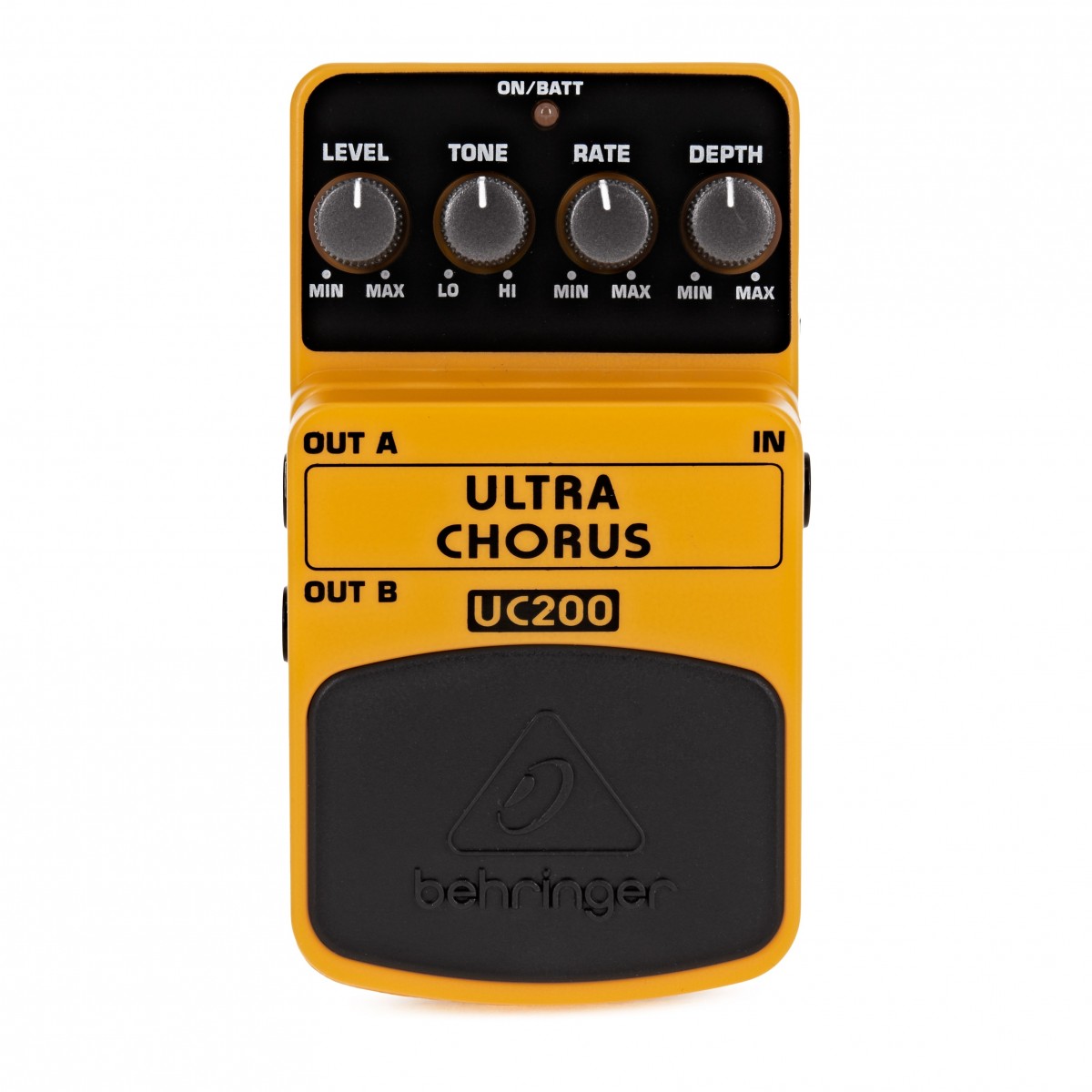
Behringer UC200 Ultra Chorus Pedal
 £259.00 ($329)
Dunlop
Dunlop Mick Ronson Cry Baby Wah
- £78.60 ($100)
Yamaha
Yamaha FC7 Expression Pedal
 £175.00 ($222)
Boss
Boss DD-3T Digital Delay Pedal
 £99.10 ($126)
Boss
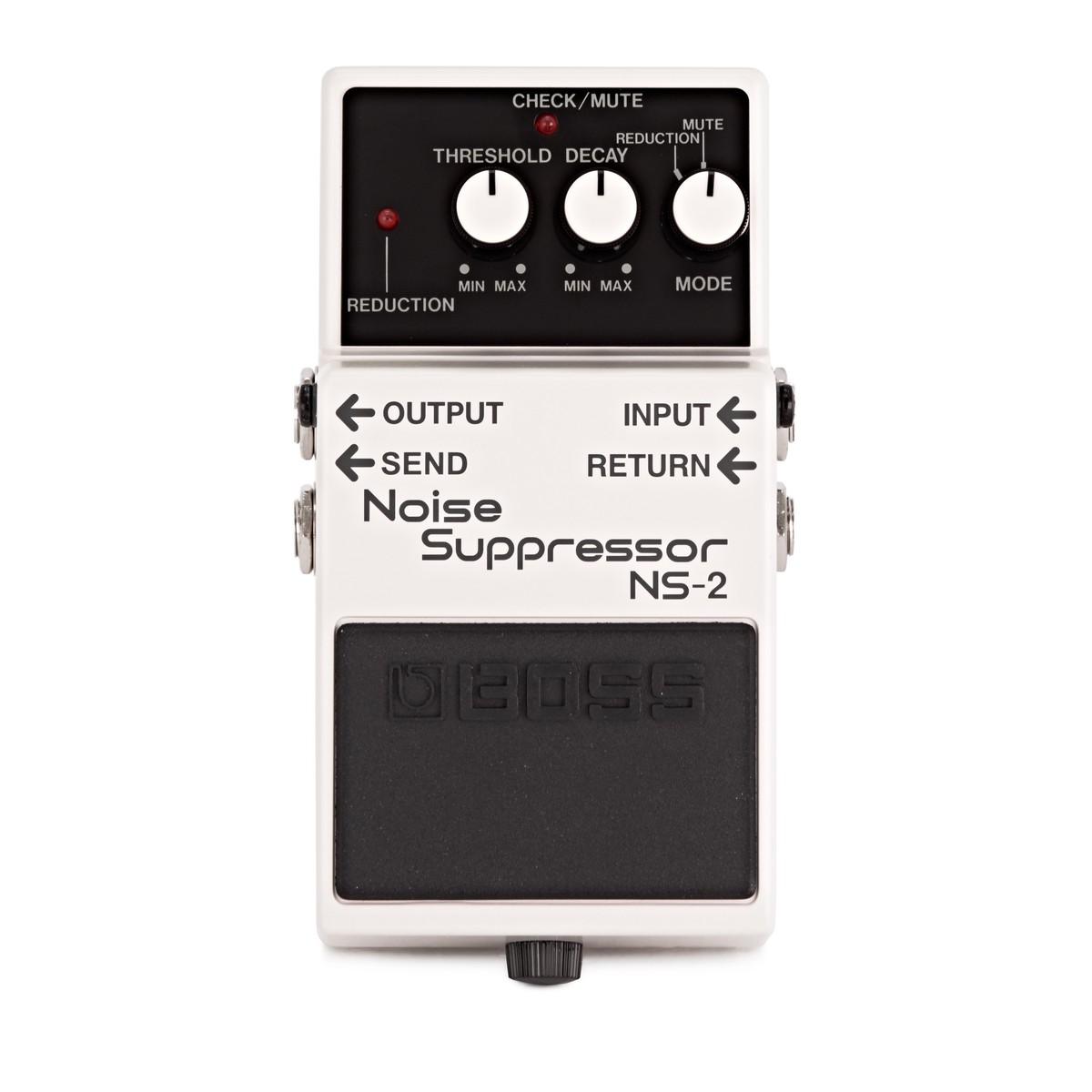
Boss NS-2 Noise Suppressor Guitar Pedal
Frequently asked questions
- What does the Danelectro Back Talk actually do?
- The pedal takes your incoming guitar signal, flips it backwards, and plays it back. This creates a swell effect where the end of your note is heard first, mimicking the sound of a tape machine being played in reverse.
- Is the Back Talk pedal digital or analogue?
- The Back Talk uses digital processing to achieve the reverse effect, as true real-time reverse audio requires digital sampling. However, it is designed to maintain a warm, organic character similar to vintage equipment.
- What controls are available on the Back Talk?
- The pedal features three primary knobs: Mix, Speed, and Repeats. These allow the user to control the blend of the effect, the length of the reversed segments, and how many times the effect repeats.
- Does this pedal have true bypass switching?
- Yes, the modern reissue of the Danelectro Back Talk features true bypass switching. This ensures that your guitar signal remains unaffected when the pedal is turned off.
- What kind of housing does the reissue use?
- Unlike some earlier Danelectro models that used plastic, the Back Talk reissue is built into a durable metal housing. This makes it much more resilient for use on a professional pedalboard.
- Can I get a 100% wet signal from the Back Talk?
- Yes, by adjusting the Mix control, you can dial out the dry signal entirely. This allows for purely reversed phrases that sound like a violin or an organ.
- How much does the Danelectro Back Talk typically cost?
- The pedal generally retails for approximately £179. Prices may vary slightly depending on the retailer and current market availability.
- Is this pedal suitable for ambient music?
- It is highly suited for ambient and experimental music. Its ability to create swelling, atmospheric textures without the percussive attack of a guitar makes it a staple for soundscape creators.
- How does it compare to the Boss DD-3T?
- The Boss DD-3T is a versatile digital delay suited for standard echoes and rhythmic repeats. The Back Talk is a specialised tool specifically designed for the unique 'reverse' sound, offering a different character entirely.
- Will the Back Talk clutter my tone?
- No, the pedal is designed to add movement and depth without cluttering the core tone. The controls allow you to keep the effect subtle so it sits behind your playing or push it forward for a more dramatic effect.
- Can I use the Back Talk with other pedals like a Big Muff?
- Yes, it can be combined with dirt pedals like the Electro-Harmonix Big Muff. Placing the Back Talk after distortion can create massive, wall-of-sound textures with reversed characteristics.
- Does it require a specific power supply?
- The pedal typically runs on a standard 9V DC centre-negative power supply, which is the industry standard for most guitar effects pedals. Always check the specific voltage requirements on the unit before connecting.