
Gear article
Death By Audio Crossover Fuzz
The Death By Audio Crossover Fuzz is a dual-band fuzz effects pedal designed to split an input signal into high and low frequency paths for independent saturation. It features a resonant filter system and extensive routing options, allowing for precise tonal sculpting or extreme sonic destruction.
See live pricesOverview
The Death By Audio Crossover Fuzz is a high-gain utility and distortion unit that operates on a split-frequency architecture. Unlike traditional fuzz pedals that process the entire signal through a single circuit, this device divides the incoming audio into 'High' and 'Low' bands. Each band is equipped with its own dedicated gain and volume controls, allowing the user to 'annihilate' each side of the spectrum independently. This design prevents the loss of low-end definition often associated with heavy distortion while maintaining the ability to produce sharp, cutting treble tones.
Functional Features and Controls
The pedal's interface is centred around the interaction between its two frequency bands. Key controls include:
- High Gain/Volume: Adjusts the intensity and level of the high-frequency fuzz circuit.
- Low Gain/Volume: Adjusts the intensity and level of the low-frequency fuzz circuit.
- FREQ Control: Adjusts linked filters that move in tandem, providing sweeping resonant shifts across the spectrum.
The 'FREQ' control is particularly notable for its ability to transition from subtle tone shaping to aggressive, chaotic sweeps. This allows the pedal to act as a dynamic filter as well as a distortion engine.
Signal Routing and Inputs
Built for flexible studio and stage integration, the Crossover Fuzz features dedicated HIGH and LOW inputs and outputs. This allows for several advanced routing configurations:
- Stereo Rigs: Send the low-end fuzz to a dedicated bass amp and the high-end fuzz to a guitar amp.
- Isolated Frequencies: Process specific frequency bands through different external effects before recombining them.
- Layering: Create complex textures by isolating frequency bands for multi-track recording.
Sound Character
The sonic profile of the Crossover Fuzz ranges from 'thick and earth-shaking' to 'screaming and cutting.' By treating the low and high frequencies separately, it avoids the 'muddy' sound typical of high-gain pedals when playing complex chords. The resonant filters add a vocal-like quality to the fuzz, which can be manipulated into 'total sonic chaos' at extreme settings.
Comparison and Suitability
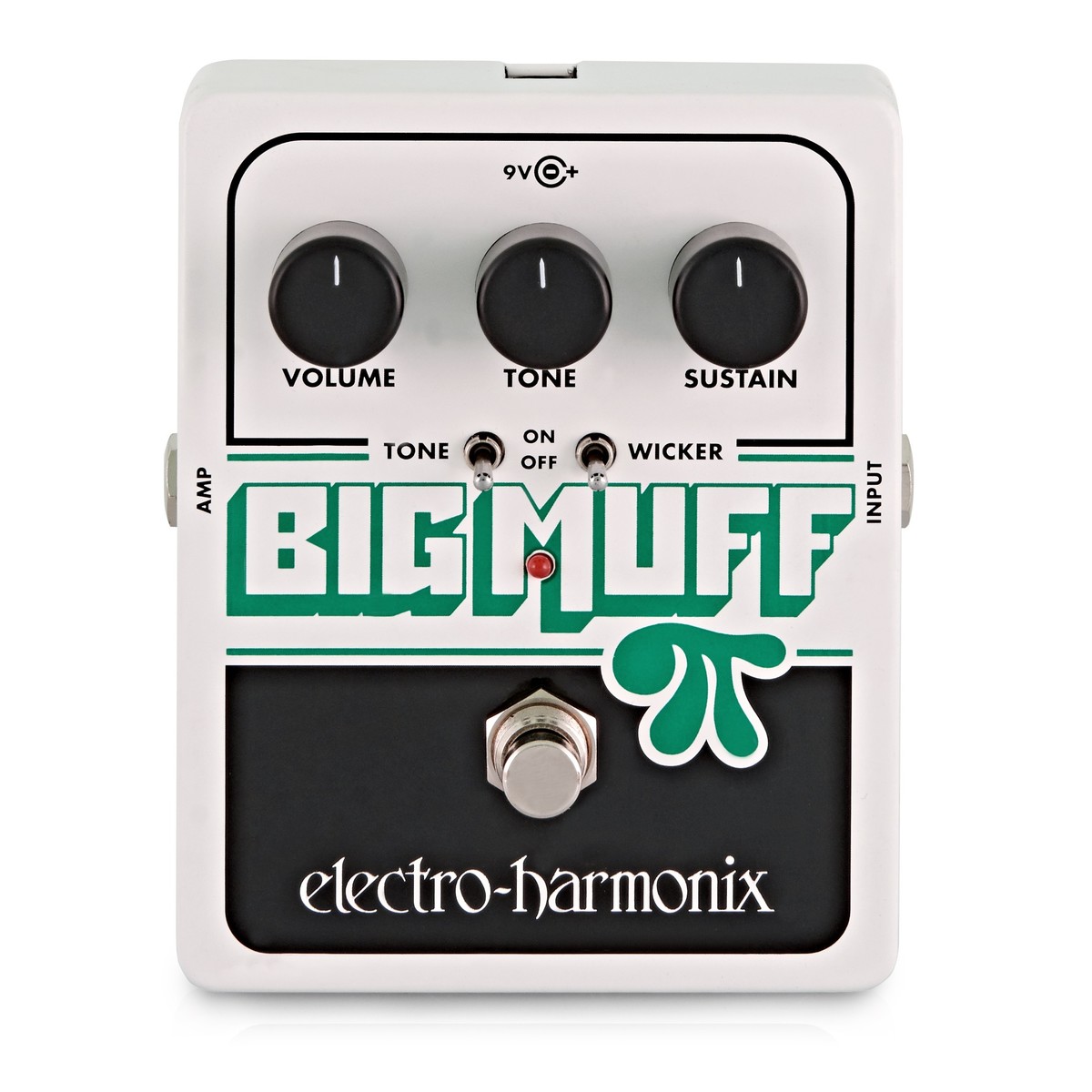
While standard pedals like the Electro-Harmonix Big Muff with Tone Wicker offer variations in high-end response, the Crossover Fuzz provides a level of control over the low-end usually reserved for bass-specific pedals or studio bi-amping. It is suited for experimental guitarists, bassists who need to maintain low-end clarity, and synthesiser players looking for resonant filtering. It is a more aggressive and flexible alternative to standard distortion units, occupying a higher price bracket reflective of its dual-circuit design.
Related gear
 £97.00 ($123)
Electro Harmonix
Electro Harmonix Big Muff Distortion Sustainer w/ Tone Wicker
 £129.00 ($164)
Digitech
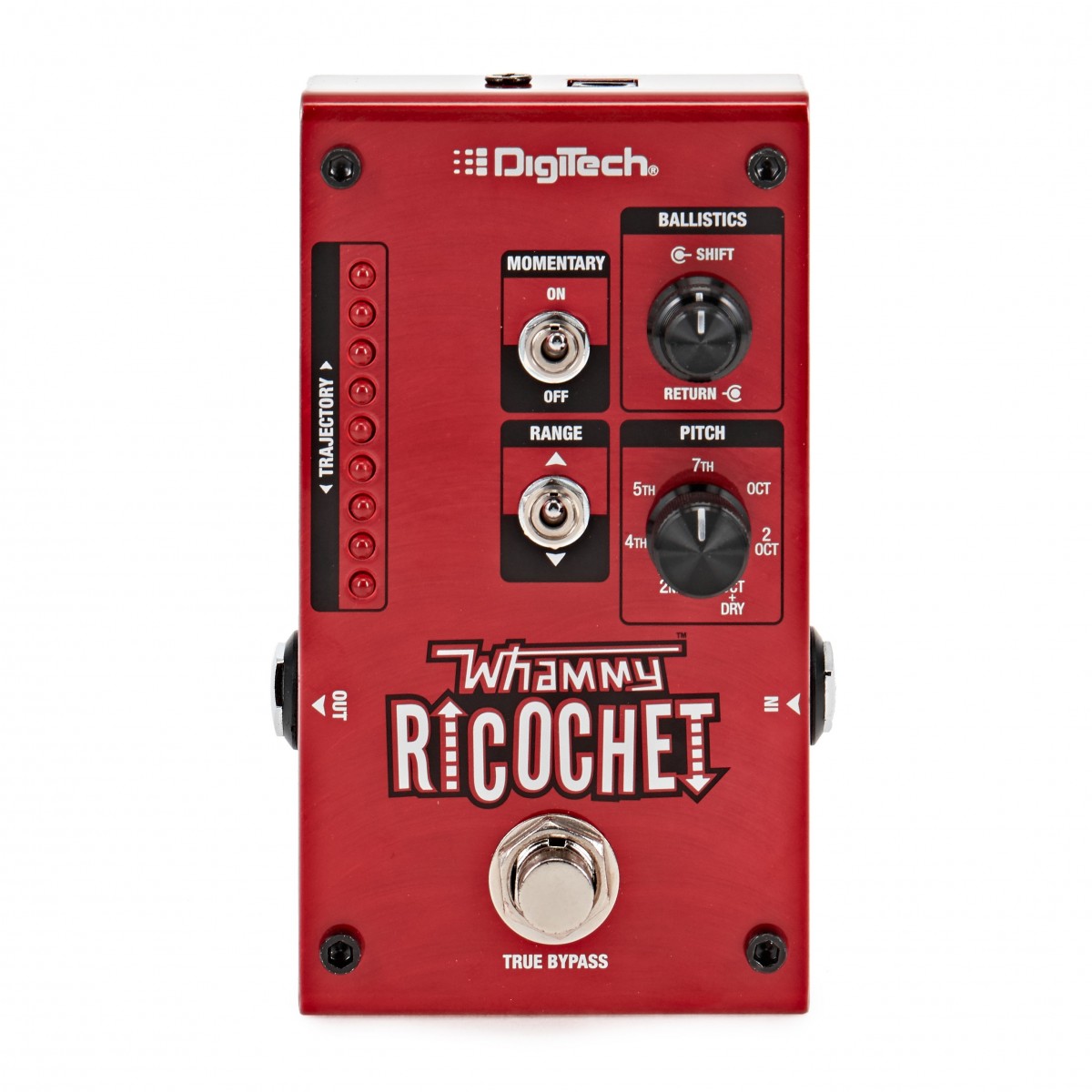
Digitech Whammy Ricochet Guitar Effects Pedal
 £85.00 ($108)
Fender
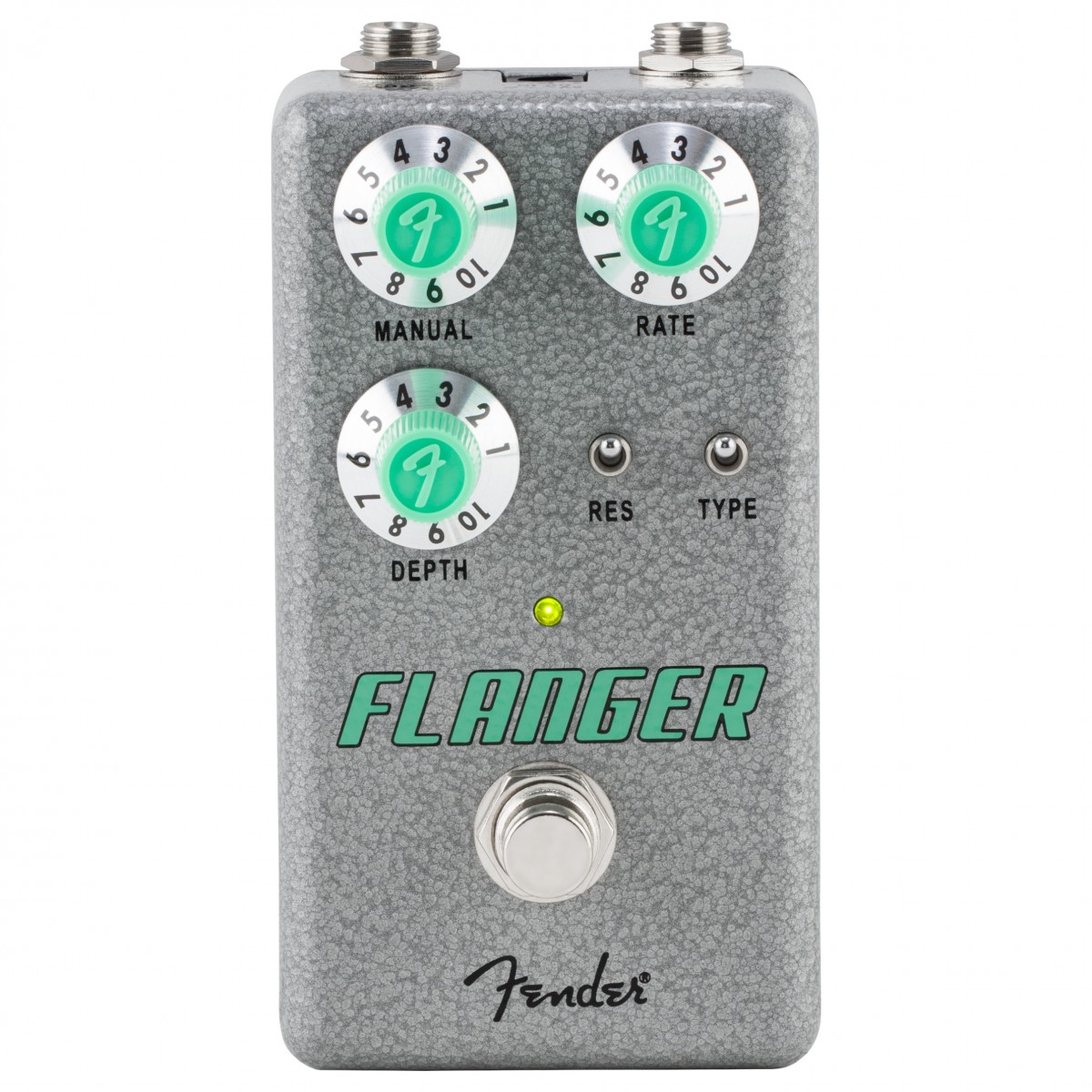
Fender Hammertone Flanger Pedal
 £19.90 ($25)
Behringer
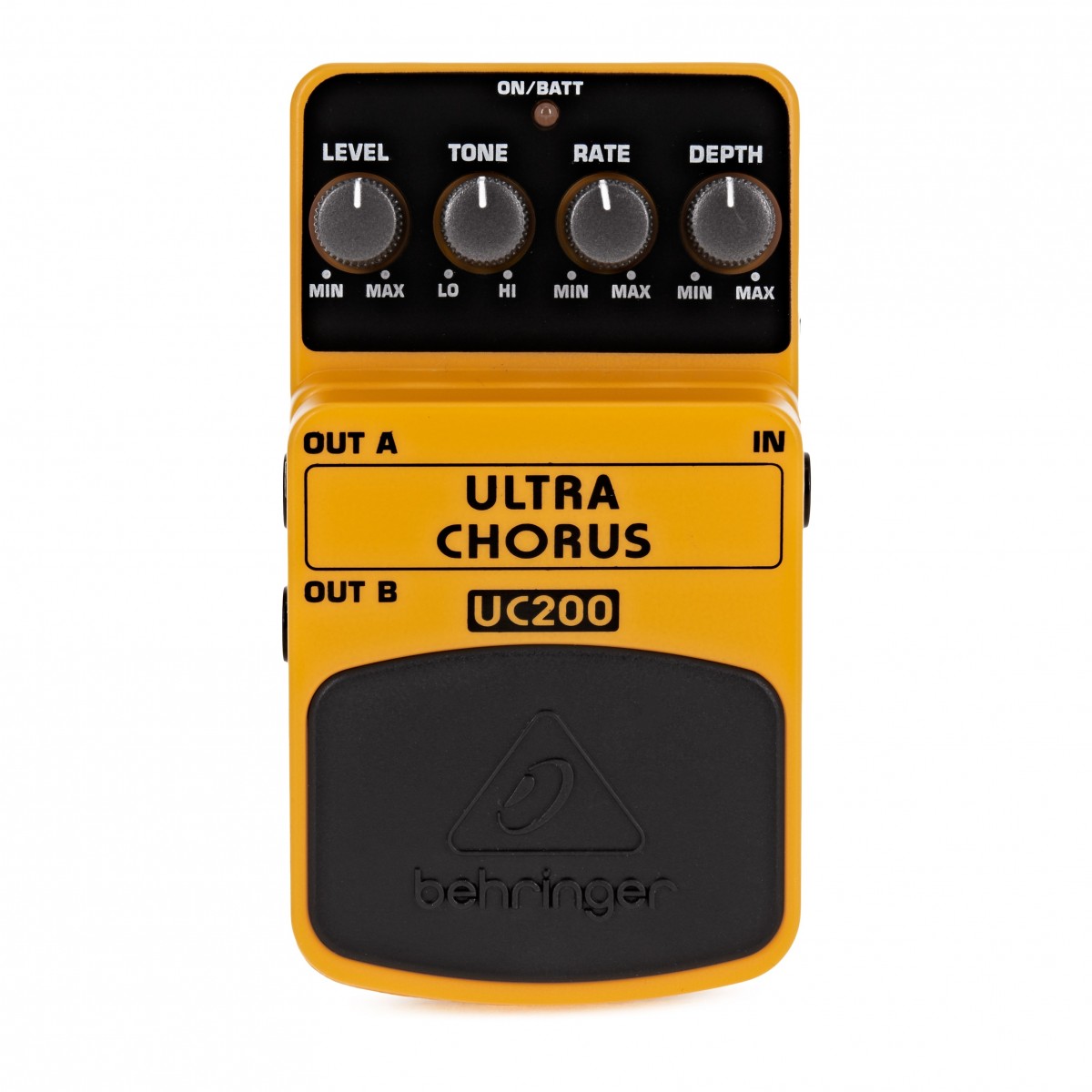
Behringer UC200 Ultra Chorus Pedal
 £259.00 ($329)
Dunlop
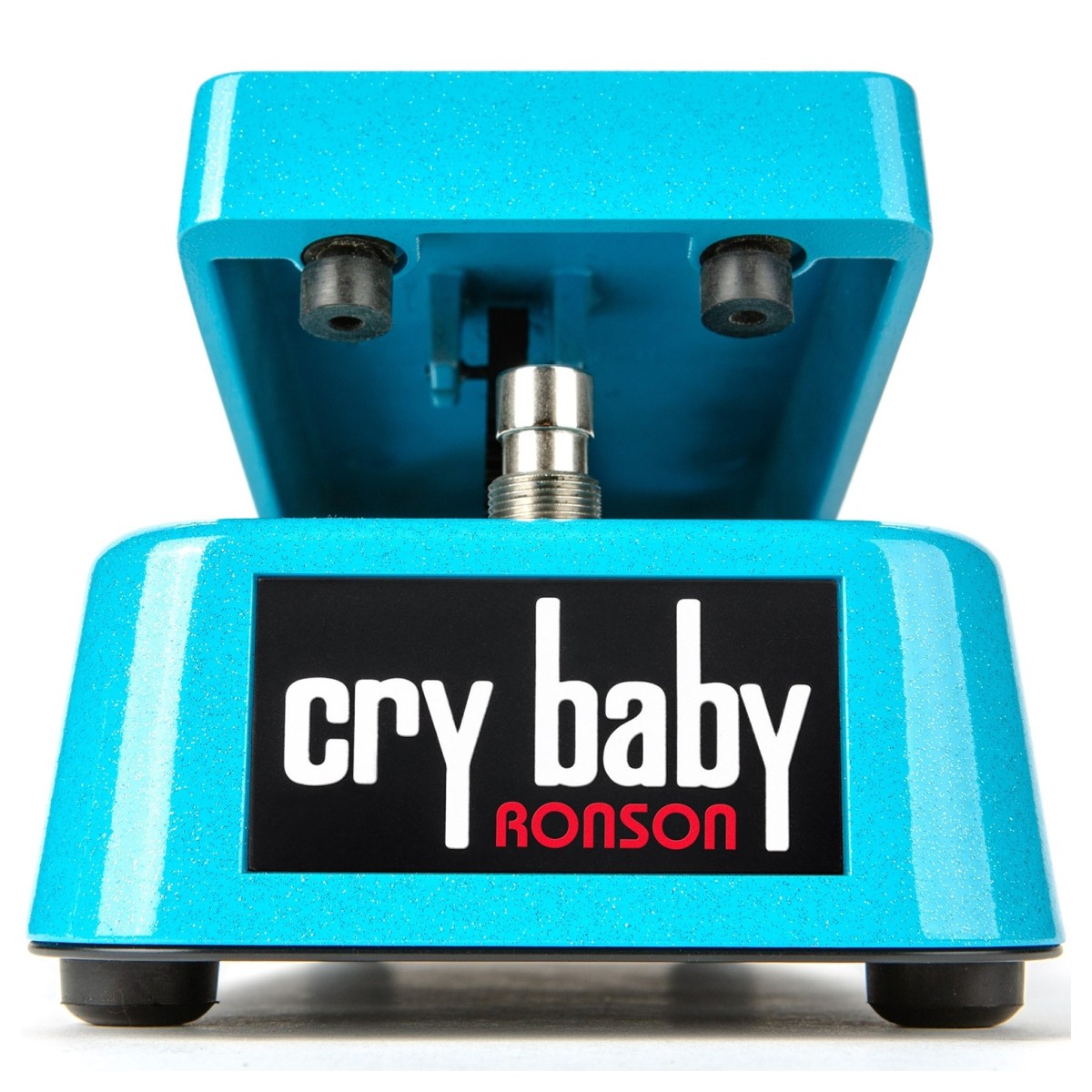
Dunlop Mick Ronson Cry Baby Wah
 £77.00 ($98)
Yamaha
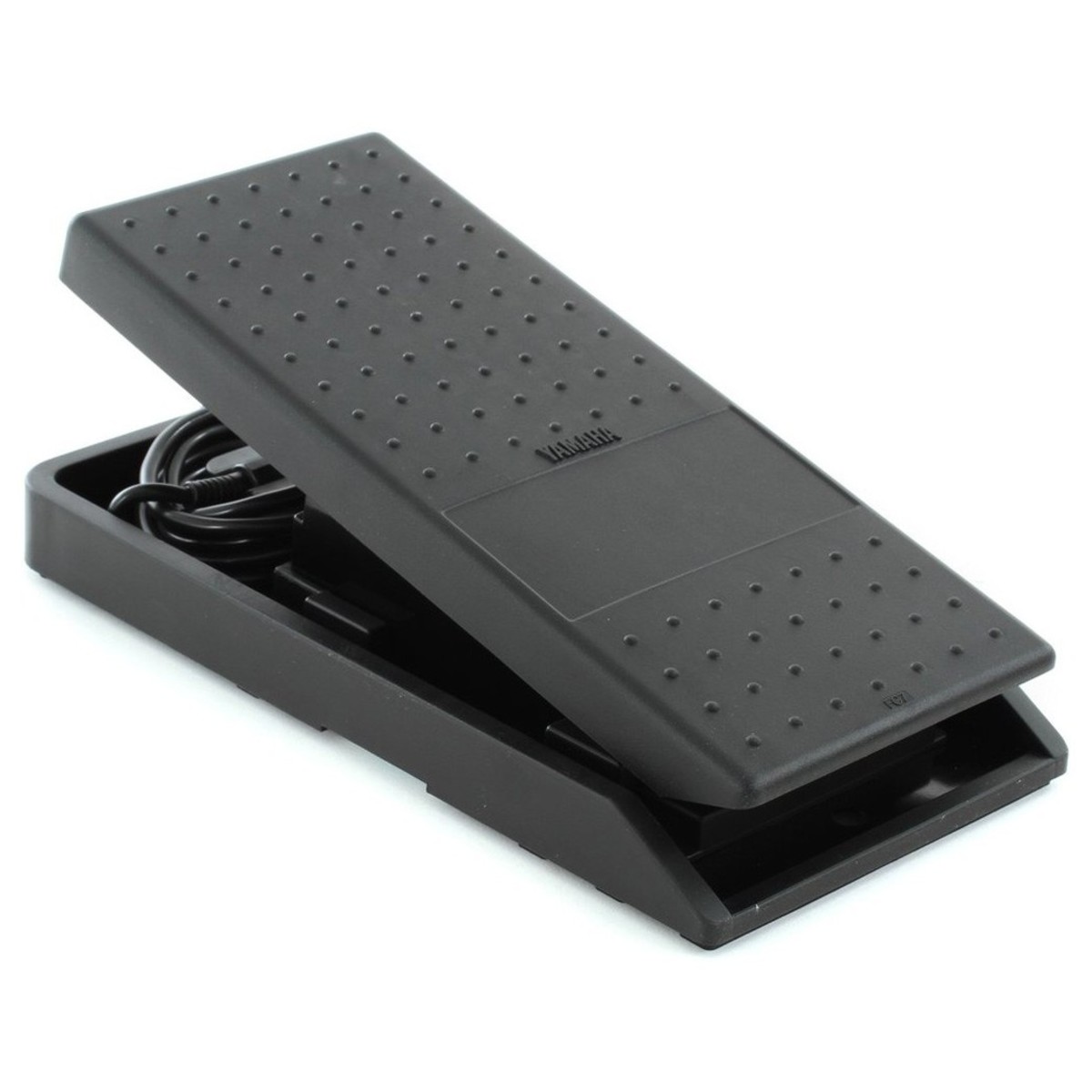
Yamaha FC7 Expression Pedal
 £175.00 ($222)
Boss
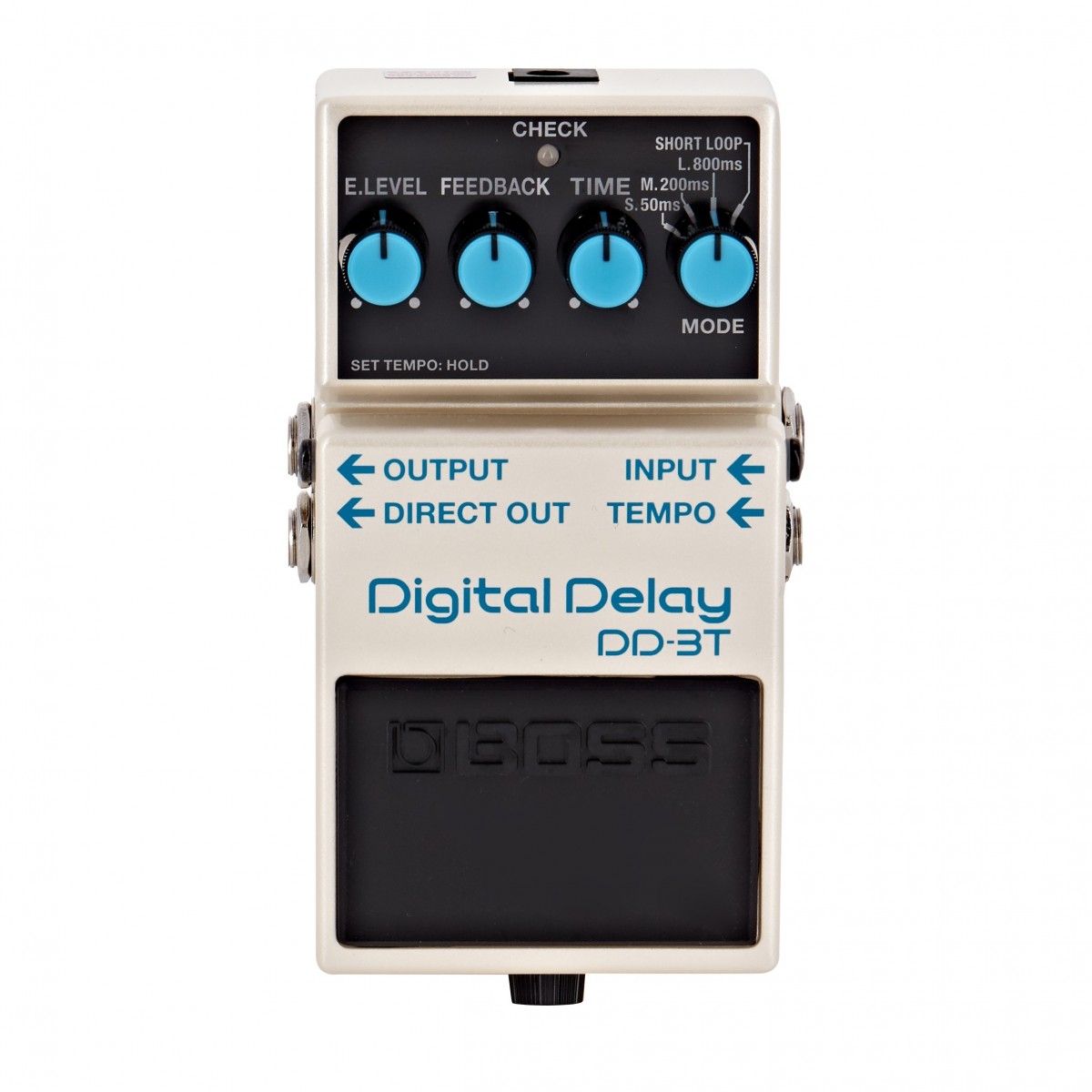
Boss DD-3T Digital Delay Pedal
 £99.10 ($126)
Boss
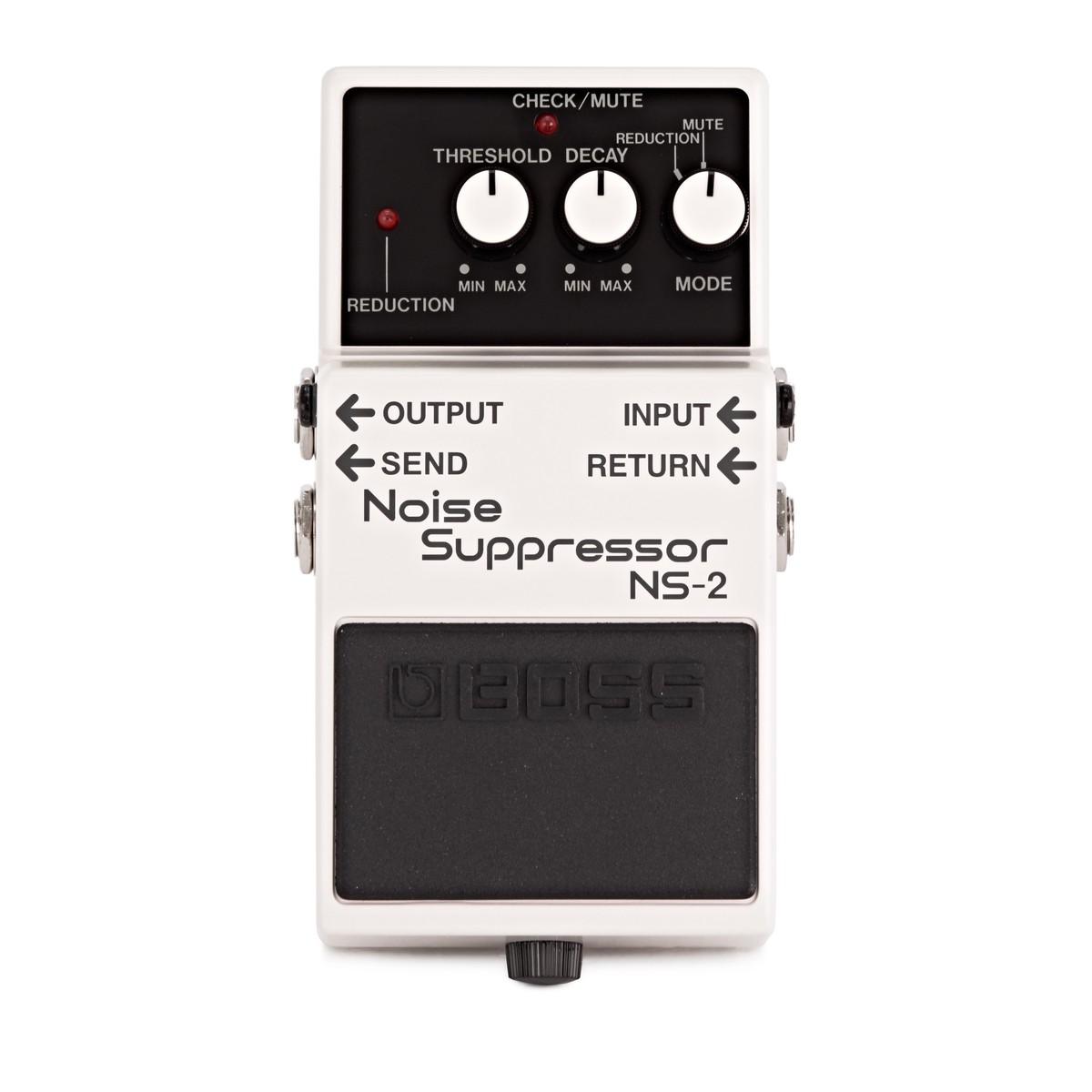
Boss NS-2 Noise Suppressor Guitar Pedal
Frequently asked questions
- What is a dual-band fuzz pedal?
- A dual-band fuzz pedal splits your instrument signal into two separate frequency paths, usually high and low. Each path is processed by its own distortion circuit, allowing for independent control over the saturation of different tonal ranges.
- What does the 'FREQ' control do on the Crossover Fuzz?
- The FREQ control operates linked filters that move in tandem across the frequency spectrum. It allows for sweeping resonant shifts, ranging from simple tone adjustments to chaotic, modulated sounds.
- Can I use the Crossover Fuzz with a bass guitar?
- Yes, it is highly effective for bass because it allows you to maintain clean or thick low-end fuzz while adding aggressive distortion to the highs. The dedicated 'Low' controls prevent the bass frequencies from getting lost in the mix.
- Does the pedal have stereo outputs?
- The pedal features dedicated HIGH and LOW outputs, which can be used to create a stereo-like effect by sending different frequency bands to two separate amplifiers or recording channels.
- What are the dedicated inputs used for?
- The HIGH and LOW inputs allow for specialized routing, such as feeding specific signals into only one half of the fuzz engine. This is useful for complex pedalboard setups or parallel processing.
- How much does the Death By Audio Crossover Fuzz cost?
- The pedal typically retails for approximately £329. This reflects its complex dual-circuit architecture and hand-built nature.
- Is this pedal suitable for subtle overdrive?
- While it can be dialed back, the Crossover Fuzz is described as a 'savage' pedal designed to 'annihilate' signals. It is primarily intended for heavy distortion, textures, and sonic experimentation.
- How does this differ from an EHX Big Muff with Tone Wicker?
- The Big Muff with Tone Wicker focuses on high-frequency enhancement within a single circuit. The Crossover Fuzz, however, uses two entirely separate circuits for high and low bands with independent gain controls.
- Can I use an expression pedal with the Crossover Fuzz?
- The manufacturer description does not specify an expression input. For external control needs, users often pair such pedals with utility devices like a Yamaha FC7 via a separate expression-to-CV converter if applicable.
- Does this pedal require a noise suppressor?
- Because it is a high-gain 'savage' fuzz, it can produce significant noise at high settings. A pedal like the Boss NS-2 may be useful to manage the signal when not playing.
- What kind of power supply does it need?
- The Crossover Fuzz typically uses a standard 9V DC centre-negative power supply common to most boutique guitar pedals. Always verify the current draw before connecting.
- Who is the ideal user for the Crossover Fuzz?
- It is best suited for experimental musicians, noise artists, and guitarists who want precise control over their frequency response. It is also ideal for those who use multi-amp rigs.